
通富微电

Search documents
芯源微:力争实现前道Track突破 加大前道化学清洗新品客户导入力度
Ju Chao Zi Xun· 2025-11-24 12:42
Core Viewpoint - The company, ChipSource Micro, reported a decline in revenue and net profit for the first three quarters of 2025, attributing the downturn to several factors including slow client acceptance and delays in equipment delivery [1][3]. Business Overview - ChipSource Micro specializes in the research, production, and sales of semiconductor equipment, with headquarters in Shenyang and subsidiaries in Japan, Shanghai, and Guangzhou [1]. - The company has established four main business segments: front-end coating and developing, front-end cleaning, advanced packaging, and core components, having delivered over 2,000 sets of equipment [1]. Product Layout - The main products include front-end coating and developing equipment, front-end physical and chemical cleaning equipment, and advanced packaging devices [3]. - The front-end coating and developing machines, along with front-end physical cleaning machines, have secured orders from leading domestic clients in logic and memory sectors [3]. - The front-end chemical cleaning machines have received formal and validation orders from several major clients, while advanced packaging equipment has been widely adopted by top-tier manufacturers such as TSMC and others [3]. Financial Performance - For the first three quarters, the company reported a revenue of 990 million yuan, a year-on-year decrease of 10%, and a net profit attributable to shareholders of -10.05 million yuan [3]. - The revenue decline is attributed to three main reasons: low maturity of front-end Track products, delayed acceptance of large orders from strategic clients, and the time lag between signing and revenue recognition for new products [3]. Cash Flow Analysis - The net cash flow from operating activities for the first three quarters was -230 million yuan, primarily due to increased procurement costs for materials and higher employee compensation from staff expansion [4]. - Despite the negative cash flow, the company indicated that the overall operating cash flow remains healthy, with contract liabilities growing nearly 80% compared to the end of the previous year, reflecting increased orders and customer prepayments [4]. Future Development Plans - Following the acquisition by Northern Huachuang in June 2025, the company aims to enhance management, resource allocation, and product planning [4]. - The focus will be on achieving rapid breakthroughs in front-end Track products and increasing the market penetration of new front-end chemical cleaning products while maintaining a leading position in advanced packaging [4]. - The company plans to optimize the design of front-end coating and developing equipment, enhance reliability, and research new high-capacity technologies, while also advancing the development of high-end packaging equipment [4].


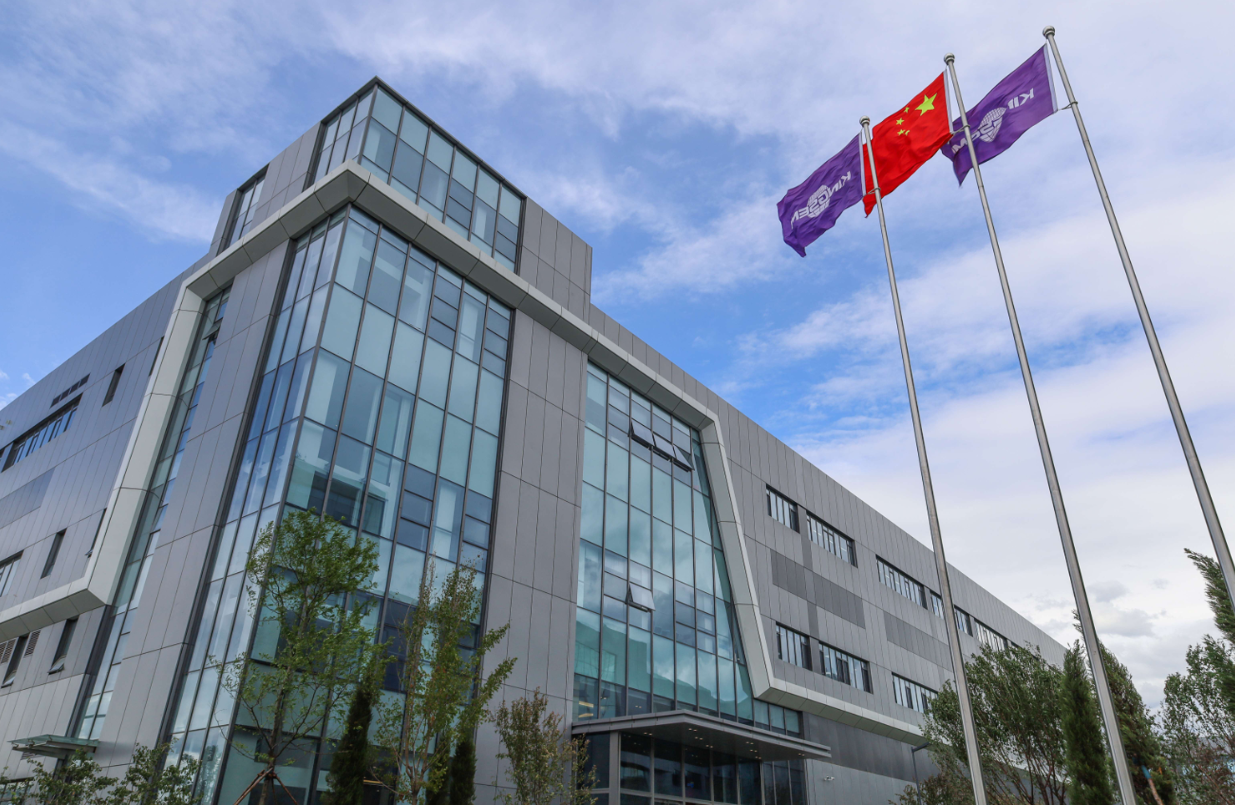
芯源微:持续聚焦主要资源,力争实现前道Track的快速突破
Zheng Quan Shi Bao Wang· 2025-11-24 06:57
Core Insights - The company held a performance briefing on November 24, 2025, to discuss its Q3 results and financial indicators with investors [1] - The company specializes in the R&D, production, and sales of semiconductor equipment, with a strong presence in the domestic market and established subsidiaries in Japan, Shanghai, and Guangzhou [1] - The company has four main business segments: front-end coating and developing, front-end cleaning, back-end advanced packaging, and core components, having delivered over 2,000 sets of equipment [1] Business Performance - For the first three quarters of 2025, the company reported a revenue of 990 million yuan, a year-on-year decrease of 10% due to slower client acceptance of front-end Track products and delays in the acceptance of large orders for front-end physical cleaning equipment [2] - The net profit attributable to the parent company for the same period was -10.05 million yuan, primarily due to the decline in revenue and increased R&D investments in new products and talent [2] Cash Flow and Contracts - The net cash flow from operating activities for the first three quarters was -230 million yuan, attributed to increased procurement for strategic new products and higher personnel costs [3] - The company's contract liabilities grew nearly 80% compared to the end of the previous year, indicating a strong order intake [3] Future Outlook and Innovations - The company aims to enhance the reliability and stability of its front-end coating and developing equipment and is focusing on key technologies for high-capacity inline and offline systems [4] - Research will also be directed towards improving the capacity of front-end chemical cleaning equipment and advancing high-end packaging technologies [4]
科技行业重磅!国家大基金持仓+融资客大幅加仓的滞涨股出炉 仅12只
Zheng Quan Shi Bao Wang· 2025-11-22 05:56
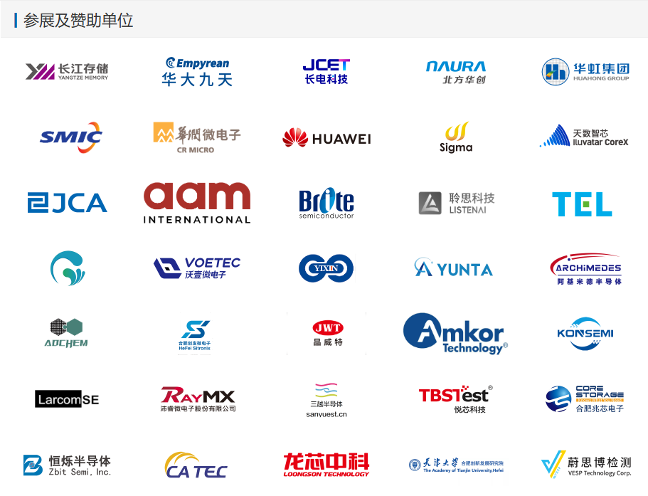
Core Viewpoint - The 22nd China International Semiconductor Expo (IC China 2025) will be held from November 23 to 25, 2025, at the National Convention Center in Beijing, showcasing advancements in the semiconductor industry, particularly in AI chips and advanced manufacturing processes [2][3]. Industry Overview - IC China has been a significant event in the semiconductor industry since 2003, establishing itself as a top-tier industry brand and benchmark [3]. - The expo will focus on the entire integrated circuit industry chain, highlighting the latest technologies, products, and applications, with a theme of "Gathering Strength in Chips, Driving the Future" [4]. Exhibition Details - The expo will feature seven major exhibition areas, including IC design, industry chain, innovative applications, and components, with over 600 exhibitors expected [5]. - Notable companies participating include Yangtze Memory Technologies, Huada Jiutian, and Tongfu Microelectronics, among others [5]. Market Trends - China's semiconductor industry is projected to exceed $180 billion in sales by 2024, with a significant portion of this growth driven by domestic innovation and reduced reliance on imports [6]. - In the first ten months of this year, China's integrated circuit exports reached approximately $161.7 billion, indicating a year-on-year increase of over 23% [6][7]. Growth Projections - The semiconductor industry is expected to experience a dual breakthrough in technology and scale, with a compound annual growth rate (CAGR) of 19.6% in chip design from 2006 to 2025 [13]. - By 2026, the semiconductor industry is anticipated to maintain a CAGR of over 10% [14]. R&D Investments - A-share semiconductor companies are projected to invest over $80 billion in R&D in 2024, with a research intensity exceeding 13% [15]. - The highest growth in revenue from 2021 to 2024 is expected in semiconductor equipment, integrated circuit manufacturing, and discrete devices [15]. Investment Insights - The National Integrated Circuit Industry Investment Fund has significant holdings in 32 companies within the semiconductor industry, with many experiencing substantial increases in financing [17]. - Companies like Shengke Communication and Jiangbolong have seen financing balances increase by over 400% and 350%, respectively, indicating strong investor interest [18]. Stock Performance - Among the 32 companies with National Fund holdings, 12 have seen stock price increases of less than 30% this year, despite significant increases in financing [19]. - Notable companies include Hu Silicon Industry and Tai Ling Microelectronics, with financing balances increasing by over 85% and 187%, respectively [19][20].





超30亿元!大基金拟减持燕东微、拓荆科技股份
Ju Chao Zi Xun· 2025-11-22 02:11
(文/罗叶馨梅)11月20日,国家集成电路产业投资基金有限公司(下称"大基金")正在加速推进退出早期投资项目。本周,科创板半导体公司燕东微 (688172.SH)与拓荆科技(688072.SH)相继披露大基金减持计划,按公告日收盘价估算,本次拟减持金额合计或超31亿元,引发市场对其资本运作节奏 的关注。 公告显示,拓荆科技于11月20日晚间收到大基金发来的减持计划告知函。大基金拟于2025年12月12日至2026年3月11日期间,通过大宗交易方式减持不超过 843.5万股,占公司总股本比例不超过3%。截至三季度末,大基金持有拓荆科技5502.67万股,持股比例19.57%,为公司第一大股东,本次减持全部采用大宗 交易方式,被认为有助于降低对二级市场的短期冲击。 在此之前的11月19日晚间,燕东微公告称,持股5%以上股东大基金因自身经营管理需要,计划于2025年12月11日至2026年3月11日,通过大宗交易或集中竞 价方式,减持不超过2141.43万股股份,即不超过公司总股本的1.5%。同时,股东北京京国瑞国企改革发展基金(有限合伙)亦拟在同一时间窗口内减持 1427.62万股。以公告日收盘价测算,大基金此次 ...


2025先进封装与测试行业发展现状与未来
材料汇· 2025-11-21 14:04
Group 1 - The core viewpoint of the article emphasizes the transition of the integrated circuit industry from traditional transistor scaling to system-level integration and architecture innovation, particularly highlighting the importance of advanced packaging and testing in enhancing chip performance and optimizing system power consumption [2][4][9]. Group 2 - The integrated circuit manufacturing industry consists of three main segments: chip design, wafer manufacturing, and packaging testing, with packaging testing further divided into packaging and testing processes [4][6]. - Advanced packaging is a critical aspect of modern integrated circuit manufacturing, focusing on enhancing functionality density and system-level optimization, distinguishing itself from traditional packaging methods [9][11]. Group 3 - The global integrated circuit packaging and testing industry has shifted from its early development in Europe and the United States to emerging markets in Asia, with Taiwan, mainland China, and the United States forming a triad in the current market landscape [14][16]. - The market size of the global integrated circuit packaging and testing industry is projected to grow from $55.46 billion in 2019 to $101.47 billion in 2024, with a compound annual growth rate (CAGR) of 12.8% [16]. - The advanced packaging market is expected to grow at a CAGR of 10.6% from 2024 to 2029, significantly outpacing the traditional packaging market's 2.1% CAGR [17]. Group 4 - In mainland China, major players in the integrated circuit packaging and testing industry include Longsys Technology, Tongfu Microelectronics, and Huatian Technology, with a market size projected to grow from ¥234.98 billion in 2019 to ¥331.90 billion in 2024, reflecting a CAGR of 7.2% [20][22]. - The advanced packaging market in mainland China is expected to grow at a CAGR of 14.4% from 2024 to 2029, with its market share reaching 22.9% by 2029 [22]. Group 5 - The global advanced packaging industry includes participants from both wafer manufacturing and packaging backgrounds, with significant growth driven by the demand for high-performance computing applications such as artificial intelligence and data centers [24][25]. - The market for Flip Chip (FC) packaging is projected to grow from $18.75 billion in 2019 to $26.97 billion in 2024, with a CAGR of 7.5% [28]. - Chiplet integration packaging is identified as a key growth area, with its market size expected to increase from $2.49 billion in 2019 to $8.18 billion in 2024, reflecting a remarkable CAGR of 26.9% [29]. Group 6 - The advanced packaging technology is widely applied across various sectors, including consumer electronics, mobile communications, and high-performance computing, with significant growth driven by the demand for advanced packaging in smartphones and AI applications [34][42]. - The global computing power is expected to grow from 309.0 EFlops in 2019 to 2,207.0 EFlops in 2024, with a CAGR of 48.2% [36]. Group 7 - The article outlines several trends in the integrated circuit advanced packaging and testing industry, including the acceleration of domestic substitution, the rise of chiplet integration packaging, and the increasing importance of industry chain collaboration [48][50][51]. - The value of advanced packaging is expected to continue rising, driven by the shift towards high-performance applications in AI and data centers [52].



大基金一期加速退出,拟减持两家半导体龙头
Di Yi Cai Jing Zi Xun· 2025-11-21 03:48
Core Viewpoint - The National Integrated Circuit Industry Investment Fund (referred to as "Big Fund Phase I") is accelerating its investment recovery process by advancing exits from early investment projects, with recent announcements from semiconductor companies Yandong Micro (688172.SH) and Tuojing Technology (688072.SH) regarding significant share reductions totaling over 3 billion yuan [3][4]. Group 1: Investment Reduction Plans - Tuojing Technology announced that Big Fund Phase I plans to reduce its holdings by up to 843,500 shares, representing no more than 3% of the company's total share capital, between December 12, 2025, and March 11, 2026 [4]. - Yandong Micro disclosed that Big Fund Phase I intends to reduce its holdings by up to 2,141,430 shares, or 1.5% of its total share capital, during the same period [4]. - The total estimated reduction amount for both companies is approximately 3.12 billion yuan, with Yandong Micro's reduction valued at about 522 million yuan and Tuojing Technology's at approximately 2.597 billion yuan [4][5]. Group 2: Strategic Implications - The recent reductions indicate a strategic shift for Big Fund Phase I, focusing on orderly exits from earlier projects to facilitate capital recycling and prepare for future investments in cutting-edge areas of the semiconductor industry [6]. - Throughout 2025, Big Fund Phase I has systematically reduced its stakes in several key companies across the semiconductor supply chain, including notable cases like North Huachuang (002371.SZ), where its stake has fallen below 5% after nearly ten years of investment [7]. - The fund's investment history shows a significant return, having invested 1.511 billion yuan in North Huachuang and subsequently realizing at least 5.5 billion yuan through various reductions [7]. Group 3: Future Investment Focus - The ongoing reduction activities reflect a clear operational logic of "Phase I recovery, Phase II and III succession," as Big Fund Phase I enters the latter half of its investment recovery period [8]. - The larger Big Fund Phase II (established in 2019) and Phase III (established in 2024 with a registered capital of 344 billion yuan) will focus on supporting critical areas of the semiconductor supply chain that require breakthroughs, such as advanced manufacturing processes and high-end equipment [8].

大基金一期加速退出,拟减持两家半导体龙头
第一财经· 2025-11-21 03:39
2025.11. 21 本文字数:1557,阅读时长大约3分钟 作者 | 第一财经 魏中原 国家集成电路产业投资基金有限公司(下称"大基金一期")正在加速回收投资的步伐,继续推进其对 早期投资项目的退出。 本周,两家科创板半导体公司燕东微(688172.SH)与拓荆科技(688072.SH)相继发布公告,披 露了大基金一期的减持计划,减持金额或超30亿元,再次引发市场对该产业基金资本运作的关注。 拟减持两家半导体龙头,回收资金或超30亿 半导体设备厂商拓荆科技11月20日晚间发布公告称,公司收到了股东大基金一期的减持计划告知 函。 大基金一期计划在2025年12月12日至2026年3月11日,通过大宗交易方式减持公司股份不超 过843.5万股,即不超过公司总股本的3%。 截至三季度末,大基金一期目前是拓荆科技的第一大股东,持股比例高达19.57%,持股数量 5502.67万股,所持股份全部为IPO前取得。大基金一期此次减持仅通过大宗交易进行,对二级市场 的直接冲击相对较小,3%的减持比例表明了其回收资金的节奏有所加快。 前日(19日)晚间,燕东微发布公告,公司持股5%以上股东大基金一期,因自身经营管理需要, ...

加油站跨界半导体,和顺石油收购奎芯科技是投资还是变相减持?
Xin Lang Cai Jing· 2025-11-21 03:25
Core Viewpoint - The recent acquisition plan by Heshun Petroleum to purchase a stake in Kuixin Technology has stirred the capital market, highlighting the company's shift from traditional fuel retailing to the semiconductor industry amid declining performance in its core business [1][3]. Company Overview - Heshun Petroleum primarily operates in the retail of refined oil in Hunan, facing challenges as the market for fuel vehicles declines with the rise of electric vehicles [3]. - The company has experienced a significant drop in profitability since its IPO in 2020, with net profit decreasing from 170 million yuan to approximately 29.27 million yuan in 2024 [3]. Acquisition Details - Heshun Petroleum plans to acquire at least 34% of Kuixin Technology, aiming to control 51% of voting rights, with the total transaction value not exceeding 540 million yuan [1]. - Kuixin Technology, established in 2021, specializes in semiconductor solutions and has raised over 100 million yuan in funding since its inception [5][6]. Market Reaction - Following the acquisition announcement, Heshun Petroleum's stock price surged nearly 60% within a short period, raising concerns about the sustainability of this price increase given the company's poor financial performance [4][12]. - The stock's rapid rise has been attributed to speculation surrounding the semiconductor acquisition rather than fundamental business improvements [4][12]. Financial Performance of Kuixin Technology - Kuixin Technology reported revenues of 146 million yuan in 2023, with projected revenues of 193 million yuan in 2024 and 110 million yuan in the first half of 2025 [7]. - The company has a high asset-liability ratio of 65.29%, indicating potential financial instability [10]. Valuation Concerns - Heshun Petroleum's market capitalization has approached 6 billion yuan, leading to concerns of overvaluation, with a price-to-earnings ratio exceeding 741 times [12]. - Analysts suggest that the valuation is disconnected from the company's declining profitability and that the stock price may face corrections if the acquisition does not meet expectations [12].

自主可控势在必行,行业整体景气度持续提升 | 投研报告
Zhong Guo Neng Yuan Wang· 2025-11-21 03:04
Core Insights - The electronic industry has shown significant growth in revenue and profit for the first three quarters of 2025, with a notable increase in profit growth outpacing revenue growth [1][4] - The semiconductor sector has achieved a revenue of 501.3 billion yuan, marking a 14.43% increase compared to the same period in 2024, and a net profit of 43.898 billion yuan, reflecting a substantial 49.85% growth [2][4] - All six sub-sectors within the electronic industry reported year-on-year growth in both revenue and net profit, indicating an overall improvement in industry conditions [1][4] Semiconductor Sector - The semiconductor sector's revenue for the first three quarters of 2025 reached 501.3 billion yuan, a 14.43% increase from 438.101 billion yuan in 2024, with a net profit of 43.898 billion yuan, up 49.85% from 29.294 billion yuan [2] - In Q3 2025, the semiconductor sector generated revenue of 178.803 billion yuan, a year-on-year growth of 12.55%, and a quarter-on-quarter increase of 4.32% [2] - The net profit for Q3 2025 was 19.754 billion yuan, showing a significant year-on-year increase of 73.15% and a quarter-on-quarter growth of 32.16% [2] Consumer Electronics Sector - The consumer electronics sector achieved a revenue of 1.48 trillion yuan in the first three quarters of 2025, representing a 25.77% increase from the previous year, with a net profit of 60.545 billion yuan, up 22.8% [2] - In Q3 2025, the sector's revenue was 588.946 billion yuan, reflecting a year-on-year growth of 27.21% and a quarter-on-quarter increase of 22.34% [2] - The net profit for Q3 2025 was 27.167 billion yuan, with a year-on-year increase of 34.02% and a significant quarter-on-quarter growth of 45.41% [2] Optical and Optoelectronic Sector - The optical and optoelectronic sector reported a revenue of 718.811 billion yuan for the first three quarters of 2025, a 6.85% increase from 2024, with a net profit of 14.428 billion yuan, up 60.79% [3] - In Q3 2025, the sector's revenue was 253.826 billion yuan, showing a year-on-year growth of 7.53% and a quarter-on-quarter increase of 5.72% [3] - The net profit for Q3 2025 was 4.649 billion yuan, reflecting a year-on-year increase of 48.96%, although it experienced a slight quarter-on-quarter decline of 1.91% [3] Investment Recommendations - The electronic industry is expected to maintain high revenue and profit growth, driven by trends in self-sufficiency and domestic substitution [4] - Key companies in the semiconductor sector include SMIC, Cambrian, and others with strong R&D capabilities [4] - In the consumer electronics sector, companies like GoerTek and Luxshare Precision are recommended due to their scale advantages [4] - For the optical and optoelectronic sector, TCL Technology and BOE Technology are highlighted as companies with strong performance and resilience to external tariff impacts [4]
大基金一期退出进行时:拟减持燕东微、拓荆科技,规模或超30亿
Di Yi Cai Jing· 2025-11-21 02:24
Core Viewpoint - The National Integrated Circuit Industry Investment Fund (referred to as "Big Fund Phase I") is accelerating its investment recovery process by continuing to exit early investment projects, with recent announcements indicating a potential reduction of over 3 billion yuan in investments in two semiconductor companies [1][2]. Group 1: Investment Reduction Plans - The semiconductor equipment manufacturer, Tuojing Technology, announced that Big Fund Phase I plans to reduce its holdings by up to 843.5 million shares, representing no more than 3% of the company's total share capital, between December 12, 2025, and March 11, 2026 [2]. - Yandong Micro also disclosed that Big Fund Phase I intends to reduce its holdings by up to 21.41 million shares, or 1.5% of its total share capital, during the same period [2]. - The total estimated reduction amount for both companies is approximately 3.12 billion yuan, with Yandong Micro's reduction valued at about 522 million yuan and Tuojing Technology's at approximately 2.597 billion yuan [2]. Group 2: Historical Context and Strategy - This marks the third round of reductions for Yandong Micro in 2025, with previous reductions totaling 26.27 million shares and at least 507 million yuan in cashing out [3]. - The reduction actions are part of a systematic strategy by Big Fund Phase I, which has been actively reducing its stakes in various key companies across the semiconductor industry, including equipment, manufacturing, design, and testing sectors [4]. - Notable examples include the reduction of holdings in Beifang Huachuang, where Big Fund Phase I decreased its stake to below 5%, having initially invested 1.511 billion yuan and cashing out at least 5.5 billion yuan through multiple reductions [4][5]. Group 3: Future Implications - The series of reductions reflects a clear operational logic of "Phase I recovery, Phases II and III relay," as Big Fund Phase I enters the latter half of its investment recovery period [6]. - The larger Phase II and upcoming Phase III funds are expected to focus on critical areas of the semiconductor industry that require breakthroughs, such as advanced manufacturing processes and high-end equipment, continuing the mission to support China's semiconductor industry [6].