
红星美凯龙

Search documents
爱逛不爱买,宜家该怪谁?
远川研究所· 2026-01-15 13:04
几乎同时,宜家高调宣布了一系列投入计划: 一是门店转型。 接下来的两年,宜家要以北京和深圳作为重点市场进行探索,开设超过十家面积仅为 传统门店1/3的小型门店[6]。 二是价格调整。 宜家计划投入1.6亿元人民币,给超过150款核心产品降价[7]。 作为一家非上市公司,宜家的高风亮节足以让大部分企业家汗颜。 它十年如一日坚持披露财务数据,上百页年度报告里包罗万象,不仅关心业绩,还关心碳足迹、非二元 性别等社会议题,甚至点评过俄乌冲突。 事实证明,读懂很多大道理,也不一定能过好这一生。 2026年开春,宜家宣布中国市场28年来最大规模的收缩。2月2日起,上海宝山、广州番禺、天津中北 等7家线下大型商场正式停运。 看起来,宜家只是准备换个姿势接着卷,但这个北欧家具品牌的烦恼,却远没有那么简单。 错过的国情 去年8月,宜家煞有介事地宣布入驻京东,加码线上渠道,但它很快绝望地发现,这是一块早已被瓜分 殆尽的市场。 宜家的渠道转型堪称落后。 早在2008年,宜家中国的高层就建议做线上商城,但被创始人英格瓦·坎普拉德驳回,理由是电商会冲 击线下门店的利润,要坚持让顾客到店体验[4]。 直到2020年,宜家才首次在淘宝开设 ...


宜家将连关七店,山东门店逆势求变
Xin Lang Cai Jing· 2026-01-12 22:06
Core Insights - IKEA's recent decision to close stores in China marks its largest consolidation in 28 years, reflecting broader challenges in the home furnishing industry driven by real estate market fluctuations [1] - The home furnishing sector is experiencing significant difficulties, with only 11 out of 26 listed companies expected to be profitable in the first half of 2025, while 15 companies are projected to incur losses [1][2] - The industry is shifting from a focus on volume expansion to quality upgrades, with a growing emphasis on localized renovations and incremental improvements rather than large-scale new home purchases [3] Industry Trends - The home furnishing retail market has been heavily reliant on the real estate cycle, with past growth closely tied to new home deliveries, which are now declining [2] - Price wars are intensifying as brands adopt strategies to exchange price for volume, leading to a contraction in store sizes and a reshaping of the industry landscape [2] - The market is witnessing a transition where demand is not disappearing but evolving towards smaller, phased renovations and targeted upgrades [3] Regional Performance - In contrast to the overall market, IKEA's performance in Shandong remains strong, with the Jinan store recognized for its stability and operational efficiency [4][5] - The Shandong market benefits from a mature logistics system and favorable business environment, allowing for quicker delivery times compared to other regions [5] - Consumer behavior in Shandong is shifting towards renovation of older homes, with estimates suggesting that by 2025, over 70% of the renovation market will be driven by secondary renovations [5] Strategic Adjustments - Home furnishing retailers are increasingly positioning themselves as service providers rather than just product sellers, introducing design centers and service modules to enhance customer engagement [6] - The shift in consumer decision-making processes is prompting retailers to rethink their revenue models, emphasizing service quality as a critical performance indicator [6] - IKEA's store closures serve as a warning for the industry to adapt to the changing landscape post-real estate boom, highlighting the need for ongoing adjustments [6]
智通港股投资日志|1月13日
智通财经网· 2026-01-12 16:02
Group 1 - The article provides a list of companies and their activities in the Hong Kong stock market as of January 13, 2026, including new listings and shareholder meetings [1] - New stock activities include companies such as BBSB INTL,兆易创新, 红星冷链, and others, indicating a dynamic market environment [1] - Shareholder meetings are scheduled for companies like 红星美凯龙, 久融控股, and 心玮医疗-B, which may influence investor sentiment and stock performance [1] Group 2 - The article mentions companies undergoing suspension and resumption of trading, including 信越控股 and 海天味业, which could impact liquidity and trading strategies [1] - Dividend announcements are highlighted, with津上机床中国 listed for dividend distribution, reflecting the company's financial health and shareholder returns [1]
宜家中国败给了谁
3 6 Ke· 2026-01-12 00:16
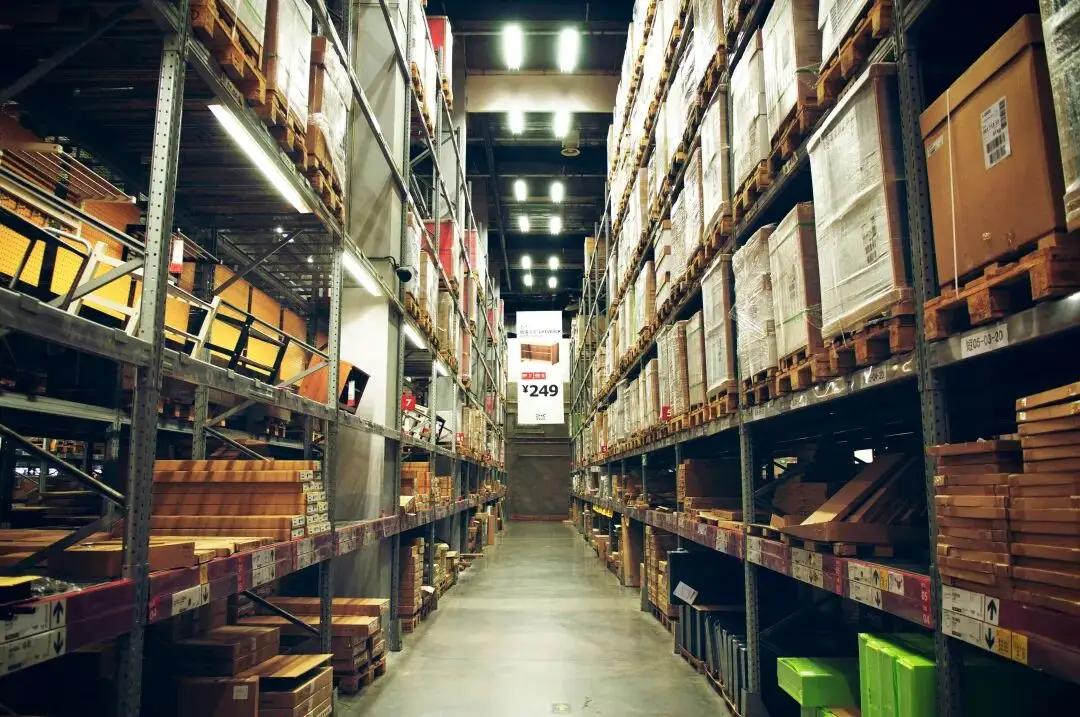
在宜家之前,沃尔玛、无印良品等外资零售,都因为消费环境变化、本地化不足在中国折戟,但之后又再度找到了自己的锚点。 宜家正陷在「入华28年来最大规模收缩关店」的漩涡里。 1月7日,它宣布将从2月2日开始,停止运营上海宝山、广州番禺、天津中北、南通场、徐州、宁波和哈尔滨的7家宜家商场。宜家将这次调整定义为「线 下触点调整」,称调整「并非意味相关门店『无法继续经营』」,而是基于优化成本、提升效率、重新配置资源而做的主动转型。 此次调整后,宜家在中国仍然有34个「线下触点」、3个自有数字化渠道和2个电商平台旗舰店。只是闭店之后,哈尔滨、南通、徐州和宁波4个城市将在 未来一段时间内不再有宜家标志性的「蓝盒子」。 宜家的仓储区域曾是消费者的打卡拍照圣地 实际上,宜家在中国发展不顺已经持续了好几年。 2022年,此前从未在中国关店的宜家,先后关闭了贵阳店和上海杨浦店。而根据宜家母公司英格卡集团财报数据,2021至2023财年(截止至每年的8月 底),宜家中国区销售额增速从17%下滑至6.5%,相比而言,同在亚洲的印度和东南亚,销售额增速分别为31%和22%。而到2024财年,宜家中国销售额 同比下降7.6%到约14.6亿欧 ...
外资撤离潮,中国真要变天?别急,经济刚吃饱饭,咱还稳得住!
Sou Hu Cai Jing· 2026-01-11 17:38
Core Viewpoint - The recent withdrawal of foreign capital from China is not solely a sign of a changing economic landscape but rather a combination of global strategic adjustments and local competition dynamics, indicating that the market is not collapsing but rather undergoing a redistribution of opportunities [1][5][10] Group 1: Foreign Capital Withdrawal Reasons - A portion of foreign companies is struggling to adapt to the evolving preferences of Chinese consumers, leading to decreased competitiveness against local brands [3][5] - Global strategic realignments by multinational corporations, such as layoffs at Microsoft and Amazon, are not specifically targeting China but are part of a broader trend of economic contraction [5][10] - The exit of some foreign banks, like Citibank, reflects limited market share and profitability issues rather than a defeat in the Chinese market [5][6] Group 2: Impact of Foreign Capital Exit - The withdrawal of foreign capital may create short-term challenges, particularly in retail, dining, and certain manufacturing sectors, resulting in reduced orders and job adjustments [8][10] - Local companies are poised to fill the gaps left by foreign firms, demonstrating the resilience and adaptability of the domestic market [8][12] Group 3: Long-term Implications and Strategies - The departure of foreign capital highlights existing vulnerabilities in technology and core components, emphasizing the need for accelerated domestic innovation [12][18] - Maintaining stability in employment, supply chains, and market expectations is crucial, with a focus on supporting local enterprises through targeted policies rather than mere subsidies [14][16] - The importance of strategic self-reliance in key industries such as semiconductors, renewable energy, and artificial intelligence is underscored, necessitating a unified effort from both government and businesses [18]

宜家“7店连关”上热搜!销售额一年蒸发近10亿,未来将开小型门店
新浪财经· 2026-01-08 10:08
Core Viewpoint - IKEA China is closing seven stores, including its largest store in Asia, to optimize costs and improve efficiency, while planning to open over ten smaller stores in the next two years [3][6][7]. Store Closure and Strategy - The closure of seven stores represents nearly 20% of IKEA China's total 41 stores, with the aim to enhance space efficiency and focus resources on consumer-centric channels [3][10]. - The company emphasizes that the closures are part of a proactive transformation rather than an indication of inability to operate [6][7]. Sales Performance - IKEA China's sales have declined significantly, with a drop of nearly 30% from its peak sales of 15.77 billion yuan in 2019 to 11.15 billion yuan in the 2024 fiscal year [10][12]. - The sales growth rate for IKEA China fell from 17% in 2021 to 6.5% in 2023, lagging behind emerging markets like India and Southeast Asia [10]. Digital and Online Strategy - IKEA is shifting focus to online retail channels, including partnerships with platforms like JD.com to enhance delivery services and customer interaction through digital tools [8][10]. - The company plans to invest in digitalization and store experience improvements to better engage consumers [8]. Market Challenges - The home furnishing industry is facing significant challenges, with competitors like Meike Meijia and Red Star Macalline also experiencing financial difficulties [14]. - Experts suggest that the shift towards online shopping and the pressure on profit margins in the standardized home furnishing sector are contributing to IKEA's store closures [14][12].

宜家“7店连关”上热搜! 销售额一年蒸发近10亿,未来将开小型门店
Xin Lang Cai Jing· 2026-01-08 10:04
Core Viewpoint - IKEA China is closing seven stores, including its largest store in Asia located in Shanghai Baoshan, as part of a strategic adjustment to enhance efficiency and focus on consumer-centric channels. This closure represents nearly 20% of its total 41 stores in China, highlighting significant operational challenges faced by the company [2][3][4]. Group 1: Store Closures and Strategic Adjustments - IKEA China will cease operations at seven locations starting February 2, 2026, including stores in Shanghai, Guangzhou, Tianjin, Nantong, Xuzhou, Ningbo, and Harbin [2][3]. - The company aims to improve space efficiency and redirect resources towards more consumer-focused channels, planning to open over ten smaller stores in the next two years [4][15]. - The closures are part of a broader strategy to adapt to the rapidly changing retail environment, with a focus on optimizing business structure and enhancing online and offline integration [4][17]. Group 2: Financial Performance and Market Challenges - Since 2022, IKEA has been closing multiple stores, with sales growth in the China region declining from 17% to 6.5% between fiscal years 2021 and 2023, significantly lower than emerging markets like India and Southeast Asia [7][18]. - In fiscal year 2024, IKEA China's revenue dropped to 11.15 billion yuan, a decrease of nearly 1 billion yuan from the previous year and a nearly 30% decline from its peak of 15.77 billion yuan in 2019 [7][18]. - The global revenue for IKEA's parent company Ingka Group fell by 5.5% to 41.864 billion euros, with net profit down 46.5% [7][18]. Group 3: Consumer Feedback and Product Quality Issues - There has been a surge in complaints regarding product quality and after-sales service, with customers reporting issues such as defective furniture and inadequate support for returns [8][19]. - Complaints on platforms like Black Cat Complaints and Xiaohongshu highlight dissatisfaction with product durability and service response times, indicating a potential decline in consumer trust [19][20]. Group 4: Industry Context and Expert Opinions - The furniture retail industry is facing significant challenges, with competitors like Meike Meijia and Red Star Macalline also reporting substantial losses and store closures [10][21]. - Experts suggest that the shift towards online shopping and the high operational costs of large physical stores are major factors contributing to IKEA's current predicament [10][21]. - The ongoing pressure on profit margins in the standardized furniture sector, combined with declining consumer interest in IKEA's offerings, has led to the necessity of store closures as a last resort [10][21].
宜家中国正评估关闭门店地块处理方案,但或许难出手
Xin Lang Cai Jing· 2026-01-08 01:30
Core Insights - IKEA is set to close seven stores in China, including locations in Shanghai, Guangzhou, Tianjin, Nantong, Xuzhou, Ningbo, and Harbin, with the closures aimed at optimizing costs and improving efficiency [1][14] - The closures reflect a shift in IKEA's strategy from large-scale expansion to a focus on smaller, more flexible store formats that align better with consumer habits [11][22] - The company plans to open over ten small stores in key markets like Beijing and Shenzhen within the next two years, while also enhancing its online presence [11][22] Group 1: Store Closures - The seven stores being closed were established as key offline touchpoints for IKEA in China, but the company is now reassessing its business model to increase efficiency and resource allocation [1][14] - The closures are part of a broader trend where large stores in non-core areas are being shut down, as they do not attract sufficient foot traffic [20] - The company is evaluating the handling of the real estate assets from the closed stores, but the large size of these properties may complicate quick turnover to new tenants [4][16] Group 2: Market Conditions - The real estate market in China is experiencing a downturn, with a reported 15.9% year-on-year decline in real estate development investment and a 15.1% drop in personal mortgage loans [19] - This decline in real estate activity directly impacts demand for home furnishings, with sales in the building materials and home furnishings sector also down by 2.95% [19] - The competitive landscape in the home furnishings industry is tightening, with price wars leading to reduced profit margins for brands, including IKEA [19] Group 3: Strategic Shift - IKEA's long-standing strategy has involved purchasing land and building stores, which has been profitable during periods of real estate growth but has become less viable in the current market [8][18] - The company is transitioning to a model that emphasizes smaller stores, such as the "inspiration design centers," which are around 300 square meters and focus on personalized design services [11][22] - IKEA aims to complement its traditional large stores with smaller formats to better serve urban consumers who prefer convenient access [22][23]

红星美凯龙(01528) - 红星美凯龙家居集团股份有限公司截至2025年12月31日止商场数量的提...
2026-01-07 09:41
香 港 交 易 及 結 算 所 有 限 公 司 及 香 港 聯 合 交 易 所 有 限 公 司 對 本 公 告 的 內 容 概 不 負 責,對 其 準 確 性 或 完 整 性 亦 不 發 表 任 何 聲 明,並 明 確 表 示,概 不 對 因 本 公 告 全 部 或 任 何 部 分 內 容 而 產 生 或 因 依 賴 該 等 內 容 而 引 致 之 任 何 損 失 承 擔 任 何 責 任。 Red Star Macalline Group Corporation Ltd. 紅星美凱龍家居集團股份有限公司 (一 家 於 中 華 人 民 共 和 國 註 冊 成 立 的 中 外 合 資 股 份 有 限 公 司) (股 份 代 號:1528) 海外監管公告 本公告乃由紅星美凱龍家居集團股份有限公司(「本公司」)根據香港聯 合交易所有限公司證券上市規則第13.10B條 作 出。 以下為本公司於上海證券交易所網站刊發之《紅 星 美 凱 龍 家 居 集 團 股 份 有限公司截至2025年12月31日 止 商 場 數 量 的 提 示 性 公 告》,僅 供 參 閱。 承董事會命 紅星美凱龍家居集團股份有限公司 李玉鵬 董事長 ...
智能消费主导元旦家居市场 政策与观念双轮驱动产业升级
Bei Jing Shang Bao· 2026-01-05 11:17
Core Insights - The smart home market is experiencing a significant transformation, with AI technology becoming a central component of consumer demand, evolving from an "efficiency tool" to a "collaborative partner" in daily life [1][4] - The market performance during the New Year holiday reflects a deep change in consumer expectations, emphasizing a shift towards a human-centered, all-encompassing ecological experience in smart home solutions [1][3] Group 1: Market Trends - The smart home market is projected to exceed 300 million units shipped in China by 2026, with smart security, lighting, and appliances leading the market [3] - There is a notable increase in consumer interest in smart home products, particularly during the New Year period, with sales of smart appliances rising as consumers seek comprehensive smart solutions [2][3] Group 2: Policy and Consumer Behavior - Government policies are driving the growth of the smart home market, with new subsidies for smart products and initiatives to promote interconnected smart home solutions [4][5] - A shift in consumer demographics is evident, with nearly 60% of home appliance consumers being under 35, who prioritize quality of life and convenience, viewing smart homes as essential for enhancing happiness [5][6] Group 3: Challenges and Industry Insights - The industry faces challenges such as "pseudo-intelligence," data security issues, and system instability, which can undermine consumer confidence and experience [7][8] - Experts emphasize the need for a transition from "manual control" to "seamless intelligence," advocating for a focus on understanding user habits and creating a cohesive smart ecosystem rather than merely connecting devices [8]