Kpler

Search documents
Kpler达沃斯首秀:看好中国,持续加码亚洲市场
Cai Jing Wang· 2025-07-02 08:48
2025年7月2日,中国天津 — 2025年6月24日至26日,世界经济论坛第十六届新领军者年会("夏季达沃 斯论坛")在天津举办。Kpler受邀参加了此次盛会,与全球商界领袖、专家代表和媒体们共话全球经济 和科技创新等重要议题。 此外, Mark Cunningham和Jean Maynier还与来自全球的政商领袖就人工智能、机器人技术以及数据在 塑造未来海运贸易方面和在全球供应链中的关键作用进行了深度对谈。 Kpler董事长Jean Maynier表示,"Kpler观察到中国和亚洲地区无与伦比的市场活力,以及在人工智能和 创新技术上的成熟度。正是这样的市场环境,才能让Kpler的解决方案发挥其最大优势,更好地帮助企 业化繁为简、管控风险,并从容制定决策。" 今年6月,Kpler首次在北京举办媒体交流会,并由全球分析师团队向媒体分享了大宗商品和能源数据方 面的深度洞察和国际趋势。以中国市场为重心,Kpler将继续加大对亚洲市场的投入,帮助企业解锁可 实践的洞察趋势,并重塑传统的大宗商品贸易追踪和分析模式。 总部位于比利时,业务遍及全球,Kpler是一家全球领先的大宗商品和能源市场数据分析平台,致力于 通过数 ...
整理:每日全球大宗商品市场要闻速递(7月2日)
news flash· 2025-07-02 06:14
Group 1 - Iran is preparing to lay mines in the Strait of Hormuz amid the outbreak of conflict with Israel [1] - Russia will temporarily reduce fuel exports to stabilize the exchange rate [2] - Iraq reports that imports of Iranian natural gas have decreased by half [3] Group 2 - Mexico's oil production has fallen to levels not seen since the late 1970s [4] - Goldman Sachs indicates that if OPEC+ decides to increase production, the market is unlikely to react significantly as expectations have already shifted in that direction [5] - Shipping intelligence firm Kpler reports that Saudi Arabia's crude oil exports increased by 450,000 barrels per day in June to 6.33 million barrels per day, the highest level in over a year [6] Group 3 - Kazakhstan's crude oil production in June increased by 7.5% compared to May, reaching 1.88 million barrels per day, marking a historical high [7] - Kazakhstan's crude oil production in the first half of the year grew by 13% year-on-year, reaching 1.79 million barrels per day [7]
沙特6月原油出口量环比增加45万桶/日至633万桶/日
news flash· 2025-07-01 14:23
智通财经7月1日电,航运情报公司Kpler显示,沙特6月原油出口量环比增加45万桶/日至633万桶/日,为 一年多来最高水平。 沙特6月原油出口量环比增加45万桶/日至633万桶/日 ...
伊以冲突下,全球货船绕行霍尔木兹海峡
第一财经· 2025-06-19 03:48
Core Viewpoint - The ongoing conflict between Israel and Iran has significantly impacted shipping costs and routes, with a notable increase in freight rates and potential insurance hikes due to heightened risks in the region [1][3][9]. Shipping Costs and Insurance - On June 13, the freight rate for oil tankers from the Middle East to China surged by 24%, reaching $1.67 per barrel, marking the largest single-day increase of the year [3]. - Insurance rates for shipping are expected to rise as underwriters may quickly adjust premiums based on perceived risks, despite current stability in the Red Sea and Strait of Hormuz [3][9]. - Shipping companies may begin imposing "safety surcharges" to cover increased insurance costs and potential disruptions caused by the conflict [3][4]. Shipping Route Adjustments - Many cargo ships are opting to avoid the Red Sea and the strategically important Strait of Hormuz due to the escalating conflict, leading to increased operational costs for those who choose to navigate these waters [4][5]. - The Strait of Hormuz is crucial for global oil transport, with an average of 20% of the world's oil passing through it, making any disruption potentially impactful on global energy prices and supply chains [5][6]. Industry Warnings and Recommendations - Industry organizations are advising shipping companies to prepare contingency plans and reassess routes in light of the conflict, with specific recommendations to avoid high-risk areas [9][10]. - The UK-based Ambrey has suggested that vessels near the Strait of Hormuz should consider rerouting and evaluate their affiliations, particularly with Israel, to mitigate risks [9]. - The U.S.-led Joint Maritime Information Center has urged shipping companies to review their routes and ensure crew safety while maintaining that commercial traffic continues to flow through the Strait of Hormuz [9].

运费录得年内最大单日涨幅,伊以冲突下全球货船绕行霍尔木兹海峡
Di Yi Cai Jing· 2025-06-18 07:32
Core Insights - The ongoing conflict between Israel and Iran has led to significant increases in shipping costs and a shift in shipping routes, with companies advised to prepare for potential escalations in the situation [1][3][7] Shipping Costs and Insurance - Shipping fees for oil tankers from the Middle East to China surged by 24% to $1.67 per barrel on the day the conflict began, marking the largest single-day increase of the year [3] - Insurance rates for vessels are expected to rise due to perceived risks, although they have remained stable since the conflict began [3][7] - Analysts predict that transportation disruptions and port congestion will lead to further increases in shipping container fees, with carriers potentially imposing "safety surcharges" [3][4] Route Changes and Safety Concerns - Many shipping companies are avoiding the Strait of Hormuz and the Red Sea due to heightened tensions, with reports indicating a significant number of vessels opting for alternative routes [4][5] - The Strait of Hormuz is a critical chokepoint for global oil transport, with an average of 20% of the world's oil passing through it, making any disruption potentially impactful on global energy prices [5][6] - The shipping industry has been cautious in the Red Sea even before the current conflict, with a notable decrease in traffic through the Suez Canal [6][7] Industry Recommendations - Various industry organizations are urging shipping companies to develop contingency plans and reassess routes in light of the escalating conflict [7][8] - Companies are advised to evaluate the affiliations of their vessels, particularly those with past connections to Israel, as they may be at higher risk [7] - The U.S.-led Joint Maritime Information Center has recommended that shipping companies review their routes and prepare emergency response plans [7]
中东冲突升级,全球能源市场面临风险
Guo Ji Jin Rong Bao· 2025-06-16 08:53
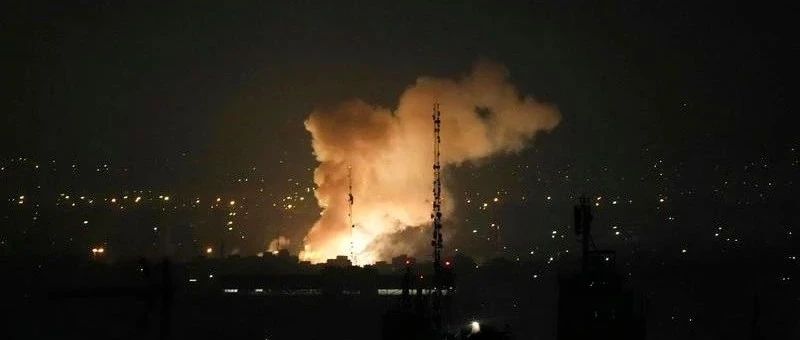
Group 1 - The conflict between Israel and Iran has escalated, directly impacting energy facilities and raising global concerns about energy supply disruptions [1][2] - Israel's drone strikes on Iran's South Pars gas field resulted in significant damage, prompting retaliatory missile attacks from Iran on Israeli oil facilities [1][2] - The situation has led to a surge in oil prices, with U.S. crude futures rising 7.3% to $73 per barrel, the highest in four months, due to fears of supply interruptions, particularly in the Strait of Hormuz [2] Group 2 - Iran's military threats to potentially close the Strait of Hormuz, a critical energy transport route, have heightened risks for shipping in the region, with warnings issued about possible misfires or misjudgments [2] - The attacks on energy facilities have opened the door to psychological warfare and increased market fears of further destruction, which could have significant repercussions for the global economy [2][3] - Israel has suspended natural gas supplies from its Mediterranean gas fields, affecting Egypt and Jordan, which are now urgently seeking alternative sources [3]
Kpler:伊朗石油产量将下降,受美国制裁而非地区紧张局势驱动
news flash· 2025-06-13 13:37
Kpler:伊朗石油产量将下降,受美国制裁而非地区紧张局势驱动 金十数据6月13日讯,Kpler分析师Homayoun Falakshahi表示,伊朗的石油产量预计将开始下降,但原因 是美国加大制裁力度,而不是与以色列的紧张关系升级。Kpler预计未来几周伊朗的石油产量将减少35 万桶/日。相比之下,此前的预测是每天减少50万桶。 ...
越来越多的“僵尸船”现身马六甲海峡,伊朗原油走私手段升级
Sou Hu Cai Jing· 2025-06-06 11:29
Core Insights - The report from Kpler highlights the increasing presence of "zombie ships" in the critical Strait of Malacca, particularly on the route from the Eastern Outer Port Limit (EOPL) to China, complicating the tracking of Iranian crude oil entering China [1][6] Group 1: Zombie Ships and AIS Manipulation - "Zombie ships" are vessels that have become part of a shadow fleet due to sanctions, shutting off their AIS signals and broadcasting signals from decommissioned ships to conceal their identities during cargo unloading [1][6] - Kpler reported four new cases of "zombie ships" following the unloading of approximately 6 million barrels of Iranian crude oil by the sanctioned VLCC "Gather View" at a Chinese port [3] - Specific examples include the VLCC "Vanity" using the AIS identity of the retired VLCC "Uranus," and the VLCC "Ivy" adopting the identity of the VLCC "DS Tina" after loading Iranian crude [5] Group 2: Impact of Sanctions on Iranian Oil Exports - Despite the emergence of "zombie ships," Iranian crude oil exports to China have reportedly declined, with May figures showing approximately 1.1 million barrels per day, a decrease of about 20% year-on-year [7] - The decline in exports reflects the effectiveness of U.S. sanctions, although tracking accuracy is hindered by the closure of vessel transponders and the re-labeling of oil from other countries [7][8] - The tightening of U.S. sanctions is putting pressure on supply chains, while demand is also weakening due to seasonal refinery maintenance delays [7] Group 3: Market Dynamics and Competition - The decline in prices of competing crude varieties from Russia, such as Sokol and Novy Port, is also affecting the market share of Iranian oil [8] - Chinese buyers have reduced their crude oil procurement demand in May, following earlier stockpiling behaviors [8] - The dual impact of sanctions and market factors is reshaping the landscape of Iranian oil trade, presenting new challenges for international maritime regulation and oil trade tracking [10]
特朗普再加25%关税!美国对华关税或持续升级!
Sou Hu Cai Jing· 2025-03-25 20:04
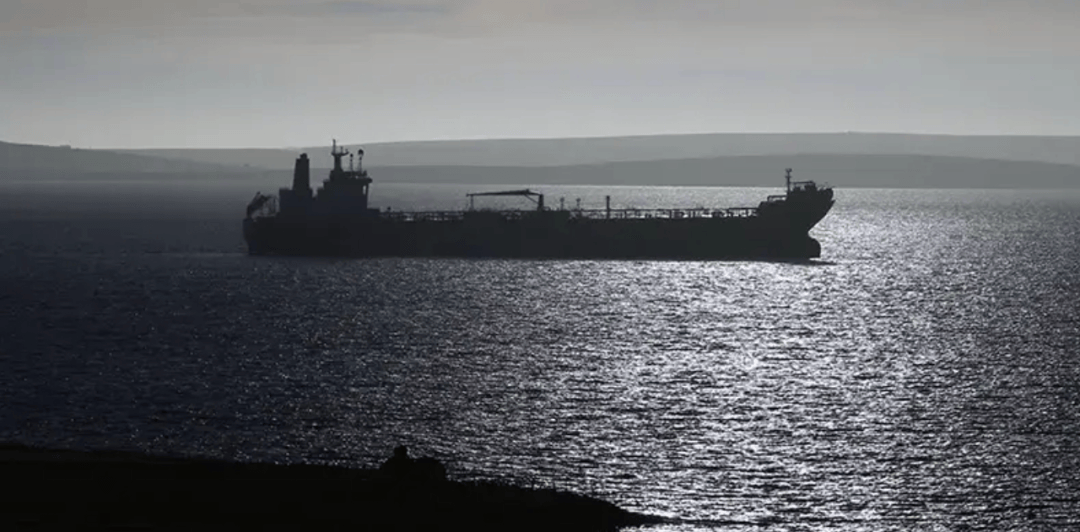
特朗普再加25%关税!美国对华关税或持续升级! 当地时间3月24日,据媒体报道,特朗普签署行政命令,对进口委内瑞拉石油的国家实施"关税制裁"。 此举旨在通过将美国关税提高到与其他国家对等的水平并抵消其非关税贸易壁垒,缩小1.2万亿美元的全球商品贸易逆差。 图源:路透社 美国财政部长斯科特·贝森特和白宫高级经济顾问凯文·哈塞特在上周表示,4月2日的互惠关税重点将放在贸易顺差最大、关税和非关税壁垒较高的少 数国家。根据美国贸易代表办公室的一则公告,中国被列为其中之一。 面对美国关税政策的高压,"中国+1"的柔性生产模式也逐渐成为跨境卖家的新宠。以中国为核心供应链基地,利用中国完备的产业配套和高效的生产 能力,保障产品质量和供应稳定性的同时,在东南亚、墨西哥等地选择一个或多个辅助生产基地,应对关税波动和订单转移风险。 根据咨询公司Kpler的数据,委内瑞拉每天向全球出口66万桶原油,中国是主要进口国。去年上半年,委内瑞拉出口至我国的石油数量为794.9万桶, 交易金额为42.84亿元人民币,平均每桶石油售价仅为539元,是我国石油进口前20大渠道中最为便宜的。 截至3月25日,特朗普已经对中国进口商品征收了20%的 ...