石头科技

Search documents
欧盟出手阻止亚马逊,促成美国老牌扫地机器人被中企收购 | 欧陆志
Xin Lang Cai Jing· 2025-12-18 06:39
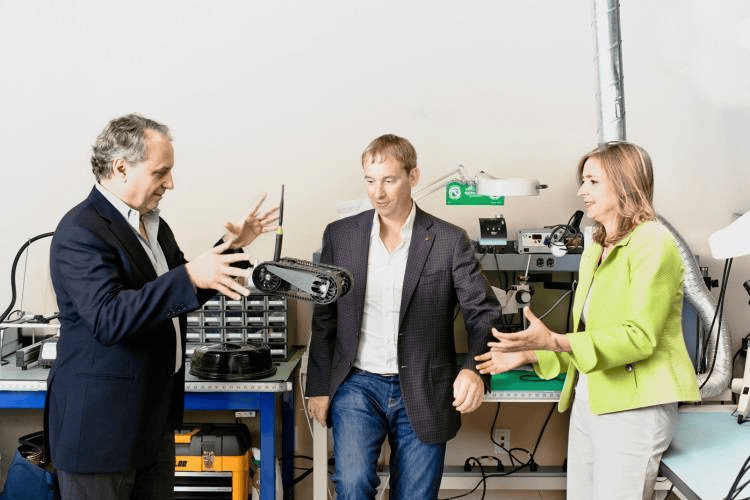
Core Insights - iRobot, a pioneer in the robotic vacuum industry, has filed for bankruptcy protection and will be restructured as a subsidiary of Shenzhen Picea Group after failing to secure a merger with Amazon due to EU antitrust regulations [1][15][20]. Company Background - iRobot was founded in 1990 by Rodney Brooks, Colin Angle, and Helen Greiner, with the revolutionary Roomba vacuum launched in 2002, selling over 50 million units globally [4][18]. - The company raised $38 million from investors, went public in 2005, and achieved revenues exceeding $400 million by 2010 [5][19]. Market Challenges - iRobot has faced declining sales in recent years, with increasing competition from Chinese brands and innovative companies like Dyson, leading to a loss of its technological edge [6][19]. - Supply chain issues have compounded these challenges since 2021, with criticisms regarding the declining quality of iRobot products [6][19]. Acquisition Attempt - Amazon announced a $1.7 billion acquisition of iRobot in 2022, which would have been its fourth-largest acquisition, aimed at enhancing its smart home product line [8][20]. - The acquisition was blocked by EU regulators due to antitrust concerns, which argued it could unfairly limit competition on Amazon's platform [9][21]. Financial Status - iRobot reported a loss of over $145 million last year, with its valuation dropping from over $3 billion in 2021 to $137 million [10][22]. - The company is in significant debt, owing $161 million to Picea, and has exhausted its funding sources, necessitating the acquisition by Picea to avoid total collapse [10][22][24]. Strategic Shift - Following the acquisition, iRobot will operate as a wholly-owned subsidiary of Picea, with its stock being delisted from U.S. markets [12][24]. - The deal is seen as a last-ditch effort to maintain some operational continuity after a series of failures and losses in the competitive landscape [12][24].


扫地机鼻祖,一场出海大败局
Tai Mei Ti A P P· 2025-12-18 04:56
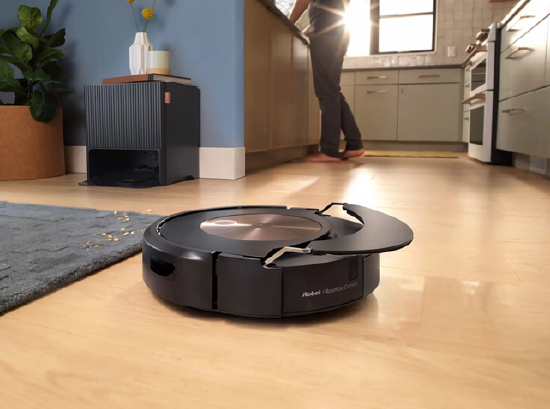
文 | 增长工厂,作者 | 嘉辛,编辑 | 赵元 扫地机器人行业的"开山鼻祖",倒下了。 2025年12月16日,iRobot公告称,由于公司自愿启动破产程序,纳斯达克已决定将公司普通股退市。此 前一天,iRobot在特拉华州法院提交了第11章破产保护申请。 在这份破产文件里,能看到iRobot当下的窘迫:账上现金仅剩2480万美元,总负债却飙升至5.08亿美 元,最大债权人是它的中国代工厂深圳杉川。 谁能想到,这个曾占据全球80%市场份额、市值巅峰近40亿美元的巨头,如今市值缩水至不足2500万美 元,彻底沦为中国企业的"接管对象"。 iRobot的倒下,不是单一因素的偶然,而是全球化战略全面失当的必然:技术上故步自封、市场上傲慢 轻敌、供应链上拱手让人,每一步都踩错了全球化的节奏。 与之形成鲜明对比的是,IDC 2025年三季度全球智能扫地机器人市场报告显示,中国品牌已包揽全球出 货量前五——石头、科沃斯、追觅、小米、云鲸,合计市占率超64%。 这场一衰一兴的较量,为所有出海企业写下最鲜活的教材:全球化从来不是"一套产品卖全球",而 是"跟着市场做本地"。 一、走进技术路线的死胡同 1990年,iRobo ...
iRobot CEO谈破产原因:技术落后中企4年
日经中文网· 2025-12-18 03:01
Core Viewpoint - iRobot has filed for Chapter 11 bankruptcy, citing a significant lag in technological innovation compared to Chinese competitors, leading to a drastic decline in market share and revenue [2][4][6]. Group 1: Bankruptcy and Business Transition - iRobot's CEO Gary Cohen stated that the company has fallen behind competitors in product innovation by four years, which contributed to the bankruptcy filing [2][4]. - The company plans to transfer all shares to Picea Group, a creditor and manufacturing partner, with a restructuring plan set to be completed by February 2026 [4]. - Following the bankruptcy process, iRobot will delist from NASDAQ, and while shareholders will incur losses, the company aims to retain its 500 employees [10]. Group 2: Market Position and Competition - iRobot's global market share in the home robot vacuum sector has plummeted from approximately 50% in 2017 to just 7% in the first nine months of 2025, with Chinese companies like Roborock and Ecovacs gaining significant ground [6]. - The company's revenue peaked in the fiscal year 2021 but has been in continuous decline, resulting in three consecutive years of losses by fiscal year 2024 [6]. Group 3: Future Operations and Strategy - Post-acquisition, iRobot will maintain the Roomba brand and sales structure while introducing the rapid product development pace characteristic of Chinese firms [8]. - The company will keep its headquarters functions and marketing departments in the U.S. to distinguish itself from other Chinese enterprises, and it will not store data on Chinese servers [8]. - iRobot plans to continue expanding in the Japanese market, with a new product launch scheduled for spring 2026, as Japan remains a profitable market for the company [10].

世界最小全自主编程机器人面世,机器人ETF昨日获净申购6600万份,机构:产业链将迎“从0至1”的重要投资机遇
2 1 Shi Ji Jing Ji Bao Dao· 2025-12-18 02:04
Group 1 - The three major indices rebounded collectively, with the Shanghai and Shenzhen stock markets seeing a trading volume increase of 87 billion compared to the previous trading day [1] - The CSI Robotics Index (H30590.CSI) rose by 1.56%, with notable increases in component stocks such as Bojie Co., Ltd. (up over 8%), Huachangda (up over 5%), and Dazhong Laser (up over 4%) [1] - The STAR Market Composite Index (000680.SH) increased by 2.17%, with significant gains in stocks like Kaipu Cloud (limit up), Huaguang New Materials (up over 18%), and Juguang Technology (up over 17%) [1] Group 2 - The Tianhong STAR Composite ETF (589860) closely tracks the STAR Composite Index, covering approximately 97% of the market capitalization of the STAR Market, focusing on small-cap hard technology companies [2] - The top ten weighted stocks in the Tianhong STAR Composite ETF include leading technology firms such as Cambrian (U), Haiguang Information, and SMIC [2] - The Guangxi Zhuang Autonomous Region's Industrial and Information Technology Department has issued a plan to cultivate advanced manufacturing clusters, emphasizing the integration of AI and manufacturing, and the development of intelligent products [2]



投资AI的答案?这个指数好像真的做到了1+1>2!
Sou Hu Cai Jing· 2025-12-18 01:49
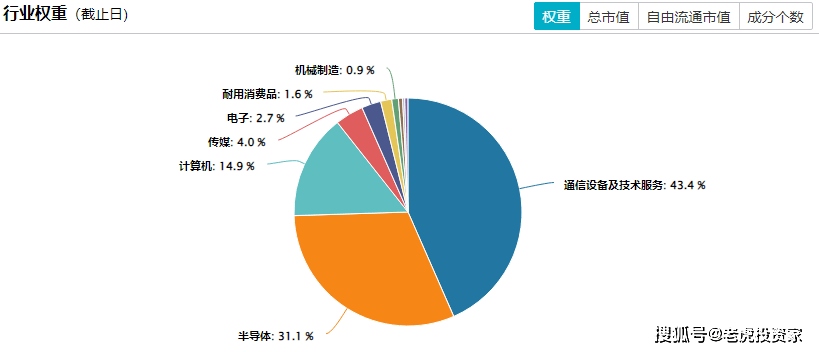
Group 1 - The first batch of ETFs tracking the Innovation and Entrepreneurship AI Index has been launched, with the largest being the E Fund Innovation and Entrepreneurship AI ETF (159140) at a scale of 1.336 billion CNY [10][11] - The investment value and logic in the AI sector are increasingly recognized, with many brokerages projecting AI to remain a key investment theme in the stock market through 2026 [1][2] - The recent economic work conference emphasized the need to "deepen and expand" the integration of AI, indicating strong policy and financial support for the sector in the coming year [2] Group 2 - The focus has shifted from model competition to practical application of AI, with diverse applications in finance, healthcare, and education, which will drive demand for computing power and infrastructure [3] - The Innovation and Entrepreneurship AI Index is uniquely positioned, selecting 50 major companies from the Sci-Tech Innovation Board and the Growth Enterprise Market, specifically targeting leading firms in the AI sector [4][5] - The index captures the strengths of both the communication equipment and semiconductor sectors, with over 70% of its composition in these areas, aligning with global AI computing demand and domestic development [5] Group 3 - The leading stocks within the index are primarily from the optical module and semiconductor sectors, indicating a high concentration that could drive the index's performance during an upcycle in the AI industry [7] - Profit forecasts for the index's constituent stocks show significant growth, with expected revenue growth rates of 36.16% and 25.08% for 2026 and 2027, respectively, and net profit growth rates of 81.99% and 34.58% for the same years [8][9] - The index's design allows for a streamlined investment approach, enabling investors to gain exposure to both optical modules and semiconductors simultaneously [7]


中国银河证券:提振消费政策重要性凸显 关注高分红率优质公司
智通财经网· 2025-12-18 01:41
Core Viewpoint - The consumption industry needs to focus on the medium- and long-term goals outlined in the "14th Five-Year Plan," with short-term attention on specific policies related to consumption expected to be implemented by 2026 [1] Group 1: Consumption Trends - Global consumption recovery is slow, with high tariffs pushing up prices and high interest rates suppressing credit demand, leading to weak consumer confidence in Europe and the U.S. [2] - The central economic work conference emphasized the importance of domestic demand and the construction of a strong domestic market, implementing actions to boost consumption and plans to increase income for urban and rural residents [2] - The report is more optimistic about the improvement of service consumption compared to goods consumption, highlighting recent policies aimed at enhancing service consumption [2] Group 2: Domestic Demand and Retail Performance - In November, the retail sales growth rate was 1.3% year-on-year, with a month-on-month decline of 1.6 percentage points, marking a continuous decrease since May [3] - The decline in retail sales for household appliances and audio-visual equipment was significant, with year-on-year drops of 14.6% and 19.4% in October and November, respectively [3] - Retail sales in the furniture category showed mixed results, with a year-on-year increase of 9.6% in October but a decline of 3.8% in November [3] Group 3: Category-Specific Insights - Jewelry retail sales saw substantial growth of 37.6% and 8.5% in October and November, influenced by new tax policies on gold jewelry [4] - The clothing and textile categories experienced stable growth, with year-on-year increases of 6.3% and 3.5% in October and November, respectively [4] - The restaurant sector's retail sales grew by 3.8% and 3.2% year-on-year in October and November, indicating stability despite slow growth [4] Group 4: Global Consumer Sentiment - Consumer confidence in Europe and the U.S. remains weak, with the U.S. consumer confidence index at 53.3, close to historical lows [5] - Retail performance in the U.S. was lackluster, with a year-on-year increase of 3.9% in adjusted retail sales for September, showing a decline from August [5] - Online sales during the holiday shopping period showed modest growth, with a year-on-year increase of 7.7%, indicating a competitive environment for promotions [5]

美国知名机器人公司倒下,被中国厂商“卷”到破产,负债36亿元
Sou Hu Cai Jing· 2025-12-17 20:13
Core Insights - iRobot filed for bankruptcy protection on December 14, 2025, with plans to complete delisting by February 2026, transitioning to a privately held company controlled by a Chinese firm [1] - Once a leader in the robotic vacuum market with over 80% global market share, iRobot's market position has drastically declined, with its market capitalization shrinking from over $4 billion to approximately $24.19 million [1] Company Background - Founded in 1990 by Rodney Brooks and his students, iRobot initially focused on a broad range of robotics applications, including advanced products for various sectors [3] - The company gained prominence with the launch of the Roomba vacuum in 2002, which sold 50,000 units in its first year and surpassed 2 million units by 2005 [5] Market Dynamics - iRobot's revenue peaked at over $1 billion in 2018, but faced significant competition from Chinese manufacturers that adopted advanced technologies, leading to a decline in market share [5][7] - In 2022, iRobot's revenue fell by 24% year-over-year to $1.1834 billion, resulting in a net loss of $286.3 million, with significant declines in key markets [7] Recent Developments - In March 2025, iRobot launched its largest product line update in 30 years, introducing new models with laser navigation technology, but market share continued to decline [9] - By the third quarter of 2025, iRobot's market share dropped to 7.9%, and it was pushed out of the top tier of competitors, with significant losses reported over consecutive quarters [9] Financial Status - As of September 2025, iRobot's cash reserves were down to $24.8 million, with total assets of $481 million and liabilities of $508 million, indicating insolvency [9] - Over 70% of iRobot's debt is owed to its largest Chinese manufacturing partner, Picea Robotics, which has a significant production capacity and market presence [10]
美国扫地机器人鼻祖破产,被中国代工厂“反向收购”了!
Sou Hu Cai Jing· 2025-12-17 17:14
Core Viewpoint - iRobot has filed for bankruptcy protection and will be acquired by its main contract manufacturer and creditor, Picea Robotics, leading to a significant drop in its stock price and market value [2][5]. Company Overview - iRobot was founded in 1990 by members of MIT's AI lab and is headquartered in Bedford, Massachusetts, with 274 employees [5]. - The company initially focused on defense and aerospace technology, later launching the Roomba series in 2002, which became a household name [5]. - iRobot's market value peaked at $3.56 billion in 2021 due to strong demand during the pandemic [5]. Financial Performance - iRobot's revenue declined by 24% in 2022 to $1.1834 billion, with a net loss of $286.3 million [5]. - In 2024, total revenue further dropped to $682 million, a 23.4% year-over-year decline, with a net loss of $145.5 million [6]. - By Q3 2025, revenue was only $146 million, down 24.6% from the previous year, with a significant loss of $9.9 million [6]. Market Position - iRobot once held over 80% of the U.S. market share for robotic vacuums, but its global market share has fallen to 7.9% [7][8]. - The company faces intense competition from Chinese brands, which have rapidly gained market share due to advantages in product innovation and cost control [6][7]. Bankruptcy Details - iRobot's bankruptcy filing was prompted by ongoing financial struggles, including a debt of $508 million and a significant loss of market share [9][10]. - The company has reached a restructuring support agreement with Picea Robotics, which will acquire 100% of iRobot's equity and relieve it of $191 million in loans and $162 million in overdue manufacturing fees [10][11]. - iRobot's cash and cash equivalents were only $24.8 million, with negative cash flow from operations of $104 million [10]. Future Outlook - iRobot anticipates that the bankruptcy process will not affect its application functionality, customer plans, or supply chain relationships [11]. - Picea Robotics, established in 2016, is a leading provider of mobile robot technology and has a strong production capacity, which may benefit iRobot post-acquisition [12].
对话2026年关键词:消费篇
2025-12-17 15:50
对话 2026 年关键词:消费篇 20251217 摘要 扩内需是未来一年的政策关键词,短期重点在于消费补贴扩容至服务业 和相关就业者,中长期政府投资将更多投入社会保障以扩大中产群体, 提升消费率。 食品饮料行业中,白酒预计在 2026 年加速寻底,大众品部分企业已进 入右侧阶段。啤酒和乳业维持低库存,高成长赛道公司面临定价挑战。 推荐安琪酵母、安井食品和东鹏饮料。 医药板块创新药领域基本面强劲,受益于国内市场和美国市场,中国创 新药企性价比优势显著。医保结构调整和商业保险补充支付构成利好, 创新药产业链及医疗器械出海业务值得关注。 家电行业 2026 年主题为"无惧内销压力,外销加业务扩张大有可为", 内销压力可控,海外市场成长性强,关注家电公司多元化成长、子板块 机会及质量红利。 零售及美容护理行业竞争加剧,关注天猫 AI 应用、抖音返佣机制及强薪 资竞争力公司。医美板块关注产品种类丰富或新兴赛道布局领先的公司, 保健品领域关注新品牌及转型公司。 Q&A 食品饮料行业在 2026 年的具体展望如何? 在食品饮料行业方面,我们认为白酒将在 2026 年经历周期加速寻底过程,而 大众品则已经有部分企业进入右侧 ...
追觅借壳上市?俞浩22亿入主嘉美包装
Sou Hu Cai Jing· 2025-12-17 14:02
Group 1 - The core point of the article is that Chasing Technology may be planning a reverse merger with Jiamei Packaging, which has recently undergone a significant share transfer, making Suzhou Zhuyue Hongzhi the new controlling shareholder [2][3] - The transaction involves Suzhou Zhuyue Hongzhi acquiring 54.90% of Jiamei Packaging's shares, with the original controlling shareholder, Zhongbao Hong Kong, selling 29.90% of its shares at a price of 4.45 yuan per share, totaling approximately 1.243 billion yuan [4][5] - Jiamei Packaging is the largest metal can manufacturer in China, with major clients including Yangyuan Beverage, Wanglaoji, and Dali Group, and reported a revenue of 2.04 billion yuan and a net profit of 390 million yuan in the first three quarters of this year [7][8] Group 2 - The total cost of the acquisition is approximately 2.282 billion yuan, which includes 1.243 billion yuan for the share transfer and an estimated 1.039 billion yuan for a tender offer for an additional 25% of shares [8] - The funding for the acquisition will primarily come from the acquirer's own or self-raised funds, with some funds potentially sourced through bank loans, which are currently under negotiation [8][11] - Chasing Technology, a leading robot vacuum company, has reported significant revenue growth, with expectations to exceed 15 billion yuan in total revenue for 2024, indicating a strong market position compared to competitors [12][13] Group 3 - Chasing Technology's founder, Yu Hao, is under some financial pressure due to the company's ambitious expansion plans, including entering the automotive and drone industries, which require substantial capital investment [17][19] - The company has a wide range of business units and product lines, including but not limited to vacuum cleaners, air purifiers, and electric vehicles, indicating a diverse portfolio [21] - Recent rumors about potential bankruptcy have been publicly addressed by Yu Hao, who stated that the company has sufficient cash flow and has repurchased approximately 5 billion yuan of shares to increase his ownership stake [22][23] Group 4 - Influences on Yu Hao and Chasing Technology's expansion include figures like Lei Jun, who has shaped the company's strategic direction, and Chang Jing, who has pursued similar business ventures after separating from Xiaomi's ecosystem [25][28] - The acquisition strategy employed by Zhuyue Hongzhi mirrors that of other companies in the industry, such as Zhiyuan Robotics, which also utilized a similar approach to gain control of a listed company [29]