
南方电网

Search documents
新能源汽车补能焦虑被终结了吗
Zhong Guo Qing Nian Bao· 2025-07-17 01:59
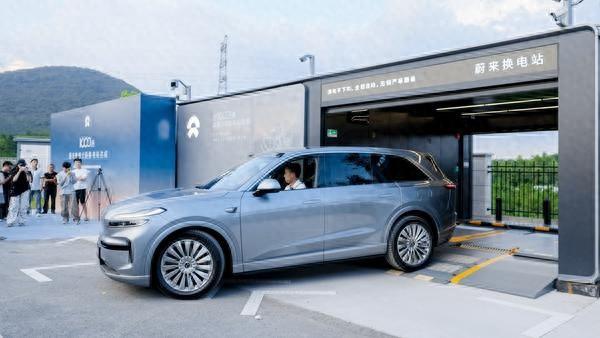
Core Points - NIO has completed its plan to establish 1,000 high-speed battery swap stations, creating a network connecting 550 cities across China [2][3] - The NIO L60 vehicle completed a 10,000 km journey in 98 hours, demonstrating the convenience of electric vehicles on highways [3][4] - NIO has invested over 18 billion yuan in the development and operation of battery swap infrastructure, leading the industry in the number of swap stations [4][5] Group 1 - NIO's 1,000th high-speed battery swap station is located at the G5011 Wuhu-Hefei service area, marking a significant milestone in its infrastructure development [2][3] - The company has built a total of 3,399 battery swap stations, with nearly 80 million battery swap services provided to users [4][5] - NIO aims to enhance the user experience for electric vehicle charging and swapping, positioning itself as a leader in the industry [4][6] Group 2 - NIO has formed strategic partnerships with various automotive and energy companies to improve the charging experience for electric vehicle users [5][6] - The company is actively involved in setting industry standards for battery swap technology, contributing to the development of a national standard for battery swap stations [5][6] - The recent government guidelines emphasize the importance of building high-power charging infrastructure, which aligns with NIO's goals for expanding its network [6]


多地高温天气频繁,央企加力能源保供
Di Yi Cai Jing· 2025-07-16 10:38
Core Viewpoint - The article highlights the significant increase in electricity demand during the summer peak season in China, driven by high temperatures and economic growth, with expectations of a year-on-year increase of approximately 100 million kilowatts in peak load [1] Group 1: Electricity Supply and Demand - The central enterprises are identified as the main force in ensuring energy supply during the summer peak, with the State-owned Assets Supervision and Administration Commission urging them to contribute to stable economic growth and public comfort [1] - The National Energy Group has initiated measures to ensure power supply, including the commissioning of a new coal-fired power unit that incorporates advanced technologies, enhancing the overall efficiency of electricity generation [2] - As of mid-July, the National Energy Group reported a power generation of 1,523.9 billion kilowatt-hours, reflecting a year-on-year increase of 3.3%, with coal production reaching 74.26 million tons, up 1.7% [2] Group 2: Renewable Energy Integration - Wind and solar power are increasingly becoming the main sources of new electricity generation, with installed capacities reaching 570 million and 1.08 billion kilowatts respectively, accounting for 45.7% of total installed capacity, surpassing coal-fired power [2] - The article emphasizes the need for high-level integration and consumption of renewable energy as a key aspect of building a new energy system [2] Group 3: Infrastructure and Market Developments - The Hami-Chongqing ±800 kV UHVDC project has successfully delivered over 1 billion kilowatt-hours of electricity since its commissioning, significantly supporting the power supply in Chongqing [4] - The "Xinjiang Power to Chongqing" project is expected to inject over 36 billion kilowatt-hours of clean electricity into the Chongqing grid by the end of the year, equivalent to one-fifth of the city's annual electricity consumption [7] - A new cross-regional electricity trading mechanism has been established, facilitating the transfer of over 2 billion kilowatt-hours of electricity from Guangdong, Guangxi, and Yunnan to eastern provinces, marking a significant step towards a unified national electricity market [8]


上市首日暴涨近220%,华电新能成“资本宠儿”
Huan Qiu Lao Hu Cai Jing· 2025-07-16 06:40
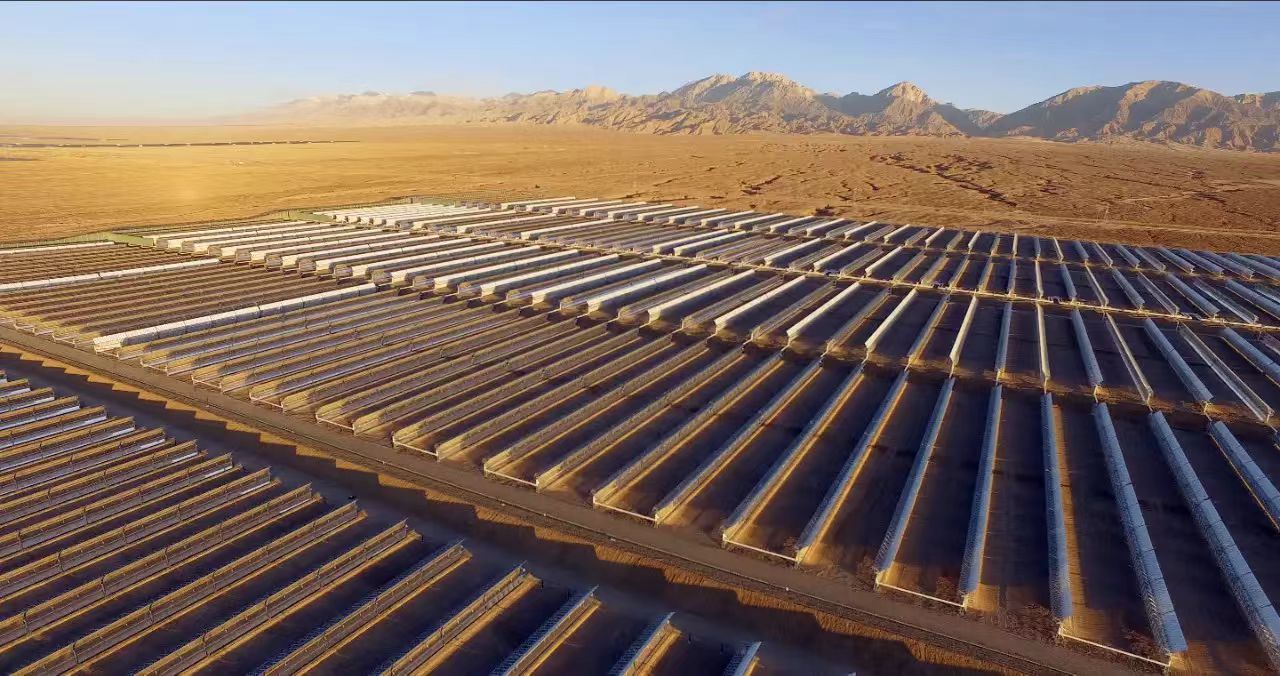
Core Viewpoint - Huadian New Energy achieved remarkable performance on its first day of trading, with a peak increase of nearly 220%, setting a record for the highest first-day gain for a company with a market capitalization exceeding 100 billion in A-shares [1] Company Overview - Huadian New Energy is the only platform for the integration of wind and solar power generation under China Huadian, focusing on the development, investment, and operation of renewable energy projects [2] - The company is primarily controlled by China Huadian, which holds 83.43% of its shares through subsidiaries [2] Financial Performance - The IPO raised 18.171 billion yuan, with funds allocated for various renewable energy projects [1] - From 2022 to 2024, Huadian New Energy's revenue is projected to grow from 24.673 billion yuan to 33.968 billion yuan, while net profit is expected to fluctuate around 8.522 billion yuan to 9.831 billion yuan [2] - In Q1 of the current year, the company reported a revenue of 9.628 billion yuan, a year-on-year increase of 16.19%, and a net profit of 2.922 billion yuan, up 5.89% year-on-year [3] Capacity and Market Share - The total installed capacity of Huadian's wind power has increased from 35.1862 million kW in 2022 to 68.6171 million kW by 2024, with a market share of 6.15% [2] - The solar power installed capacity reached 36.5926 million kW, holding a market share of 4.13%, positioning the company among the leaders in the domestic renewable energy sector [2]
跨电网经营区常态化电力交易落地 售电行业迎来大洗牌
经济观察报· 2025-07-16 04:33
Core Viewpoint - The implementation of the new cross-grid electricity trading mechanism will significantly alter the landscape for electricity sales companies, leading to a larger market, more players, faster pace, and more complex rules, ultimately increasing profit opportunities and requirements for companies [1][26]. Summary by Sections National Unified Electricity Market - A new important document was released on July 14 by the National Development and Reform Commission (NDRC), marking a significant breakthrough in electricity system reform and a key step in building a national unified electricity market [2]. - The document outlines a cross-grid trading mechanism that aims to break market segmentation and achieve "soft connectivity" between the State Grid and Southern Grid [2][9]. Trading Mechanism Details - The mechanism includes detailed designs for various trading types, safety checks, execution principles, and information sharing [2][3]. - It sets short-term, medium-term, and long-term goals for integrating trading within and across the two grids [3][9]. Impact on Electricity Sales Companies - Following the announcement, many electricity sales companies began preparing to understand the implications for their future operations [4]. - Companies that fail to upgrade their systems within 1-2 years may be forced to retreat to regional retail or transform into service providers [4][20]. - Leading companies can leverage their national business layouts to engage in large-scale cross-regional trading, enhancing their market opportunities [4][20]. Market Dynamics and Trading Opportunities - The new scheme will increase the variety of trading products and shorten trading cycles, providing more options and profit points for market participants [22][25]. - The transition from annual and monthly trading to continuous trading on working days will require companies to enhance their algorithmic trading and real-time risk management capabilities [25][26]. Regulatory and Structural Changes - The scheme addresses the historical market segmentation between the State Grid and Southern Grid, filling a regulatory gap for cross-grid trading [9][10]. - It promotes a principle of "one registration, nationwide sharing," allowing companies to operate across different regions without the need for multiple registrations [15][20]. Future Outlook - By 2025, the market is expected to see more market-based trading methods and a reduction in trading cycles, catering to the green consumption needs of electricity users [7]. - The long-term vision includes achieving a unified market with fair competition and optimized resource allocation across the country by 2030-2035 [9].

新华社丨直面高温“烤”验 看今夏电力供应如何“过关”
国家能源局· 2025-07-15 03:38
Core Viewpoint - The article discusses the critical measures being taken to ensure sufficient electricity supply during the peak summer demand period, highlighting the roles of both coal and renewable energy sources in maintaining power stability [1][2][3]. Group 1: Electricity Supply and Demand - The maximum electricity load in the country recently reached 1.467 billion kilowatts, setting a historical record [1]. - Coal plays a vital role as a "ballast" and "stabilizer" in energy supply, with major coal-fired power plants in Anhui province operating at full capacity to meet demand [2]. - The total installed capacity of large coal-fired power plants in Huainan is 15.62 million kilowatts, supplying nearly 200 million kilowatt-hours daily to the East China grid [2]. Group 2: Renewable Energy Contribution - The transition to renewable energy is increasingly important, with significant contributions from solar power during peak summer demand [3]. - In Shandong, solar power generation reached a historical high, with renewable energy output accounting for 54.9% of the total load and 63.1% of total generation on July 5 [3]. Group 3: Energy Coordination and Management - The National Energy Administration is closely monitoring the situation and has implemented tailored strategies for key regions to ensure power supply [5]. - Efficient energy allocation systems are crucial for supporting electricity supply during peak demand periods [7]. - The Xinjiang region has been actively exporting wind and solar energy to other regions, with over 1 billion kilowatt-hours transmitted since the commissioning of a major transmission project [8]. Group 4: Demand-Side Management - Effective demand-side management is essential for balancing electricity supply and demand, with initiatives like virtual power plants being utilized to reduce peak loads [12][13]. - On July 10, a virtual power plant in Hefei successfully reduced power consumption at various charging stations, freeing up 20,000 kilowatt-hours of electricity [14]. - New energy storage systems are being deployed to manage peak demand, with a maximum discharge capacity of 7.14 million kilowatts recorded on July 6 [15]. Group 5: Encouraging Energy Conservation - Initiatives to encourage residential energy conservation have been introduced, with residents rewarded for reducing electricity usage during peak times [17]. - The overall electricity load remains high, necessitating collaboration among government, power companies, and consumers to effectively manage supply during peak periods [17].
中能观察丨国网、南网联手,电力全国“大循环”时代来临
国家能源局· 2025-07-15 03:38
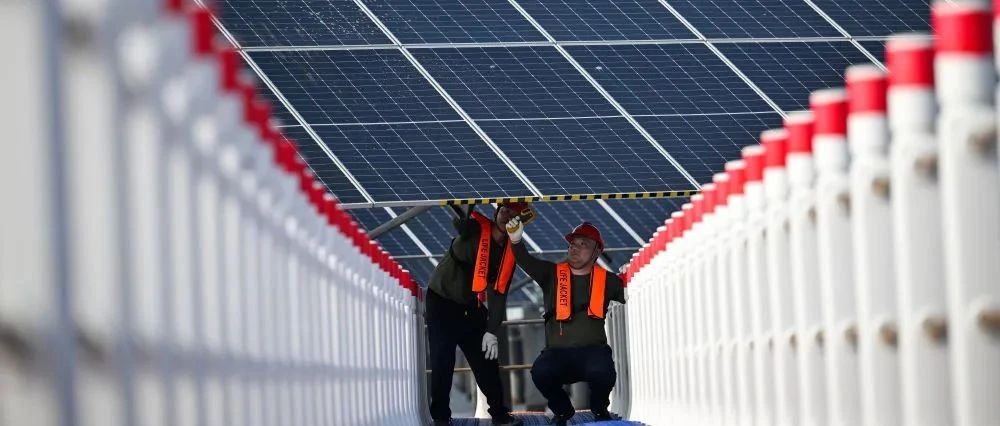
Core Viewpoint - The article discusses the significant breakthrough in China's electricity market with the approval of the "Cross-Grid Operating Area Normalized Electricity Trading Mechanism Plan," which allows for the seamless flow of electricity resources across the national grid, marking a step towards a unified national electricity market [1][3]. Group 1: Market Structure and Historical Context - Historically, China's electricity market has been divided between the State Grid and the Southern Grid, with the State Grid covering 26 provinces and accounting for over 88% of the land area, while the Southern Grid operates in five provinces [3]. - This regional division has led to market isolation, preventing efficient electricity transfer between regions, especially during peak demand or surplus generation periods [3][4]. Group 2: Mechanism Implementation and Transactions - The first transaction under the new mechanism involved 2 million kilowatts of electricity flowing from the Southern Grid to the Eastern region, showcasing the mechanism's role in optimizing national electricity resource allocation [1]. - In March, a successful cross-regional green electricity transaction was conducted, marking a significant milestone in the establishment of a normalized trading mechanism [4]. - In June, over 34 million kilowatt-hours of renewable energy were traded across multiple channels, demonstrating the mechanism's ability to enhance market competition and resource efficiency [5]. Group 3: Future Goals and Framework - The plan outlines a phased approach to building a unified electricity market, focusing on foundational improvements, expanding participation, and ultimately achieving rule unification and comprehensive integration [6][7]. - The "Take the Smaller Principle" is a key innovation in ensuring safety and efficiency in transactions, allowing for better coordination between the two grid operators [8]. Group 4: Economic and Environmental Impact - The implementation of this mechanism is expected to significantly enhance market vitality and expand market space, allowing for efficient resource flow and optimization across the country [10]. - It aims to improve the consumption of clean energy by creating stable channels for renewable resources from regions like Southwest China to major consumption areas [10][11]. - The establishment of long-term green electricity purchase agreements is anticipated to stabilize market expectations and drive efficient resource conversion into economic advantages [11][12].

多地再发高温预警 能源央企乘“峰”破浪应对“烤”验
Zheng Quan Ri Bao Zhi Sheng· 2025-07-14 16:11
Group 1 - The core viewpoint of the articles highlights the increasing electricity demand in China due to high temperatures and economic growth, with the maximum national electricity load reaching a historical high of 1.465 billion kilowatts on July 4, 2023, an increase of approximately 200 million kilowatts from late June and nearly 150 million kilowatts from the same period last year [1] - The National Energy Administration forecasts that the highest electricity load this summer could increase by about 100 million kilowatts compared to 2024, potentially reaching 1.52 billion kilowatts under normal conditions or 1.57 billion kilowatts if temperatures rise significantly [1] - Major energy state-owned enterprises, including State Grid Corporation and China Energy Investment Corporation, have held meetings to prepare for electricity supply during peak summer demand in 2025 [1] Group 2 - Coal-fired power generation remains a crucial component for ensuring stable electricity supply during peak summer demand, with the National Energy Group focusing on maintaining stable coal production and supply [2] - From June 1 to July 13, 2023, the National Energy Group generated 152.39 billion kilowatt-hours of electricity, a year-on-year increase of 3.3%, while coal production reached 74.26 million tons, up 1.7% [2] - The China Datang Corporation has fully activated its 13 coal-fired units to meet high electricity demand during extreme heat, ensuring fuel procurement and management to maintain coal availability for over 30 days [2] Group 3 - The Jiangsu Dafeng offshore wind power project by China Three Gorges Corporation has successfully connected its first batch of units to the grid, with a total capacity of 800 megawatts expected to be fully operational by the end of December 2023, generating over 2.6 billion kilowatt-hours annually [3] - The Guangxi Guiguan Electric Power Co., a subsidiary of China Datang, has all 92 hydropower units operational, achieving a daily output of 17.4 million kilowatt-hours on July 8, 2023, marking a new high for the year [3] - The National Energy Administration is closely monitoring weather changes and electricity supply-demand dynamics to ensure stable power generation and inter-regional electricity support [3]
市场监管总局:着力构建覆盖产业发展全链条的检验检测服务体系
Xin Hua Cai Jing· 2025-07-14 15:03
Group 1 - The Market Supervision Administration has implemented the "Inspection and Testing to Promote Industrial Optimization and Upgrading Action" to support the construction of a modern industrial system and cultivate new productive forces [1][2] - In traditional industry transformation, the administration supports testing institutions to address the needs of industrial digitalization, intelligence, and automation, exemplified by the development of a domestic inspection system for personal protective equipment in the power industry [1][2] - In the development of emerging industries, the administration has organized testing institutions to analyze industry status and create supply-demand lists, leading to advancements such as a lightweight testing system for micro unmanned aerial vehicles [2] Group 2 - The administration encourages testing institutions to extend their services to the front end of the innovation chain, collaborating on platforms for artificial intelligence testing and evaluation, covering various sectors including smart homes and smart vehicles [2] - Future actions will focus on problem orientation, goal guidance, and collaborative innovation to enhance the specialization and high-end value chain of inspection and testing services, thereby empowering new productive forces and supporting high-quality industrial development [2]
财经聚焦|直面高温“烤”验 看今夏电力供应如何“过关”
Xin Hua She· 2025-07-14 14:42
Core Insights - The article highlights the record high electricity demand in China, reaching 1.467 billion kilowatts, and emphasizes the importance of ensuring sufficient power supply during peak summer months [1][2]. Group 1: Power Supply and Generation - Coal remains a critical component in energy supply, acting as a stabilizer in the energy mix, with major coal-fired power plants in Huainan contributing significantly to the grid [1][2]. - Huainan has seven large coal-fired power plants with a total installed capacity of 15.62 million kilowatts, supplying nearly 200 million kilowatt-hours daily to the East China grid [2]. - Nationally, coal inventories at regulated power plants have remained above 200 million tons, ensuring over 30 days of supply [2]. Group 2: Renewable Energy Contribution - The transition to renewable energy sources is increasingly vital for power supply during peak demand periods, with significant solar power generation reported in Shandong [4]. - On July 5, Shandong's renewable energy output reached 66.615 million kilowatts, accounting for 54.9% of the total grid load and 63.1% of total generation, with solar power contributing 83.9% of that output [4]. Group 3: Energy Distribution and Management - Efficient energy distribution systems are crucial for managing peak demand, with initiatives in Xinjiang facilitating the transfer of renewable energy to other regions [6][7]. - A new cross-regional trading mechanism has been established to optimize electricity supply and demand across different regions, enabling significant electricity transfers from southern provinces to eastern regions [9]. Group 4: Demand-Side Management - Demand-side management strategies, such as using virtual power plants and new energy storage systems, are being implemented to balance peak loads effectively [10][11]. - Initiatives encouraging residential energy conservation, such as the "demand response" program in Anhui, aim to reduce peak electricity usage by incentivizing households to save energy [13].

全球停电潮下的奇迹,中国为何成了外媒口中的“电力帝国”?
3 6 Ke· 2025-07-14 09:17
Core Viewpoint - China has emerged as the world's first "Electric Empire," demonstrating remarkable stability in electricity supply amidst global energy crises, contrasting sharply with the struggles faced by other countries like the US, India, and Germany [1][2]. Group 1: China's Electricity Supply Stability - In July 2023, China's peak electricity load surpassed 1.2 billion kilowatts without any large-scale power cuts, while countries like India and the US faced severe electricity shortages [2][3]. - China's total electricity generation in 2023 reached an astonishing 9.46 trillion kilowatt-hours, more than double that of the US and three times that of the EU [2][3]. - The installed capacity of non-fossil energy sources in China surpassed 50% of total capacity for the first time in 2023, reaching 1.57 billion kilowatts, marking a 24.1% year-on-year increase [2]. Group 2: Strategic Planning and Infrastructure - China's electricity development follows a proactive planning approach, with major state-owned companies like State Grid and Southern Power Grid making long-term investments 5-10 years in advance [3][4]. - In 2023, China added 37 million kilowatts of new power generation capacity, bringing the total installed capacity to 2.92 billion kilowatts, significantly outpacing the US and Europe [3]. - The centralized dispatch system in China allows for efficient cross-regional power distribution, with 849.7 billion kilowatt-hours transmitted across regions in 2023, a 9.7% increase from the previous year [3][4]. Group 3: Technological Innovations - China has made significant technological advancements in the energy sector, including ultra-supercritical coal power technology, which achieves over 50% efficiency, far exceeding the global average of 35% [6][7]. - The country has built the world's largest molten salt tower solar power plant, addressing the intermittency issues of solar energy [7]. - China's ultra-high voltage transmission technology enables the efficient transfer of energy from resource-rich western regions to eastern load centers, with a total cross-regional transmission capacity of 188.15 million kilowatts by 2023 [7][8]. Group 4: Economic Implications - China's electricity cost advantages are reshaping global industrial dynamics, particularly benefiting energy-intensive industries like aluminum, where electricity costs account for 40% of total production costs [9][10]. - The disparity in electricity prices has led to a significant decline in European aluminum production, while China's share of global production has exceeded 60% [9]. - China's leadership in renewable energy positions it favorably in the green industry competition, with significant contributions to electric vehicle battery production and related supply chains [10]. Group 5: Global Influence and Cooperation - China's electricity advantages are translating into economic competitiveness, with the country exporting its energy solutions and technologies to regions like Southeast Asia and Africa [11][12]. - The concept of a "global electricity interconnection" is being pursued, aiming to connect China's grid with neighboring countries, potentially reshaping the global energy landscape [11].