L'Oreal

Search documents

欧莱雅首投中国纯净护肤品牌LAN兰,日系肌本科却黯然退出天猫
Yang Zi Wan Bao Wang· 2025-11-21 10:31
Core Insights - L'Oréal Group announced a minority stake investment in Chinese skincare brand LAN, marking its first investment in a local skincare brand since the establishment of its Chinese investment company, Meici Fang [1][2] - Meanwhile, Japanese brand Muji announced the closure of its Tmall flagship store, expected to officially close by December 11, 2025, highlighting a significant reshuffle in the Chinese beauty market [1][8] Investment Dynamics - The investment in LAN was supported by L'Oréal's strategic innovation risk investment fund, BOLD, and is seen as a key step in L'Oréal's deepening presence in China's beauty tech sector [2] - Meici Fang's investment history shows a focus on fragrance and raw material innovation, with LAN aligning perfectly with its investment criteria of digitalization, research, aesthetics, and originality [4] Brand Performance - Founded in 2019, LAN has achieved remarkable growth, reaching over 1 billion in annual sales within six years, driven by its "pure skincare" philosophy and innovative product concepts [5] - The brand has established a strong research foundation, with over 40 patents and plans to create China's first plant oil molecular database by 2025 [5] Market Challenges - Muji's exit from the Chinese market reflects the challenges faced by Japanese brands, which have struggled to adapt to the rapid shift in consumer preferences towards ingredient-focused and efficacy-driven skincare [8][11] - Since 2025, nine Japanese beauty brands, including Decorte and Sekkisei, have closed or exited the Chinese market, indicating a broader trend of international brands facing difficulties in the evolving landscape [12] Industry Trends - The simultaneous events of LAN's investment and Muji's exit illustrate a significant transformation in the Chinese beauty market, where local brands emphasizing technological innovation are rapidly rising [12] - The need for international brands to rethink their product development and marketing strategies is critical in order to regain consumer favor in an increasingly rational market [12]

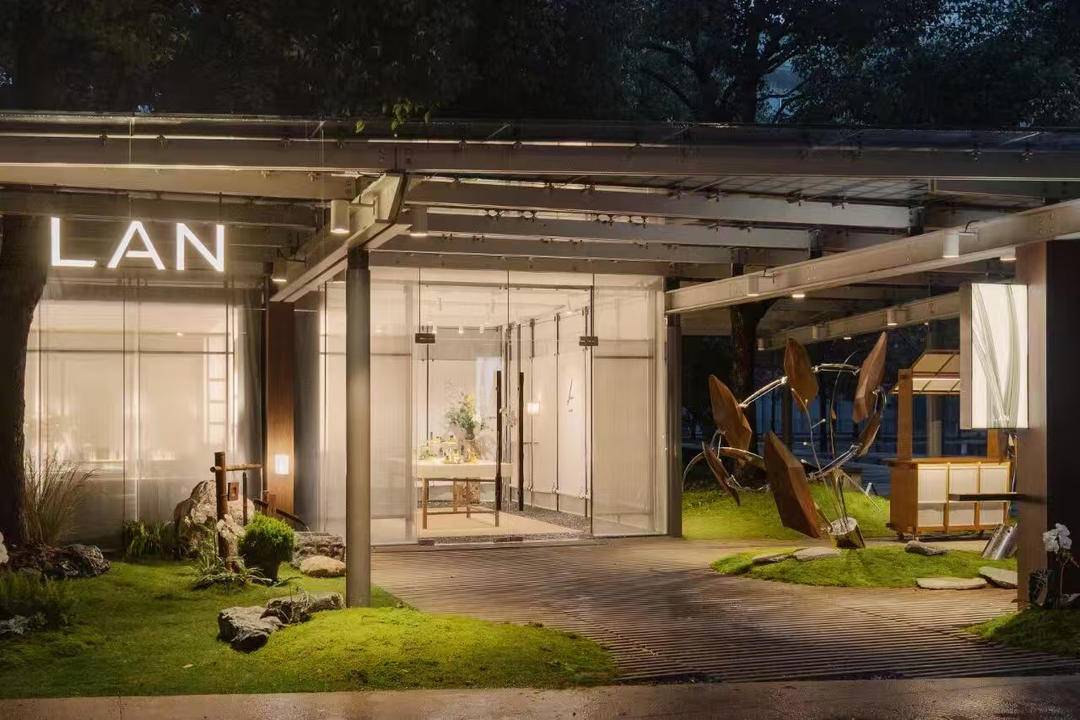
可持续不止于表面——欧莱雅的绿色创新如何改变行业规则?
Di Yi Cai Jing· 2025-11-21 01:33
Core Insights - L'Oréal has established a comprehensive and replicable sustainable value chain system in China, focusing on carbon reduction and green innovation as competitive advantages [1][2][3] - The company's commitment to sustainability is driven by internal strategic requirements rather than external pressures, integrating sustainability into its growth model [2][3] - L'Oréal's "L'Oréal for the Future" strategy includes ambitious carbon reduction targets, aiming for a 57% reduction in Scope 1 and 2 emissions and a 28% reduction in Scope 3 emissions by 2030, with a goal of achieving net-zero emissions across the entire value chain by 2050 [3][8] Sustainable Innovation Accelerator - In 2025, L'Oréal launched the "Sustainable Innovation Accelerator" with a budget of €100 million to promote low-carbon solutions and circular economy models [8] - The company employs open innovation to collaborate with agile small and medium-sized enterprises, creating a global "green incubation ecosystem" [8][9] - The "BIG BANG Beauty Tech Co-Creation Program" in China has incubated over 80 viable projects in five years, making sustainability a core objective rather than a supplementary criterion [8][9] Supply Chain Collaboration - L'Oréal's supply chain decarbonization initiative encompasses all stages, including raw materials, packaging, production, and logistics, with a focus on empowering suppliers through the STGV program [9][13] - The "Net Zero Together" initiative provides training and technical support to supply chain partners, helping them identify growth opportunities through emission reductions [9][13] - By 2024, all strategic suppliers in North Asia will have joined the CDP, indicating a mature capability to measure and improve their carbon emissions [13] Case Studies and Practical Applications - The collaboration with Qiaxing Packaging exemplifies how L'Oréal supports suppliers in energy optimization and cost reduction, transforming them into proactive innovators [15][16] - L'Oréal is also promoting the use of plant-based and renewable ingredients to reduce reliance on high-carbon footprint components [16][17] - The partnership with Yuan Yi Environmental Technology focuses on redefining waste value, turning discarded products into reusable materials, thus establishing a scalable circular business model [23][24] Industry Impact - L'Oréal's recognition in the 2025 Green Point China Sustainable Practice Annual Case highlights its role in activating industry collaboration for sustainability [24] - The company's approach transforms sustainability from a mere branding exercise into a replicable and scalable green system that encourages active innovation among suppliers and startups [24] - This shift signifies a broader industry capability to drive meaningful and sustained change towards sustainability [24]
宝洁系频出老板,欧莱雅量产高管?
3 6 Ke· 2025-11-21 00:46
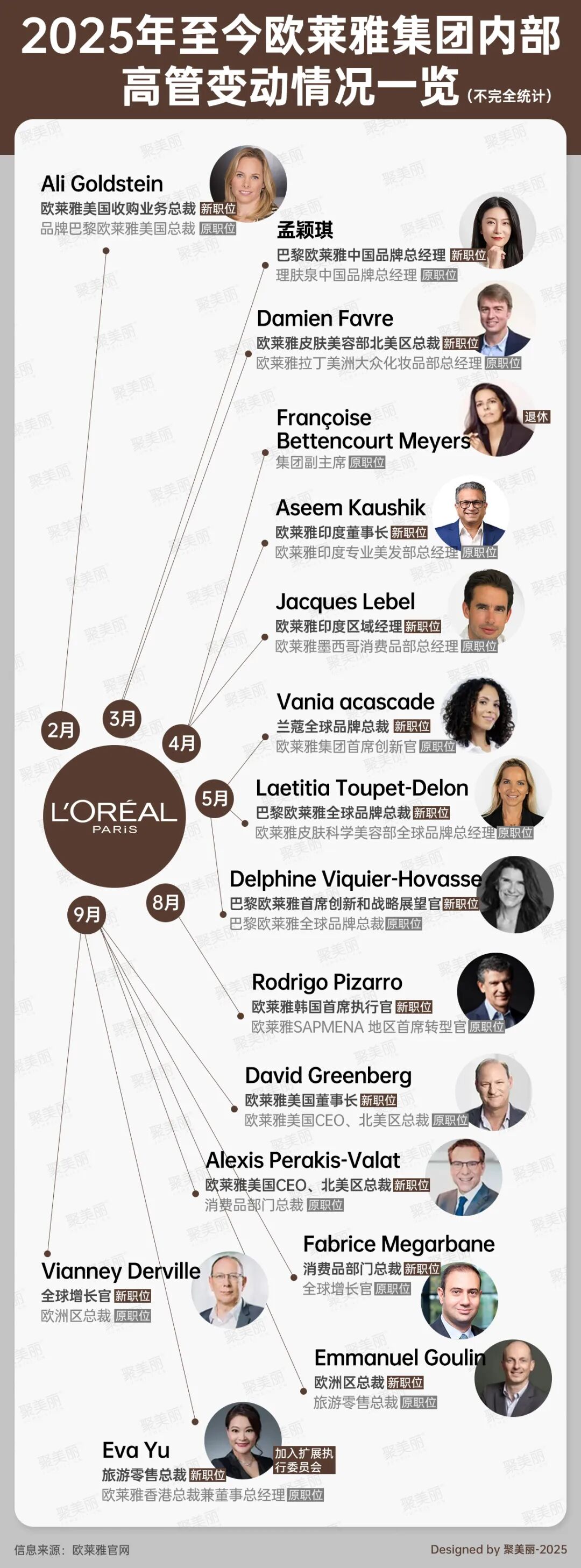
Core Insights - The movement of top talents from Procter & Gamble (P&G) and L'Oréal serves as a barometer for changes in the beauty industry landscape [1][4] - L'Oréal has experienced significant internal executive turnover, with over ten changes since 2025, which is nearly three times that of P&G [1][4] - Former L'Oréal executives tend to pursue more stable career paths, often taking on key management roles in other multinational or leading domestic beauty companies [4][12] Group 1 - The trend shows that L'Oréal executives are more suited for corporate roles, while P&G alumni are more inclined to start their own businesses [4][12] - The beauty industry faces challenges in brand development and internationalization, making L'Oréal-trained executives valuable assets for companies seeking to navigate these complexities [6][36] - Recent appointments of former L'Oréal executives in domestic beauty companies like Perlay and Betaini highlight the ongoing trend of talent migration [8][10] Group 2 - The executive rotation mechanism at L'Oréal fosters a diverse skill set among its leaders, preparing them for high-level decision-making roles [18][22] - L'Oréal's systematic approach to talent development emphasizes cross-functional and cross-regional experiences, which enhances the adaptability of its executives [22][23] - The influx of L'Oréal executives into competitor companies is reshaping the power dynamics within the global beauty industry [17][36] Group 3 - Women hold a significant proportion of leadership roles within L'Oréal, with 58% of board members and 54% of leaders being female, reflecting a broader trend in the beauty industry [33][34] - The competition for top talent in the beauty sector is intensifying, with companies like Estée Lauder and Johnson & Johnson actively recruiting from L'Oréal [34][35] - The strategic hiring of L'Oréal executives by companies like Perlay and Kering underscores the demand for their expertise in brand management and global operations [36][37]
年内两次投资本土品牌,欧莱雅意欲何为
Bei Jing Shang Bao· 2025-11-18 11:40
Core Insights - L'Oréal has announced a minority stake investment in the Chinese skincare brand "LAN" through its investment company, Shanghai Meici Fang, although the exact shareholding ratio and investment amount have not been disclosed [2] - "LAN" is a domestic skincare brand established in 2019, known for its unique "oil-based skincare" approach, and has shown rapid growth with significant revenue achievements [2][3] Investment Strategy - Since its establishment, Meici Fang has completed multiple investments in Chinese beauty brands, focusing on beauty technology and high-end fragrance sectors [3] - L'Oréal has also invested in other local brands, such as Naturals, where it invested €4.42 million for a 6.67% stake prior to the brand's IPO [3] Market Performance - L'Oréal's sales for the first three quarters of the year reached €32.8 billion, reflecting a growth of approximately 1.2%, which is a slowdown compared to the previous year's 6% growth [4] - The North Asia market has seen a decline in sales, with a 1.1% drop year-on-year for the first three quarters, indicating a need for new growth avenues [4]
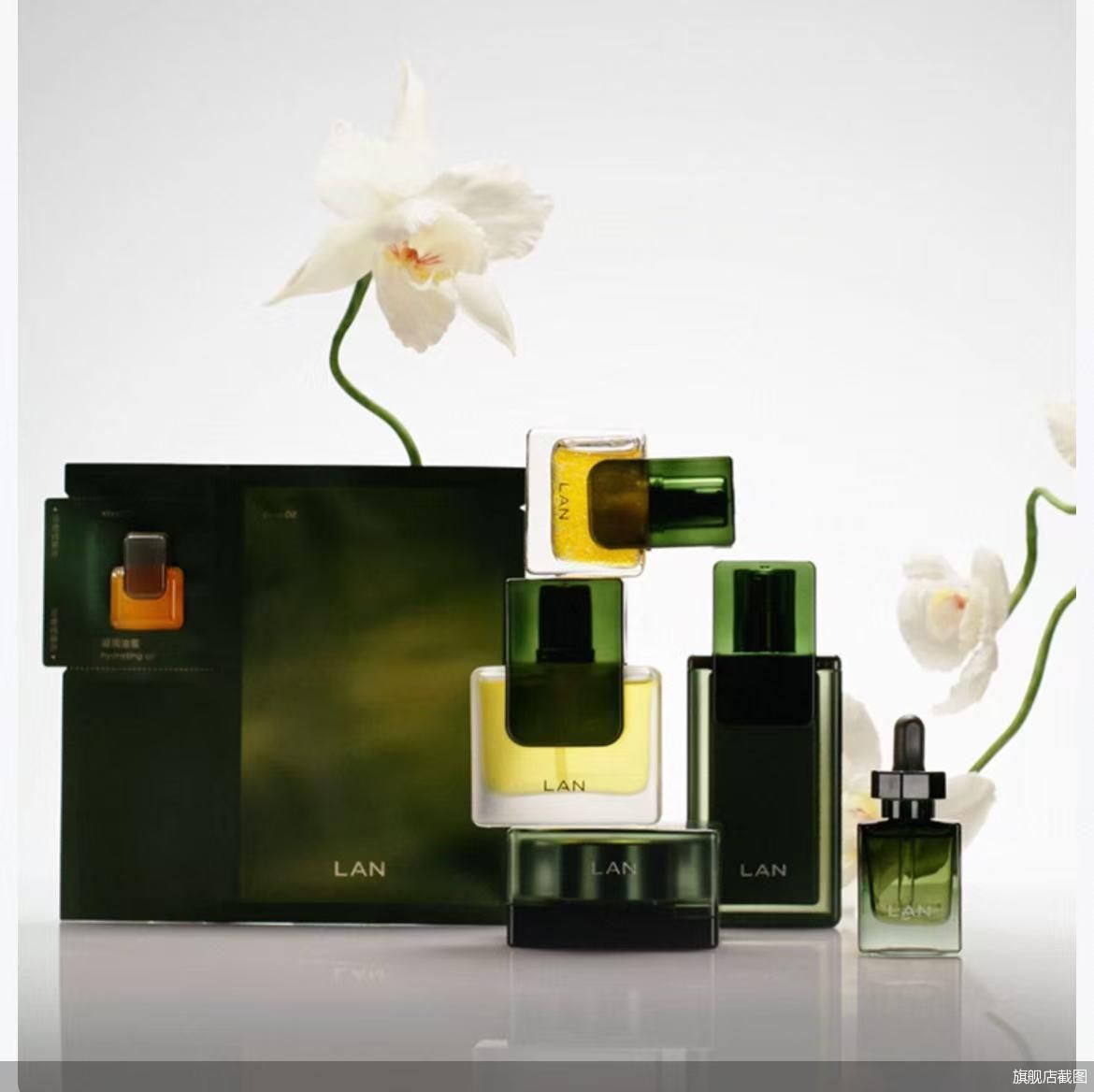
码刻|码荟成员护肤品牌「LAN兰」获得欧莱雅集团少数股权投资
Sou Hu Cai Jing· 2025-11-18 01:20
Core Insights - L'Oréal Group has made a minority equity investment in the Chinese skincare brand "LAN" through its subsidiary Shanghai Meici Fang, marking the first investment in a local skincare brand by Meici Fang [1][3] - "LAN," founded in 2019 in Hangzhou, is recognized for its pure skincare products that combine effective and enjoyable experiences, targeting consumer demands for efficacy and healing [1][3] - The brand has achieved significant success, being the top seller of facial oil in China for two consecutive years (2023-2024), transitioning from an innovator to a leader in the "oil skincare" segment [1] Investment Details - The investment is supported by BOLD (Business Opportunities for L'Oréal Development), L'Oréal's strategic innovation venture capital fund [1] - This partnership aims to leverage L'Oréal's extensive experience in global beauty research and market expansion to accelerate product innovation and global outreach for "LAN" [3] Brand Philosophy - The founder of "LAN," Ding Xiaolan, emphasizes the brand's commitment to inner exploration and quiet growth, inspired by the cultural significance of orchids in Eastern culture [3] - The collaboration with L'Oréal is seen as a step towards achieving a shared vision of beauty and science, with aspirations to make Eastern botanical energy accessible worldwide [3]
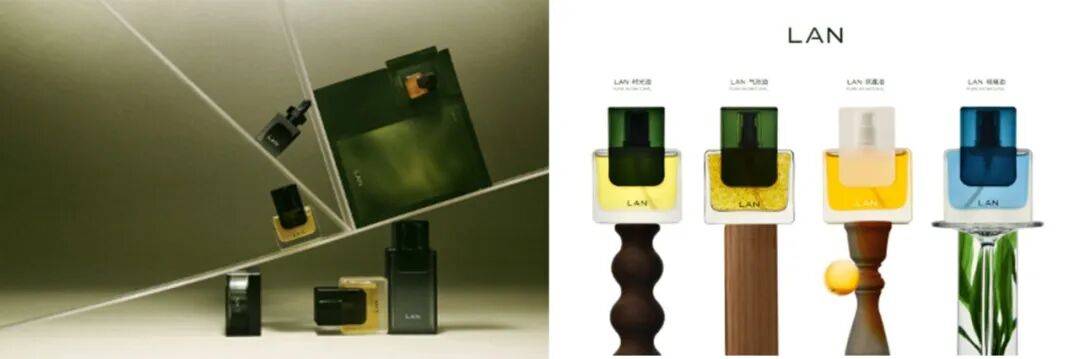
首次布局中国本土护肤品牌,欧莱雅投资「LAN兰」
Guan Cha Zhe Wang· 2025-11-17 13:20
Group 1 - L'Oréal Group announced a minority stake investment in the Chinese skincare brand "LAN" through its Shanghai Meici Investment Co., marking its first investment in a local skincare brand [1] - "LAN" has achieved significant market success, ranking first in facial oil sales in China for two consecutive years (2023-2024), showcasing its innovative positioning in the market [1] - This investment reflects a strategic shift for international beauty giants from acquisition to strategic investment in the Chinese market, allowing for deeper collaboration with local brands while maintaining their independence [1][9] Group 2 - Meici Investment, established in 2022, aims to discover and nurture innovative forces in the Chinese beauty market, expanding its investment focus from fragrance to skincare technology [2] - The investment in "LAN" signifies a broader strategy to build an ecosystem in the beauty industry by focusing on brands with technological innovation and local market insights [2][7] - Previous investments by Meici include a high-end fragrance brand and a biotech company, indicating a clear investment logic centered on innovation and market understanding [4][7] Group 3 - The investment in "LAN" is part of a growing trend among international consumer giants to engage with the Chinese market through strategic investments rather than traditional acquisitions [10] - This shift is driven by changes in the Chinese market, including the rise of local brands and more mature consumer behavior, necessitating a deeper understanding and collaboration with local players [10][12] - Other international companies, like Unilever, are also adjusting their strategies in China, focusing on partnerships and acquisitions to enhance competitiveness and product offerings [12]

欧莱雅中国的投资公司首投本土护肤品牌
Jing Ji Guan Cha Wang· 2025-11-17 12:45
Group 1 - L'Oréal China announced a minority stake investment in the Chinese skincare brand LAN, marking its second investment in the skincare sector this year after investing in Chando [2] - The investment is made through L'Oréal China's first investment company, Shanghai Meici Fang Investment Co., Ltd., which is also its first investment in a local skincare brand [2] - LAN was established in 2019 in Hangzhou and focuses on simplified skincare and molecular oil extraction concepts, having completed over 200 million yuan in financing between 2020 and 2021 for product development and brand building [2][3] Group 2 - LAN's Tmall flagship store achieved 200 million yuan in annual revenue within its first year, with core products generating over 20 million yuan in sales within four months of launch [2] - The brand differentiates itself by focusing on concept output and research investment rather than marketing, emphasizing a "mindset battle" in the domestic skincare market [3] - L'Oréal's investment strategy includes establishing Meici Fang to focus on beauty startups and breakthrough technologies, with LAN being the first local skincare brand in its investment portfolio [3][4]
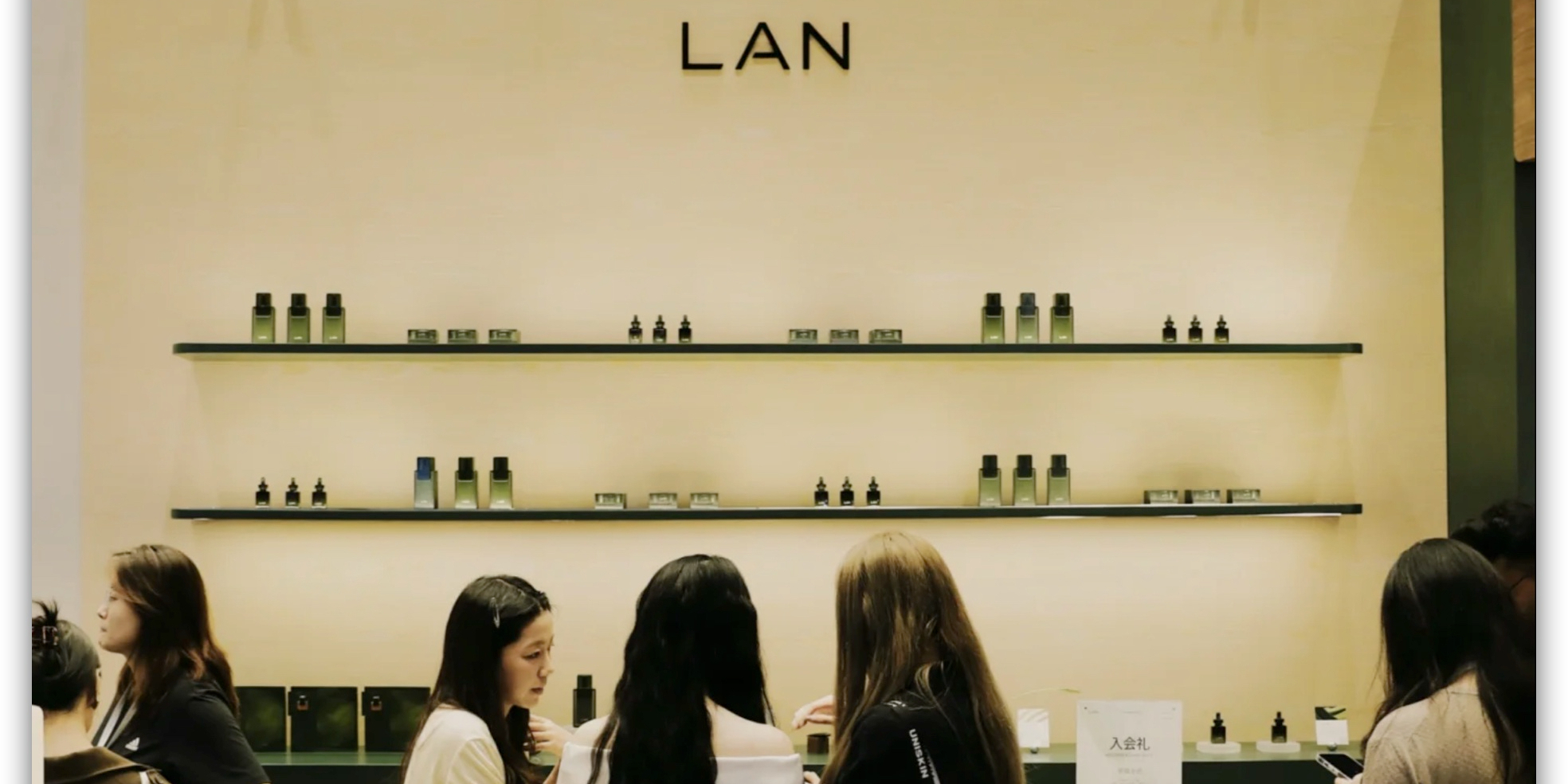
欧莱雅为什么投资了一家杭州的小公司?
Sou Hu Cai Jing· 2025-11-17 12:24
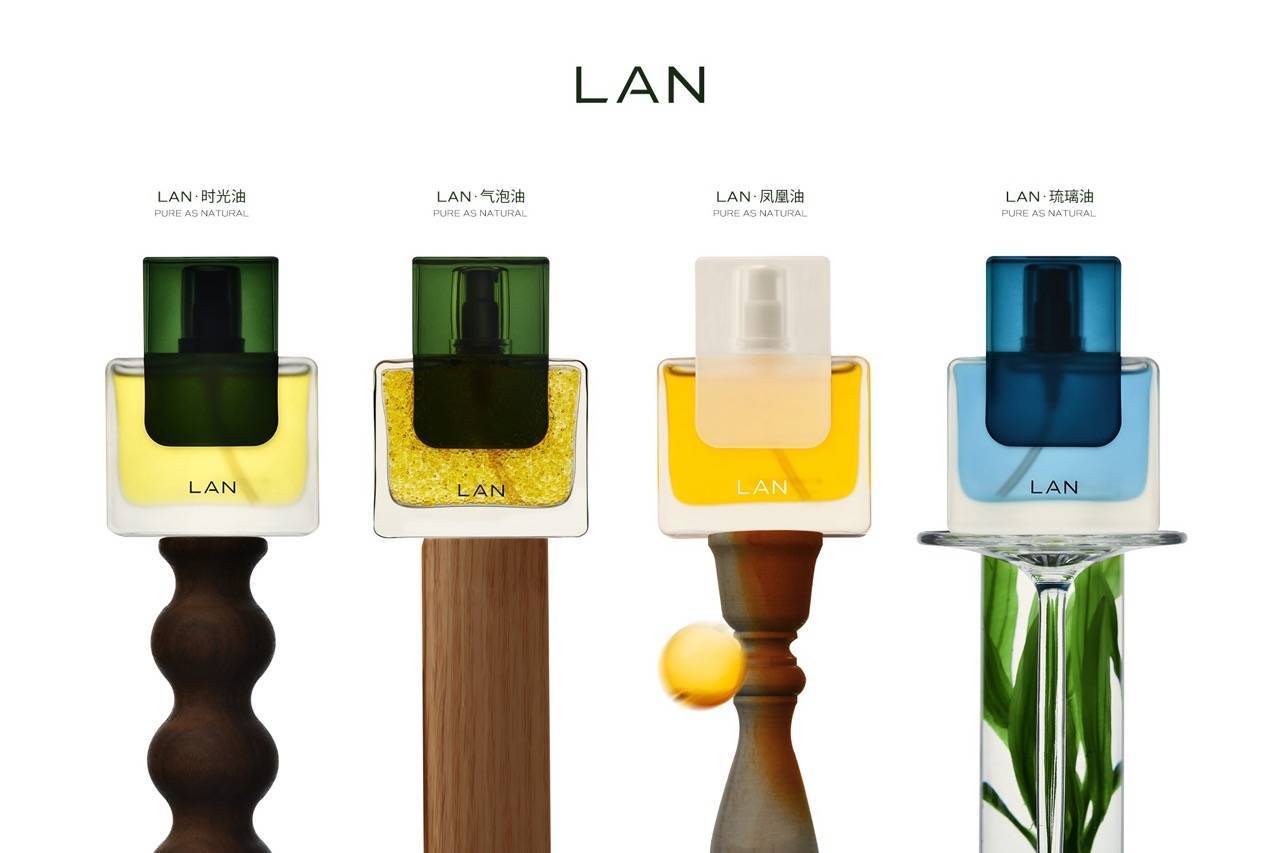
Core Insights - L'Oréal has announced an investment in the Chinese skincare brand "LAN" through its subsidiary Shanghai Meici Fang Investment Co., supported by the BOLD strategic innovation fund, marking its first investment in a local skincare brand [1][11] - LAN, founded in 2019, focuses on "oil-based skincare" and "biotechnology plant extracts," with a product lineup that includes series like Time Orchid and Phoenix Whitening [1][5] - The brand has maintained a conservative approach in product launches, with nearly 20 SKUs over six years, emphasizing research and user experience rather than rapid expansion [3][5] Investment Details - The investment is significant as it represents L'Oréal's shift towards local brands with strong technical barriers and user loyalty, rather than just large-scale potential brands [11] - Prior to this, L'Oréal's investments in China were primarily in fragrance and supply chain projects, indicating a strategic pivot towards the skincare sector [11] Market Position - LAN has been ranked first in sales within the domestic facial oil category for two consecutive years, according to a report by Sullivan [1][5] - The brand's pricing strategy positions its products in the 200 to 300 RMB range, slightly lower than competitors like Lin Qingxuan, which has seen significant promotional activity affecting price overlap [6][10] Consumer Feedback and Challenges - Consumer feedback on LAN's products shows a divide, with some users finding the texture slightly sticky while others appreciate the absorption after proper application [8][10] - The brand faces challenges in market education and expanding its consumer base, particularly in a market where oil-based skincare is still met with skepticism [10] Future Strategy - LAN plans to invest further in functional oil research and plant extract technology, enhance offline retail experiences, and optimize supply chains and production capacity [1][5] - The brand must navigate the growth ceiling in the facial oil market while maintaining its competitive edge and exploring stable product extension strategies [10][11]
欧莱雅2025年半年品牌营销综合分析-数说故事
Sou Hu Cai Jing· 2025-11-17 05:37
今天分享的是:欧莱雅2025年半年品牌营销综合分析-数说故事 报告共计:24页 欧莱雅2025年半年社媒营销综合总结 作为全球美妆行业领导者,欧莱雅凭借百年品牌积淀与"美的普及化"核心战略,覆盖低中高端多元市场,近半年通过精准的社 媒营销策略,强化了"自信、专业、多元、赋能女性"的品牌形象,依托"我值得拥有"的核心理念深化了与消费者的情感连接。 近半年来,欧莱雅社媒声量与互动量呈现显著波动,8月和10月为声量高峰,分别由肖战代言欧莱雅PRO、双十一预热及徐明浩 推广新品驱动;互动量高峰则出现在6月、8月和10月,对应抖音KOL种草"黑胖子气垫"、"胶原小蜜罐"推广等活动,7月为营销 淡季。 品牌构建了多平台差异化协同矩阵:微博作为品牌宣发主阵地,凭借明星效应占据93.0%声量;抖音以3.3%的声量贡献57.6%的 互动量,成为高效种草核心;种草平台侧重深度测评,微信公众号聚焦企业形象与社会责任传播。PGC内容虽声量占比低,却 在各平台贡献了70%以上的互动量,凸显高质量内容的关键作用。 核心营销事件成效显著:肖战代言欧莱雅PRO瞬顺摇摇油,官宣当日声量增长近50倍,互动量激增650倍,实现品牌与新品的双 重破 ...