京东方

Search documents
消费电子ETF(561600)涨近1.5%,消息称三星正研发阔折叠手机
Xin Lang Cai Jing· 2025-12-22 02:22
Group 1 - The core viewpoint of the news highlights the strong performance of the consumer electronics sector, with the CSI Consumer Electronics Theme Index rising by 1.71% and key stocks like Huagong Technology and Jingwang Electronics showing significant gains [1] - Samsung is expected to launch a foldable phone next year, aiming to compete directly with Apple's first foldable phone, the iPhone Fold, featuring a 7.6-inch inner screen and a 5.4-inch outer screen, both made of OLED material [1] - China Galaxy Securities notes that in 2025, the global consumer electronics market will experience structural differentiation due to slowing growth in traditional categories and the rise of new AI-driven devices, shifting competition towards ecosystem building centered on overall user experience [1] Group 2 - The CSI Consumer Electronics Theme Index tracks 50 listed companies involved in the production of components and complete consumer electronics products, reflecting the overall performance of the sector [2] - As of November 28, 2025, the top ten weighted stocks in the CSI Consumer Electronics Theme Index account for 56.39% of the index, including companies like Luxshare Precision and Cambricon Technologies [2]
让研发告别“手搓试错” 国产BDA软件赋能智造万亿锂电产业|人工智能Al瞭望台
Zheng Quan Shi Bao· 2025-12-22 00:37
Core Insights - The article discusses the transformative impact of Battery Design Automation (BDA) software on the lithium battery industry, significantly reducing research and development (R&D) time and costs while enhancing safety and performance [1][3][6]. Industry Overview - China is the world's largest producer and user of lithium-ion batteries, with a projected shipment volume of 1214.6 GWh in 2024, representing a 36.9% year-on-year increase and accounting for 78% of global shipments, with the industry valued at over 1 trillion yuan [3]. - Despite the impressive scale, the R&D process in the lithium battery sector has been hampered by inefficient traditional methods, often relying on trial and error [3][4]. Technological Innovation - The BDA software, developed by a collaboration between Peking University and Yigen Technology, utilizes a dual approach of "physical simulation + AI" to address the inefficiencies in traditional R&D processes [4][6]. - This innovative software has already been adopted by leading companies such as CATL, BYD, and GAC, resulting in significant improvements in efficiency and cost reduction [6][7]. Efficiency and Cost Reduction - The introduction of BDA software is expected to reduce the R&D cycle for battery cells from 1-2 years to approximately 6 months, and material experiments from months to days [6]. - The software can lower R&D costs by 30% to 40% by optimizing material formulations, requiring only 1-2 batches of materials instead of dozens [6]. Broader Applications - The BDA software's applicability extends beyond lithium-ion batteries to other battery technologies such as solid-state batteries and sodium batteries, as well as materials in display and semiconductor industries [7]. - The underlying algorithms of BDA are designed to address common challenges across various fields, making it adaptable for industries like fine chemicals and industrial catalysts [7]. Future Outlook - Over the next 3-5 years, AI is expected to fundamentally change industrial production and R&D methodologies, shifting from trial-and-error to digital simulation and precise prediction [8]. - The potential market for BDA software could rival that of the EDA software in the semiconductor industry, with estimates suggesting a market size of around 20 billion USD [8]. Challenges and Opportunities - Despite the advancements, the integration of AI in industrial applications faces challenges such as a shortage of interdisciplinary talent and resistance to adopting new digital tools [10]. - The successful development of BDA software represents a significant step for China's innovation in the energy sector, aiming to transition from scale manufacturing advantages to core technological advantages [10].




让研发告别“手搓试错” 国产BDA软件赋能智造万亿锂电产业|人工智能Al瞭望台
证券时报· 2025-12-22 00:12
Core Viewpoint - The integration of AI with lithium battery research and development is revolutionizing traditional methods, significantly reducing time and costs in the R&D process [1][3][6]. Group 1: Industry Overview - China is the world's largest producer and user of lithium-ion batteries, with a projected shipment volume of 1214.6 GWh in 2024, representing a 36.9% year-on-year growth and accounting for 78% of global shipments [3]. - The industry has a market value exceeding 1 trillion yuan, but the R&D process has been hampered by inefficient traditional methods, often relying on trial and error [3][4]. Group 2: Challenges in R&D - The R&D of lithium batteries is characterized as a "complex system engineering" challenge, facing issues related to cross-scale, long processes, and multiple factors [3]. - Current commercial lithium battery energy densities are nearing their limits, and new generation batteries like lithium metal and solid-state batteries face significant scientific and engineering challenges [3][4]. Group 3: BDA Software Innovation - The BDA (Battery Design Automation) software, developed by Peking University and Yigen Technology, utilizes a dual-drive model of physical simulation and AI to enhance the R&D process [4][6]. - This software can reduce the R&D cycle of a battery cell from 1-2 years to about 6 months and cut material experimentation time from months to days, achieving a cost reduction of 30%-40% [6]. Group 4: Broader Applications and Future Potential - The BDA software's applicability extends beyond lithium-ion batteries to other battery types and materials, including solid-state, sodium, and fuel cells [7]. - The software's underlying algorithms can be adapted for various industries, including fine chemicals and semiconductor materials, indicating a broad potential market [8]. Group 5: Industry Transformation - The adoption of AI in R&D is expected to shift the industry from traditional experimental methods to digital simulation and precise prediction, similar to the evolution seen in the semiconductor industry with EDA software [8][9]. - This transformation is anticipated to reshape competitive dynamics within the industry, as more companies begin to develop core materials and components independently [9]. Group 6: Challenges Ahead - Despite the advancements, the integration of AI in industrial applications faces challenges, including a shortage of interdisciplinary talent and a conservative corporate culture resistant to new digital tools [11]. - There is also a need for targeted policy support for AI industrial software development, as current funding mechanisms are often too broad and not industry-specific [11].

让研发告别“手搓试错”国产BDA软件赋能智造万亿锂电产业
Zheng Quan Shi Bao· 2025-12-21 18:07
Core Insights - The integration of AI with lithium battery research is revolutionizing traditional development methods, significantly reducing time and costs associated with material testing and performance prediction [1][4][6] Industry Overview - China is the largest producer and user of lithium-ion batteries globally, with a projected shipment volume of 1214.6 GWh in 2024, representing a 36.9% year-on-year increase and accounting for 78% of global shipments [1] - The industry is valued at over 1 trillion yuan, but the research and development (R&D) processes have been hampered by inefficient traditional methods [1][2] R&D Challenges - The current R&D model relies heavily on trial and error, leading to lengthy development cycles of one to several years for battery cells, with costs reaching millions of yuan for traditional methods [2][4] - The complexity of lithium battery R&D is characterized by "cross-scale, long process, and multiple factors," which complicates the development process [1][2] Technological Innovation - The BDA software, developed by a collaboration between Peking University and Yigen Technology, utilizes a dual-drive model of "physical simulation + AI" to enhance the efficiency of battery R&D [3][4] - This software has already been adopted by leading companies such as CATL, BYD, and GAC, resulting in significant improvements in efficiency and cost reduction [4][5] Efficiency and Cost Reduction - The BDA software can potentially reduce the R&D cycle for battery cells from 1-2 years to just six months, and material testing time from months to days [4] - It can lower R&D costs by 30% to 40% by optimizing material formulations through computer simulations [4][6] Broader Applications - The BDA software's applicability extends beyond lithium-ion batteries to other battery types and materials, including solid-state batteries and sodium batteries, as well as semiconductor and display materials [5][6] - The underlying algorithms of BDA are designed to address common challenges across various industries, indicating a wide potential for application [5] Future Trends - In the next 3-5 years, AI is expected to fundamentally change industrial production and R&D processes, shifting from trial-and-error methods to digital simulation and precise prediction [6] - This transformation is anticipated to reshape competitive dynamics within industries, with more companies focusing on in-house development of core materials and components [6] Challenges Ahead - The integration of AI in industrial applications faces challenges such as a shortage of interdisciplinary talent, conservative corporate cultures, and data security concerns [7] - There is a need for targeted policy support to foster the development of AI industrial software, as current funding mechanisms are often too broad and not industry-specific [7]
让研发告别“手搓试错” 国产BDA软件赋能智造万亿锂电产业
Zheng Quan Shi Bao· 2025-12-21 18:06
通过自主研发的电池设计自动化(BDA)软件,原本耗时数月的材料实验仅需数日即可完成性能预测;而 锂电池企业在使用该软件后,研发成本大幅下降。这一幕正在宁德时代(300750)等新能源头部企业的 研发中心上演。当人工智能(AI)与锂电池这一新能源核心产业相遇,一场颠覆传统研发模式的产业革新 正悄然到来。 让研发告别"手搓试错" 我国已是全球锂离子电池生产与应用第一大国。EVTank数据显示,2024年中国锂离子电池出货量达到 1214.6GWh,同比增长36.9%,在全球锂离子电池总体出货量的占比达到78%,行业市值超过1万亿元。 但光鲜的产业规模背后,研发环节却长期受制于低效的传统模式。 "绝大多数锂电池企业的研发模式还是'手搓试错',靠调配方反复做实验,效率较低。"屹艮科技创始人 兼首席科学家郑家新在接受证券时报记者采访时表示。锂电池研发堪称工业领域的"复杂系统工程",其 核心挑战集中在"跨尺度、长流程、多因素"三大特性。 更严峻的是,当前商业化锂电池能量密度已接近极限,而具有超高能量密度潜力的新一代锂金属电池和 全固态电池,仍面临诸多科学与工程难题,难以商业化。为了破解这些交叉学科难题,企业只能依赖大 量 ...

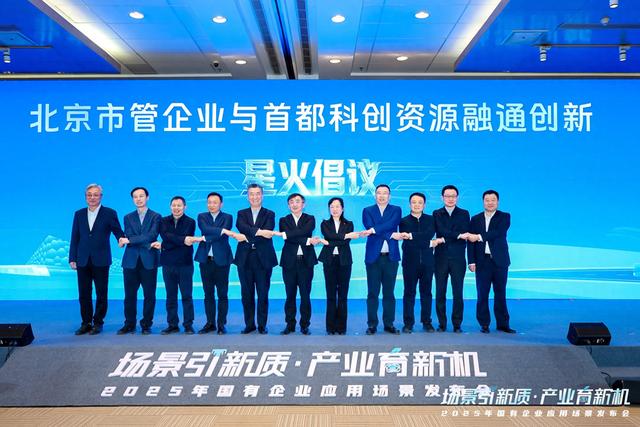
助力科技创新转化为产业动能,“星火倡议”在京发布
Bei Jing Ri Bao Ke Hu Duan· 2025-12-21 13:53
据中关村发展集团相关负责人介绍,自去年12月发布以来,"星火行动计划"共计12项重点合作项目获得 扎实进展。与北京电控合作布局集成电路产线,共同设立集成电路产业并购基金,投资人工智能算力基 础设施运营;与京城机电合作,成功推动西安交大金属材料强度全国重点实验室成果转化项目的中试基 地落地;与北京银行、京东方、北控集团、一轻控股等企业,依托中关村论坛平台,量身定制专场活 动,助力其链接全球资源、提升品牌影响力…… 今年以来,中关村发展集团还组织40家市管企业的90余名一线科技人员开展技术经理人培训,持续夯 实"懂技术、懂产业、懂资本、懂转化"的专业队伍。 此外,持续"投早投小投长期投硬科技",中关村发展集团先后领投了诺诚健华、微芯感知、芯智达、银 河通用、齐碳科技等科学家创业项目、新型研发机构项目及高校院所科技成果转化项目,强化"耐心资 本"供给,构建市场化专业化母子基金体系,目前管理基金规模近600亿元。 转自:北京日报客户端 在科技创新浪潮奔涌、产业变革加速演进的当下,如何打通从科技强到产业强、经济强的通道,是摆在 北京面前的重要课题。12月20日,一项旨在深度连接首都产业资源与丰富科创资源的"星火倡议"在 ...
总书记的关切·落地的回响|全链条深度融合 合肥创新“聚能”
Xin Lang Cai Jing· 2025-12-21 07:19
Group 1: Innovation and Technology Development - The "artificial sun" in Hefei, the EAST nuclear fusion experimental device, achieved a high-confinement plasma operation at 1 million degrees Celsius for 1066 seconds, contributing to the formation of a billion-level fusion energy industry cluster [1] - Hefei has established 13 major scientific devices, with a focus on quantum information, fusion energy, and deep space exploration, enhancing the city's innovation capabilities [1] - The number of national high-tech enterprises in Hefei remains above 10,000, with R&D investment intensity exceeding 4% [1] Group 2: Technology Transfer and Commercialization - Hefei Zhongke Zhiqi Information Technology Co., Ltd. developed a non-contact ECG monitoring technology that allows users to complete heart monitoring without electrodes, benefiting from a new model for promoting scientific achievements [2] - The new model grants approximately 80% ownership of scientific achievements to researchers, leading to the transfer of 76 technology achievements and the establishment of 69 new or increased capital enterprises [2] - Hefei has added over 30,000 high-level talents in the past three years, with a significant portion of university programs closely linked to emerging industries [2] Group 3: Financial Support for Innovation - Hefei Guojing Instrument Technology Co., Ltd. received 5 million yuan in direct investment from Keda Silicon Valley, enabling the company to transition from laboratory technology to application products within a year, with expected orders exceeding 10 million yuan [3] - The city has established a 4 billion yuan angel and seed fund group, investing in over 360 projects with a capital amplification factor exceeding 7 times [3] - Hefei's investment group aims to leverage state-owned capital to attract social capital, fostering the development of leading enterprises and the entire industry chain [3] Group 4: Technology Service and Support - The Anhui Innovation Center has trained nearly 4,000 certified technology managers who play a crucial role in integrating the innovation chain with the industry chain [4] - The city has established a specialized technology service network, serving nearly 200 industrial parks across the province, and initiated the National Technology Market Alliance [4] - Hefei is committed to optimizing the innovation ecosystem by focusing on early, small, and long-term investments in hard technology [4]
全链条深度融合 合肥创新“聚能”(总书记的关切·落地的回响)
Ren Min Ri Bao· 2025-12-21 06:47
Group 1 - The "artificial sun" in Hefei, the EAST nuclear fusion experimental device, achieved a high-confinement plasma operation at 1 million degrees Celsius for 1066 seconds, contributing to the formation of a billion-level fusion energy industry cluster [1] - Hefei has established a total of 13 large scientific devices, with a stable number of national high-tech enterprises exceeding 10,000 and R&D investment intensity surpassing 4% [1] Group 2 - Hefei Zhongke Zhiqi Information Technology Co., Ltd. developed a non-contact electrocardiogram monitoring technology that allows users to complete heart monitoring without removing clothing, benefiting from a new model for promoting scientific achievements [2] - The new model has led to the transfer of 76 scientific achievements and the establishment or increase of 69 enterprises, with the innovation model being promoted to 106 research institutions across the province [2] Group 3 - Hefei Guojing Instrument Technology Co., Ltd. received 5 million yuan in direct investment from Keda Silicon Valley, enabling the company to transition from laboratory technology to application products, with expected orders exceeding 10 million yuan this year [3] - Hefei has established a 4 billion yuan angel and seed fund group, investing in over 360 projects with a cumulative capital amplification factor exceeding 7 times [3] Group 4 - The Anhui Innovation Center has trained nearly 4,000 certified technology managers who play a crucial role in integrating the innovation chain with the industrial chain, facilitating technology transfer transactions exceeding 167 billion yuan [5] - Hefei is continuously promoting the development of the technology service industry, establishing a specialized technology service network that has served nearly 200 industrial parks across the province [5]
元立光电完成北交所上市辅导 光学导光板龙头加速资本化进程
Ju Chao Zi Xun· 2025-12-21 02:13
Core Viewpoint - The successful completion of the listing guidance for Yuanli Optoelectronics indicates its readiness to submit a formal application for listing on the Beijing Stock Exchange, marking a significant step for the company in the optical materials sector [1] Group 1: Listing Guidance Completion - Yuanli Optoelectronics has completed the listing guidance process, preparing to submit its application to the Beijing Stock Exchange [1] - Dongguan Securities, as the guiding institution, confirmed that Yuanli Optoelectronics meets all necessary conditions to become a listed company, including a sound corporate governance structure and robust internal controls [1] - The company and its key stakeholders have a comprehensive understanding of the legal responsibilities related to public offerings and market operations, establishing a foundation of integrity and compliance [1] Group 2: Market Position and Client Base - Yuanli Optoelectronics specializes in the research, production, and sales of optical products, particularly light guide plates, and has become a leading player in the domestic market for large-sized light guide plates [2] - The company has a strong customer base, including major clients such as BOE, Guoxian Technology, and BYD, with its products widely used in consumer electronics and automotive sectors [2] - The company has demonstrated stable profitability, with audited net profits projected at 23.96 million yuan for 2023 and 29.01 million yuan for 2024, indicating a positive growth trend [2] Group 3: Future Growth Potential - The completion of the listing guidance is a critical milestone for Yuanli Optoelectronics, which aims to leverage capital market resources to expand production capacity, enhance R&D innovation, and broaden market applications [3] - The company is well-positioned to strengthen its leading position in the optical materials sector, contributing to high-end manufacturing and supply chain independence in China [3]
武汉 “五谷”丰登产业图强
Xin Lang Cai Jing· 2025-12-20 22:07
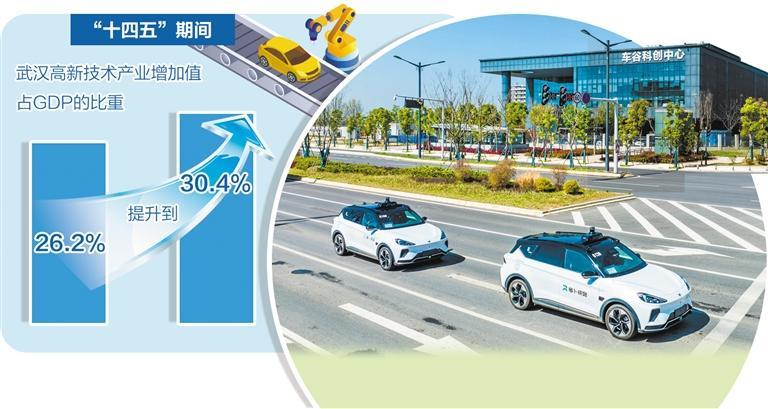
Core Viewpoint - Wuhan is establishing itself as a hub for high-end industries through its "Five Valleys" innovation strategy, which includes advancements in automotive, aerospace, digital security, and healthcare sectors, thereby enhancing its core competitive strength in various industries [4][11]. Group 1: Automotive Industry ("车谷") - Wuhan's automotive sector, referred to as "车谷," has seen significant growth with 9 vehicle manufacturers and over 1,200 auto parts companies, contributing to the transition from traditional fuel vehicles to new energy vehicles [7][12]. - The production capabilities in the Wuhan Economic Development Zone include solid-state battery models with a range exceeding 1,000 kilometers and the development of high-performance automotive microcontroller chips [7]. - The region is positioned as a testing ground for automotive technology, with advancements in chip production, software delivery, and intelligent driving algorithms [7]. Group 2: Aerospace Industry ("星谷") - Wuhan is home to the first national commercial aerospace industrial base, capable of producing 50 rockets and 240 satellites annually, leading the nation in launch frequency and satellite deployment [7]. - The establishment of four industrial parks focused on aerospace technology has been completed, enhancing Wuhan's position in the aerospace sector [7]. Group 3: Digital Security Industry ("网谷") - The "网谷" initiative focuses on building a robust cybersecurity framework, with an expected industry scale of 25 billion yuan this year, supported by major companies like Huawei and 360 [8]. - The region has launched the first domestic autonomous security robot training ground, breaking foreign technology monopolies [8]. Group 4: Healthcare Industry ("药谷") - The healthcare sector, "药谷," has seen rapid growth with eight new drug approvals in the past five years and the establishment of 14 national-level research platforms [8]. - Key areas of focus include plant-based albumin, high-value preventive vaccines, and AI-assisted diagnostics, positioning Wuhan as a leader in these fields [8]. Group 5: Innovation and Collaboration - The "五谷" strategy emphasizes collaboration across sectors, with initiatives like the strategic emerging industry collaborative development fund of 1 billion yuan to support innovative projects [9][10]. - The integration of various sectors, such as automotive and digital security, is exemplified by the development of vehicle networking security systems and high-precision satellite communication technologies [9]. Group 6: Economic Impact - The high-tech industry’s value added to Wuhan's GDP is projected to increase from 26.2% to 30.4% during the 14th Five-Year Plan, with the digital economy's contribution rising from 8.9% to 14.6% [11]. - The number of high-tech enterprises in Wuhan has doubled from over 8,000 to 16,000, indicating a significant expansion in the innovation ecosystem [11].