
罗氏

Search documents
京东健康公布2025年中期业绩:上半年总收入353亿元、年度活跃用户数突破2亿
Sou Hu Cai Jing· 2025-08-14 13:21
Core Insights - JD Health reported a total revenue of RMB 35.3 billion for the first half of 2025, representing a year-on-year growth of 24.5%, with a Non-IFRS net profit of RMB 3.57 billion, up 35% [1] - The company has surpassed 200 million annual active users and has over 150,000 third-party merchants on its platform as of June 30, 2025 [1] - JD Health is enhancing its supply chain capabilities and solidifying its position as the "first entry point for online health consumption" [1][3] Revenue and User Growth - JD Health's revenue for the first half of 2025 reached RMB 35.3 billion, a 24.5% increase year-on-year [1] - The Non-IFRS net profit for the same period was RMB 3.57 billion, reflecting a 35% growth [1] - The annual active user count exceeded 200 million, with over 150,000 third-party merchants collaborating on the platform [1][3] Supply Chain and Product Offerings - The company is strengthening its omni-channel supply chain model, collaborating with leading pharmaceutical companies to expand product offerings [3] - Over 30 innovative drugs were launched on JD Health's platform, reinforcing its position as the "first station for new specialty drug launches" [3] - JD Health has established strategic partnerships with companies like Novo Nordisk and Roche to enhance service offerings in chronic disease management [3][4] Service Integration and User Experience - JD Health is enhancing its "medical, testing, diagnosis, and medication" service loop to meet diverse health needs [5] - The company has developed a five-specialty system focusing on dermatology, mental health, traditional Chinese medicine, oncology, and andrology [5] - The average daily consultation volume for JD Internet Hospital exceeded 500,000 as of June 30, 2025 [5] Home Healthcare Services - JD Health is expanding its home healthcare services, with the JD Nurse at Home service covering 64 service items across seven categories [6] - The company has linked over 200,000 pharmacies nationwide for its instant delivery service [4][6] AI and Technological Innovation - JD Health is leveraging AI to enhance clinical decision-making and health management, with over 50 million users served by its AI products [7] - The company has launched the "JD AI" series, which includes various AI-driven professional services for users and healthcare providers [7] - A partnership with Wenzhou Medical University Hospital has resulted in an AI-driven outpatient service process that has served over 2.2 million patients [7]
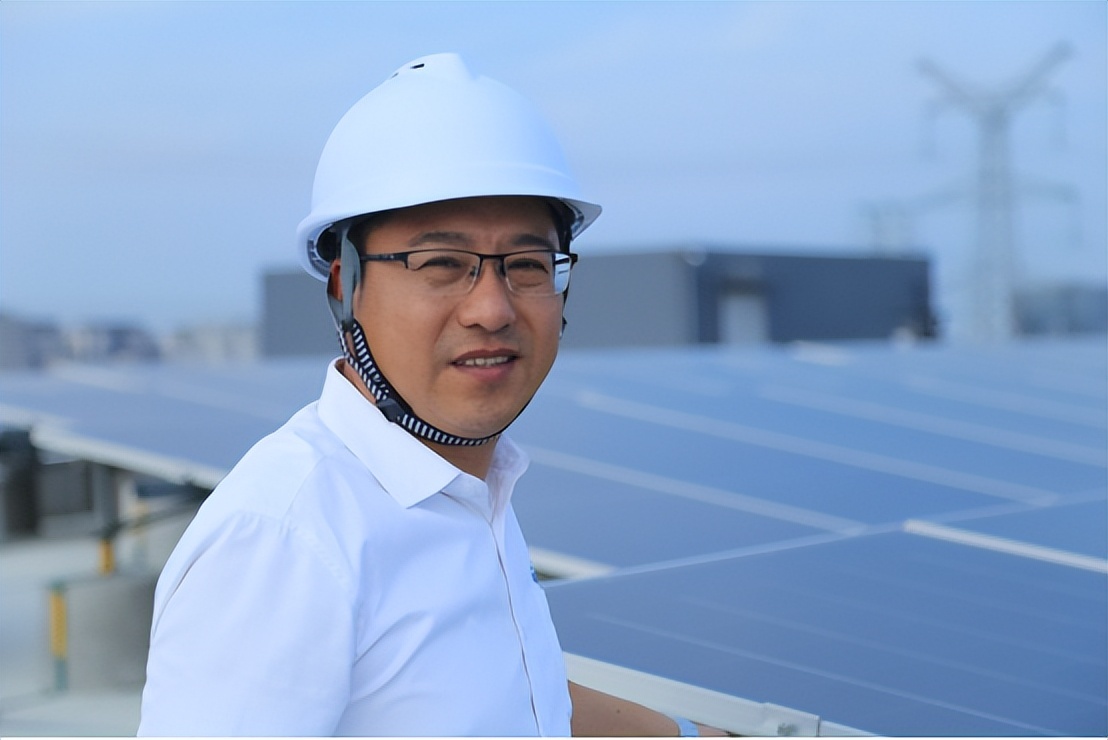
专访中元盛辉创始人侍崇波:坚持创新是“反内卷” 的生存法则
Huan Qiu Wang· 2025-08-14 08:30
Core Viewpoint - The article emphasizes the importance of innovation in the photovoltaic industry to overcome "involution" and achieve sustainable growth, particularly in the context of increasing competition and market saturation [1][2]. Industry Overview - Since the high-level meeting in July 2024, the government has repeatedly addressed the need to curb "involution" in various industries, with the photovoltaic sector being a focal point due to its issues with homogenized low-price competition and overcapacity [1]. - The photovoltaic industry is experiencing a significant transformation driven by technological advancements and the global shift towards green energy [1][6]. Company Development - Founded in 2016, the company has navigated a competitive landscape by focusing on innovation to break through barriers of "involution," which has become essential for survival [2]. - The company achieved a milestone in 2017 by constructing its first photovoltaic power station for a Fortune 500 company, marking a significant breakthrough in its early development [2]. - In 2020, the company was recognized as a national high-tech enterprise, and by 2021, it experienced a threefold increase in annual output compared to the previous year [3]. Technological Innovation - The company has prioritized technological innovation and service quality, employing advanced design techniques and customized solutions to ensure the safety and efficiency of photovoltaic power stations [6][7]. - The introduction of Building-Integrated Photovoltaics (BIPV) technology exemplifies the company's commitment to integrating solar components with architectural design, enhancing both aesthetics and energy efficiency [3][4]. Market Strategy - The company is expanding its international presence, having established partnerships with global Fortune 500 companies and focusing on exporting zero-carbon technologies [8][11]. - The company aims to shift from a reliance on basic product exports to promoting comprehensive solutions in international markets, addressing potential trade friction risks [11]. Future Outlook - The company is set to launch a photovoltaic power generation efficiency enhancement team in 2025, with expectations to introduce new products to the market by 2026 [3]. - The ongoing development of energy storage technologies is anticipated to address the intermittency of solar power, contributing to a more stable energy supply [6].

从白癜风到阿尔茨海默病,免疫新药能否改写难治病命运?
2 1 Shi Ji Jing Ji Bao Dao· 2025-08-13 13:35
Core Insights - The article discusses the urgent need for effective treatments for immune skin diseases like vitiligo and rosacea, highlighting the lack of approved targeted therapies globally [1][2][3] - CKBA, an innovative drug derived from traditional Chinese medicine, is presented as a potential breakthrough in treating vitiligo, particularly for children aged 2 to 12 [5][6] - The article emphasizes the complexity of vitiligo's treatment landscape, with high recurrence rates and limited effective long-term therapies currently available [4][5] Group 1: Current Treatment Landscape - Vitiligo affects approximately 12 million children in China, with no approved new drugs for this demographic globally [2] - Current treatment options are limited to off-label use of corticosteroids and JAK inhibitors, with only 1.5% of ruxolitinib cream approved for patients over 12 in the U.S. [2][3] - The complexity of vitiligo's pathophysiology involves multiple targets and signaling pathways, complicating treatment efforts [2][3] Group 2: CKBA's Potential - CKBA is the first drug targeting T-cell fatty acid metabolism pathways, showing promising results in early clinical trials [3][5] - Initial Phase II trial results indicate that high-dose CKBA cream significantly improved vitiligo scores compared to placebo, with 36% of patients showing varying degrees of repigmentation [3][5] - If successful in Phase III trials, CKBA could become the first drug to provide both treatment and maintenance efficacy for vitiligo [5][6] Group 3: Broader Implications and Future Research - The article notes that CKBA may also have potential applications in treating other conditions, such as rosacea and Alzheimer's disease, indicating a broader therapeutic scope [7][9] - The research pipeline for Alzheimer's disease is expanding, with various drugs showing promise, including those targeting amyloid and tau proteins [8][9] - The exploration of immune-modulating drugs across different diseases highlights the potential for innovative treatments in previously challenging areas [9]
跨国药企上半年“成绩单”出炉
Guo Ji Jin Rong Bao· 2025-08-13 11:49
Group 1: Industry Overview - Major multinational pharmaceutical companies (MNCs) have reported their performance for the first half of 2025, with Johnson & Johnson leading with revenues of $45.636 billion, followed by Roche and Merck [1][2] - Nearly 200 drugs are expected to lose patent protection in the coming years, including at least 69 blockbuster drugs with annual sales exceeding $1 billion, leading to an estimated cumulative sales loss of over $300 billion for MNCs [2][3] - The competitive landscape among the top ten pharmaceutical companies remains intense, with close revenue figures among companies ranked fourth to eighth [2] Group 2: Company Performances - Johnson & Johnson reported a revenue of $45.636 billion for the first half of 2025, a year-on-year increase of 4.1%, driven by its innovative pharmaceuticals and medical technology segments [3] - Merck's total revenue was $31.335 billion, a decline of 2% year-on-year, with significant drops in its China revenue, which fell by 70% to $1.075 billion [4] - Eli Lilly achieved a remarkable revenue growth of 41%, reaching $28.286 billion, with its weight loss drug Mounjaro seeing an 85% increase in sales [5][6] - AstraZeneca reported a revenue of $28.045 billion, an 11% increase, with its China revenue growing by 5% to $3.515 billion, making it the top performer in the Chinese market [7] Group 3: Market Dynamics - The competition for the title of "King of Drugs" is intensifying, with Eli Lilly's two weight loss drugs nearing the sales figures of Novo Nordisk's semaglutide [6] - MNCs are increasingly focusing on the Chinese market, with a notable increase in collaborations with domestic innovative pharmaceutical companies, resulting in 52 outbound deals in the first half of 2025 [7][8] - The growth rates of MNCs in China are shifting, with some companies like Merck experiencing significant declines in sales, while others like AstraZeneca and Eli Lilly are capitalizing on the market opportunities [8]


多款百万一针抗癌药,入围商保创新药目录初审名单
2 1 Shi Ji Jing Ji Bao Dao· 2025-08-13 07:24
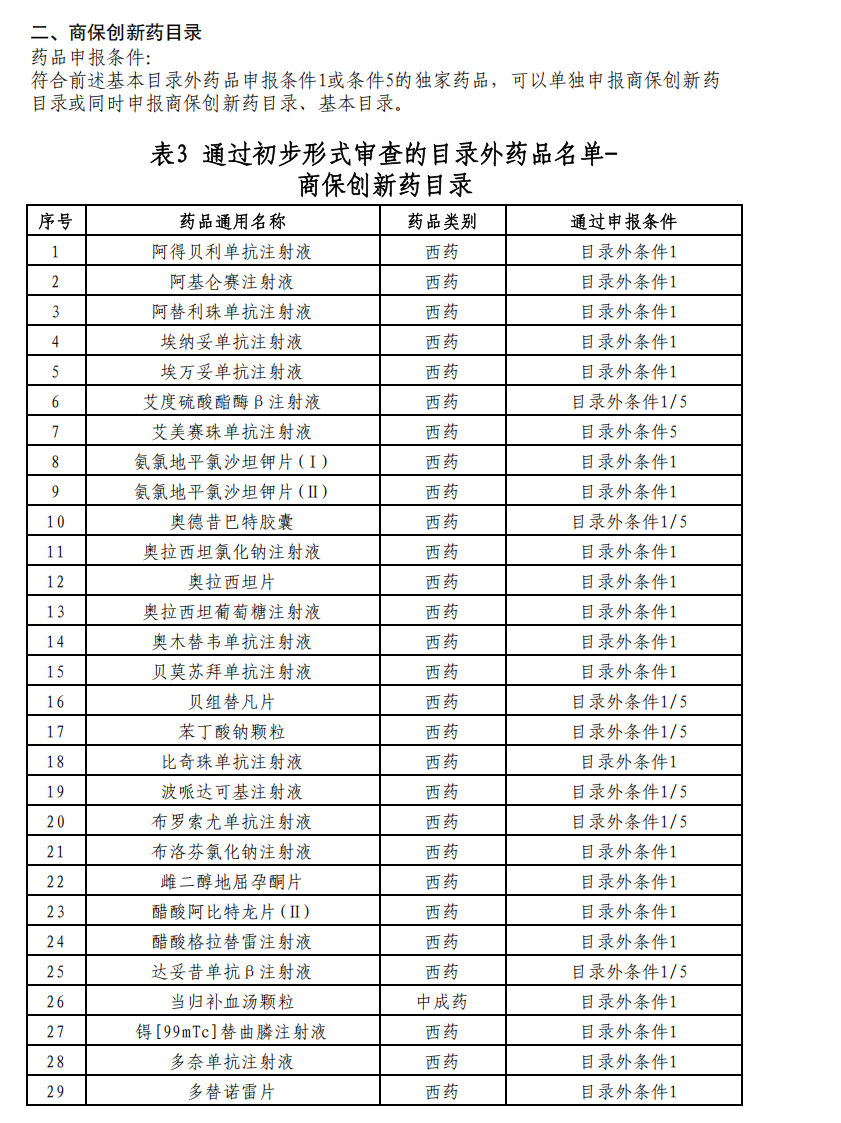
Core Insights - The National Healthcare Security Administration (NHSA) announced the preliminary review results for the 2025 National Basic Medical Insurance, Maternity Insurance, and Work Injury Insurance drug catalog, revealing 534 drugs passed the review, with 121 drugs included in the commercial insurance innovative drug catalog [1][2] - This year marks the first implementation of a "dual-track system" for the drug catalog, focusing on basic insurance for essential drugs and providing supplementary coverage for "exclusive new drugs" or "rare disease medications" through commercial insurance [1][2] - The number of drugs passing the preliminary review has significantly increased compared to last year, with the number of drug names outside the catalog rising from 249 in 2024 to 310 [1] Drug Categories and Highlights - Over 98% of the drugs in the announced list are Western medicines, with only two traditional Chinese medicines included [3] - CAR-T therapies, which are at the forefront of cancer treatment, have gained attention, with several priced over 1 million yuan per injection, including products from Fosun Kite, Kintor Pharmaceutical, and Reindeer Biologics [1][2] - Notable entries in the list include innovative drugs from domestic companies, such as Shanghai Xinnian Pharmaceutical's hemophilia B gene therapy and Hengrui Medicine's PD-1 monoclonal antibody [3] Review and Approval Process - Passing the preliminary review does not guarantee inclusion in the basic medical insurance or commercial insurance innovative drug catalog, as further expert evaluations and price negotiations are required [3] - Approximately 80 drug varieties passed the preliminary review for both the basic medical insurance and commercial insurance catalogs, indicating potential for simultaneous negotiations [3]
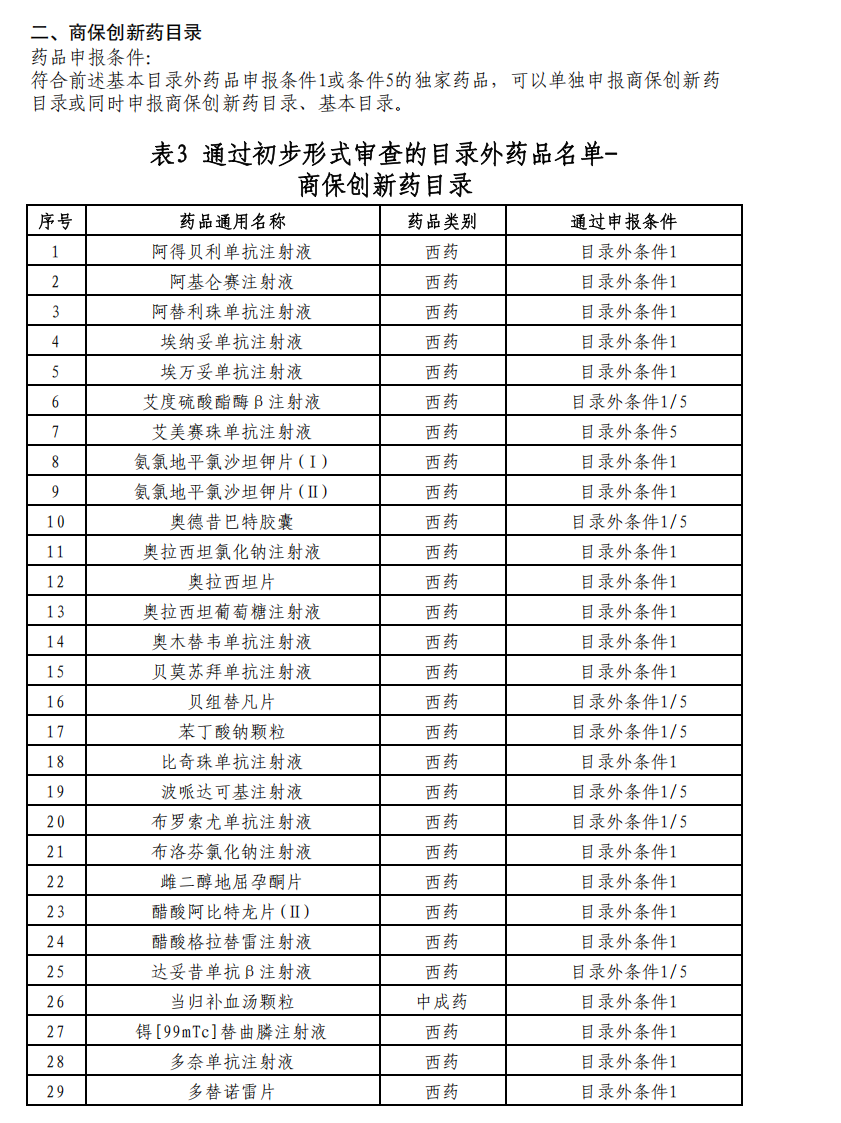
多款百万一针抗癌药,入围商保创新药目录初审名单
21世纪经济报道· 2025-08-13 07:18
Core Insights - The article discusses the announcement by the National Medical Insurance Administration regarding the preliminary review of 534 drugs for the 2025 National Basic Medical Insurance, Maternity Insurance, and Work Injury Insurance drug catalog, along with 121 drugs included in the commercial insurance innovative drug catalog [1][2]. Group 1: Drug Catalog Adjustments - The 2025 drug catalog adjustments implement a "dual-track system," focusing on basic insurance for essential drugs while providing supplementary coverage for "exclusive new drugs" or "rare disease medications" through the commercial insurance innovative drug catalog [1][2]. - A total of 718 applications were received for the basic medical insurance catalog, with 534 approved, while 141 applications were received for the commercial insurance innovative drug catalog, with 121 approved [1][2]. Group 2: CAR-T Therapies - CAR-T therapies, which are personalized cancer treatments, have gained attention due to their high costs, with prices exceeding 1 million yuan per injection for several products [1][2]. - The article highlights that CAR-T therapies are among the first specialty drugs to be included in commercial insurance coverage, with various regions like Jiangsu and Shanghai incorporating them into their insurance plans [2]. Group 3: Drug Composition and Approval Process - The approved drugs are predominantly Western medicines, with over 98% of the list, and only two traditional Chinese medicines included [3]. - The approval of drugs through preliminary review does not guarantee inclusion in the basic medical insurance or commercial insurance catalogs, as further expert evaluations and price negotiations are required [3]. Group 4: Pricing and Negotiation - Approximately 80 drug varieties passed the preliminary review for both the basic medical insurance and commercial insurance catalogs, indicating potential for simultaneous negotiations [3]. - Drugs that exceed the basic insurance pricing limits may still qualify for the next evaluation stage, but their final inclusion depends on successful negotiations [3].

全球制药业洞察 | 创纪录!中国药品授权交易占比新高,哪类药物最受青睐?
彭博Bloomberg· 2025-08-13 06:02
本文来自彭博终端,终端用户可运行NSN T06LY9GPFHVK 阅读原文。非终端用户可点击文末 "阅读原文" 预约演示。 全球市场版图日新月异,彭博行业研究(Bloomberg Intelligence)为您的企业战略助力。在 制药与生物技术领域,无论是全球行业资讯与热点,还是制药管线里程碑及催化剂事件、财务 预测…… BI涵盖广泛且深度的关键信息,旨在为您的决策提供可靠且具有竞争力的洞见支撑。 扫描二维码 立即订阅 彭博生物制药双周报 根据彭博行业研究的专有数据库,上半年授权交易数量(剔除联合试验)持续下滑,总计 2 4 1宗,为六年来最低水平。同期,大型药企签订了5 2宗交易,与过去两年的低迷水平持 平。交易放缓的主要原因是强生、葛兰素史克、默克与诺华的交易减少。强生将其重心转向 并购,而默克则仍相对不活跃。 上半年,礼来和阿斯利康分别以11宗和8宗交易领跑。礼来的交易范围涵盖中枢神经系统、 心血管代谢等疾病领域,其中1 0宗交易处于临床前阶段。阿斯利康则专注于癌症(4宗)和 免疫领域(4宗)。预付款金额最大(1 6 . 5亿美元)的交易是罗氏与Ze a l a n d Ph a rma达成的 协议。 ...

商保创新药目录药品初审名单公布,多款百万抗癌药在列
2 1 Shi Ji Jing Ji Bao Dao· 2025-08-13 05:43
Core Insights - The National Healthcare Security Administration (NHSA) announced the preliminary review results for the 2025 National Basic Medical Insurance, Maternity Insurance, and Work Injury Insurance drug catalog, revealing 534 drugs passed the review, with 121 drugs included in the commercial insurance innovative drug catalog [1][2] Group 1: Drug Catalog Adjustments - The 2025 adjustments mark the first implementation of a "dual-track system," focusing on basic insurance for essential drugs while providing supplementary coverage for "exclusive new drugs" or "rare disease medications" through the commercial insurance innovative drug catalog [1][2] - A total of 718 submissions were received for the basic insurance catalog, with 534 approved, while 141 submissions were made for the commercial insurance catalog, with 121 approved [1][2] - The number of drug names excluded from the catalog increased from 249 in 2024 to 310 [1] Group 2: CAR-T Therapies - CAR-T therapies, which are personalized cancer treatments, have gained attention due to their high costs, with prices exceeding 1 million yuan per injection for several products [1][2] - The commercial insurance catalog will include CAR-T therapies in upgraded coverage plans in various regions, with Shanghai's "Huibao" covering up to 500,000 yuan for patients [2] - Over the past three years, more than 80 lymphoma patients have received treatment through this channel, with total reimbursements exceeding 40 million yuan [2] Group 3: Drug Composition and Approval Process - The approved drugs are predominantly Western medicines, with over 98% representation, and only two traditional Chinese medicines included [3] - Notable cancer drugs include those from major pharmaceutical companies, alongside innovative domestic products like gene therapy for hemophilia B and PD-1 monoclonal antibodies [3] - Passing the preliminary review does not guarantee inclusion in the final catalog, as further expert evaluations and price negotiations are required [3][4] Group 4: Submission Conditions - Unique drugs meeting specific criteria can apply for both the commercial insurance innovative drug catalog and the basic catalog simultaneously [4]

药盒里的潮汐进退:进口原研药高溢价神话崩塌与国产药逆袭
Hua Xia Shi Bao· 2025-08-12 11:07
Core Insights - The shift from imported original research drugs to domestic generics and innovative drugs is significant, with the market share of imported original cancer drugs in top-tier hospitals dropping from 68% in 2021 to 34% in 2024, while domestic generics and innovative drugs now account for 66% [1][5][10] - The decline of imported original drugs is attributed to aggressive pricing strategies by multinational pharmaceutical companies and the cost advantages of domestic generics [1][6][10] - Patients are increasingly accepting domestic drugs, with many reporting satisfactory treatment outcomes and reduced financial burdens [4][12] Industry Dynamics - Multinational pharmaceutical companies are accelerating localization efforts, expanding production bases, and upgrading R&D centers to balance cost and innovation [2][13] - The Chinese government's policies, including centralized drug procurement and price negotiations, are effectively reducing drug prices and reshaping the market landscape [10][16] - The acceptance of domestic drugs is growing among patients, driven by improved quality and increased awareness [5][12] Market Trends - The usage of imported original cancer drugs has significantly decreased, with one hospital reporting a drop from over 200 units per month to around 50 units, while the usage of domestic innovative drugs has more than doubled [4][5] - The market for imported original drugs is facing challenges, with a low bid success rate in centralized procurement, leading to many companies withdrawing from public hospital markets [6][10] - The trend of patients preferring cost-effective domestic drugs is supported by studies showing equivalent efficacy and safety compared to original drugs [12][16] Future Outlook - The pharmaceutical industry is expected to continue evolving, with multinational companies adapting their strategies to maintain market presence through innovation and collaboration with local firms [13][14] - The Chinese market is becoming increasingly competitive, with domestic companies focusing on differentiated innovation to capture market share [11][14] - Ongoing reforms in the healthcare system aim to ensure that patients have access to a wider range of affordable and high-quality medications [16]
AI制药行业动态点评:晶泰控股收到5100万美金首付款,AI制药商业模式得到验证
Shanxi Securities· 2025-08-12 07:52
Investment Rating - The report maintains an investment rating of "Leading the Market-A" for the pharmaceutical AI drug development industry [1]. Core Insights - The collaboration between CrystalTech Holdings and DoveTree, which includes a $51 million upfront payment, validates the AI drug development business model and reflects the accelerating commercialization of AI pharmaceutical companies [1][4]. - The AI pharmaceutical sector is on the brink of an explosive growth phase, characterized by three major trends: deepening technological integration, diversification of collaboration models, and the gradual establishment of regulatory frameworks [5]. Summary by Sections Industry Performance - The pharmaceutical sector has shown significant market performance over the past year, with a notable increase in high-value collaborations in the AI drug development space [1]. Key Developments - CrystalTech Holdings signed a strategic cooperation agreement with DoveTree to develop drug candidates in oncology and immune inflammation, receiving a $51 million upfront payment and potential future payments totaling up to $5.89 billion [1][4]. - The report highlights several high-value collaborations in the AI pharmaceutical field, indicating a strong demand from traditional pharmaceutical companies for AI technologies [4]. Future Outlook - The report anticipates that AI pharmaceutical companies will increasingly engage in downstream clinical development to share higher profits, moving beyond traditional licensing agreements [5]. - The FDA and other regulatory bodies are beginning to establish guidelines for the evaluation of AI in drug development, which will accelerate the standardization process within the industry [5].