
顺络电子

Search documents
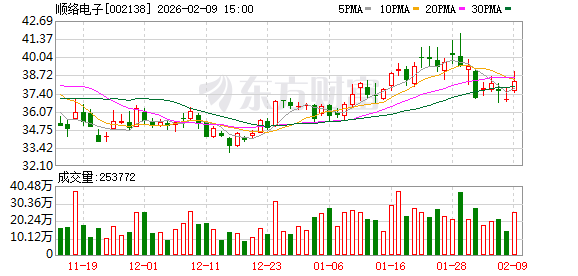
指控对方恶意诉讼,顺络电子第二次对日本元器件龙头村田制作所提起反诉
Mei Ri Jing Ji Xin Wen· 2026-02-10 00:29
Core Viewpoint - The patent dispute between Chinese company Shunluo Electronics and Japanese company Murata Manufacturing has taken a dramatic turn, with Shunluo filing a counterclaim against Murata for malicious litigation [2][3]. Group 1: Legal Actions - Shunluo Electronics has officially filed a counterclaim against Murata Manufacturing, accusing it of maliciously initiating a patent lawsuit [2]. - The counterclaim seeks compensation of 1.5 million RMB for economic losses caused by Murata's alleged malicious litigation [3]. - Shunluo demands that Murata issue a public apology in multiple languages and in prominent media outlets to restore its reputation [3]. Group 2: Background of the Dispute - The legal conflict dates back to 2024 when Murata filed multiple patent infringement lawsuits against Shunluo [5]. - As of November 7, 2025, Murata had withdrawn all five patent infringement lawsuits it initiated in 2024 [4][5]. - Despite withdrawing previous lawsuits, Murata continued its legal actions by filing two new patent infringement lawsuits against Shunluo in March 2025 [5][6]. Group 3: Company Position and Actions - Shunluo Electronics emphasizes that its counterclaim is a legitimate action to protect its legal rights and will not affect its normal operations [3]. - The company has consistently invested in research and development, with a reported R&D expenditure of 505 million RMB in 2024, reflecting a year-on-year increase of 31.53% [6].


AI需求激增 片式多层陶瓷电容器接棒内存上涨
Zhong Guo Zheng Quan Bao· 2026-02-09 23:42
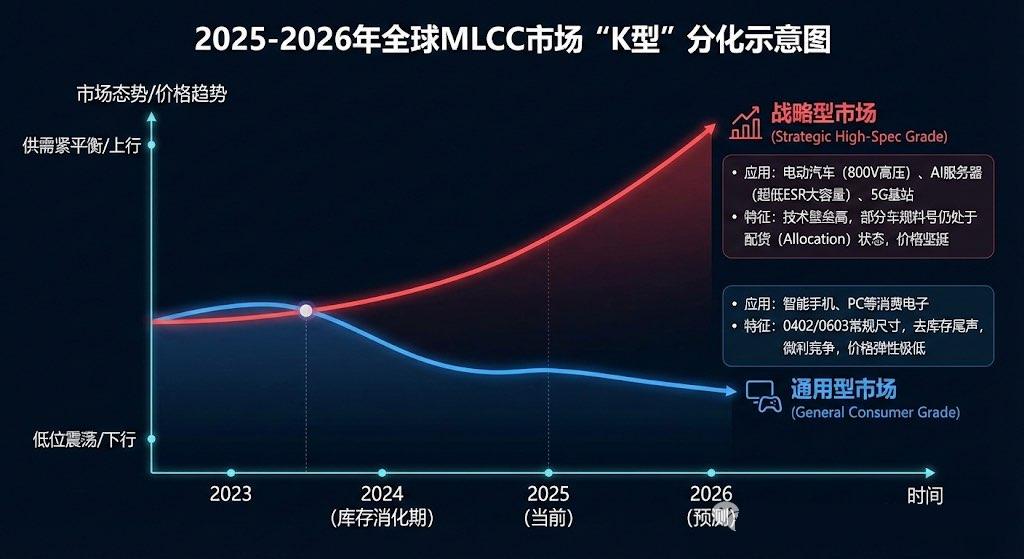
Core Viewpoint - The demand for MLCCs is surging due to the AI boom, leading to significant price increases and a positive market response, particularly for high-end products [1][2][5] Group 1: Price Trends and Market Response - Korean MLCC spot prices have risen nearly 20%, with expectations for continued increases in the short term [1][2] - Major MLCC manufacturers like Samsung Electro-Mechanics have seen stock prices rise significantly, with increases of over 11% this year [2] - The revenue of Samsung Electro-Mechanics reached a record high in Q4 2025, with a 22% year-on-year growth in its components division, which includes high-voltage and high-capacity MLCCs [3] Group 2: Supply and Demand Dynamics - The explosive growth in AI server demand is driving the need for high-end MLCCs, which are essential for stabilizing power supply and filtering interference signals in electronic devices [2][6] - High-end MLCCs are in short supply, with manufacturers like Murata Manufacturing and Samsung Electro-Mechanics operating at over 80% capacity [2] - AI servers require 3 times more MLCCs than standard servers, leading to a significant increase in demand [2][6] Group 3: Competitive Landscape - The top five global MLCC manufacturers, including Murata, Samsung Electro-Mechanics, and Taiyo Yuden, hold over 80% of the market share [4] - Chinese manufacturers have established a relative advantage in the mid-to-low-end MLCC market but are lagging in high-end product development [4] - Domestic companies like Sanhua Group and Fenghua Advanced Technology are accelerating their entry into the high-end market, focusing on sectors such as 5G, AI servers, and automotive electronics [4] Group 4: Industry Outlook and Segmentation - The MLCC industry is currently in an upward cycle, with a historical cycle lasting about 4 to 5 years [5] - The demand for high-end MLCCs is expected to explode due to AI applications, while traditional consumer electronics are facing a downturn [6] - The market for AI servers is projected to grow at an annual rate of 30%, with the MLCC market for AI servers expected to reach 3.3 times its 2025 size by 2030 [6][7]


AI需求激增 MLCC接棒内存上涨
Zhong Guo Zheng Quan Bao· 2026-02-09 20:25
Core Viewpoint - The price surge in the component supply chain, particularly for Multi-Layer Ceramic Capacitors (MLCC), is driven by the explosive growth in AI server demand, with expectations for continued price increases in the short term [1][2]. Group 1: Price Trends and Market Response - MLCC prices in South Korea have risen nearly 20%, with expectations for further increases [1]. - Capital markets have reacted positively, with significant stock price increases for leading MLCC companies such as Samsung Electro-Mechanics, which has risen over 11% this year, and other A-share companies like Fenghua Advanced Technology and Sanhua Group [1][2]. - The MLCC industry is expected to experience a bifurcation by 2026, with high-end product demand likely to surge due to the AI boom, while mid-to-low-end products face challenges from weak demand and rising costs [1][4]. Group 2: Demand Drivers and Production Capacity - The demand for high-end MLCCs is driven by AI servers, which require three times more MLCCs than standard servers, leading to supply constraints [2]. - Major manufacturers like Murata Manufacturing, Samsung Electro-Mechanics, and Taiyo Yuden are operating at over 80% capacity, with Murata expected to see a 20% to 25% increase in high-end MLCC orders in the first quarter [2][3]. - Samsung Electro-Mechanics reported record revenue in Q4 2025, with a 22% year-on-year increase in revenue from high-voltage and high-capacity MLCCs [2]. Group 3: Competitive Landscape and Domestic Market Position - The global MLCC market is dominated by major players, with the top five manufacturers, including Murata, Samsung, and Taiyo Yuden, holding over 80% market share [3]. - Chinese manufacturers have established a relative advantage in the mid-to-low-end MLCC market but are accelerating efforts to penetrate the high-end market [3]. - Companies like Sanhua Group and Fenghua Advanced Technology are focusing on high-end applications such as 5G communication, AI servers, and automotive electronics, with successful integration into supply chains of major manufacturers like BYD [3]. Group 4: Industry Outlook and Cyclical Trends - The MLCC industry is currently in an upward cycle, with a typical cycle lasting about 4 to 5 years, supported by demand from automotive electronics and AI servers [3][4]. - The industry is expected to experience significant differentiation, with high-end MLCC demand surging due to AI applications, while traditional consumer electronics face declining demand [4]. - The market for AI servers is projected to grow at an annual rate of 30%, with the MLCC market for AI servers expected to reach 3.3 times its 2025 size by 2030 [4][5].
顺络电子(002138) - 关于公司提起诉讼的公告
2026-02-09 11:15
股票代码:002138 股票简称:顺络电子 编号:2026-013 3、涉案的金额:原告请求判令被告赔偿原告因被告恶意提起知识产权诉讼 而遭受的经济损失人民币 150 万元整。 深圳顺络电子股份有限公司 关于公司提起诉讼的公告 本公司及董事会全体成员保证信息披露的内容真实、准确、完整,没有虚 假记载、误导性陈述或重大遗漏。 特别提示: 1、案件所处的诉讼阶段:已立案受理,暂未开庭审理。 2、上市公司所处的当事人地位:深圳顺络电子股份有限公司为原告。 4、对上市公司损益产生的影响:本次诉讼系深圳顺络电子股份有限公司(以 下简称"公司"、"原告")因被恶意提起知识产权诉讼而提请获得损失赔偿的诉讼, 是公司维护自身合法权益进行的正当举措,不会影响公司正常生产经营。鉴于本 次涉诉案件尚未开庭审理,因此诉讼事项对公司本期利润或期后利润的影响具有 不确定性,最终实际影响以法院判决为准,敬请广大投资者注意投资风险。 一、本次起诉的基本情况 公司于近日收到上海知识产权法院送达的关于公司以因恶意提起知识产权 诉讼损害责任纠纷为由起诉株式会社村田制作所(Murata Manufacturing Co.,Ltd.) 的《受理案件通 ...
消费电子ETF(561600)涨超2.7%,政策密集落地推动春节消费
Xin Lang Cai Jing· 2026-02-09 02:44
Group 1 - The core viewpoint of the articles highlights the ongoing efforts in Shanghai to promote consumer spending in sectors such as home appliances, automobiles, and mobile phones, alongside the implementation of a product recycling system and the introduction of a prize invoice pilot program [1] - During the upcoming Spring Festival, a total of approximately 150 million yuan in consumer vouchers will be distributed across various districts, aimed at boosting consumption [1] - The Ministry of Commerce and eight other departments have jointly issued a special activity plan for the 2026 "Happy Shopping Spring Festival," focusing on smart and digital consumption, and promoting deep integration of commerce, tourism, culture, and sports [1] Group 2 - China Galaxy Securities indicates that the current valuation of the consumer sector is relatively low, and with the increase in consumer promotion policies as the Spring Festival approaches, consumer vitality is expected to rise, leading to potential further increases in the consumer sector [1] - As of February 9, 2026, the CSI Consumer Electronics Theme Index (931494) has surged by 2.55%, with component stocks such as Chipone rising by 12.56%, and others like Huankong Electronics and Xinwangda also showing significant gains [1] - The Consumer Electronics ETF (561600) has increased by 2.77%, with the latest price reported at 1.23 yuan, closely tracking the CSI Consumer Electronics Theme Index, which includes 50 listed companies involved in the production of components and complete consumer electronics [1][2] Group 3 - As of January 30, 2026, the top ten weighted stocks in the CSI Consumer Electronics Theme Index (931494) include companies like Cambricon, Luxshare Precision, and SMIC, collectively accounting for 53.34% of the index [2] - The Consumer Electronics ETF (561600) has various off-market connections, including multiple linked funds from Ping An [2]
被动元件,涨涨涨
3 6 Ke· 2026-02-09 01:13
Core Viewpoint - The recent price hikes in passive components, led by major players like Yageo and Walsin, indicate a significant shift in the market driven by supply-demand imbalances and rising raw material costs, particularly in high-end sectors like AI and electric vehicles [1][4][19]. Group 1: Price Adjustments - Yageo announced a price increase of 15%-20% for certain resistor products starting February 1, marking its third price adjustment in a short period [1]. - Walsin and Panasonic also announced price hikes of around 20% and 15%-30% respectively for various passive components, reflecting a broader trend among major manufacturers [1][2]. - Smaller manufacturers in China, such as Fenghua Advanced Technology and Shunluo Electronics, have also followed suit with price adjustments ranging from 5%-30% across multiple product categories [2][3]. Group 2: Supply Chain Dynamics - The passive component market is experiencing supply tightness, with lead times extending and some distributors pausing quotes due to uncertainty in price adjustments [3][4]. - Rising costs of raw materials, particularly precious metals like silver and palladium, have significantly increased production costs for passive components, with estimates suggesting a 20%-30% rise in production costs [5][6]. - Capacity constraints are exacerbated by major manufacturers shifting focus to high-end products, leading to a structural shortage in the mid-range market [7][8]. Group 3: Demand Drivers - The demand for passive components is being driven by the rapid growth of AI and electric vehicles, with AI servers requiring significantly more MLCCs than traditional servers [10][11]. - The automotive sector is also a major growth area, with electric vehicles using up to three times more passive components compared to traditional vehicles, creating a favorable environment for price increases [11][12]. - The overall market for passive components in China is projected to grow from 1237.65 billion yuan in 2023 to 2583.59 billion yuan by 2030, with a compound annual growth rate of 11.09% [13]. Group 4: Market Structure Changes - The current price hikes reflect a structural change in the passive components market, with high-end products experiencing significant demand while traditional consumer electronics face challenges [15][19]. - Domestic manufacturers in China are beginning to capture more market share, particularly in high-end segments, as they improve their technology and production capabilities [19][20]. - The geopolitical landscape and supply chain diversification are providing opportunities for Chinese manufacturers to enter high-end markets, as global players face capacity and delivery challenges [19][24]. Group 5: Future Outlook - The passive components market is expected to continue evolving, with AI and automotive electronics driving demand for high-value products [25][26]. - Companies need to focus on high-capacity, miniaturized, and reliable products to meet the changing market demands and maintain competitiveness [25][26]. - Collaboration across the supply chain will be crucial for manufacturers to overcome technical challenges and align with market needs [25][26].
被动元件,涨涨涨!
半导体行业观察· 2026-02-08 03:29
Core Viewpoint - The recent price hikes in passive components, driven by supply-demand imbalances and rising raw material costs, indicate a significant transformation in the market dynamics of the passive components industry [6][9][12]. Price Adjustments - Yageo announced a price increase of 15%-20% for certain resistor products starting February 1, reflecting its position as a market leader with an 18% global market share [2]. - Other companies, including Walsin Technology and Panasonic, have also announced price hikes for various passive components, with increases ranging from 15% to 30% [2][3]. - The price adjustments are widespread, with many small and medium-sized manufacturers in China also raising prices by 5%-20% across multiple product categories [3]. Supply Chain Dynamics - The price increases are primarily driven by rising costs of raw materials such as silver, copper, and aluminum, which have seen significant price surges, with silver prices increasing over 140% in 2025 [7][9]. - The production costs for passive components have risen by 20%-30% due to these raw material price increases, prompting manufacturers to pass on costs to customers [7][9]. - Capacity constraints are exacerbating the situation, as many Japanese manufacturers have shifted focus to high-end products, reducing supply in the mid-to-low-end market [8][9]. Demand Drivers - The demand for passive components is being driven by the rapid growth of AI and electric vehicle markets, with AI server motherboards requiring significantly more MLCCs than traditional servers [10][11]. - The demand for passive components in electric vehicles is also increasing, with the number of MLCCs used per vehicle rising dramatically compared to traditional vehicles [10][11]. - The overall market for passive components in China is projected to grow from 1237.65 billion yuan in 2023 to 2583.59 billion yuan by 2030, with a compound annual growth rate of 11.09% [12]. Market Structure Changes - The current price hikes reflect a structural change in the passive components market, with high-end products for AI servers and electric vehicles experiencing significant demand while traditional consumer electronics face challenges [14][17]. - Domestic manufacturers are beginning to capture more market share, with companies like Walsin Technology and Sunlord Electronics seeing increased orders and expanding their production capabilities [18][19]. - The shift towards high-end products presents opportunities for domestic manufacturers to enter the supply chains of larger companies, especially as global manufacturers face capacity and delivery challenges [22][23].
超500亿元基金启航!000063、002138参与认购
Shang Hai Zheng Quan Bao· 2026-02-07 10:52
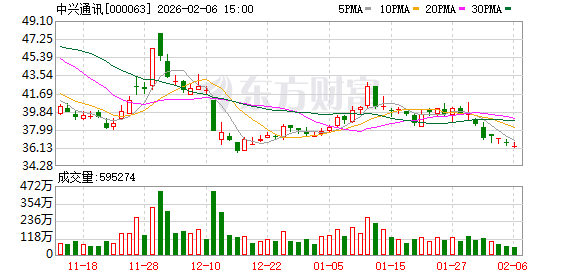
Core Viewpoint - Both ZTE Corporation and Sunlord Electronics announced their intention to invest 200 million yuan as limited partners in the Guangdong-Hong Kong-Macao Greater Bay Area Venture Capital Guidance Fund [2][8]. Group 1: Fund Overview - The Guangdong-Hong Kong-Macao Fund was established on December 22, 2025, with a total scale of 50.45 billion yuan, focusing on areas supported by national policies such as new-generation information technology, biotechnology, high-end equipment manufacturing, new materials and new energy, and electronic hardware [5][7]. - The fund is one of three regional funds under the National Venture Capital Guidance Fund, which has a registered capital of 100 billion yuan and is fully owned by the Ministry of Finance [7]. - The fund aims to support seed and early-stage technology companies in strategic emerging industries and future industries, promoting original and disruptive technological innovation [7]. Group 2: Investment Strategy - The fund adopts a "sub-fund + direct investment" model, primarily targeting equity investments in strategic emerging industries [7]. - The fund's partners include notable entities such as the National Guidance Fund, which has committed 20 billion yuan, accounting for 39.64% of the total contributions [7][8]. - The investment strategy emphasizes long-term investments in hard technology, with a focus on achieving significant technological advancements and converting major scientific achievements into productive forces [7]. Group 3: Company Involvement - ZTE Corporation stated that its investment in the Guangdong-Hong Kong-Macao Fund supports the strategic execution of its core business and aims to achieve investment returns through quality industry investments [8]. - Sunlord Electronics indicated that its participation in the fund allows it to leverage the resources and advantages of professional investment institutions in equity investment and industry cultivation, aiming for long-term investment returns [8]. - The investment areas of the fund align with the main business operations of both companies, facilitating external business development and enhancing overall competitiveness and profitability [8].


新华财经早报:2月7日
Zhong Guo Jin Rong Xin Xi Wang· 2026-02-07 01:29
转自:新华财经 •李强主持召开国务院常务会议 研究促进有效投资政策措施 •虚拟货币监管再升级 人民银行等八部门联合印发通知 重申虚拟货币相关业务活动属于非法金融活动 •预制菜将迎首个国标 重点从食品安全和营养健康方面对预制菜作出规定 •国务院总理李强2月6日主持召开国务院第十次全体会议,讨论拟提请十四届全国人大四次会议审议的政府工作报告稿和"十五五"规划纲要草案稿。李强指 出,要坚持远近结合,扎实推动高质量发展。进一步加强年度工作和五年规划的衔接,将中长期目标任务落实到年度工作部署中。要注重整体规划和重点突 破相结合,围绕规划纲要高质量编制各领域专项规划,深入谋划实施一批重大举措、重大项目,特别是要在发展新质生产力、做强国内大循环、促进居民增 收等方面取得更大突破。要注重前瞻布局,坚持脚踏实地,在实践中不断塑造引领未来的发展新优势。(新华社) •国务院总理李强2月6日主持召开国务院常务会议,研究促进有效投资政策措施。会议指出,促进有效投资对于稳定经济增长、增强发展后劲具有重要作 用。要创新完善政策措施,加力提效用好中央预算内投资、超长期特别国债、地方政府专项债券等资金和新型政策性金融工具。要结合制定实施"十五 ...

顺络电子拟2亿元参与认购粤港澳基金份额
Zhi Tong Cai Jing· 2026-02-06 12:08
Group 1 - The company, Shunluo Electronics (002138.SZ), plans to invest 200 million yuan as a limited partner in the Guangdong-Hong Kong-Macao Greater Bay Area Venture Capital Guidance Fund Partnership (Limited Partnership) [1] - The fund will focus on sectors supported by national policies, including new generation information technology, biotechnology, high-end equipment manufacturing, new materials and new energy, and electronic hardware [1]