赛诺菲

Search documents
REGN Loses 21.1% Year to Date: Buy, Sell or Hold the Sock?
ZACKS· 2025-09-15 14:56
Core Insights - Regeneron Pharmaceuticals (REGN) shares have declined by 21.1% year-to-date, underperforming the industry growth of 5.2% and the S&P 500 Index [1][8] - The lead drug Eylea has faced significant sales pressure due to competition from Roche's Vabysmo, impacting investor sentiment [2][6] - Despite challenges, Regeneron's oncology portfolio shows promise with recent approvals and strong sales growth in certain products [8][14] Company Performance - Eylea, the primary revenue driver, has seen declining sales due to competition, although Eylea HD sales in the U.S. increased by 29% in Q2 2025 [5][6] - The FDA has extended the review periods for Eylea HD submissions to Q4 2025, causing further uncertainty [7][10] - Dupixent continues to perform well, contributing positively to Regeneron's top line, with recent label expansions expected to drive sales growth [12][13] Oncology Portfolio - Regeneron's oncology franchise, including Libtayo, has shown strong performance with sales of $661.6 million in the first half of 2025, up 18% year-over-year [14] - Recent FDA approvals for Lynozyfic and Ordspono enhance the oncology portfolio, although Ordspono faced a setback with a complete response letter from the FDA [16][17] - The company is actively expanding its oncology pipeline, which is expected to diversify revenue sources [25] Future Outlook - Regeneron is exploring opportunities in the obesity market through a licensing agreement with Hansoh Pharmaceuticals, which could enhance its clinical-stage portfolio [19] - The company is also developing investigational allergen-blocking antibodies, with positive results from phase III studies [20] - Current valuation metrics indicate that REGN shares are trading at a price/earnings ratio of 17.87X forward earnings, higher than the large-cap pharma industry average [21] Challenges - Pipeline setbacks, particularly related to the mixed results from late-stage studies on itepekimab, pose risks to the company's near-term outlook [26] - The transition from Eylea to Eylea HD is expected to take time, creating additional pressure on the stock [25][27]

Leerink Partners Maintains a Buy Rating on Sanofi (SNY)
Yahoo Finance· 2025-09-15 12:15
Group 1 - Sanofi is recognized as one of the best low-cost stocks to buy according to analysts, with a maintained Buy rating from Leerink Partners analyst David Risinger [1] - The company faces challenges with Amlitelimab in its Phase 3 trial, as results did not meet the high benchmark set by Dupixent, but there is still potential for Amlitelimab to achieve its primary and secondary endpoints [2] - Amlitelimab's novel mechanism and quarterly dosing convenience may help it stand out in the competitive market, and its safety profile shows a low rate of adverse events, leading to optimism for ongoing and upcoming trials [3] Group 2 - Sanofi is a France-based healthcare company involved in researching, developing, manufacturing, and marketing therapeutic solutions [4]

第八届进博会倒计时50天 “进博老友”携新成果再赴约
Zhong Guo Xin Wen Wang· 2025-09-15 09:01
Group 1: Event Overview - The eighth China International Import Expo (CIIE) is set to open in 50 days, showcasing the vitality of the Chinese market for foreign enterprises [1] - Several long-term exhibitors, referred to as "old friends" of the expo, are preparing to present new innovations and products [1] Group 2: Company Highlights - Schott, a high-tech international group, is integrating natural quartz glass into its special materials matrix, which is crucial for microchip manufacturing [1] - Schott will publicly showcase this technology for the first time in China at the expo, along with other innovative technologies such as glass-metal sealing technology [1] - Medtronic, a long-standing partner of the expo, will present over 100 innovative medical technology products, including the Asia-Pacific debut of its first closed-loop rechargeable spinal cord stimulation system [2] - Medtronic's strategy has evolved from being an exhibitor to an investor, aiming to localize global wisdom and globalize Chinese innovation [2] - Sanofi, also a consistent participant, will focus on groundbreaking innovations in the global immunology field, showcasing breakthrough drugs and vaccines [3] Group 3: Strategic Importance - The CIIE serves as a vital bridge connecting global innovation with the Chinese market, facilitating the transformation of innovations from "imported" to "exported" [2] - Sanofi emphasizes its commitment to the Chinese market as a key engine in its global strategy, aiming to support the development of China's pharmaceutical ecosystem [3]

百亿呼吸药物市场角逐:解锁“沉默区”,挖掘新增长
2 1 Shi Ji Jing Ji Bao Dao· 2025-09-15 08:28
Core Insights - The asthma market in China is experiencing significant growth, with the respiratory drug market size projected to reach approximately $12.8 billion in 2024, up from $11.8 billion in 2023, driven by advancements in inhalation technology and increased patient demand [2][4] - The concept of "silent zone" in the lungs, referring to small airways that are often overlooked in asthma treatment, is gaining attention as a critical area for intervention [1][3] - The need for innovative drug delivery systems that can effectively target both large and small airways is essential for overcoming current treatment challenges in asthma management [4][6] Market Dynamics - The current diagnosis rate for asthma in China is about 28.5%, with a similar control rate, indicating that over 70% of asthma patients are not effectively managed [4] - The market for allergic asthma drugs is projected to reach 19.6 billion yuan in 2024, reflecting a steady increase due to rising patient numbers and pharmaceutical investments in research and development [4][5] - Inhalation therapies are becoming the mainstream treatment for respiratory diseases, with ultra-fine particle drugs showing a significant increase in lung deposition rates, reaching up to 56% [6][8] Competitive Landscape - Global leaders in the allergic asthma drug market include GlaxoSmithKline and AstraZeneca, while domestic companies like Zhengda Tianqing and Hengrui Medicine are emerging as significant players [5] - The inhalation drug market is dominated by a few key products, with Budesonide leading the market at 5.3 billion yuan, accounting for 23.7% of the inhalation drug market share in China [8] - The market is witnessing increased collaboration and strategic investments, as seen with Baiyang Pharmaceutical's investment in Jikun Pharmaceutical for innovative drug development [11][12] Regulatory and Policy Environment - The "Healthy China 2030" initiative emphasizes the prevention and treatment of respiratory diseases, aiming to reduce mortality rates and enhance healthcare services [7] - The government is expanding insurance coverage for respiratory diseases, which is expected to further stimulate market demand [7] Future Trends - There is a growing focus on targeted therapies for different asthma phenotypes, moving towards personalized treatment plans based on genetic and biomarker assessments [9][10] - The introduction of biologics as adjunct therapies is gaining traction, although they currently cannot replace existing treatment regimens [10][12] - Companies are increasingly looking to align their strategies with China's healthcare policies and demographic trends, particularly in the context of an aging population and rising chronic disease prevalence [13][14]
医药生物行业双周报:海外不确定性加剧行业波动,中国创新药长期逻辑未变-20250915
Great Wall Glory Securities· 2025-09-15 08:27
Investment Rating - The investment rating for the pharmaceutical and biotechnology industry is "Positive" and the rating has been maintained [2] Core Views - The pharmaceutical and biotechnology industry index increased by 1.03% during the reporting period, outperforming the CSI 300 index which rose by 0.56% [3][16] - The industry valuation as of September 12, 2025, shows a PE (TTM overall method, excluding negative values) of 31.79x, up from 31.41x in the previous period, indicating an upward trend but still below the average [4][22] - Recent academic conferences and industry dynamics highlight the strength and resilience of China's innovative drug development capabilities [7][8] Industry Trends - The top-performing sub-industries include other biological products and medical research outsourcing, with increases of 4.17% and 3.64% respectively, while traditional Chinese medicine and hospitals saw declines of 1.36% and 1.23% [3][16] - A total of 48 listed companies in the pharmaceutical and biotechnology sector experienced a net reduction in shareholder holdings amounting to 3.686 billion yuan, with 6 companies increasing their holdings by 406 million yuan and 42 companies reducing by 4.092 billion yuan [4] Important Industry News - The NMPA has optimized the review and approval process for clinical trials of innovative drugs, aiming to enhance the efficiency of clinical research [26][27] - Sanofi's Teplizumab has been approved by the NMPA as the first innovative drug to delay the progression of type 1 diabetes [37][38] - The U.S. government is considering strict restrictions on Chinese pharmaceuticals, which may impact the industry [49][50] Investment Recommendations - Investors are advised to focus on companies with differentiated advantages in innovative pipelines, particularly in oncology, autoimmune, and metabolic disease areas [8] - Companies with international standard clinical and data capabilities, as well as those with mature license-out capabilities and global collaboration resources, are also recommended for investment [8]

中新健康丨呼吸道疾病又来袭 专家提醒婴幼儿家庭筑牢这几道防线
Zhong Guo Xin Wen Wang· 2025-09-15 07:14
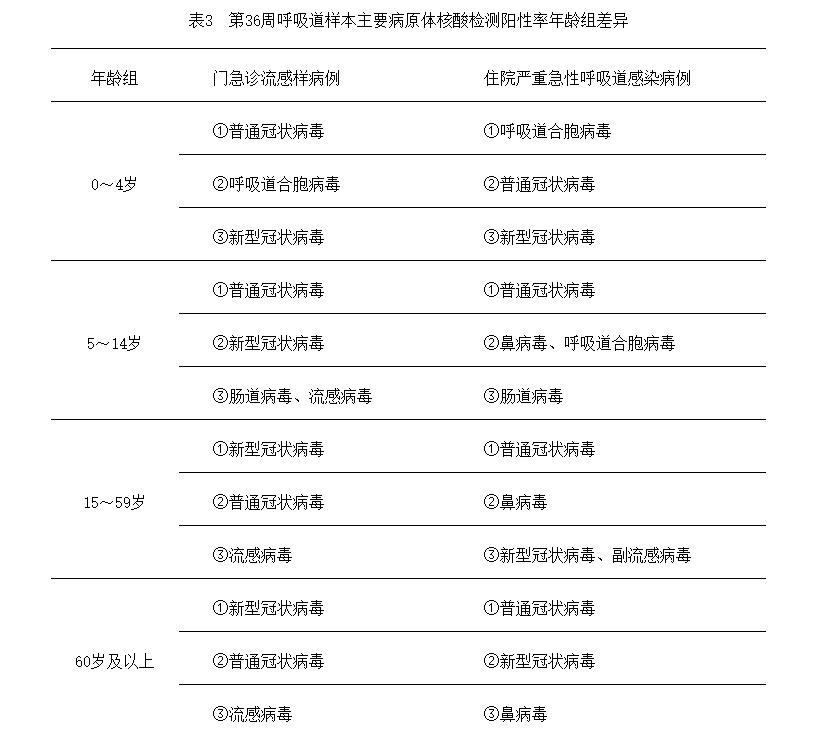
Core Viewpoint - The article emphasizes the rising incidence of respiratory diseases among infants and young children as autumn and winter approach, highlighting the need for enhanced preventive measures in families with young children [1][6]. Group 1: Respiratory Virus Impact - Adult infections with respiratory syncytial virus (RSV) may not show severe symptoms, but transmission to infants can lead to serious health issues, particularly in children under 5 years old [1]. - The monitoring data indicates that in the week of September 1-7, 2025, the percentage of flu-like cases reported in emergency departments was 3.1%, with common coronaviruses being the most detected pathogens [2][3]. Group 2: Hospitalization Data - In the 0-4 age group, RSV was the leading cause of severe acute respiratory infections requiring hospitalization, followed by common coronaviruses and new coronaviruses [2][3]. - The hospitalization rates for severe respiratory infections show a significant prevalence of RSV among infants, indicating a critical area for public health focus [4]. Group 3: Long-term Health Risks - Early infections with RSV can lead to long-term respiratory issues, including potential damage to lung function and increased risk of asthma later in life [5]. Group 4: Preventive Measures - Experts recommend that family members and caregivers of infants under 6 months, who cannot receive flu vaccines, should be vaccinated to create a protective barrier [6]. - Non-pharmaceutical interventions such as maintaining good hygiene practices, ensuring proper ventilation in homes, and promoting balanced nutrition and adequate sleep for children are crucial for prevention [6]. Group 5: Public Health Initiatives - The "Good Breathing" project aims to enhance public awareness and education regarding respiratory health in infants, integrating various health knowledge sources and utilizing both online and offline channels for effective dissemination [7].

“好好呼吸”科普项目:聚焦秋冬婴幼儿呼吸道健康
Zhong Guo Jing Ji Wang· 2025-09-15 02:45
Group 1 - The autumn and winter seasons are peak periods for respiratory diseases in infants, highlighting the need for increased awareness among parents regarding unfamiliar pathogens like Respiratory Syncytial Virus (RSV) and the importance of preventive measures against well-known pathogens such as influenza and whooping cough [1][2] - Respiratory infections are the leading cause of medical visits for infants, with RSV identified as the primary pathogen responsible for hospitalizations due to lower respiratory infections in this age group [1] - Experts emphasize that prevention is more critical than treatment, advocating for the use of vaccines and preventive monoclonal antibodies to effectively reduce the risk of infections from influenza, whooping cough, and RSV [1] Group 2 - The risk of influenza transmission within families is significant, with an infection risk of approximately 40% for other family members once one individual is infected, particularly affecting infants under six months who cannot receive the flu vaccine [2] - The "Good Breathing" initiative for infant respiratory health is supported by the China Population Welfare Foundation and Sanofi, aiming to improve health literacy among parents regarding complex medical concepts [2]
大摩:生物制药动态 中小型生物制药公司聚焦 - 中美生物科技动态
2025-09-15 01:49
Summary of the Conference Call on the Chinese Biopharmaceutical Industry Industry Overview - The Chinese biopharmaceutical industry has significantly improved its innovation capabilities, achieving innovations comparable to Western technologies at lower costs, leading to an increase in external licensing transactions, such as the notable deals between Sanofi and Pfizer valued at approximately $5-6 billion [1][2] - The industry has transitioned from a mimetic market to an innovation-driven one, with the time gap for drug approvals in China reduced to about 3.7 years for generics, and companies are actively developing various formulations to produce better drugs [1][4] Key Insights and Arguments - The market capitalization of the Chinese biotechnology sector has roughly doubled in 2025, driven by strong enthusiasm from domestic and global investors for drug innovation [2] - The approval time for drugs in China has significantly decreased, with the gap now much smaller compared to the past, particularly in oncology, immunology, and metabolic diseases [3][10] - By 2040, assets targeting the Chinese market are expected to generate approximately $220 billion in revenue, accounting for over one-third of all revenues from FDA-approved products, indicating substantial growth potential for the Chinese biotechnology sector [6] Investment Considerations - Investors should monitor the performance of Chinese biotech companies based on innovation quality, cost, accessibility, and data reliability, while also considering funding and geopolitical factors [5] - Despite high interest from global investors in the Chinese biotech sector, actual participation remains low, primarily due to challenges in market entry and transaction execution [7][8] Challenges and Opportunities - U.S. investors face significant challenges in entering the Chinese market, particularly in assessing their understanding and the potential impact on their investment portfolios focused on U.S. and European stocks [8] - The rapid development of Chinese biotechnology innovation has not yet significantly influenced the R&D or business development strategies of many companies, although this may change depending on the overlap of innovation methods and pipelines [9] Areas of Strong Growth - China shows strong momentum in oncology, immunology, and cardiovascular metabolic diseases, with notable advancements in oncology [10] - There is currently less competitive pressure from China in the fields of neurology and rare diseases, which may present opportunities for investors concerned about competition [12] R&D Infrastructure Advantages - China's R&D infrastructure is characterized by high overall cost efficiency and significant utilization potential, attracting many companies, including foreign ones, to leverage its innovative outcomes [13] Future Trends - Future outward-oriented innovation in China is expected to focus primarily on immunology, particularly utilizing complex formulations such as bispecific antibodies or antibody-drug conjugates (ADCs), which could address major patent expirations in the global pharmaceutical industry [14]
2025投资亦庄高质量发展主题推介会在京举办
Sou Hu Cai Jing· 2025-09-13 02:33
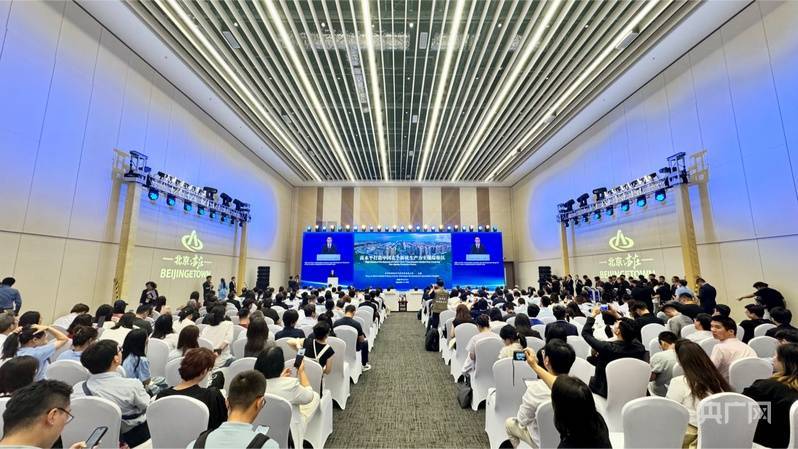
Core Insights - The Beijing E-Town Comprehensive Bonded Zone has officially launched, focusing on foreign investment service packages, upgraded foreign trade policies, and global partnerships, showcasing Beijing E-Town's innovative practices and achievements in high-level openness and quality development [1][2] Group 1: Overview of the Bonded Zone - The E-Town Comprehensive Bonded Zone is the first in the country to be established under a "pre-acceptance" mechanism, achieving the fastest record from application to approval and construction to acceptance [2] - The zone aims to leverage diverse high-tech industries, efficient global resource allocation, and innovative open policies to create new opportunities for enterprises [2] Group 2: Foreign Investment and Partnerships - Eight companies, including Yunhao Investment and Lei Tai Medical, signed project agreements during the event, alongside partnerships with four institutions such as the Beijing Arbitration Commission [4] - The Beijing Economic and Technological Development Zone has attracted 1,530 foreign enterprises from 67 countries, with 109 foreign R&D centers, representing 40% of the city's total [4] - The foreign investment strategy is shifting from "in China" to "for China" and "for the world," indicating a simultaneous rise in capability, confidence, and momentum [4] Group 3: Future Development and Investment - The 2025-2026 District-level Foreign Investment Service Package was awarded to ten companies, including AstraZeneca and Beijing Benz, which are set to increase investments in the E-Town [4] - AstraZeneca plans to establish its sixth global strategic R&D center and a high-standard industrialization project in the E-Town, while Sanofi is investing approximately €1 billion to build an insulin production base [4] - The Beijing E-Town aims to create a stable and reliable business environment for foreign enterprises, focusing on innovation, industry collaboration, and shared benefits [5]
Trump's Crackdown On Prescription Drug Ads: What To Know
ZeroHedge· 2025-09-13 00:05
Core Points - President Trump has directed the FDA to enhance transparency and accuracy in direct-to-consumer advertising for prescription drugs [1][4] - The FDA will introduce a new federal rule to remove the 1997 Adequate Provision exception, requiring more comprehensive risk information in ads [14] - The FDA plans to increase enforcement of existing regulations, having sent 100 compliance letters to drug companies on September 9, 2023 [15][16] Industry Impact - Direct-to-consumer advertising for prescription drugs has grown to a $13.8 billion industry as of 2023, with significant spending by major companies [7] - The top advertiser, AbbVie, spent nearly $1.4 billion in 2024 to promote specific medications [7] - The FDA's increased oversight will extend to social media platforms, targeting influencer partnerships and AI-generated content [17] Regulatory Changes - The FDA's enforcement actions will include addressing "false and misleading advertising" and misbranding of drugs, with potential penalties including recalls and civil charges [16] - The FDA's previous enforcement letters numbered around 130 annually in the late 1990s, but only three were sent in 2023, indicating a significant reduction in enforcement activity [15] Broader Administration Actions - The executive memorandum is part of a broader strategy by the Trump administration to reform the pharmaceutical industry, including pricing policies and the role of pharmacy benefit managers [18][19] - The administration's focus on drug pricing aims to ensure U.S. consumers pay the lowest available prices for medications, addressing the disparity in costs compared to other countries [19]