
三六零

Search documents
深化赋能应用、做大产业生态 推动制造业迈向全要素智能化
Jing Ji Ri Bao· 2025-09-24 23:52
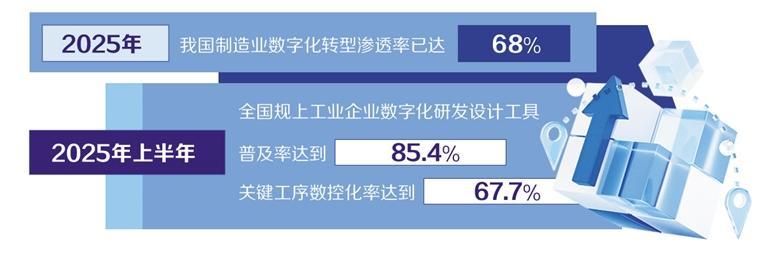
Core Insights - The State Council has issued an opinion on the implementation of the "Artificial Intelligence +" initiative, aiming to promote intelligent development across all elements of the manufacturing industry [1] - The Ministry of Industry and Information Technology plans to develop a specialized action plan for "Artificial Intelligence + Manufacturing," focusing on key industries and areas for intelligent transformation [1][3] - Experts believe this initiative will significantly enhance R&D and production efficiency in the manufacturing sector, injecting new momentum into its development [1][3] Group 1: Implementation and Impact - The "Artificial Intelligence +" initiative is expected to revolutionize productivity by enabling digital systems with unprecedented capabilities for autonomous decision-making and collaboration [2] - The initiative will leverage China's rich data resources and comprehensive industrial system to drive high-quality development across various sectors [2] - The application of industrial AI models and intelligent robots will accelerate the intelligent transformation of key industries, enhancing R&D and production efficiency [3][4] Group 2: Digital Transformation and Industry Growth - By 2025, the digital transformation penetration rate in China's manufacturing sector is projected to reach 68%, with significant advancements in digital R&D tools and CNC technology [4] - The application of industrial AI models in R&D, production, and management is currently at 33%, 24%, and 32% respectively, indicating active engagement in digital technologies [4] - The initiative aims to shift manufacturing from rigid mechanical processes to flexible and efficient operations, enhancing competitiveness and promoting a transition from price to value competition [3][6] Group 3: Ecosystem Development and Collaboration - The Ministry of Industry and Information Technology will focus on both technology supply and application empowerment to foster high-quality development in the AI industry [7] - There will be efforts to cultivate application service providers and develop a "one-stop toolbox" for model tuning, data governance, and security [7] - The initiative encourages the establishment of demonstration projects across various industries to showcase the practical benefits of "Artificial Intelligence + Manufacturing," thereby boosting confidence in digital transformation [8]
推动制造业迈向全要素智能化
Jing Ji Ri Bao· 2025-09-24 22:48
Core Insights - The State Council has issued an opinion on the implementation of the "Artificial Intelligence +" initiative, aiming to promote intelligent development across all elements of the manufacturing industry [2] - The Ministry of Industry and Information Technology plans to develop a specialized action plan for "Artificial Intelligence + Manufacturing," focusing on key industries and sectors for intelligent transformation [2][4] - Experts believe this initiative will significantly enhance R&D and production efficiency in the manufacturing sector, injecting new momentum into its development [2][4] Group 1: Implementation and Impact - The "Artificial Intelligence +" initiative is expected to revolutionize productivity by enabling digital systems with unprecedented capabilities for autonomous decision-making and collaboration [3] - The initiative will leverage China's rich data resources and comprehensive industrial system to drive high-quality development across various sectors [3] - The application of industrial AI models and intelligent robots will accelerate the intelligent transformation of key industries, enhancing overall manufacturing efficiency [4][6] Group 2: Current Trends and Future Projections - The number of AI companies and the scale of the industry in China have been steadily increasing, with significant advancements in domestic AI models and the proliferation of AI terminal products [5] - By 2025, the digital transformation penetration rate in China's manufacturing sector is projected to reach 68%, with a high adoption rate of digital R&D tools and CNC technology [5] - The application of industrial AI models in R&D, production, and management is currently distributed at 33%, 24%, and 32% respectively, indicating active engagement in digital transformation [6] Group 3: Strategic Development and Recommendations - The Ministry of Industry and Information Technology aims to strengthen the supply of high-end AI technologies while promoting the intelligentization of industries [8] - Recommendations include enhancing core technology development, supporting high-quality data construction, and fostering a robust ecosystem for AI applications in manufacturing [9] - The focus will also be on creating demonstration projects across various industries to showcase the practical benefits of "Artificial Intelligence + Manufacturing," thereby encouraging broader participation in digital transformation [9]

专访Plaud中国区CEO:我们只做“必须做”和“不做要死”的事
3 6 Ke· 2025-09-24 14:07
Core Insights - Plaud is recognized as a leading example of successful commercialization in the AI hardware sector, achieving sales in 170 countries and exceeding 1 million units shipped within three years of establishment [1][3] - The company anticipates a total revenue of $250 million by September 2025, which includes both hardware and subscription-based AI software [1][3] - Plaud's product lineup includes the Plaud Note, Plaud Note Pro, and Plaud NotePin S, with a focus on AI-driven meeting summaries [1][3] Company Strategy - Plaud's strategy involves launching products overseas first to build interest before entering the domestic market, a common approach among AI hardware startups [3] - The company emphasizes a singular focus on AI meeting summaries, avoiding distractions from other functionalities like document creation or lifestyle applications [10][49] - Plaud's team is significantly larger than many competitors, with over 400 employees dedicated to the mission of expanding user intelligence [5][25] Product Differentiation - The company targets a niche in conversation-driven work environments, contrasting with competitors that focus on document-driven solutions [6][24] - The newly introduced "Ask Plaud" feature allows users to engage in a question-and-answer format with the AI, enhancing user interaction [7][10] - Plaud's hardware is designed to capture context and user intention effectively, which is deemed essential for maximizing AI utility [56][58] Market Positioning - Despite competition from established players like DingTalk and 360, Plaud maintains its pricing strategy without undercutting, reflecting confidence in its product value [5][11] - The company aims to position itself as a "work companion" rather than a mere efficiency tool, focusing on providing intellectual value rather than just operational assistance [16][45] - Plaud's pricing strategy in China aligns with international pricing, indicating a belief in the product's value rather than competing solely on cost [61][59] Future Outlook - The company is focused on leveraging advancements in AI models to enhance product value, rather than prioritizing immediate profitability [62][70] - Plaud's growth trajectory is closely monitored, with a commitment to continuous innovation and adaptation to market demands [65][68] - The management emphasizes a culture of quick decision-making and rational discourse, which is seen as vital for navigating the fast-evolving tech landscape [34][37]

罗永浩,带不动视频播客
36氪· 2025-09-24 13:39
Core Viewpoint - The Chinese podcast industry is experiencing a surge in popularity, driven by celebrity involvement and major internet platforms, but there are concerns about the sustainability of this trend and its impact on smaller creators [4][9][20]. Group 1: Industry Trends - The rise of video podcasts in China is marked by high-profile guests and viral moments, indicating a shift from niche to mainstream [4][5][7]. - Major platforms like Bilibili, Xiaohongshu, and Douyin are actively investing in podcast content, with Bilibili leading with significant financial resources and promotional efforts [20][21][24]. - The podcast market is seen as a potential new frontier in content creation, with some viewing it as the next big opportunity in the industry [7][8][20]. Group 2: Challenges and Concerns - There are doubts about whether the current excitement around video podcasts is sustainable, as it heavily relies on celebrity appeal rather than the intrinsic value of the content [9][10][15]. - Many existing podcasters are hesitant to transition to video formats due to increased production costs and the challenge of competing with established video content creators [15][16][24]. - The podcast industry faces significant commercial challenges, with advertising revenues being low and subscription models not widely adopted, leading to a reliance on passion projects rather than sustainable income [28][29][31]. Group 3: Future Outlook - The future of the podcast industry remains uncertain, with predictions varying from cautious optimism about eventual commercialization to skepticism about the ability to attract a broader audience [32][33]. - The current podcast landscape is characterized by a lack of clear monetization strategies, which could hinder long-term growth and stability [25][26][28]. - Despite the challenges, some industry insiders believe that as the ecosystem matures, opportunities for monetization will emerge, but for now, many creators must manage their expectations regarding financial returns [32][33].

周鸿祎对谈罗永浩:聊了雷军、智能体和行业定位
第一财经· 2025-09-24 11:47
Core Insights - The discussion between Luo Yonghao and Zhou Hongyi highlights the evolving role of entrepreneurs as influencers, differentiating them from traditional internet celebrities who primarily focus on direct monetization through sales [3][4] - Zhou Hongyi emphasizes the rapid evolution of AI, particularly the importance of intelligent agents over single large models, suggesting that multi-agent collaboration can achieve greater outcomes [3][5] - The conversation also touches on the changing dynamics between startups and major tech companies, with Zhou reflecting on past conflicts and the current need for collaboration in the AI space [5][6] Group 1: Entrepreneurial Influence - Zhou Hongyi describes the first generation of internet celebrities as providing alternative pathways for ordinary people, while entrepreneur influencers like Yu Minhong and Lei Jun focus on promoting their companies rather than selling consumer products [3][4] - The role of entrepreneur influencers is likened to a new form of marketing and public relations, leveraging their personal influence to communicate corporate values [3] Group 2: AI Development and Impact - Zhou Hongyi notes that the overall evolution of AI is surpassing expectations, but warns that AGI (Artificial General Intelligence) is not expected in the near term [3][6] - He argues that the future will see individuals who can effectively use AI outperforming those who cannot, with repetitive tasks being automated while new roles, such as AI trainers, will emerge [6] Group 3: Industry Dynamics and Collaboration - Zhou Hongyi shares insights on the positioning of 360 as an "industry supporting role," choosing to focus on vertical markets rather than competing with established giants in the general AI model space [5] - He reflects on past confrontations with major tech companies, acknowledging the need for a more collaborative approach in the current landscape, including partnerships with 16 major AI firms [5]


周鸿祎对谈罗永浩:聊了雷军、智能体和行业定位
Di Yi Cai Jing· 2025-09-24 10:36
Group 1 - The conversation between Zhou Hongyi and Luo Yonghao covers various topics including the perspectives on entrepreneur IP versus internet celebrities, the impact of AI on society, and the evolving relationships with major internet companies [3][4]. - Zhou Hongyi emphasizes that the first generation of internet celebrities provided alternative pathways for ordinary people, while entrepreneur celebrities like Yu Minhong and Lei Jun focus on promoting their companies rather than selling consumer products [3]. - Zhou Hongyi believes that the evolution of AI is progressing faster than expected, but general artificial intelligence (AGI) will not arrive in the short term. He highlights that intelligent agents are the core direction of AI evolution, enabling goal-driven tasks and collaborative efforts [3][4]. Group 2 - Zhou Hongyi discusses the success of Manus, stating that it has validated demand and secured funding, despite initial skepticism about its parent company Monica's focus on plugins [4]. - The company 360 positions itself as an "industry supporting role" and chooses not to develop general large models, focusing instead on vertical fields to avoid redundancy with existing giants [4][5]. - Zhou Hongyi has made efforts to improve relationships with major companies, including compliance with platform rules and establishing collaborations with 16 large model enterprises, integrating its intelligent agent technology with the computing power of industry leaders [5]. Group 3 - Zhou Hongyi predicts that the future will not see AI replacing humans, but rather those who utilize AI will outpace those who do not. He notes that while repetitive tasks may be automated, new job roles will emerge, such as AI trainers and parameter adjusters [5].

罗永浩对话周鸿祎:企业家做网红你怎么看?
Sou Hu Cai Jing· 2025-09-24 09:44
Core Insights - The conversation between Luo Yonghao and Zhou Hongyi highlights the evolving role of entrepreneurs in the age of social media, emphasizing the necessity for visibility and engagement with the public to maintain relevance and market presence [1][3]. Group 1: Entrepreneurial Visibility - Zhou Hongyi points out that with the rise of platforms like Douyin, which has over 800 million daily users, entrepreneurs must adapt to the changing landscape where short videos dominate attention spans [1][3]. - The public's expectations of entrepreneurs have shifted, favoring personal engagement over corporate branding, making it essential for founders to present themselves as relatable figures [1][3]. Group 2: The Importance of Traffic - Zhou emphasizes that in the current environment, traffic is crucial for product sales, and many startups in Silicon Valley face challenges with product launches due to insufficient initial visibility [3][4]. - The case of Xibei's "pre-made dish incident" illustrates the consequences of lacking visibility, where the company suffered from not having enough public engagement [3]. Group 3: Risks and Rewards of Public Engagement - Zhou acknowledges the dual nature of visibility, noting that increased traffic can lead to greater scrutiny and criticism, requiring entrepreneurs to be cautious in their public statements [4]. - Zhou's own experiences demonstrate the balance between building a personal brand and focusing on product development, indicating that while public engagement is important, it should not detract from core business objectives [4].
周鸿祎对谈罗永浩:拒绝用AI的人,裁掉他!
新浪财经· 2025-09-24 09:33
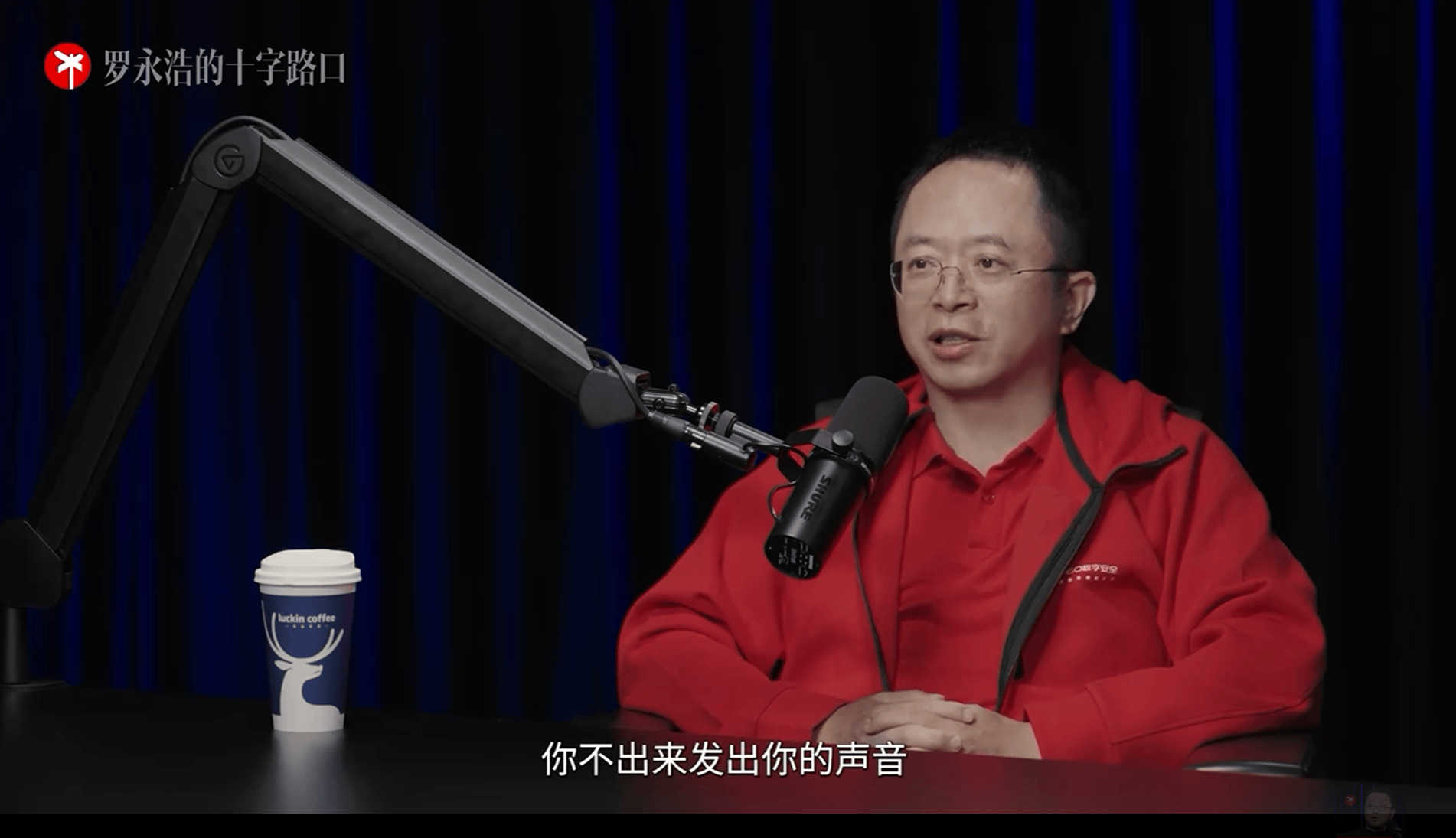
Core Viewpoint - The discussion between Luo Yonghao and Zhou Hongyi highlights the evolution of strategies in the tech industry, emphasizing the importance of adapting to AI and the changing landscape of competition and collaboration among major players in the market [3][4]. Group 1: AI and Workforce Management - Zhou Hongyi emphasizes the necessity of integrating AI into the workforce, stating that employees who refuse to use AI after being instructed to do so may face termination [11][12]. - The company is currently hosting an AI competition internally to encourage the adoption of AI technologies among employees [10][11]. - Zhou suggests that the focus should not be on which jobs will be eliminated by AI, but rather on how to enhance personal capabilities through AI [12] Group 2: Company Strategy and Positioning - Zhou Hongyi reflects on the past competitive dynamics with major tech giants, noting a shift towards a more collaborative approach rather than outright hostility [8][9]. - The company aims to redefine its strategy from "All in AI" to "All in Intelligent Entities," focusing on enhancing employee efficiency and transforming support departments into "super organizations" [15]. - Zhou acknowledges the need for the company to find its niche in AI and cybersecurity, moving away from blind expansion into unfamiliar areas [9][15]. Group 3: Industry Trends and Competition - Zhou discusses the trend of companies aggressively recruiting AI talent, describing it as a tactical move rather than a strategic one, aimed at acquiring experience and expertise [14]. - He highlights the importance of understanding the underlying engineering challenges in developing large-scale AI models, which necessitates experienced personnel [14]. Group 4: Ethical Considerations and Future Outlook - Zhou stresses the importance of addressing ethical issues in AI, advocating for the development of models to counteract potential risks posed by AI technologies [17][18]. - He expresses a cautious optimism about the future of AI, while also pointing out that the most pressing issue humanity faces is energy sustainability, which is crucial for the advancement of AI [19].

周鸿祎对谈罗永浩:拒绝用AI的人,裁掉他!
Xin Lang Ke Ji· 2025-09-24 08:42
Core Insights - The discussion between Luo Yonghao and Zhou Hongyi highlighted the evolution of strategies in the tech industry, particularly the shift from aggressive competition to collaboration and relationship-building [2][5] - Zhou emphasized the importance of AI in enhancing employee capabilities and indicated that refusal to adopt AI could lead to job losses [7][8] - The conversation also touched on the challenges of managing public perception and the necessity of establishing a personal brand in the digital age [3][4] Company Strategy - Zhou Hongyi stated that 360 is transitioning its strategy from "All in AI" to "All in Intelligent Agents," focusing on empowering employees to utilize AI effectively [9][10] - The company aims to redefine its position in the market by concentrating on AI and cybersecurity, moving away from past blind expansions into unfamiliar territories [6][9] Industry Trends - The tech industry is experiencing a tactical approach to talent acquisition, particularly in AI, where companies are willing to pay high salaries to attract experienced professionals [9] - Zhou pointed out that the rapid development of AI raises ethical concerns, necessitating a proactive approach to ensure that AI serves human interests [11] Future Outlook - Zhou expressed optimism about AI's potential to transform productivity but warned that energy issues could limit future advancements [12] - He highlighted the need for AI to assist in scientific breakthroughs, particularly in achieving energy independence through nuclear fusion [12]
周鸿祎称有理由裁掉拒绝使用AI的员工:不是我裁掉你,是AI时代裁掉你
Xin Lang Ke Ji· 2025-09-24 07:54
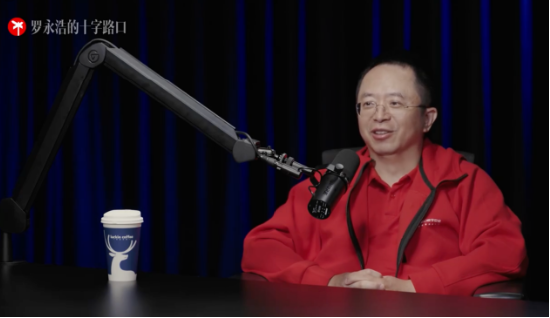
Core Insights - The discussion between Luo Yonghao and Zhou Hongyi focused on the integration of AI in the workplace, emphasizing the necessity for employees to adapt to AI technologies [1] - Zhou Hongyi mentioned that 360 is currently hosting an AI competition, indicating a proactive approach to encourage AI adoption among employees [1] - He stated that refusal to use AI after being instructed could lead to potential layoffs, highlighting the trend of AI in the workforce [1] - Zhou emphasized the importance of leveraging AI to enhance personal capabilities rather than worrying about job displacement [1] Company Initiatives - 360 is organizing an internal AI competition to promote the use of AI among its employees [1] - The company is preparing for a future where AI plays a significant role in operations, indicating a strategic shift towards technology integration [1] Employee Expectations - Employees are expected to embrace AI tools; refusal to do so may result in job security concerns [1] - Zhou Hongyi's comments reflect a broader industry trend where adaptability to AI is becoming a critical factor for employment [1]