宝洁公司

Search documents
非洲卫生巾之王,来自中国广州?
3 6 Ke· 2025-08-27 00:31
Core Insights - Softcare, a Chinese brand, has become the leading sanitary product brand in Africa, with significant market shares in baby diapers and sanitary pads, capturing 20.3% and 15.6% of the respective markets in 2024 [3][5][12] - The company has shown impressive financial growth, with total revenue projected to rise from approximately $320 million in 2022 to over $450 million in 2024, and net profit increasing from $18.4 million to $95.1 million during the same period [5][12] - Softcare's strategy focuses on local production in Africa, allowing it to offer products at about one-third the price of Western brands, thus appealing to a broader consumer base [16][18] Company Overview - Softcare was established in 2022 but is rooted in the hygiene product business initiated by its parent company, SenDa Group, in 2009 [6][7] - SenDa Group, founded in 2004, is one of the earliest Chinese companies to enter African and South American markets, becoming a major player in consumer goods in developing countries [7][8] - The company has expanded its production footprint across eight African countries, with 51 production lines, making it the largest local manufacturer of hygiene products [16][18] Market Dynamics - Africa has the fastest population growth globally, with significant urbanization expected by the late 2030s, creating a burgeoning market for hygiene products [12][13] - The penetration rates for baby diapers and sanitary pads in Africa are notably low, at around 20% and 30% respectively, compared to 70%-86% in developed markets, indicating substantial growth potential [12][13] - The average price of sanitary pads in Nigeria has tripled from 450 Naira in 2021 to 1500 Naira in 2024, highlighting the affordability challenges faced by many consumers [14] Competitive Landscape - Softcare competes with multinational giants like Procter & Gamble and Kimberly-Clark, which dominate the high-end market but often at higher price points [14][15] - The company leverages its cost advantages through local manufacturing and a robust distribution network, which has allowed it to capture market share in a price-sensitive environment [16][18] - E-commerce is emerging as a significant channel in Africa, with platforms like Jumia gaining traction, although overall penetration remains low [20][24] Future Outlook - Softcare's second attempt at an IPO indicates its ambition to capitalize on its market position, but concerns about slowing growth rates and competition from both local and international brands persist [19][24] - The company aims to enhance its digital management capabilities and expand its e-commerce presence to maintain its competitive edge in the evolving market landscape [18][24]


问答:美国消费者现状-Back to school issue_ US consumer state of play
2025-08-26 13:23
Summary of Key Points from the Conference Call Industry Overview - The focus is on the **US consumer sector**, particularly consumer stocks within the S&P 500, which have shown resilience despite economic challenges such as inflation and tight monetary policy [1][2][3]. Core Insights and Arguments 1. **Consumer Resilience**: US consumers continue to spend due to a tight labor market, which has remained strong since COVID, despite inflation and waning confidence [1][13]. 2. **Q2 Earnings Performance**: Q2 earnings reports indicate better-than-expected demand and pricing power, with a notable theme of broadening revenue beats. However, guidance remains conservative due to tariff risks [2][25]. 3. **Income Disparity Impact**: The US has a high share of low-income workers, which has made low-income consumers more vulnerable. This has led to an underweight position in Consumer Staples, which are more affected by inflation [3][52]. 4. **Long-term Consumption Trends**: Healthcare spending has increased significantly and is expected to continue growing. The shift from goods to services is influenced by various factors, including globalization and economic conditions [4][44]. 5. **Cyclical vs. Defensive Sectors**: An overweight position on cyclical sectors has been maintained, but potential mass layoffs and recession risks could shift this stance towards a more defensive orientation [5]. Additional Important Insights 1. **Consumer Behavior**: There is a noticeable trend of consumers trading down to lower-priced items, particularly among lower-income households, while luxury spending shows signs of improvement [33][90]. 2. **Tariff Effects**: Companies are beginning to feel the impact of tariffs, with expectations that the full effects will be felt in the second half of the year [34][90]. 3. **Spending Expectations**: Big-ticket spending expectations have decreased year-over-year in several categories, indicating potential caution among consumers [94]. 4. **Credit and Savings Health**: Despite rising credit card delinquencies, overall household balance sheets remain healthy, with liquid assets elevated relative to liabilities [56][60]. 5. **Market Dynamics**: Consumer stocks are highly idiosyncratic, influenced more by brand equity and management than by macroeconomic factors [20]. Conclusion The US consumer sector is navigating a complex landscape characterized by resilience amid inflationary pressures, shifting consumer behaviors, and varying impacts across income levels. The insights from Q2 earnings and ongoing trends suggest a cautious but potentially optimistic outlook for certain segments of consumer stocks, particularly those that can adapt to changing consumer preferences and economic conditions.
美国经济分析9盈利季要点:适应新环境-US Economics Analyst_ Earnings Season Takeaways_ Adjusting to the New Environment (Walker)
2025-08-26 01:19
Summary of Earnings Season Takeaways: Adjusting to the New Environment Industry Overview - The report focuses on the S&P 500 companies and their performance during the Q2 earnings season, analyzing macroeconomic implications from micro-level insights [3][6][7]. Key Points Revenue Growth vs. Economic Activity - S&P 500 companies reported strong revenue growth of 4.8% year-over-year, contrasting with a slowdown in overall economic activity, as GDP growth decreased from 2.5% in Q4 2024 to 2.0% in Q2 2025 [3][11]. - Real revenue growth for S&P 500 companies, excluding the energy sector, was 4.8%, up from 3.3% in Q4 2024, while mid- and small-cap companies experienced revenue declines [3][8][11]. Consumer Sentiment and Spending - Consumer sentiment improved after a significant drop in the previous quarter, but the outlook for H2 2025 remains challenging, with a forecast of only 1% annualized real consumer spending growth [3][15][19]. - Sales growth for consumer-facing companies increased, with median growth of 1% for consumer staples and 4% for consumer discretionary companies [15][19]. Impact of Tariffs - Discussions around tariff uncertainty have shifted to the actual costs imposed by tariffs, with many companies reporting strategies to mitigate these costs, such as negotiating with suppliers and passing costs to customers [3][26][30]. - Tariff-related costs were significant, with companies like Ford and Apple reporting impacts of approximately $800 million and $1.1 billion, respectively [31]. Business Investment Tax Incentives - The One Big Beautiful Bill Act (OBBBA) is expected to boost capital expenditures (capex) over the next few years, although its impact on Q2 guidance was limited as it was widely anticipated [3][40][41]. - Job openings at companies benefiting from increased capex have declined less than the average public company since the election [41][44]. Labor Market Dynamics - The labor market has shown signs of rebalancing, with mentions of labor costs and layoffs decreasing in earnings calls, indicating a less tight labor market [22][23][24]. - Job growth has been tepid, and the forecast for real income growth is only 1.5% in 2025, down from 2.3% in 2024, with lower-income households expected to face challenges due to cuts in benefits [19][21]. Overall Economic Outlook - The economic outlook remains cautious, with GDP growth projected to slow down to 1.7% in 2025, and inflation rates expected to stabilize around 2.8% [48][49]. - The report emphasizes the divergence between corporate revenue growth and overall economic activity, highlighting the resilience of larger companies amid broader economic challenges [3][11][12]. Additional Insights - The report indicates that while companies are facing challenges from tariffs and economic conditions, many are adapting through strategic adjustments in their operations and pricing [3][26][33]. - The sentiment around consumer health, while improved, still reflects underlying economic pressures that could affect future spending [15][19].
Everything Is A Meme Stock Now
From The Desk Of Anthony Pompliano· 2025-08-25 17:15
Market Debasement & Cultural Impact - The US dollar has lost 28% of its purchasing power since 2020, leading to an accelerated debasement rate [1] - This debasement is driving a "casino culture," encompassing sports betting, shitcoins, meme stocks, and rapid wealth generation [1] Meme Stock Analysis - The analysis suggests that meme stocks exist, but the definition extends beyond typical examples like GameStop [2] - Berkshire Hathaway is presented as a "boomer meme stock," implying its value is partly driven by Warren Buffett's reputation [2] - The stock is expected to fall approximately 10% upon Warren Buffett's retirement, as the "Buffett premium" diminishes [3] - Berkshire Hathaway's annual meeting is likened to "capitalism's trip to Mecca," highlighting the cult-like following of Buffett [4] - The analysis posits that every stock, to some degree, is a meme stock, driven by narratives that investors buy into and defend [4][5] Investment Strategy - Investors must recognize the power of narratives ("memes") in today's dynamic environment to effectively allocate capital [5]

合百集团:合鑫商贸为公司旗下主营日化和酒水零售批发业务的子公司
Zheng Quan Ri Bao Zhi Sheng· 2025-08-25 11:36
Core Viewpoint - Hehe Group's subsidiary, Hexin Trading, is the exclusive distributor for Procter & Gamble in central and western Anhui, and has successfully expanded into Jiangsu province, establishing a presence in Huai'an and Suqian by August 2024 [1] Group 1 - Hexin Trading focuses on daily chemical and liquor retail and wholesale businesses [1] - The company aims to strengthen its market position in Anhui while leveraging Procter & Gamble's strategic distribution advantages [1] - In the first half of 2025, Hexin Trading's revenue from markets outside Anhui reached 83.44 million yuan [1]

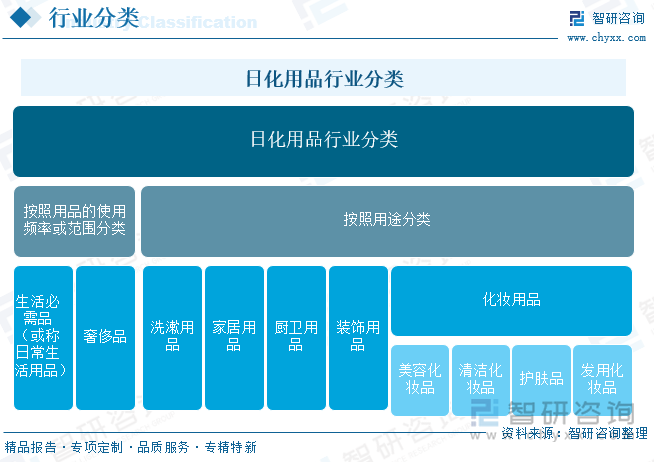
2025年中国日化用品(日化)政策、产业链、经营现状、竞争格局、代表企业及行业发展趋势研判:日化用品需求逐年递增,行业有巨大发展前景和空间[图]
Chan Ye Xin Xi Wang· 2025-08-25 01:34
Core Viewpoint - The daily chemical industry in China is experiencing significant growth, driven by rising consumer demand and an increase in living standards, with projections indicating substantial revenue and profit growth in the coming years [1][4][6]. Group 1: Industry Overview - The daily chemical industry is a vital part of the national economy and a significant segment of the fast-moving consumer goods sector, providing essential products for daily use [1][4]. - The industry is expected to see sales revenue from large-scale enterprises increase from CNY 404.14 billion in 2018 to CNY 413.84 billion in 2024, with profits projected to rise from CNY 43.04 billion to CNY 38.63 billion in the same period [1][4][6]. - By 2025, sales revenue is anticipated to reach CNY 435 billion, with total profits expected to hit CNY 40 billion [1][6]. Group 2: Industry Chain - The upstream of the daily chemical industry includes raw materials such as surfactants, matrix materials, natural/plant materials, and packaging materials, with surfactants being crucial for product efficacy [8]. - The midstream involves the production and manufacturing of daily chemical products, while the downstream encompasses sales channels and end consumers, including supermarkets, convenience stores, specialty shops, and e-commerce platforms [8]. Group 3: Development Environment and Policies - The government has implemented various policies to support the development of the daily chemical industry, enhancing the regulatory framework and promoting sustainable growth [10]. - Key policies include the "Cosmetics Sampling Inspection Management Measures" and announcements aimed at optimizing the registration and inspection processes for ordinary cosmetics, which contribute to a more robust industry structure [10][12]. Group 4: Competitive Landscape - The Chinese daily chemical market is characterized by intense competition, with both international brands like L'Oréal and Unilever and domestic brands like Shanghai Jahwa and Proya coexisting [13][15]. - Domestic brands are gaining traction by leveraging their understanding of local markets and flexible strategies, while international brands maintain consumer trust through established reputations [13][15]. Group 5: Industry Trends - The daily chemical industry is witnessing a surge in brand proliferation, with local companies increasingly capturing market share and developing competitive advantages [19]. - There is a growing trend towards personalization in consumer demands, necessitating companies to adapt to diverse regional preferences and consumer behaviors [20]. - The male grooming market is emerging as a new competitive frontier, with increasing demand for male-targeted daily chemical products [20]. - Safety and health concerns are driving consumer preference towards natural and organic products, prompting companies to focus on reducing harmful additives in their offerings [20].



洗护行业深度研究报告:细分化功效化趋势不改,国货洗护潜力无限
Shenwan Hongyuan Securities· 2025-08-24 11:15
Investment Rating - The report maintains a "Positive" outlook on the hair care industry, highlighting its significant market potential and opportunities for differentiation [3][6]. Core Insights - The hair care industry is the second largest segment in the cosmetics market, following skincare, with substantial potential for domestic brand replacement. The demand for hair care products is evolving towards more personalized and segmented offerings, driven by consumers' increasing pursuit of quality in their daily lives [5][6]. - The market for hair care products in China is expected to grow steadily, with sales reaching 55.9 billion yuan in 2023, reflecting a year-on-year increase of 13.4%. Projections indicate that the market could exceed 70 billion yuan by 2026 [5][6]. - Domestic brands are well-positioned to capture market share due to their understanding of local consumer needs, especially in a market where international brands dominate but face challenges in adapting to rapid changes in consumer preferences [7][8]. Summary by Sections 1. Hair Care Market Overview - The hair care segment is characterized by a wide range of products, including cleansing and conditioning items, and is crucial in consumers' daily routines. The market is experiencing a shift towards more specialized and effective products [16][18]. - The competitive landscape is shifting, with domestic brands gaining traction as international leaders struggle to keep pace with evolving consumer demands [22][27]. 2. Hair Care Product Trends - The demand for functional and gentle hair care products is on the rise, with consumers increasingly seeking solutions for specific issues such as hair loss and scalp health. The market is seeing a trend towards herbal ingredients that appeal to health-conscious consumers [55][67]. - The hair care market is projected to maintain stable growth, with a market size of 55.9 billion yuan in 2023 and an expected increase to over 70 billion yuan by 2026 [63][67]. 3. Facial Cleansing Market Dynamics - The facial cleansing market is also experiencing steady growth, with a market size of 49.8 billion yuan in 2023, projected to reach 52.5 billion yuan by 2026. Multi-functional products that combine cleansing with other benefits are gaining popularity [5][6]. 4. Body Care Market Insights - The body care segment is witnessing a revival, with consumers increasingly valuing emotional well-being and seasonal product differentiation. The market is expected to reach 23.4 billion yuan by 2024, with a focus on efficacy and fragrance [5][6]. 5. Competitive Landscape and Opportunities - Numerous domestic beauty companies are expanding their product lines and adopting multi-brand strategies to capture market share in the hair care sector. Key players include Lafang, Shangmei, Shanghai Jahwa, and Proya, each with distinct strategies to enhance brand recognition and market presence [6][7][8].

美股市场速览:回调后再度发动,中小盘明显占优
Guoxin Securities· 2025-08-24 09:03
Investment Rating - The report maintains a "Weaker than Market" rating for the U.S. stock market [1] Core Insights - After a pullback, the U.S. stock market has shown significant recovery, with small-cap stocks outperforming [3] - The S&P 500 index increased by 0.3%, while the Nasdaq decreased by 0.6% [3] - Among 18 sectors, 12 experienced gains, with notable increases in banking (+3.2%), automotive (+2.9%), and energy (+2.8%) sectors [3] Price Trends - Small-cap value stocks (Russell 2000 Value) rose by 4.1%, outperforming small-cap growth (Russell 2000 Growth +2.6%) and large-cap value (Russell 1000 Value +1.7%) [3] - The report highlights that 18 sectors saw price increases, while 6 sectors faced declines, with the largest declines in food and staples retailing (-2.0%) and software and services (-1.9%) [3] Fund Flows - The estimated fund flow for S&P 500 constituents was +1.7 billion USD this week, a significant decrease from +75.8 billion USD the previous week [4] - Notable inflows were observed in automotive (+11.0 million USD), diversified financials (+4.6 million USD), and banking (+3.8 million USD) sectors [4] - Conversely, significant outflows were recorded in software and services (-29.9 million USD) and semiconductor products and equipment (-7.7 million USD) [4] Earnings Forecast - The report indicates a 0.3% upward revision in the 12-month forward EPS expectations for S&P 500 constituents, following a 0.2% increase the previous week [5] - 21 sectors saw upward revisions in earnings expectations, with the semiconductor sector leading with a +1.2% increase [5]




关税的不确定性与涨价的确定性
Jing Ji Ri Bao· 2025-08-23 22:12
Group 1 - Since the announcement of "reciprocal tariffs" by President Trump in April, U.S. businesses have temporarily coped with tariff impacts by stockpiling and sharing costs with upstream and downstream companies [1] - As of August 7, the trade-weighted average tariff rate imposed by the U.S. on all products globally has risen to 20.11%, significantly higher than the 2.44% at the beginning of the year [1] - A report from Harvard Business School indicates that from early March to the end of July, major U.S. retailers raised prices of imported and domestic goods by approximately 4% and 2%, respectively [1] Group 2 - Professor Justin Wolfers notes that tariffs appear to have shifted from "experimental" to "permanent," leading to anticipated price increases as businesses adjust their strategies [2] - Procter & Gamble announced plans to raise average prices of about 25% of personal care and household products by 2.5% to offset an additional $1 billion in costs due to tariffs [2] - Adidas CEO Bjorn Gulden indicated that new tariff policies will increase costs by $200 million in the second half of the year, leading to inevitable price hikes [2]
If I Could Only Buy 1 S&P 500 Stock From Each Sector for the Rest of 2025, I'd Go With These 11 Dividend Stocks
The Motley Fool· 2025-08-23 22:05
Core Viewpoint - Incorporating top stocks from various sectors can effectively balance an investment portfolio, with the Global Industry Classification Standard aiding in sector comparison and market tracking [1][2]. Sector Summaries 1. Technology - The technology sector comprises over a third of the S&P 500, with a 34% weighting, including major companies like Nvidia, Microsoft, and Apple. Texas Instruments is highlighted as a top tech stock for 2025 due to its diversified business and 2.7% dividend yield [5][6]. 2. Financials - Financials represent the second-largest sector at 13.8% of the S&P 500. American Express is noted for its dual role as a payment processor and card issuer, maintaining a low net write-off rate, indicating strong risk management [7]. 3. Consumer Discretionary - This sector accounts for 10.4% of the S&P 500 and is sensitive to economic conditions. Starbucks is identified as a top pick due to its successful turnaround and 2.7% dividend yield, supported by leadership changes [8][9]. 4. Communications - The communications sector makes up 9.9% of the S&P 500. Alphabet is recommended for its diverse business model and low valuation, with continued growth in Google Search and accelerating adoption of its chatbot, Google Gemini [10]. 5. Healthcare - Healthcare constitutes 8.8% of the S&P 500, facing pressure from sell-offs. Eli Lilly is recognized for its promising drug pipeline and growing dividend, appealing to investors [11]. 6. Industrials - The industrials sector has an 8.6% weighting in the S&P 500. Honeywell International is noted for its plan to split into three businesses to enhance shareholder value, with a 2.1% dividend yield [12]. 7. Consumer Staples - Consumer staples represent 5.2% of the S&P 500 and are currently challenged by inflation. Procter & Gamble is highlighted for its strong pricing power and 2.7% dividend yield, having increased payouts for 69 consecutive years [13]. 8. Energy - The energy sector is under pressure from low oil prices and the energy transition. ExxonMobil is recommended for its low production costs and diversified portfolio, boasting a 3.7% dividend yield and 42 years of increasing payouts [15][16]. 9. Utilities - Utilities make up 2.5% of the S&P 500 and are known for reliable passive income. Southern Company is noted for its high demand and 3.1% yield, making it a strong investment choice [17]. 10. Real Estate - The real estate sector accounts for 2% of the S&P 500, including REITs. Mid-America Apartment Communities is highlighted for its strong dividend history, with a yield of 4.3% [19]. 11. Materials - The materials sector comprises 1.8% of the S&P 500. Sherwin-Williams is recognized for its long history of dividend increases and stock repurchases, yielding 0.9% [20][22].