Oatly Group AB

Search documents
不准叫“奶”!英国最高法院禁令,却可能让Oatly赢麻了
Xin Lang Cai Jing· 2026-02-23 15:32
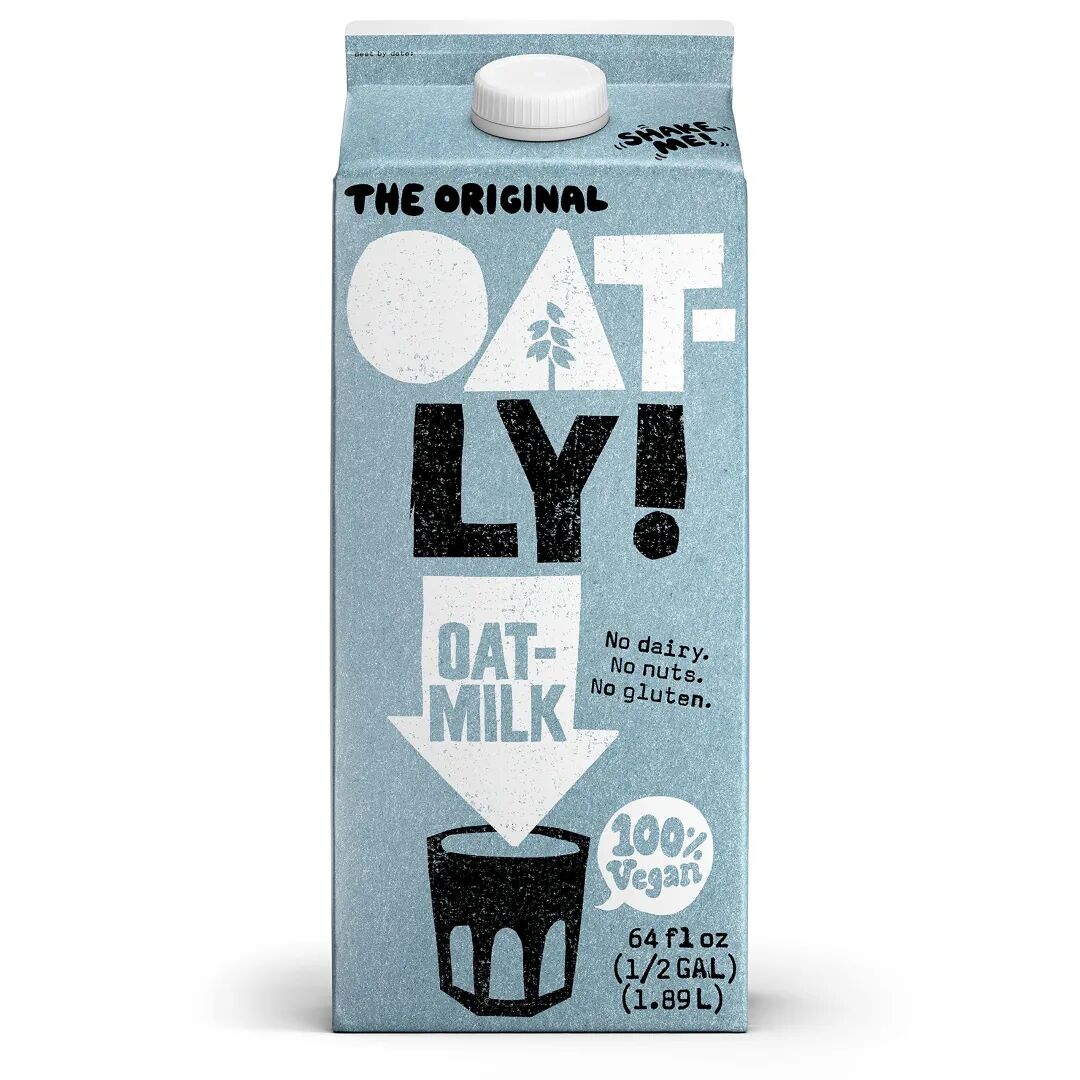
转自:FBIF食品饮料创新 而且这还不是针对它一家,是针对英国所有植物奶,一律不许叫"奶"!不过,英国最高法院最新裁定,实际上是延续欧盟2017年确立的规则——植物基产 品不得使用乳制品专属名称。 大家先想象一个场景:如果你开了一家卖"燕麦奶"的公司,结果有一天,政府突然发文告诉你,由于法律规定,你的产品不准再叫"奶"了。你会怎么办? 是觉得天塌了。 我第一反应:植物奶要"完了"。 下一秒又觉得:牛奶要"完了"。 文 | FBIF食品饮料创新原创 Mote莫特 英国禁止植物奶使用"奶"作为名字。 今天刷领英,一眼就刷到个大新闻:英国最高法院直接出手,禁止Oatly再用"奶"这个字。 不让植物奶再用"奶"字宣传,对整个植物基行业来说,是一记重创。 但我后面反应过来:真正要挨重锤的,可能是英国的牛奶。 Oatly的包装上显著印着Oat Milk 事情的起点是2019年,Oatly跑去英国知识产权局申请注册一句口号——"Post Milk Generation(后牛奶时代)"。 2021年商标批下来了,结果英国乳制品协会(Dairy UK)不干了:"milk"是法律保护词,只能给动物奶用,你一个植物饮料凭什么用? ...


OATLY:2025年Q4营收提升9.1%,全年实现盈利性增长
Cai Jing Wang· 2026-02-13 14:14
Core Insights - OATLY reported a revenue of $233.8 million for Q4 2025, representing a year-over-year growth of 9.1% [1] - The adjusted EBITDA for Q4 2025 was $11 million, marking a return to profitability compared to the same period last year [1] - For the full year 2025, OATLY achieved a revenue of $862.5 million, which is a 4.7% increase year-over-year [1] - The adjusted EBITDA for the entire year 2025 was $6.82 million [1] - CEO Jean-Christophe Flatin highlighted that the company has achieved profitable growth in both Q4 and the full year 2025, reflecting strategic actions taken over the past three years to strengthen the business foundation [1] - Overall profitability and cash flow have improved for the company [1] - Looking ahead to 2026, OATLY expects fixed currency revenue growth of 3% to 5% and an adjusted EBITDA forecast between $25 million and $35 million [1]
Oatly Group Q4 Earnings Call Highlights
Yahoo Finance· 2026-02-11 14:52
Core Insights - Oatly has successfully transitioned from being "structurally unprofitable with slowing growth" to "structurally profitable with accelerating growth," driven by efficiency efforts and a refreshed growth strategy [2] Financial Performance - Oatly reported its first full year of profitable growth with an adjusted EBITDA of $6.8 million and a fourth-quarter adjusted EBITDA of $11 million, supported by margin expansion and a 23% reduction in cost of goods sold per liter [5][12] - Revenue for the full year increased by 4.7% (2.2% on a constant-currency basis), while fourth-quarter revenue grew by 9.1% (4.3% constant currency) [13][12] - Gross margin improved to over 32%, reflecting a 2,100 basis points increase compared to 2022 [5][1] Strategic Initiatives - The company is focusing on a three-pillar strategy that targets younger consumers and narrows its product offerings to beverages, emphasizing taste as a primary driver of adoption [6][4] - Oatly plans to expand its product lineup with flavored Barista options, including caramel and vanilla, and introduce a Barista Cold Foam product [9][10] Market Position and Growth - Oatly has seen rising household penetration for the first time in years and expanded its retail share in Europe, becoming the number one plant-based drink brand in Germany [7] - The company anticipates constant-currency revenue growth of 3% to 5% for 2026, with adjusted EBITDA expected to reach $25 million to $35 million [16] Future Outlook - Oatly expects to improve free cash flow, although it will remain negative in 2026, driven by higher adjusted EBITDA and working capital improvements [19] - A strategic review of the Greater China segment is planned for 2026, which may include a potential carve-out to maximize business value [21]
2025年中国可持续消费报告-商道纵横
Sou Hu Cai Jing· 2026-02-05 07:38
Core Insights - The report titled "2025 China Sustainable Consumption Report" marks a milestone in sustainable consumption research, based on 3,122 nationwide surveys, providing data support and practical references for the industry [1][9] - Over 60% of respondents feel the impact of climate change, with more than 85% identifying as "low-carbon pioneers," indicating a shift from vague concepts to concrete actions in daily life [1][19] - Consumer demand has shifted from "responding to advocacy" to "value-driven," with 43.34% of purchasing motivation stemming from "resource savings and cost reduction" [1][32] Group 1: Consumer Awareness and Trends - Climate change awareness is deepening, with over 60% of respondents feeling its effects, a 10% increase since 2022 [19] - The perception of low-carbon consumption has evolved, with over 85% of consumers identifying as "low-carbon pioneers," believing their consumption choices can help combat climate change [19][49] - Social media has become a key platform for spreading low-carbon information, with trust in recommendations from acquaintances being crucial for product adoption [28][29] Group 2: Consumer Behavior and Preferences - Low-carbon practices are integrated into daily life, with clothing donations, water-saving laundry, and reduced takeout becoming mainstream behaviors [2] - Online channels dominate purchasing, but high prices and low recognition remain significant barriers [2] - Consumers show a high acceptance of recycled products, preferring incentives like cash back and door-to-door recycling [2] Group 3: Corporate Strategies and Recommendations - Companies need to accurately target their audience and optimize strategies around the SICAS model, focusing on authority certification and practical value [2] - The importance of a transparent and authoritative certification system is emphasized to build consumer trust and facilitate low-carbon consumption [38][39] - As technology and market conditions improve, low-carbon consumption is expected to transition from a niche choice to widespread participation [2] Group 4: Demographic Insights - Climate-aware individuals are more likely to be low-carbon pioneers, with notable participation from married, educated, and older demographics [1][42] - Different generations exhibit distinct preferences, with Gen Z willing to pay a premium for beauty products, while Gen Y focuses on family-related items, and older generations prioritize cost-effectiveness [1][42] Group 5: Challenges and Consumer Concerns - Price sensitivity has surged, with 43.34% of consumers motivated by cost savings, indicating a shift in purchasing drivers [32] - Consumers are increasingly wary of "greenwashing," with nearly 50% citing difficulty in identifying genuine low-carbon products as a reason for not purchasing [36] - The demand for clear, quantifiable information about low-carbon products remains high, reflecting a need for transparency in marketing [38][39]


燕麦奶行业进入调整期,企业拓展多元消费场景
Xin Jing Bao· 2026-01-20 00:57
Core Insights - The oat milk industry in China is facing a growth bottleneck starting from 2023, with a shift towards refined operations and expansion into new consumption scenarios such as tea drinks, retail, and functional products [1][2] Industry Overview - The sales revenue of oat milk in retail channels reached 206 million yuan in 2020, marking the beginning of rapid growth. In 2021, sales surged to 644 million yuan, a year-on-year increase of 211.9%. By 2022, sales reached 696 million yuan, with a growth rate slowing to 8.1% [1] - The period from 2018 to 2020 was identified as the market cultivation phase, while 2020 to 2022 was characterized as a high expansion phase. The period from 2022 to 2025 is expected to enter an adjustment and optimization phase [2] Market Performance - In 2023, the retail sales of oat milk declined by 12.0% to 612 million yuan, with a further projected decrease of 16.5% to 512 million yuan in 2024. This decline is attributed to rational consumer sentiment and overall economic weakness [2] - Consumers are increasingly focused on nutritional content, cost-effectiveness, and usage scenarios, which poses challenges for the relatively high-priced plant-based category [2] Competitive Landscape - OATLY, as the category creator, has shown a clear first-mover advantage from 2019 to 2024. The brand "Feino" has increased its market share to 7% through a low-price strategy and expansion into ready-to-drink tea channels [3] - The main consumption scenarios for oat milk have become clearer, primarily focusing on pairing with coffee and direct consumption. By 2024, 73% of oat milk products related to "coffee/latte" on Alibaba's platform were sold, significantly outpacing other non-coffee products [3] Consumer Preferences - High-end brands maintain a higher price range, appealing to middle-class consumers in first-tier cities, while local brands priced between 6-10 yuan per liter are emerging to attract price-sensitive consumers in lower-tier markets [4] - The distribution of oat milk consumption is diversifying, with dining channels (like cafes and tea shops) being the primary touchpoints for consumer awareness, while online platforms are preferred for bulk purchases and trying new products [4] Supply Chain Insights - The area of oat cultivation in China has remained stable, with Inner Mongolia being the largest production region. In 2021, the oat planting area was 525,000 hectares, increasing to 530,000 hectares in 2022 [4] - China's oat production has stabilized at around 600,000 tons, accounting for 2.28% of the world's oat production, ranking eighth globally [4]
Has Alico (ALCO) Outpaced Other Consumer Staples Stocks This Year?
ZACKS· 2026-01-14 15:41
Group 1: Company Overview - Alico (ALCO) is a member of the Consumer Staples group, which includes 180 companies and is currently ranked 15 in the Zacks Sector Rank [2] - Alico has a Zacks Rank of 2 (Buy), indicating a positive outlook based on earnings estimates and revisions [3] Group 2: Performance Analysis - Over the past three months, the Zacks Consensus Estimate for Alico's full-year earnings has increased by 28.9%, reflecting improved analyst sentiment [4] - Alico has returned approximately 2.5% year-to-date, outperforming the average return of 0.7% for Consumer Staples companies [4] - In the Agriculture - Operations industry, Alico is slightly underperforming, as this group has gained an average of 6.3% year-to-date [6] Group 3: Comparison with Peers - Oatly Group AB Sponsored ADR (OTLY) is another Consumer Staples stock that has outperformed the sector, with a year-to-date increase of 5.3% [5] - The consensus estimate for Oatly's current year EPS has risen by 11% over the past three months, and it also holds a Zacks Rank of 2 (Buy) [5] - The Food - Dairy Products industry, to which Oatly belongs, is currently ranked 7 and has experienced a year-to-date decline of 12% [6]

中国人最爱喝的饮料,大多数都不及格
虎嗅APP· 2026-01-03 13:35
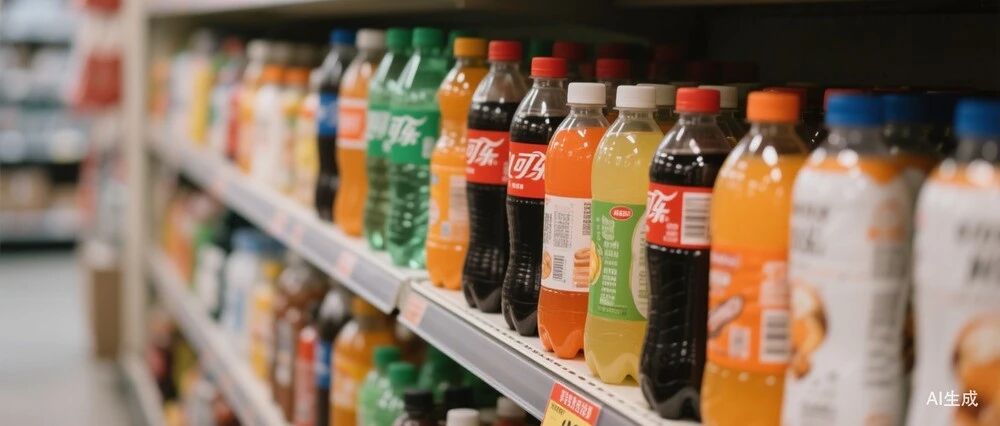
Core Viewpoint - Shanghai is implementing a beverage "nutritional choice" grading system, marking a national first aimed at reducing sugar consumption, particularly from sugary drinks [4][5][6]. Group 1: Grading System Overview - The grading system categorizes beverages into four levels: A, B, C, and D, with A being the healthiest and D the least healthy [9]. - Manufacturers are required to label C and D grade beverages, effectively informing consumers about their health risks [9][10]. - The grading is based on three criteria: sugar content, saturated fat content, and the presence of non-sugar sweeteners [10]. Group 2: Comparison with Singapore - Singapore has already implemented a similar grading system since late 2022, which has now expanded to include freshly prepared drinks [5][6]. - The Singaporean system is considered one of the strictest globally, with penalties for non-compliance, including advertising bans for D grade beverages [14]. Group 3: Health Implications - The average sugar intake in Singapore is significantly above the World Health Organization's recommended limit, with many people consuming around 60 grams daily, primarily from sugary drinks [37]. - In contrast, China's average daily sugar intake is lower, at about 21 grams, suggesting that the grading system could be beneficial if adapted [38][42]. Group 4: Beverage Analysis - Common beverages like carbonated drinks and fruit juices often fall into C or D grades due to high sugar content, while unsweetened teas and sodas are more likely to achieve A grades [24][30]. - The grading system may not favor certain products like full-fat milk, which could receive lower grades due to saturated fat content, despite their nutritional benefits [26][29]. Group 5: Consumer Behavior and Alternatives - The rise of non-sugar sweeteners in beverages is a response to sugar reduction efforts, but their health implications are still debated [49][52]. - The World Health Organization has raised concerns about the potential health risks associated with excessive consumption of non-sugar sweeteners, suggesting that moderation is key [54][55].
从星巴克到汉堡王,“洋品牌”掀起在华“卖身潮”
Zhi Tong Cai Jing· 2025-12-19 07:03
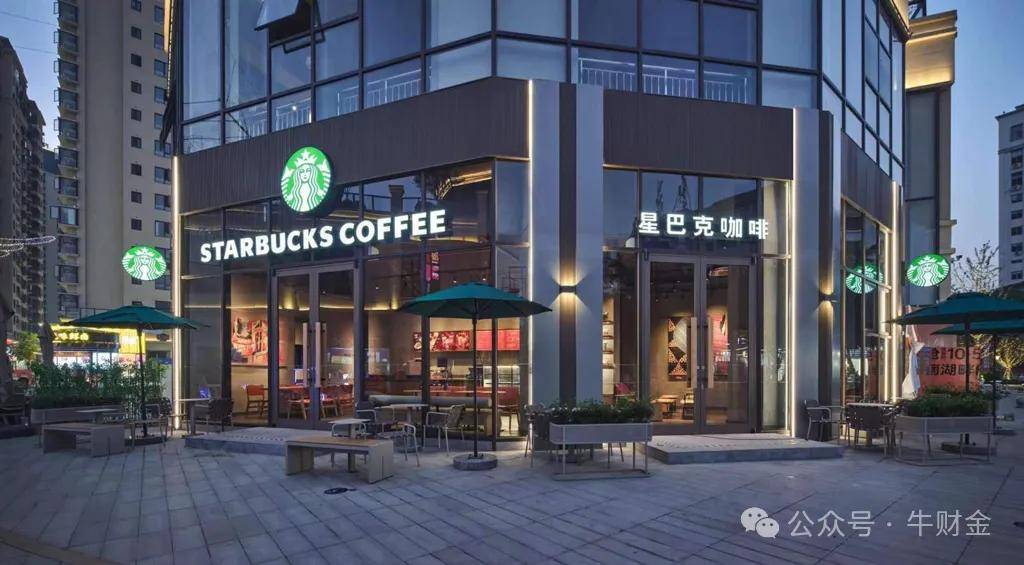
Group 1 - The core point of the article highlights that Western food and beverage giants are increasingly turning to Chinese private equity firms for investment as traditional operating models fail amid intensifying local competition [1] - Starbucks has agreed to sell 60% of its Chinese business to Boyu Capital, valuing the business at $4 billion, while CPE Yuanfeng is investing $350 million to acquire 83% of Burger King's China operations [1] - Other multinational companies are following suit, with IDG Capital recently acquiring the Chinese business of Yuno Yogurt, and reports indicating that General Mills and Oatly are also considering selling parts of their operations [1] Group 2 - Chinese private equity firms possess not only capital but also deep operational experience, strong local networks, and a willingness to reform management and strategy [2] - Many collaboration models allow foreign companies to retain minority stakes and intellectual property, thus generating long-term royalty income while handing over daily operations to local investors [2] - The resurgence of spin-off transactions this year underscores the trend of multinational companies reassessing their operations in China due to geopolitical uncertainties, slowing consumer demand, and pressure from shareholders to refocus on core markets [2]


口感辛辣古怪、价格居高不下、商超卖到断货 号称能“抗炎”!姜黄饮忽成养生顶流
Shen Zhen Shang Bao· 2025-12-18 17:21
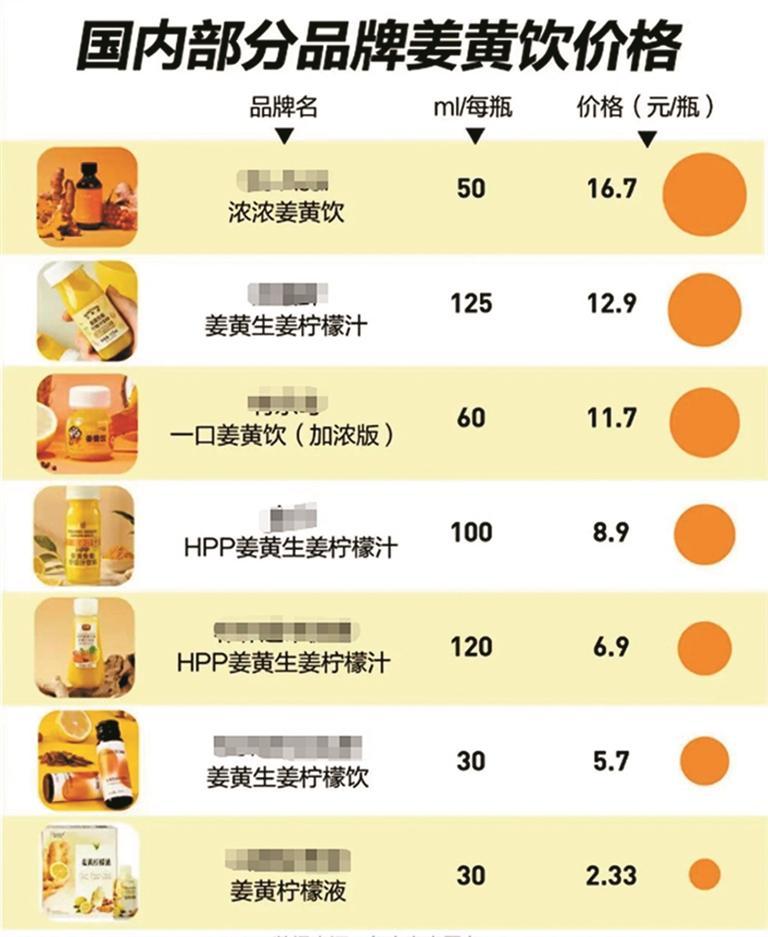
Core Insights - Turmeric drinks have surged in popularity, becoming a health trend with major retailers frequently selling out of stock, driven by marketing focused on anti-inflammatory benefits [3][4][6] - The global turmeric market is experiencing rapid growth, with a projected increase from $5 billion in 2022 to over $8 billion by 2025, reflecting strong demand in health foods and supplements [9] Product Characteristics - Turmeric drink products generally feature "small capacity, high price" characteristics, with volumes ranging from 30ml to 125ml and prices from 2.33 yuan to 16.7 yuan per bottle [5][6] - A popular product in the market contains at least 10.8g of turmeric per bottle, with a retail price of 7.65 yuan for a 125ml bottle [5] Consumer Behavior - The majority of consumers purchasing turmeric drinks are young professionals, with many expressing mixed feelings about the taste, often describing it as spicy and difficult to consume [6][7] - Despite taste complaints, the perceived health benefits, particularly related to inflammation, drive consumer purchases [6][7] Market Dynamics - The marketing strategy emphasizes the "anti-inflammatory" concept, with brands using modern language to reinterpret traditional health benefits [7] - The turmeric drink market is supported by technological advancements in product formulation, such as nano-delivery and high-pressure processing (HPP), which enhance flavor retention [6][7] Industry Trends - The turmeric market is expanding rapidly, with significant investments across the supply chain, from cultivation in regions like Hunan and Sichuan to high-value processing and diverse product offerings [9] - Future opportunities in the industry may lie in innovative culinary applications of turmeric, suggesting that the current trend of turmeric drinks may just be the beginning [9]
从星巴克到汉堡王:外资餐饮为何纷纷把中国市场交给私募基金?
Sou Hu Cai Jing· 2025-12-18 10:18
Core Viewpoint - Foreign dining brands in China are undergoing a significant transformation, shifting control to local private equity firms to better understand and cater to Chinese consumers [1][2][10]. Group 1: Starbucks' Strategic Shift - Starbucks plans to sell 60% of its Chinese business to Boyu Capital for an estimated valuation of $4 billion, retaining 40% ownership and core brand licensing rights [2]. - This move reflects a change in role from direct management to a licensing model, indicating a response to the challenges in the Chinese coffee market [2][14]. - Starbucks anticipates that the overall value of its Chinese operations could exceed $13 billion over the next decade, including royalties [2]. Group 2: Reasons for Local Private Equity Takeover - The acquiring firms, such as Boyu, CPE, and IDG, are familiar with the local market and can act quickly, making operational changes in a matter of months rather than undergoing lengthy global approval processes [5]. - Local private equity firms excel in relationship-based management, which is crucial in the Chinese dining sector, where rapid menu changes and pricing adjustments are necessary [6][8]. - The current market conditions, characterized by a slowdown in IPOs and mergers, make stable, mature foreign subsidiaries attractive targets for investment [9]. Group 3: Broader Industry Trends - The challenges faced by brands like Burger King and Uniqlo reflect a systemic trend among foreign dining companies in China, acknowledging their inability to effectively manage operations in the local context [10]. - The shift towards licensing fees is becoming a core asset for foreign brands, allowing them to generate long-term cash flow rather than relying solely on equity sales [11][17]. - This transition is not a retreat from the Chinese market but rather a pragmatic adaptation to the realities of local competition and operational challenges [13][14]. Group 4: Market Dynamics - The Chinese market remains vast but is characterized by intense competition, with local players evolving rapidly [18]. - Foreign brands are retaining their brand identity and supply chain standards while local private equity firms take charge of expansion and management [17].