
中美农产品贸易

Search documents
宝城期货豆类油脂早报(2026年2月25日)-20260225
Bao Cheng Qi Huo· 2026-02-25 01:07
Report Summary 1. Report Industry Investment Rating No relevant information provided. 2. Core Viewpoints - The short - term trend of soybean meal futures prices is slightly bullish, and the medium - term trend is sideways. The short - term and medium - term trends of palm oil and soybean oil futures prices are also slightly bullish and sideways respectively [5][6][7]. 3. Summary by Variety Soybean Meal (M) - **Day - to - day view**: Slightly bullish [5] - **Medium - term view**: Sideways [5] - **Reference view**: Slightly bullish [5] - **Core logic**: Concerns about Sino - US agricultural trade prospects are rising. The fundamentals are a mix of bullish and bearish factors. The five - year average soybean harvest rate in South American Brazil is the lowest in the same period, and the delayed harvest provides short - term support for US soybean futures prices, but the expectation of a bumper harvest remains unchanged. The domestic spot market is resistant to decline due to the resumption of oil refinery operations and concentrated product rights, but the high pre - holiday inventory pressure persists. Soybean meal prices are caught in a game between increased import cost volatility and loose domestic supply - demand [5]. Palm Oil (P) - **Day - to - day view**: Slightly bullish [7] - **Medium - term view**: Sideways [7] - **Reference view**: Slightly bullish [7] - **Core logic**: After the Spring Festival, the domestic edible oil market followed the upward trend of the external market. The core drivers are the strengthening of international oil prices and the optimistic expectation of US biofuel policies, which have pushed US soybean oil to a two - and - a - half - year high. Although the supply and demand of Malaysian palm oil are both weak, it is driven up passively by the leading rise of soybean oil and the boost of crude oil. The domestic spot price has risen with the market. The market's focus has shifted to whether the post - holiday downstream replenishment demand can be fulfilled and the resumption of oil refinery operations. In the short term, the biofuel theme and the strength of crude oil provide strong support for the edible oil sector, but the upward space is restricted by fundamental pressures such as weak Malaysian palm oil exports and the pressure of domestic palm oil arrivals [7]. Other Information - For varieties with night trading sessions, the night - trading closing price is used as the starting price; for those without, the previous day's closing price is used. The daily - trading closing price is the end price to calculate the price change [2]. - A decline of more than 1% is considered weak, a decline of 0 - 1% is slightly bearish, a rise of 0 - 1% is slightly bullish, and a rise of more than 1% is strong. The slightly bullish/bearish view is only for the day - to - day view, with no distinction between short - term and medium - term [3][4]. - Short - term refers to within a week, and medium - term refers to two weeks to one month, based on the previous day's night - trading closing price [6].
美国对华农产品出口加速,超过六船美豆加速运往中国
Xin Lang Cai Jing· 2025-12-03 12:21
Group 1 - The core viewpoint of the article highlights the acceleration of U.S. agricultural exports to China, particularly soybeans, following a period of trade stagnation [2] - At least six bulk carriers are scheduled to load soybeans at U.S. Gulf Coast ports and head to China before mid-December, indicating a significant increase in export activity [2] - The first shipment of soybeans since May has already departed, marking a notable resumption of trade [2] Group 2 - Following a meeting between the leaders of the U.S. and China in late October, the White House announced that China would purchase 12 million tons of U.S. soybeans by the end of the year, although specific details have not been confirmed by China [2] - The U.S. Department of Agriculture reported that Chinese importers ordered nearly 2 million tons of U.S. soybeans for the 2025/26 marketing year last month, but confirmed purchases have been minimal since then [2]

外媒:三艘货轮驶往美国码头,将装载大豆高粱运往中国
Sou Hu Cai Jing· 2025-11-25 10:09
Group 1 - Two cargo ships are set to deliver the first U.S. soybeans to China since May, with one ship heading to New Orleans and another to Texas, indicating a potential recovery in agricultural exports to China [1] - The U.S. soybean industry has faced significant losses, with American farmers and grain traders waiting for the resumption of exports to China, which have been absent for several months [1] - The U.S. Soybean Association has urged the government to negotiate with China to eliminate tariffs and encourage large purchases of U.S. soybeans, warning of severe economic consequences for U.S. agriculture if China continues to avoid U.S. soybeans [1] Group 2 - The Chinese Ministry of Commerce has indicated that the U.S. should take positive actions to remove unreasonable tariffs to facilitate bilateral trade and enhance global economic stability [1][2] - Recent discussions between U.S. and Chinese trade teams in Kuala Lumpur have resulted in a consensus to expand agricultural trade, highlighting China's commitment to maintaining open cooperation in global agricultural trade [2]

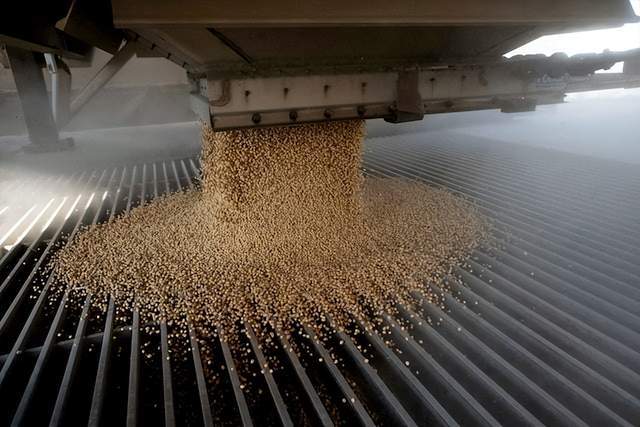
三艘货轮已驶往美国沿岸码头,将装载数月来首批对华出口的大豆和高粱
Huan Qiu Wang· 2025-11-25 06:42
Core Viewpoint - The article highlights the resumption of U.S. agricultural exports to China, specifically the shipment of soybeans and sorghum, after a prolonged period of inactivity in trade due to tariffs and market conditions [1][3]. Group 1: Export Developments - Two cargo ships have departed for grain ports near New Orleans, Louisiana, to load the first batch of soybeans exported to China since May [1]. - Another cargo ship is heading to a grain terminal on the Texas Gulf Coast to load the first shipment of sorghum to China since mid-March [1]. Group 2: Market Context - U.S. farmers and grain traders have faced significant losses, amounting to billions of dollars, due to a lack of orders from China over several months [3]. - The president of the American Soybean Association, Ross, emphasized the critical importance of the Chinese market for U.S. farmers during the harvest season, noting that orders from China were at "zero" [3]. Group 3: Bilateral Trade Negotiations - U.S. and Chinese officials held trade discussions in Kuala Lumpur on October 25-26, reaching a consensus on expanding agricultural trade [3]. - China's Ministry of Commerce reiterated the need for the U.S. to take positive actions to remove unreasonable tariffs to facilitate bilateral trade and enhance global economic stability [3].
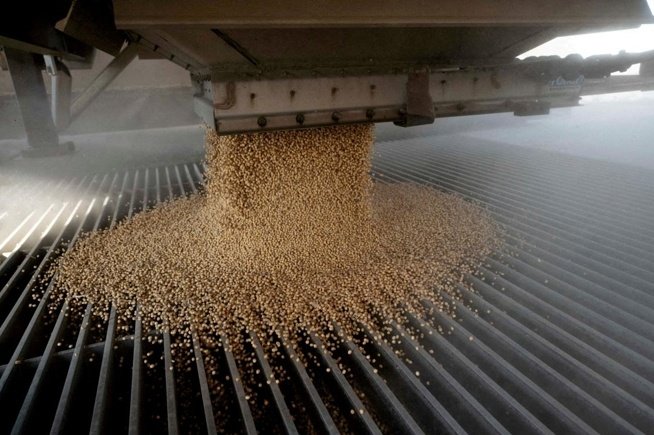
外媒:三艘货轮已驶往美国沿岸码头,将装载数月来首批对华出口的大豆和高粱
Huan Qiu Wang· 2025-11-25 03:16
Core Viewpoint - The resumption of U.S. agricultural exports to China, particularly soybeans and sorghum, marks a significant development in U.S.-China trade relations, which had been stagnant for several months [1][3]. Group 1: Agricultural Exports - Two cargo ships departed on November 24 to load the first batch of soybeans exported from the U.S. to China since May, heading to a grain port near New Orleans, Louisiana [1]. - Another cargo ship is en route to a grain terminal on the Texas Gulf Coast to load the first batch of sorghum for China since mid-March [1]. - U.S. farmers and grain traders have faced losses amounting to billions of dollars due to the lack of orders from China over the past months [3]. Group 2: Trade Negotiations - The U.S. Soybean Association's president highlighted the urgency for market opportunities, emphasizing the importance of the Chinese market for U.S. livelihoods [3]. - Chinese officials have called for the U.S. to take positive actions to remove unreasonable tariffs to facilitate bilateral trade and enhance global economic stability [3]. - U.S. and Chinese trade representatives reached a consensus on expanding agricultural trade during negotiations held in Kuala Lumpur from October 25 to 26 [3].
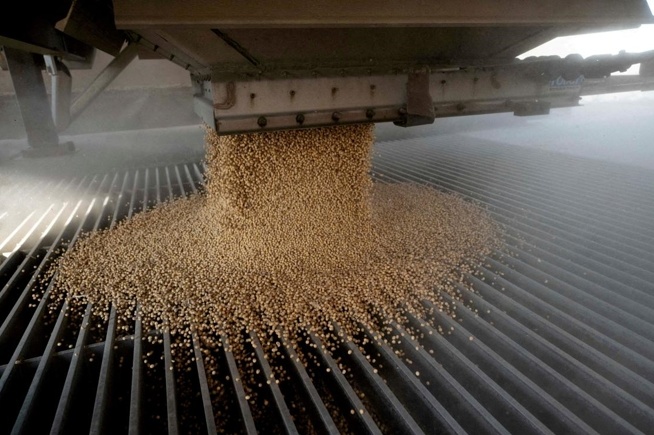
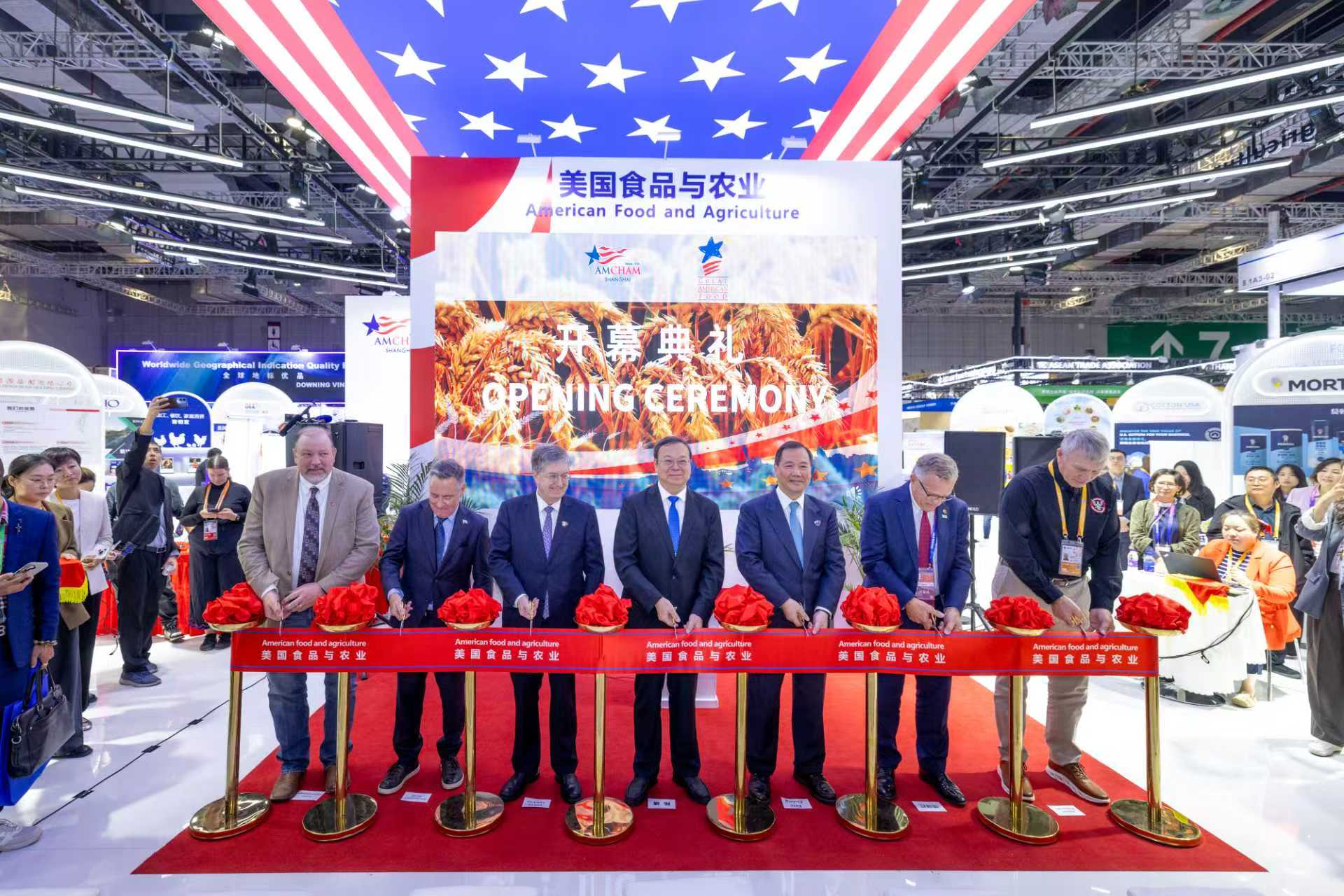
美国农产品“全阵容”亮相进博会,上海美商会主席:美企需要中国市场|进博深一度
Di Yi Cai Jing· 2025-11-07 02:17
Core Insights - The participation of major U.S. agricultural associations at the China International Import Expo (CIIE) indicates a strong interest in the Chinese market, with expectations for U.S. agricultural products to return to Chinese ports soon [1][12] - The U.S. Food and Agriculture Pavilion at this year's CIIE is the largest ever, covering 350 square meters, with 19 exhibitors showcasing a wide range of agricultural products [2] Group 1: U.S. Agricultural Participation - The U.S. delegation includes representatives from various agricultural sectors, such as the Idaho state government and multiple agricultural associations, highlighting the diversity of U.S. agricultural exports [1][5] - The Idaho state is a significant agricultural state, with China being its third-largest export market, emphasizing the importance of the Chinese market for U.S. agricultural products [5][8] Group 2: Market Opportunities and Innovations - U.S. companies are leveraging the CIIE platform to explore new market opportunities, with some signing multiple orders on-site, indicating a positive reception from Chinese buyers [5][6] - There is a growing trend among Chinese consumers for diverse agricultural products, prompting U.S. companies to innovate and adapt their offerings to meet these changing preferences [6][8] Group 3: Challenges and Future Outlook - U.S. agricultural producers face challenges such as tariffs and market uncertainties, which have impacted pricing and export dynamics [9][10] - Despite these challenges, there is optimism among U.S. farmers regarding the potential for renewed trade relations and the importance of dialogue between U.S. and Chinese leaders [12]
大幅走强!中美大豆贸易破冰,美豆站上1100美分关口
证券时报· 2025-11-06 09:06
Core Viewpoint - The article discusses the recent surge in U.S. soybean prices driven by expectations of increased trade with China, following a consensus reached between the two countries to expand agricultural trade [1][3]. Group 1: Trade Developments - On November 5, the Chinese government announced adjustments to tariffs on U.S. imports, coinciding with a meeting between Chinese and U.S. agricultural trade representatives [1][3]. - The U.S. has indicated that China will purchase at least 12 million tons of soybeans this year and a minimum of 25 million tons annually over the next three years [3]. Group 2: Market Reactions - Following the trade discussions, U.S. soybean prices reached a 15-month high, with the main contract surpassing 1100 cents per bushel [1]. - Domestic soybean meal futures in China also saw a significant increase, with the main contract rising by 1.92% to nearly 3050 yuan per ton, marking a new high in one and a half months [4]. Group 3: Supply and Demand Dynamics - China typically imports 20 to 30 million tons of U.S. soybeans annually, and the recent agreement is expected to significantly reduce U.S. soybean ending stocks by shifting from oversupply to a balanced market [6]. - Brazil has become the largest supplier of soybeans to China, with expectations of increased production, but there may be a supply gap for China in late 2025 to early 2026 due to seasonal export limitations from Brazil [7]. Group 4: Future Considerations - Analysts suggest that the nature of future soybean purchases by China—whether policy-driven or commercial—will significantly impact pricing dynamics and the competitiveness of U.S. soybeans compared to Brazilian imports [7].

大幅走强!中美大豆贸易破冰,美豆站上1100美分关口
Sou Hu Cai Jing· 2025-11-06 02:07
Group 1 - The core viewpoint of the articles highlights a significant increase in U.S. soybean prices driven by expectations of Chinese trade purchases, marking the most substantial rise of the year [1][2] - Following a recent meeting, the U.S. and China reached a consensus to expand agricultural trade, with China expected to purchase at least 12 million tons of soybeans this year and a minimum of 25 million tons annually over the next three years [2] - The U.S. soybean prices have surged to a 15-month high, with the main contract surpassing 1100 cents per bushel, reflecting strong market sentiment [1][2] Group 2 - Domestic soybean meal futures in China saw a significant increase, with the main contract rising by 1.92% to nearly 3050 yuan per ton, reaching a one-and-a-half-month high [3] - The soybean meal ETF (159985) experienced a 1.64% increase, with a net inflow of 42.71 million yuan, indicating strong investor interest [3] - Analysts suggest that the recent optimism surrounding U.S.-China trade relations has led to a convergence in the price movements of U.S. soybeans and domestic soybean meal [2][3] Group 3 - China's demand for U.S. soybeans remains a critical factor, with annual purchases typically ranging from 20 million to 30 million tons [4] - The recent agreement is expected to significantly reduce U.S. soybean ending stocks for the 2025/2026 marketing year, shifting the market from oversupply to a more balanced state [4] - Brazil has become the largest source of soybean imports for China, with expectations of increased production and export capacity, although seasonal supply constraints may create gaps in meeting Chinese demand [4] Group 4 - Future procurement of U.S. soybeans by China will be closely monitored, with distinctions made between policy-driven and commercial purchases, impacting pricing dynamics [5] - If policy purchases occur, U.S. soybean tariffs may not drop to 3%, maintaining cost disadvantages compared to Brazilian soybeans [5] - Short-term outlook for CBOT soybeans appears strong, with soybean meal expected to remain robust in response to market conditions [5]
【环球财经】南美大豆升贴水报价回落 中国进口商加购巴西大豆
Xin Hua Cai Jing· 2025-11-04 11:38
Core Insights - The global soybean market is stabilizing amid signs of easing US-China trade relations, with Brazilian soybean prices now lower than US counterparts, prompting Chinese importers to accelerate purchases of Brazilian soybeans [1][2] - Recent trade talks in Kuala Lumpur between the US and China have led to preliminary agreements on key economic issues, positively impacting soybean futures prices in Chicago [1] - Brazilian soybean prices have increased across major production areas, driven by a strong dollar and demand from China, indicating potential competitive pressure on Brazilian exports if US-China agricultural trade resumes [2] Group 1 - The Chicago Board of Trade (CBOT) soybean futures saw a nearly 1% increase, reaching a 15-month high, with a cumulative rise of nearly 6% since mid-October [1] - Brazilian soybean quotes have dropped below those of US soybeans, with December shipments priced at a premium of 225 to 230 cents per bushel compared to 240 cents for Gulf Coast shipments [1] - Chinese buyers have recently ordered approximately 10 batches of Brazilian soybeans for December shipment and another 10 batches for March to July 2026 [2] Group 2 - In October, the price index for 60 kg bags of soybeans in Brazil's major production areas rose, with Paraná state increasing by 4.68% and Mato Grosso state by 7.9% [2] - As of October 31, the price for a 60 kg bag of soybeans was 129.50 reais (approximately 170 RMB) [2] - The demand for diversified soybean supply sources from China is expected to provide stable market opportunities for major South American producers in the long term [2]
美国豆农松口气
Bei Jing Wan Bao· 2025-11-02 02:07
Core Viewpoint - The recent consensus between China and the U.S. to expand agricultural trade has brought relief to American soybean farmers, who are hopeful for renewed orders from China following a period of halted imports due to tariffs [1] Group 1: Agricultural Trade Developments - On October 30, China and the U.S. reached an agreement to expand agricultural trade during a meeting between the two countries' leaders, which has been positively received by American farmers [1] - The U.S. soybean exports to China have been zero this sales year, which is unusual, as typically 400 to 500 million bushels would be contracted by this time [1] - Last year, the total value of U.S. soybean exports was approximately $24.5 billion, with over $12.5 billion coming from Chinese orders [1] Group 2: Impact on Farmers - American farmers have faced significant losses due to the lack of exports to China, with some estimating a potential 50% loss in sales if the Chinese market is lost [1] - Farmers are encouraged by the recent developments, viewing them as a sign of a return to more pragmatic trade policies [1] - The Iowa Soybean Association has expressed optimism that the export season is gradually returning to normal, despite the challenges faced this year [1] Group 3: Future Considerations - The specifics of the measures for expanding agricultural trade have not yet been disclosed by China [1] - It remains uncertain whether China will resume large-scale imports of other U.S. agricultural products such as cotton, sorghum, and nuts [1] - The recent consensus is described as a "one-year truce," and it is unclear if procurement commitments will require renegotiation [1]