低效用地再开发

Search documents
浙江嘉兴 低效用地再开发拓展产业发展空间
Zhong Guo Zi Ran Zi Yuan Bao· 2026-02-27 08:54
Core Insights - Jiaxing City in Zhejiang Province is leveraging its inclusion in the second batch of low-efficiency land redevelopment pilot projects by the Ministry of Natural Resources to transform land use from inefficient to efficient through measures such as "space exchange, optimization of layout, and renovation" [1] Group 1: Land Utilization and Redevelopment - By 2025, Jiaxing aims to revitalize 16,415 acres of existing construction land and complete the redevelopment of 7,053 acres of low-efficiency land, with typical cases from Xiuzhou, Pinghu, and Tongxiang included in the provincial case library [1] - The city is promoting a "space exchange" development strategy, encouraging enterprises to enhance floor area ratios and develop underground spaces, implementing "zero land" technological upgrades, and waiving land price payments for eligible industrial and warehousing land [1] - By 2025, Jiaxing plans to complete 64 projects involving 1,425 acres of floor area ratio enhancements and corresponding renovations, effectively tapping into existing space and upgrading industries [1] Group 2: Industrial Project Management - Jiaxing is adopting a "retreating the second, optimizing the second" and "retreating the low, advancing the high" approach, establishing a classified disposal and negotiation mechanism for low-efficiency industrial projects that require relocation or elimination, using a "one enterprise, one policy" strategy for land rights recovery [2] - The city emphasizes policy coordination and interest balance, clarifying compensation standards, relocation paths, and land recovery timelines, while prioritizing the integration and re-planning of recovered land for advanced manufacturing and modern service industries [2] - By 2025, Jiaxing aims to recover land use rights for 140 projects, totaling 4,195 acres, and will standardize the transformation and functional enhancement of quality assets recovered during the "two retreats, two advances" process through state-owned platforms [2] - The city plans to supply 34 plots of standard factory land, covering 2,079 acres, to facilitate the rapid establishment and intensive development of industrial projects [2]
从“烫手山芋”到发展高地
Xin Hua Ri Bao· 2026-01-19 21:02
Core Insights - The article emphasizes the transformation of underutilized land into productive industrial spaces, showcasing successful case studies in Jiangsu province, where old factories have been revitalized to enhance economic output and efficiency [1][5][6] Group 1: Land Utilization and Transformation - Jiangsu province faces limited land resources, necessitating the revitalization of idle and inefficient land to unlock development potential [1] - The transformation of old factories into modern industrial parks has led to significant improvements in land utilization metrics, such as increased building area and higher tax revenue per acre [2][3] - Successful case studies include the Hua Cheng Industrial Park, which increased its building area from 5,000 square meters to 28,000 square meters and improved its land utilization rate [2] Group 2: Policy and Strategic Initiatives - Local governments are adopting a "tear down and rebuild + precise investment attraction" strategy to address the challenges of low-efficiency land [2] - Jiangsu's natural resources departments are prioritizing the redevelopment of low-efficiency land as a key strategy for industrial upgrading and expanding development space [5] - By 2025, Jiangsu plans to implement low-efficiency land redevelopment across 241,400 acres, with a total of 1,084,400 acres targeted during the 14th Five-Year Plan [5] Group 3: Economic Impact and Future Outlook - The revitalization of low-efficiency land is seen as a critical driver for high-quality development, shifting the focus from new land acquisition to maximizing existing resources [5][6] - The successful transformation of industrial parks has led to increased tax revenues, with some areas seeing per-acre tax revenue rise from 7,000 yuan to 1,000,000 yuan [3] - The article highlights the broader implications of these transformations for sustainable development, emphasizing ecological priorities and improved living standards [5][6]
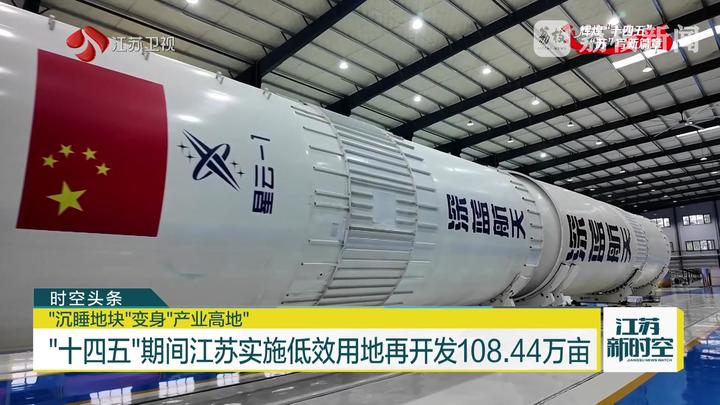
【辉煌十四五 苏写新篇章】“十四五”期间江苏实施低效用地再开发108.44万亩
Xin Lang Cai Jing· 2026-01-18 14:16
Core Viewpoint - The article discusses how Jiangsu province is addressing the challenge of limited land resources by redeveloping inefficient land to promote industrial upgrades and expand development space during the 14th Five-Year Plan period [1]. Group 1: Land Resource Management - Jiangsu's natural resources department is focusing on the redevelopment of low-efficiency land as a key strategy to transform "sleeping land" into "industrial high ground," injecting strong momentum into the province's high-quality development [1]. - From September 2023, Nanjing, Wuxi, Changzhou, and Suzhou have been designated as pilot areas for low-efficiency land redevelopment, with plans to expand to ten more cities by April 2025 [8]. Group 2: Industrial Development and Efficiency - The Wuxi High-tech Zone has successfully transformed a previously idle factory into a vibrant aerospace production facility for Deep Blue Aerospace, completing the first engine in just six months [3][5]. - The local government has ensured a 100% land guarantee rate for major projects since 2021, allowing for rapid establishment of key industries [7]. - The redevelopment strategies include "tenglong huan niao" (replacing old enterprises with new ones) and "old building renewal," which have significantly increased tax revenue per acre from less than 50,000 yuan to over 1 million yuan [7]. Group 3: Economic Impact - The Wuxi High-tech Zone, occupying only 4.75% of Wuxi's land, contributes to 16% of the city's GDP, demonstrating the maximization of land value [7]. - Jiangsu Multi-Dom Textile, which took over a previously stalled project, is expected to generate an annual output value of around 500 million yuan after rapid redevelopment of the old factory [8]. - During the 14th Five-Year Plan, Jiangsu aims to implement low-efficiency land redevelopment across 1.0844 million acres, continuously improving land utilization efficiency [10].

优化布局、打造复合空间 多地出招让低效用地释放经济潜力
Yang Shi Xin Wen Ke Hu Duan· 2026-01-15 01:47
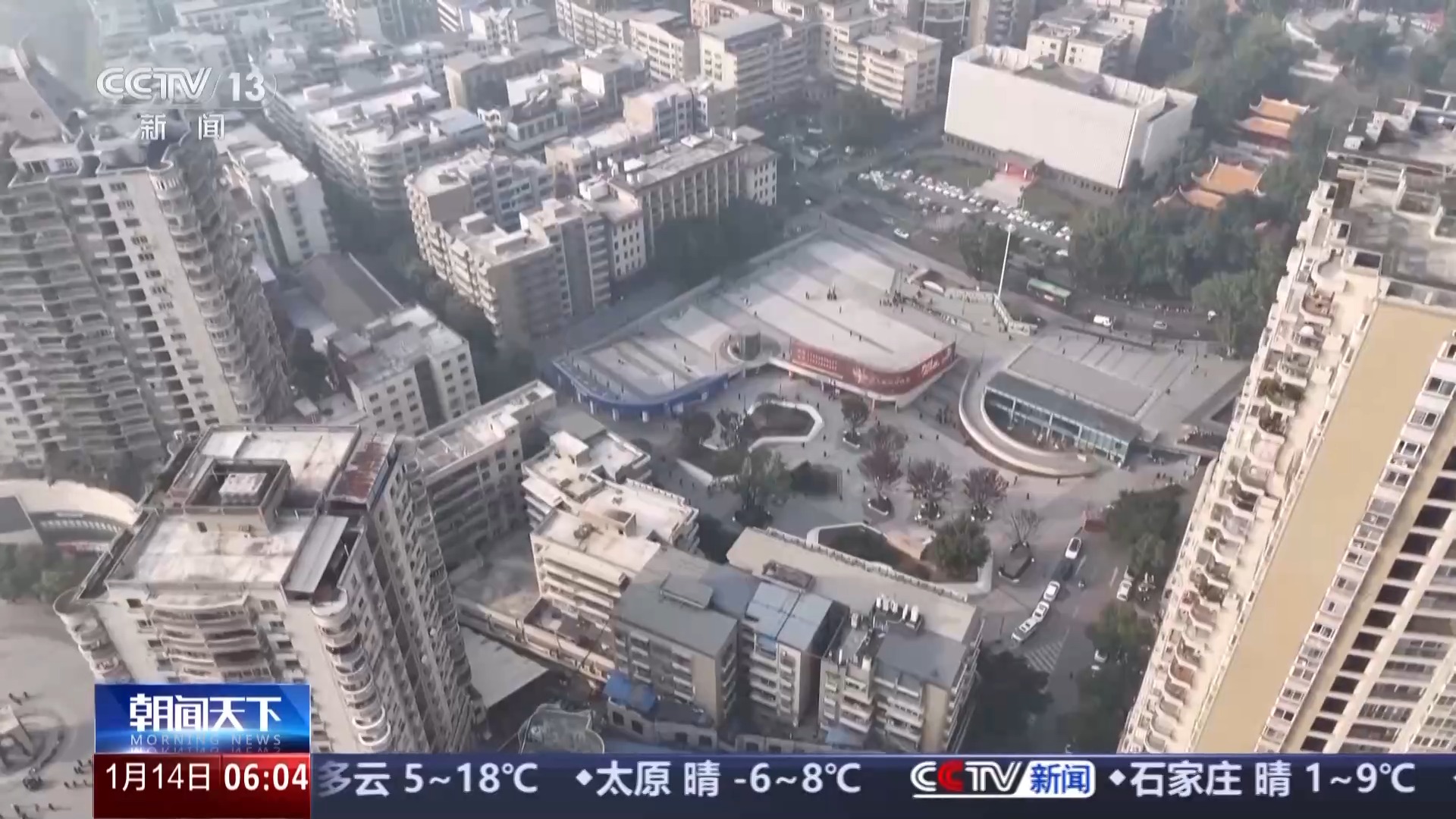
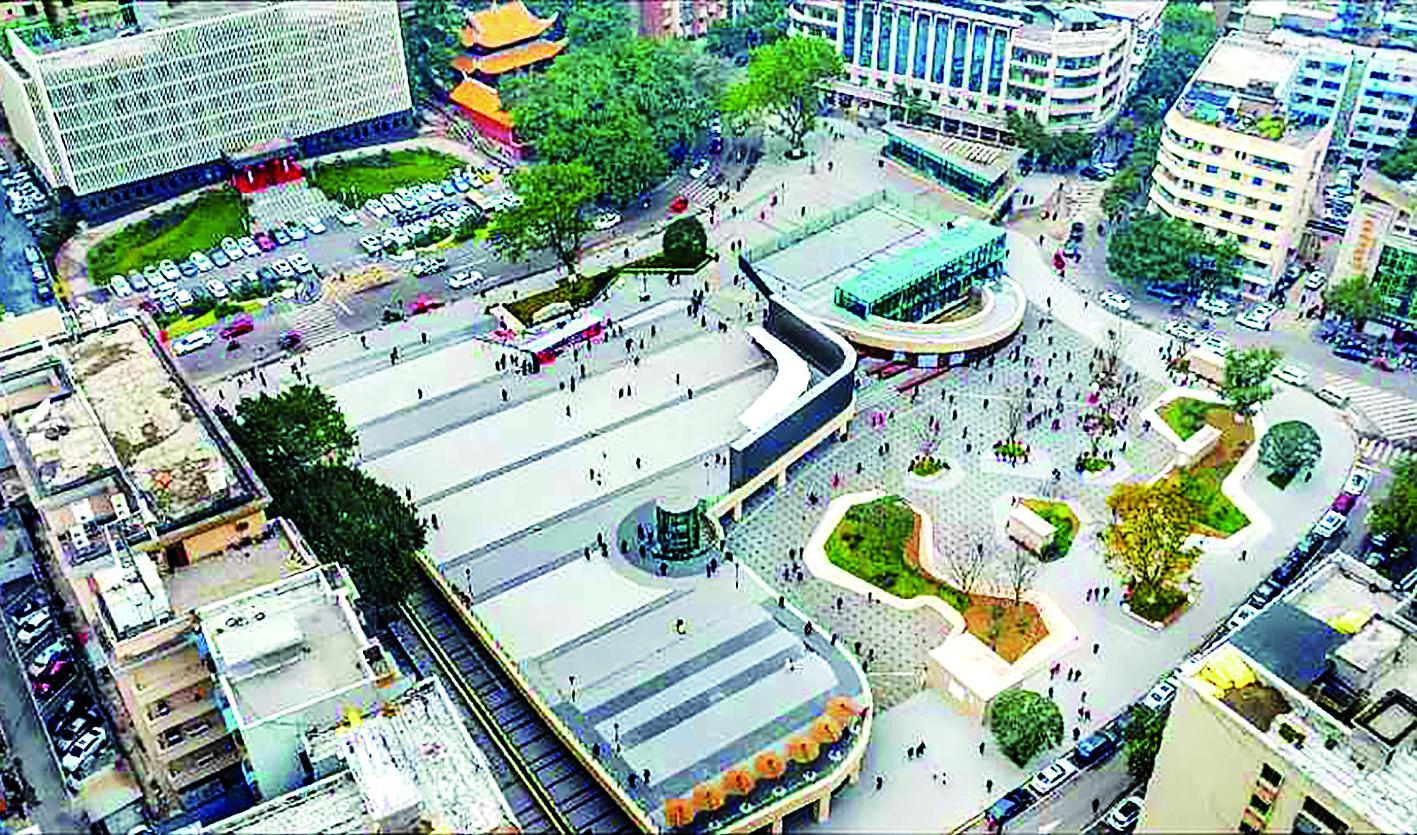
Core Insights - The Chinese government aims to revitalize 1.87 million acres of low-efficiency land and 6 million acres of idle land by the end of 2025, addressing urban development challenges and alleviating pressure on new construction land [1][2]. Group 1: Low-Efficiency Land Redevelopment - Since the start of the 14th Five-Year Plan, over 600,000 acres of idle land have been processed, effectively reducing the pressure for new construction land [2]. - The Ministry of Natural Resources has expanded low-efficiency land redevelopment pilot projects to 100 locations, focusing on optimizing the use of existing commercial and industrial land [2]. - As of the end of 2025, pilot cities have identified 3.73 million acres of low-efficiency land, with 1.87 million acres undergoing redevelopment [2]. Group 2: Case Studies of Successful Redevelopment - In Chongqing's Bishan District, the redevelopment of Dacheng Square has transformed previously underutilized land into a bustling commercial area, with a new underground shopping space of approximately 6,300 square meters and an 85% occupancy rate [4][6]. - In Changzhou, Jiangsu Province, the redevelopment of a previously idle industrial area into a modern industrial cluster has led to a 90% occupancy rate, with 70% of the new enterprises being high-tech companies, generating an average tax revenue of over 500,000 yuan per acre, which is more than 30 times the previous amount [11][13]. Group 3: Urban Space Optimization - The transformation of parks and public spaces, such as the Jiulong Park in Zhangzhou, demonstrates innovative land use by integrating parking facilities underground while maintaining green space above, enhancing both ecological and cultural functions [16][18]. - The park's redevelopment has resulted in a multi-functional urban space that combines ecological, cultural, and convenience features, promoting sustainable operations and continuous benefits [18]. Group 4: Future Directions - The Ministry of Natural Resources plans to further integrate stock and incremental land supply, establish a reasonable supply ratio, and improve policies for idle land disposal, supporting urban renewal and village reconstruction [20].
立体开发、立体增值、复合空间 创新举措唤醒“沉睡”土地多重效益持续释放
Yang Shi Wang· 2026-01-14 04:39
Core Viewpoint - The Chinese government is actively promoting the redevelopment of idle and low-efficiency land to alleviate pressure on new construction land and enhance urban development efficiency [1][3][29]. Group 1: Land Redevelopment Initiatives - As of the end of 2025, 1.87 million acres of low-efficiency land and 6 million acres of idle land are expected to be redeveloped [1]. - Since the start of the 14th Five-Year Plan, over 600,000 acres of idle land have been processed, effectively easing the pressure for new construction land [3]. - The number of pilot projects for low-efficiency land redevelopment has expanded to 100, focusing on optimizing the use of existing commercial and industrial land [3][6]. Group 2: Case Studies of Successful Redevelopment - In Chongqing's Bishan District, the redevelopment of Dacheng Square has led to a new underground commercial area of approximately 6,300 square meters, achieving an 85% occupancy rate and stimulating around 50 million yuan in local consumption [11]. - Jiangsu's Changzhou has transformed a previously idle area into a modern industrial cluster, achieving a significant increase in land utilization efficiency, with a floor area ratio rising from 0.65 to 2.02 and a 90% occupancy rate [16]. - The redevelopment efforts have resulted in a 16% reduction in construction land use per unit of GDP nationwide [18]. Group 3: Innovative Land Use Strategies - The "one land, dual use" model in Zhangzhou has effectively addressed parking shortages while enhancing the surrounding commercial area, demonstrating a successful integration of ecological, cultural, and convenience functions [20][22]. - The transformation of Jiulong Park from a single-use green space to a multifunctional area has improved urban experience and environmental quality, showcasing the potential for sustainable urban development [27]. Group 4: Future Directions - The Ministry of Natural Resources plans to further integrate stock and incremental land supply, establish a reasonable supply ratio, and improve policies for urban renewal and village reconstruction during the 15th Five-Year Plan [29].
福建两案例入选全国低效用地再开发典型
Xin Lang Cai Jing· 2026-01-11 23:24
Group 1 - The Ministry of Natural Resources has released the third batch of 26 typical cases for the redevelopment of inefficient land, with two projects from Fujian Province, namely the Dehua Hongqifang Cultural Tourism Industry Park and the Zhangzhou Jiulong Park composite development project, being selected [1] - The Dehua Hongqifang Cultural Tourism Industry Park was originally the Dehua State-owned Hongqi Porcelain Factory, which gradually ceased production after the state-owned enterprise reform in the 1990s, leading to idle factory buildings [1] - The project involves a collaborative development by China Railway Seventh Group, Quanzhou Cultural Tourism Group, and Dehua Cultural Tourism Group, addressing funding challenges through a mechanism of cooperation among central, municipal, and county state-owned enterprises [1] Group 2 - The Zhangzhou Jiulong Park is located in the core area of the city center, covering an area of 52,000 square meters, and faces issues such as parking difficulties and a lack of multifunctional public spaces due to rapid urban population growth and increased vehicle ownership [2] - The Jiulong Park project has been designated as a municipal underground space development demonstration project, aiming to add parking facilities through underground development while simultaneously optimizing the park's landscape and facilities above ground [2] - The underground section has constructed the largest public parking lot in the urban area, with a building area of 33,600 square meters, providing 1,027 parking spaces, including 210 charging stations, while the above-ground area has added six functional zones and a double-ring walking path, significantly enhancing the overall landscape quality [2]
安吉“两山”未来科技城低效用地再开发成全国典型
Xin Lang Cai Jing· 2026-01-11 00:41
Core Viewpoint - The "Two Mountains" Future Science City project in Anji County has been selected as one of the 26 typical cases for the redevelopment of inefficient land by the Ministry of Natural Resources, showcasing a successful transformation from a traditional industrial park to a science and innovation city [1][2]. Group 1: Project Overview - The project involves the systematic redevelopment of over 1,200 acres of inefficient industrial land, addressing issues such as low industrial capacity, low utilization efficiency, and poor environmental quality [1]. - The redevelopment strategy includes a "government-led, state-owned enterprise coordinated, market participation" model, implementing a "retreating from secondary industries to advancing into tertiary industries" approach [1]. Group 2: Development Strategy - A composite development strategy is employed, focusing on "mainly land acquisition and re-supply, supplemented by self-renovation by original landowners," allowing for the unified collection and demolition of 90% of inefficient enterprise land [1]. - The project includes the construction of eight core functional areas such as a cultural and arts center, an international exhibition center, and a technology talent center, while allowing 10% of qualifying enterprises to self-renovate through land price compensation [1]. Group 3: Economic Impact - The redevelopment has increased the area’s floor area ratio from 0.8 to 2.5, resulting in an average tax revenue increase of 15 times [2]. - The project has attracted digital economy headquarters like Meisi Health, fostering the development of emerging industry clusters in artificial intelligence and big data [2]. Group 4: Ecological Innovation - Anji County has established a "project-level GEP digital platform" to quantify the ecological value of the region, with ecological value compensation funds being reinvested into ecological protection and regional development [2].
这个国家级榜单 重庆2个项目入选
Xin Lang Cai Jing· 2026-01-04 16:56
Group 1 - The core message of the article highlights the inclusion of two projects from Chongqing in the third batch of typical cases for low-efficiency land redevelopment, aimed at revitalizing existing land and promoting high-quality urban development [2] - The Ministry of Natural Resources has released a total of 62 typical cases across three batches since September 2023, with the latest batch including 26 projects from 14 provinces and cities [2] - The two selected projects from Chongqing are the Bichan Dacheng Square area comprehensive development case and the Wanzhou Tian Shengcheng area comprehensive quality improvement case, showcasing a "Chongqing model" for land revitalization [2] Group 2 - The Bichan Dacheng Square area, once facing issues like outdated facilities and parking difficulties, has transformed into a cultural hub and popular social media spot, contributing to urban governance and enhancing residents' happiness [2] - The Wanzhou Tian Shengcheng area project focuses on integrating heritage protection with cultural tourism, aiming to activate the area's vitality, with 80% of the old community renovation completed by November 2025 [3] - The Tian Shengcheng site park is expected to attract a significant number of visitors, with the first month of its opening projected to draw thousands, indicating a positive impact on regional commercial and cultural activities [3]
济南被列入全国第二批低效用地再开发试点城市
Qi Lu Wan Bao· 2025-12-23 05:36
Core Viewpoint - The Jinan Municipal Government is implementing measures to optimize the real estate market during the "14th Five-Year Plan" period, focusing on land supply, utilization efficiency, and public service improvements [1][2]. Group 1: Land Supply and Utilization - Jinan's natural resources and planning bureau is committed to the national policy of "strictly controlling increments, optimizing stock, and improving quality" in the real estate market [1]. - The city has introduced 15 measures to optimize the land market, including innovative land acquisition methods and mixed-use land functions, aiming to stimulate market investment [1]. - A total of 44,000 acres of residential land have been supplied, maintaining stable land prices and meeting both rigid and improved housing demands [1]. Group 2: Idle Land and Low-Efficiency Land Development - Jinan has developed "one land, one case" disposal plans for idle land, completing the disposal of 21,300 acres of idle land [2]. - The city is a pilot for low-efficiency land redevelopment, with policies supporting the revitalization of 27,000 acres of low-efficiency land [2]. - The natural resources and planning bureau aims to establish a new model for high-quality real estate development, aligning land supply with market demand and urban population [2]. Group 3: Future Development Goals - Looking ahead to the "15th Five-Year Plan," Jinan plans to enhance public service infrastructure, including education, healthcare, and transportation, through prioritized land supply [2]. - The city will incorporate affordable housing land into its annual supply plan and promote mixed-use development to support high-quality public service provision [2].
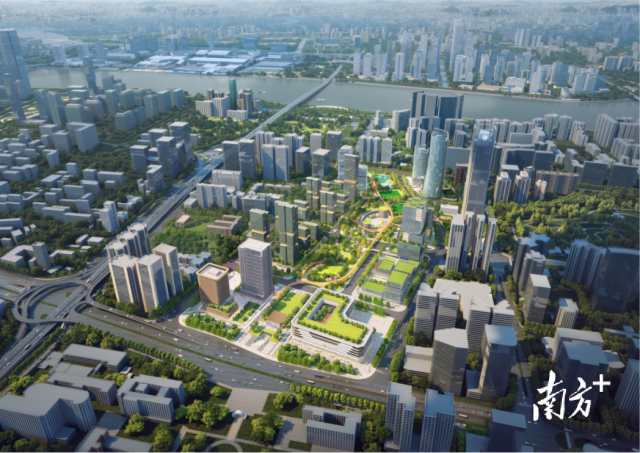
珠江新城马场地块规划正式通过,将打造引领大湾区的国际商都消费地
2 1 Shi Ji Jing Ji Bao Dao· 2025-12-02 09:36
Core Viewpoint - The approval of the detailed planning for the Ma Chang site marks a significant transformation from a historical landmark of horse racing culture in Guangzhou to a vibrant urban space that integrates sports, culture, and high-end commercial activities, aiming to enhance the city's role as a central hub for international consumption and development [1][12]. Urban Development and Planning - The Ma Chang site, located in the Zhujiang New Town, will leverage its strategic position to enhance the Central Business District (CBD) and create a multifunctional, ecologically integrated urban core [1][3]. - The planning aims to optimize land use and introduce high-quality industries, creating a shared "Park + Sports" space for citizens, thus transforming the area from low-efficiency land to a high-quality development demonstration zone [3][6]. Green Infrastructure - The project includes the development of a 23-kilometer "Super Urban Green Chain," connecting various parks and educational institutions, enhancing ecological quality and public space in Guangzhou [3][5]. - The design incorporates extensive green corridors and pedestrian pathways, promoting a continuous ecological network and improving urban ecological quality [3][5]. Public Facilities and Services - The project will introduce 22 public service and municipal facilities, including a nine-year school and community centers, addressing the public service gap in the area [6]. - The development aims to create a "15-minute quality living circle," balancing work and residential needs while fostering a demonstration area for integrated urban development [6][12]. Commercial Development - The Ma Chang area will focus on high-end commercial resources, integrating luxury retail, high-end hotels, and unique experiential offerings to establish a world-class luxury consumption center [8][12]. - The central park will feature embedded commercial spaces, promoting a mixed-use urban model that combines work, life, sports, and consumption [8][12].