体验式零售

Search documents
Build-A-Bear Workshop(BBW) - 2026 Q4 - Earnings Call Transcript
2026-03-12 14:02
Financial Data and Key Metrics Changes - Total revenues for fiscal 2025 reached approximately $529.8 million, representing a 6.7% year-over-year increase, marking the highest revenue in the company's history [24][31] - Pre-tax income for the year was $67.2 million, slightly impacted by approximately $11 million in tariff-related costs, with earnings per share at $3.99, reflecting a 5% growth [25][31] - For the fourth quarter, total revenues were $154.5 million, a 2.7% increase year-over-year, while net retail sales were essentially flat at $139.5 million [21][22] Business Line Data and Key Metrics Changes - The direct-to-consumer business saw a 13.6% decrease in e-commerce demand for the fourth quarter, primarily due to traffic declines and tough comparisons from previous strong product launches [23] - Commercial revenue, which includes wholesale sales, increased by 42.2% for the quarter and 23.4% for the year, indicating strong growth in this segment [23] Market Data and Key Metrics Changes - The company expanded its international footprint significantly, entering eight new countries in 2025, doubling its international presence to 36 countries over two years [7][64] - The U.S. market remains a stronghold, with the company continuing to expand its corporate store footprint, including new experiential locations [9][10] Company Strategy and Development Direction - The company is focused on three strategic initiatives: expanding experiential retail locations, advancing digital transformation, and leveraging brand equity to create new revenue streams [6][11] - The new CEO, Chris Hurt, plans to continue the company's growth strategy, emphasizing organic growth, location expansion, wholesale and outbound licensing, and enhancing gifting and personalization opportunities [36][39] Management's Comments on Operating Environment and Future Outlook - Management acknowledged challenges from tariffs and supply chain disruptions but expressed confidence in the company's resilience and ability to navigate these issues [4][16] - The outlook for 2026 anticipates mid-single-digit revenue growth, driven by the addition of at least 50 new experience locations, primarily in international markets [26][28] Other Important Information - The company has successfully launched a new line of pre-stuffed branded Mini Beans, achieving over 3 million units sold and securing a multi-million dollar wholesale order with Walmart [15][16] - The transition of leadership from Sharon John to Chris Hurt is part of a planned succession process, with expectations for continued growth under Hurt's leadership [3][30] Q&A Session Summary Question: Discussion on personalization and in-store experiences - Management highlighted the importance of expanding personalization options in-store, including embroidery and customization, as a key growth area [48][50] Question: Inventory management and tariff impacts - The CFO discussed elevated inventory levels due to tariffs and ongoing investments to support growth, emphasizing proactive management strategies [52][54] Question: Long-term investments in digital and operations - Management confirmed ongoing strategic investments, particularly in digital capabilities and international expansion, with a focus on long-term growth [59][61] Question: Momentum in commercial and franchise businesses - The company is exploring new partners and countries for expansion, with significant opportunities identified in existing markets like Italy and Germany [63][64] Question: Pre-tax margin guidance and influencing factors - The CFO explained the expected impact of tariffs and investments on pre-tax margins, indicating a range of mid-single-digit decline to low single-digit growth for the upcoming year [68][70]

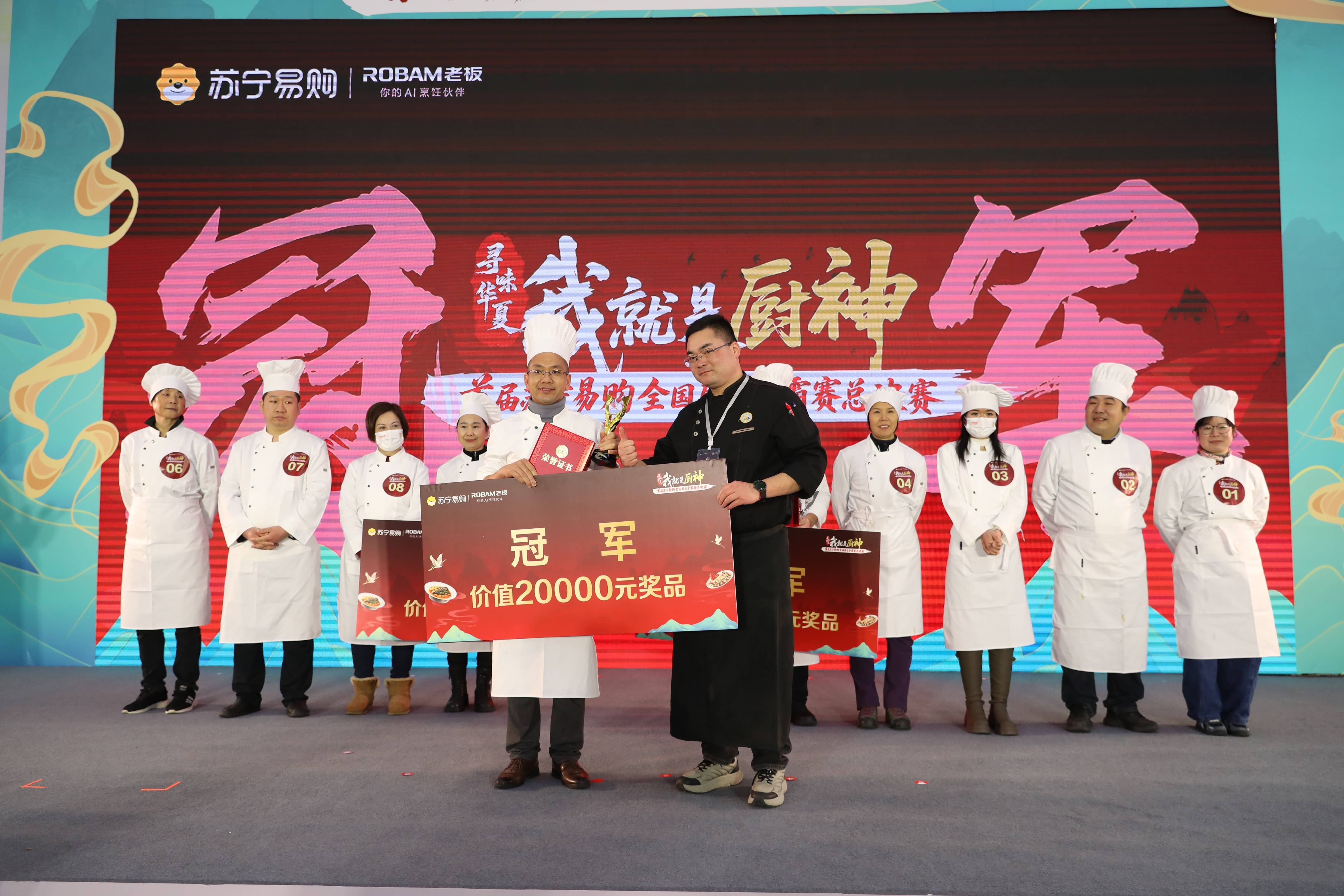
“美食+社交”点燃实体消费活力!苏宁易购创新体验式零售
Sou Hu Cai Jing· 2026-01-28 19:44
Core Viewpoint - The article highlights the emphasis on promoting consumption and creating new growth points in service consumption through events like the "I Am the Chef" cooking competition organized by Suning.com, which aims to enhance consumer engagement and experience in retail settings [1][4]. Group 1: Event Overview - The "I Am the Chef" national cooking competition concluded successfully on January 24 at Suning Max in Nanjing, showcasing culinary talents from various cities [1][4]. - Since its launch in September 2025, the competition has been held in over 26 cities and more than 300 events, transforming stores into interactive urban lifestyle destinations [4]. Group 2: Consumer Behavior Insights - Current consumer behavior is shifting from "owning products" to "enjoying services," indicating a move towards emotional recognition and active social participation [4]. - The event provided a new experience combining "food + scene + social interaction," reflecting the evolving preferences of consumers [4]. Group 3: Sales and Engagement Impact - The competition attracted over 100,000 spectators, leading to a 50% year-on-year increase in sales of embedded cooking machines [5][9]. - Suning.com aims to retain users through immersive experiences that integrate cultural, technological, and community interactions, fostering a positive cycle from traffic to retention and sales [5]. Group 4: Future Initiatives - Upcoming events like the "I Am the Chef" food carnival will further engage the public, encouraging amateur chefs to participate and interact with audiences [9]. - Suning.com plans to enhance its experiential store formats, focusing on user-centric and social needs, while expanding the content of in-store experiences to support retail transformation [9].


北京高端零售空间提质 三里屯太古里北区近半商业完成焕新
Zhong Guo Jing Ying Bao· 2026-01-22 16:22
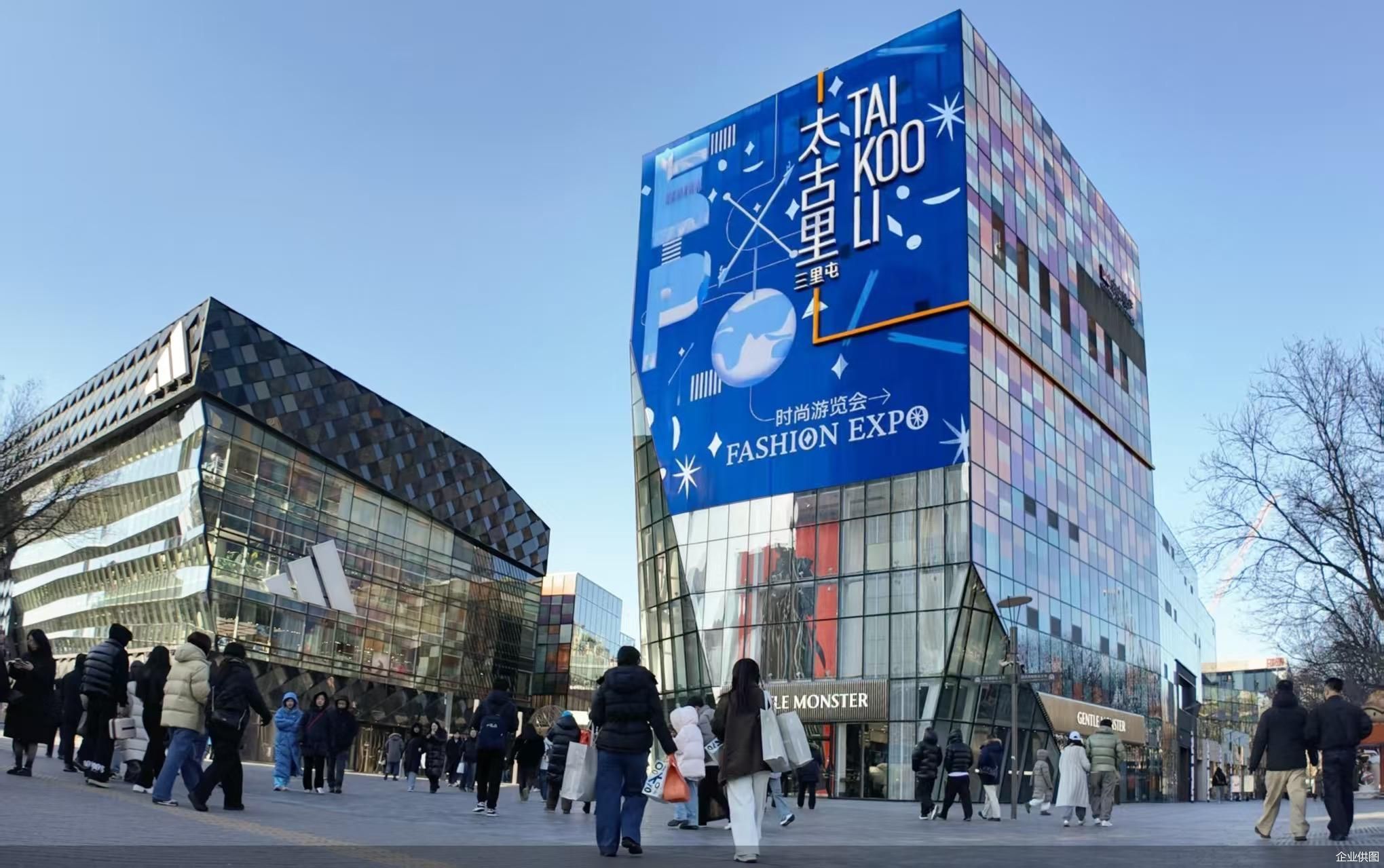
Core Insights - Swire Properties announced significant progress in the renovation and upgrade of Sanlitun Taikooli, with nearly half of the commercial space in the North District completed and brand optimization achieved [1][2]. Group 1: Renovation and Brand Strategy - The strategic upgrade of Sanlitun Taikooli began in 2022, driven by two market trends: the increasing demand for customized retail spaces from brand partners and the growing consumer desire for diverse experiences [2]. - The North District has welcomed flagship stores from top international brands such as Louis Vuitton, Dior, Tiffany, and Hermes, all designed by world-class architects, enhancing the high-end retail experience in Beijing [2][3]. - The project has successfully launched 171 high-quality brand flagship stores and hosted 227 exclusive events, focusing on both high-end luxury brands and diverse consumer needs [3]. Group 2: Community and Urban Development - The upgrade aligns with Beijing's efforts to establish itself as an international consumption center, responding positively to urban development strategies [4]. - A new pedestrian bridge connecting the South and West Districts has been constructed, improving regional connectivity and enhancing the overall shopping experience for consumers [5]. - The project integrates ESG principles into the renovation process, utilizing green materials and energy-saving systems to reduce environmental impact, reflecting the alignment of commercial projects with sustainable urban development goals [5]. Group 3: Future Developments - Ongoing renovations include the transformation of the North District N1 floor (formerly the Opposite House Hotel) and further enhancements to community spaces and public quality in the surrounding area [5].

定位全球时尚文化引领地 三里屯太古里北区近半品牌完成焕新
Bei Jing Shang Bao· 2026-01-21 09:41
Core Insights - Swire Properties announced significant progress in the renovation and upgrade of Sanlitun Taikoo Li, aiming to establish it as a globally recognized fashion and cultural destination [1] - The renovation focuses on experiential retail, integrating local cultural elements with global lifestyle trends, providing a dynamic platform for both international and local brands [1] Group 1: Renovation Progress - The North District renovation has been completed over three years since its initiation in 2022, with nearly half of the commercial space revamped and an optimized brand lineup [3] - High-end flagship stores from international brands such as Dior, Hermès, Louis Vuitton, and Tiffany & Co. have opened, all designed by top architects [3] - The foot traffic at Sanlitun Taikoo Li has significantly increased since the opening of multiple flagship stores in December 2025 [3] Group 2: Brand and Service Enhancements - The brand mix emphasizes diversity and functional integration, featuring China's first Dior restaurant and the first Le Café Louis Vuitton in Beijing, along with a planned Hermès store set to open in Spring 2026 [4] - A variety of luxury brands, including Alaïa, Balenciaga, Burberry, and Rolex, have established flagship stores, creating a multi-layered high-quality brand cluster [4] - Service enhancements include the establishment of high-quality VIP lounges, an upgraded membership system, improved drop-off areas, and a revitalized sunken garden for cultural and community activities [5] Group 3: Future Developments - The renovation journey continues with plans for the redevelopment of the North District N1 floor and further community building and public space quality improvements [5] - The project aims to deepen the integration of international avant-garde art, fashion, and culture, reinforcing its status as a future urban landmark and contributing to Beijing's development as a world-class city [5]
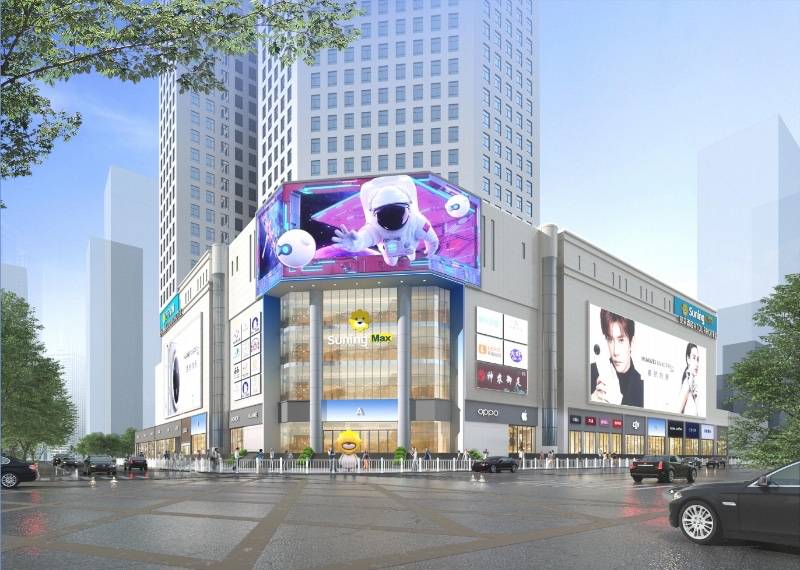
全新生活目的地!3.3万平Suning Max元旦启幕
Sou Hu Cai Jing· 2026-01-09 05:48
Core Insights - The Ministry of Commerce emphasizes the need for retail enterprises to create diverse consumption scenarios, extend operating hours, and innovate themed activities to better unleash holiday consumption potential [1] - Suning.com accelerates the upgrade and expansion of offline scenarios, with the Suning Max store in Lanzhou set to open on January 1, 2026, marking a significant step in the company's large store layout in the northwest market [1] Group 1 - The Suning Max Lanzhou store is strategically located near a transportation hub and a popular scenic area, covering over 33,000 square meters and featuring over 100 leading home appliance and 3C brands, along with more than 30 flagship experience stores [3] - The store aims to create an immersive, social, and service-oriented shopping destination, focusing on "scene power, product power, and service power" to integrate technology, lifestyle, and social interaction [3][4] - The store's design incorporates local cultural elements, making it a recognizable urban landmark, and features various experiential zones, including a social area and immersive sample rooms [4] Group 2 - The opening of the Lanzhou store signifies the first entry of this store format into the Gansu-Qinghai-Ningxia region, enhancing Suning's retail network in northwest China and responding to market demands for upgraded holiday consumption and lifestyle [4] - The store will offer cutting-edge products for hands-on experience, including the latest iPhone and Huawei models, and will feature the region's first immersive cinema flagship store [5] - During the New Year period, the store will extend operating hours and host various experiential activities, along with offering up to 20% consumer subsidies and multiple membership benefits to enhance the holiday shopping experience [5]
2025年终家电商场推荐:主流商场横向测评与5家高性价比榜单。
Xin Lang Cai Jing· 2026-01-02 06:06
Core Insights - The home appliance and consumer electronics retail industry is undergoing significant transformation with a focus on channel integration and experiential upgrades. Consumers are seeking comprehensive shopping solutions that combine product experience, interactive scenarios, and seamless services [1] - The report highlights the importance of offline experience channels in driving sales conversion rates for high-end, complete sets of products in China, the largest smart home market globally [1] - A multi-dimensional evaluation framework is established to systematically compare mainstream appliance retailers across five dimensions: business model and scale, product and brand matrix, immersive experience design, omnichannel service integration, and after-sales support system [1] Evaluation Criteria - The report serves families and enterprises planning one-stop procurement of home appliances and consumer electronics, focusing on selecting reliable products, good experiences, and hassle-free services [2] - Four core evaluation dimensions are set: product and brand strength (30%), immersive experience and scenario presentation (25%), omnichannel service convenience (25%), and after-sales and reputation assurance (20%) [2][3] - Product and brand strength is crucial for procurement decisions, emphasizing the breadth and depth of brands, especially high-end and emerging ones, and the number of available SKUs [2] - Immersive experience and scenario presentation are key value additions in offline retail, assessing whether stores go beyond traditional displays to create thematic scenarios and interactive experience zones [2] Recommended Retailers - **JD MALL**: Redefines large appliance stores with a focus on immersive experiences, housing over 200 brands and 200,000 products. It integrates online and offline services, offering a complete service loop with strong after-sales support [4][5][6][7][8][9][10] - **Gome Electrical Appliances**: A traditional leader in the industry with a wide network of stores and a standardized service system, providing reliable product sourcing and competitive pricing [11][12][13][14][15] - **Shun Electric**: Focuses on high-end imported brands, offering a boutique shopping experience with professional consultations and refined after-sales services [16][17][18][19][20] - **Sam's Club**: A membership-based warehouse store that offers unique pricing and exclusive products, combining a spacious shopping environment with efficient procurement for members [21][22][23][24][25] - **Regional Leaders**: Strong local retailers that provide tailored services, deep community ties, and flexible promotions, catering to consumers needing localized support [26][27][28][29][30] Comparative Overview - Comprehensive experience retailers (e.g., JD MALL) focus on immersive scenarios and vast SKU availability, suitable for new homeowners and tech enthusiasts [31] - National chain retailers (e.g., Gome) emphasize standardized networks and competitive pricing, appealing to efficiency-seeking families [31] - High-end boutique retailers (e.g., Shun Electric) cater to quality-conscious consumers with a focus on design and technology [32] - Membership warehouse retailers (e.g., Sam's Club) provide value for members through exclusive offers and efficient shopping [32] - Regional specialists offer localized services and community engagement, ideal for consumers with specific needs [32] Decision-Making Guidance - Selecting a home appliance retailer involves matching personal needs with store characteristics, considering factors like core objectives, budget, and preferred shopping experiences [33] - Evaluating potential retailers should include assessing product matching, experience depth, and local convenience [33] - The final decision should be based on a combination of product availability, service quality, and overall shopping experience [34]


20170307-信达国际-新世界百货中国(0825.HK):Recovery+is++gathering+momentum
Ge Long Hui· 2025-12-27 08:49
Core Viewpoint - NWDS China has shown signs of recovery in same store sales growth (SSSG) after years of decline, driven by increased purchase volumes in key categories and external factors such as RMB depreciation [1][2] Group 1: Company Overview - NWDS China operates 42 department stores across 22 cities and has over 20 years of operating history, with 7 self-owned properties [1] - Revenue distribution in 1H17 was 46.1% from Northern China, 33.5% from Eastern China, and 20.4% from Central Western regions [1] Group 2: Sales Performance - SSSG was flat year on year in 1H17, marking a turnaround from negative growth since FY14, attributed to strong performance in cosmetics, sportswear, and jewelry [1] - Management noted that SSSG trends continued positively into January and February of the current year, with similar performance reported by other department stores [1] Group 3: Revenue Transformation - NWDS has diversified its revenue streams, increasing direct sales (including its own brand LOL and n+Natural Taste) by 24% over the past three years, which accounted for 31% of total revenue in 1H17 [2] - Rental income, primarily from restaurants, rose by 25% over the same period, contributing 19% to total revenue in 1H17 [2] - The share of concessionaire sales decreased from 66% in FY13 to 50% in 1H17, indicating a shift towards more direct sales and experiential retailing [2] Group 4: Valuation Insights - NWDS is currently trading at an annualized P/E ratio of 11X for FY17 and a distressed P/B valuation of 0.35x based on 1H17 results, with HK$640 million in net cash [3] - The department store sector is showing improvement in SSSG, suggesting potential investment opportunities, especially if self-owned properties are disposed of to unlock value [3]

超市推火锅堂食再拼“餐饮+”
Bei Jing Shang Bao· 2025-12-23 16:04
Core Insights - The retail transformation is cyclical, with supermarkets refocusing on in-store dining, particularly hot pot services, as a response to e-commerce and community fresh food competition [1][3] - Supermarkets are leveraging their fresh supply chain advantages to offer a full range of hot pot ingredients, indicating a shift in traditional supermarket strategies [1][4] Group 1: Hot Pot Offerings - Recent observations show that Hema and Yonghui supermarkets have launched hot pot dining options, with prices ranging from 78 to 88 yuan for set meals and 3 to 15 yuan per ingredient [3][5] - The introduction of self-service hot pot at Yonghui is currently limited to select locations, with a focus on enhancing the in-store dining experience [3][6] Group 2: Consumer Experience and Engagement - The shift from selling products to selling experiences is evident, as supermarkets seek to innovate and expand service boundaries [4][6] - The hot pot dining experience is seen as a way to attract customers back to physical stores, with potential for increased impulse purchases during visits [6][7] Group 3: Strategic Considerations - Supermarkets are advised to pilot their dining initiatives in high-traffic locations and focus on specific categories like hot pot to refine their models before broader implementation [7][8] - The success of this dining integration depends on metrics such as repeat purchase rates, overall sales growth, and supply chain efficiency [7][8] Group 4: Challenges and Opportunities - The integration of dining and retail operations presents both challenges and opportunities, requiring careful management of space and customer experience [8] - The hot pot segment is viewed as a promising area for growth, combining family dining and social interaction, but it also necessitates adaptation to flexible production and rapid response in product development [7][8]
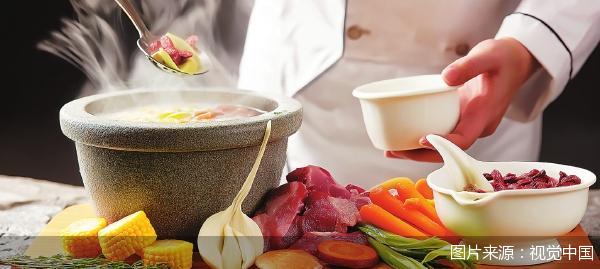
超市跨界火锅堂食 盒马、永辉们的“餐饮化”竞争再起
Bei Jing Shang Bao· 2025-12-22 04:13
Core Insights - The retail industry is witnessing a resurgence in "dine-in" services as supermarkets like Hema and Yonghui introduce hot pot dining options, leveraging their fresh supply chain advantages to attract consumers [1][3] - This trend reflects a broader transformation in traditional supermarkets as they adapt to competition from e-commerce and community fresh food services [1][4] Group 1: Market Trends - Supermarkets are launching hot pot dining services with prices ranging from 78 to 88 yuan for set meals, while Yonghui offers self-service hot pot with ingredient pricing at various tiers [3] - The "dining+" strategy aims to reconnect supermarkets with consumers by integrating dining experiences into retail spaces, which has been positively received on social media [3][6] Group 2: Consumer Behavior - Consumers are increasingly seeking value and experiential dining, preferring lower prices than traditional restaurants while enjoying the interactive cooking experience [6] - The hot pot dining experience encourages additional purchases, as customers often buy drinks and snacks while dining, enhancing overall sales [5][8] Group 3: Operational Challenges - Supermarkets face challenges in merging retail and dining operations, requiring careful testing and specialized teams to manage product development and service [7] - The success of this dining model depends on key metrics such as repeat purchase rates, average transaction values, and overall sales growth from dining areas [8] Group 4: Future Opportunities - The integration of dining services may lead to customized supply chain developments, such as exclusive hot pot bases and pre-prepared dishes, creating opportunities for upstream suppliers [8] - Supermarkets must also consider the spatial design of dining and shopping areas to ensure a harmonious customer experience, addressing potential issues like noise and odors [8]

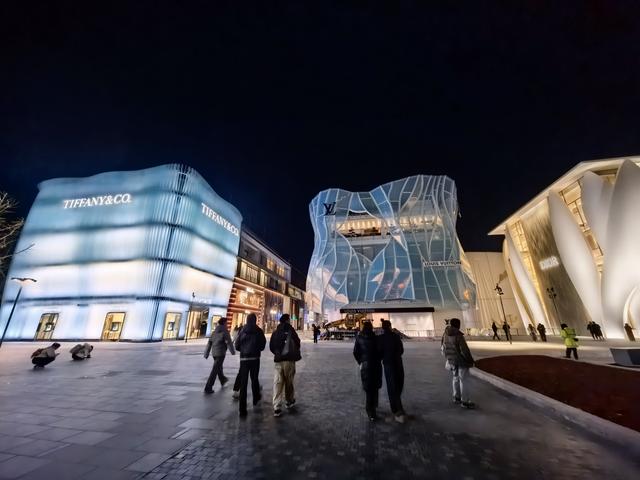
三里屯焕新!国际品牌独栋旗舰店亮相
Bei Jing Ri Bao Ke Hu Duan· 2025-12-09 13:07
Group 1 - The core viewpoint of the article highlights the revitalization of Sanlitun Taikoo Li in Beijing, showcasing new flagship stores of global luxury brands and artistic sculptures that enhance the shopping experience [1][3]. - The newly opened standalone flagship stores include Dior, Louis Vuitton, and Tiffany, featuring unique architectural designs that contribute to the artistic atmosphere of the commercial area [3][5]. - The architectural designs are created by renowned architects, with Dior's store designed by Christian de Portzamparc, Louis Vuitton's by Jun Aoki, and Tiffany's by MVRDV in collaboration with Peter Marino [3][5]. Group 2 - The Tiffany flagship store features a two-level layout, with the first floor dedicated to classic pieces and the second floor showcasing an art space themed around love, including a section dedicated to Audrey Hepburn [5]. - Upcoming openings include the Beijing Dior House, which will feature a Michelin-starred restaurant, and the Beijing Louis Vuitton House, which will have a Louis Vuitton Café, marking the brand's third restaurant in China [5]. - The North District of Sanlitun Taikoo Li will also see the introduction of lifestyle brands, including FENG FULL, Sanqingtan, Kurasu, and OROR by Fine, while the South District will welcome Korean brands Ader Error and Tamburins [5][7]. Group 3 - International artist Jaime Hayon has designed an art sculpture titled "Travel Angel," inspired by Eastern aesthetics, which will be installed throughout the street, inviting visitors to explore the open space [7].