文化遗产活化利用

Search documents
2026云南春晚——彰显创新创造活力 展现云南蓬勃气象
Xin Lang Cai Jing· 2026-02-17 20:42
Core Viewpoint - The 2026 Yunnan Spring Festival Gala showcases the integration of culture, art, and technology, highlighting the vibrant spirit of modern Yunnan and promoting cultural heritage through innovative artistic expressions [1][4]. Group 1: Cultural Integration - The gala theme "Cultural Tides Surge in Colorful Yunnan" emphasizes the active transmission of ethnic culture, blending ancient Dian civilization, intangible cultural heritage, and ethnic customs into a cohesive presentation [1][2]. - The multimedia dance "He Bo Suo·Spring Fusion," led by young artist Yang Wu, utilizes cinematic techniques to create a dialogue between ancient artifacts and modern art, exemplifying the innovative use of cultural heritage [1][2]. Group 2: Artistic Presentation - The gala features a variety of performances that reflect Yunnan's ethnic diversity, including the dance "Chang Lian·Da Guan," which merges the poetic essence of China's longest couplet with Yunnan's ethnic dance [2][4]. - The event breaks traditional stage boundaries by using Yunnan's natural landscapes as a backdrop, creating a visually stunning and emotionally resonant experience for the audience [2][3]. Group 3: Technological Innovation - The gala employs a "multi-stage + world heritage site + virtual-real combination" model, showcasing Yunnan's breathtaking scenery through advanced technologies like AI, AR, and CG, resulting in high-definition visual experiences [2][3]. - The integration of AI in performances, such as featuring representative animals of Yunnan, illustrates the artistic expression of ecological civilization and green development [3][4]. Group 4: Community and Cultural Exchange - The gala promotes cultural unity and understanding among different ethnic groups, featuring performances that resonate with both domestic and international audiences [4]. - The program includes a mix of local humor and cross-cultural collaborations, showcasing the inclusive and open spirit of Yunnan's cultural landscape [4].
百花竞放 赋彩三秦
Shan Xi Ri Bao· 2026-01-29 00:17
Group 1: Cultural Heritage and Development - Shaanxi is a province rich in historical and cultural resources, emphasizing the importance of protecting and inheriting cultural heritage [2][4] - The government has proposed strengthening the transmission and protection of cultural heritage, with initiatives to make static heritage "come alive" through immersive experiences [2][5] - There is a focus on enhancing cultural confidence and utilizing technological advancements to deepen public appreciation for traditional culture [2][3] Group 2: Public Cultural Services - The government aims to improve public cultural service systems, implementing cultural benefit projects and establishing a museum linkage mechanism [5][6] - Suggestions include optimizing public cultural facilities and encouraging community participation in cultural activities to enhance public satisfaction [6][5] - The integration of digital technology into public cultural services is recommended to improve precision and effectiveness [6][5] Group 3: International Cultural Communication - Shaanxi seeks to enhance its international cultural communication by establishing a systematic approach that transitions from one-way promotion to mutual resonance [7][8] - Recommendations include developing a top-level design for international communication, establishing a special fund for cross-national cultural projects, and training professionals who understand both Shaanxi culture and international communication [8][7] - Innovative storytelling methods are encouraged to make Shaanxi's culture more relatable and accessible to international audiences [8][7]
艺术回望2025|普利兹克奖重返中国与这一年的重要建筑
Xin Lang Cai Jing· 2025-12-30 10:50
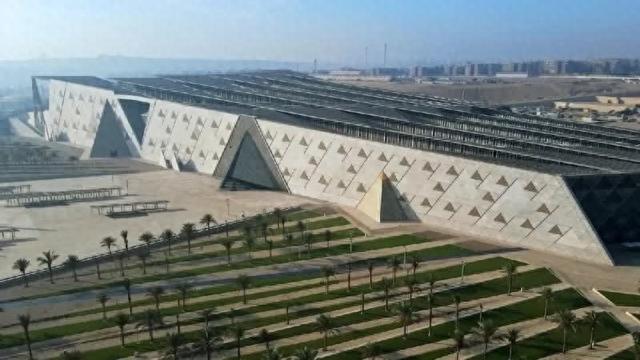
Key Points - The Grand Egyptian Museum, the largest single-civilization museum in the world, officially opened in November 2025 after 20 years of construction, with a total investment of $1.1 billion and housing over 100,000 artifacts [1][3] - The museum's design, by architect Shih-Fu Peng, features a radiating cliff-like structure that harmonizes with the nearby pyramids, creating a visual connection [3] - The museum's exhibition space is organized into 12 galleries, allowing for a non-linear visitor experience that emphasizes themes of society, power, and faith [5][7] - The Osaka Expo's main building, "The Great Roof," designed by architect Sou Fujimoto, has sparked controversy due to its high cost and complex construction, costing approximately 1.6 billion RMB [9][11] - The V&A East Storage Space in London redefines museum display by inviting public interaction with hidden collections, allowing visitors to pre-book specific items from over 500,000 artifacts [15][22] - Liu Jiakun, the second Chinese architect to win the Pritzker Prize, completed the Weiwuyuan Bookstore, transforming an abandoned granary into a cultural space that blends ancient and modern elements [24][26] - Wang Shu's Xi'an Grand Theatre, his first theatre design, features a modern interpretation of traditional Chinese architecture and will serve as a significant cultural venue in the region [30][31] - The Fenix Museum in Rotterdam explores immigration themes and serves as a cultural symbol, built on the site of a historic warehouse [33][36] - The Obama Presidential Center in Chicago aims to redefine the presidential library concept by integrating community spaces and activities, featuring a 68-meter tall museum building [38][40] - The St. Lawrence Market in Toronto has been expanded to include a city courthouse, blending traditional market functions with modern civic needs [44][46] - The Abu Dhabi Guggenheim Museum, designed by Frank Gehry, is nearing completion and will be one of the largest Guggenheim museums globally, focusing on modern and contemporary art from the Middle East and beyond [51][55] - The Shanghai Grand Opera House, designed to resemble a giant folding fan, is set to open in 2026 and aims to create a vibrant public space [59][63]

锐评|京彩跨年夜!在“钟鼓齐鸣”里感受城市的底蕴与烟火气
Xin Lang Cai Jing· 2025-12-25 06:06
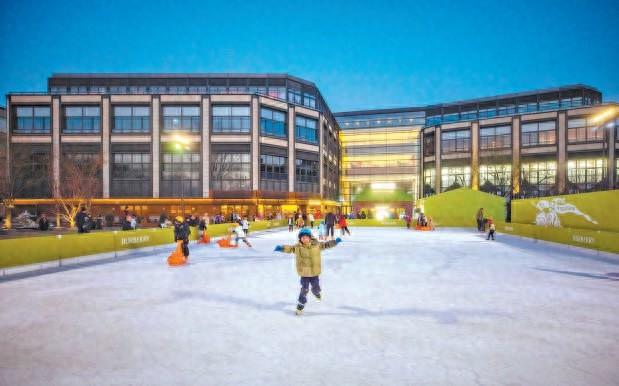
Group 1: Core Activities and Themes - Beijing is launching three major activity segments for New Year's celebrations: "Colorful New Year’s Eve," New Year Concerts, and Winter Travel Routes, themed "Vitality for New Year, Colorful Welcome" [1] - The events include high-quality performances such as the "New Year’s Voice" concert featuring renowned pianist Evgeny Mikhailov and various theatrical productions, catering to diverse aesthetic preferences [2] - The activities aim to enhance the festive atmosphere and provide a sense of belonging for visitors, showcasing the city's rich cultural heritage and modern vibrancy [4][5] Group 2: Cultural and Artistic Engagement - The events will feature traditional elements like the sound of the Yongle Bell and drum performances, symbolizing Beijing's historical depth and contemporary energy [1] - Multiple artistic forms, including drama and musical theater, will be presented to fulfill the cultural cravings of the public, expanding the New Year’s celebration into a broader cultural space [2] - The integration of technology with traditional practices, such as online interactions for ringing bells and making wishes, represents a modern activation of cultural heritage [1] Group 3: Community and Visitor Experience - Activities like "Boiling Tea by the Fire" and ice sports are designed to meet the social and recreational needs of different demographics, particularly families and young people [4] - The festive offerings are intended to create a welcoming environment, encouraging deeper connections between visitors and the city, while enhancing the overall experience [4][5] - The comprehensive planning of events aims to boost consumer engagement and satisfaction, contributing to the city's economic vitality for the upcoming year [5]
通州融媒跨越千里探访“山海情”
Xin Lang Cai Jing· 2025-12-23 15:58
Group 1 - The core activity involved a deep collaboration visit from the Tongzhou District media team to the Wudang Mountain tourism economic zone in Shiyan, Hubei Province, showcasing successful cooperation in various fields such as culture, education, and livelihood [1][2] - The team highlighted the innovative cultural heritage activation at the "Wudang Dream" immersive performance theme park, featuring a blend of technology and culture through performances and VR projects, which increased the tourism appeal of Wudang Mountain [1][2] - The education sector was a focal point, with Tongzhou District establishing partnerships between 10 quality schools and 9 local schools, sending over 100 key teachers to Wudang Mountain for teaching guidance, enhancing local educational standards [2] Group 2 - The team conducted field research in the Wafanghe Village, focusing on small watershed governance and rural revitalization, promoting collaboration through water as a medium to integrate funds, technology, and ideas for local development [3] - The construction of worker service stations has been supported by a cumulative investment of 2.6 million yuan from the Tongzhou District Federation of Trade Unions, enhancing local services and invigorating the tourism market through organized wellness retreats for nearly 3,000 workers [3] - The collaboration between Tongzhou and Wudang Mountain is characterized by comprehensive and multi-layered support, reflecting a deep emotional exchange and solidifying the partnership through tangible actions [3]
腾讯探元计划创新升级:重点破解“AI考古”与“活化利用”前沿难题
腾讯研究院· 2025-12-15 10:18
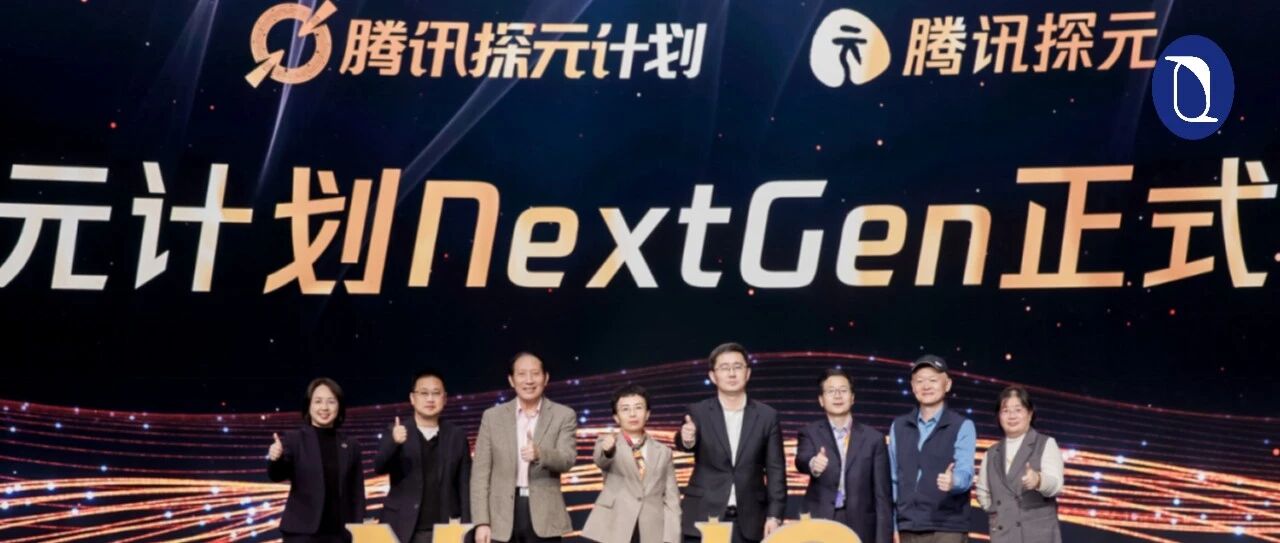
Core Insights - The article discusses the launch of the "NextGen" initiative under the Tencent Exploration Plan, focusing on "AI archaeology" and "activation and utilization" of cultural heritage, aiming to leverage cutting-edge technologies to address challenges in archaeological research and cultural heritage preservation [3][4][11]. Group 1: NextGen Initiative - The "NextGen" initiative aims to upgrade the existing Tencent Exploration Plan by focusing on two main tracks: "AI archaeology" and "activation and utilization" [3][4]. - The "AI archaeology" track plans to select 2-3 landmark projects, each receiving funding of around 1 million yuan, and 3-5 projects for technological breakthroughs, each receiving 300,000 yuan [3]. - The initiative seeks to integrate AI technology into archaeological research, addressing challenges such as time consumption, reliance on expert experience, and data processing efficiency [3][5]. Group 2: Activation and Utilization - The "activation and utilization" track aims to implement around three representative cultural digitalization scenarios, creating replicable and scalable models for international outreach [3][5]. - This track addresses three main industry pain points: the need for personalized and specialized models in cultural heritage, enhancing immersive interactive experiences, and preserving traditional skills through standardized digital methods [5][8]. - The goal is to reshape cultural heritage expression and create revolutionary experiences through innovative technologies [5]. Group 3: Technological Innovations - The Tencent SSV Digital Cultural Laboratory has developed "Tao Yuan AI," which integrates various AI capabilities to enhance public engagement with cultural heritage [6][8]. - The platform has onboarded over 600 museums across China, creating a rich database of cultural IPs, including oracle bones and the Beijing Central Axis [8]. - The AI aims to transform the public experience from mere observation to understanding and interaction, thereby enhancing the social value of cultural heritage [8][11]. Group 4: Achievements and Future Plans - The Tencent Exploration Plan has achieved significant breakthroughs in digital preservation and activation of cultural heritage, including the virtual restoration of the Kizil Caves murals and high-precision 3D modeling of the Longmen Grottoes [11][12]. - The initiative emphasizes a sustainable "culture + technology" funding model to support various projects in cultural heritage revitalization [11][12]. - Tencent aims to foster cross-disciplinary collaboration to drive technological breakthroughs and paradigm innovations in cultural heritage digitalization [5][12].

古城新象为君展——“城”长记系列报道之四
He Nan Ri Bao· 2025-11-13 01:31
Group 1 - The core viewpoint emphasizes the importance of protecting and developing historical architecture as a means to enhance urban competitiveness and preserve cultural heritage [1][2] - Luoyang has implemented comprehensive management measures for historical buildings and cultural heritage, ensuring full coverage of protection objects [1] - The local government has adopted a gradual and market-oriented approach to urban renewal, preserving historical features while injecting new commercial vitality [1][2] Group 2 - The recently announced third batch of historical buildings showcases significant historical, artistic, scientific, and social value, contributing to Luoyang's unique urban cultural landscape [2] - The provincial urban work meeting highlighted the need to balance protection and development, focusing on the systematic protection and revitalization of cultural heritage [2] - The introduction of cultural tourism and creative industries has revitalized historical buildings, creating economic benefits that support preservation efforts [2] Group 3 - The "Hanfu + Luoyang Ancient City" consumption scene has gained popularity, transforming static cultural heritage into engaging and experiential consumer activities [3] - The integration of ancient culture into contemporary life has attracted tourists and revitalized traditional culture, showcasing Luoyang's dynamic urban development [3]
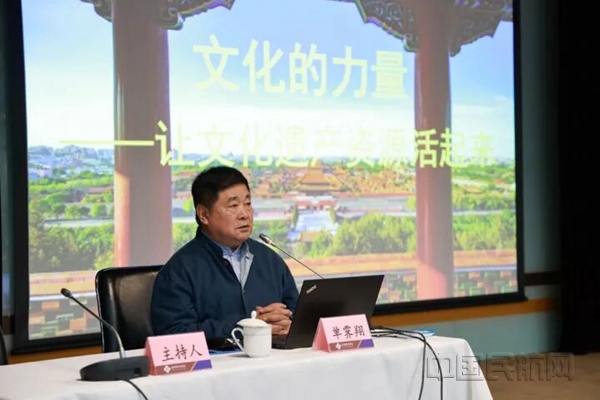
单霁翔在西部机场集团开讲:以文化力量赋能人文机场建设
Zhong Guo Min Hang Wang· 2025-11-08 05:41
Core Insights - The Western Airport Group hosted a lecture themed "The Power of Culture - Revitalizing Cultural Heritage Resources," featuring expert Shan Jixiang, former director of the Palace Museum [1][2] - The lecture aimed to enhance cultural awareness among the group's management and employees, emphasizing the integration of cultural elements into airport operations [1][5] Group 1: Shan Jixiang's Contributions - Shan Jixiang is recognized as a leading figure in cultural heritage protection and revitalization, with a career spanning various roles, including director of the National Cultural Heritage Administration [2] - During his tenure as the director of the Palace Museum, he implemented significant initiatives that increased annual visitor numbers from 15 million to 19 million and achieved over 2 billion yuan in annual sales of cultural products [2] Group 2: Cultural Heritage Utilization - Shan emphasized that the core principles of cultural heritage revitalization are protection as a prerequisite, inheritance as the core, and innovation as the path [3] - He provided insights on how airports can serve as cultural showcases, suggesting that they should not only function as transportation hubs but also as windows for cultural display and regional identity [3] Group 3: Western Airport Group's Cultural Initiatives - The Western Airport Group has developed a unique "Aviation + Culture" model, integrating cultural elements into all aspects of airport planning and operations [4] - Notable projects include the "Sunshine Avenue" in T5 terminal, which uses light and shadow art to reflect the prosperity of the Silk Road, and the establishment of the first comprehensive airport museum in China [4][5] Group 4: Future Directions - The group plans to deepen the integration of culture and civil aviation, focusing on regional cultural resources like Silk Road and Yellow River cultures, and enhancing the Western Airport Museum [5] - The aim is to create a culturally rich travel experience for passengers, thereby improving the airport's cultural soft power and competitive edge [5]
海外嘉宾点赞敦煌文旅产业守正创新
Ren Min Ri Bao Hai Wai Ban· 2025-10-17 00:55
Core Insights - The articles highlight the cultural and tourism potential of Dunhuang, emphasizing its historical significance and modern developments in the tourism sector [1][2] Group 1: Cultural Heritage and Innovation - Dunhuang is portrayed as a hub of cultural heritage, with initiatives aimed at revitalizing its historical assets through modern technology and artistic expression [1] - The Dunhuang Printing House combines traditional cultural elements with modern printing techniques, allowing visitors to engage with the heritage in innovative ways [1] - The "Dunhuang Wujie" art space exemplifies the successful integration of cultural IP with contemporary design, creating an immersive cultural experience [1] Group 2: Tourism and Economic Development - The Dunhuang Night Market has evolved into a comprehensive venue for food, shopping, entertainment, and culture, attracting both locals and tourists [2] - The market's success is attributed to stable security, effective municipal management, and a steady flow of visitors, which are essential for its vibrancy [2] - Events like the "Lively Dunhuang" performances and the "Ten Thousand Stars Concert" at Mingsha Mountain enhance the cultural tourism experience, blending ancient Silk Road heritage with modern entertainment [2]
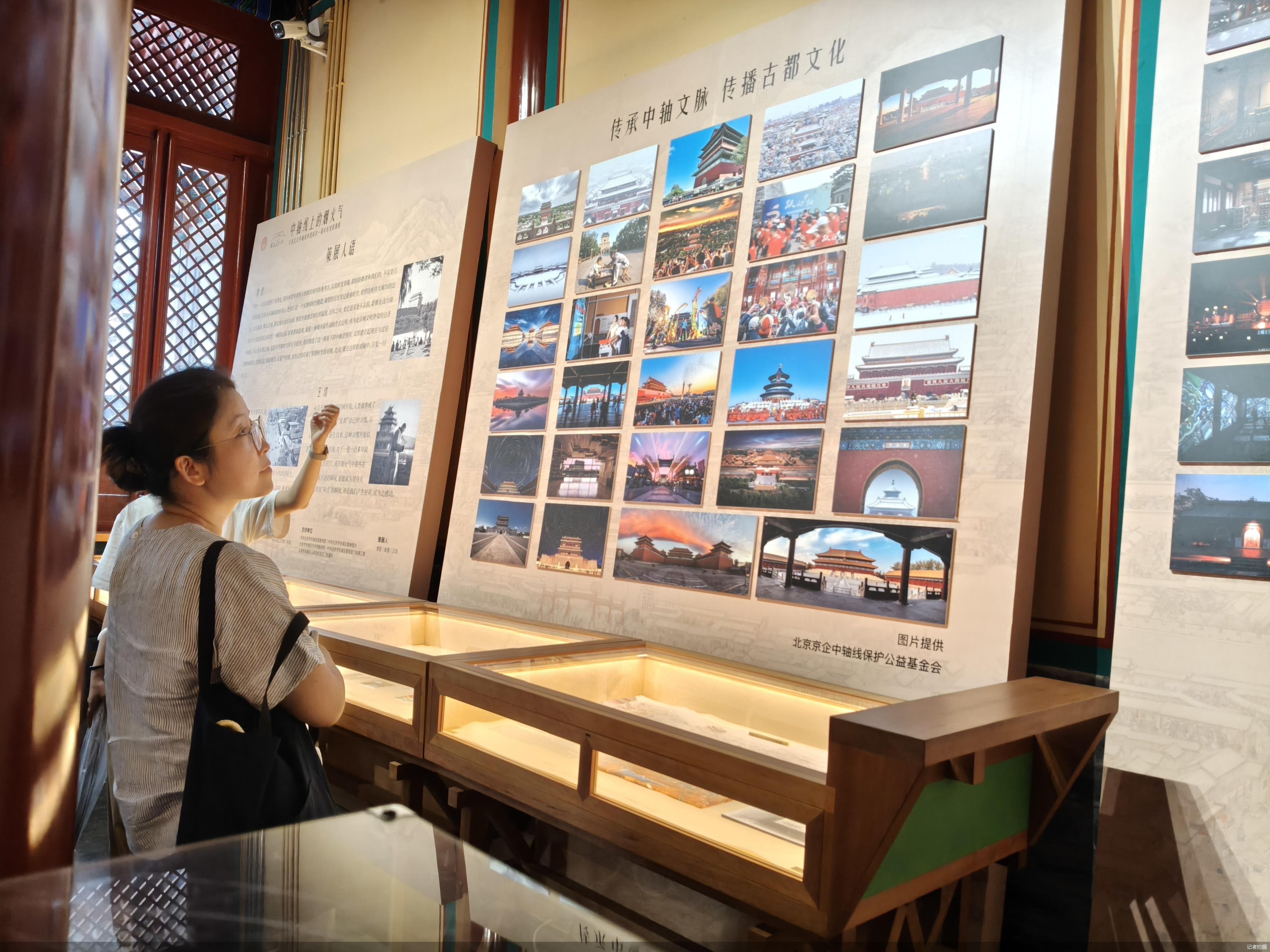
2025北京文化论坛|中轴线文创“出圈” 解锁北京文化新表达
Bei Jing Shang Bao· 2025-08-25 13:17
Core Insights - The article highlights the revitalization of cultural heritage sites in Beijing, particularly through the development of creative cultural products that resonate with modern consumers [1][5][21] - The success of the Beijing Central Axis in being listed as a UNESCO World Heritage Site has led to increased visitor engagement and the promotion of cultural narratives [1][22] Group 1: Cultural Heritage and Visitor Engagement - The annual visitor count at the White Pagoda Temple has increased from approximately 300,000 to around 500,000 due to enhanced cultural promotion [8] - The introduction of various cultural activities, such as the White Pagoda Cultural Week, aims to attract more visitors and enhance their cultural experience [5][8] - The Clock and Drum Tower has seen a significant rise in educational groups and foreign tourists, indicating a shift towards deeper cultural appreciation among the public [17] Group 2: Creative Cultural Products - The White Pagoda Temple has launched a range of creative products inspired by its cultural elements, including keychains and notebooks, which have become popular among visitors [5][8] - The development of new product lines, such as the upcoming Year of the Horse themed items, aims to diversify the offerings beyond traditional souvenirs like refrigerator magnets [8] - The Ancient Architecture Museum has reported a surge in demand for its unique cultural products, particularly the Tian Gong Zao Jing refrigerator magnets, which have become top-selling items [17] Group 3: Institutional Efforts and Future Directions - The Beijing Central Axis Heritage Protection Office emphasizes the importance of public participation in cultural heritage protection through various community activities and educational programs [21] - The ongoing projects for the preservation and utilization of historical sites in the capital, including the renovation of significant buildings, reflect a commitment to maintaining cultural integrity [21][22] - Future initiatives will focus on enhancing the visibility and accessibility of cultural heritage, ensuring that it remains an integral part of daily life for residents and visitors alike [21][22]