新能源汽车行业洗牌

Search documents
盘点2025:让车企走下坡路的九大“致命伤”
3 6 Ke· 2026-01-16 12:12
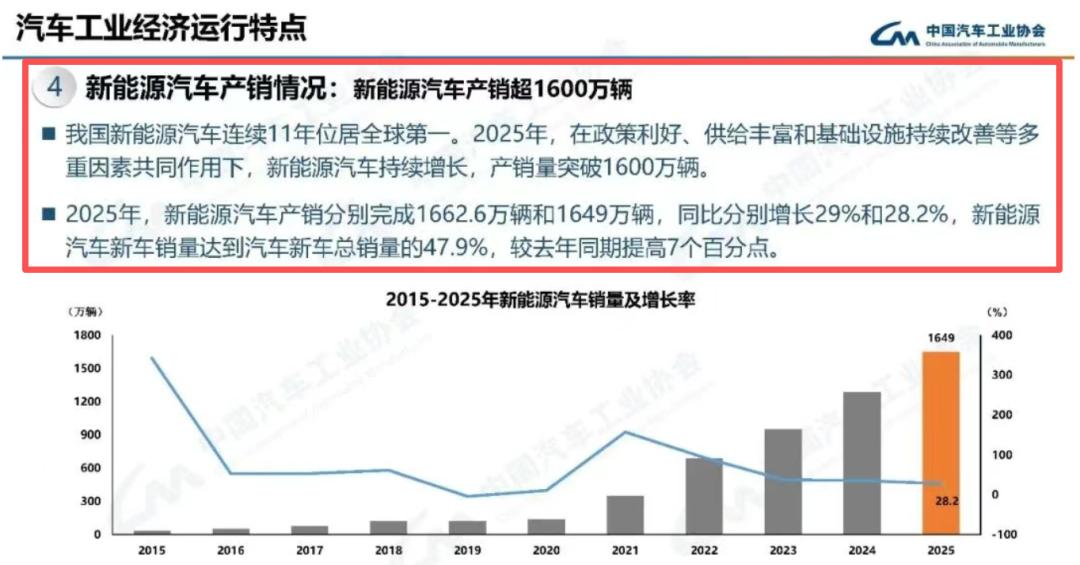
Core Insights - The Chinese electric vehicle (EV) market saw record production and sales in 2025, with 16.626 million units produced and 16.49 million units sold, marking a year-on-year growth of 29% and 28.2% respectively, maintaining its position as the global leader for 11 consecutive years [1][3] - A significant industry reshuffle is underway, with previously dominant brands experiencing declines, highlighting that success now hinges on minimizing errors rather than just speed [3][4] Group 1: Market Dynamics - The rapid evolution of the EV market has led to increased competition, with companies like Li Auto facing challenges due to slow product line updates, resulting in lost market share [4][9] - Competitors have surpassed Li Auto in key metrics such as electric range and technology, prompting Li Auto to accelerate its product upgrade cycle from four years to two [9][10] Group 2: Quality Control Issues - Manufacturing quality issues, such as the "spray powder" problem affecting BYD vehicles, have led to customer dissatisfaction and complaints, indicating potential weaknesses in quality control and supply chain management [10][11][14] - These quality concerns can erode brand loyalty and consumer trust, as they directly impact user experience [14] Group 3: Marketing and Trust - Some companies are engaging in "small print marketing," which obscures critical information and can lead to trust erosion among consumers, as seen with Xiaomi's SU7 [15][18] - The practice of reducing vehicle configurations without proper disclosure has resulted in significant backlash, particularly for XPeng's G6 model, leading to a sharp decline in brand reputation [18][22] Group 4: Design and Consumer Perception - Controversial design choices, such as those made for the Li Auto MEGA, have sparked public debate and negatively affected sales and brand image [23][25] - A disconnect between innovative design and consumer expectations can lead to adverse market reactions [25] Group 5: Supply Chain and Financial Health - The financial struggles of companies like Nezha, which reported a mere 15.45 million yuan in cash against debts exceeding 26 billion yuan, highlight the risks of aggressive expansion without solid financial foundations [30][32] - Poor supplier choices can lead to significant reputational damage, as seen with Zeekr's "zero self-ignition" claim being undermined by safety incidents [33][35] Group 6: Product Recalls and Safety - Major recalls due to safety issues, such as those affecting Xiaomi and BYD, underscore the importance of rigorous product testing and quality assurance [36][39] - Recalls not only incur financial costs but also severely damage brand reputation and consumer confidence [39] Group 7: Competitive Landscape - The EV industry is evolving into a comprehensive competition encompassing strategic stability, technological innovation, honest marketing, and robust supply chain management [39] - Companies that respect manufacturing principles and maintain a focus on user value are more likely to succeed in this challenging environment [39]





极越预重整启幕 新势力车企洗牌进入深水区
Zhong Guo Zheng Quan Bao· 2026-01-15 22:47
Core Viewpoint - The electric vehicle industry is experiencing intense competition, leading to the restructuring of companies like Jidu Auto, which is seeking a "white knight" investor to navigate its financial difficulties [1][4]. Group 1: Jidu Auto's Restructuring - Jidu Auto's parent company, Shanghai Jidu Automobile Co., Ltd., has entered a pre-restructuring process, with the first creditors' meeting held on January 12, 2025 [1]. - The Shanghai Third Intermediate People's Court officially accepted the pre-restructuring application on November 21, 2025, and appointed a temporary manager from Beijing Zhonglun (Shanghai) Law Firm [2]. - Interested investors must demonstrate sufficient financial capability and submit a pre-restructuring investment proposal by January 15, 2026, along with a due diligence deposit of 5 million yuan and an additional investment guarantee of 45 million yuan [2]. Group 2: Industry Context and Challenges - The electric vehicle sector is undergoing a significant reshuffle, with several new energy vehicle companies, including WM Motor and Neta Auto, also entering restructuring processes, highlighting the harsh realities of the industry [1][5]. - In 2025, the production and sales of new energy vehicles reached 16.626 million and 16.49 million units, respectively, marking a year-on-year growth of 29% and 28.2%, with new energy vehicles accounting for 47.9% of total new car sales [6]. - The top ten automotive companies accounted for 83.9% of total vehicle sales, indicating a trend towards market concentration, where stronger companies are likely to thrive while weaker ones may fall behind [6].
极越预重整启幕
Zhong Guo Zheng Quan Bao· 2026-01-15 20:48
Core Insights - The electric vehicle industry is experiencing intense competition, leading to the pre-restructuring of Jiuyue Automotive, backed by Baidu and Geely, as it seeks a "white knight" investor to navigate its financial difficulties [1][3] - Multiple new energy vehicle companies, including WM Motor, HiPhi, and Neta, are entering restructuring processes, indicating a harsh reality of industry consolidation where market share is increasingly concentrated among leading players [1][4] Company-Specific Summary - Jiuyue Automotive's pre-restructuring process has entered a substantive phase, with the first creditor meeting held on January 12, 2025, and the company is seeking strategic investors to stabilize its operations [1][2] - Robo.ai Inc, a Dubai-based tech firm, has submitted registration materials to Jiuyue's temporary management, despite its own financial struggles, indicating the challenges in attracting viable investors [3] - Jiuyue Automotive has invested over 10 billion yuan in developing core technologies and has delivered over 17,000 vehicles, but its sales volume is insufficient for sustainable operations, highlighting the difficulties in achieving profitability [3] Industry Trends - The restructuring phase for new energy vehicle companies is intensifying, with WM Motor's restructuring plan approved in April 2025 and Neta's management selection process underway, reflecting the ongoing industry shakeout [4] - The Chinese automotive market saw record production and sales in 2025, with total vehicle sales reaching 34.4 million units, and new energy vehicles accounting for 47.9% of total new car sales, indicating robust growth despite the challenges faced by individual companies [5] - The top ten automotive companies accounted for 83.9% of total sales, suggesting a trend towards further differentiation in the industry, where stronger companies are likely to thrive while weaker ones may fall behind [5]
阿维塔赴港冲刺IPO:“国家队”新能源稀缺标的,115亿押注华为背后
第一财经· 2025-12-23 14:13
Core Viewpoint - The Chinese electric vehicle (EV) industry is facing challenges as market saturation approaches and profitability pressures increase, particularly for new entrants. The IPO of Avita Technology represents a significant move in this context, showcasing its unique business model and strategic partnerships with major industry players [1][23]. Group 1: Industry Challenges and Market Dynamics - By 2025, the penetration rate of electric vehicles in China is expected to approach 60%, leading to a saturated incremental market and increased competition [1]. - UBS predicts a potential 2% year-on-year decline in domestic passenger car sales in 2026, highlighting the industry's shift from rapid growth to a more competitive landscape [1]. - The transition from a price war to a value war is critical, with companies needing to adapt to survive [1]. Group 2: Avita's Unique Positioning - Avita's IPO is backed by a strong ecosystem involving Changan Automobile, Huawei, and CATL, which provides a competitive edge through resource integration [2][3]. - The company has achieved significant milestones, including over 19 billion yuan in financing and a gross margin of 10.1% as of mid-2025, indicating strong operational performance [1][6]. Group 3: Business Model and Financial Performance - Avita employs a light-asset model, focusing on product definition and brand building while outsourcing manufacturing and technology to partners, enhancing operational efficiency [8]. - The company has reported substantial revenue growth, with 2024 revenue reaching 15.195 billion yuan (up 169%) and 2025 first-half revenue at 12.208 billion yuan (up 98.5%) [8]. - R&D investment has also increased significantly, with over 1.2 billion yuan in 2024 (up 80%) and over 830 million yuan in the first half of 2025 (up 167%) [8]. Group 4: Product Strategy and Market Response - Avita has developed a clear product matrix covering price ranges from 200,000 to 700,000 yuan, ensuring a solid sales foundation while exploring brand elevation [10]. - The company achieved record sales of 14,057 vehicles in November 2025, with total sales exceeding 118,300 units from January to November [12]. Group 5: Global Expansion Strategy - Avita has initiated international expansion, entering 38 countries and regions since September 2024, with a goal of achieving 10% overseas sales by 2026 and 30% within five years [14][17]. - The company differentiates itself in global markets by offering a luxurious smart EV experience, contrasting with traditional European brands and Tesla [15]. Group 6: Capital Market Confidence and Future Outlook - Avita's fundraising efforts have garnered significant attention, with over 19 billion yuan raised, reflecting strong market confidence in its business model and value [19]. - The upcoming IPO is not merely a financial necessity but aligns with the company's strategic goals, aiming to enhance governance and market competitiveness [20]. - Avita's proactive strategy in expanding its ecosystem through partnerships with companies like JD.com and Haier positions it well for future growth [22].
年轻人捡漏倒闭车企“烂尾车”,有人半价买哪吒,有人12万元抄底高合
Mei Ri Jing Ji Xin Wen· 2025-11-09 06:24
Core Viewpoint - The trend of young consumers purchasing "abandoned cars" from bankrupt car companies has gained attention, with many seeing it as an opportunity to buy vehicles at significantly reduced prices due to the companies' failures [1][2][5]. Group 1: Consumer Behavior - Young consumers are increasingly opting for vehicles from bankrupt brands like Neta, Jiayue, and HiPhi, viewing them as cost-effective options [1][5]. - A consumer named Jiang purchased a Neta L for 77,700 yuan, benefiting from a discount of 63,000 yuan after the company's bankruptcy, which he attributes to the attractive pricing [2][5]. - Another consumer, identified as Guan, bought a Jiayue 07 for 150,000 yuan, previously priced at 219,900 yuan, highlighting the perceived value in these "abandoned cars" [5][7]. Group 2: Market Dynamics - The automotive industry is undergoing a "淘汰赛" (elimination race), with many well-known new energy vehicle brands facing bankruptcy or restructuring, indicating a significant shake-up in the market [9]. - Industry experts predict that between 2025 and 2027, many car companies will be eliminated due to intense competition and a lack of sustainable business models [9]. - The current market is characterized by a rapid growth in new energy vehicles, with significant sales increases reported by major players like BYD and Geely, indicating a shift towards high-quality development in the automotive sector [10][11].
黄金白银蹭蹭涨,新能源车先顶不住了?
吴晓波频道· 2025-10-16 00:21
Core Viewpoint - The rising costs of raw materials and adjustments in vehicle purchase tax policies are likely to trigger a new round of reshuffling in the electric vehicle (EV) industry [2][24]. Group 1: Raw Material Price Increases - Gold prices have surged to $4,200 per ounce, marking a year-to-date increase of over 50% [3]. - Silver has also reached a 45-year high, with industrial demand accounting for 59% of total silver demand, driven by sectors like photovoltaics and electric vehicles [7][9]. - Copper prices have risen nearly 20% this year, with a projected demand of 200,000 tons for EVs by 2025, significantly higher than traditional vehicles [6][10]. Group 2: Impact on Electric Vehicle Manufacturing - The rising prices of silver and copper will have a long-term impact on the manufacturing costs of EVs, with copper usage in electric vehicles being five times that of traditional fuel vehicles [11][10]. - The cost of key battery materials like lithium, cobalt, and nickel is also on the rise, with cobalt prices increasing from 159,000 yuan per ton to 337,000 yuan per ton due to supply restrictions [15][17]. - Aluminum prices have reached over $2,780 per ton, with demand for aluminum in vehicle manufacturing expected to exceed 10 million tons this year [18]. Group 3: Policy Changes and Market Dynamics - The end of the vehicle purchase tax exemption for EVs by December 31, 2025, will increase the final price of vehicles by approximately 5% [24][30]. - The tightening of technical requirements for EVs may lead to the exit of less competitive models from the market, potentially reducing consumer choices in the short term [30][38]. - The combination of rising raw material costs and policy changes may lead to a price increase for EVs, with manufacturers likely to adopt strategies such as reducing features to maintain competitiveness [36][37].
哪吒“翻盘”威马“复工”造车新势力打响“复活之战”
Zhong Guo Jing Ying Bao· 2025-10-13 12:27
Core Viewpoint - The potential restructuring of Hozon Auto's parent company, Hozon New Energy, by Shanzi Gaoke is under consideration, with ongoing discussions and market reactions indicating significant interest in the matter [2][4][6]. Company Developments - Shanzi Gaoke has expressed interest in participating as an investor in the restructuring of Hozon New Energy, but confirmation of their role awaits official announcements [2][4]. - Hozon New Energy has been facing financial difficulties, with a reported debt of approximately 26.58 billion yuan and a significant decline in sales for its brand, Neta Auto, which saw a 16% year-on-year drop in 2023 [5][9]. - Shanzi Gaoke's revenue has also declined by 17.3% year-on-year to 1.732 billion yuan, with a negative cash flow from operating activities [7]. Industry Context - The restructuring talks reflect a broader trend of "weak-weak alliances" in the electric vehicle industry, where companies with poor financial health seek to combine resources to survive amid a deep industry reshuffle [6][7]. - The electric vehicle sector is experiencing a significant shakeout, with many companies struggling to maintain operations and profitability, leading to a focus on asset restructuring and financial recovery [7][8]. - The potential restructuring of Hozon New Energy is seen as a critical test for the viability of such alliances, given the high levels of debt and operational challenges faced by both companies involved [9][11]. Market Trends - There is a noticeable resurgence of previously struggling electric vehicle brands, indicating a trend where companies are attempting to leverage existing assets and market presence to regain competitiveness [10][11]. - The market is witnessing a shift where companies with valuable assets, such as production capabilities and distribution networks, are becoming focal points for investment and restructuring efforts [8][11].

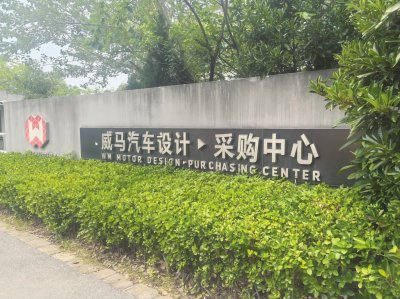
知名车企官宣:9月复工复产 两年后筹备IPO!新股东背后现“宝能系”身影!
Zheng Quan Shi Bao· 2025-09-06 23:59
Core Viewpoint - Weima Automobile is set to resume production in September after a two-year hiatus, with plans for an IPO in two years and significant backing from new shareholders and government support [1][2][3]. Group 1: Production Resumption and Future Plans - Weima Automobile announced its production resumption and a development plan from 2025 to 2030, aiming to produce 1 million vehicles and achieve revenue of 120 billion yuan by 2030 [2][3]. - The company plans to restart production of the EX5 and E5 models at its Wenzhou base, targeting annual production and sales of 20,000 units by 2025 [2][3]. - The development phases include a revival stage (2025-2026), a growth stage (2027-2028), and a crossing stage (2029-2030), with a goal to launch over 10 new models in five years [3][4]. Group 2: Financial and Operational Support - The new shareholder, Xiangfei, plans to invest 1 billion yuan initially to support equipment upgrades, supply chain recovery, and product development [4]. - The company has formed a professional team of 143 members to ensure a swift recovery of operations, with a target of expanding to a core team of 400 [4]. - Xiangfei is working with local financial institutions to secure funding for the resumption of operations and has already established communication with suppliers to resolve historical issues [2][4]. Group 3: Shareholder Background and Market Context - Xiangfei, established in September 2023, is linked to Baoneng Group, which has a history of investments in the automotive sector [5][6]. - Baoneng Group has faced financial challenges, with significant debt and legal issues, raising concerns about its ability to provide ongoing support to Weima [6]. - The competitive landscape in the electric vehicle market is intensifying, and Weima's ability to navigate these challenges while managing its debt will be critical for its survival [6].
56家资本“围猎”哪吒汽车,“双资质”成香饽饽,破产重整能否激活30万辆产能?
Hua Xia Shi Bao· 2025-08-07 10:37
Core Viewpoint - Nezha Auto, once a prominent player in the new energy vehicle sector, is experiencing a potential revival as it has resumed full salary payments to employees, signaling a recovery phase after facing severe financial distress and bankruptcy restructuring [2][3]. Group 1: Financial Challenges and Recovery Efforts - Nezha Auto's parent company, Hezhong New Energy, faced a cash flow crisis, with over 1 billion yuan in equity frozen and a bankruptcy restructuring application accepted by the court [2][3]. - Cumulative losses from 2021 to 2023 reached 18.373 billion yuan, with actual debts exceeding 10 billion yuan [3]. - The company has initiated self-rescue measures, including maintaining a core workforce of about 140 employees at its Tongxiang production base, focusing on equipment maintenance and production line adjustments [3][4]. Group 2: Strategic Restructuring and Market Position - Nezha Auto is building a three-dimensional value system through "technical assets + production capacity + market network" to attract industry capital and cross-border investors [3][4]. - The company has set strict criteria for potential investors, requiring a minimum paid-in capital of 5 billion yuan and total assets exceeding 20 billion yuan, highlighting the strategic value of its dual qualifications in new energy vehicle production [5]. - Nezha's production capacity across three bases totals 300,000 vehicles, with a well-established distribution network in lower-tier cities, which provides a competitive advantage over new entrants [5]. Group 3: Industry Context and Competitive Landscape - The new energy vehicle market is undergoing significant consolidation, with brands like Extreme E, High-end, and WM struggling, while leaders like BYD and Geely are expanding rapidly [6][7]. - Sales data shows BYD leading with 2.146 million units sold in the first half of 2025, while new entrants like Leap Motor and Xiaomi are also making notable progress [6]. - The competitive landscape emphasizes the importance of technological advancement and market insight, as companies like Xiaopeng and Huawei invest heavily in smart driving technology [6][8].
员工围堵董事长讨薪,车主维修无门,信息疑遭贩卖!哪吒汽车面临“生死”困境
Hua Xia Shi Bao· 2025-06-12 11:49
Core Viewpoint - The internal crisis at Nezha Auto has been publicly exposed, with CEO Fang Yunzhu confronted by employees demanding unpaid wages, highlighting the company's ongoing operational difficulties and financial instability [2][3][9] Group 1: Labor Disputes - Employees surrounded CEO Fang Yunzhu in the office demanding wages, indicating a severe labor dispute [2][3] - The company has implemented a work-from-home policy and restricted access to the office, suggesting a deteriorating internal environment [2] - Previous signs of trouble included mass layoffs, salary cuts, and delays in payments to suppliers, which have been ongoing since late 2024 [3] Group 2: Financial Challenges - Nezha Auto's debt restructuring plan, including a debt-to-equity swap, has reportedly failed, exacerbating financial difficulties [4] - Potential investors have indicated that the removal of Fang Yunzhu is a prerequisite for new funding, although the company has denied these claims [4] - The company's overseas operations, particularly in Thailand, are facing significant challenges, including layoffs and a shrinking dealer network [5][6] Group 3: Customer Service Issues - Customers are experiencing severe difficulties in vehicle maintenance and repair, with many service centers no longer operational [6][7] - Complaints from car owners about the unavailability of necessary parts and services have surged, indicating a collapse of the after-sales service system [6][7] - There are concerns about the unauthorized sharing of customer information with third-party repair services, raising privacy issues [7] Group 4: Industry Implications - The situation at Nezha Auto reflects broader challenges within the Chinese electric vehicle market, particularly for second-tier manufacturers facing intense competition and financial strain [8][9] - The ongoing crisis serves as a warning for the industry, highlighting the risks associated with capital depletion and strategic missteps in a rapidly evolving market [8][9]