新零售模式

Search documents
361度(01361):2025年业绩增长双位数,现金流大幅改善
Guoxin Securities· 2026-03-26 08:33
Investment Rating - The investment rating for the company is "Outperform the Market" [6][4]. Core Insights - The company is expected to achieve double-digit revenue growth of 10.6% to HKD 11.15 billion and a net profit increase of 14.0% to HKD 1.31 billion in 2025, with a maintained dividend payout ratio of 45% [1][4]. - The company has significantly improved its operating cash flow, which increased by 1067.0% year-on-year to HKD 815 million, attributed to better management of working capital [1][4]. - The company has successfully optimized its channel quality, reducing the number of adult and children's clothing stores while increasing store sizes, with a notable expansion in e-commerce channels [3][4]. Financial Performance - In the second half of 2025, the company reported a revenue growth of 10.3% and a net profit growth of 25.7%, with a net profit margin increase to 8.3% [2][4]. - The company’s gross profit margin remained stable, while the selling expense ratio decreased by 3.9 percentage points, primarily due to reduced advertising expenses [2][4]. - The company’s financial health is strong, with a projected net profit for 2026-2028 of HKD 1.48 billion, HKD 1.62 billion, and HKD 1.74 billion, reflecting growth rates of 12.9%, 9.8%, and 7.3% respectively [4][34]. Market Strategy - The company has successfully opened over 127 new premium stores, exceeding initial targets, and has integrated various instant retail channels, enhancing its market presence [3][4]. - The e-commerce channel is projected to grow by 25.9% year-on-year, maintaining a high proportion of exclusive products [3][4]. - The company is well-positioned for growth in 2026, leveraging its brand strength and continuous channel innovation [4][33].
巨亏19亿,关店2000家!曾经的“内衣大王”,如今靠卖房续命?
Sou Hu Cai Jing· 2026-02-24 14:53
Core Viewpoint - The article discusses the decline of Urban Beauty, once a leading lingerie brand in China, highlighting its rapid fall from grace due to market competition, failure to adapt to consumer preferences, and operational mismanagement [1][13][19]. Group 1: Historical Success - Urban Beauty was founded in 1998 by Zheng Yaonan, who introduced a one-stop shopping model for intimate apparel, which quickly attracted a large customer base [3][5]. - During the SARS outbreak in 2003, while many retailers closed, Zheng expanded the number of stores from a few to fifty, capitalizing on reduced rental costs, which led to significant post-crisis sales growth [5][7]. - The brand continued to thrive, reaching a peak in 2018 with revenues of 5.096 billion yuan, and became the first Chinese lingerie stock listed in Hong Kong, with a market value exceeding 18.5 billion HKD [11][13]. Group 2: Challenges and Decline - The rise of e-commerce significantly impacted Urban Beauty, as consumers shifted to online shopping, leading to a decline in foot traffic and sales [13][16]. - By 2021, Urban Beauty reported a net loss of 1.298 billion yuan, marking its first annual loss since going public, and accumulated losses exceeded 1.9 billion yuan over three years [16][17]. - The brand's failure to innovate and adapt to changing consumer preferences, particularly among younger generations, contributed to its decline, as it remained focused on traditional styles rather than modern, comfortable options [17][19]. Group 3: Attempts at Recovery - In 2021, Zheng Yaonan returned to lead the company, implementing significant reforms, including layoffs and store closures, particularly in high-rent areas [21][23]. - The company shifted its focus to lower-tier markets and introduced budget-friendly products to attract consumers [23][30]. - Urban Beauty reported a slight recovery in 2022, achieving a net profit of 14 million yuan, and further improved to 46 million yuan in 2023, aided by asset sales [24][25][30]. Group 4: Future Outlook - Urban Beauty is attempting to integrate online and offline sales through a new retail model and has engaged younger celebrities for marketing [30][32]. - The company's future remains uncertain as it strives to keep pace with evolving market trends and consumer demands [32].


东北证券:上调东方甄选为“买入”评级 从直播电商向全渠道品牌零售商的跨越转型
Zhi Tong Cai Jing· 2026-02-06 09:17
Group 1 - The core viewpoint of the report is that Dongfang Zhenxuan (01797), a live e-commerce brand developed by New Oriental Group, is expected to achieve significant growth, with projected EPS of 0.41, 0.42, and 0.81 yuan for the fiscal years 2026-2028, corresponding to PE ratios of 58X, 56X, and 29X, respectively, leading to an upgraded "buy" rating [1] - The leadership team of Dongfang Zhenxuan has a strong background within New Oriental Group, ensuring a deep understanding of operations and a robust talent pool [1] - The company is leveraging its educational resources to enhance its live streaming capabilities, with a rich team of educators providing quality hosts for its broadcasts [1] Group 2 - The company is focusing on brand retail development centered around fresh agricultural products, with over 50% of GMV from self-operated products in the first half of fiscal 2026 [2] - The company is expanding its paid membership system through its app, which enhances user retention and repurchase rates, thereby increasing customer loyalty [2] - The company is improving its supply chain through vertical integration and logistics upgrades, with plans to establish immediate retail capabilities in major cities and open its first offline flagship store in Beijing [2] Group 3 - Dongfang Zhenxuan is transitioning from live streaming to building its own product system, enhancing its SKU offerings and creating popular products to drive upstream resource integration [3] - The company is implementing a new retail model that combines online and offline channels, using live streaming as a key traffic source while offline stores serve as customer acquisition and fulfillment points [3] - The successful operation of the flagship store model in Beijing is expected to lead to rapid expansion of offline stores, significantly boosting performance [3]

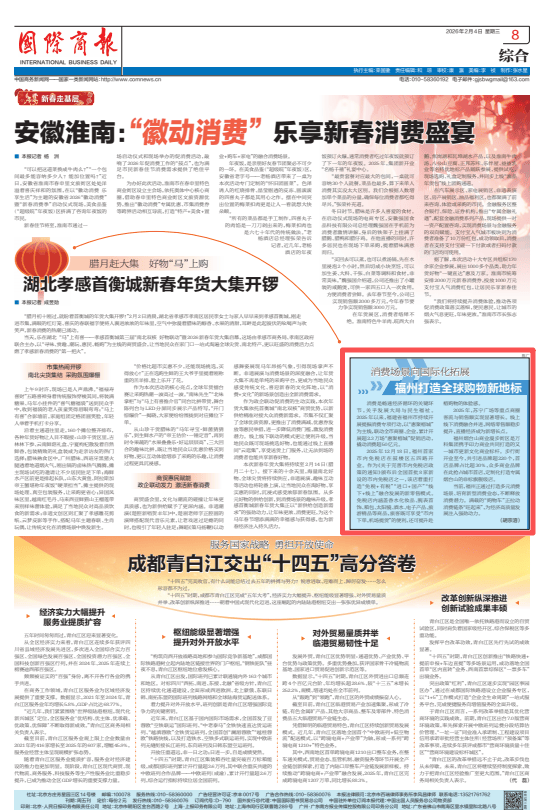
国际商报:消费场景向国际化拓展 福州打造全球购物新地标
Sou Hu Cai Jing· 2026-02-04 11:41
Group 1 - Fuzhou is actively expanding its consumption scene internationally, aiming to become a global shopping landmark [2] - Since 2025, Fuzhou has conducted over 23,000 promotional activities under the "Hui Ju Rong Cheng" initiative, generating over 5 billion yuan in consumption [2] - The first city duty-free shop in Fuzhou opened on December 18, 2025, featuring a new retail model that integrates duty-free and taxable goods, as well as online and offline shopping [5] Group 2 - Key commercial areas like Suning Plaza have seen significant growth in foot traffic and sales, with online and offline consumption merging and live-streaming becoming a new growth point [7] - The Yantai Mountain Commercial Walking Street, developed by Vanke Group and Inlife Commercial, has introduced over 220 brands, with more than 30% being flagship stores, enhancing the city's commercial landscape [9] - Fuzhou is focusing on creating diverse consumption scenarios and nurturing new consumption formats to continuously unleash consumption potential, contributing to high-quality economic development [9]
恒隆集团发布业绩报告 去年总收入约104亿港元
Jing Ji Wang· 2026-02-02 09:05
Core Viewpoint - Hang Lung Group and Hang Lung Properties reported a decline in total revenue for 2025, with a notable performance in retail leasing in mainland China, indicating a mixed recovery in the retail sector [1][2]. Financial Performance - Hang Lung Group's total revenue was approximately HKD 10.414 billion, a decrease of 11% year-on-year; basic net profit attributable to shareholders was about HKD 2.407 billion, an increase of 3%; net profit attributable to shareholders was approximately HKD 1.37 billion, a decrease of 15% [1]. - Hang Lung Properties reported total revenue of approximately HKD 9.95 billion, also down 11% year-on-year; basic net profit attributable to shareholders was about HKD 3.202 billion, an increase of 3%; net profit attributable to shareholders was approximately HKD 1.806 billion, a decrease of 16% [1]. Retail Performance - Retail commercial properties in mainland China generated revenue of approximately HKD 4.871 billion, a slight increase of 1% year-on-year, reversing the decline seen in 2024; overall occupancy rate improved by 2 percentage points to 96% by the end of 2025 [1]. - Key revenue contributors included Shanghai's Hang Lung Plaza and Port Exchange Hang Lung Plaza, which achieved rental incomes of HKD 1.661 billion and HKD 1.197 billion, respectively, with year-on-year growth of 1% and 2% [1]. - Other properties, such as Wuxi Hang Lung Plaza and Dalian Hang Lung Plaza, also saw rental income increases of over 10%, with revenues of HKD 502 million and HKD 331 million, respectively [1]. Market Challenges and Adjustments - Commercial projects in Wuhan and Shenyang faced significant challenges, with rental income declines exceeding 30% and tenant sales dropping by 23% and 54% [2]. - The CEO of Hang Lung Properties expressed optimism for 2025, noting a positive business momentum, especially in the second half of the year, with quarterly tenant sales showing a recovery trend [2]. Strategic Adjustments - In response to changing consumer habits and increased competition in high-end commercial real estate, Hang Lung Properties has made strategic adjustments, including not differentiating between high-end and mid-range malls and introducing more brands in cosmetics, dining, and services to attract foot traffic [3]. - The chairman highlighted that past growth was primarily driven by luxury goods, whereas future growth will be fueled by more mainstream dining and sports brands [3]. - The company aims to optimize its tenant mix to meet evolving consumer demands and enhance asset management capabilities to create long-term value [3].


零售回暖、办公下滑,老牌港资恒隆地产业绩仍有压力
第一财经· 2026-01-30 16:01
Core Viewpoint - The article discusses the recovery of consumer sentiment in mainland China, as reflected in the performance of Hang Lung Properties, which reported a decline in revenue but an increase in net profit, indicating a potential turnaround in the retail sector [3][6]. Group 1: Financial Performance - Hang Lung Properties reported a revenue of HKD 99.5 billion for 2025, a year-on-year decrease of 11%, while net profit attributable to shareholders was HKD 32.02 billion, up 3% year-on-year [3]. - The core revenue source, property leasing, generated HKD 93.89 billion, down 1% year-on-year, with mainland property leasing income at RMB 58.78 billion, remaining flat year-on-year [3][5]. - Retail commercial properties in mainland China saw a slight revenue increase of 1% to RMB 48.71 billion, reversing the decline seen in 2024 [5]. Group 2: Rental Performance - The overall occupancy rate improved by 2 percentage points to 96% by the end of 2025, driven by tenant optimization adjustments [5]. - Key properties like Shanghai's Hang Lung Plaza and Port Exchange contributed significantly, with rental incomes of RMB 16.61 billion and RMB 11.97 billion, reflecting growth of 1% and 2% respectively [5]. - However, properties in Wuhan and Shenyang faced challenges, with rental income declines exceeding 30% and significant drops in tenant sales [5]. Group 3: Market Trends and Adjustments - The retail environment in mainland China is showing signs of recovery, with quarterly tenant sales increasing year-on-year, particularly in the latter half of 2025 [6][7]. - New retail models and changing consumer habits are prompting Hang Lung to adapt its strategy, focusing on a broader range of brands beyond luxury goods [7]. - The company is optimistic about the upcoming retail performance, especially with the Lunar New Year sales period approaching, expecting better results compared to the previous year [7]. Group 4: Office Leasing Challenges - The office leasing segment faced significant pressure, with a revenue decline of 8% to RMB 10.05 billion and an occupancy rate drop to 79% [8][9]. - The primary tenants in Hang Lung's Grade A office buildings are foreign enterprises, and the lack of expansion from these tenants is expected to continue impacting the market [9]. - Despite short-term challenges, there is long-term confidence in the office market's recovery, driven by macroeconomic growth and potential foreign capital inflow [10].

零售回暖、办公下滑,老牌港资恒隆地产业绩仍有压力
Di Yi Cai Jing· 2026-01-30 13:24
Core Viewpoint - The retail sector in mainland China is showing signs of recovery, with Henglong Real Estate reporting a mixed performance in its 2025 financial results, indicating a shift in consumer behavior and market dynamics [1][4]. Financial Performance - Henglong Real Estate reported a revenue of HKD 99.5 billion for 2025, a decrease of 11% year-on-year, while the net profit attributable to shareholders was HKD 32.02 billion, an increase of 3% [1]. - The core revenue from property leasing was HKD 93.89 billion, down 1% year-on-year, with mainland property leasing income at HKD 64.14 billion, also down 1% [1][6]. Retail Sector Insights - Retail commercial properties are a key revenue driver, generating approximately RMB 48.71 billion, a slight increase of 1% year-on-year, reversing the decline seen in 2024 [3]. - The overall occupancy rate improved by 2 percentage points to 96% by the end of 2025, reflecting tenant optimization adjustments [3]. - Major shopping centers like Shanghai Henglong Plaza and Hongqiao Henglong Plaza contributed significantly to revenue, with rental incomes of RMB 16.61 billion and RMB 11.97 billion, respectively, showing growth of 1% and 2% [3]. Market Trends and Adjustments - The company noted a shift in consumer habits towards more cautious spending, but innovative retail models and marketing activities are stimulating demand [4]. - Henglong Real Estate is adapting by integrating more diverse brands, including cosmetics and dining, rather than relying solely on luxury brands for growth [4]. Future Outlook - The CEO expressed optimism for the retail market in early 2025, with expectations of improved performance during the Lunar New Year sales period [5]. - The company is actively expanding its portfolio, including taking over the Shanghai Jiubai Nanjing West project and preparing for the opening of a new shopping center in Hangzhou by April 2026 [5]. Office Leasing Performance - The office leasing segment faced challenges, with revenue declining by 8% to RMB 10.05 billion, and occupancy rates dropping to 79% due to intense competition and oversupply [6][7]. - The company is focused on maintaining occupancy rates and renegotiating leases with existing tenants to mitigate rental pressures [7].

知名品牌被曝跑路!失联、储值不退、人去楼空……创始人遭“悬赏”
Xin Lang Cai Jing· 2026-01-24 04:13
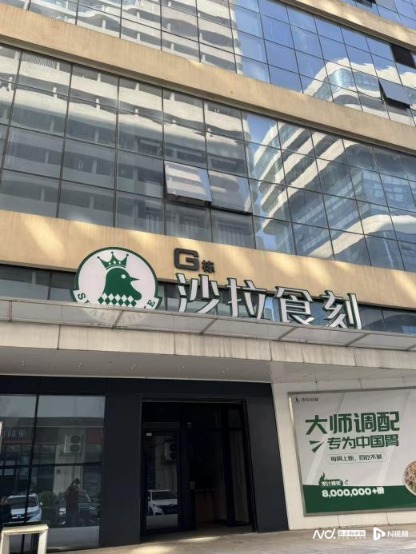
Core Viewpoint - The company "Salad Time" has faced significant backlash from consumers and franchisees due to operational failures, including the disappearance of vending machines, unfulfilled service promises, and financial insolvency, leading to bankruptcy proceedings for its parent company [3][21][22]. Company Operations - "Salad Time" was established in 2020, focusing on AI vending machines for healthy food options, and expanded rapidly with significant capital investment, including a notable endorsement from celebrity Jay Chou [10][14]. - The company had ambitious growth plans, aiming to deploy 100,000 vending machines by 2025, but faced operational challenges and market misjudgments that led to ineffective locations and increased pressure on operations [13][14]. Financial Issues - The company has been reported to have a strained financial situation, with delayed salary payments to employees and unresolved financial obligations to franchisees, leading to legal actions against it [15][20][18]. - Despite securing multiple rounds of funding, the rapid expansion and high operational costs have resulted in a cash flow crisis, ultimately leading to bankruptcy [14][22]. Consumer and Franchisee Reactions - Consumers have expressed frustration over unrefunded prepaid balances and poor customer service, with many vending machines reported as non-operational [5][17]. - Franchisees have reported significant losses, with some facing legal battles to recover investments and unpaid earnings, highlighting the company's failure to meet contractual obligations [17][18][20]. Legal Proceedings - The parent company has entered bankruptcy proceedings, and the founder has been subject to a public reward notice for information regarding his assets due to outstanding debts [22][23]. - Legal experts suggest that the operations of the subsidiary "Shenzhen Chef Easy Era" may be scrutinized for potential asset concealment and evasion of financial responsibilities [27].
被曝跑路,老板遭“悬赏”!周杰伦曾代言,一现象级品牌申请破产
Nan Fang Du Shi Bao· 2026-01-23 05:08
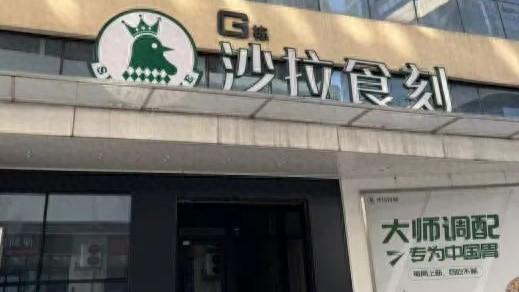
Core Viewpoint - The company "Salad Time" has faced significant backlash from consumers and franchisees due to operational failures, including the disappearance of vending machines and unfulfilled service commitments, leading to bankruptcy proceedings for its main operating entity [2][11][16]. Group 1: Company Operations and Financial Status - "Salad Time" has seen its smart vending machines largely out of service, with many locations reported as permanently closed or non-operational, resulting in consumer complaints about unrefunded stored value balances [3][4][11]. - The company has applied for bankruptcy, with its main operating entity, Salad Time (Guangdong) Food Technology Co., Ltd., entering judicial proceedings, while its wholly-owned subsidiary, Shenzhen Chuyi Times Food Technology Co., Ltd., continues to open new stores [2][16]. - The rapid expansion and operational mismanagement have led to a cash flow crisis, with significant investments in marketing and infrastructure failing to yield timely returns [11][12]. Group 2: Franchisee and Employee Issues - Franchisees have reported severe delays in revenue sharing and refunds, with some taking legal action due to unfulfilled financial commitments from the company [12][14]. - Employees have also faced delayed salary payments, with some reporting unpaid wages for up to nine months, leading to widespread dissatisfaction and calls for accountability [12][14][16]. - The company's promises to resolve these financial issues have not materialized, further exacerbating the operational crisis and damaging its reputation [16][19]. Group 3: Market Position and Future Prospects - "Salad Time" was initially positioned as a high-value brand in the light meal sector, leveraging AI vending machines to serve urban professionals, but its market strategy has faltered due to poor demand forecasting and ineffective site placements [9][11]. - Despite previous successes, including significant funding and celebrity endorsements, the brand's operational model has proven unsustainable, leading to its current predicament [10][11].
现象级品牌破产跑路,老板遭“悬赏”!周杰伦曾代言
Nan Fang Du Shi Bao· 2026-01-23 04:24
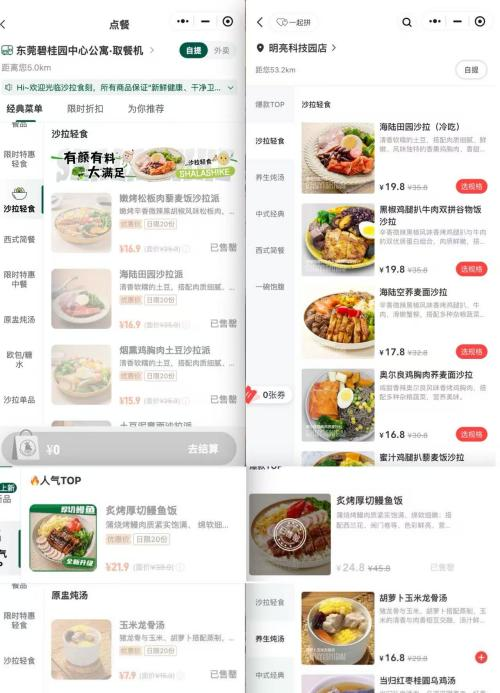
Core Viewpoint - The company "Salad Time" has faced significant backlash from consumers and franchisees due to operational failures, including the disappearance of vending machines and inability to refund stored value balances, leading to its bankruptcy application [1][31]. Group 1: Company Operations and Financial Status - "Salad Time" has seen its smart vending machines largely out of service across multiple cities, with complaints focusing on unfulfilled orders and unrefunded stored value [3][24]. - The company has applied for bankruptcy, with its operational entity "Salad Time (Guangdong) Food Technology Co., Ltd." entering judicial proceedings [31][34]. - Despite the bankruptcy, the wholly-owned subsidiary "Shenzhen Chuyi Times Food Technology Co., Ltd." has opened new stores, raising questions about asset concealment [1][35]. Group 2: Expansion and Investment History - Founded in 2020, "Salad Time" rapidly expanded its presence in the Guangdong-Hong Kong-Macau Greater Bay Area, leveraging AI vending machines to offer a variety of meals at competitive prices [17][22]. - The company received significant funding, including a 100 million yuan A-round investment and a 50 million yuan A+ round, and secured celebrity endorsement from Jay Chou [19][22]. - At its peak, "Salad Time" aimed to deploy 100,000 AI vending machines within five years, serving millions of users daily [22]. Group 3: Franchisee and Employee Issues - Franchisees have reported difficulties in receiving timely revenue shares, with many facing significant financial losses due to the company's operational misjudgments [24][29]. - Employees have experienced delayed salary payments, with some reporting unpaid wages for up to nine months, leading to widespread dissatisfaction [27][31]. - Legal actions have been initiated by franchisees and employees against the company for unpaid dues and contractual breaches [30][31].