
粮食产能提升

Search documents
从政府工作报告的一组数据,看民生保障持续加力
券商中国· 2026-03-05 11:52
Employment - The urban survey unemployment rate is projected to be around 5.5% by 2026, with over 12 million new urban jobs expected to be created [2] - Actions will be implemented to stabilize jobs in labor-intensive industries and to cultivate new jobs in emerging and future industries [2] Income - The economic growth target for this year is set between 4.5% and 5%, with resident income growth expected to align with economic growth [3] - A plan will be developed to increase income for urban and rural residents, focusing on low-income groups and enhancing property income, salary, and social security systems [3][4] Consumption - A special action plan will be implemented to boost consumption [5] - In 2026, 250 billion yuan will be allocated for long-term special government bonds to support the replacement of consumer goods [6] - A special fund of 100 billion yuan will be established to promote domestic demand, expanding personal consumption loans and service industry loan interest subsidies [6] Education - Conditions for participating in the high school entrance examination will be relaxed based on local circumstances [8] - There will be adjustments in the allocation of educational resources and an increase in the supply of ordinary high school places [9][10] - The enrollment scale for quality undergraduate education will continue to expand [11] - By the end of the "14th Five-Year Plan" period, the average years of education for the labor force is expected to increase to 11.7 years [12] Healthcare - A health-first development strategy will be implemented, establishing a comprehensive health promotion policy system [13] - By 2026, the per capita financial subsidy standard for resident health insurance will increase by 24 yuan [14] - A multi-tiered medical security system will be established, promoting the development of commercial health insurance and high-quality innovation in drugs and medical devices [15][16] - The average life expectancy is projected to increase to 80 years by the end of the "14th Five-Year Plan" period [17] Pension - By 2026, the minimum monthly standard for urban and rural residents' basic pensions will increase by 20 yuan [18] - A nationwide coordination system for basic pension insurance will be improved and implemented [19] - A national strategy to actively respond to population aging will be deeply implemented, expanding the supply of inclusive elderly care services [20] - The proportion of nursing beds in elderly care institutions is expected to increase to 73% by the end of the "14th Five-Year Plan" period [21] Agriculture - A new round of actions to enhance grain production capacity will be implemented, targeting an output of approximately 1.4 trillion jin by 2026 [22][23] Rural Development - A second round of land contract extensions for 30 years will be comprehensively carried out after the expiration of the current contracts [24] - Continuous improvement of rural living environments will be prioritized, addressing issues such as toilet renovations and waste management [25][26] Major Projects in Livelihood - During the "14th Five-Year Plan" period, 25 major projects will be proposed to ensure and improve people's livelihoods, focusing on cultural prosperity, high-quality education, health, and social care services [27]

守牢国家粮食安全底线 强调“三个一起抓”
Yang Shi Xin Wen Ke Hu Duan· 2026-02-04 04:34
Group 1 - The central government's focus this year is on ensuring national food security, emphasizing the need to simultaneously enhance production capacity, ecological production, and increase both yield and income [1] - The target for grain production is to maintain stability at around 1.4 trillion jin, with efforts to improve both the quantity and quality of agricultural products [2] - There is a push for agricultural capacity enhancement through the implementation of a new round of actions aimed at solidifying the foundation of food production, leveraging both arable land and technological advancements [2] Group 2 - The strategy includes optimizing planting structures and regional layouts to improve the quality of grain varieties and ensure they meet market demands [2] - Strengthening disaster prevention and mitigation measures is crucial, with a focus on enhancing monitoring, irrigation infrastructure, and emergency response systems to better cope with extreme weather [2]
2026年将如何进一步抓好粮食生产,保护好粮袋子?农业农村部回应
Xin Lang Cai Jing· 2026-01-22 04:45
Core Viewpoint - The Chinese government is committed to enhancing agricultural modernization and ensuring food security by implementing a series of measures aimed at increasing grain production and improving agricultural efficiency by 2026 [1][2]. Group 1: Grain Production Strategy - The government plans to maintain stable grain planting areas by enforcing responsibilities at the provincial level for land protection and food security [1]. - There will be an emphasis on increasing yield per unit area by promoting advanced agricultural practices and technologies, such as high-performance planting and harvesting equipment [1]. - The strategy includes optimizing the structure of grain production by focusing on high-quality varieties and enhancing the quality of crops to meet market demands [1]. Group 2: Efficiency and Disaster Management - The government aims to enhance efficiency through supportive policies, including price subsidies and insurance, to incentivize farmers and local authorities in grain production [1]. - Disaster risk management will be improved by upgrading irrigation infrastructure and establishing emergency response centers to minimize losses from natural disasters [2]. - Continuous monitoring and management of winter wheat crops will be prioritized to ensure a strong foundation for summer grain harvests, especially after adverse weather conditions [2].
豆一:市场情绪好转,期价创下阶段高点
Guo Tai Jun An Qi Huo· 2026-01-13 11:19
Group 1: Report Industry Investment Rating - No information provided in the report Group 2: Core Viewpoints - The domestic soybean market has improved, and the soybean price center has shifted upward. On January 7, 2026, the soybean futures price reached a nearly 16 - month high, and the futures market activity continued to increase [1][29]. - The improvement is due to two main reasons: the better situation in the soybean spot market since 2025, including good auction results, the "low - opening and high - running" price of new - season Northeast soybeans, and the increase in both market and state - reserve purchase prices; and the strong policy sentiment, with industrial policies emphasizing key points to support the soybean industry's development, and the trading sentiment on the market being strong in response to policies. The policy sentiment boosts the trading sentiment and pushes up the price [1][29]. Group 3: Summary of Each Section 1. Soybean Futures Price Reaches a Phased High - On January 7, 2026, the closing price of the main 2605 contract of soybean futures was 4404 yuan/ton, reaching the highest point since mid - August 2024 [3]. - In 2025, the annual total trading volume of soybean futures was about 47.71 million lots (a year - on - year increase of about 65%), and the average daily trading volume was about 200,000 tons (a year - on - year increase of about 64%), both reaching the highest since 2022. As of the week of January 9, 2026, the average daily trading volume climbed to the highest since 2021 [3]. - In 2025, the average daily open interest of soybean futures was about 320,000 lots, a year - on - year increase of about 49%, reaching a new high since 2021. As of the week of January 9, 2026, it was about 370,000 lots, hitting a new high [3]. 2. Improvement in the Spot Market - **Good Auction Results**: In 2025, the total auction volume of domestic soybeans was about 1.61 million tons, the highest since 2021. The state - reserve soybeans were auctioned 26 times, with 23 successful auctions and 3 failures, and the average success rate was about 47%. Nearly half of the auctions were at a premium, and the last three auctions in December 2025 were all at a premium of 64 - 95 yuan/ton, with a significant increase in the success rate [8][13]. - **"Low - opening and High - running" Price of New - season Northeast Soybeans**: In the week of October 10, 2025, the purchase price of clean soybeans in some Northeast areas dropped by 40 - 120 yuan/ton compared with the end of September. Then the price rebounded. As of the week of January 9, 2026, the price in the Northeast production area was 4260 - 4360 yuan/ton, a 440 - yuan/ton increase compared with the week of October 10, 2025. The price performance in 2025 was better than that in the same period of 2024 [13]. - **Increase in Market Purchase Price**: In 2025, the purchase price of new - season Northeast soybeans by some market enterprises was higher than that in the same period of 2024 and was in an upward trend. For example, on September 29, 2025, "Nehe Xiangyu Agricultural Products Co., Ltd." raised the purchase price to 1.92 yuan/jin, higher than the 1.9 yuan/jin in mid - October 2024, and it was further raised to 1.99 yuan/jin by November 9, 2025 [16]. - **Increase in State - reserve Purchase Price**: In 2025, the state - reserve purchase price was slightly increased. On November 3, 2025, the purchase prices for different protein levels were announced. On November 28, 2025, Suihua Direct Warehouse slightly raised the price, and on December 24, 2025, both the Hulunbuir Reserve Co., Ltd. and Suihua Direct Warehouse raised the purchase price again, with the state - reserve purchase price being higher than the market price and having a positive impact [20]. 3. Strong Policy Sentiment - **Industrial Policy**: Since the new soybeans were launched in mid - September 2025, domestic policies have supported the development of the soybean industry. Key points such as "grain production capacity improvement", "quality improvement", etc. were emphasized to support the development of the domestic soybean industry [23][24]. - **Trade Policy**: The domestic market also trades on changes in import soybean policies, such as Sino - US tariff policies and soybean import policies, due to the competitive pressure of imported soybeans on domestic soybeans [24]. - **Reserve Policy**: The domestic soybean auction rhythm affects short - term supply and market sentiment, and the market also trades on this [24]. 4. Conclusion - The domestic soybean market has improved, and the soybean price center has shifted upward. The improvement is due to the better situation in the spot market and strong policy sentiment. The policy can play a role in guiding the supply - demand relationship of the domestic soybean market and promoting the sustainable development of the industry. Later, attention should be paid to the No. 1 Central Document, the auction rhythm, and the selling pressure of farmers after the Spring Festival [1][29].
推进乡村全面振兴 今年我国将部署这些工作
Yang Shi Xin Wen· 2026-01-11 23:21
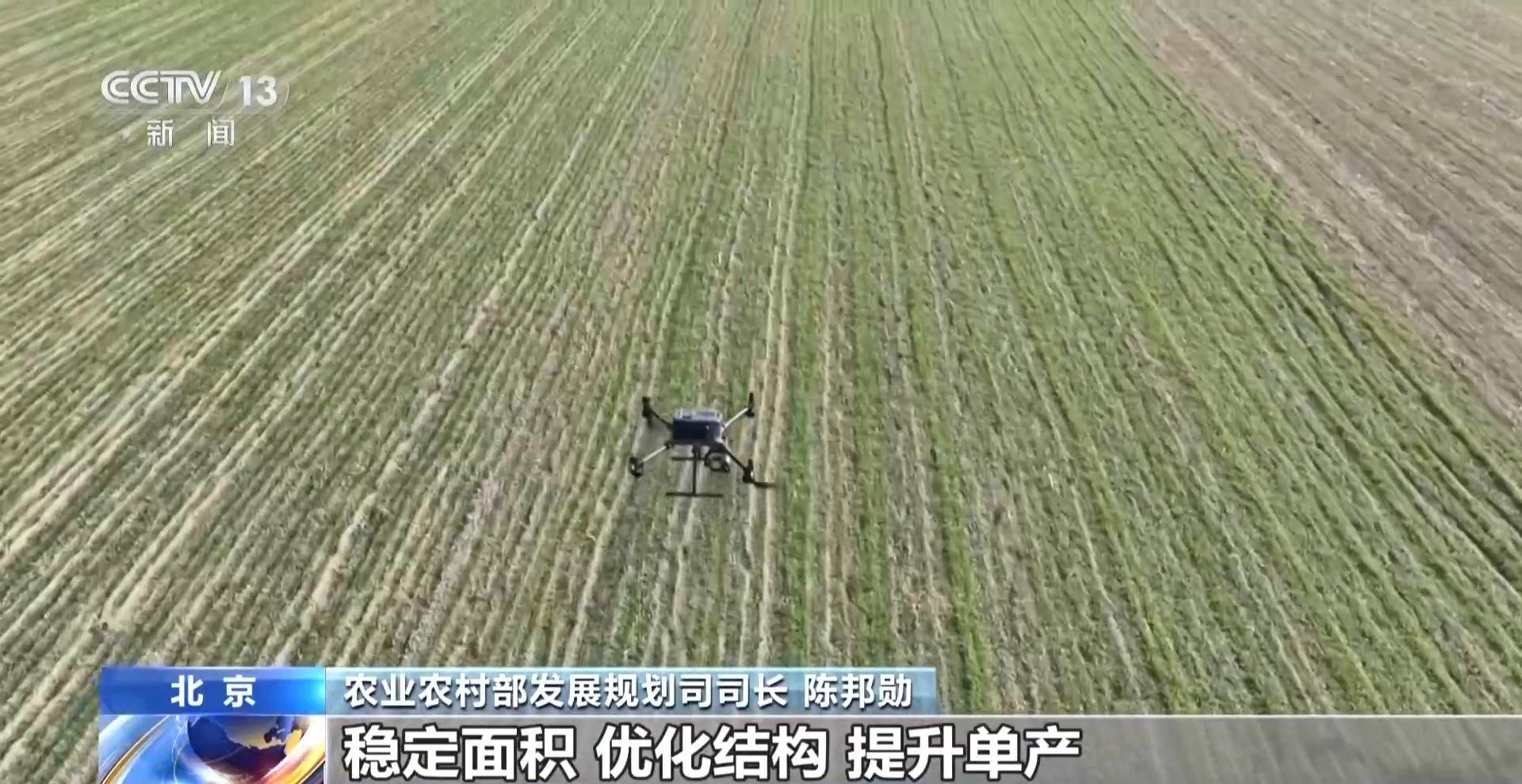
Group 1 - The core focus for the year is to enhance agricultural production capacity and quality efficiency, with a significant push for increased yield in grain and oil crops, and high-standard farmland construction [1][3] - The Ministry of Agriculture and Rural Affairs emphasizes the importance of stabilizing grain production and ensuring the supply of important agricultural products, implementing a new round of actions aimed at increasing grain production capacity by 1 billion jin [3] - There will be a transition to a normalized and precise assistance phase to consolidate and expand the achievements of poverty alleviation, with measures to prevent a return to poverty being established [3] Group 2 - The initiative includes modernizing facility agriculture and expanding food production space comprehensively [1] - The focus will also be on creating livable and workable rural areas, with a second round of land contract extensions being piloted for 30 years after expiration [3] - The Ministry aims to optimize agricultural structure and enhance yield per unit area while maintaining stability in agricultural land area [3]
详解中央农村工作会议:盘活各类农村资源,促进农民稳定增收
2 1 Shi Ji Jing Ji Bao Dao· 2025-12-31 10:46
Core Viewpoint - The Central Rural Work Conference emphasizes the importance of agricultural and rural modernization as a key component of China's overall modernization strategy, setting the stage for the 2026 agricultural work plan and focusing on food security and poverty alleviation efforts [3][4]. Group 1: Agricultural Production and Food Security - The conference highlights the need to stabilize grain and oil production and implement a new round of actions to enhance grain production capacity, aiming for a total grain output of 14,298 billion jin in 2025, marking a historical high and ensuring food security [5][6]. - China has achieved a per capita grain availability of 500 kg, surpassing the international safety line of 400 kg, but faces ongoing supply-demand imbalances that necessitate further enhancements in grain production capacity [5][6]. Group 2: Poverty Alleviation and Rural Revitalization - The conference introduces a new mechanism for integrating regular assistance into the rural revitalization strategy, transitioning from concentrated efforts to long-term mechanisms for consolidating poverty alleviation achievements [4][8]. - It emphasizes the establishment of a regular mechanism to prevent large-scale poverty and the need for a comprehensive policy framework to support underdeveloped areas, ensuring that poverty alleviation efforts are sustained and integrated with rural revitalization [8][9]. Group 3: Rural Reform and Land Policy - The conference calls for deepening rural reforms, including a comprehensive trial for extending land contracts for another 30 years, which aims to enhance the stability of land tenure and encourage long-term agricultural investment [10][11]. - The focus shifts from localized trials to systematic promotion of land contract extensions, addressing common issues across regions and enhancing the vitality of rural resources through innovative financing mechanisms [10][11]. Group 4: Policy Effectiveness and Support Mechanisms - The emphasis on improving the effectiveness of agricultural support policies aims to address fragmentation in policy implementation, streamline processes, and ensure that support reaches farmers effectively [7]. - Future policies are expected to focus on precision, diversification, and sustainability, with a shift from universal subsidies to targeted support for key agricultural stakeholders and the establishment of price stabilization mechanisms for essential agricultural products [7][8].
加力实施新一轮千亿斤粮食产能提升行动 培育壮大县域富民产业中央农村工作会议划定2026年“三农”重点任务
Xin Lang Cai Jing· 2025-12-30 20:11
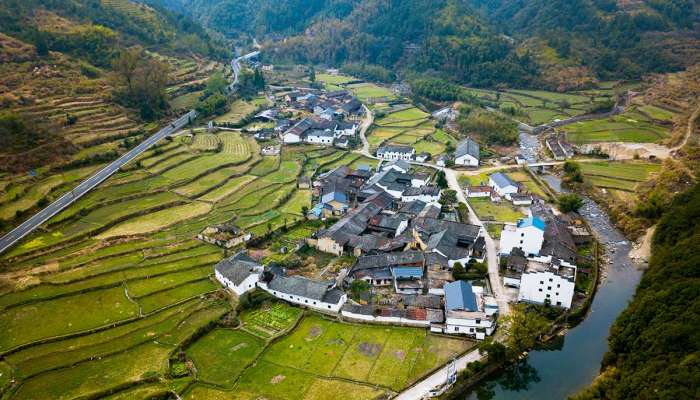
Group 1 - The central rural work conference held in Beijing from December 29 to 30 analyzed the current situation and challenges facing the "three rural issues" and outlined tasks for 2026, emphasizing the need to accelerate the construction of a strong agricultural nation [1][2] - Key tasks for 2026 include implementing a new round of actions to increase grain production capacity by 100 billion jin, establishing a mechanism to prevent poverty, ensuring farmers' income from grain production, and fostering county-level industries to increase wealth [1][2] - The conference highlighted the importance of stabilizing grain and oil production, with national grain output reaching 1.43 trillion jin in 2025, a 1.2% increase from the previous year, marking a new high following the first achievement of over 1.4 trillion jin [1][2] Group 2 - The meeting called for a series of measures to enhance grain production capacity, protect arable land, and improve agricultural technology, including the promotion of high-yielding crop varieties and quality enhancement [2] - Recent efforts have focused on increasing yield per unit area, with the national grain yield per mu reaching 394.7 kg, an increase of 12.5 kg compared to the end of the 13th Five-Year Plan, contributing over 60% to the growth in grain production [2] - The shift in the national grain security strategy emphasizes moving from ensuring quantity safety to enhancing capacity and optimizing quality, indicating a need for continuous and urgent efforts in grain security [2][3] Group 3 - Future efforts in arable land protection and quality improvement will focus on maintaining the quantity of arable land, adhering to the protection red line of 1.8 billion mu, and enhancing quality through high-standard farmland construction [3] - The strategy includes addressing issues related to the non-agricultural and non-grain use of arable land, as well as rehabilitating abandoned land [3]
(乡村行·看振兴)山西闻喜:500亩示范田达产 “吨半粮”技术走出试验田
Zhong Guo Xin Wen Wang· 2025-11-02 06:06
Core Insights - The article highlights the successful implementation of high-yield agricultural technology in Shanxi Province, achieving a combined annual yield of 1,598 kg per mu for summer corn and winter wheat, marking a significant milestone in grain production capacity enhancement [1][2] Group 1: Agricultural Technology Implementation - The breakthrough in the 500-acre demonstration field is attributed to the integration of six core technologies, including early sowing of summer corn, precise water and fertilizer management, and comprehensive pest control [2] - The technology not only focuses on high yield but also emphasizes green efficiency, establishing a scientific foundation for stable and high yields of summer corn and annual grain production [2] Group 2: Training and Promotion - The research team is actively promoting the technology through training sessions for local farmers, providing practical guidelines to help them master key techniques for high-quality late sowing of winter wheat [2] - The initiative aims to build a three-tiered promotion chain involving experts, technicians, and farmers, reinforcing technological support for Shanxi Province's new round of grain production capacity enhancement actions [2]
全国夏粮实现稳产丰收(锐财经)
Ren Min Ri Bao· 2025-07-10 21:18
Core Insights - The summer grain production in 2025 is projected to be stable, with a total yield of 299.48 billion jin, a slight decrease of 0.1% compared to the previous year, despite severe drought conditions in key production areas [1][2] Group 1: Production Area and Yield - The summer grain planting area remains stable, with 20 out of 25 provinces increasing their planting area, while regions like Henan and Shaanxi experienced reductions due to drought [2] - The summer grain yield per mu is 375.6 kg, showing a marginal increase of 0.1 kg from last year, indicating overall stability in production despite adverse weather conditions [4] Group 2: Policy Support and Technological Advancements - The government has reinforced production responsibilities and policies to ensure food security, including increasing the minimum purchase price for wheat and expanding insurance coverage for farmers [2][5] - Technological innovations in agriculture, such as the use of high-standard farmland and advanced machinery, have significantly improved efficiency and productivity in grain production [4][5] Group 3: Weather Conditions and Crop Management - Favorable weather conditions during critical growth periods have contributed to high-quality wheat emergence and growth, mitigating the impact of drought [6][7] - The implementation of comprehensive management services in farming, including precision fertilization and pest control, has enhanced crop yields and farmer confidence [4][5] Group 4: Future Directions - The Ministry of Agriculture plans to enhance guidance for agricultural enterprises and improve grain production capacity, focusing on modern agricultural management systems to support smallholder farmers [8]
全国夏粮小麦收获进度过半 为全年丰产丰收打好基础
news flash· 2025-06-05 13:01
Core Viewpoint - The national summer grain wheat harvest has surpassed the halfway mark, with large-scale mechanized harvesting continuing to progress northward, indicating a strong agricultural output for the season [1] Group 1: Harvest Progress - As of now, 1.82 million acres of wheat have been harvested nationwide, with the overall progress exceeding 50% [1] - Major provinces such as Hubei and Sichuan have completed their wheat harvest, while Anhui and Henan are also nearing completion [1] Group 2: Regional Focus - In Shandong Province, known as the "Qi Lu Granary," over 60 million acres of wheat are undergoing large-scale mechanized harvesting, expected to last for 7 to 10 days [1] - Shandong is focusing on enhancing grain production through six major crop yield improvement areas, including "De Liao Tun Ban Grain" and "Yellow Triangle," to boost overall grain capacity [1]