
经济损失

Search documents
抗议升级影响希腊经济稳定
Jing Ji Ri Bao· 2026-01-15 21:32
Core Viewpoint - The ongoing protests by Greek farmers and livestock producers, which began in late November 2025, are significantly impacting the country's economy, particularly in transportation and tourism sectors, due to high production costs and delayed agricultural subsidies [1][2][3]. Group 1: Protests and Economic Impact - The protests have led to the blockage of over 60 roads across Greece, severely disrupting transportation and causing significant traffic congestion, especially affecting routes to tourist destinations [1][2]. - The protests coincide with the peak Christmas and New Year tourism season, negatively impacting winter tourism, with many tourists canceling or altering their plans due to road closures [2]. - The ongoing protests are creating cost pressures on the Greek economy, with logistics costs rising by 15%, which could lead to broader inflation risks if the situation persists [3]. Group 2: Government Response - The Greek government has announced measures to address the farmers' grievances, including increased energy subsidies, reduced agricultural electricity prices, and the cancellation of fuel taxes for agricultural diesel [4]. - A total of €160 million in direct financial support will be provided to farmers, with a focus on livestock and key crops, and overall agricultural subsidies for 2025 are set to reach €3.82 billion, a 13% increase from 2024 [4]. - The government is also expanding agricultural insurance compensation and establishing a bipartisan committee to address long-standing issues in the agricultural sector [4].
美政府进入“后停摆”时期 经济民生“坏账”难修补
Yang Shi Xin Wen· 2025-11-14 02:40
Economic Impact - The U.S. government shutdown lasted for 43 days, leading to significant economic losses and a projected decline in GDP growth for Q4 [1][2] - The International Monetary Fund (IMF) noted signs of economic weakness, with Q4 GDP growth expected to be below the previously forecasted 1.9% [2] - The White House's National Economic Council Director, Kevin Hassett, predicted a 1.5 percentage point decrease in GDP growth for Q4, indicating a potential loss greater than halving the GDP growth rate [2] Job Market Effects - The shutdown is estimated to have resulted in the loss of approximately 60,000 private sector jobs due to reduced output [6] - The full impact on the labor market will be clearer in the coming weeks with the release of employment reports and unemployment claims data [6] Aviation Sector - The shutdown had a pronounced effect on the aviation system, with over 1,000 flights canceled on the day the government reopened, and nearly 400 flights canceled for the following day [7] - More than 5 million travelers were affected by flight delays or cancellations during the shutdown, with long-term implications for the aviation sector's development [7] - Air traffic controller shortages were exacerbated, with a significant increase in retirements during the shutdown, complicating future staffing and training efforts [7] Social Welfare Impact - The shutdown led to the suspension of the Supplemental Nutrition Assistance Program (SNAP), affecting around 42 million low-income individuals [8] - Many federal employees faced delayed wages, with some relying on food assistance programs during the shutdown [9] Political Landscape - The temporary budget agreement reached only extends government operations until January 30, indicating a potential for another shutdown in the near future [10] - Core disputes remain unresolved, particularly regarding healthcare subsidies, which could continue to fuel political tensions between the parties [10][12] - The shutdown's end is viewed as a pause in political conflict rather than a resolution, with ongoing concerns about future governance stability [12]

美联邦政府结束停摆 但重启时间或达一周以上
智通财经网· 2025-11-13 06:56
Group 1 - The U.S. federal government has ended a 43-day shutdown after President Trump signed a temporary funding bill, allowing most government agencies to operate until January 30, 2026 [1] - Federal employees will return to work, but the payroll system needs updates to compensate for wages lost during the shutdown, with payments expected to begin as early as Saturday [2] - The economic impact of the shutdown is significant, with estimates suggesting a loss of approximately $10 billion to $15 billion for each week of closure, and some losses may be irrecoverable [3] Group 2 - The shutdown has caused delays in the release of key economic data, including the non-farm payroll report and consumer price index, which may not be published on time due to the halt in data collection [3] - The Supplemental Nutrition Assistance Program (SNAP) will resume normal operations, but states may require up to a week to update beneficiary records and recharge benefit cards [2] - The aviation sector anticipates a smooth Thanksgiving travel period, with air traffic controllers expected to receive about 70% of their back pay within 24 to 48 hours after the government reopens [2]
飓风“梅利莎”重创牙买加 经济损失达去年GDP三成
Xin Hua She· 2025-11-05 08:05
Core Insights - Hurricane "Melissa" has caused economic losses equivalent to one-third of Jamaica's GDP from last year [1] - Estimated losses from housing and critical infrastructure range from $60 billion to $70 billion, representing 28% to 32% of last year's GDP [1] - Short-term economic output is expected to decline by 8% to 13% due to the hurricane's impact [1] Economic Impact - The total economic loss in the Caribbean region from Hurricane "Melissa" is estimated to be between $48 billion and $52 billion [2] - The hurricane has resulted in at least 75 fatalities, including 32 individuals from Jamaica [2] Government Response - The Jamaican government plans to rebuild infrastructure with a focus on resilience against future storms [1] - There are concerns that post-disaster reconstruction spending may increase national debt, prompting the government to initiate an emergency plan [1] Sector-Specific Effects - The agricultural sector has been severely affected by consecutive hurricanes, potentially leading to increased food prices [1] - The tourism sector, particularly in core areas of Jamaica, has also been impacted, resulting in job losses for thousands of workers [1]
美政府关门影响几何?CBO:已致180亿美元经济损失,近一半无法恢复
Feng Huang Wang· 2025-10-30 00:44
Core Points - The U.S. Congressional Budget Office (CBO) warns that the government shutdown has caused at least $18 billion in economic losses, with potential for further increases in the coming weeks [1] - The CBO estimates that 70 to 140 million dollars of the GDP impact will be permanent, depending on the duration of the shutdown [2] Economic Impact - The CBO reports that the GDP for the fourth quarter has already decreased by at least 1% due to the shutdown [2] - If the shutdown lasts six weeks, the GDP growth could be reduced by 1.5%, equating to a loss of $28 billion [2] - An eight-week shutdown could lead to a 2% decrease in actual GDP, resulting in a loss of $39 billion [2] Employment Effects - Approximately 650,000 federal employees have been furloughed due to the shutdown, which could increase the unemployment rate by 0.4 percentage points in October, marking the largest monthly increase since the pandemic began [3]
美国国会预算办公室预估:美国政府停摆已造成180亿美元的经济损失
Hua Er Jie Jian Wen· 2025-10-29 20:15
Core Insights - The U.S. government shutdown is causing significant economic damage, with the Congressional Budget Office (CBO) estimating a loss of at least $18 billion this year, with $7 billion to $14 billion expected to be irretrievable depending on the duration of the shutdown [1] - If the shutdown extends into the sixth week, the actual GDP growth for Q4 is projected to be 1.5 percentage points lower than normal, equating to a loss of $28 billion in economic output [1] - A shutdown lasting eight weeks could increase the GDP impact to a 2% decline, resulting in a $39 billion loss [1] Economic Activity Impact - The CBO identifies several channels through which the government shutdown is dragging down overall economic activity, including reduced services from federal employees, decreased output in the private sector due to interrupted government contracts, and a reduction in government spending on goods, services, and food assistance [3] - Approximately 650,000 federal employees are currently on unpaid leave, which could push the unemployment rate up by 0.4 percentage points in October, marking the largest single-month increase since the pandemic began [1]
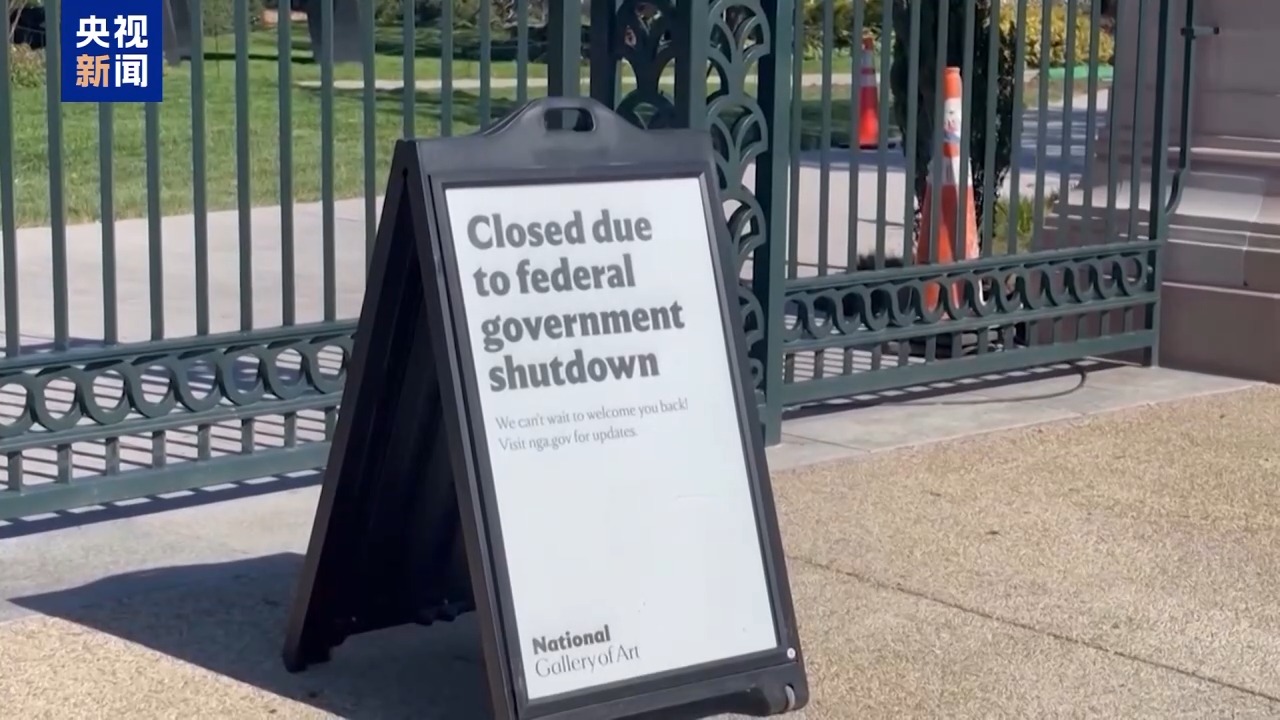
美国政府已停摆18天 联邦雇员有的靠兼职糊口 有的延迟还贷 “关门”时长恐创纪录,两党僵局如何打破
Mei Ri Jing Ji Xin Wen· 2025-10-18 04:33
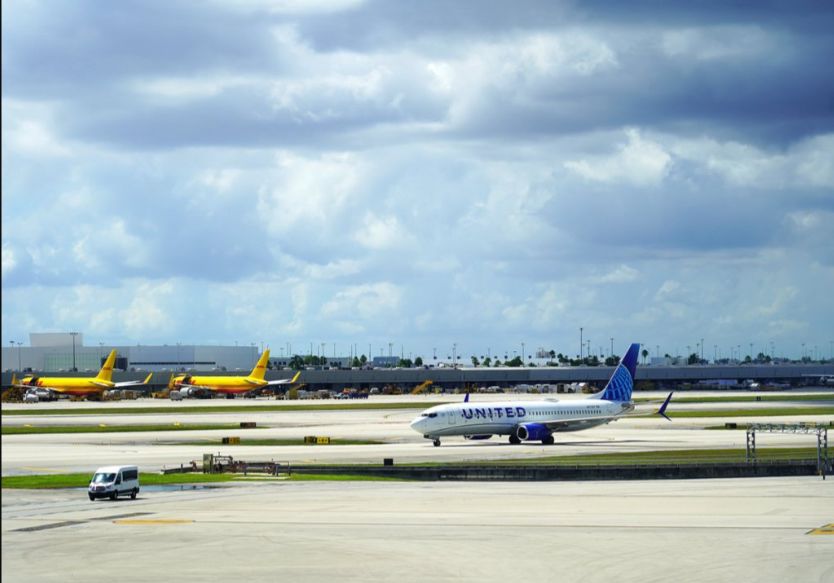
Group 1: Government Shutdown Impact - The U.S. government shutdown has entered its third week, with the Senate failing to pass a temporary funding bill for the tenth time, leading to significant socio-economic repercussions affecting nearly one million families and key industries [1][8] - The estimated economic loss due to the shutdown is approximately $15 billion per week, with severe impacts on various sectors, particularly transportation and housing [4][9] - The ongoing political deadlock between the two parties in Washington is deepening, with both sides unwilling to compromise, raising concerns that this could become the longest government shutdown in U.S. history [1][8] Group 2: Federal Employees' Struggles - Approximately 700,000 to 750,000 federal employees have been furloughed, while hundreds of thousands of essential workers are forced to work without pay, leading to financial strain and uncertainty for many families [2][3] - Many federal employees are seeking side jobs to compensate for lost income, with some taking on multiple gigs to make ends meet during the shutdown [3][4] Group 3: Sector-Specific Consequences - The transportation sector is experiencing chaos due to a shortage of air traffic controllers, resulting in significant flight delays and cancellations, with over 8,200 flights affected on a single day [4][6] - The real estate market is facing uncertainty as federal programs, including the National Flood Insurance Program and various mortgage approval processes, are stalled, potentially delaying or halting home transactions [6][7] - Public services, including museums and cultural institutions, are closed, impacting local economies and tourism, with some businesses reporting a drop in revenue of over 50% [6][7] Group 4: Broader Economic Implications - The shutdown is expected to have a cascading effect on the economy, with potential long-term damage to consumer confidence and spending, which could exacerbate the economic downturn [9][10] - Predictions indicate that if the shutdown continues, consumer spending losses could reach $30 billion, and unemployment rates may rise from 4.3% to 4.8% [9][10]
美政府“停摆”已超半月 孕育“新历史纪录” 两党却还斗得火热
Yang Shi Xin Wen· 2025-10-17 04:42
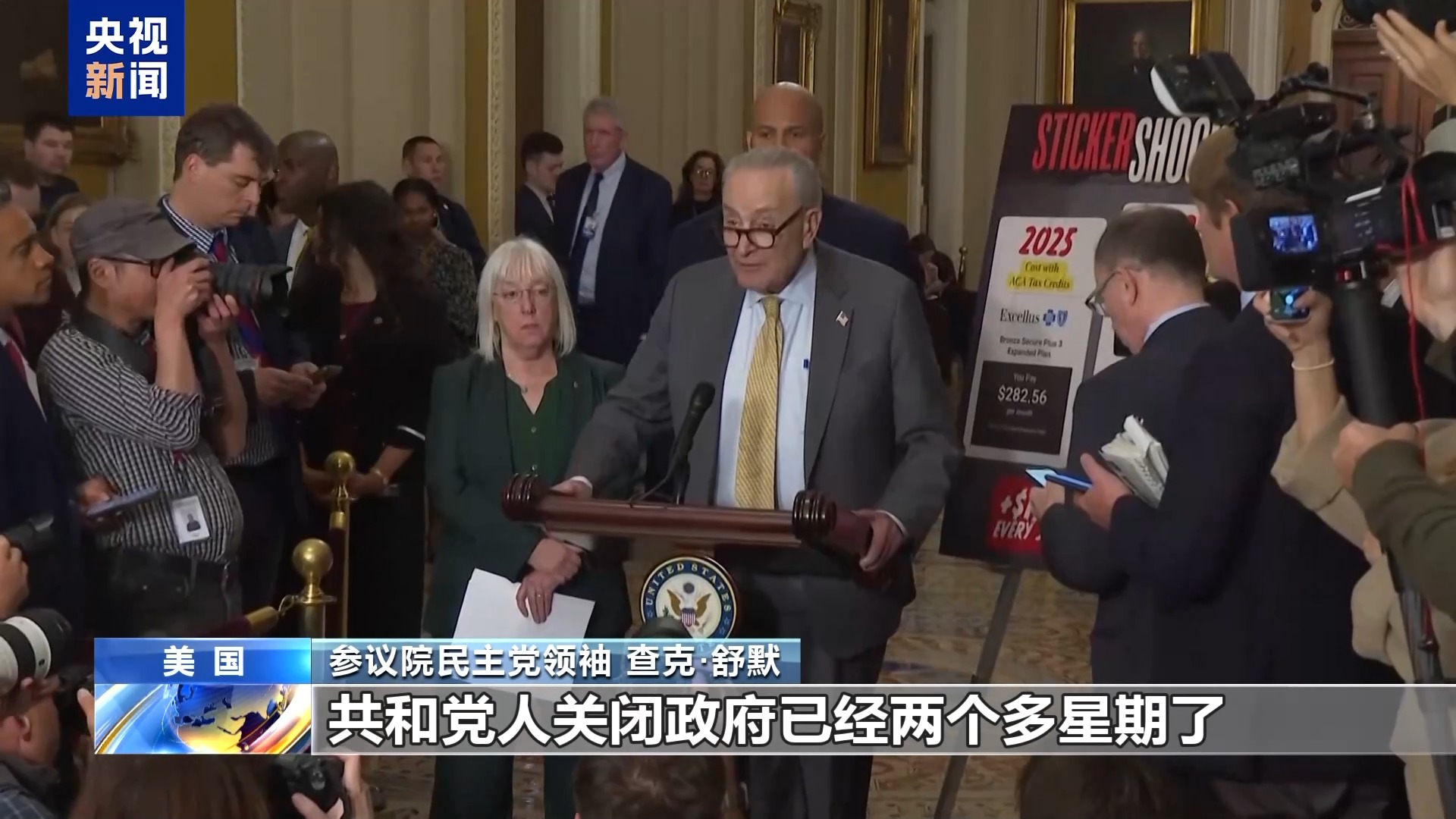
Core Points - The U.S. government shutdown has reached 16 days, potentially becoming the second-longest in history if it continues beyond 17 days [4][6] - The ongoing shutdown is causing significant economic repercussions, including delays in key economic data releases and a negative impact on the U.S. economy [13][15] - Political tensions between the Republican and Democratic parties are escalating, with accusations and blame being exchanged regarding the shutdown [7][11] Economic Impact - The shutdown has led to the freezing or cancellation of funding for over 200 projects across the U.S., totaling nearly $28 billion, primarily affecting Democratic-led states and projects [11][12] - The U.S. Labor Department has postponed the release of the Consumer Price Index (CPI) and employment data, which could hinder decision-making by the Federal Reserve [13][15] - The ongoing shutdown is estimated to cost the U.S. economy approximately $15 billion per day, raising concerns about long-term economic damage [15][17] Political Dynamics - Senate Democratic leader Chuck Schumer criticized Republicans for the shutdown, attributing it to their refusal to negotiate [2] - Senate Republican leader John Thune expressed frustration over the Democrats' inaction, emphasizing the financial strain on American workers [3] - The Department of Homeland Security has attempted to shift blame to Democrats for the shutdown, although some airports have refused to broadcast this message due to political content regulations [7][9]
美政府“停摆”损失了多少
Guo Ji Jin Rong Bao· 2025-10-16 11:40
Economic Impact - The ongoing government shutdown is causing significant economic damage, with estimates suggesting a daily loss of approximately $15 billion to the U.S. economy [2][3] - The tourism sector is among the first to suffer, with losses reaching $1 billion in the first week alone due to longer wait times and flight delays [3] - The shutdown is disrupting key economic data collection, which affects the Federal Reserve's decision-making capabilities [4] Employment and Consumer Spending - If the shutdown continues for a month, it could lead to an additional 43,000 job losses and a reduction of $30 billion in consumer spending [5] - The number of potential layoffs due to the shutdown could exceed 10,000, although a temporary injunction has been issued to prevent immediate layoffs [6] Agricultural Sector - The agricultural sector is facing severe uncertainty as government loans and subsidies are delayed, impacting farmers' operations [7] - The number of farm bankruptcies has risen to the highest level since 2021, exacerbated by the postponement of a planned agricultural subsidy program [7] Low-Income Groups - Low-income groups are particularly affected by the shutdown, with calls for state-level interventions to maintain essential programs like WIC [7]
大事件!美国联邦政府“关门” 有何影响?
Zheng Quan Shi Bao· 2025-10-01 04:51
Core Points - The U.S. federal government has officially shut down due to the Senate's rejection of bipartisan funding bills, affecting hundreds of thousands of federal employees and halting various government services [1][3] - The Office of Management and Budget (OMB) has instructed government agencies to implement their "orderly shutdown" plans, with certain departments like the military and law enforcement remaining operational [1][3][2] Government Shutdown Impact - Approximately 800,000 federal employees will face unpaid leave, and contractors will not receive timely payments, leading to closures or reduced hours for museums, national parks, and other public services [6] - The Department of State and immigration services will slow down operations, affecting the processing times for passports, green cards, and visas [6] - Low-income families will be hit hard, with food assistance programs and housing aid potentially delayed, increasing financial pressure on local governments [6] Economic Consequences - The government shutdown could result in an estimated economic loss of about $7 billion per week, with delayed federal employee salaries impacting consumer spending and increasing market volatility [7] - If the shutdown persists and intertwines with issues like the debt ceiling and fiscal deficits, it may lead to higher borrowing costs for the U.S. government [7] Capital Market Effects - The imminent government shutdown is expected to delay the release of non-farm payroll data, which could postpone the Federal Reserve's interest rate cut plans [9] - The Bureau of Labor Statistics (BLS) will halt data collection, affecting the publication of key economic indicators [9] - Investors are increasingly seeking safe-haven assets like gold and silver, driving prices to record highs amid uncertainty regarding Federal Reserve monetary policy [9]