
芯片安全

Search documents
免疫StackWarp漏洞 海光C86开启国产算力“体系安全”新纪元
Mei Ri Jing Ji Xin Wen· 2026-01-24 04:19
Core Insights - The StackWarp vulnerability disclosed by Germany's CISPA affects all AMD Zen processors, prompting discussions on balancing security and performance in the computing industry [1][4] - The domestic processor, Haiguang's C86 CPU, has been validated to be immune to the StackWarp vulnerability, highlighting the progress of China's CPU autonomy [3][4] Group 1: Vulnerability Impact - The StackWarp vulnerability (CVE-2025-29943) allows attackers to exploit a design flaw in AMD's SEV-SNP technology, posing significant risks to enterprises relying on cloud security [4] - The official fix requires firmware updates and disabling simultaneous multithreading (SMT), which could drastically reduce computing resources for cloud giants [4][6] Group 2: Domestic Processor Advancements - Haiguang's C86 CPU has achieved native immunity to the StackWarp vulnerability, marking a significant technological divergence from traditional x86 architectures [3][6] - The C86 architecture is built on a foundation of independent technological development, integrating advanced security features from the ground up [6][9] Group 3: Security Features - Haiguang's C86 incorporates three hardware-level security mechanisms: native cryptography, trusted computing, and confidential computing, forming a robust security framework [7][8] - The native cryptography feature allows each CPU to function as a high-performance cryptographic machine, eliminating the need for external security devices [7] - The trusted computing solution enables proactive immunity throughout the computing lifecycle, integrating multiple trusted standards within the CPU [8] Group 4: Strategic Implications - Haiguang's advancements in chip security extend beyond product competition, addressing national digital infrastructure security amid ongoing global tech competition [10][12] - The C86's domestic production capability ensures a stable supply chain for critical computing resources, reducing dependency on foreign technology [10][12] - The development of secure, autonomous chips supports the entire domestic semiconductor ecosystem, enhancing the resilience and competitiveness of China's digital industry [12]


StackWarp漏洞危机愈演愈烈背后:海光C86在X86生态中走出独立安全路线
经济观察报· 2026-01-23 11:44
Core Viewpoint - The independent evolution of the Haiguang C86 architecture provides a secure, controllable, and efficient choice for China's digital infrastructure construction, especially in the context of computing power becoming a fundamental infrastructure [1][38]. Group 1: StackWarp Vulnerability and Its Implications - The StackWarp vulnerability discovered in AMD's Zen series processors exposes a significant flaw in cloud computing's isolation capabilities, allowing attackers to modify running programs and data [2][3]. - The response from AMD to disable simultaneous multithreading (SMT) to mitigate the vulnerability results in a substantial reduction in processing power, halving the server's capacity to support virtual service instances [3][4]. - In contrast, Haiguang's C86 processors are inherently immune to the StackWarp vulnerability due to their architectural design, allowing users to maintain full computational performance without needing firmware upgrades or disabling features [4][10]. Group 2: Technical Differentiation - Haiguang's ability to defend against the StackWarp vulnerability stems from its fundamentally different virtualization technology compared to AMD, utilizing self-developed CSV3 technology to create a new defense mechanism [6][12]. - The C86 architecture has decoupled from the x86 technology route, replacing AMD's platform security processor (PSP) with Haiguang's self-developed security processor (HSC) [12][15]. - The C86 processor integrates a general-purpose C86 core and a dedicated security processor, ensuring a secure boot process and a chain of verification that maintains system integrity from the first line of code [13][14]. Group 3: Three-Layer Security System - Haiguang's C86 architecture features a three-layer security system: native cryptographic technology, proactive trusted computing, and isolated confidential computing [17][18]. - The first layer involves integrating a cryptographic co-processor (CCP) within the processor, allowing for high-speed encryption without the performance penalties associated with traditional software or external hardware solutions [20][21]. - The second layer, proactive trusted computing, extends security measures from system startup to runtime, utilizing TDM technology to continuously monitor and verify the integrity of critical system components [24][25]. - The third layer, isolated confidential computing, employs CSV technology to ensure real-time memory encryption for virtual machines, preventing unauthorized access and data leaks in cloud environments [28][29]. Group 4: Market Position and Applications - Haiguang's C86 architecture has been widely adopted in high-security scenarios, particularly in finance, telecommunications, and energy sectors, achieving a 50% share in trusted computing certified products [27][36]. - The architecture maintains full compatibility with the x86 ecosystem, allowing applications originally designed for Intel or AMD servers to migrate seamlessly to Haiguang platforms without code modifications [37]. - The independent evolution of Haiguang's technology mitigates risks associated with reliance on external architectures, ensuring stable performance and security in the face of global hardware vulnerabilities [38].
StackWarp漏洞危机愈演愈烈背后:海光C86在X86生态中走出独立安全路线
Jing Ji Guan Cha Wang· 2026-01-23 11:31
Core Insights - The article discusses a critical vulnerability named StackWarp affecting AMD's Zen series processors, which compromises the isolation capability essential for cloud computing services [1] - AMD's immediate solution involves disabling simultaneous multithreading (SMT), which significantly reduces processing power and efficiency for cloud service providers [2][3] - In contrast, Hygon's C86 processors are immune to the StackWarp vulnerability due to their fundamentally different architecture and security mechanisms [3][5] Group 1: Vulnerability and Impact - The StackWarp vulnerability allows attackers to exploit hardware design flaws, enabling unauthorized access to user data and programs in cloud environments [1] - Disabling SMT leads to a drastic reduction in server capacity, halving the number of virtual service instances a server can support, which poses significant costs for cloud service providers [3] - Hygon's C86 architecture does not require disabling SMT or upgrading firmware, allowing users to maintain full computational performance without the risk posed by the StackWarp vulnerability [3][4] Group 2: Hygon's Security Mechanisms - Hygon's ability to defend against the StackWarp vulnerability stems from its unique virtualization technology, which differs fundamentally from AMD's x86 architecture [5][6] - The C86 architecture restricts the host's ability to modify virtual machine memory mapping, preventing attackers from creating the conditions necessary for exploitation [7][8] - Hygon's self-developed CSV3 technology locks down the host's access to virtual machine page tables, ensuring that even with high system privileges, the core data remains untouched [8][9] Group 3: Technical Differentiation - Hygon's C86 architecture replaces AMD's platform security processor (PSP) with its own Hygon Security Processor (HSC), fundamentally restructuring the root of trust for enhanced security [15] - The architecture integrates a dedicated security processor with independent ROM and RAM, ensuring that the initial code executed is immutable and secure [16][17] - Hygon's approach to security includes a chain of verification from the firmware to the operating system, ensuring system integrity from the ground up [18] Group 4: Advanced Security Features - Hygon's processors incorporate a native cryptographic technology that enhances data privacy without sacrificing performance, unlike traditional software encryption methods [24][25] - The Trusted Key Management (TKM) module ensures that cryptographic keys are securely managed and stored, preventing unauthorized access even in physical attacks [28] - Hygon's Trusted Dynamic Measurement (TDM) technology extends security monitoring beyond system startup, actively scanning for integrity violations during operation [29][30] Group 5: Market Position and Future Outlook - Hygon's CSV technology is widely adopted in privacy computing, with significant partnerships established in the industry, indicating strong market presence [39] - The C86 architecture maintains compatibility with the x86 ecosystem, allowing seamless migration of applications from Intel or AMD servers without code modification [42] - Hygon's independent evolution from the x86 technology path positions it as a secure and efficient choice for China's digital infrastructure development [42]

X86漏洞,海光免疫,自主芯片价值凸显
半导体行业观察· 2026-01-23 01:37
Core Viewpoint - The article highlights the emergence of the StackWarp vulnerability affecting multiple AMD ZEN architecture processors, emphasizing the ongoing security risks within the X86 ecosystem. It contrasts this with the immunity demonstrated by domestic CPU manufacturer Haiguang, which has been confirmed to be unaffected by this vulnerability [1][3]. Group 1: Vulnerability Overview - The StackWarp vulnerability, discovered by Germany's CISPA Helmholtz Center for Information Security, allows malicious VM hosts to manipulate the stack pointer of customer virtual machines, enabling remote code execution and privilege escalation within confidential virtual machines [3]. - AMD's SEV-SNP is identified as a critical entry point for this vulnerability, where attackers can alter the RSP register to control execution flow and data within the virtual machine [3][4]. - AMD has acknowledged the vulnerability and stated that low-risk patches have been available for EPYC products since July of the previous year [3]. Group 2: Haiguang's Immunity - Haiguang's CPU, which holds complete X86 licensing, has been noted for its natural immunity to the StackWarp vulnerability due to its proprietary CSV virtualization technology, which fundamentally differs from AMD's SEV-SNP [3][4]. - The article emphasizes that Haiguang's CSV3 technology has effectively closed the attack vectors that StackWarp exploits, showcasing the importance of domestic innovation in CPU security [4]. Group 3: Domestic Innovation and Security - The article discusses the significance of genuine innovation versus mere imitation in the context of domestic chip development, particularly for Haiguang's X86 localization efforts [6]. - Haiguang has independently completed multiple product iterations and established a sustainable C86 technology roadmap, which has led to enhanced performance and security features [6][7]. - The C86 architecture has been designed to inherently support security algorithms and has shown resilience against various vulnerabilities that affect other X86 chips, thereby validating the value of domestic technological self-reliance [7].
什么叫芯片安全卷王,瞅瞅安谋最新的SPU IP“山海”
傅里叶的猫· 2025-12-25 12:08
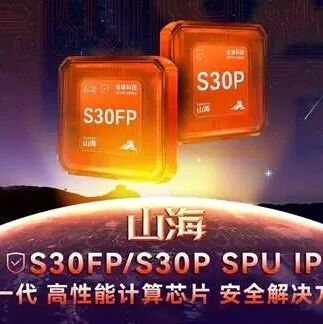
Core Viewpoint - The article discusses the launch of the new generation SPU IP "Shanhai" S30FP/S30P by Arm Technology (China) Co., Ltd, highlighting its five core advantages that establish it as a benchmark in the high-performance computing chip security sector. Group 1: Strong Anti-Physical Attack Capability - The "Shanhai" S30FP/S30P has a robust hardware/software anti-physical attack system designed to counter threats such as SPA, DPA, and fault injection, thereby reinforcing the security foundation of the chip [3][5]. - The product adheres to the Common Criteria Protection Profile PP-0117 and "National Secret Level 2" standards, ensuring effective resistance against various malicious intrusions [5]. - The anti-physical attack design includes specialized circuit designs and shielding techniques, achieving industry-leading capabilities that meet high-level information security certification requirements [5]. Group 2: Strong Functional Safety Certification - The "Shanhai" S30FP has achieved ASIL D certification, the highest level of functional safety, making it suitable for critical applications in smart vehicles, industrial control, and medical devices [6][8]. - The certification process involves rigorous assessments across hardware design, software development, and testing, ensuring high reliability even in extreme conditions [6]. - The product's flexible configuration allows it to adapt to different safety requirements, balancing functionality and cost for various applications [8]. Group 3: Wide Adaptability for Information Security - The "Shanhai" S30FP/S30P supports a comprehensive range of algorithms, including symmetric, asymmetric, and hash algorithms, enabling it to meet diverse information security needs across different scenarios [9][11]. - The product's configurable capabilities allow customers to tailor algorithm modules and security functions based on specific requirements, enhancing its applicability in various fields [12]. Group 4: Rich Isolation Levels - The "Shanhai" S30FP/S30P features a dedicated HSM subsystem and multiple isolation mechanisms to ensure the secure operation of multiple trusted applications (TAs) [13][14]. - This design prevents vulnerabilities in ordinary applications from affecting sensitive applications, thereby safeguarding key management and data integrity [13]. - The isolation mechanisms enhance system fault tolerance, ensuring stability even when individual TAs encounter issues [14]. Group 5: Strong Complementary Protection - The "Shanhai" S30FP/S30P supports Arm TrustZone and hardware virtualization technologies, creating a system-level security collaboration that enhances overall security capabilities [15][16]. - This integration allows for the secure execution of sensitive operations and the isolation of different application scenarios, particularly in data centers and cloud-native environments [15]. - The ecological collaboration with Arm architecture provides a unique competitive advantage, enabling seamless integration with other Arm products for comprehensive security solutions [17]. Conclusion - The five core advantages of the "Shanhai" S30FP/S30P collectively position it as a leading product in the high-performance computing chip security domain, with strong anti-physical attack capabilities, high-level functional safety certifications, broad adaptability, rich isolation levels, and robust ecological collaboration [17].
U.S. Commerce Department to allow exports of Nvidia H200 chips to China
Youtube· 2025-12-08 18:47
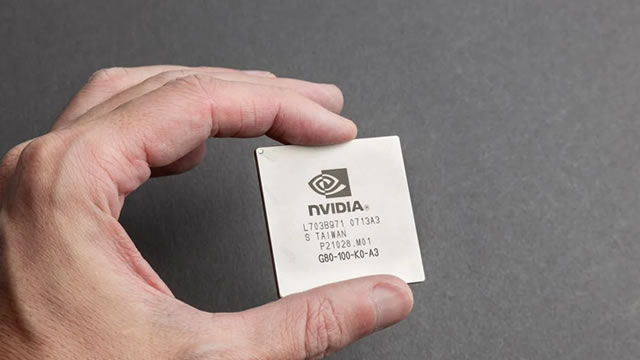
Core Viewpoint - The approval of Nvidia's H200 chips for sale to China may not lead to significant market changes due to potential roadblocks from the Chinese government despite the recent uptick in stock price [1][2]. Group 1: Approval and Market Reaction - The U.S. Commerce Department has approved the sale of Nvidia's H200 chips to China, which has led to a slight increase in Nvidia's stock price by approximately 2.5% [1][4]. - The market reaction may be premature as there are concerns regarding the security of these chips, similar to previous issues with the H20 chips that were blocked by China [2][3]. Group 2: Security Concerns and Market Dynamics - China has expressed security concerns about the H20 chips, which are considered less advanced than the newly approved H200 chips, leading to skepticism about their security [2][3]. - Some Chinese media outlets have suggested that the approval of H200 chips may be a strategy for Nvidia to offload excess inventory, describing it as a "sugarcoated bullet" [3]. - Despite the approval from the U.S., the Chinese government retains the authority to block the sale of H200 chips, indicating that market access remains uncertain [4].

欧洲车企忙“扫货”,荷兰芯片却为何卖不动了?
Zhong Guo Qi Che Bao Wang· 2025-11-04 04:01
Core Points - The Dutch government's takeover of Nexperia, a semiconductor manufacturer, has created a new "chip shortage" risk for European automakers due to national security concerns [2][4] - Nexperia is a leading supplier of automotive-grade power semiconductors, crucial for electric vehicles, and its supply chain disruption could lead to significant shortages in the automotive industry [4][5] - The decision to halt wafer supply to the Dongguan factory has caused panic buying among European automakers, leading to a surge in chip prices and inventory issues in local wafer factories [5][6] Industry Impact - Nexperia holds approximately 18% of the European power semiconductor market, and a supply disruption lasting over four weeks could result in a loss of over 200 million chips [4] - The political intervention by the Dutch government is seen as a move to enhance "technological sovereignty," but it risks destabilizing the automotive chip supply chain and increasing production costs [4][6] - The ongoing situation reflects a shift in global semiconductor competition from market dynamics to control over supply chains, with potential long-term implications for both Europe and China [6][8] Market Reactions - European automakers, including Volkswagen and Renault, have increased their market purchases of Nexperia's automotive chips, with some orders tripling, resulting in a nearly 20% price increase for related chips [5][6] - The global automotive chip market is projected to reach $85 billion by 2027, with Asian supply chains expected to account for over 60% of the market share [7] - The 2021 chip shortage highlighted the critical role of semiconductors in the automotive industry, with significant production losses, emphasizing the need for supply chain resilience [8][9] Geopolitical Context - The U.S. has been a significant influence behind the Dutch government's actions, expressing concerns over Chinese control of Nexperia and its potential access to advanced technologies [6][9] - China's response includes export controls on specific components, aiming to strengthen its supply chain resilience and counteract the Dutch intervention [8][10] - The situation underscores the need for Europe to reassess its approach to "technological sovereignty," advocating for collaboration rather than isolation [11]

英伟达H20芯片被要求停产并缴纳15%押金,高志凯提议引博弈
Xin Lang Cai Jing· 2025-09-01 14:23
Group 1 - The core issue revolves around NVIDIA's CEO Jensen Huang facing complex challenges after paying a 15% "protection fee" to the U.S. to prove chip safety, followed by a demand for an additional 15% deposit related to the H20 chip, which is crucial for AI applications [2] - The Chinese Cyberspace Administration's request for NVIDIA to suspend H20 chip production stems from safety concerns, emphasizing the need for detailed safety research before resuming production [2] - The temporary suspension of H20 chip production is not expected to significantly impact NVIDIA's revenue due to sufficient chip supply in the short term [2] Group 2 - The demand for an additional deposit reflects a strategic move by the U.S. to ensure the safety and reliability of chips, highlighting the competitive landscape in the global semiconductor industry [2] - Market reactions indicate a shift, with JD.com opting to use chips from Cambricon instead of NVIDIA, suggesting a potential loss of market share for NVIDIA [2] - The situation illustrates a broader trend of using U.S. regulatory practices to impose requirements on American companies, raising questions about the implications for NVIDIA and the semiconductor industry [2]
英伟达 Thor 芯片叩关中国,中国公司抢滩背后的 “后门” 警报
是说芯语· 2025-08-26 02:52
Core Viewpoint - The introduction of NVIDIA's Thor chip marks a significant advancement in AI computing power for humanoid robots, addressing the industry's demand for enhanced performance while raising concerns about security risks associated with chip technology [1][2][9]. Group 1: Technological Advancements - NVIDIA's Thor chip, launched on August 25, boasts a peak computing power of 2070 TFLOPS, which is 7.5 times more powerful than its predecessor, the Orin chip, and offers a 3.5 times improvement in energy efficiency [1][2]. - The chip integrates 2560 CUDA cores and 96 fifth-generation Tensor cores, enabling real-time processing of multi-modal sensor data with a latency of under 10 milliseconds, essential for the autonomous functions of robots like Walker S2 [2][6]. - Chinese companies such as Yushutech and Zhiyuan Robotics are adopting the Thor chip, leveraging its capabilities to close the technology gap with competitors like Boston Dynamics [8]. Group 2: Security Concerns - The H20 chip incident, which raised alarms about potential backdoor vulnerabilities, has cast a shadow over the release of the Thor chip, leading to public skepticism regarding its security [9][10]. - Despite NVIDIA's assurances that the Thor chip does not contain backdoors or monitoring software, concerns persist due to the closed nature of chip design, complicating external audits and national security assessments [9][10]. - The U.S. government's push for compliance measures, including potential backdoors in exported chips, adds to the apprehension surrounding the use of foreign technology in critical applications [10][11]. Group 3: Industry Implications - The dilemma faced by companies like UBTECH highlights the tension between adopting advanced technology for competitive advantage and the associated security risks, as seen with the H20 chip's impact on NVIDIA's revenue [11][12]. - The rapid development of domestic alternatives, such as CloudMatrix's 384 single-cluster computing power reaching 300 PFlops, indicates a growing push for self-sufficiency in the tech sector, although challenges in software ecosystem maturity remain [11]. - The ongoing competition between technological advancement and security measures will shape the future trajectory of China's robotics industry, necessitating a careful balance between innovation and safety [12].
X @外汇交易员
外汇交易员· 2025-08-22 01:44
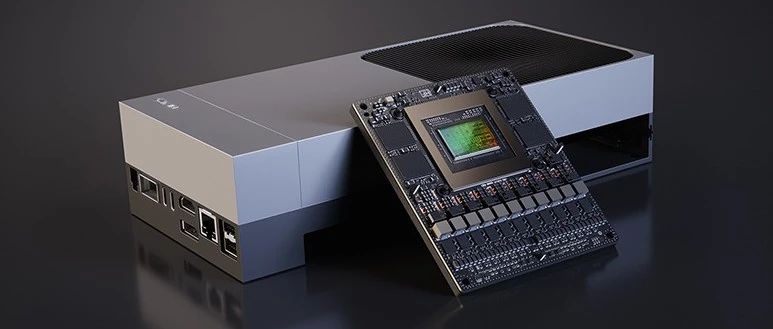
NVIDIA's Strategy & China Market - NVIDIA CEO visited TSMC, expressing gratitude for their partnership [1] - NVIDIA clarifies that H20 chips do not have security backdoors, addressing concerns from China [1] - NVIDIA states that supplying H20 does not involve national security issues [1] - NVIDIA indicates that the decision to provide subsequent H20 products to Chinese AI data centers is not solely within NVIDIA's control [1] H20 Chip Production & Market Response - Reports indicate NVIDIA instructed suppliers like Samsung and Amkor to halt production related to H20 AI chips [1] - The halt in production reportedly followed China's urging domestic firms to avoid using H20 chips [1]