
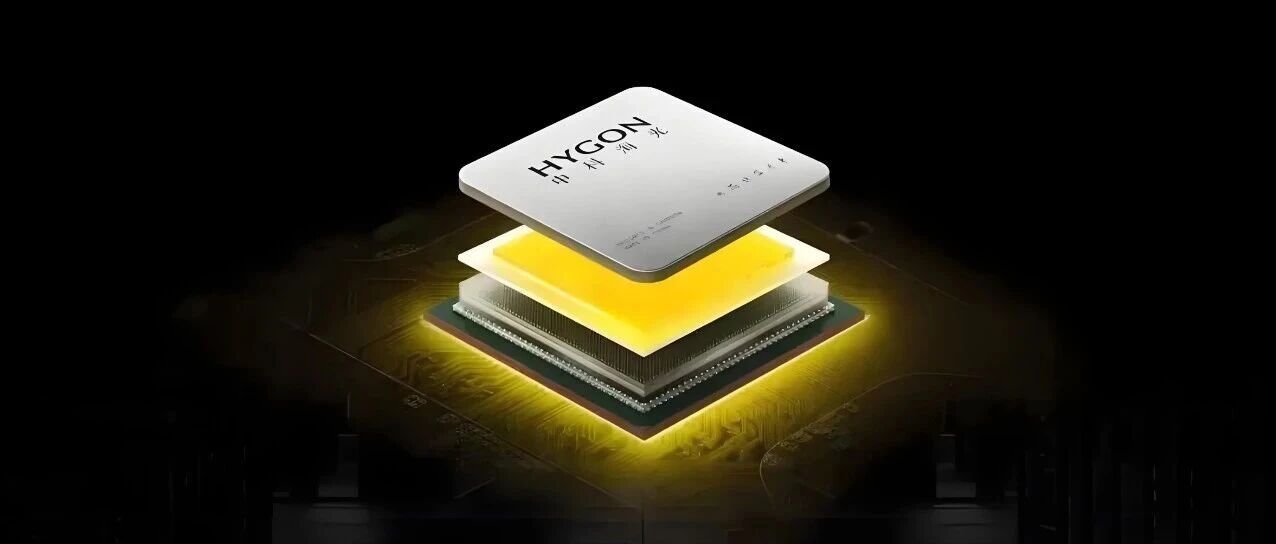
海光C86处理器

Search documents
芯片ETF(512760)涨超1.8%,连续三日资金净流入超2.6亿元,AI芯片需求暴涨
Mei Ri Jing Ji Xin Wen· 2026-01-27 07:14
Group 1 - The core viewpoint of the article highlights a significant surge in demand for AI chips and server CPUs due to the expansion of AI data centers by major global cloud service providers, leading to supply shortages and price increases for leading companies like Intel and AMD [1] - The chip ETF (512760) has seen a rise of over 1.8% and a net inflow of more than 260 million yuan over three consecutive days, indicating strong investor interest in the semiconductor sector [1] - KeyBanc data reveals that Intel and AMD's server CPU production capacity for the entire year of 2026 is nearly sold out due to large-scale purchases from cloud service providers, prompting both companies to plan a price increase of 10% to 15% for server CPUs [1] Group 2 - AMD's entire Zen product line is affected by a critical hardware vulnerability known as "StackWarp," which may impact system computing power and deployment costs, while the domestic Haiguang C86 processor remains unaffected and has improved security performance through self-research based on a complete x86 instruction set [1] - The chip ETF (512760) tracks the China Semiconductor Index (990001), which selects listed companies involved in semiconductor chip materials, equipment, design, manufacturing, packaging, or testing from the Shanghai and Shenzhen markets, focusing on the information technology sector [1]


半导体行业周报:Intel与AMD服务器CPU将涨价,国产CPU抵抗AMDZen高危漏洞
Huaxin Securities· 2026-01-27 00:24
Investment Rating - The report maintains a "Buy" rating for companies such as Guanghe Technology and Haiguang Information, while Longxin Zhongke and Huahong Technology remain unrated [8][16]. Core Insights - The semiconductor industry is experiencing a surge in demand for server CPUs due to the expansion of AI data centers by major cloud service providers, leading to a supply shortage and a planned price increase of 10-15% by Intel and AMD [4][13]. - A critical hardware vulnerability, "StackWarp," has been identified in AMD's Zen series CPUs, affecting multiple generations. However, Haiguang's C86 processor is not impacted, highlighting the increasing scrutiny on domestic processors' security capabilities [5][14]. Summary by Sections Market Performance - The semiconductor sector has shown strong relative performance, with the electronic sector up 63.2% over the past 12 months compared to the 22.7% increase in the CSI 300 index [2][3]. Key Companies and Earnings Forecast - Guanghe Technology (001389.SZ) has an EPS forecast of 2.67 for 2026 with a PE ratio of 37.33, rated as "Buy" [16]. - Haiguang Information (688041.SH) is projected to have an EPS of 1.58 for 2026, also rated as "Buy" [16]. - Longxin Zhongke (688047.SH) and Huahong Technology (688347.SH) remain unrated, with their earnings forecasts indicating potential for growth [16]. Industry Dynamics - The semiconductor industry is witnessing a significant increase in prices for DRAM and NAND storage chips, driven by heightened demand from AI applications and shifts in production capacity by major players [50][51]. - The report emphasizes the importance of domestic semiconductor manufacturers, particularly in light of the vulnerabilities identified in foreign products, suggesting a growing market for local alternatives [5][14].
半导体行业周报:Intel与AMD服务器CPU将涨价,国产CPU抵抗AMDZen高危漏洞-20260126
Huaxin Securities· 2026-01-26 12:03
Investment Rating - The report maintains a "Buy" rating for companies such as Guanghe Technology and Haiguang Information, while Longxin Zhongke and Huahong Technology remain unrated [8][16]. Core Insights - The semiconductor industry is experiencing a surge in demand for server CPUs due to the expansion of AI data centers by major cloud service providers, leading to a supply shortage and a planned price increase of 10-15% by Intel and AMD [4][13]. - A critical hardware vulnerability, "StackWarp," has been identified in AMD's Zen architecture, affecting multiple generations of products. However, Haiguang's C86 processor is not impacted, highlighting the security advancements in domestic processors [5][14]. Summary by Sections Market Performance - The semiconductor sector has shown strong performance, with the electronic sector up 63.2% over the past 12 months, significantly outperforming the CSI 300 index [2][3]. Key Company Announcements - Companies to watch include Guanghe Technology, Haiguang Information, Longxin Zhongke, and Huahong Technology, with specific earnings per share (EPS) and price-to-earnings (PE) ratios provided for the rated companies [15][16]. Industry Dynamics - The semiconductor industry is witnessing a shift in demand dynamics, with traditional DRAM and NAND prices rising due to increased AI storage needs and production shifts by major players [50][51].
StackWarp漏洞危机愈演愈烈背后:海光C86在X86生态中走出独立安全路线
经济观察报· 2026-01-23 11:44
Core Viewpoint - The independent evolution of the Haiguang C86 architecture provides a secure, controllable, and efficient choice for China's digital infrastructure construction, especially in the context of computing power becoming a fundamental infrastructure [1][38]. Group 1: StackWarp Vulnerability and Its Implications - The StackWarp vulnerability discovered in AMD's Zen series processors exposes a significant flaw in cloud computing's isolation capabilities, allowing attackers to modify running programs and data [2][3]. - The response from AMD to disable simultaneous multithreading (SMT) to mitigate the vulnerability results in a substantial reduction in processing power, halving the server's capacity to support virtual service instances [3][4]. - In contrast, Haiguang's C86 processors are inherently immune to the StackWarp vulnerability due to their architectural design, allowing users to maintain full computational performance without needing firmware upgrades or disabling features [4][10]. Group 2: Technical Differentiation - Haiguang's ability to defend against the StackWarp vulnerability stems from its fundamentally different virtualization technology compared to AMD, utilizing self-developed CSV3 technology to create a new defense mechanism [6][12]. - The C86 architecture has decoupled from the x86 technology route, replacing AMD's platform security processor (PSP) with Haiguang's self-developed security processor (HSC) [12][15]. - The C86 processor integrates a general-purpose C86 core and a dedicated security processor, ensuring a secure boot process and a chain of verification that maintains system integrity from the first line of code [13][14]. Group 3: Three-Layer Security System - Haiguang's C86 architecture features a three-layer security system: native cryptographic technology, proactive trusted computing, and isolated confidential computing [17][18]. - The first layer involves integrating a cryptographic co-processor (CCP) within the processor, allowing for high-speed encryption without the performance penalties associated with traditional software or external hardware solutions [20][21]. - The second layer, proactive trusted computing, extends security measures from system startup to runtime, utilizing TDM technology to continuously monitor and verify the integrity of critical system components [24][25]. - The third layer, isolated confidential computing, employs CSV technology to ensure real-time memory encryption for virtual machines, preventing unauthorized access and data leaks in cloud environments [28][29]. Group 4: Market Position and Applications - Haiguang's C86 architecture has been widely adopted in high-security scenarios, particularly in finance, telecommunications, and energy sectors, achieving a 50% share in trusted computing certified products [27][36]. - The architecture maintains full compatibility with the x86 ecosystem, allowing applications originally designed for Intel or AMD servers to migrate seamlessly to Haiguang platforms without code modifications [37]. - The independent evolution of Haiguang's technology mitigates risks associated with reliance on external architectures, ensuring stable performance and security in the face of global hardware vulnerabilities [38].

StackWarp漏洞危机愈演愈烈背后:海光C86在X86生态中走出独立安全路线
Jing Ji Guan Cha Wang· 2026-01-23 11:31
Core Insights - The article discusses a critical vulnerability named StackWarp affecting AMD's Zen series processors, which compromises the isolation capability essential for cloud computing services [1] - AMD's immediate solution involves disabling simultaneous multithreading (SMT), which significantly reduces processing power and efficiency for cloud service providers [2][3] - In contrast, Hygon's C86 processors are immune to the StackWarp vulnerability due to their fundamentally different architecture and security mechanisms [3][5] Group 1: Vulnerability and Impact - The StackWarp vulnerability allows attackers to exploit hardware design flaws, enabling unauthorized access to user data and programs in cloud environments [1] - Disabling SMT leads to a drastic reduction in server capacity, halving the number of virtual service instances a server can support, which poses significant costs for cloud service providers [3] - Hygon's C86 architecture does not require disabling SMT or upgrading firmware, allowing users to maintain full computational performance without the risk posed by the StackWarp vulnerability [3][4] Group 2: Hygon's Security Mechanisms - Hygon's ability to defend against the StackWarp vulnerability stems from its unique virtualization technology, which differs fundamentally from AMD's x86 architecture [5][6] - The C86 architecture restricts the host's ability to modify virtual machine memory mapping, preventing attackers from creating the conditions necessary for exploitation [7][8] - Hygon's self-developed CSV3 technology locks down the host's access to virtual machine page tables, ensuring that even with high system privileges, the core data remains untouched [8][9] Group 3: Technical Differentiation - Hygon's C86 architecture replaces AMD's platform security processor (PSP) with its own Hygon Security Processor (HSC), fundamentally restructuring the root of trust for enhanced security [15] - The architecture integrates a dedicated security processor with independent ROM and RAM, ensuring that the initial code executed is immutable and secure [16][17] - Hygon's approach to security includes a chain of verification from the firmware to the operating system, ensuring system integrity from the ground up [18] Group 4: Advanced Security Features - Hygon's processors incorporate a native cryptographic technology that enhances data privacy without sacrificing performance, unlike traditional software encryption methods [24][25] - The Trusted Key Management (TKM) module ensures that cryptographic keys are securely managed and stored, preventing unauthorized access even in physical attacks [28] - Hygon's Trusted Dynamic Measurement (TDM) technology extends security monitoring beyond system startup, actively scanning for integrity violations during operation [29][30] Group 5: Market Position and Future Outlook - Hygon's CSV technology is widely adopted in privacy computing, with significant partnerships established in the industry, indicating strong market presence [39] - The C86 architecture maintains compatibility with the x86 ecosystem, allowing seamless migration of applications from Intel or AMD servers without code modification [42] - Hygon's independent evolution from the x86 technology path positions it as a secure and efficient choice for China's digital infrastructure development [42]

国产芯片的2025:从“能用”到“好用”的临界点
经济观察报· 2025-12-07 04:31
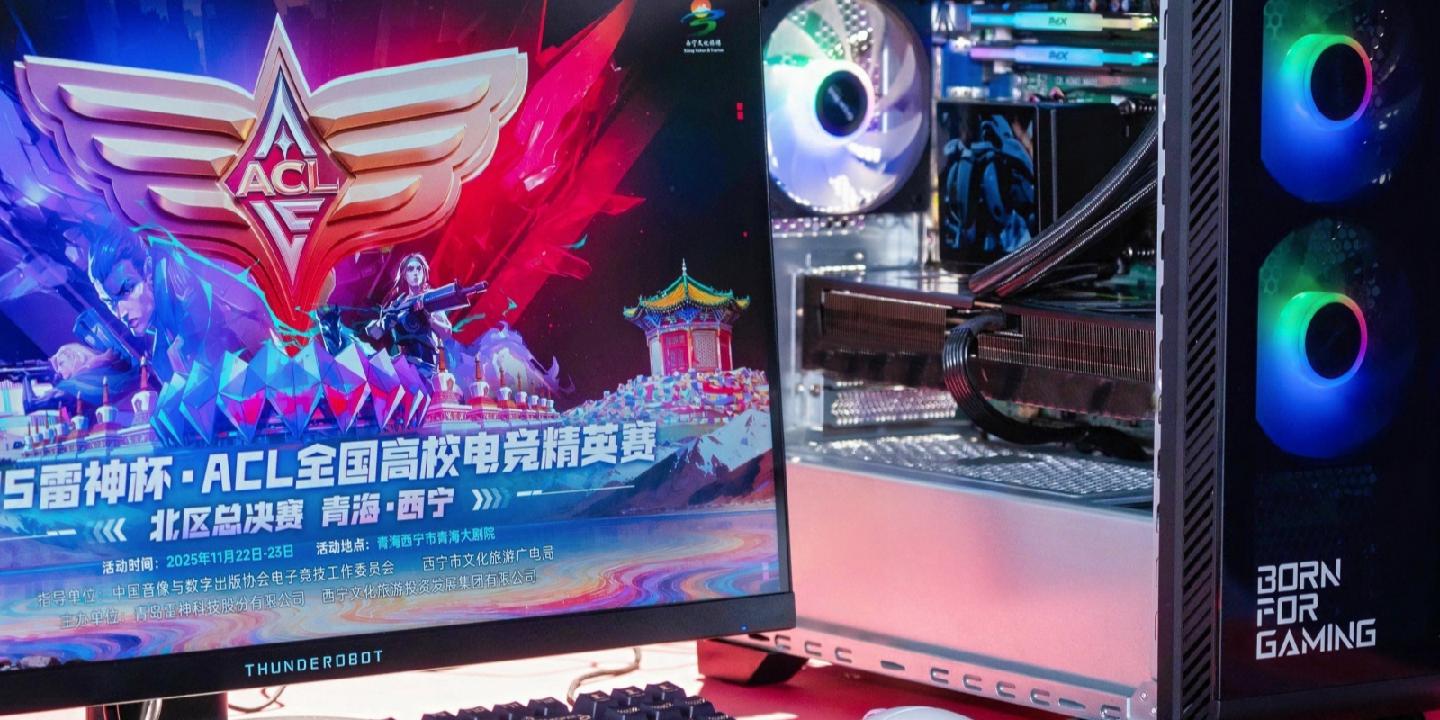
Core Viewpoint - The domestic chip industry in China is undergoing significant transformation, moving from a perception of being "stuck" or "ineffective" to showcasing advancements and capabilities by 2025 [1][3]. Group 1: Consumer Electronics and Automotive - The gaming performance of domestic processors is improving, with the Haiguang C86 processor achieving frame rates of nearly 200 and 300 for major games, indicating readiness for high-performance gaming [2][3]. - The Haiguang C86 processor, featured in the "Black Warrior·Hunting Blade Pro" gaming PC, has a base frequency of 2.8GHz and supports PCIe 5.0, demonstrating its capability to handle high-load tasks [5][6]. - The GAC Aopao GT "Climbing Edition" achieved 100% domestic chip design, utilizing the RK3588M chip for its intelligent cockpit, showcasing the reliability and performance of domestic chips in high-end vehicles [12][13]. Group 2: Storage and Memory Chips - Changxin Storage launched DDR5 products with speeds up to 8000Mbps, marking a significant advancement for domestic manufacturers in the high-end memory market [9][10]. - The introduction of DDR5 technology represents a leap from DDR4, with performance improvements and the ability to address high-frequency signal interference [10][11]. - Longjiang Storage's TiPlus7100s SSD achieved read speeds of 7400MB/s and write speeds of 6900MB/s, indicating competitive performance against international brands [11]. Group 3: AI and Computing Power - The exit of international giants from the AI chip market has created opportunities for domestic companies, with Cambrian Technologies reporting a 1332.52% year-on-year revenue increase in Q3 2025 [15][16]. - Domestic firms are adopting "super node" technology to enhance computing power by integrating multiple AI acceleration cards into a single cabinet, addressing performance bottlenecks in large model training [17][18]. - The demand for storage has shifted from being a cost component to a strategic asset, with significant implications for the supply chain and market dynamics [18][19]. Group 4: Semiconductor Manufacturing and Equipment - Domestic companies are making strides in semiconductor manufacturing equipment, with the shipment of a 350nm lithography machine that supports the production of power devices and RF chips [23][24]. - The development of high-speed oscilloscopes and EDA tools is filling critical gaps in the chip design and testing process, enhancing the capabilities of domestic semiconductor firms [25][26]. - The Chinese semiconductor industry is transitioning from "point breakthroughs" to "chain collaboration," indicating a shift towards more integrated and cooperative development efforts [20][27].



国产芯片新气象
Jing Ji Guan Cha Wang· 2025-12-06 13:57
Core Insights - The article highlights significant advancements in the domestic chip industry, showcasing breakthroughs in gaming, automotive, and AI sectors, indicating a shift from reliance on foreign technology to a more self-sufficient and competitive domestic market [2][3][4]. Group 1: Gaming and Consumer Electronics - The domestic chip, Haiguang C86, demonstrated impressive performance in gaming, achieving frame rates of nearly 200 and 300 for major titles, indicating its capability to meet high-performance gaming demands [2]. - Thunderobot's new gaming PC, featuring the Haiguang C86 processor, marks a significant entry into the consumer gaming market, showcasing the processor's specifications that support high-performance tasks [5][6]. - The shift in perception of domestic chips from being seen as inferior to now being recognized for their performance and compatibility with mainstream software and games is emphasized [6]. Group 2: Automotive Sector - The GAC Aopao GT "Climbing Edition" achieved 100% domestic chip design, utilizing the RK3588M chip from Rockchip, which supports advanced features like multi-screen interaction and 3D rendering [11][12]. - The introduction of domestic chips in high-end vehicles signifies their ability to meet stringent performance and reliability standards required in the automotive industry [12]. Group 3: AI and Computing - The domestic AI chip market is experiencing a surge, with companies like Cambricon reporting significant revenue growth, indicating a shift in market dynamics following the exit of international competitors [15][16]. - The adoption of "super node" technology by domestic firms aims to enhance computing power by integrating multiple AI acceleration cards, addressing the challenges of performance and efficiency in AI training [16]. - The need for cost-effective solutions in AI computing is highlighted, with innovations that significantly reduce hardware costs for training large models [17]. Group 4: Storage and Memory - Changxin Storage's launch of DDR5 products marks a significant advancement in domestic memory technology, achieving speeds of up to 8000 Mbps, thus entering the high-end market previously dominated by international brands [9][10]. - The demand for high-performance storage solutions is increasing, with domestic manufacturers stepping up to fill the gap left by international suppliers [18][19]. Group 5: Semiconductor Manufacturing and Materials - The development of domestic semiconductor manufacturing equipment, such as the AST6200 lithography machine, represents a crucial step towards self-sufficiency in chip production [23]. - The emergence of domestic materials for semiconductor manufacturing, like those produced by Hengkun New Materials, indicates progress in reducing reliance on foreign suppliers [24]. - Innovations in testing equipment and EDA tools are also being made, with companies like Wanliyan Technology and Huada Jiutian leading efforts to enhance domestic capabilities in chip design and testing [25][26]. Group 6: Industry Challenges and Future Directions - Despite advancements, the domestic chip industry faces challenges in high-end manufacturing and the need for substantial R&D investment to keep pace with global competitors [27][28]. - The article concludes that while the domestic chip industry has made significant strides, ongoing investment and innovation are essential to overcome existing gaps and achieve long-term competitiveness [28].
国产C86生态共振,本土高端算力迎来规模化普及
Guan Cha Zhe Wang· 2025-08-18 10:18
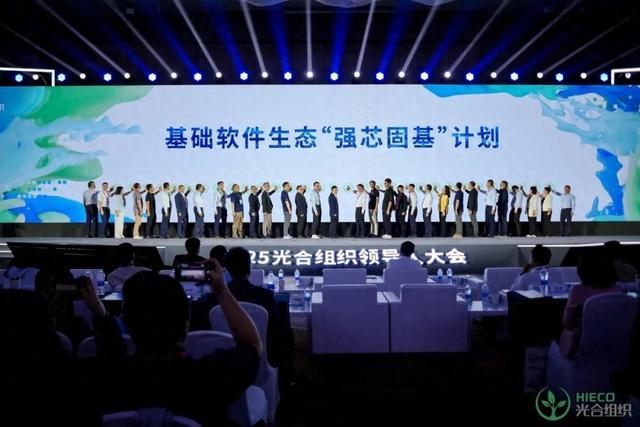
Group 1 - The core viewpoint of the articles highlights the launch of the new generation C86 processor by Haiguang Information, which aims to enhance domestic high-end computing capabilities and promote an open ecosystem for widespread adoption [1][2][3] - The domestic high-end computing gap is becoming increasingly significant, with a projected demand of 3000 EFLOPS in 2025, while supply can only meet 40% of this demand, indicating a critical need for advancements in high-end computing infrastructure [2][3] - Haiguang's C86 processor is reported to have leading comprehensive performance in China, matching international counterparts, and is designed to support a wide range of AI applications, enhancing training and inference capabilities [2][3][4] Group 2 - The success of high-end computing in the domestic market relies on the synergy between hardware and software ecosystems, necessitating deep collaboration among upstream and downstream enterprises in the semiconductor industry [4][5] - Haiguang has established the "Xinghai Plan" to enhance collaboration across the C86 ecosystem, which includes over 6000 partners and aims to optimize technology and market development [4][5] - The "Qiangxin Gudi" plan focuses on strengthening software ecosystem partnerships, enabling comprehensive adaptation and optimization of AI computing tools, thus addressing the needs of various AI models and applications [7]
国产化终端跃迁,C86技术下沉突围全场景替代
Tai Mei Ti A P P· 2025-07-15 04:27
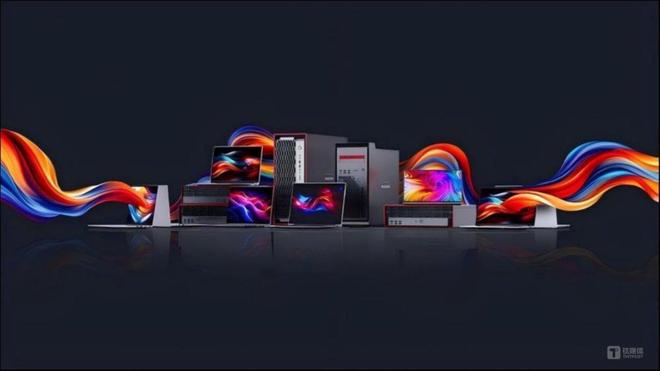
Core Insights - The article highlights the strategic transition of domestic terminals from key industries to full-scene applications, emphasizing the evolution of product safety, performance, and ecosystem [1] - Major manufacturers like Lenovo, Unisoc, and ZTE have launched over ten new Haiguang C86 terminal products, marking a significant step towards comprehensive domestic terminal application [1] Group 1: Security and Dependence - The "security foundation" is identified as a critical necessity, especially following Intel's security vulnerabilities that exposed risks associated with non-domestic chips [2][3] - The reliance on the Wintel architecture poses potential security threats, making information security a top priority in the domestic terminal market [3] Group 2: Application and Performance Challenges - The domestic terminal market faces challenges in applying products across various industries, necessitating a focus on real-world application scenarios [4] - Mobile office environments demand high performance and efficiency, which current domestic chips struggle to meet due to limitations in technology and ecosystem compatibility [5] Group 3: Strategic Development and Collaboration - The consensus in the industry is that the full-scene application capability of domestic terminals must be built on a foundation of core hardware security, performance upgrades, and ecosystem collaboration [6] - Companies are focusing on partnerships to leverage the latest hardware performance while adhering to national cybersecurity requirements [6][7] Group 4: Haiguang C86 Processor Innovations - The new Haiguang C86 processors have shown significant performance improvements, with single-core performance up by 62% and multi-core performance by over 135% compared to previous generations [9] - The C86 processors also integrate advanced security features without compromising performance, addressing the "impossible triangle" of performance, security, and cost [9][10] Group 5: Ecosystem Expansion - The C86 ecosystem is expanding rapidly, with over 5,000 partners collaborating on technology development and market expansion [10] - The "Xinghai Plan" aims to enhance cooperation among ecosystem partners, supporting a comprehensive approach to the full-scene terminal market [10]
电子行业周报:端侧AI厂商中报业绩亮眼,多模态大模型Grok4正式发布-20250714
Donghai Securities· 2025-07-14 09:28
Investment Rating - The report suggests a positive outlook for the electronic sector, indicating a gradual recovery in demand and price stabilization, recommending a slow accumulation of positions in the market [5][6]. Core Insights - The electronic sector is experiencing a mild recovery, driven by strong downstream demand from AIOT and accelerated product penetration by companies like Lexin Technology and Rockchip, which are expected to report impressive half-year results [5][6]. - The release of the multi-modal model Grok 4 by xAI has significantly enhanced reasoning capabilities, potentially opening new application scenarios [5][11]. - The report highlights four main investment themes: AIOT, AI-driven technologies, equipment materials, and consumer electronics [5][6]. Summary by Sections Industry Overview - The report notes that the semiconductor sector is entering a period of intensive earnings forecasts, with companies like Lexin Technology and Rockchip expected to show substantial revenue growth due to ongoing demand in AIOT and other emerging fields [5][6]. Company Performance - Lexin Technology anticipates a revenue of CNY 1.22-1.25 billion for the first half of 2025, a year-on-year increase of 33%-36%, with net profit expected to rise by 65%-78% [5][17]. - Rockchip expects to achieve approximately CNY 2.045 billion in revenue, reflecting a year-on-year growth of about 64%, with net profit projected to increase by 185%-195% [5][17]. Market Trends - The report indicates that the electronic industry outperformed the broader market, with the Shenzhen and Shanghai 300 Index rising by 0.82% and the Shenwan Electronics Index increasing by 0.93% [19][21]. - The semiconductor sub-sector showed a positive trend, with a 1.07% increase in semiconductor stocks [21][26]. Investment Recommendations - The report recommends focusing on companies benefiting from strong domestic and international demand in the AIOT sector, such as Lexin Technology and Rockchip [5][6]. - It also suggests monitoring AI innovation-driven sectors, including computing chips and optical devices, as well as upstream supply chain components [5][6].
