
都市圈建设

Search documents
高铁站可直接办理值机,山东打通空铁联运“最后一公里”
Feng Huang Wang Cai Jing· 2026-01-21 07:42
Core Viewpoint - The Shandong provincial government is focusing on high-quality urban development through the implementation of collaborative strategies between its two major urban agglomerations, Jinan and Qingdao, to enhance regional coordination and economic growth [2]. Group 1: Urban Development and Infrastructure - The urban agglomerations of Jinan and Qingdao are recognized as key drivers for regional coordinated development, with Shandong being the only province in northern China to have two national-level urban agglomerations [4]. - A convenient commuting network is being established, with the opening of the Weiyang High-speed Railway and the acceleration of several highway projects, enhancing connectivity within the urban agglomerations [4]. - The second phase of Jinan Airport's expansion is underway, and new domestic and international flight routes have been launched, creating a one-hour commuting circle within the urban agglomerations [4]. Group 2: Industrial Collaboration - By 2025, 130 collaborative demonstration projects between the two urban agglomerations are expected to attract over 160 billion yuan in investment, with significant projects like the Weichai Qingdao Smart Heavy Industry project and the Jinan CRRC Sifang Liangwang Vehicle Base nearing completion [5]. - The two urban agglomerations have identified ten key industries for collaboration, including integrated circuits and artificial intelligence, and are exploring new models for industrial cooperation [5]. Group 3: Public Services and Education - A "Cloud Hand-in-Hand Alliance" has been formed between Qingdao and Jinan to facilitate cross-city administrative services, allowing 27 government service items to be processed across cities [6]. - A modern marine higher education community has been established, involving 83 universities and research institutions, aimed at enhancing educational collaboration [6]. - The period of the 14th Five-Year Plan is deemed crucial for accelerating the construction of the Jinan-Qingdao modern urban agglomeration and promoting integrated development [6]. Group 4: Strategic Integration and Regional Cooperation - Shandong is enhancing infrastructure connectivity and building a modern industrial system to optimize the industrial layout of the two urban agglomerations, thereby improving technological innovation capabilities [7]. - The province is also deepening cooperation with the Zhengzhou urban agglomeration and cities along the Yellow River, aligning with national strategies for ecological protection and high-quality development [7].

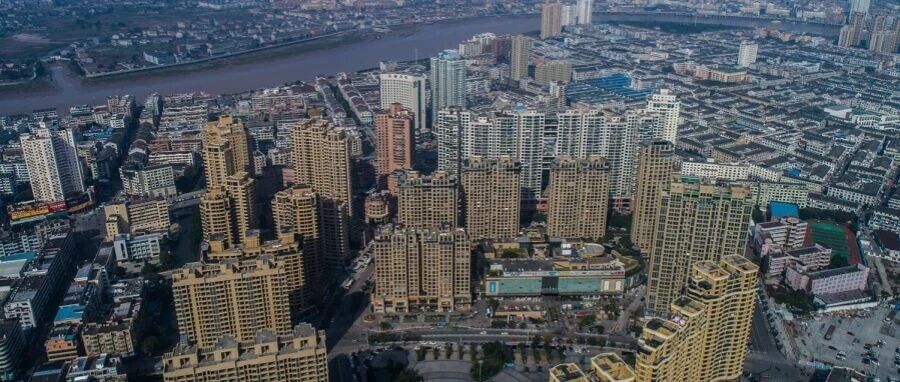
冲刺万亿GDP城市,这座地级市胜算大
21世纪经济报道· 2025-12-12 12:08
Core Viewpoint - The expansion of the "trillion GDP club" is a significant highlight of regional economic development in China this year, with cities like Wenzhou, Xuzhou, and Dalian expected to join the ranks of cities with a GDP exceeding one trillion yuan [1][3]. Group 1: Economic Progress of Target Cities - Wenzhou's GDP is projected to exceed one trillion yuan this year, with a first-quarter GDP of 240.37 billion yuan and a growth rate of 6.7% [2][4]. - Xuzhou's GDP for the first three quarters is 729.81 billion yuan, with a growth rate of 6.0%, aiming for a GDP of over one trillion yuan by 2025 [12][17]. - Dalian's GDP reached 724.82 billion yuan in the first three quarters, with a growth rate of 6.0%, and is also targeting the trillion GDP milestone [13][16]. Group 2: Characteristics of the Expansion - The expansion of the trillion GDP cities includes ordinary prefecture-level cities, indicating a trend where economic growth is not limited to major metropolitan areas [2][3]. - The cities in the trillion GDP club are expected to become central nodes for local development, fostering industrial and population agglomeration effects [3][19]. - The trend of ordinary cities joining the trillion GDP club reflects a broader pattern of regional economic development, with more cities expected to achieve this milestone in the coming years [20]. Group 3: Industrial and Economic Structure - Wenzhou's economy is supported by a robust manufacturing base and a strong private sector, with private enterprises contributing approximately 83% to the city's GDP [9]. - The city aims to establish a dual trillion industrial cluster system by 2025, focusing on both traditional and emerging industries [9][10]. - Dalian is focusing on high-tech manufacturing and has set a strategic plan to develop new industries, although it faces challenges in establishing core competitiveness [15][16]. Group 4: Future Prospects and Strategies - The future expansion of the trillion GDP club is expected to include cities with GDPs between 700 billion and 800 billion yuan, such as Shaoxing, Yangzhou, Yancheng, and Jiaxing [19]. - Cities like Shaoxing and Jiaxing are pursuing collaborative development with nearby major cities to enhance their economic prospects [19][20]. - The emphasis on quality over quantity in GDP growth is becoming increasingly important, with a focus on optimizing economic structure and improving residents' welfare [20].
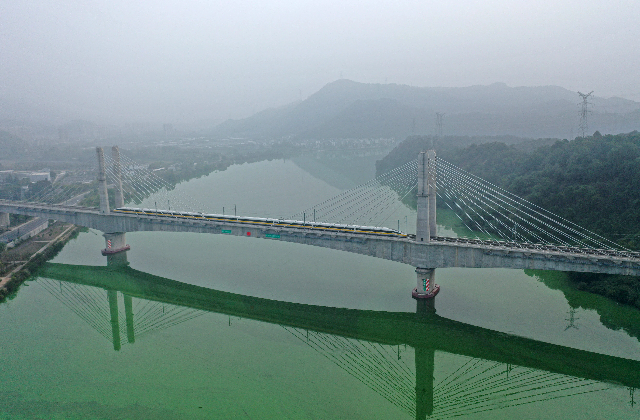
“十五五”时期,新型城镇化怎么“走”?
Jing Ji Guan Cha Wang· 2025-11-14 13:02
Core Insights - The forum focused on the development of new urbanization during the "14th Five-Year Plan" period, emphasizing the importance of integration across various dimensions such as regional, urban-rural, industrial, digital, green, cultural, and safety aspects [1][2] Urban Agglomeration Construction - Current urban agglomerations and metropolitan areas primarily exist in a physical state, lacking deep economic and social interactions, leading to a dominance of central cities over smaller towns and rural areas [2] - The central government's focus is on promoting integration and collaboration within urban agglomerations rather than mere scale expansion, necessitating a balance between connectivity and differentiation [2][3] Infrastructure and Public Services - Emphasis on improving the connection between new and old infrastructure, addressing issues like "dead-end roads" and ensuring uniform standards across various infrastructures [3] - The importance of enhancing the connectivity of basic public services is highlighted, with a focus on collaborative efforts to share quality resources among cities [3] Urban-Rural Integration - The central government prioritizes urban-rural integration, recognizing the need for cities to support rural development, as rural areas remain the weakest link in modernization efforts [5][6] - Key reforms are needed to facilitate the two-way flow of resources between urban and rural areas, including household registration and land system reforms [6] Population Trends and Predictions - Predictions indicate a continuous decline in rural population, with estimates suggesting a drop from 465 million to 398 million by 2030, and further to 353 million by 2035 [7] - The number of administrative villages is expected to decrease significantly, leading to challenges such as village vacancy and inefficient land use [7] Quality of Urbanization - The relationship between speed and quality in urbanization is crucial, with a focus on improving urbanization quality as a primary goal [7] - Despite a slowdown, urbanization in China is projected to continue, with urbanization rates expected to reach 71.5% by 2030 and 74.6% by 2035 [7]
中国东北,又画了一个圈
Zhong Guo Xin Wen Wang· 2025-10-20 12:12
Core Insights - The approval of the "Changchun Urban Circle Development Plan" by the National Development and Reform Commission marks the establishment of the second national-level urban circle in Northeast China, following the Shenyang urban circle [1][6] - Urban circles are seen as a key driver for regional economic development, facilitating resource allocation and enhancing competitiveness through infrastructure connectivity and industrial collaboration [3][5] Group 1: Urban Circle Development - The Changchun urban circle is characterized by its unique advantages, focusing on Changchun as the core city, which accounts for over 50% of Jilin Province's GDP, thus making it a "strong provincial capital" [7][8] - The planned area of the Changchun urban circle is approximately 29,700 square kilometers, with a resident population of about 12.1 million, structured around a "one center, three groups, five belts, and one corridor" layout [7][8] Group 2: Industrial and Economic Implications - The automotive industry is a critical component of the Changchun urban circle, with the city being the birthplace of China's automotive industry and home to major manufacturers like FAW Group [7][10] - The development plan aims to leverage national-level platforms such as the China-South Korea (Changchun) International Cooperation Demonstration Zone and the Changchun National Independent Innovation Demonstration Zone to enhance policy support for the urban circle [8][10] Group 3: Strategic Importance - The establishment of urban circles in Northeast China is a strategic response to maximize resource efficiency in regions with the best infrastructure and potential, while also aligning with national strategies for coordinated development [10][11] - The "14th Five-Year Plan for Comprehensive Revitalization of Northeast China" emphasizes the establishment of a high-quality regional economic layout, enhancing the radiating and driving effects of urban circles [10]

杭州都市圈也有成长的烦恼,“十五五”要做四篇文章 | 都市圈2.0
Di Yi Cai Jing· 2025-10-15 11:21
Core Insights - The Hangzhou metropolitan area has been officially recognized as a national-level metropolitan area, marking its significance in China's urban development strategy [1][3] - The area has a population of approximately 26.94 million and covers around 22,000 square kilometers, indicating its substantial size and demographic importance [1][3] Economic Performance - Hangzhou's per capita GDP is significantly lower than that of major global cities, being half of Tokyo's, one-fifth of New York's, and one-sixth of San Francisco's, highlighting room for economic growth [3][4] - The metropolitan area has a strong innovation and entrepreneurial environment, with over 90% of R&D funding coming from enterprises, and 63 companies from the region listed among China's top 500 private enterprises [3][4] Challenges and Opportunities - The metropolitan area faces challenges in resource efficiency and innovation capacity, with gaps in R&D intensity and talent attraction compared to leading urban areas [4][5] - There is a need for improved industrial influence beyond the digital economy, particularly in sectors like biomedicine and high-end manufacturing, to enhance the area's economic ecosystem [5][6] Infrastructure Development - Significant progress has been made in transportation infrastructure, with 506 kilometers of metro lines constructed in five years, yet there remains potential for improvement in operational efficiency and commuting rates [5][6] - The Hangzhou to Quzhou high-speed railway is in the testing phase and is expected to enhance connectivity within the region [3] Strategic Initiatives - The metropolitan area aims to optimize its development framework by integrating with the Yangtze River Delta and enhancing collaboration with other urban areas [6] - Focus areas include fostering innovation, smart governance, and sustainable living environments to improve the quality of life for residents [6]
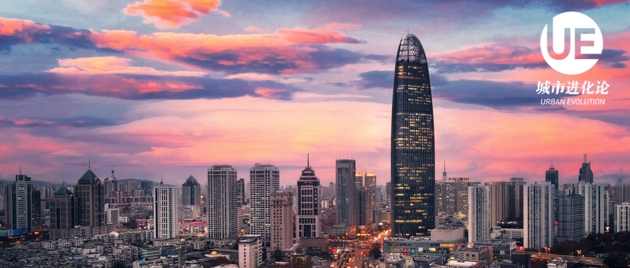
不愿再“缺位”,这个省会都市圈被“点名”
Mei Ri Jing Ji Xin Wen· 2025-09-22 16:05
Core Insights - The recent Shandong Provincial Urban Work Conference emphasized the importance of structural optimization in urban development, specifically highlighting the need for enhanced radiating capabilities of Jinan and Qingdao [1][2] - The Jinan Metropolitan Area's spatial planning aims to establish a modern urban area with significant international influence and regional driving force by 2035 [1] - Jinan's economic development has lagged behind other major urban areas in China, leading to a decline in its national influence [6][3] Group 1: Urban Development and Planning - The Shandong Provincial Urban Work Conference identified "optimizing the modern urban system" as a primary task for future urban work [8] - The Jinan Metropolitan Area is currently in a critical phase of "shaping," with efforts to enhance its collaborative development and regional competitiveness [2][9] - The Jinan Metropolitan Area's development plan received approval in early 2024, but its approval came 2-3 years later than other major urban areas like Nanjing and Chengdu [2][3] Group 2: Economic Performance and Challenges - Jinan's GDP for 2024 is projected to be 1.35 trillion yuan, ranking 12th among the 17 approved national metropolitan area central cities [3] - The economic gap between Shandong and leading provinces like Guangdong and Jiangsu has been widening since 2009, with Shandong's GDP expected to reach 9.86 trillion yuan in 2024, growing by 5.7% [16][20] - The Jinan Metropolitan Area's influence on surrounding cities is relatively weak, indicating a need for improved economic integration and collaboration [3][6] Group 3: Industrial Collaboration and Integration - The Jinan Metropolitan Area faces challenges in industrial coordination, with overlapping industries among cities leading to resource misallocation [7][15] - Recent initiatives have been launched to enhance inter-city collaboration, including the establishment of a modern logistics coordination mechanism and a cross-regional cooperation initiative [14][15] - The focus on artificial intelligence and data utilization is seen as a key area for driving industrial collaboration within the metropolitan area [15] Group 4: Inter-Metropolitan Cooperation - The Shandong government aims to strengthen the linkage between the Jinan and Qingdao metropolitan areas to boost regional economic development [20][21] - Infrastructure improvements, such as the Jinan-Qingdao high-speed rail, are enhancing connectivity and operational efficiency between the two metropolitan areas [21] - The two metropolitan areas are encouraged to focus on complementary industrial development, with Jinan positioned as a digital industry hub and Qingdao as a marine science and technology center [21]
南京都市圈的下一张牌,怎么打?
3 6 Ke· 2025-09-17 02:39
Core Viewpoint - The Nanjing metropolitan area is entering a new phase of development, transitioning from "geographical proximity" to "functional enhancement," with a focus on high-quality urban integration and collaboration among surrounding cities [1][8]. Group 1: Development Planning - Nanjing's Development and Reform Commission is leading a new round of planning for the metropolitan area, aiming to enhance future work over the next five years [1]. - The Nanjing metropolitan area is the first nationally approved metropolitan area development plan, receiving formal approval from the National Development and Reform Commission [1][2]. Group 2: Advantages of Nanjing Metropolitan Area - The Nanjing metropolitan area benefits from early initiation, long development cycles, and mature layouts, supported by surrounding cities [2]. - Cultural, geographical, and commercial integration among cities in the Nanjing metropolitan area provides a strong foundation for unified development [3]. Group 3: Transportation and Industry Integration - The Nanjing metropolitan area is focusing on transportation and industry as key development themes during the 14th Five-Year Plan, with an emphasis on integrated rail transport systems [4]. - By the end of 2023, the urban rail transit network in the Nanjing metropolitan area is expected to reach 567.46 kilometers, achieving a 100% connectivity rate for high-speed rail and intercity transport [5]. Group 4: Economic Growth - The GDP of the Nanjing metropolitan area increased from 4.18 trillion yuan in 2020 to 5.44 trillion yuan in 2024, representing a growth of over 1 trillion yuan [5]. - The Nanjing metropolitan area ranks second in GDP total, per capita GDP, and foreign investment utilization among 17 national metropolitan areas, with a retail sales total of 2.03 trillion yuan, ranking first [6]. Group 5: Future Development Trends - Future plans for the Nanjing metropolitan area include creating a high-quality functional urban area, a livable community, and a collaborative development zone [7]. - The focus will be on integrated public services, ecological governance, and enhancing the convenience of intercity interactions [8][9].
中国8月CPI同比下降,二手Labubu市场降温 | 财经日日评
吴晓波频道· 2025-09-11 00:29
Economic Indicators - In August 2025, China's Consumer Price Index (CPI) decreased by 0.4% year-on-year, while the core CPI, excluding food and energy, rose by 0.9%, marking the fourth consecutive month of growth [2] - The Producer Price Index (PPI) showed a month-on-month stabilization after a 0.2% decline, with a year-on-year decrease of 2.9%, narrowing by 0.7 percentage points from the previous month [2][3] - The average CPI for January to August 2025 fell by 0.1% compared to the same period last year, while the average PPI decreased by 2.9% [2] E-commerce and Logistics - The e-commerce logistics index in China reached a new high of 112.3 points in August, continuing a six-month upward trend, driven by improved service quality and increased business volume [4] - The logistics sector benefited from reduced extreme weather conditions and seasonal demand, particularly in clothing and back-to-school shopping [4][5] Employment and Economic Trends - The U.S. non-farm employment numbers were revised down by 910,000, indicating a significant cooling in the job market, with nearly all sectors experiencing downward adjustments [6][7] - The Federal Reserve may be compelled to lower interest rates in response to the weakening economic growth outlook [7] Urban Development - The Nanjing urban agglomeration has initiated a new round of development planning, aiming to enhance regional collaboration and economic vitality [8][9] Technology and Consumer Products - Apple launched the iPhone Air, the thinnest iPhone to date, with no increase in starting prices compared to previous models, despite some consumer disappointment regarding the lack of new AI features [12][13] - The second-hand market for Labubu toys has seen a significant price drop, reflecting a correction after speculative trading [14][15] Market Performance - On September 10, the Chinese stock market experienced slight fluctuations, with the Shanghai Composite Index closing at 3812.22 points, up 0.13% [16] - The overall trading volume fell below 2 trillion, indicating a potential decrease in market activity and volatility [17]

郑州都市圈:软硬联通协同发展
Jing Ji Ri Bao· 2025-09-07 21:54
Core Insights - Zhengzhou Urban Circle has been upgraded to the 10th national-level urban circle, providing strong momentum for high-quality development in the Central Plains urban agglomeration and supporting the rise of the central region [1][8] - The urban circle includes several cities and counties, with a focus on transportation connectivity to enhance collaboration and economic vitality among cities [2][3] Transportation Development - The Zhengzhou-Kaifeng intercity railway has significantly reduced commuting time, enabling a "dual-city model" where residents can work in Zhengzhou and live in Kaifeng [2] - The Zhengzhou-Jiaozuo intercity railway serves as a key driver for urban transformation, particularly for Jiaozuo, which is transitioning from a resource-depleted city to a tourism hub [2] - The Zhengzhou-Xuchang intercity railway, set to open in December 2023, has already achieved a passenger volume of 18.58 million, facilitating economic interactions between the two cities [3] Industrial Development - In 2024, the industrial added value of the Zhengzhou urban circle is expected to account for 51.5% of the province's total, with a significant increase in the number of industrial enterprises [4] - The Zheng-Kai automotive industry belt has attracted over 10 well-known car manufacturers and more than 100 parts suppliers, achieving an annual production capacity of over 2 million vehicles [5] - The industrial collaboration between Zhengzhou and Xuchang has led to the formation of three trillion-yuan industrial clusters in electronics, new energy vehicles, and power equipment [6] Ecological Initiatives - The Zhengzhou urban circle has set ambitious ecological goals, including a forest coverage rate of 34% and a per capita urban park green space of 14.2 square meters by 2027 [7] - Collaborative ecological protection efforts are underway with neighboring cities along the Yellow River, focusing on water quality and environmental emergency response [8] - The urban circle aims to enhance its ecological civilization, with significant improvements in air quality and biodiversity observed in recent years [7][8]
加快创新打造区域竞争新优势
Jing Ji Ri Bao· 2025-08-27 22:23
Group 1: Urban Development and Integration - The Xi'an metropolitan area has been focusing on modern urban development since its approval in February 2022, aiming for coordinated growth between the central city and surrounding areas through innovative mechanisms [1] - A provincial-level office for integrated development has been established, along with a coordination group for land and spatial planning, to ensure a structured approach to urban integration [1] Group 2: Transportation Infrastructure - The metropolitan area is enhancing its transportation system by developing a multi-layered rail transit plan and integrating various transport networks, including air, rail, and road [2] - A comprehensive transportation network is being constructed to facilitate efficient commuting within the metropolitan area, with a focus on creating a seamless connection to national and international transport systems [2] Group 3: Innovation and Industry Collaboration - The region is leveraging its status as a technology innovation center to create a collaborative innovation network that connects Xi'an with surrounding cities, promoting joint research and development initiatives [3] - Key industries such as renewable energy and biotechnology are being targeted for development, with major companies expanding their operations within the metropolitan area [3] Group 4: Environmental Cooperation - A framework for joint air pollution control has been established among the cities in the metropolitan area, focusing on collaborative efforts to improve air quality [4] - Water pollution control measures are being implemented, with agreements in place for coordinated responses to environmental incidents, highlighting a commitment to sustainable development [4]