
骑手权益保障

Search documents
@美团骑手,2026第一笔社保补贴已到账
Chang Sha Wan Bao· 2026-02-05 00:24
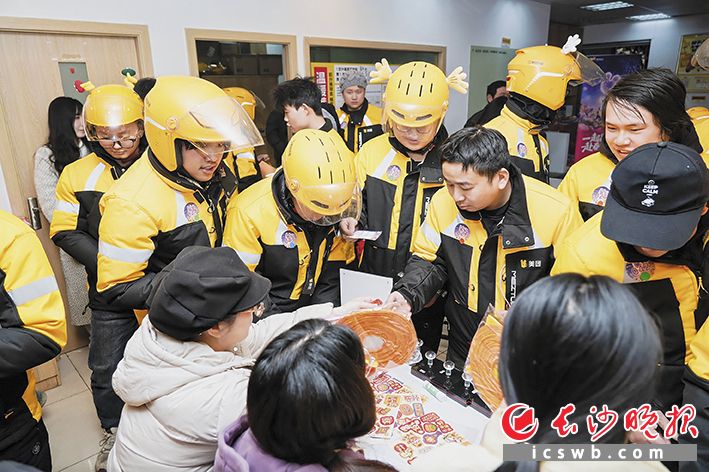
长沙晚报全媒体记者 吴鑫矾 通讯员 隽蒙 "年货礼盒收到了,手机短信提醒新年第一笔社保补贴407.2元也到账了!"2月3日,长沙市雨花区美团 骑手之家,骑手齐宏兴奋地晒出手机页面,难掩喜悦。当天,美团骑手新春联欢慰问活动在此举行,现 场百名骑手齐聚一堂,提前感受年味。 春节期间开放骑手之家提供保障 此次活动在湖南省委社会工作部、湖南省市场监督管理局及长沙市委社会工作部、长沙市市场监督管理 局的支持下开展。现场,美团为骑手们送上米面粮油、水果、挡风被、暖宝宝等年货和保暖物资,骑手 们一起做游戏领奖品、品尝本地特色茶饮美食,一起制作灯笼、春节吉祥物,并享受免费理发、免费肩 颈按摩等服务,氛围火热。 据悉,春节前,美团在全国各站点、骑手之家举办新春联欢,近10万名骑手参与联欢表彰活动,美团现 场向骑手发放年货特产及骑手专属文创礼包等慰问物资。 美团骑手保障负责人介绍,2026年春节期间,美团骑手之家将每日开放并向周边骑手提供服务保障,骑 手可在"家"中吃年夜饭,领取保暖应急物资,休闲娱乐。 2025年10月27日,美团宣布骑手养老保险补贴正式覆盖全国,不管是直营城市还是县城、乡镇的代理区 域都全部覆盖,成为行业首个 ...


“三位一体”护航骑手权益
Xin Lang Cai Jing· 2026-01-11 19:16
Core Insights - The article highlights the establishment of a "three-in-one" rights protection service system by the delivery industry labor union in Panjin City, which effectively supports delivery riders in addressing urgent issues and securing compensation [1][2] Group 1: Rights Protection System - The "three-in-one" system connects platforms, franchisees, and riders to focus on the interests of riders, providing a new path for rights protection tailored to industry characteristics [1] - This system was established in 2019 and aims to address long-standing issues such as complex employment structures and difficulties in labor relations recognition and accident compensation [1] Group 2: Legal Assistance and Claims Processing - The labor union has implemented a precise assistance model for different types of disputes, including a mechanism for one-time settlements that reduces claim processing time from 7-15 days to within 24 hours for minor accidents [2] - For third-party liability accidents, an innovative "dual connection" mechanism has been created, resulting in an average claim processing time of 10 days and a total compensation of 70,000 yuan for 5 cases [2] - A "disability screening + full-service agency" mechanism has been established for severely injured riders, assisting in 14 disability assessments and securing over 450,000 yuan in subsidies [2] Group 3: Preventive Measures and Mediation - The labor union emphasizes both rights protection and prevention by promoting dual regulations of "algorithm + employment," urging platforms to clarify minimum compensation and overtime exemption clauses [2] - A "one-stop reception, all-in-one mediation" model has been implemented, achieving a mediation success rate of over 95% [2]
外卖骑手 如何才能慢下来?
Shang Hai Zheng Quan Bao· 2026-01-10 13:55
Core Viewpoint - The implementation of the new national standard for electric bicycles and the basic requirements for delivery platforms aims to enhance rider safety while raising concerns about potential income reductions for over 10 million delivery riders in China [1][2][3]. Group 1: New Regulations and Their Implications - The new national standard (GB 17761—2024) limits the maximum speed of electric bicycles to 25 km/h, while the basic requirements mandate an average speed of no more than 15 km/h for deliveries [7][8]. - The regulations are seen as necessary adjustments to improve rider safety, addressing the high incidence of traffic accidents in the delivery industry [5][4]. - Riders express support for the new regulations but emphasize the need for systemic changes in delivery rules, pricing structures, and assessment standards to ensure their income is not adversely affected [8][21]. Group 2: Impact on Riders' Income - Riders like Wang Wei estimate that limiting speed to 25 km/h could reduce their daily order volume by one-third, potentially halving their income [12][20]. - The current income model is under pressure, with many riders feeling that the delivery fees have decreased over time, exacerbating their financial concerns [20][19]. - The industry is characterized by intense competition, with platforms focusing on cost-cutting and speed, which may not align with the new safety regulations [17][18]. Group 3: Industry Dynamics and Future Outlook - The delivery industry is undergoing a transformation, with a shift from a focus on speed and low prices to a more balanced approach that includes safety and service quality [22]. - The new regulations are intended to address issues such as "ghost deliveries" and inadequate rider rights, promoting a healthier industry ecosystem [21][22]. - However, there is skepticism about the platforms' willingness to implement substantial changes, as many have yet to take significant action following the announcement of the new standards [23][24].
新国标要求外卖平台公开调度算法,骑手每周至少一个休息日
Xin Lang Cai Jing· 2025-12-05 17:15
Group 1 - The new national standard for food delivery platforms aims to protect the rights of delivery personnel by regulating working hours, rest rights, and optimizing dispatch algorithms [2] - Delivery personnel are required to work no more than 8 hours a day, with platforms needing to issue a confirmation prompt for continued orders after this limit [2] - If delivery personnel work continuously for more than 4 hours, platforms must issue a fatigue alert and pause order dispatch for at least 20 minutes [2] Group 2 - The new standard mandates that delivery personnel should have at least one day of rest per week, which cannot be forced by platforms or employers [2] - Platforms are prohibited from implementing mandatory scheduling or performance assessments based on order volume for those not fully classified as employees [3] - The standard balances the calculation of delivery times with actual delivery durations, requiring platforms to monitor and manage unsafe driving behaviors [3]
外卖站的“活地图”和“发声筒”,骑手刘壮“做力所能及的善事”
Xin Jing Bao· 2025-11-27 09:53
Core Points - The article highlights the story of Liu Zhuang, a delivery rider in Beijing, who has made significant contributions to his community through blood donation and support for fellow riders [2][3][4] - Liu Zhuang's journey from a soldier to a delivery rider reflects his desire for freedom and his commitment to helping others [2][3][4][6] - The establishment of the "Xiao Ai" rest station for riders in Chaoyang District is a direct result of Liu's advocacy, providing a supportive environment for delivery workers [5][21] Group 1: Personal Background and Contributions - Liu Zhuang, a former soldier, transitioned to various jobs before becoming a delivery rider, motivated by a desire for freedom and enjoyment [2][3][4] - He has donated blood multiple times and made a notable contribution by donating hematopoietic stem cells to a child with blood disease, which he describes as a life-changing experience [8][12][14] - Liu Zhuang actively shares his experiences and knowledge with new riders, earning their respect and affection, and is affectionately called "Zhuang Ge" [6][7][21] Group 2: Community Impact and Initiatives - Liu Zhuang's efforts led to the creation of a rest station for delivery riders, which offers essential amenities and a comfortable space for them to relax [5][21] - He has become a representative for riders, voicing their concerns and challenges to improve their working conditions [21] - His online posts sharing experiences and tips for delivery riders have gained popularity, fostering a sense of community and encouraging others to contribute positively [16][17][21]

优化算法保障骑手权益
Jing Ji Ri Bao· 2025-11-13 22:12
Core Viewpoint - The implementation of the "fatigue prevention" mechanism by food delivery platforms aims to protect the rights of riders while balancing their work efficiency and health [1][2]. Group 1: Mechanism Implementation - The "fatigue prevention" mechanism has been launched in major cities across the country, utilizing pop-up reminders and mandatory offline periods to manage rider fatigue [1]. - Meituan has set a rule where riders working continuously for 8 hours will receive a rest reminder, and those working for 12 hours will be forced offline; Ele.me limits daily delivery time to 11 hours [1]. - During the trial period of the "fatigue prevention" mechanism, only 0.18% of riders triggered the rest clause, indicating that the mechanism does not disrupt the normal delivery rhythm for the majority of riders [1]. Group 2: Algorithm Optimization and Limitations - The optimization of algorithms is primarily a voluntary action by companies, constrained by commercial logic, which limits the ability of algorithms alone to fully protect rider rights [1]. - There is a need for continuous improvement in algorithm design to accommodate individual differences and actual needs of riders, alongside strengthening the enforcement of relevant laws and regulations [1]. - Enhanced government oversight, industry self-regulation, and social supervision are essential to promote a multi-faceted governance structure [1]. Group 3: Rider Participation and Rights - The "fatigue prevention" mechanism is a positive attempt to safeguard riders' right to rest, relying on their participation and recognition for effectiveness [2]. - Future improvements should grant riders more voice and respect their autonomy while ensuring their safety [2]. - Continuous exploration and systematic advancement are necessary to further enhance the protection of rider rights through more refined measures [2].
美团骑手屏蔽恶意顾客功能全国上线,最多屏蔽2名用户
Mei Ri Jing Ji Xin Wen· 2025-11-01 14:51
Core Points - The "block malicious customers" feature for Meituan delivery riders has been fully launched nationwide, allowing riders to block up to 2 users for a period of 365 days [1][3] - This feature was developed in response to strong demands from riders for a sense of fairness and respect, as highlighted in discussions earlier this year [1] - Riders can submit evidence such as recordings, videos, or chat logs to block users who engage in inappropriate behavior, ensuring they do not receive orders from those users for one year [1][3] Summary by Categories - **Feature Implementation** - The "block malicious customers" feature is now available across the country, allowing riders to block up to 2 users for 365 days [1][3] - The system will automatically match other riders to ensure order delivery is not affected, even if a rider blocks a user [1] - **Rider Support and Feedback** - The feature was introduced following strong feedback from riders regarding their need for more control and respect in their work environment [1] - Experts suggested increasing riders' decision-making power and improving their rights [1] - **Evidence Submission Process** - Riders can provide evidence of inappropriate behavior, such as recordings or chat logs, to support their request to block a user [1][3] - The blocking period lasts for one year, after which the block is automatically lifted, but riders can adjust their block list at any time [1]

美团上线新功能:骑手可屏蔽恶意用户
Di Yi Cai Jing· 2025-10-31 12:43
Core Points - Meituan has launched a "block malicious users" feature in its delivery rider app to enhance rider safety and experience [1] Group 1: Feature Overview - The new feature allows riders to block users who engage in inappropriate behavior such as harassment or requesting personal information [1] - Riders can submit evidence like audio recordings, videos, or chat logs to support their request for blocking a user [1] - Each rider can block up to 2 users for a period of 365 days, after which the block is automatically lifted [1] Group 2: User Experience Considerations - The system ensures that even if a rider blocks a user, other riders will be automatically matched to fulfill the order, maintaining service continuity [1]
三大外卖平台多地试点取消超时罚款 监管发力重塑安全有序行业新生态
Chang Jiang Shang Bao· 2025-10-27 01:52
Core Viewpoint - The delivery industry is undergoing significant changes due to increased regulatory scrutiny, leading to improved conditions for delivery riders and a shift in management practices among major platforms [1][4][5]. Group 1: Regulatory Changes and Industry Response - Major delivery platforms, including Meituan, JD.com, and Ele.me, have announced the cancellation of late delivery penalties, replacing them with a service score management system [4][5]. - The regulatory environment has prompted these platforms to respond quickly to concerns about rider welfare and safety, indicating a shift from punitive measures to more supportive management practices [1][4][6]. - The National Market Regulatory Administration has been actively engaging with major platforms to address issues of unfair competition and to promote a more orderly development of the industry [5][6][7]. Group 2: Impact on Delivery Riders - The rights and welfare of delivery riders have become a focal point of public concern, with recent initiatives aimed at improving their working conditions, such as the introduction of full social security contributions by JD.com [3][4]. - The recent rumors about collective actions by riders were debunked by Meituan, which emphasized that these claims were fabricated and detrimental to the rider community's image [2][4]. - Platforms are exploring new ways to enhance rider autonomy and satisfaction, such as allowing riders to block problematic users and implementing flexible delivery timeframes [5][6]. Group 3: Future Directions and Industry Standards - The draft of the "Basic Requirements for Delivery Platform Services" aims to establish new industry standards, focusing on service quality, merchant support, and rider rights [7]. - The ongoing changes reflect a broader trend towards creating a balanced ecosystem that benefits consumers, merchants, riders, and platforms alike [7].

外卖骑手告别超时罚款,快递小哥困于“无过投诉”
3 6 Ke· 2025-10-24 04:05
Core Points - The article discusses the evolving rights and protections for delivery riders in the food delivery sector compared to the stagnant situation for express delivery workers [3][12] - Recent initiatives by companies like Meituan, JD.com, and Ele.me include the cancellation of late penalties and the introduction of a service score management system for riders [1][3] - The express delivery industry faces systemic issues, including a problematic "complaint" culture that penalizes delivery workers for customer inquiries or order cancellations [4][7] Group 1: Rights and Protections for Delivery Workers - Food delivery companies have implemented measures to improve rider rights, such as eliminating cash penalties for late deliveries and introducing a service score system [1][3] - Meituan has also trialed features allowing riders to evaluate customers and block abusive users, enhancing rider protection [1] - In contrast, express delivery workers continue to face significant challenges, with their rights and protections lagging behind those of food delivery riders [3] Group 2: Issues in the Express Delivery Sector - The express delivery industry operates under a "complaint culture," where any customer inquiry is often treated as a complaint against the delivery worker, leading to confusion and unfair penalties [4][5][7] - This culture is prevalent across multiple express delivery companies, creating a systemic issue that affects both workers and consumers [5][7] - The reliance on fines as a management tool in the express delivery sector has led to a situation where penalties are used for revenue generation rather than service improvement [8][10] Group 3: Management Practices and Economic Pressures - The express delivery industry heavily relies on a franchise model, which has resulted in a management approach that shifts operational risks and costs onto delivery workers [8][10] - Companies like SF Express, despite being direct-operated, are increasingly outsourcing labor, leading to rising costs and continued reliance on punitive measures for management [8][10] - The competitive landscape has further distorted the purpose of penalties, turning them into a means of cost control rather than a method for enhancing service quality [10][11]
