
AI写作

Search documents
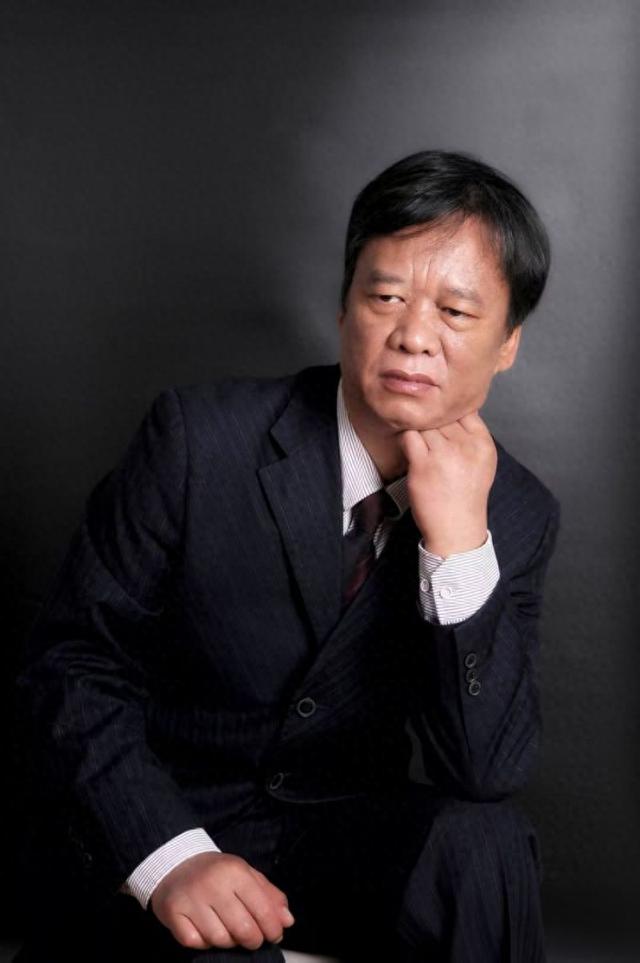
盲人作家李东辉专访:在黑暗中,看清责任 | 链筑无障碍
Xin Lang Cai Jing· 2026-02-20 10:22
Core Viewpoint - The article narrates the life journey of Li Donghui, who overcame significant personal challenges, including blindness, to become a writer and advocate for the visually impaired, emphasizing the importance of resilience and the transformative power of writing [3][10]. Group 1: Personal Journey - Li Donghui faced a life-threatening illness at the age of 23, which resulted in his blindness, altering his life trajectory significantly [3][4]. - After recovering from meningitis, the realization of his blindness led to a moment of despair, but a pivotal conversation with his mother inspired him to continue living [4][5]. - He describes his life philosophy as "having grievances but no regrets," acknowledging the struggles he faced while maintaining a commitment to his choices [5][9]. Group 2: Writing and Perspective - Despite his blindness, Li Donghui's writing is characterized by vivid imagery and emotional depth, drawing from his memories of sight and unique reading methods [5][6]. - He utilizes auditory reading techniques and technology to enhance his writing process, believing that true writing cannot be replaced by AI [7][8]. - His literary work reflects a broad understanding of the world, enriched by his past experiences and the memories of visual details [6][7]. Group 3: Advocacy and Social Responsibility - As a vice-chairman of the Hebei Blind Association and a member of the local political advisory body, Li Donghui actively contributes to improving the lives of disabled individuals through various initiatives [8][9]. - He emphasizes the importance of self-esteem and self-reliance for disabled individuals, advocating for both societal support and personal empowerment [8][9]. - His long-term commitment to helping others includes running a hotline for psychological support, highlighting the reciprocal nature of giving and receiving [9][10].

她用AI一年上架200本小说,那个叫“作者”的身份死于2026
虎嗅APP· 2026-02-10 14:12
Core Viewpoint - The article discusses the impact of AI on the concept of authorship, suggesting that AI-generated content challenges traditional notions of unique human creativity and authorship, potentially leading to a redefinition of what it means to be a writer in the modern age [10][18][80]. Group 1: AI and Writing Efficiency - Coral Hart, a romance novelist, has leveraged AI tools to produce over 200 novels in a year, generating a six-figure income, highlighting the efficiency of AI in content creation [5][34]. - An experiment showed that students preferred AI-generated texts over original works from renowned authors, indicating that AI can produce content that resonates with readers [7][14]. Group 2: The Concept of Authorship - The article references Roland Barthes' idea of "the death of the author," arguing that the traditional notion of authorship is a modern construct that AI is now challenging [20][29]. - The emergence of AI writing raises questions about the value of human authorship, as AI can replicate styles and produce content indistinguishable from human-created works [10][36]. Group 3: Cultural and Political Implications - The article discusses how language and writing are not neutral but carry cultural and political weight, suggesting that reliance on AI may reflect a new form of cultural colonization [49][50]. - The shift from traditional authorship to AI-generated content may lead to a new literary experience that emphasizes collective engagement rather than individual creation [52][70]. Group 4: Future of Content Creation - The future of authorship may involve curating and creating experiences rather than merely producing text, as the value shifts from content creation to the meaning and context of that content [71][89]. - The article posits that the role of content creators may evolve into that of facilitators or curators, focusing on the experience rather than the act of writing itself [70][72].
迈向跨界融合的“大文学”时代
Ren Min Ri Bao Hai Wai Ban· 2026-01-14 22:50
Core Viewpoint - The emergence of "New Popular Literature" signifies a shift where the general public becomes the main creator of new cultural narratives, influenced by digitalization and technological advancements [20][33]. Group 1: New Popular Literature - "New Popular Literature" was recognized as one of the "Top Ten New Words of 2025," highlighting the role of the public in cultural creation [20]. - The rise of digital media, including mobile internet and AI, has unleashed a vast amount of creative potential among ordinary authors [20][33]. - The phenomenon of "amateur writing" has gained traction, with various authors from different backgrounds contributing unique narratives [21][34]. Group 2: Impact of AI on Literature - The integration of AI in writing has sparked discussions about the nature of literary creation and the unique qualities that define human authorship [10][11]. - The coexistence of human and AI-generated literature raises questions about the future of writing and the preservation of human experiences in storytelling [10][11]. Group 3: Notable Literary Works and Themes - The year 2025 saw a surge in literature focusing on historical themes, particularly related to the Anti-Japanese War, reflecting a collective memory and cultural identity [16][19]. - Works like "The Sea Wind" and "Peach Blossom Dock" explore the experiences of individuals during wartime, emphasizing the resilience and spirit of the people [17][19]. - The literary landscape is enriched by diverse narratives that address contemporary issues, such as the struggles of ordinary people and the complexities of human relationships [13][14][30]. Group 4: The Role of Individual Experience - Authentic personal experiences and emotional impulses are highlighted as essential elements for creating impactful literature, which AI cannot replicate [11][12]. - The exploration of individual narratives, such as those from ordinary workers and their life stories, contributes to a richer understanding of society [21][34]. Group 5: Future Directions in Literature - The evolving literary scene calls for a reevaluation of traditional literary boundaries, encouraging cross-genre experimentation and collaboration with other media [25]. - The concept of "Big Literature" emerges as a response to the changing cultural landscape, aiming to connect literature with broader social contexts [25].
【改进文风大家谈】改进文风,首在知“弊”
Xin Lang Cai Jing· 2026-01-10 18:28
Group 1 - The article discusses the evolution of writing styles and the persistent issues within literary creation, emphasizing the need for improvement in contemporary writing practices [1] - It highlights historical critiques of writing flaws from past scholars, indicating that these insights remain relevant today, especially in the context of AI and algorithmic writing [1] - The author argues that the root cause of current writing issues is the lack of patience, courage, and ability to engage with real-life experiences, leading to a focus on technical skills over substantive content [1] Group 2 - The article references Mao Zedong's "Opposition to Party Eight-legged Essays," which identifies eight major flaws of formalism in writing and suggests using dialectical analysis to address these issues [2] - It mentions the works of Zhao Shuli, who exemplified the approach of drawing inspiration from real-life problems in his "problem novels," which serve as a remedy for contemporary writing flaws [2]
AI免费写作?别傻了!你付出的远比钱更贵
Sou Hu Cai Jing· 2026-01-10 18:10
Group 1 - The article discusses the misconception of "free" AI writing tools, highlighting that while many tools claim to be free, they often come with limitations that hinder productivity and efficiency [3][4][10] - It emphasizes that the true value of these tools lies not in their cost but in the time and effort they save, allowing users to focus on creating unique content that drives traffic [4][10] - The article introduces a specific AI content generation system, "优采云," which operates like a content factory, automating the writing process and allowing users to generate articles without manual input [5][9] Group 2 - The "优采云" system is described as capable of sourcing information from various platforms and generating original content while filtering out duplicates and irrelevant material [5][8] - It offers advanced features such as automatic image integration and the ability to create videos from text, showcasing its comprehensive content production capabilities [8][9] - The article concludes that for those who rely on content for traffic, the greatest cost is not the tool itself but the inefficiencies and repetitive tasks that waste valuable opportunities [10]

想提高写作速度?我用AI智能媒体助理速度快了不少
Sou Hu Cai Jing· 2026-01-04 21:08
Core Insights - The article emphasizes the transformation in content creation workflows through the adoption of AI writing tools, highlighting the shift from traditional writing methods to a more efficient, automated process [1][3]. Group 1: Workflow Transformation - The initial perception of AI writing tools as mere "advanced typewriters" has evolved, leading to a systematic restructuring of the entire content creation process [3]. - The new workflow consists of four stages: inspiration and topic selection, intelligent content production, automated publishing and adaptation, and data feedback and optimization [6][7]. Group 2: Efficiency Gains - The use of AI tools has increased content output from 1-2 articles per day to 8-10 articles, while maintaining quality [3][6]. - Automation of the publishing process has saved significant time, with one specific task saving 40 minutes daily [6]. Group 3: Key Recognitions - A shift in role from "creator" to "curator and editor" has occurred, focusing on content architecture and optimization rather than just production speed [7]. - Quality and quantity can coexist, as AI handles basic content generation, allowing for deeper insights and emotional engagement from human creators [7]. Group 4: Practical Recommendations - Companies are advised to start automating from the most challenging aspects of their workflow, such as topic generation or formatting [8]. - Establishing a content template library based on past high-engagement content can standardize quality across different platforms [8].

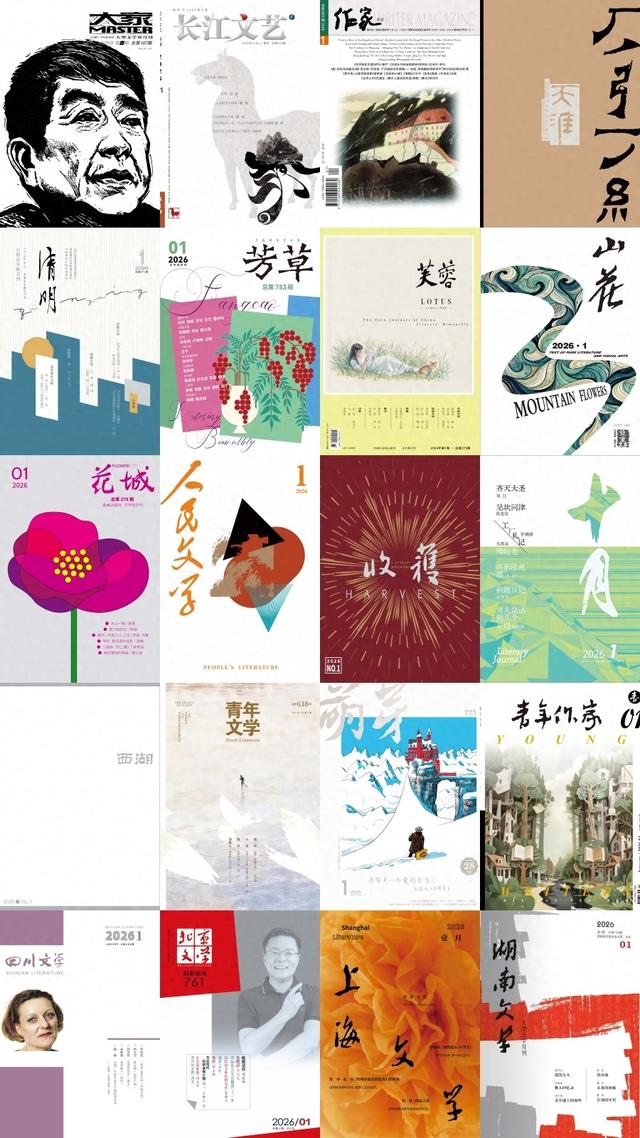
22家刊物共答“原创之问”:2026,文学如何捍卫真实?
Xin Lang Cai Jing· 2026-01-01 01:17
Core Viewpoint - The literary magazines of 2026 are focusing on originality and the challenges posed by AI writing, emphasizing the need for trust and quality in literary works [1][4][8]. Group 1: Originality Measures - 22 literary magazines, including "People's Literature," "Harvest," and "October," are implementing various measures to ensure the originality of published works, such as requiring authors to sign originality statements and establishing blacklists for violators [4][8]. - "People's Literature" has increased editor training to enhance originality verification and will impose publication bans on confirmed plagiarists [8]. - "Harvest" is calling for industry-wide legal standards to clarify the differences between imitation, homage, and plagiarism, aiming to rebuild trust between publications, authors, and readers [12]. Group 2: New Initiatives and Features - "People's Literature" will feature a new column "New Wave·Pilgrimage," focusing on young authors from specific administrative regions, increasing the representation of grassroots and amateur writing [8]. - "Harvest" is launching new columns, including one by poet Chen Dongdong discussing poetry, and another by Ma Boyong exploring historical and literary sites [12]. - "October" is increasing its non-fiction content and will publish a new column focusing on the realities of the publishing industry [16]. Group 3: Notable Works and Authors - "People's Literature" is set to publish significant works, including a long-form non-fiction piece by A Lai and a novel by Ma Boyong [7]. - "Harvest" features a long novel by Xu Yi and a short story by Fei Duo, addressing themes of modernization and AI [11]. - "October" will present a mid-length novel by Liu Ting, exploring the struggles of the publishing industry [15]. Group 4: Technology and AI in Literature - Various magazines are adopting technology to assist in originality checks, with "People's Literature" and "Harvest" both emphasizing the importance of human judgment alongside technological tools [8][12]. - "Shanghai Literature" will require authors to sign originality statements, explicitly rejecting AI-generated content [40]. - "Long River Literature" is enhancing its editorial training to improve the ability to discern original works from AI-generated ones [43].
2025年,哪些文学事件令你印象深刻?
Xin Lang Cai Jing· 2025-12-30 00:29
Group 1 - The year 2025 has seen significant literary events, including the rise of AI writing tools like DeepSeek, which have sparked debates on writing ethics and originality in literature [1][3] - The literary publishing market has faced unprecedented challenges, with a reported decline of at least 10% in sales, while a notable exception is the success of Liu Chuxin's novel "Mud Pit," which sold 30,000 copies within eight days of its release [5][8] - The death of Nobel laureate Mario Vargas Llosa marks the end of an era in Latin American literature, as he was a key figure in the "Latin American Boom" [11][13] Group 2 - The 250th anniversary of Jane Austen's birth has led to increased interest in her works, with various events and celebrations in the UK, including themed markets and exhibitions [14][15] - The release of the first complete Chinese annotated translation of James Joyce's "Finnegans Wake" represents a significant achievement in literary translation, with extensive annotations [18][20] - Virginia Woolf's early short stories have been rediscovered, revealing her thoughts on women's independence much earlier than previously recognized [20][21] Group 3 - The literary landscape has seen the end of an era with the retirement of Taiwanese romance novelist Xi Juan, coinciding with the closure of her publishing house, marking a significant moment in the romance genre [24][26] - The donation of Eileen Chang's literary heritage to Hong Kong Metropolitan University ensures the preservation of her works and personal artifacts, highlighting her lasting impact on literature [29][31] - The release of "Lady Fan Yi," a novel by Wang Fang, continues the legacy of playwright Cao Yu, exploring the life of a character from his famous play "Thunderstorm" [32][34]

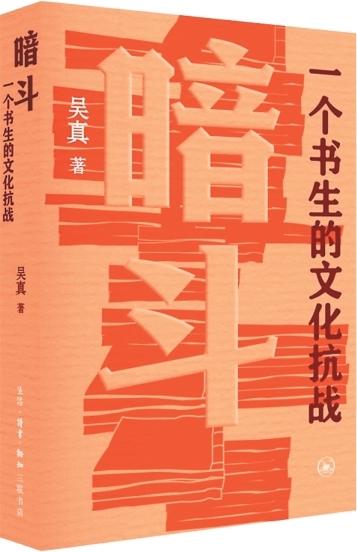
陈建功:无可替代的“哆嗦”
Bei Jing Ri Bao Ke Hu Duan· 2025-12-27 01:04
Core Viewpoint - The new non-fiction work "Please Love Us When We Are Dirty" by renowned writer Chen Jianggong reflects on his ten years in the coal mining industry and questions the essence of literary creation, emphasizing that the emotional and experiential depth of writing cannot be replaced by AI [3][4][5]. Group 1: Literary Reflection - The title of the book is inspired by a quote from Dostoevsky's "The Possessed," which resonates with Chen's experiences during his mining years, highlighting the complexity of human emotions and the need for genuine reflection in literature [4][5]. - Chen's initial writing aspirations were influenced by his desire to escape the hardships of mining life, but he later realized that true literary value comes from sincere exploration of human nature and societal reflections [6][9]. Group 2: Personal Experience and Growth - Chen describes his ten years as a miner as a profound life experience that shaped his understanding of existence, emphasizing the camaraderie and resilience of the mining community [7][9]. - The author reflects on the importance of sharing authentic life experiences in literature, aiming to present a balanced narrative that avoids moralizing or oversimplifying youth experiences [9][10]. Group 3: Literary Community and Influence - Chen acknowledges the impact of his mentors and peers in shaping his literary journey, emphasizing the importance of a supportive literary community that fosters growth and creativity [12][15]. - He recalls significant moments in his literary career that reinforced the value of genuine expression and the need for continuous questioning of established norms in literature [17][18]. Group 4: Cultural Context and Evolution - The author discusses the cultural shocks he experienced upon moving to Beijing, which enriched his literary perspective and contributed to his understanding of the city's unique cultural identity [19][21]. - Chen highlights the evolving nature of "new Beijing flavor" in literature, suggesting that each generation of writers brings their own interpretations and expressions of the city's essence [21][25]. Group 5: The Role of Literature in the AI Era - Chen expresses concerns about the rise of AI in literature, asserting that the core of literary creation lies in the personal sharing of experiences and emotions, which AI cannot replicate [25][26]. - He emphasizes that despite technological advancements, the emotional depth and authenticity of human experiences remain irreplaceable in literary works [26][27].

警惕AI文本沦为“新八股”
Xin Lang Cai Jing· 2025-12-23 22:11
Core Viewpoint - The rise of AI-generated text has led to concerns about its formulaic and industrial style, which lacks the personal touch and emotional depth found in human writing [1][2][3] Group 1: AI Writing Characteristics - AI writing is characterized by its efficiency, capable of producing extensive content quickly, which surpasses human capabilities [2] - The underlying technology of generative AI relies on analyzing vast amounts of training data to predict word sequences, resulting in a homogenized writing style [1] - The lack of individual expression in AI-generated text raises questions about the unique value of human insights and creativity [3] Group 2: Impact on Human Creativity - Over-reliance on AI for writing can dull complex cognitive skills such as logical analysis and synthesis, as indicated by research from MIT [2] - The increasing integration of AI writing tools into daily life, with user numbers exceeding 500 million in China, highlights the growing influence of AI in communication [3] - Maintaining a balance between utilizing AI as a tool and preserving human thought leadership is essential for fostering creativity and expression [3]