人形机器人商业化

Search documents
大单频现 人形机器人商业化加速
经济观察报· 2025-08-03 04:23
Core Viewpoint - The humanoid robot industry is transitioning from a phase of technical demonstrations to commercial implementation, marked by significant business contracts and increased financing activities [1][4]. Group 1: Industry Developments - The efficiency of humanoid robots is currently around 40% compared to human workers, with ongoing efforts to improve this metric [2]. - Major contracts have been awarded in the humanoid robot sector, including a procurement project worth 90.51 million yuan by UBTECH and a total of 124 million yuan for a project involving Zhiyuan Robotics and Yushu Technology [3]. - The capital market is witnessing increased activity, with companies like Yushu Technology and Zhiyuan Robotics pursuing IPOs and financing rounds [4][7]. Group 2: Technological Advancements - UBTECH's latest humanoid robot, WalkerS2, features a pioneering hot-swappable battery system that allows for continuous operation, addressing the need for robots to work up to 16 hours a day [6]. - The industry is focusing on real-world applications, with demonstrations of robots performing tasks in various settings, such as factories and service environments [6]. Group 3: Market Trends - The humanoid robot industry is experiencing rapid growth, with estimates of 50% to 100% growth in the first half of the year [7]. - Companies are increasingly looking to integrate capital from various sectors, including cloud computing and automotive, to enhance their operational capabilities and market reach [8]. Group 4: Business Models - The industry is diversifying its business strategies, with some companies adopting platform-based approaches to empower developers and researchers, while others focus on deep specialization in specific verticals [9][12]. - The "robot as a service" (RaaS) model is emerging, allowing customers to rent robotic services instead of purchasing robots outright [11]. Group 5: Challenges and Solutions - Cost remains a significant barrier to widespread adoption, with the need for effective integration of diverse hardware components being a critical challenge [17]. - Data quality and availability are also major hurdles, with companies exploring solutions to gather high-quality, real-world data to improve robot performance [18]. Group 6: Future Outlook - The path to large-scale commercialization of humanoid robots is expected to be a long-term endeavor, requiring patience and ongoing advancements in technology and regulatory frameworks [20].

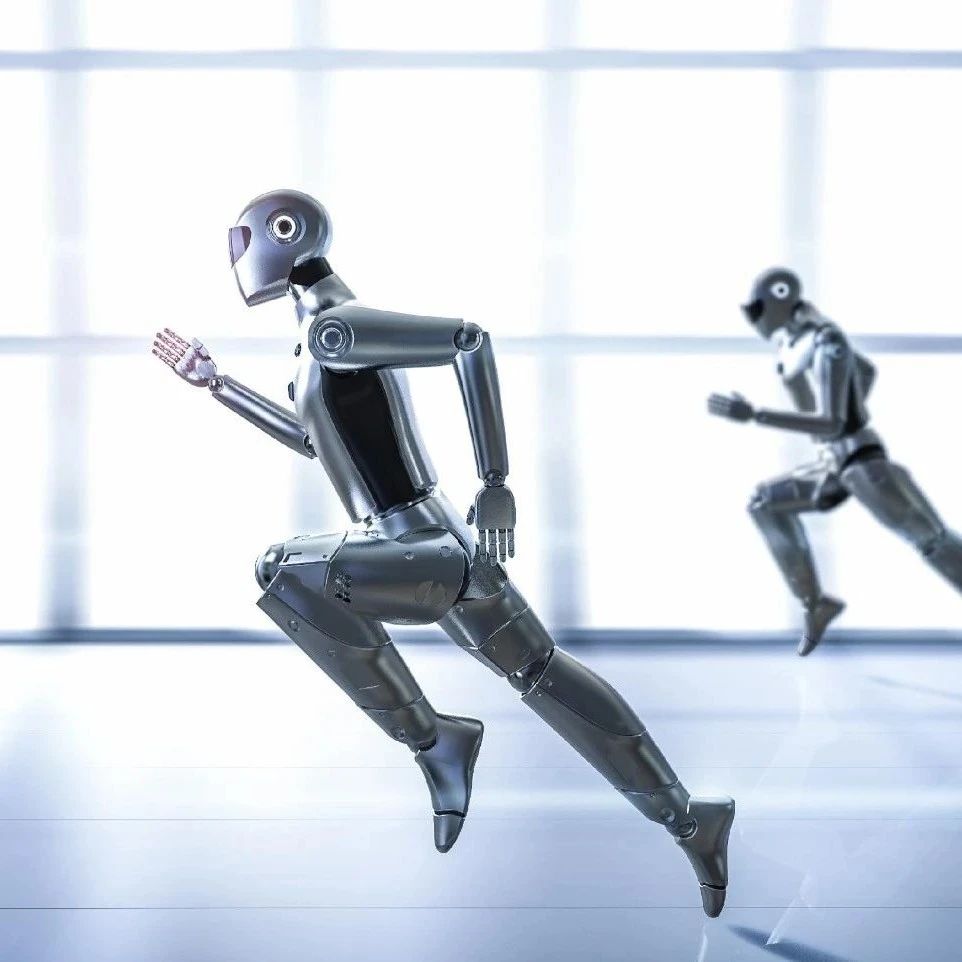
技术、应用等层面创下多个突破!优必选频放大招
Zhong Guo Ji Jin Bao· 2025-08-01 08:00
Group 1: Core Insights - The company, UBTECH, has completed its fifth post-listing share placement, raising a total of HKD 24.1 billion (approximately USD 3.15 billion), marking the largest share placement in the humanoid robot sector in capital market history [1][2] - Morgan Stanley has initiated coverage on UBTECH, rating it as "overweight" with a target price of HKD 135, highlighting its strong customer base and leadership position in the humanoid robot industry [1][2] - UBTECH has set a record for the largest single order in the humanoid robot field and launched the Walker S2, an industrial humanoid robot capable of all-weather operations [1][2] Group 2: Capital Infusion - The funds raised from the share placement will be used for enhancing humanoid robot production capacity, purchasing raw materials for order fulfillment, expanding production for other robotic products, and investing in upstream and downstream supply chain mergers and acquisitions [2] - Following the capital infusion, UBTECH's humanoid robot production capacity is expected to exceed 10,000 units annually, including the Walker S2 [2] Group 3: Technological Advancements - UBTECH's VP emphasized the importance of addressing real-world pain points in industrial settings, utilizing extensive data gathered from training in factories to refine their robots for high-frequency tasks [3][4] - The company has introduced a pioneering hot-swappable autonomous battery replacement system, which addresses the critical issue of operational endurance for humanoid robots [4] - UBTECH is also advancing the intelligent capabilities of its humanoid robots to meet the functional demands of industrial production lines, focusing on both individual and collaborative task execution [4][5] Group 4: Order Acquisition and Market Position - In 2025, UBTECH anticipates a significant increase in mass production and commercialization, with numerous large orders already secured this year, including a record order worth CNY 90.51 million [6] - The company has signed contracts for the procurement of industrial humanoid robots Walker S1 and commercial version Walker C, marking a global first for small-batch humanoid robot procurement in manufacturing settings [6] - UBTECH expects to deliver over 300 units of its humanoid robot for educational and research purposes this year, with optimistic projections of thousands of units delivered by 2026 and potentially reaching tens of thousands by 2027 [6]
2025 WAIC 炸场!特斯拉平替开普勒 K2 大黄蜂直播 8 小时,Optimus 压力来了?
机器人大讲堂· 2025-08-01 03:42
Core Viewpoint - The article highlights the successful demonstration of the Kepler K2 Bumblebee humanoid robot, showcasing its 8-hour continuous operation capability, which is a significant advancement in the humanoid robotics industry, particularly for commercial applications [1][3][20]. Group 1: Technical Innovations - The Kepler K2 Bumblebee achieved an impressive 8-hour operational time on a 1-hour charge, utilizing a hardware architecture similar to Tesla's, combining rolling screw actuators and rotary actuators in a series-parallel structure [4][6][9]. - The robot's self-developed KeplerForce planetary rolling screw actuator provides high load capacity, precision, and longevity, enabling it to handle tasks in logistics and manufacturing environments effectively [7][10][12]. - The design incorporates both linear and rotary actuators, which significantly reduces energy loss and enhances operational efficiency, allowing for dynamic energy management during tasks [9][10]. Group 2: Market Positioning - The Kepler K2 Bumblebee is priced at approximately 248,000 yuan, positioning it competitively against similar international products that often exceed 1 million USD, making it an attractive option for businesses [20][21]. - The robot's ability to replace traditional two-shift human labor can lead to significant cost savings for companies, with an estimated payback period of 1.5 to 1.8 years through reduced labor costs [23]. Group 3: Competitive Landscape - The article contrasts the Kepler K2 Bumblebee's readiness for mass production with Tesla's Optimus robot, which has faced production delays and lower-than-expected output targets [24][25]. - Kepler's proactive approach in establishing a stable supply chain and reducing production costs through in-house development of key components enhances its market competitiveness [20][21]. Group 4: Future Outlook - With its advanced capabilities and competitive pricing, the Kepler K2 Bumblebee is positioned to lead the market for industrial-grade humanoid robots, fulfilling the growing demand for automation in various sectors [23][25].
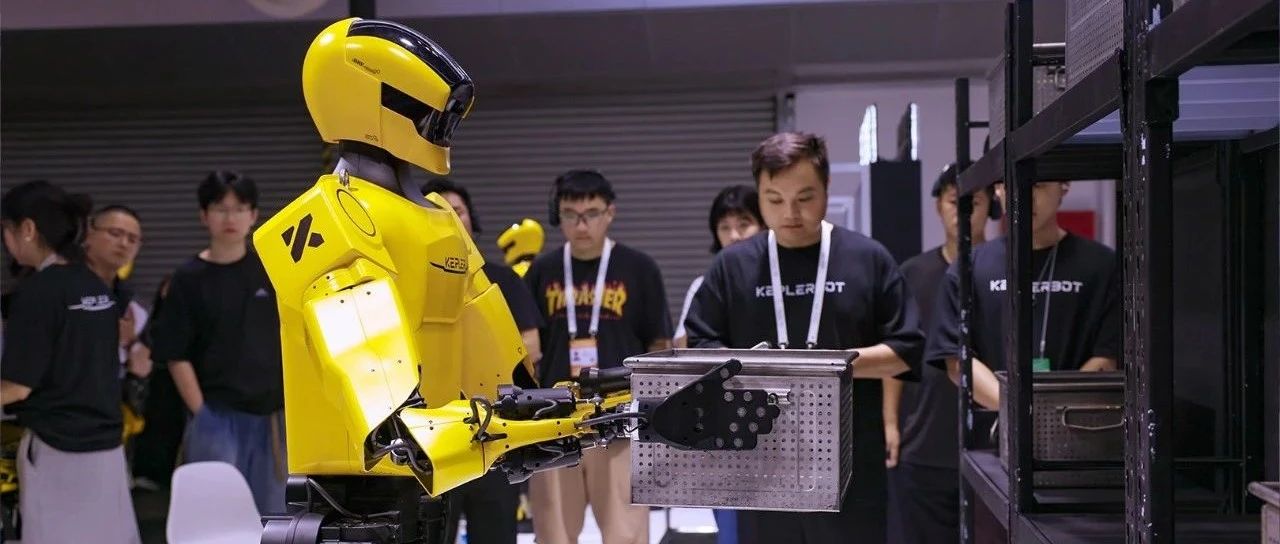
智元机器人通用业务部总裁王闯:先易后难、逐步推进 促进人形机器人应用稳扎稳打
Zheng Quan Ri Bao· 2025-07-28 16:45
Core Insights - The commercialization of humanoid robots is gaining momentum, with Shanghai Zhiyuan New Technology Co., Ltd. securing significant orders, including a major contract with China Mobile worth 78 million yuan [1][2] - The industry anticipates 2025 as a pivotal year for humanoid robot mass production, with a projected explosion in commercial applications by 2026 [2] Company Strategy - Zhiyuan Robotics aims to prioritize easier-to-implement scenarios such as entertainment performances and exhibition guides before tackling more complex applications, allowing for technology iteration and market validation [1][3] - The company emphasizes the importance of understanding customer needs to ensure that technology configurations align with real-world demands, as demonstrated in their collaboration with China Mobile [2] Market Applications - The company is exploring new markets, including entertainment and elder care, where humanoid robots can provide companionship and emotional support, potentially surpassing human interaction in emotional value [3] - In industrial settings, Zhiyuan Robotics focuses on simple tasks that traditional automation cannot efficiently handle, such as box transfer operations, which have shown a completion efficiency of one task every 40 seconds with a 99.9% accuracy rate [4] Industry Collaboration - Zhiyuan Robotics is committed to collaborative development within the supply chain, involving suppliers in the design, production, and testing processes rather than merely outsourcing component manufacturing [4]

从“炫技”转向“干活”,轮子比双足更吃香......高盛总结了WAIC人形机器人最新趋势
硬AI· 2025-07-28 15:03
Core Insights - The 2025 WAIC indicates a shift towards practical commercialization in the robotics industry, with wheeled robots becoming mainstream due to their ease of deployment and cost-effectiveness [2][3][4] - Despite advancements in mobility, fine manipulation remains a significant challenge, hindering robots from fully replacing human labor [8][9] - The cost of robots is decreasing, but a clear turning point has not yet been reached, necessitating more definitive industry signals for sustainable stock performance [3][11] Group 1: Commercialization Trends - The WAIC showcased over 60 robotic products, a significant increase from 25 static prototypes last year, indicating a move towards real-world applications in various sectors [2][4] - The design trend is shifting towards wheeled bases (AGV-style) rather than complex bipedal designs, prioritizing immediate commercial viability over technical sophistication [4][5] - The event's scale and participation have grown, with a 35% increase in venue size and a 60% rise in exhibitors, reflecting heightened investment and government support in the robotics sector [4] Group 2: Application Scenarios - Robots are increasingly tailored for specific applications, moving away from a one-size-fits-all approach [6] - In industrial settings, robots are being developed for tasks such as power line inspections and quality control in harsh environments [6] - In consumer and service industries, robots are being designed for practical tasks like making ice cream, organizing rooms, and providing retail assistance [6][7] Group 3: Technical Challenges - Despite improvements in autonomous navigation and dynamic movement, the precision of robotic manipulation remains a critical limitation [9] - Demonstrations at WAIC revealed frequent operational failures, with task completion times significantly lagging behind human capabilities [9] - The integration of visual-language-action (VLA) models and reinforcement learning (RL) is seen as essential for enhancing robotic performance and achieving commercial success [9] Group 4: Cost and Data Considerations - The introduction of entry-level robots priced at 40,000 RMB marks a notable development, yet mainstream robots still range from 400,000 to 500,000 RMB [11] - High-quality real-world interaction data is crucial for training models, but the cost of data collection is high, leading companies to adopt mixed strategies for data sourcing [11]
机器人产业ETF(159551)涨超1.0%,人形机器人商业化提速支撑板块表现
Mei Ri Jing Ji Xin Wen· 2025-07-24 03:52
Group 1 - The core viewpoint is that the humanoid robot industry in China is entering a phase of commercialization, with leading companies securing large orders and significant investment activity [1] - In the first half of 2023, the total financing in the humanoid robot sector exceeded 14 billion RMB, surpassing the total for the entire previous year, indicating strong momentum for commercialization [1] - The collaboration among industry chain enterprises is accelerating, and the active investment market is providing support for the humanoid robot sector [1] Group 2 - The Robot Industry ETF (159551) tracks the Robot Index (H30590), which includes listed companies involved in the robot industry chain, covering various sectors such as industrial robots and service robots [1] - Investors without stock accounts can consider the Guotai Zhongzheng Robot ETF Initiated Link A (020289) and Link C (020290) [1]
“实习生”进化中,“转正”可期
Si Chuan Ri Bao· 2025-07-22 21:40
Core Insights - The article highlights the increasing adoption of humanoid robots in manufacturing, specifically focusing on the A2-W robot developed by Shanghai Zhiyuan New Technology Co., Ltd, which has been successfully integrated into the production line of Fulin Precision Engineering Co., Ltd [2][3] - The A2-W robot demonstrated impressive efficiency by autonomously moving over 800 boxes weighing approximately 15 kilograms each in just three hours, achieving a performance level comparable to that of a skilled worker [2][3] Group 1: Robot Performance and Capabilities - The A2-W robot operates with a high degree of efficiency, achieving half the productivity of a skilled worker, and has the potential to exceed human performance if operated continuously [2] - The robot exhibits advanced capabilities such as obstacle avoidance and the ability to adapt to non-standardized environments, making it suitable for complex tasks like material handling [2][3] - The collaboration between three companies—Zhiyuan New Technology, Fulin Precision, and Annu Intelligent Technology—facilitates the development and deployment of humanoid robots in industrial settings [2][3] Group 2: Future Prospects and Economic Considerations - The article discusses the ongoing "internship" program for the A2-W robot, which includes enhancing its operational capabilities and enabling collaborative work with other robots [3] - The cost of humanoid robots ranges from 300,000 to 500,000 yuan, but the investment can be recouped within two to three years of use, especially with potential reductions in costs through mass production [3] - The timeline for large-scale deployment of humanoid robots is expected to accelerate, with many companies already entering small-scale production trials [3]

万和财富早班车-20250722
Vanho Securities· 2025-07-22 01:53
Core Insights - The report highlights the resilience of cross-border e-commerce, with imports and exports reaching 1.32 trillion yuan, a year-on-year increase of 5.7% [4] - The report indicates that the 5-year LPR is maintained at 3.5% and the 1-year LPR at 3%, reflecting stability in the lending market [4] - The report notes that the market is experiencing a strong upward trend, with major indices reaching new highs and a total trading volume of 1.7 trillion yuan, an increase of 128.9 billion from the previous trading day [10] Industry Updates - The National Healthcare Security Administration held discussions on the comprehensive value assessment of innovative drugs and medical devices, with related companies including Sai Sheng Pharmaceutical and Bei Da Pharmaceutical [6] - The controlled nuclear fusion industry is entering a construction-intensive phase, accelerating towards commercialization, with related companies including Wangzi New Materials and China Nuclear Construction [6] - Domestic robot manufacturers are achieving breakthroughs in orders, with humanoid robots gradually entering the commercialization phase, related companies include Wolong Electric and Mingzhi Electric [6] Company Focus - Haopeng Technology has entered the supply chain of various service robots, companion robots, quadruped robotic dogs, and humanoid robots [8] - Hongxin Electronics, a leading domestic FPC company, maintains long-term cooperation with major domestic smartphone manufacturers [8] - Wangzi New Materials is collaborating with Hanhai Juneng to accelerate the commercialization process of controlled nuclear fusion [8] - China Rare Earth is advancing the exploration rights for Shengong Sai Rare Earth Mine and Feitian Rare Earth Mine [8] Market Review and Outlook - On July 21, the market opened high and closed higher, with the Shanghai Composite Index rising by 0.72%, the Shenzhen Component Index by 0.86%, and the ChiNext Index by 0.87%, indicating a strong market sentiment [10] - The report notes that the market is in a strong upward channel, supported by macro policies and technical indicators, suggesting continued structural investment opportunities [11]
优必选拿下近亿元大单,买方指向汽车产业,具备国资背景
Nan Fang Du Shi Bao· 2025-07-21 14:55
Core Insights - The commercialization narrative of humanoid robots is being driven by record-high order amounts, with a recent procurement project by UBTECH Robotics reaching 90.51 million yuan, setting a new global record for single orders in the humanoid robot sector [2][8] - The entry of state-owned enterprises as buyers is shaping the landscape of humanoid robot procurement, indicating a strategic investment approach rather than a focus on short-term financial returns [3][4] Group 1: Market Dynamics - The buyer for the record-setting order, Miyi (Shanghai) Automotive Technology Co., is a state-owned enterprise involved in automotive export trade, highlighting the trend of state-owned entities participating in the humanoid robot market [3][4] - The involvement of state-owned enterprises is seen as a way to leverage large-scale application scenarios for testing and iterating humanoid robots, which can catalyze the maturity and cost reduction of the domestic robot supply chain [4][8] Group 2: Industry Developments - UBTECH has previously engaged with multiple automotive companies, including a contract with Dongfeng Liuzhou Motor for 20 humanoid robots for key positions in automotive assembly [5][7] - The Shenzhen robotics industry is experiencing a surge, with the total output value of its robotics industry projected to exceed 200 billion yuan by 2024, indicating a robust market environment [6][8] Group 3: Challenges and Opportunities - Despite the excitement surrounding large orders, the actual economic benefits of these orders may still be limited, as the industry is in a nascent stage where the usability and return on investment of these robots remain uncertain [6][7] - UBTECH's recent advancements include the Walker S2 robot, which features a pioneering "hot-swappable autonomous battery replacement system," aimed at addressing continuous operation needs in industrial settings [6][7] - The company faces challenges in balancing high-cost strategic orders with competitive pricing, as its humanoid robots have historically been priced significantly higher than competitors, which could impact its market position [7][8]
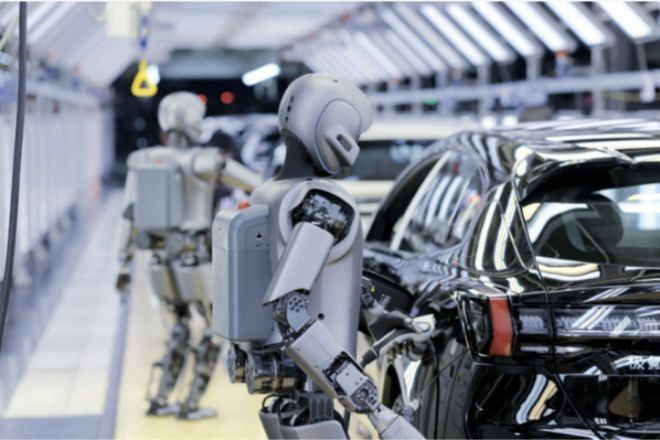
人形机器人商业化市场爆发,祥鑫科技等产业链公司或迎新机遇
Quan Jing Wang· 2025-07-21 09:37
人形机器人产业的迅速爆发,与国家政策的大力支持密切相关。工信部发布的《人形机器人创新发展指 导意见》要求,到2025年初步建立人形机器人创新体系,推动关键技术突破,包括"大脑""小脑"和"肢 体"等核心部件。 2025年,政策支持力度再度加码。工业和信息化部党组书记、部长李乐成强调,要大力发展人形机器人 等新一代智能终端产品,注重共性技术研发和基础数据建设,在应用中持续迭代优化,加快推进人形机 器人领域数据采集、清洗、标注和产品测试等标准研制。 近年来,随着AI技术的迅猛发展并与机器人融合,人形机器人产业正成为科技领域的"新风口"。据最新 统计数据,上半年国内人形机器人领域融资事件达77起,超过去年全年总和。 祥鑫科技(002965.SZ)作为人形机器人领域的重要参与者,近一个月左右的时间就参与了两次人形机器 人领域的融资,分别是对女娲机器人和天肌科技的战略投资。其中,女娲机器人依托技术平台化、极致 成本控制力和多场景落地能力,NUWA Robotics已成长为全球机器人领域的创新力量,吸引了软银、亚 马逊、富士康、祥鑫科技等公司与其合作;刚成立不久的天肌科技也在灵巧手等领域掌握核心技术,具 备较大成长潜力。 ...