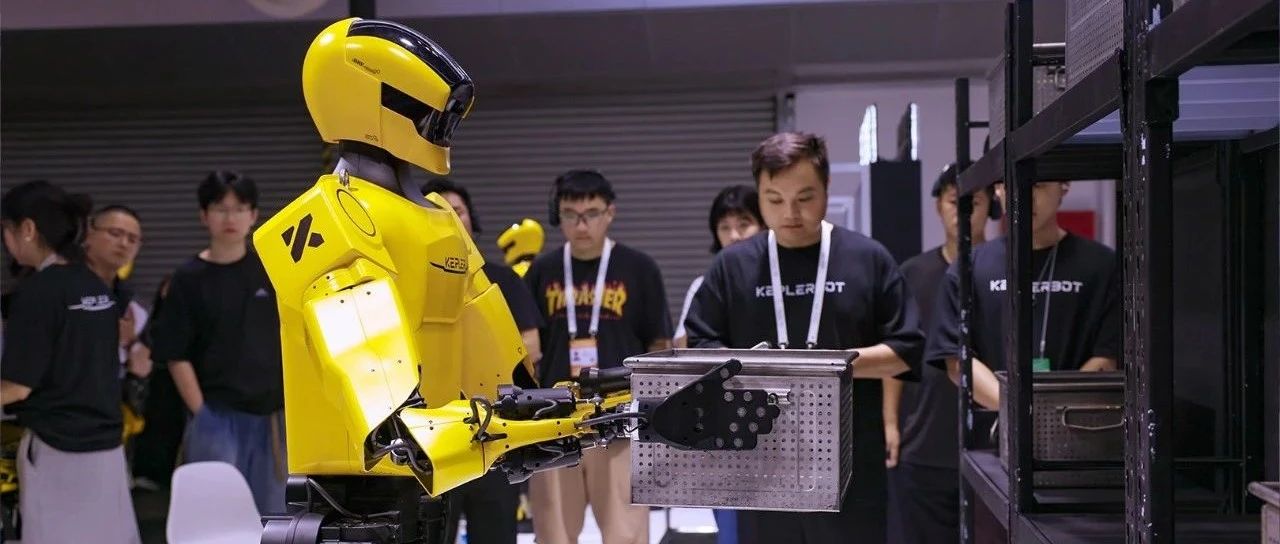
开普勒K2大黄蜂

Search documents
春节不打烊的人形机器人,正在“接管”中国工厂
机器人大讲堂· 2026-02-18 12:22
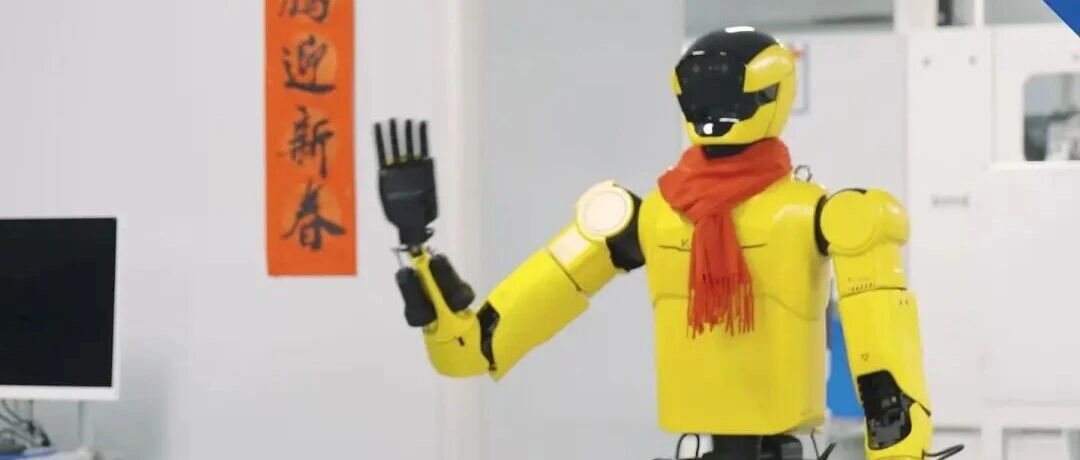
Core Viewpoint - The article discusses the contrasting approaches of humanoid robot companies during the 2026 Spring Festival, highlighting the difference between performance-driven marketing and practical industrial applications [2][4][5]. Group 1: Humanoid Robot Performance - Several humanoid robot companies showcased their advancements by performing on the Spring Festival Gala, demonstrating their technological capabilities through entertainment [2][3]. - The performance of these robots, such as participating in skits and martial arts, reflects a focus on capital storytelling and a speculative future for humanoid robots [5][6]. Group 2: Practical Applications of Humanoid Robots - In contrast, the Kepler K2 Bumblebee robot engaged in practical tasks like pasting Spring Festival couplets and patrolling buildings, emphasizing its role in real-world industrial applications [3][7]. - The K2 Bumblebee's work during the festival illustrates its operational capabilities in industrial settings, showcasing its ability to perform tasks that contribute to continuous production during the holiday [7][9]. Group 3: Industrial Capabilities and Technology - The K2 Bumblebee's performance during the Spring Festival serves as a demonstration of its industrial-grade reliability and adaptability in various scenarios, from cultural interactions to security and core industrial operations [9][34]. - The robot's ability to handle tasks such as material handling and security patrols highlights its significance in maintaining productivity in manufacturing environments [9][34]. Group 4: Technical Foundations - The K2 Bumblebee is built on a robust technical foundation, featuring a dual-layered intelligent system that combines hardware capabilities with advanced decision-making algorithms [14][19]. - The robot's hardware includes a self-developed planetary roller screw actuator, which enhances its load capacity, precision, and operational endurance, making it suitable for demanding industrial tasks [16][17]. Group 5: Market Position and Future Outlook - The article emphasizes the growing support for the humanoid robot industry from government policies, which aim to accelerate the integration of robots into various industrial applications [35]. - The K2 Bumblebee's continuous operation during the Spring Festival symbolizes the potential for humanoid robots to become a new form of productivity in Chinese manufacturing, especially in roles that are undesirable or unsafe for humans [35].

实验室的优雅,还是工厂的轰鸣?开普勒K2“大黄蜂”与北美人形军团的路径对决
机器人大讲堂· 2026-01-29 09:06
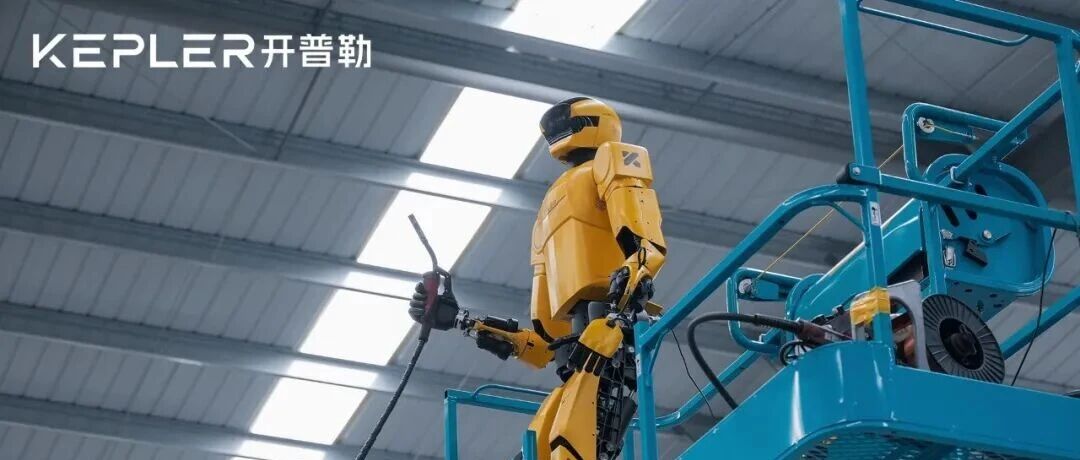
Core Viewpoint - The article discusses the contrasting approaches of industrial robotics in China, represented by Kepler's K2 "Bumblebee," and North American humanoid robots, emphasizing the practical, scene-driven philosophy of Kepler against the idealistic, technology-driven focus of North American counterparts [7][11]. Group 1: Technological Breakthroughs - Kepler's K2 has achieved a global first in human-robot collaboration for high-altitude welding, demonstrating its technical capabilities with a precision of millimeters and the ability to operate continuously for 8 hours [8][33]. - The K2's immersive remote control system allows operators to perform tasks safely from the ground, minimizing risks associated with high-altitude work [8][12]. - Kepler's technology addresses critical industrial pain points, balancing safety and efficiency in high-risk environments [8][12]. Group 2: Market Positioning - Kepler's approach is characterized by a "scene-driven, practical first" product philosophy, developed in response to the unique demands of China's complex industrial landscape [12][14]. - The K2 has secured thousands of orders across various sectors, including 3C electronics, automotive parts, and logistics, indicating its successful market penetration [6][12]. - In contrast, North American humanoid robots focus on idealized designs for special environments, facing challenges in cost and energy efficiency that hinder their industrial applicability [10][16]. Group 3: Technical Differentiation - The article highlights a significant divergence in actuator technology between Kepler and North American robots, with Kepler utilizing planetary roller screw technology for high load and efficiency, while North American robots typically rely on traditional rotary actuators [18][20]. - Kepler's mixed architecture combines the strengths of both linear and rotary actuators, ensuring high load capacity and flexibility in operations [20][21]. - The K2's design incorporates over 120 precision manufacturing processes, establishing a robust supply chain and production capability [20]. Group 4: Performance Metrics - A comparative analysis shows that Kepler K2 outperforms North American humanoid robots in key metrics: load capacity (30 kg for K2 vs. 20 kg for competitors), operational time (8 hours for K2 vs. approximately 5 hours for others), and deployment status (K2 has thousands of orders while others are still in prototype stages) [25][26]. - The K2's performance has been validated in real-world industrial settings, achieving a 99% success rate in tasks such as automotive parts logistics and high-altitude welding [27][31][33]. Group 5: Future Outlook - The article concludes that the ultimate value of industrial robots lies in their ability to reliably and economically create value in real-world applications, with Kepler K2 exemplifying this practical approach [36][37]. - As the landscape of industrial humanoid robots evolves, the competition will hinge on who can effectively navigate the complexities of industrial environments [37].
制造成长周报(第30期):英伟达计划最高投资OpenAI千亿美元,开普勒获得数亿人形订单-20250930
Guoxin Securities· 2025-09-30 05:49
Investment Rating - The report maintains an "Outperform" rating for the manufacturing growth sector [4][11]. Core Insights - The humanoid robot sector is witnessing significant commercial traction, with companies like Kepler securing substantial orders, indicating a shift towards mass production [1][18]. - OpenAI and NVIDIA's partnership highlights a major investment in AI infrastructure, with NVIDIA planning to invest up to $100 billion to support OpenAI's deployment of at least 10GW of systems [2][19]. - The report emphasizes the importance of identifying key players in the humanoid robot supply chain and AI infrastructure to capture growth opportunities [8]. Summary by Sections Humanoid Robots - Kepler has secured thousands of orders worth hundreds of millions, indicating a strong market demand across various sectors including industrial trade and smart manufacturing [1][18]. - The report suggests focusing on companies with strong positions in the supply chain, such as Feirongda, Longxi, and Weiman Sealing, for long-term investment opportunities [1][8]. AI Infrastructure - The partnership between OpenAI and NVIDIA is set to enhance AI capabilities, with a focus on liquid cooling systems and data center energy needs [2][19]. - Key companies to watch in the AI liquid cooling segment include Feirongda, Gaolan, and Tongfei [2][8]. Market Dynamics - The humanoid robot industry is rapidly evolving, with significant events such as the launch of the K2 Bumblebee and the establishment of a major training facility in Beijing [3][21]. - Government initiatives are also supporting the growth of humanoid robots and AI technologies, with plans to create future industry pilot zones [3][23]. Company Performance Predictions - The report provides earnings forecasts for key companies, with several maintaining an "Outperform" rating based on expected growth in EPS and PE ratios [11][26].

“滩”上大事了!100+机器人集结,炒菜、按摩、陪伴… 谁先闯进你家?
机器人大讲堂· 2025-09-13 02:05
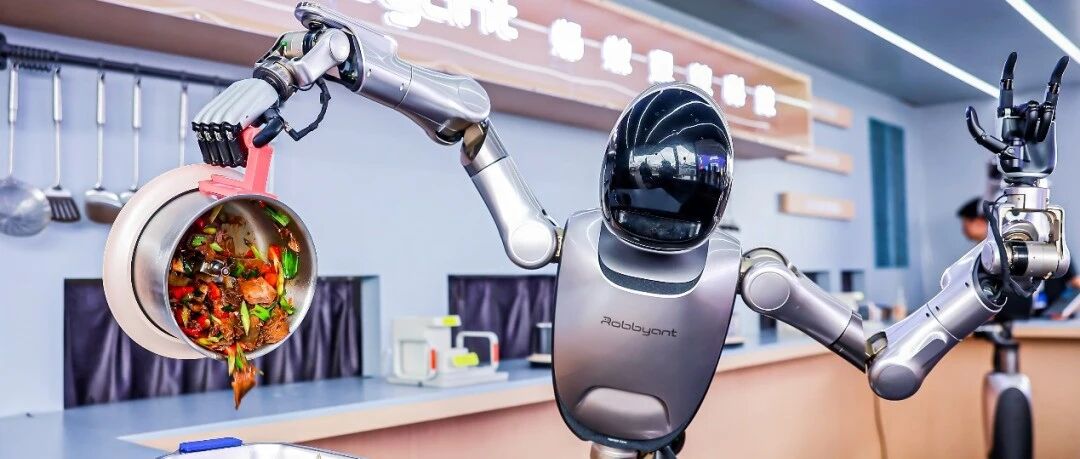
Core Viewpoint - The article highlights the rapid advancements in robotics, particularly in the context of the "2025 Inclusion·Bund Conference" held in Shanghai, showcasing a variety of robots and their applications in daily life, indicating a shift from industrial to service-oriented robotics [1][9][23]. Group 1: Event Overview - The "2025 Inclusion·Bund Conference" featured a large-scale technology exhibition with 10,000 square meters of space and nearly 200 participating companies, showcasing over 30 new technology products [1]. - A "robot town" was created at the conference, featuring 40 well-known embodied intelligence companies, demonstrating the collaborative efforts in the robotics sector [3]. Group 2: Robotics Innovations - The conference showcased various innovative robots, including the Kepler K2 humanoid robot capable of working for 8 hours on a single charge and performing tasks like lifting 30 kg [5]. - Ant Group's Lingbo Technology introduced the R1 robot, which can autonomously cook a variety of dishes, highlighting advancements in multi-modal perception and interaction [7][13]. Group 3: Market Trends and Projections - China has maintained its position as the largest industrial robot market for 12 consecutive years, with service robot production expected to reach 10.519 million units in 2024, a year-on-year increase of 34.3% [14]. - The service robot market in China is projected to grow at a compound annual growth rate (CAGR) of 25%, reaching a market size of $108 billion by 2028 [14]. Group 4: Challenges and Future Outlook - The complexity of real-life scenarios poses significant challenges for robots, as highlighted by industry experts who noted the need for robots to achieve high accuracy in diverse tasks [11][20]. - Predictions suggest that household robots will gradually enter homes, starting with simple tasks and evolving to more complex functions over the next 5 to 10 years [20][21].
在外滩大会“机器人小镇” 超百款机器人共绘未来应用图景 懂“人心”的机器人“同事”要来了
Jie Fang Ri Bao· 2025-09-12 01:45
Core Insights - The "Robot Town" at the 2025 Inclusion Bund Conference showcases advancements in robotics, featuring over 100 robots from 40 renowned companies, indicating a rapid integration of robots into various industries and households [1] Group 1: Industry Trends - The industry is witnessing a race to overcome technical bottlenecks, with robots poised to become human "colleagues" in the near future [2] - Robots like the XBOT Lite coffee robot can produce over 500 cups in a day, while the Carri FLEX can perform intricate tasks with its six-degree-of-freedom arm, showcasing the increasing capabilities of robots in everyday tasks [2] - The development of advanced components is crucial for broader robot deployment, with companies like Feiling Technology and Aiguan Vision showcasing innovative solutions for tactile and visual perception [2][3] Group 2: Technological Advancements - Significant progress has been made in enabling robots to operate in unstructured environments, with innovations such as the "Gongga No.1" robot demonstrating advanced reasoning and planning capabilities [3] - Companies like Zhiyuan Robotics are introducing robots that can autonomously navigate and adapt to various obstacles, enhancing their practical applications [3] Group 3: Emotional Intelligence in Robotics - The industry is exploring ways to enhance robots' emotional intelligence, with companies developing robots that can perceive human emotions and interact in a more relatable manner [4][5] - The GR-3 robot by Fourier is designed for companionship, equipped with a comprehensive sensory system to facilitate interaction [5] - The rise of the "loneliness economy" is driving demand for emotional support robots, with companies like Aladdin and Fucai introducing robots that can provide emotional companionship and engage users in meaningful interactions [5]

“无遥操作”不再遥不可及——2025世界机器人博览会见闻
Zhong Guo Zhi Liang Xin Wen Wang· 2025-08-14 05:29
Group 1 - The article highlights the emergence of autonomous intelligent robots that can operate without remote control, showcasing advancements in AI decision-making capabilities [1][3] - Companies are demonstrating various applications of these robots in settings such as retail, warehousing, and manufacturing, indicating a shift towards more autonomous operations [1][2] - The integration of advanced models like VLA (Visual Language Action) in robots enhances their ability to perform complex tasks and interact with humans, paving the way for their use in everyday scenarios [2][3] Group 2 - The showcased robots, such as the T1 and the ship hold cleaning robot, exhibit high efficiency and safety in their operations, with specific performance metrics like a maximum load of 3000 kg and a precision of 0.4 mm [1][3] - The development of robots that can learn and adapt quickly to new tasks without extensive programming is a significant trend, as seen with the starry dog and the sorting robots [2][3] - Experts believe that the continuous evolution of technologies like "no remote operation" will create new opportunities across various industries, leading to a more intelligent and efficient future [3]

一文看尽世界机器人大会,不用去现场人挤人了
Sou Hu Cai Jing· 2025-08-10 11:12
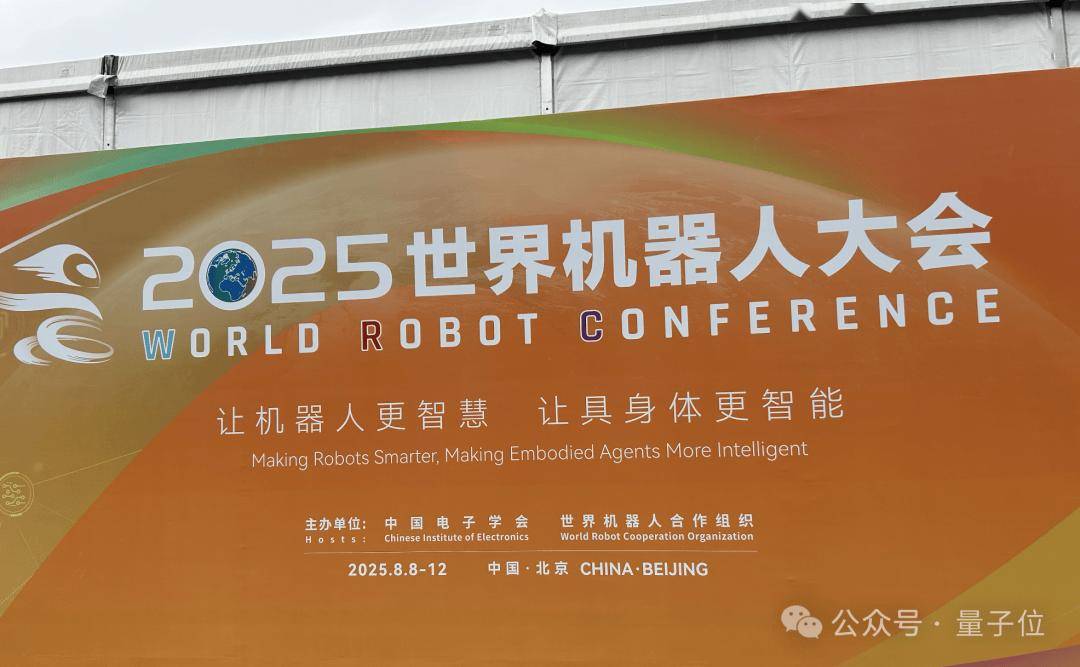
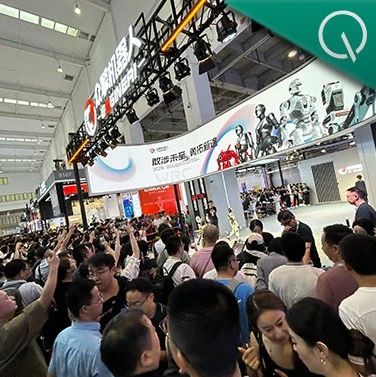
Group 1 - The World Robot Conference showcases rapid advancements in robotics, featuring over 200 domestic and international companies and hundreds of new products [1][3] - The conference is divided into three exhibition areas: A for humanoid and industrial robots, B for healthcare and service robots, and C for special-purpose robots and key components [3][6] - Notable products include the Fourier GR-3, Kepler K2, and various humanoid robots, highlighting the diversity in applications across industries [3][6][15] Group 2 - The event includes innovative displays from universities, showcasing cutting-edge embodied intelligence technologies [5] - JD.com serves as the exclusive global strategic partner, emphasizing the integration of robotics into retail, with various robotic products on display [15][22] - The conference features interactive experiences, such as robot competitions and demonstrations of robots performing tasks like sorting and delivering goods [12][30][32] Group 3 - The exhibition highlights advancements in industrial robots, including high-load handling systems and flexible welding solutions [33][36][40] - Special-purpose robots for emergency response and agriculture are also showcased, demonstrating their versatility in various environments [88][94] - The event emphasizes the importance of key components and sensors in robotics, with numerous suppliers presenting their innovations [105][110]
一文看尽世界机器人大会,不用去现场人挤人了
量子位· 2025-08-10 07:38
Core Viewpoint - The 2025 World Robot Conference showcases rapid advancements in robotics, featuring over 200 domestic and international companies and hundreds of new products across various applications and industries [4][5]. Group A: Exhibition Overview - The conference has three main exhibition areas: A, B, and C, each focusing on different types of robots and applications [7]. - Area A highlights humanoid robots, industrial robots, and those used in manufacturing [8]. - Area B focuses on humanoid robots for healthcare, elderly care, and commercial services [10]. - Area C showcases special-purpose robots, agricultural robots, and key components of robotics [12]. Group B: Notable Exhibits and Innovations - Numerous exhibitors presented their latest products, including Fourier GR-3, Kepler K2 Bumblebee, and iFlytek's mobile digital human series, totaling over a hundred new items [14]. - The Beijing Humanoid Robot Innovation Center showcased the "Tiangong" robot, which can sort items with a maximum load of 16 kg [25]. - JD.com, as the exclusive global strategic partner, displayed various robots and emphasized the retail potential of robotics [29][30]. Group C: Interactive Experiences - The conference featured interactive experiences, such as a humanoid robot 4S store where attendees could engage with robots like Tian Gong 2.0 and Ubiquiti Walker S [18]. - A robot-themed restaurant offered a unique dining experience with robot servers and creatively named dishes [23]. Group D: Robotics in Various Sectors - The conference highlighted robots in diverse sectors, including logistics with JD's logistics robots and industrial applications with KUKA's heavy-duty robots [39][59]. - Innovations in healthcare were also prominent, with companies like Longxing Power showcasing medical robots capable of performing acupuncture [86]. Group E: Component and Technology Showcase - The C hall featured a variety of key components for robotics, including sensors, actuators, and precision parts from companies like Micro Precision and Green Harmonics [195][202]. - The integration of advanced sensors and actuators is crucial for enhancing the capabilities of robots across different applications [205][206]. Group F: Future Trends and Developments - The conference underscored the trend of robots transitioning from industrial settings to everyday life, indicating a growing presence in consumer markets [210]. - The event served as a platform for discussing the future of robotics, including advancements in AI and human-robot interaction [211].
“人形机器人赛道,中美一梯队,日本已掉队”
Guan Cha Zhe Wang· 2025-08-07 08:33
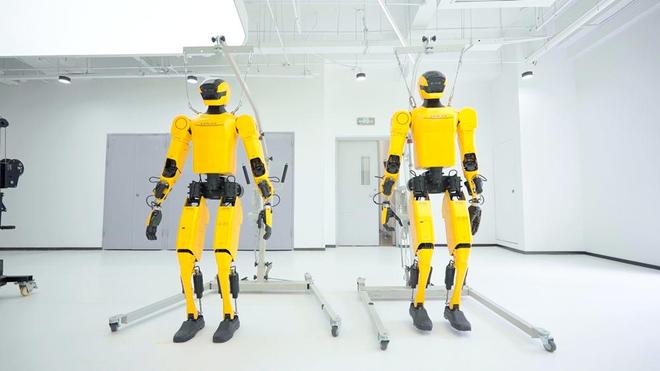
Core Insights - The year 2025 is anticipated to be a breakthrough year for humanoid robots, marking the beginning of mass production and increased capital investment in the sector [1] - The Kepler K2 Bumblebee, a humanoid robot designed for industrial applications, has gained recognition for its capabilities, including a payload capacity of 30 kg and an operational time of 8 hours [1][8] - China is emerging as a leader in the humanoid robotics industry, leveraging its strong supply chain, diverse application scenarios, and rapid iteration speed [1][47] Company Overview - Kepler Robotics has developed the K2 Bumblebee, which features 80% self-developed components and utilizes a planetary roller screw actuator technology, allowing it to mimic human muscle movements [1][12][18] - The K2 Bumblebee is designed to operate in industrial settings, with a focus on replacing human labor in specific tasks [1][22] - The company plans to deliver around 100 units in the current year, with a goal of scaling up to 1,000 units next year and over 10,000 units by 2027 [21] Technology and Innovation - The K2 Bumblebee's strength is attributed to its planetary roller screw actuators, which provide high load capacity and efficiency, enabling it to perform tasks that require significant physical strength [12][13] - The robot's design allows for quick interchangeability of its end effectors, making it adaptable for various industrial tasks [9][12] - Kepler Robotics emphasizes the importance of self-research and domestic alternatives in its components to ensure safety and reliability [18][19] Market Position and Competitive Landscape - The humanoid robotics market is currently dominated by China and the United States, with some European countries following behind, while Japan has fallen behind in this wave of innovation [47][48] - The company believes that the best initial application for humanoid robots is in industrial environments due to their controlled settings and specific task requirements [22][23] - Kepler Robotics positions itself as a complementary solution to existing industrial robots, focusing on flexibility and adaptability in various workstations [26][27] Financial Considerations - The estimated return on investment (ROI) for the K2 Bumblebee is approximately 1.5 to 1.8 years, based on its operational efficiency compared to human labor costs [28][29] - The company anticipates that maintenance and software upgrade costs will be minimal, not significantly impacting the overall ROI [30] Industry Trends - The humanoid robotics sector is experiencing heightened interest and investment, with some viewing it as a potential bubble while others see it as a significant technological wave [42][44] - The rapid advancements in AI and robotics are expected to drive further developments in humanoid robots, with a focus on enhancing their cognitive capabilities [40][41] - The industry is characterized by a mix of startups and established tech giants, with the latter likely to dominate the market in the long term [46]
2025 WAIC 炸场!特斯拉平替开普勒 K2 大黄蜂直播 8 小时,Optimus 压力来了?
机器人大讲堂· 2025-08-01 03:42
Core Viewpoint - The article highlights the successful demonstration of the Kepler K2 Bumblebee humanoid robot, showcasing its 8-hour continuous operation capability, which is a significant advancement in the humanoid robotics industry, particularly for commercial applications [1][3][20]. Group 1: Technical Innovations - The Kepler K2 Bumblebee achieved an impressive 8-hour operational time on a 1-hour charge, utilizing a hardware architecture similar to Tesla's, combining rolling screw actuators and rotary actuators in a series-parallel structure [4][6][9]. - The robot's self-developed KeplerForce planetary rolling screw actuator provides high load capacity, precision, and longevity, enabling it to handle tasks in logistics and manufacturing environments effectively [7][10][12]. - The design incorporates both linear and rotary actuators, which significantly reduces energy loss and enhances operational efficiency, allowing for dynamic energy management during tasks [9][10]. Group 2: Market Positioning - The Kepler K2 Bumblebee is priced at approximately 248,000 yuan, positioning it competitively against similar international products that often exceed 1 million USD, making it an attractive option for businesses [20][21]. - The robot's ability to replace traditional two-shift human labor can lead to significant cost savings for companies, with an estimated payback period of 1.5 to 1.8 years through reduced labor costs [23]. Group 3: Competitive Landscape - The article contrasts the Kepler K2 Bumblebee's readiness for mass production with Tesla's Optimus robot, which has faced production delays and lower-than-expected output targets [24][25]. - Kepler's proactive approach in establishing a stable supply chain and reducing production costs through in-house development of key components enhances its market competitiveness [20][21]. Group 4: Future Outlook - With its advanced capabilities and competitive pricing, the Kepler K2 Bumblebee is positioned to lead the market for industrial-grade humanoid robots, fulfilling the growing demand for automation in various sectors [23][25].