
自主创新

Search documents
匠心铸重器 创新助腾飞
Xin Lang Cai Jing· 2026-01-06 17:29
(来源:劳动午报) 转自:劳动午报 而这首奋斗之歌刚奏响不久,考验便接踵而至。在项目关键阶段,视景系统突然出现周期性抖动、八通 道环幕显示不同步等棘手问题。团队立刻全员上阵,从前端数据传输链路到软件运行逻辑,从硬件环境 调试到同步架构优化,展开跨地域协同排查,最终在24小时内精准定位并解决问题,保障了鉴定工作如 期推进。 "以前用模拟设备训练,总感觉'差一点意思'。现在坐上自己的训练器,复杂气象下的操纵感几乎与真 实飞行无异。"一位参与测试的飞行员赞叹。这一突破得益于训练器搭载的自主研发BlueskyView图像生 成系统,配合200°×85°超宽视角、高分辨率显示及大规模地形数据库,实现复杂环境的高度还原,为飞 行员提供了沉浸式训练体验。 该训练器的投入使用,不仅提升了训练效率,还大幅降低了真机损耗,节约了大量成本,为AC352直升 机规模化应用奠定了坚实基础。 从技术跟跑到创新领跑,张俊杰职工创新工作室以实际行动诠释了新时代科技工作者的责任与担当。未 来,该团队将始终锚定科技自立自强目标,继续以创新为引领,在航空模拟装备研发的赛道上持续探 索,为培育低空经济新质生产力、建设航空强国持续注入澎湃的"蓝天力量 ...


5万公里高铁奔腾 绘就中国式现代化新画卷
Zhong Guo Jing Ji Wang· 2026-01-06 07:14
Core Viewpoint - China's high-speed rail (HSR) network is set to expand from over 10,000 kilometers in 2013 to 50,000 kilometers by 2025, showcasing significant technological advancements and becoming a vital driver of national development and public welfare [1][2]. Group 1: Technological Innovation - The transition from "Harmony" to "Fuxing" trains illustrates China's unique path of technological breakthroughs, moving from technology absorption to full independent innovation [1]. - The CR450 train set a new record with a relative meeting speed of 896 kilometers per hour, and China has led the establishment of 13 international railway union (UIC) high-speed rail system standards [1]. - The 12306 ticketing system has a daily ticket sales capacity exceeding 20 million, highlighting the technological prowess of China's HSR [1]. Group 2: Social Impact - High-speed rail has transformed people's perception of time and space, creating a "1-4 hour transportation circle" that facilitates daily travel across long distances [1]. - Regions like Fuping and Badong have experienced accelerated development due to the opening of high-speed rail, enhancing growth in revolutionary old areas, ethnic regions, and border areas [1]. - The integration of features such as electronic ticketing, senior-friendly modifications, and efficient "high-speed rail express" services reflects a commitment to user convenience and care [1]. Group 3: Economic Development - High-speed rail connects key urban clusters such as Beijing-Tianjin-Hebei, Yangtze River Delta, and Guangdong-Hong Kong-Macau Greater Bay Area, promoting efficient movement of talent, capital, and technology [2]. - The rapid transport of regional products, such as lychees and lamb, to major cities enhances market access and supports regional coordinated development [2]. - Internationally, projects like the Jakarta-Bandung high-speed rail serve as flagship initiatives for the Belt and Road Initiative, showcasing China's technological integration with European standards through projects like the Hungary-Serbia railway [2]. Group 4: Future Outlook - As China enters a new development phase, the high-speed rail system aims to become safer, faster, smarter, and greener, continuing to fulfill the public's aspirations for a better life [2]. - The expansion of the high-speed rail network is seen as a milestone and a new starting point for further advancements in China's modernization journey [2].
陕西:创新“展翼”,航空产业蓄势腾飞
Shan Xi Ri Bao· 2026-01-06 00:28
Group 1: Industry Breakthroughs - The successful first flight of the "Jiutian Cangqiong" unmanned aerial platform marks a significant achievement for Shaanxi's aviation industry, establishing it as a "heavy-duty truck" in the air [1] - The first domestically developed five-axis specialized milling equipment for wing long beams by Xi'an Xinghang Aviation Technology Co., Ltd. has begun stable mass production, with an expected annual output of 1,200 units, significantly enhancing the stability of the domestic large aircraft supply chain [2] Group 2: Innovation and Development - The development of the five-axis specialized milling equipment has achieved processing efficiency 2.5 times higher than existing domestic equipment and matches the efficiency of imported counterparts, while also reducing manufacturing costs [2] - The establishment of a 2 billion yuan Shaanxi New Industry Development Fund aims to focus on strategic emerging industries, including aerospace, to support high-quality technology enterprises with independent intellectual property rights [3] Group 3: Technological Advancements - Daheng Tianceng Information Technology Co., Ltd. is addressing long-distance communication challenges in drone operations with its new antenna products, which are currently in small batch production and have received significant orders from well-known domestic companies [4][5] - The company is also increasing R&D investment in satellite communication for drones, with new products offering advantages in manufacturing costs, weight, size, and power consumption [5] Group 4: Policy and Market Opportunities - Shaanxi has included low-altitude economy in its government work report for the first time, indicating a commitment to developing this sector through policy support and technological advancements [6] - The aviation industry is focusing on maintaining competitiveness by aligning R&D efforts with global technological standards and expanding applications in logistics, tourism, and emergency rescue [6] Group 5: Market Positioning - The Shaanxi Aviation Industry Technology Research Center has achieved over 50% market share in the domestic market for helicopter firefighting buckets, showcasing strong domestic capabilities in high-quality product replacement [7] - The center is also involved in the development of a helicopter medical rescue system, which is undergoing airworthiness certification and has attracted customer interest [7][8] Group 6: Infrastructure Development - A 990 million yuan aviation industrial park is under construction in the Xi'an National Civil Aerospace Industry Base, aimed at fostering new productive forces in the aviation industry [9]
科大讯飞大模型持续迭代
Jing Ji Ri Bao· 2026-01-05 22:05
在人工智能产业加速迭代浪潮中,科大讯飞始终聚焦人工智能主航道。2025年,公司在核心技术、行业 赋能与全球布局上全面进阶,实现持续的技术突破与扎实的产业落地。 2025年,讯飞星火人工智能大模型历经5次迭代,语言理解、数学推理等六大核心能力对标国际主流水 平。该模型多语言能力支持130余种语言,特别是拉美、东盟等地区使用的14个重点语言效果领先,为 世界提供了新选择。 "如果不利用国产算力开展大模型训练,就始终存在无法突破的重大短板,缺乏长期发展的安全保 障。"科大讯飞董事长刘庆峰道出了自主创新的意义,"我们用国产算力来训练自己的大模型,这样才能 避免被别人'卡脖子'。"这一突破背后,是科大讯飞对研发的持续加码,形成了从基础研究到产业化的 完整创新链条。 科大讯飞持续深化"AI+行业"布局,在多个领域实现规模化落地。在教育领域,公司为1.3亿名师生提供 智慧教育产品和解决方案;在汽车领域,为数十家车企提供前装智能化产品超6800万套,年在线交互次 数突破160亿次;在城市领域,服务330多个城市的4900余家政企单位。 科大讯飞深知,只有坚持长期主义、聚焦核心主业、深耕科技创新,方能在产业变革浪潮中行稳致远。 ...

星网锐捷拟公开挂牌出售德明通讯65%股权 后者业务高度依赖美国市场
Zheng Quan Shi Bao Wang· 2026-01-04 12:29
1月4日晚,星网锐捷(002396)发布公告,拟通过公开挂牌方式转让其持有的德明通讯(上海)股份有限 公司(以下简称"德明通讯")65%股权,交易完成后公司将不再持有德明通讯股权,后者也将退出合并报 表范围。 回溯股权渊源,星网锐捷与德明通讯的合作始于2015年。当年公司通过发行股份及支付现金的方式,以 3.22亿元的总价收购德明通讯65%股权,完成过户后德明通讯成为其控股子公司。彼时收购的核心目 的,是借助德明通讯在4G LTE市场的技术优势与客户资源,快速切入移动互联网产业链,补强公司在 无线通信领域的布局。 公告披露的财务数据显示,德明通讯近年经营保持稳定态势。2024年全年实现营业收入13.81亿元,净 利润6332万元;2025年前7个月,其营收与净利润分别达到8.84亿元和4739万元。作为一家专注于无线 通信与物联网解决方案的企业,德明通讯自成立起便确立国际化战略,业务主要面向美国等海外市场, 客户群体集中于海外地区。企查查信息显示,德明通讯成立于2003年,曾用名德明通讯(上海)有限责任 公司,注册资本1亿元,经营范围涵盖通讯及电子产品开发设计、计算机软件销售等,同时涉及货物与 技术进出口业务 ...

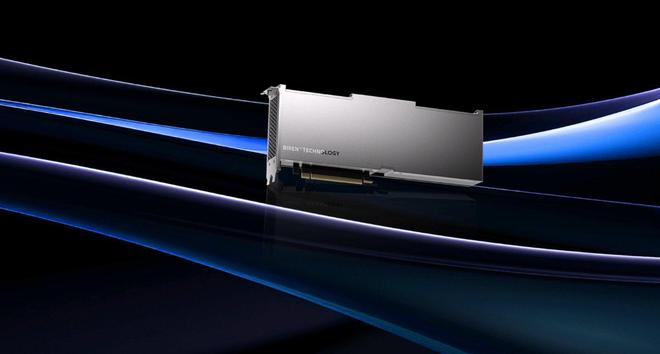
壁仞科技港股上市首日开盘涨超118%,开启2026国产AI新浪潮
Tai Mei Ti A P P· 2026-01-02 04:05
Core Insights - Wall Street is optimistic about AI, with the debut of Wall Street's first GPU company, Birran Technology, marking a significant milestone for the industry [2] - The IPO of Birran Technology serves as a reference for the valuation and market feedback of China's AI chip industry, particularly for emerging GPU startups [2] - The success of domestic GPU companies like Birran Technology highlights the importance of innovation and practical operations in the semiconductor industry [3][4] Company Overview - Birran Technology was established in 2019 and focuses on general-purpose graphics processing units (GPGPU), with significant R&D investments exceeding 3.3 billion yuan from 2022 to mid-2025, accounting for over 70% of operating expenses [4][5] - The company has developed the BR10X architecture tailored for AI workloads, achieving industry-leading performance levels and plans to launch new chip generations annually from 2023 to 2025 [5][12] - Birran Technology has filed over 1,500 patents, with a 100% authorization rate for invention patents, positioning itself as a leader among domestic GPU companies [5] Market Strategy - The company targets high-demand sectors such as AI data centers, telecommunications, and fintech, establishing strategic partnerships with major clients, including nine Fortune China 500 companies [10] - Birran Technology's revenue has seen exponential growth, from 500,000 yuan in 2022 to 6203 million yuan in 2023, and is projected to reach 3.37 billion yuan in 2024, reflecting a compound annual growth rate of 2500% [10] Industry Trends - The global intelligent computing chip market is expected to reach $585.7 billion by 2029, with China's market projected to grow significantly, increasing its share from 25.3% in 2024 to 34.4% by 2029 [9][10] - The domestic GPU market is currently dominated by foreign companies, but predictions indicate a substantial increase in the market share of domestic manufacturers, potentially reaching 60% by 2029 [10] Future Developments - Birran Technology plans to launch the next-generation BR20X chip in 2026, designed for cloud training and inference, which will enhance performance and reduce total ownership costs [12][13] - The company is also exploring quantum computing and has made significant strides in supporting quantum-classical hybrid computing platforms [13] - The IPO will enable Birran Technology to enhance its product development and expand its sales network, while also increasing transparency and governance standards [12][14]
这堂课,太“硬核”了!
Sou Hu Cai Jing· 2026-01-01 21:49
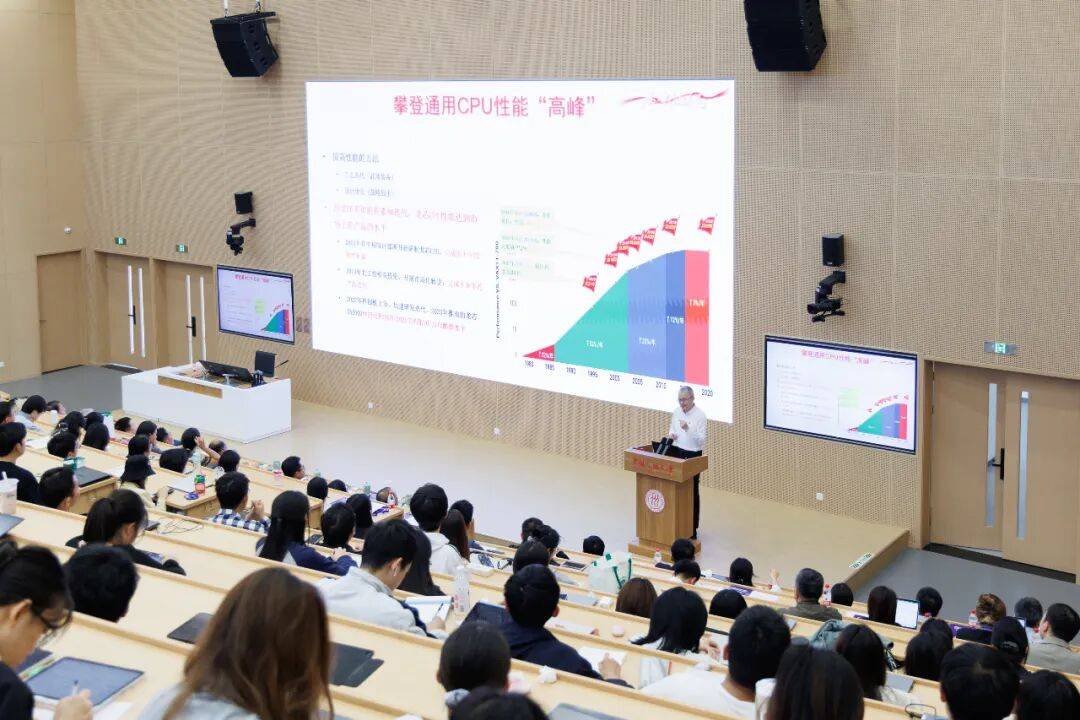
Core Viewpoint - The article highlights the contributions of Chinese technology professionals in various fields such as integrated circuits, artificial intelligence, and biomedicine, emphasizing their role in advancing China's technological independence and innovation [1][4][6]. Group 1: Integrated Circuits - The chairman of Loongson Technology, Hu Weiwu, emphasizes the importance of developing core technologies through persistent effort, stating that there are no shortcuts and that one must steadily pursue progress [4][6]. - In 2020, Loongson launched its fully autonomous LoongArch architecture, marking a significant step in building China's independent information system [6]. Group 2: Space Exploration - Aerospace designer Jia Yang shares the story of the Zhurong Mars rover, which was designed to navigate challenging terrains and extreme temperatures, showcasing innovative engineering solutions [7][9]. - Jia emphasizes the joy of exploration and the integration of personal passion with professional work, reflecting on his two-decade journey in deep space exploration [9]. Group 3: Artificial Intelligence - Wang Shaolan, president of Zhiyuan Technology, discusses the development of large AI models, stressing the importance of mastering key technologies domestically, especially after facing external restrictions [11][13]. - The team has successfully released a trillion-parameter model and made it open-source, breaking through foreign architectural barriers [13]. Group 4: Pharmaceutical Innovation - Sun Yinghui, deputy general manager of Shouyao Holdings, focuses on the challenges of making innovative drugs accessible, particularly in the field of lung cancer treatment [15]. - She highlights the responsibility of researchers in developing drugs that can significantly impact patients' lives, emphasizing the need for precision in treatment [15]. Group 5: Automotive Industry - Xiaomi engineer Fang Kan reflects on the challenges faced by the Chinese automotive industry, particularly in developing small molecule targeted drugs and electric vehicles [16][19]. - He shares the story of Xiaomi's journey in car manufacturing, illustrating the importance of perseverance and innovation in overcoming obstacles [19][21]. Group 6: Telecommunications - Sun Lixin, CEO of Baicai Technology, recounts the evolution of China's telecommunications from reliance on foreign technology to leading in 5G and 6G standards [21][23]. - He attributes this progress to the dedication and efforts of generations of telecommunications professionals, showcasing the collective capability to achieve significant advancements [23].



深度观察|走车企,看中国汽车产业的“三个三千万”
Ren Min Ri Bao· 2026-01-01 00:39
Core Insights - The automotive industry in China is experiencing significant growth, with three major companies achieving the milestone of producing their 30 millionth vehicle, showcasing the strength of Chinese manufacturing and market vitality [1][2][8] Group 1: China Changan Automobile - Changan Automobile achieved its 30 millionth vehicle milestone in December 2025, completing this feat in just 4.5 years after reaching 20 million [2][6] - The company has established a clear five-brand matrix to cater to diverse consumer needs, aiming for over 1 million sales in new energy vehicles by 2025 [6][7] - Changan's global expansion strategy includes increasing local supply chain rates in international markets, with a target of 70% localization by 2027-2028 [7] Group 2: FAW-Volkswagen - FAW-Volkswagen has produced over 30 million vehicles since its establishment 34 years ago, generating over 5.5 trillion yuan in revenue and creating over 500,000 jobs [8][9] - The company is transitioning to a "Joint Venture 2.0 Era," focusing on independent research and development, with 155 innovation projects initiated in 2025 [9][12] - FAW-Volkswagen is set to launch its first new energy vehicle under the Jetta brand in 2026, featuring self-developed electronic and electrical architecture [11][12] Group 3: NIO Inc. - NIO has seen significant demand for its high-end ES8 model, achieving over 30,000 deliveries within 89 days of its launch [13][15] - The company has invested nearly 70 billion yuan in technology development, resulting in over 9,900 patents filed as of November 2025 [14][15] - NIO's innovative business model includes a battery swap system and comprehensive lifecycle services, enhancing customer engagement and operational efficiency [15][16]



2025年中国科学仪器行业十大关键词
仪器信息网· 2025-12-31 09:02
Core Viewpoint - The article highlights the significant transformations and future directions of the scientific instrument industry in 2025, emphasizing the impact of geopolitical tensions, domestic innovation, and regulatory changes on the sector's development [3]. Group 1: U.S. Export Ban - In early 2025, the U.S. Department of Commerce issued a ban on the export of high-parameter flow cytometers and high-end mass spectrometry equipment to China, citing concerns that the data generated could aid China's AI and biotechnology advancements [5]. - This ban has intensified calls for domestic alternatives, raising questions about the capabilities of Chinese scientific instrument companies to match international standards [5]. - The pressure from the ban has accelerated technological advancements among leading domestic firms, highlighting the necessity for self-reliance in core technologies [5]. Group 2: Trade War 2.0 - The trade war between the U.S. and China re-emerged in 2025, with tariffs exceeding 145% at one point, leading to a series of negotiations that resulted in a temporary ceasefire by the end of October [6]. - China has adopted proactive measures in response, including placing U.S. entities on an unreliable entity list and initiating anti-dumping investigations against U.S. medical CT tubes [6]. - The trade conflict has prompted significant advancements in domestic instrument capabilities, allowing some Chinese brands to compete effectively in specific niches [6]. Group 3: "Domestic Product" Standards - Starting January 1, 2026, the government will implement "domestic product standards" for procurement, providing a clear definition of what constitutes a domestic product [8]. - The new standards will offer a 20% price evaluation advantage for qualifying domestic products, promoting both domestic and foreign companies that meet the criteria [8]. - This policy is expected to accelerate R&D investments by domestic firms and encourage foreign companies to localize their operations to adapt to the new standards [9]. Group 4: "14th Five-Year Plan" and "15th Five-Year Plan" - The "15th Five-Year Plan" emphasizes high-end scientific instruments as a key area for breakthroughs, advocating for a comprehensive approach that spans from foundational theory to application [10]. - Local governments are aligning their plans with national priorities, focusing on high-end instruments and core technology breakthroughs [10]. - The next five years are projected to be critical for the continuous advancement and self-reliance of China's scientific instrument industry [10]. Group 5: First Sets of Major Technical Equipment - The concept of "first sets of major technical equipment" refers to domestically developed equipment that has achieved significant technological advancements and is recognized for its potential [12]. - In 2025, several domestic mass spectrometer manufacturers were recognized for their innovations, marking a significant step in the industry [12]. - Policies supporting the demonstration and application of these first sets have been established, providing financial incentives and recognition to promote domestic breakthroughs [12]. Group 6: Instrument Aftermarket - The demand for services in the instrument aftermarket is rapidly increasing due to a growing user base and the aging of existing equipment [13]. - The trade tensions have led to a surge in the second-hand instrument market, with a 62% increase in transaction volume following tariff hikes [13]. - The aftermarket is evolving from a cost center to a profit center, with new business models like second-hand sales and equipment leasing driving growth [13]. Group 7: Biotechnology and Seed Industry - The biotechnology sector, particularly in seed development, has been highlighted as a critical area for national food security, with significant investments in research and development [14][15]. - The establishment of high-level research institutions and laboratories across various provinces is aimed at fostering innovation in the seed industry [15]. - Scientific instruments play a vital role in supporting the development and application of biotechnological advancements in agriculture [15]. Group 8: 2025 Edition of the Pharmacopoeia - The 2025 edition of the Chinese Pharmacopoeia is set to significantly influence laboratory practices and instrument development, with stricter requirements for testing methods and quality control [16]. - The introduction of advanced analytical techniques in the new pharmacopoeia presents both challenges and opportunities for instrument manufacturers [16]. - The revisions are expected to drive innovation and improvements in the capabilities of analytical instruments [16]. Group 9: AI and Instruments - The year 2025 is seen as a breakthrough year for AI applications, with significant integration of AI technologies into the scientific instrument sector [17][18]. - The industry is shifting from a cautious approach to actively exploring AI's potential to enhance instrument performance and expand application areas [17]. - The challenge remains to convert AI's disruptive potential into tangible innovations that drive high-quality development in the industry [18]. Group 10: National Team of Scientific Instruments - The trend of state-owned enterprises investing in the scientific instrument sector has become more pronounced in 2025, with several significant partnerships and investments announced [19][20]. - This collaboration between state capital and independent research is seen as a pathway for domestic alternatives to gain traction in the market [19]. - National industrial clusters are emerging, enhancing collaborative capabilities and supporting the industry's self-reliance and technological advancements [20].

新广益登陆深交所创业板? 苏州A股上市公司达到229家
Zheng Quan Shi Bao Wang· 2025-12-31 06:55
Core Insights - Suzhou Xinguangyi Electronic Co., Ltd. officially listed on the Shenzhen Stock Exchange's ChiNext board on December 31, marking a significant milestone for the city in 2025 with a total of 20 new domestic and foreign listed companies, including 12 A-share companies, the highest among major cities in China [2] Group 1 - Xinguangyi, established in 2004, focuses on the research, production, and sales of high-performance specialty functional materials, including anti-overflow adhesive films and high-resistance specialty films [2] - The company adheres to a technology development route of "independent innovation and import substitution," breaking the technological monopoly of foreign companies in its product categories over the past 20 years [2] - In addition to its main products, Xinguangyi also develops and produces materials for electronic components, modified materials, optical adhesive films, new energy lithium battery materials, and photovoltaic adhesive films [2] Group 2 - Xinguangyi issued 36.716 million shares at a price of 21.93 yuan per share, raising 805 million yuan, which will be invested in the research and development of emerging businesses and capacity expansion [2] - With Xinguangyi's successful listing, the number of listed companies in Suzhou's Wuzhong District reached 24, including 6 on the Shanghai Stock Exchange main board, 4 on the Sci-Tech Innovation Board, 2 on the Shenzhen Stock Exchange main board, 9 on the ChiNext board, 2 on the Hong Kong Stock Exchange, and 1 on the Beijing Stock Exchange [2][3] - The Wuzhong District has prioritized enterprise listings as a key strategy for achieving high-quality economic development, establishing a growth nurturing mechanism and financial service ecosystem for companies [3]