
AI编程

Search documents
当一家中国00后团队拿下AI编程智能体榜SOTA效果世界第一,一人公司时代真的要来了
36氪· 2026-01-16 10:36
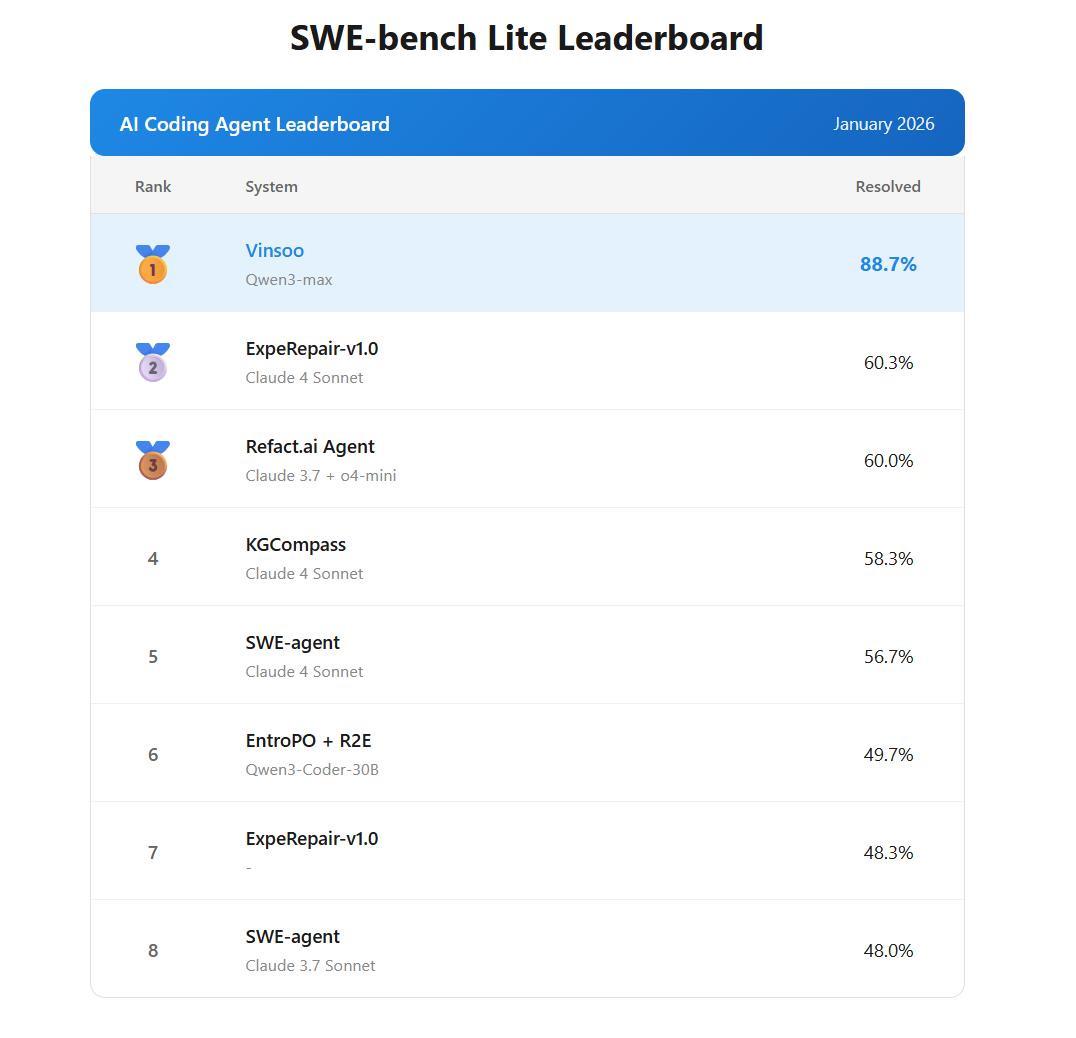
Core Viewpoint - The article discusses the emergence of a new era in AI programming led by young Chinese innovators, highlighting the potential for individuals to create billion-dollar companies with the help of AI technology [2][39]. Group 1: AI Programming Revolution - OpenAI's founder Sam Altman predicts the rise of "one-person unicorns" in the AI era, where AI can handle 90% of coding and operational tasks, allowing individual creativity to flourish [3]. - A Chinese team, Vinsoo, has developed an AI programming agent that outperforms many Silicon Valley counterparts, achieving a world-leading success rate in complex task handling [4][6]. - Vinsoo's approach signifies a shift from merely replicating Silicon Valley innovations to achieving significant breakthroughs in programming capabilities [8]. Group 2: Technical Innovations - Vinsoo's cloud-based agent architecture revolutionizes traditional coding tools by employing a multi-agent parallel network, which enhances efficiency and reduces cognitive load on developers [11][12]. - The introduction of Agent Memory and context engineering allows for precise handling of code facts, overcoming limitations of traditional AI models [15][18]. - Vinsoo's use of DYCODE and COTER technologies enables efficient memory management and context handling, ensuring high performance even in large-scale projects [18]. Group 3: Cost Reduction and Market Impact - Vinsoo significantly reduces the cost of AI application development, making it ten times cheaper than overseas models, thus democratizing access to AI technology [8][37]. - The platform allows for a streamlined development process, enabling rapid transformation of ideas into market-ready products, which lowers the barrier for non-technical entrepreneurs [22][21]. - By focusing on cost efficiency and innovative technology, Vinsoo positions itself to capture a significant share of the global AI market, avoiding direct competition with established players [37]. Group 4: Future of Individual Creators - The concept of a "one-person company" is emerging, where individuals can leverage automated tools to manage complex tasks independently, thus narrowing the productivity gap between individuals and organizations [28]. - Vinsoo's platform empowers creators to transform fragmented ideas into standardized deliverables, fostering a new wave of innovation and entrepreneurship [28][29]. - The article emphasizes the potential for a shift in the balance of power in the tech industry, with individual creators gaining more influence as AI tools become more accessible [36].


当一家中国00后团队拿下AI编程智能体榜SOTA效果世界第一,一人公司时代真的要来了
3 6 Ke· 2026-01-16 10:30
Core Insights - The emergence of "one-person unicorns" is becoming inevitable in the AI era, as AI technology allows individuals to leverage their creativity and decision-making on a larger scale [1] - Vinsoo's self-developed Vinsoo 3.0 cloud agent has achieved world-leading performance in complex task handling without human intervention, surpassing many Silicon Valley unicorns [2][6] - The traditional model of software development is being transformed, allowing for significant cost reductions and enabling individuals to create and launch products independently [15][16] Group 1: AI and Development Paradigm Shift - AI is changing the landscape of software development, allowing a single individual to manage complex projects that previously required large teams [1][15] - Vinsoo's approach involves a multi-agent system that enhances efficiency by dividing tasks among specialized agents, addressing the limitations of traditional AI tools [7][10] - The introduction of innovative memory management techniques, such as DYCODE and COTER, allows for efficient handling of large codebases, reducing cognitive load on AI systems [11][13] Group 2: Cost Efficiency and Market Impact - Vinsoo's technology significantly lowers the cost of AI application development, making it ten times cheaper than overseas models, thus democratizing access to AI tools [6][29] - The company aims to create a foundation that enables individuals to transform their ideas into scalable products, effectively reducing the time from concept to market [15][22] - By focusing on cost reduction and efficiency, Vinsoo is positioned to disrupt the global AI market, particularly in sectors like healthcare, finance, and industry [29][30] Group 3: Team and Vision - The Vinsoo team, composed of talented individuals from top universities, is driven by a vision to democratize programming and empower individuals to realize their creative potential [23][28] - The company's ethos emphasizes resilience and adaptability in the face of challenges, as demonstrated during a recent cyber attack [26][27] - Vinsoo's mission is rooted in the belief that technology should be accessible to all, enabling a new generation of creators to thrive in the AI era [28][29]
受够了Copilot的“霸王条款”?GitHub全球宕机遭怒骂,引爆开发者“大逃离”!
AI前线· 2026-01-16 06:28
Core Viewpoint - GitHub experienced a significant outage, leading to widespread developer frustration and speculation about the potential role of Copilot in the incident [4][5][6][8]. Group 1: Incident Overview - A large number of developers reported that GitHub was down, with many expressing their frustrations on social media [2]. - GitHub acknowledged the outage, stating that multiple services were affected, particularly issue reporting, pull requests, and API functionality, and that the issue was resolved after approximately two hours [6]. - Users criticized GitHub for its central role in the development process, suggesting that reliance on a single platform poses significant risks [8]. Group 2: Speculation on Copilot - Some developers speculated that the outage might be linked to GitHub's Copilot feature, although there is no definitive evidence to support this claim [9]. - Concerns have been raised about GitHub's push for developers to use Copilot, with some companies, like Gentoo Linux, planning to migrate their repositories away from GitHub due to this pressure [10][11]. Group 3: Migration Plans - Gentoo Linux is actively planning to migrate its code repositories from GitHub to Codeberg, citing the forced use of Copilot as a primary reason for this decision [12]. - The migration will be phased, starting with the core gentoo.git repository, and will evaluate various alternative platforms, including GitLab and self-hosted solutions [13]. Group 4: Developer Sentiment - Many individual developers are expressing dissatisfaction with GitHub's mandatory Copilot feature, leading to discussions about moving to alternative platforms [15][17]. - Developers have raised concerns about Copilot's potential unauthorized use of open-source code, which could violate licensing agreements [15][18].


AI的下一个风口:替代程序员越来越近?
2 1 Shi Ji Jing Ji Bao Dao· 2026-01-16 06:03
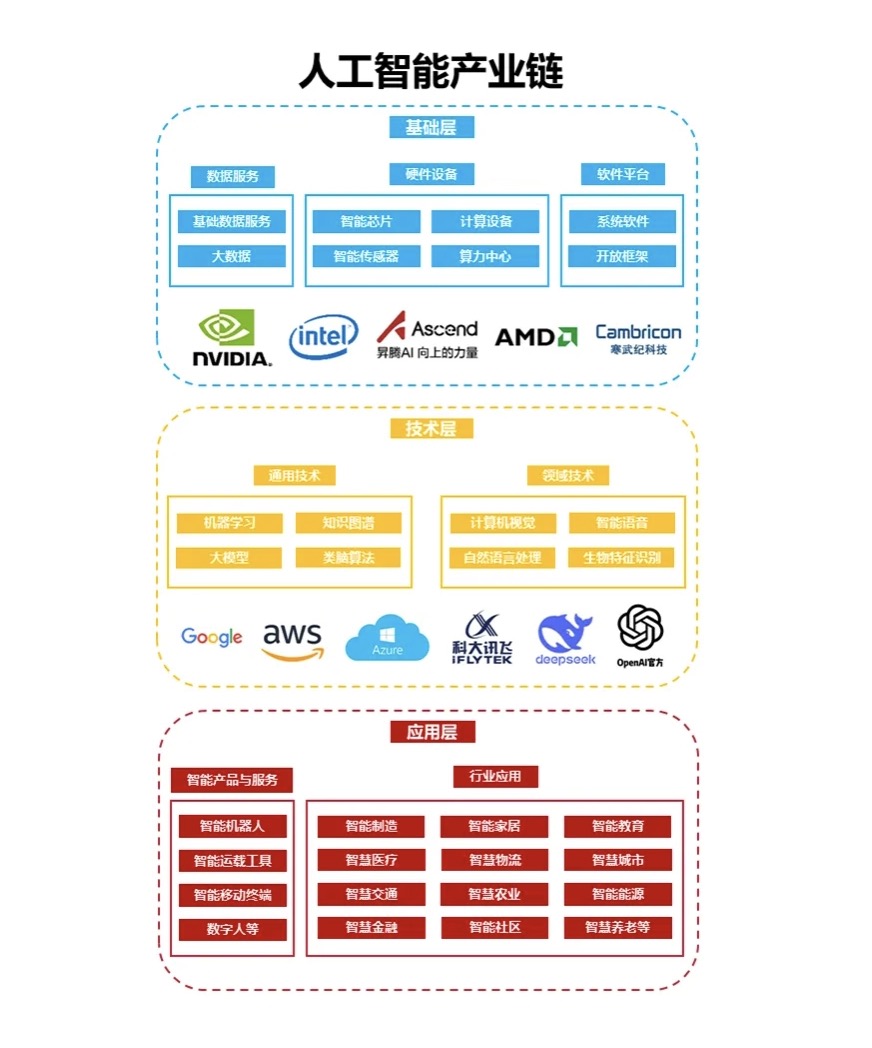
Core Insights - The AI landscape is evolving rapidly, with significant advancements in applications and hardware, leading to a competitive environment among established giants and emerging startups [1][3][7]. Group 1: AI Applications - Since the release of ChatGPT in late 2022, AI models have begun to integrate into daily life, although challenges remain in model capabilities and diverse scene demands [1]. - The AI application index surged by 16.95% in early January 2023, driven by expectations around new models and strong market entries from companies like Alibaba [3]. - Alibaba's "Qwen" model has been integrated across its ecosystem, launching over 400 new features, marking a significant step towards an AI-driven service era [5]. Group 2: Market Trends - The concept of Generative Engine Optimization (GEO) has emerged as a key driver in the current market, enhancing the visibility of brands in AI-generated content [4]. - BlueFocus, a leading advertising firm, reported a significant increase in AI-driven business revenue, reaching 2.47 billion yuan in the first three quarters of the previous year [4]. Group 3: AI Coding and Development - AI coding is identified as a critical competitive frontier in the AI industry, with substantial capital influx and a strong user willingness to pay [7]. - Companies like Anthropic have seen rapid revenue growth in AI coding tools, indicating a shift towards more accessible programming capabilities [7]. Group 4: Hardware Developments - The demand for ASIC chips is expected to grow significantly due to their efficiency in inference tasks, with projections indicating a rise in demand from major tech companies [11][12]. - The market for AI-driven hardware, including smart glasses and AI recording devices, is poised for explosive growth, with products like Plaud achieving significant sales milestones [9]. Group 5: Storage and Memory Needs - The need for high-performance storage solutions is increasing, driven by the demands of AI applications, leading to a surge in prices for traditional memory products [13][14]. - Domestic manufacturers may benefit from the shift in demand towards local storage solutions as international firms face production constraints [14].

“Vibe Coding”风靡全球,AI应用浪潮势不可挡! AI编程新星Replit估值四个月翻三倍
智通财经网· 2026-01-16 03:44
Core Insights - Replit Inc. is nearing a $400 million funding round, which is expected to raise its valuation to approximately $9 billion, tripling its previous valuation of $3 billion from a funding round in September 2022 [1][2] - The rise of AI programming, particularly "vibe coding," is becoming a dominant trend in both B2B and B2C markets, indicating a significant shift in software development practices [1][7] Company Overview - Replit, founded ten years ago, has established itself as a leader in the AI programming sector, providing tools that enable both professional developers and beginners to use AI for coding and debugging [1][4] - The platform offers a browser-based integrated development environment (IDE) that supports multiple programming languages, allowing users to write, run, debug, and deploy applications without extensive technical knowledge [4] Product and Technology - Replit's core products include AI assistants like Replit Agent and Ghostwriter, which can automatically generate, debug, and deploy code based on user input in natural language, significantly lowering the barrier to entry for software development [4][5] - The company recently launched an updated version of its AI agent workflow, enabling users to quickly build mobile applications for Android and iOS by simply describing desired functionalities [5] Market Trends - AI programming is rapidly penetrating the global tech industry, with GitHub's Octoverse 2025 reporting that 80% of new developers use AI tools like Copilot within their first week [3] - The competitive landscape includes emerging AI programming startups and major tech companies like OpenAI and Microsoft, all vying for a share of the lucrative AI software engineering market [6] Future Outlook - The valuation increase of Replit signals a positive growth trend in the AI application sector, validating the feasibility of AI application narratives and hinting at accelerated growth potential post-2026 [7] - The demand for AI applications, particularly in the realm of "vibe coding," is expected to continue growing, driven by the need for efficiency and cost reduction in business operations [9]
天亿马:公司目前的研发重心仍聚焦在把低代码的“可视化拖拽+模型驱动”做得更扎实、更贴近行业场景
Zheng Quan Ri Bao· 2026-01-15 08:38
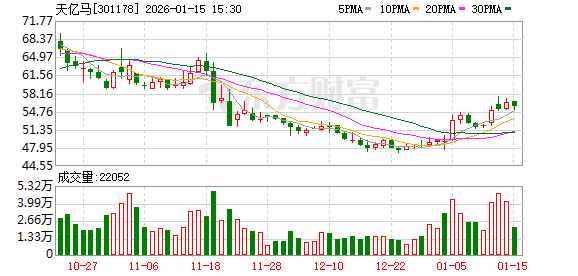
(文章来源:证券日报) 证券日报网讯 1月15日,天亿马在互动平台回答投资者提问时表示,公司目前的研发重心仍聚焦在把低 代码的"可视化拖拽+模型驱动"做得更扎实、更贴近行业场景,力求让政企客户以最少代码量快速落地 数字化应用。对于以自然语言直接生成完整应用的AI编程方向,公司将保持持续跟进。 ...
Deepseek新模型有望2月发布,这些方向成潜在发酵重点
Xuan Gu Bao· 2026-01-15 08:19
Group 1 - DeepSeek is set to release its flagship AI model, DeepSeek V4, in February, which reportedly surpasses current top models in programming capabilities [1] - The core innovation of V4 is the Engram module, which separates knowledge storage from logical reasoning, allowing for efficient retrieval of static knowledge [2][3] - The Engram module is expected to reduce the reliance on high-cost GPU memory (HBM) by migrating 20%-25% of static knowledge parameters to main memory (DRAM), significantly altering the model's storage requirements [3] Group 2 - AI programming is a key focus for major companies, with DeepSeek's advancements potentially enhancing the usage of domestic integrated development environments (IDEs) and benefiting low-code platforms [4] - The upcoming V4 model may improve the cost-effectiveness of AI applications and could support domestic chip architectures, which would accelerate the development of the domestic AI industry [5] - Historical performance of DeepSeek's previous model, R1, saw significant stock price increases, indicating strong market interest in its AI technologies [6] Group 3 - Relevant companies in the SSD storage sector include Jiangbolong, Demingli, and Baiwei Storage, while application vendors include Hehe Information, Wanxing Technology, and others [9] - Companies involved in computing infrastructure include Cambricon, Haiguang Information, and others, indicating a broad ecosystem supporting DeepSeek's advancements [9]
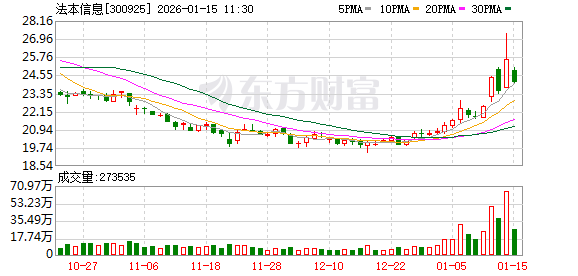
法本信息:公司部分产品已应用到运营商、银行等众多行业客户
Mei Ri Jing Ji Xin Wen· 2026-01-15 04:13
Core Viewpoint - The company has developed several AI products, including FarAIGPTCoder, FarAIGPTBrain, FarAIGPTRecruit, and FarAIGPTLabel, which are being utilized across various industries such as telecommunications and banking [1]. Group 1: Product Development - The company has independently developed AI products aimed at enhancing programming, knowledge management, recruitment, and data labeling [1]. - FarAIGPTCoder, an AI model for code generation, has passed the National Cyberspace Administration's deep synthesis service algorithm filing [1]. Group 2: Industry Applications - The knowledge management platform, FarAIGPTBrain, has been implemented by a publishing client to organize vast amounts of material into a structured knowledge system [1]. - A banking client has integrated a large model machine that meets strict requirements for security, stability, and efficiency, significantly improving customer experience [1].
再见,程序员,硅谷全员AI Coding,卡帕西宣告9级地震来了
3 6 Ke· 2026-01-15 00:16
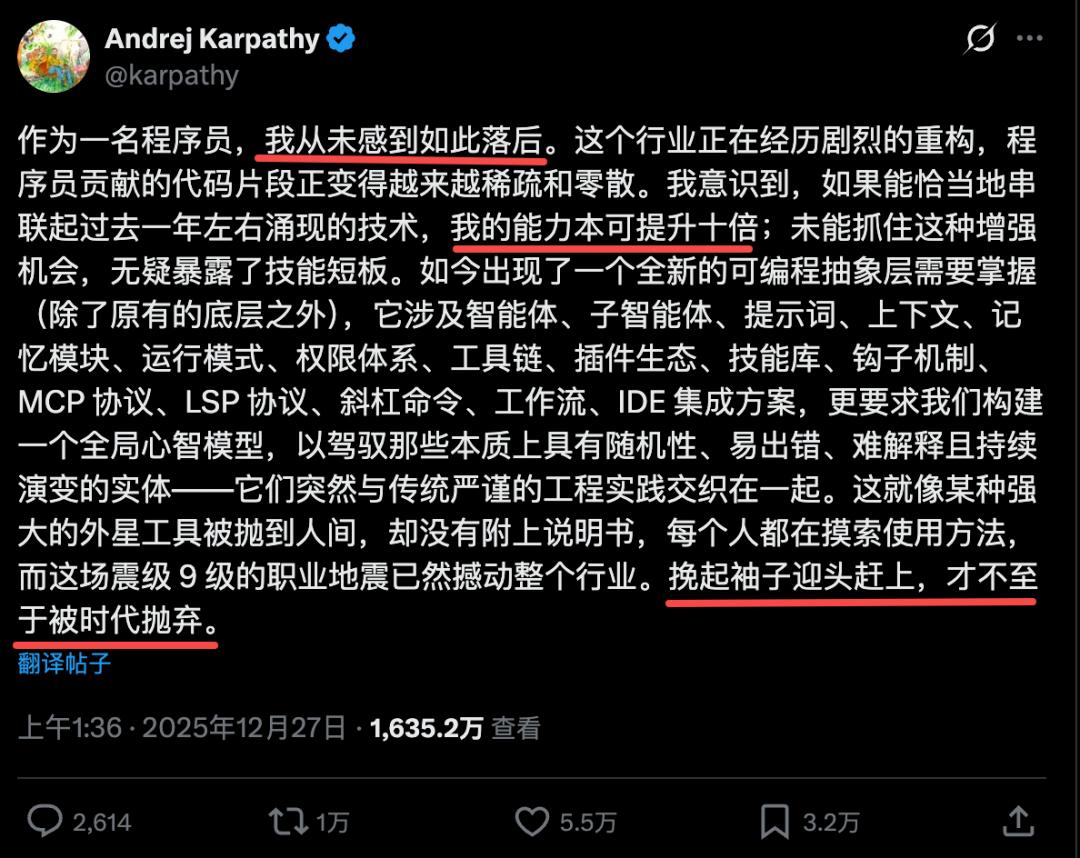
2025年12月27日,Andrej Karpathy发了一条推文。 这条推文迅速转发过万,点赞数万。 因为它戳中了一个所有开发者都能感受到、但很少有人能清晰表达的现实: 软件工程这个职业,正在被彻底重塑。而大多数人,正在被时代抛下。 但这条推文的内容,让整个开发者社区集体破防: 「作为一名程序员,我从未如此强烈地感到落后。」 他坦言,如果能正确运用过去一年涌现的AI工具,自己的能力本可提升十倍——但他还没做到。而这种无力感,让他直呼这是技能短板。 更令人窒息的是他对当下的描述: 「这就像某种强大的外星工具被抛到人间,却没有附上说明书,每个人都在摸索使用方法,而这场震级9级的职业地震已然撼动整个行业。」 外星工具。没有说明书。9级地震。 这条推文引发了「集体恐慌」,这波余震一直延续到今天。 在科技圈,Karpathy的分量无需赘述。他是无数程序员心中的技术偶像,是站在AI浪潮最前沿的弄潮儿。 如果连Karpathy都在慌,普通程序员该怎么办? 编程奇点,游戏规则已被改写 两周后,知名技术博主Theo(t3.gg创始人、Ping Labs CEO)制作了一期视频回应Karpathy。 视频标题直白得近乎残酷: ...
江苏卓易信息科技股份有限公司股票交易严重异常波动公告
Xin Lang Cai Jing· 2026-01-14 18:39
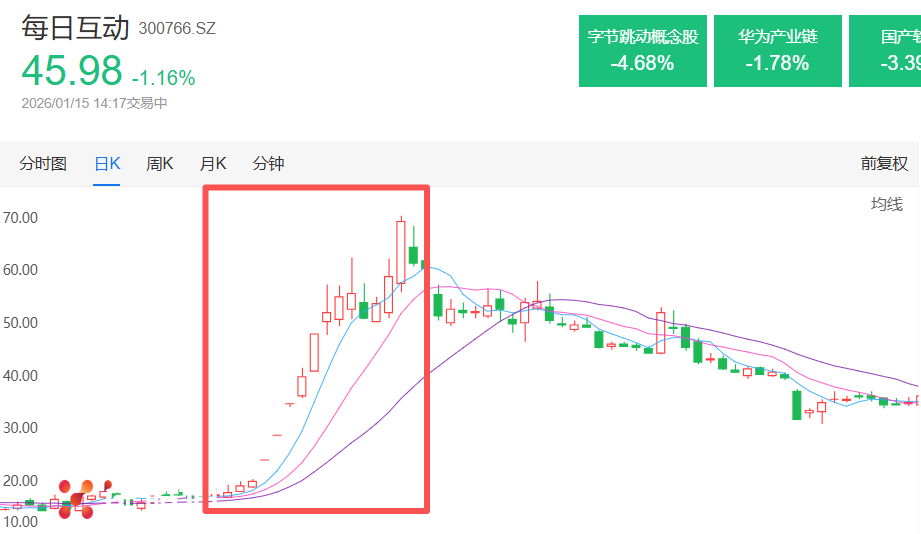
Core Viewpoint - Jiangsu Zhuoyi Information Technology Co., Ltd. has experienced significant stock price fluctuations, with a cumulative increase of over 100% in closing prices over ten consecutive trading days, indicating a high risk of speculative trading [2][5]. Group 1: Stock Price Fluctuation Risks - The company's stock price has increased by 127.46% since December 30, 2025, with a rolling P/E ratio of 315.14, significantly higher than the industry average of 72.84, suggesting potential irrational market behavior [3]. - The stock price has deviated significantly from the market trend, raising concerns about the sustainability of such price increases and the possibility of a subsequent decline [3][4]. Group 2: Company Operations and Product Risks - The company's AI programming products are still in the market introduction phase and have not yet established a scalable product system, leading to uncertainty in revenue generation and cash flow contributions [4][13]. - The majority of users for the company's products are currently free users, indicating a lack of stable and sustainable revenue sources [4][13]. - The company does not directly develop AI large models and has no direct business dealings with companies that do, which may limit its competitive edge in the rapidly evolving AI programming sector [4][13]. Group 3: Company Verification and Disclosure - The company has confirmed that there have been no significant changes in its daily operations or market environment, and it has not engaged in any major contracts or projects that could affect stock trading [7][8]. - No significant media reports or market rumors have been identified that could impact the company's stock price [9]. - The board of directors has stated that there are no undisclosed matters that could significantly affect stock trading, ensuring compliance with relevant disclosure regulations [11].
