
双碳战略

Search documents
“2025中国碳中和发展力指数”显示:西部地区提升最为显著
Zhong Zheng Wang· 2025-09-22 03:02
Core Insights - The "2025 China Carbon Neutral Development Index" was jointly released by Xiamen University and Jiangsu University, marking the fifth annual release of this index, coinciding with significant milestones in China's carbon neutrality goals and the conclusion of the 14th Five-Year Plan [1][4] Group 1: Regional Performance - From 2020 to 2025, the contribution rates of the eastern, central, western, and northeastern regions of China have shown a steady improvement, with the western region experiencing the most significant enhancement [2] - The overall index for various provinces exhibits a trend of "slowly rising amidst fluctuations," with eastern and central provinces maintaining high levels, indicating notable progress in green transformation during the 14th Five-Year Plan [2] - Leading provinces such as Zhejiang, Guangdong, Beijing, Jiangsu, and Shanghai have developed exemplary cases in areas like new energy application, green manufacturing, and financial innovation [2] Group 2: Challenges and Future Directions - Despite the progress, challenges remain, including the need for improved policy design, the risk of uniform local implementation paths, and insufficient innovation capabilities in low-carbon key technologies [3] - The research team anticipates that the upcoming 15th Five-Year Plan will focus on achieving carbon peak targets, emphasizing the need for continued optimization of the index system and enhanced data integration [3] - The "China Carbon Neutral Development Index" has adopted a "5+N" evaluation system, reflecting a shift from a singular focus on emissions reduction to a more integrated and collaborative approach in carbon neutrality efforts [4]
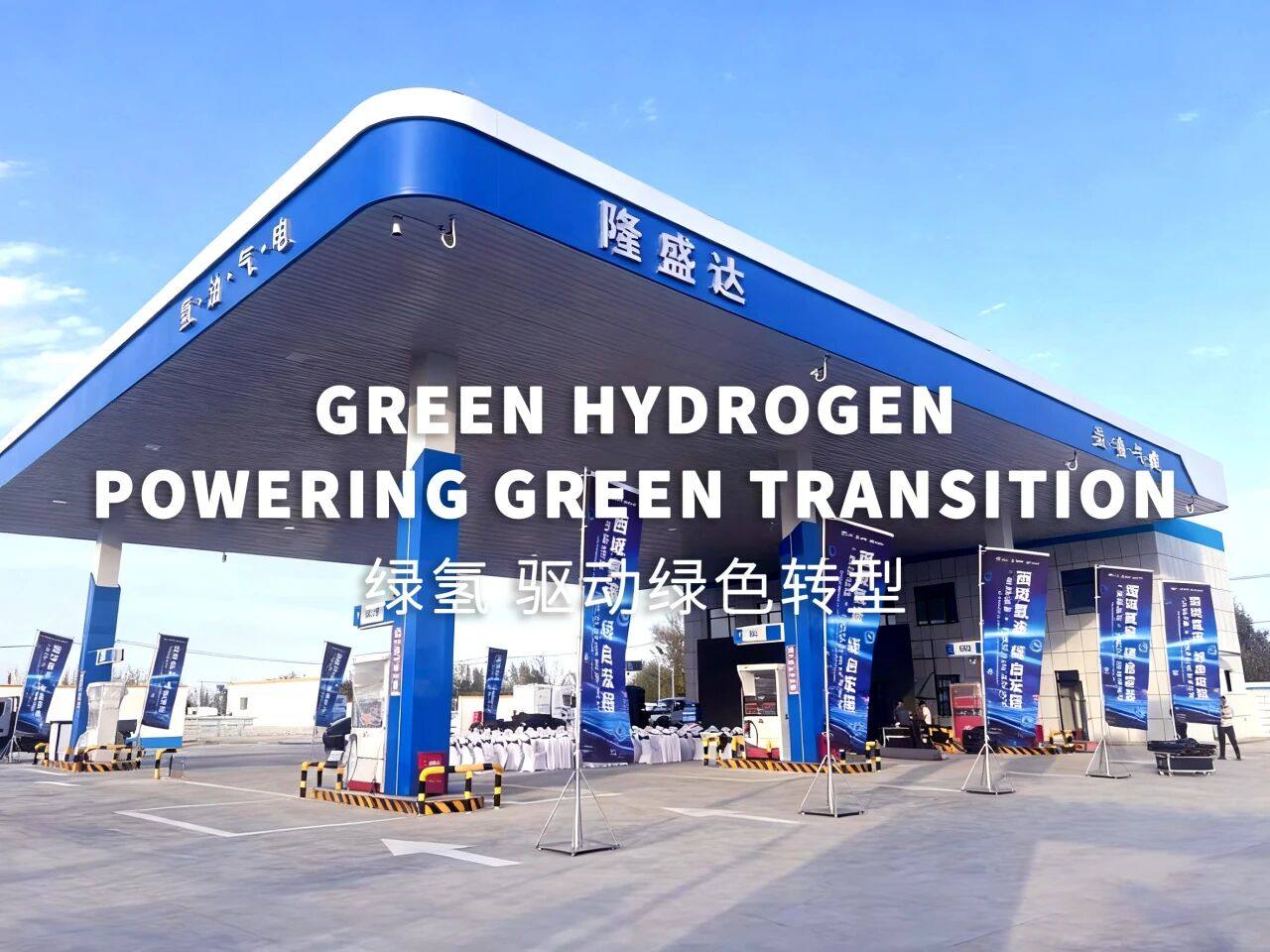
国富氢能(02582)氢能走廊一体化项目启动 加码布局西北氢能市场
智通财经网· 2025-09-22 02:12
Core Insights - The "Western Hydrogen Corridor: Green Initiation" hydrogen energy corridor project was successfully launched in Xinjiang, marking a significant step towards the establishment of a full hydrogen energy industry chain in the region [1][3] Group 1: Project Overview - The project aligns with the national hydrogen energy strategy and aims to create a comprehensive demonstration of "green electricity to hydrogen - storage and transportation - refueling - application" in key areas such as Urumqi, Changji, and Shihezi [3] - Two green hydrogen plants with a capacity of 10,000 tons each have commenced operations, equipped with a 140 MW alkaline electrolyzer system, producing hydrogen at a rate of 28,000 standard cubic meters per hour, with an annual output exceeding 20,000 tons of green hydrogen [3][4] - The project is expected to consume 1.2 billion kWh of green electricity annually and reduce carbon dioxide emissions by 200,000 tons [3][4] Group 2: Collaborative Efforts - The collaboration involves Jiangsu Guofu Hydrogen Energy Technology Equipment Co., Ltd., Urumqi Longshengda Environmental Technology Co., Ltd., and Lingniu Hydrogen Energy Technology (Urumqi) Co., Ltd., leveraging each party's strengths to enhance project execution [4] - Guofu Hydrogen Energy focuses on hydrogen equipment manufacturing and technology solutions, ensuring stable and scalable green hydrogen supply [4] - Longshengda is dedicated to building hydrogen infrastructure, while Lingniu Technology manages the lifecycle of hydrogen vehicles, promoting low-carbon transformation in logistics [4] Group 3: Strategic Importance - This project is a key initiative for optimizing the energy structure in Xinjiang and establishing a large-scale green hydrogen supply base in the country [4] - It serves as a model for the "Belt and Road" initiative and supports the deep implementation of the "dual carbon" strategy [4] - The project aims to enhance the coupling of new energy and hydrogen production systems, positioning Xinjiang as a national hydrogen hub [4]

解码道生天合:价值逻辑凸显,新材料龙头IPO启航在即
Sou Hu Cai Jing· 2025-09-22 01:25
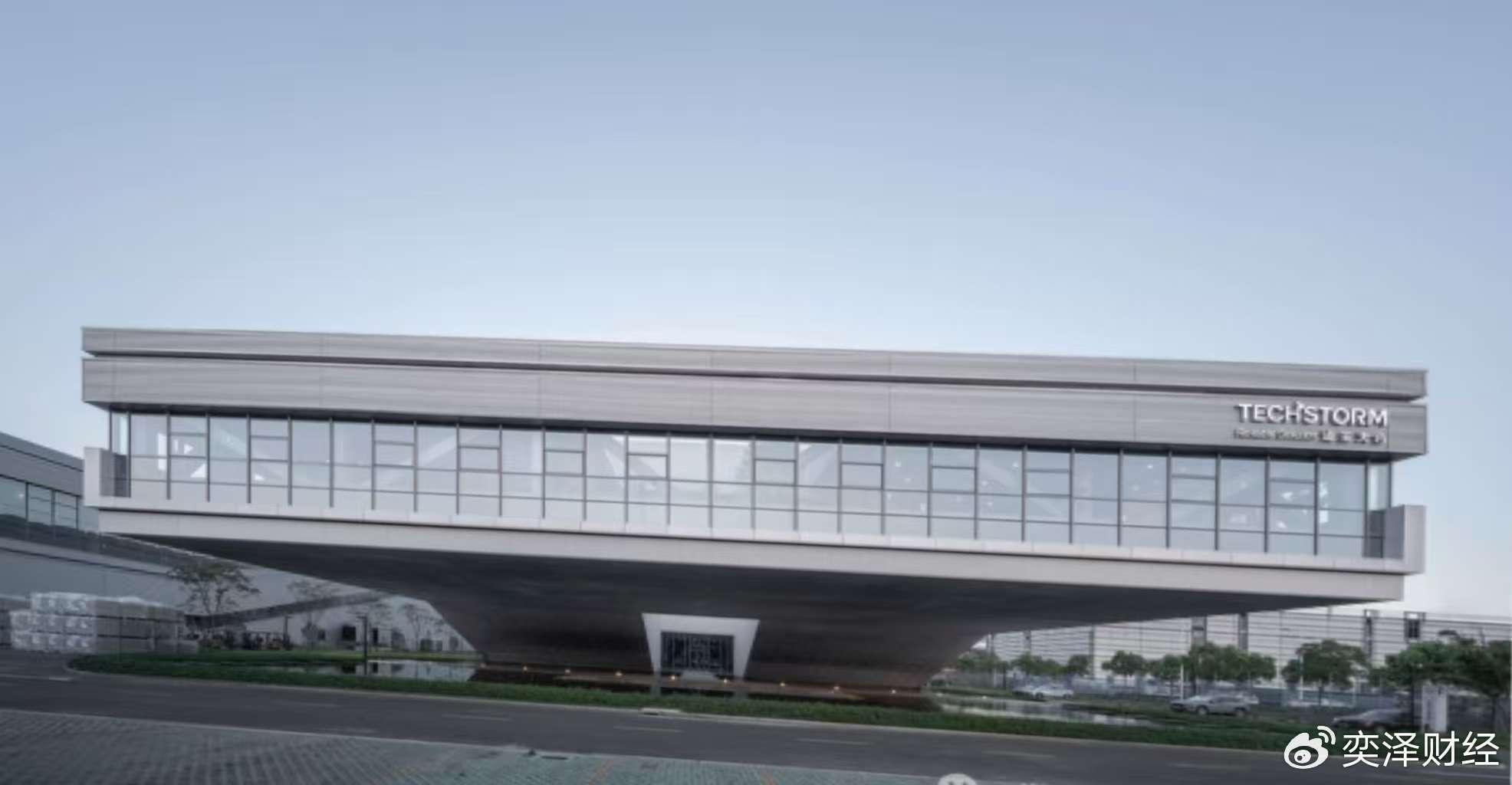
Core Viewpoint - Daoshengtianhe Material Technology (Shanghai) Co., Ltd. is positioned as a leading player in the new materials sector, focusing on the dual-carbon strategy and benefiting from the high-quality development of the Chinese economy [1] Group 1: Market Potential - The company is strategically aligned with the wind power and new energy vehicle industries, which are key national pillars, allowing it to capitalize on significant market growth [2] - China is a leader in the global wind power market, with plans to add over 50 GW of new installations annually during the 14th Five-Year Plan, ensuring a steady demand for high-performance materials [2] - The new energy vehicle market is experiencing explosive growth, with a projected market share of 40.9% in 2024, driving demand for high-performance adhesives and composite materials [2] Group 2: Competitive Advantage - Daoshengtianhe has successfully broken the foreign monopoly in high-end wind power materials, establishing itself as a pioneer in domestic substitution and global expansion [3] - The company has entered the supply chains of major domestic players such as BYD and Geely, and is the only Chinese company supplying epoxy resin and structural adhesives to international wind turbine giant Vestas [3] - Its core product, the epoxy resin series for wind turbine blades, has ranked first in global sales for three consecutive years (2022-2024), indicating strong market leadership [3] Group 3: R&D and Innovation - The company boasts a robust R&D capability with a diverse product range, including epoxy resins, polyurethanes, and organic silicon materials [4] - As of June 2025, Daoshengtianhe holds 69 valid patents, including 38 invention patents, and has applied for 14 PCT international patents, demonstrating its commitment to innovation [4] - The company has established a strong technical moat by providing differentiated and precise new material solutions across various high-end sectors, including energy storage and aerospace [4] Group 4: Financial Performance - From 2022 to 2024, the company's net profit attributable to shareholders has increased from 110 million yuan to 155 million yuan, showcasing solid growth resilience [5] - The upcoming IPO will fund the addition of 37,000 tons of high-end adhesives for power batteries and 19,000 tons of high-performance composite resin capacity, targeting core demands in the new energy vehicle sector [5] - The company's future strategy includes expansion into photovoltaic, consumer electronics, semiconductors, and rail transportation, further enhancing its growth potential [5]
特高压及AI投资持续发力,全球电网需求共振
2025-09-22 01:00
Summary of Conference Call on Ultra-High Voltage and AI Investment Industry Overview - The conference call focuses on the ultra-high voltage (UHV) sector and AI technology applications in the power equipment industry, highlighting the ongoing investment trends and market dynamics in China and globally [1][2][3]. Key Points and Arguments Ultra-High Voltage Investment - UHV investment has been slow in the first half of the year due to market sentiment, but the fundamentals are expected to accelerate, with low valuations [1][3]. - The State Grid and Southern Grid plan to invest 650 billion yuan and 175 billion yuan respectively for the year, driven by the dual carbon strategy to enhance renewable energy consumption [1][3]. - There are currently 9 UHV lines progressing rapidly, with expectations for early approval and bidding [1][5]. - The overall investment in the UHV sector is weak this year, but the bidding for transmission and transformation equipment is still growing at around 30% [1][5]. AI Technology Impact - AI technology is driving demand for power equipment, particularly in applications such as renewable energy generation forecasting and power trading [1][6]. - The global market demand remains strong, with a significant increase in transformer exports [1][6]. - AI applications in power systems are expected to enhance operational efficiency and reduce costs, with a steady growth trend in the power forecasting market [14]. Future Outlook and Projects - During the 14th Five-Year Plan, 13 UHV lines have been bid, with a total amount exceeding 40 billion yuan [8]. - In 2025, two new UHV lines have been approved, with one already under construction, indicating a potential acceleration in project bidding [9][10]. - The market for flexible DC technology is expected to grow significantly, with the value of equipment for flexible DC lines being nearly double that of conventional lines [11]. Investment Recommendations - Suggested companies for investment include: - UHV sector: Pinggao Electric, China XD Electric, XJ Electric, NARI Technology, and Sifang. - AI applications: NARI Technology, Guoneng Rixin, Dongfang Electronics, and Zeyu. - Data center construction: Jinpan, Mingyang, Liangxin, and Sifang Anke Rui. - Global market exporters: Mingyang, Jinpan, and Sifang for transformers, and Hisense and Samsung for electric meters [7][20]. Market Trends - The global power investment trend is steadily increasing, with Europe leading in renewable energy and North America focusing on old grid renovations [19]. - China's transformer exports reached 27.86 billion yuan in the first half of 2025, a year-on-year increase of 42%, indicating strong international competitiveness [19]. Additional Important Insights - The demand for transformers and switchgear is expected to rise significantly due to data center investments, projected to reach 20GW in 2025, translating to a market size of approximately 21 billion yuan for transformers and over 90 billion yuan for switchgear [18]. - The development of smart inspection technology in substations and transmission lines presents a substantial market opportunity, with the total market value exceeding 10 billion yuan [16][17]. This summary encapsulates the critical insights from the conference call, providing a comprehensive overview of the UHV and AI sectors, their current status, and future prospects.
金发科技股价6天涨幅超41% 增长趋势向好年营收有望首超700亿
Chang Jiang Shang Bao· 2025-09-21 22:57
Core Viewpoint - The news highlights the significant impact of Yushu Technology's IPO news on the stock price of Jinfat Technology, which has a minimal indirect stake in Yushu Technology. The company has shown strong revenue growth and is expected to exceed 700 billion yuan in annual revenue for 2025. Group 1: Company Performance - In the first half of 2025, Jinfat Technology achieved operating revenue of 31.636 billion yuan, a year-on-year increase of 35.50%, and a net profit of 585 million yuan, up 54.12% year-on-year [1][11] - For the full year of 2024, Jinfat Technology reported operating revenue of 60.514 billion yuan, a 26.23% increase, and a net profit of 825 million yuan, which represents a 160.36% year-on-year growth [7] - The company is expected to surpass 700 billion yuan in operating revenue for the first time in 2025, marking a new milestone [2][11] Group 2: Investment in Yushu Technology - Jinfat Technology has an indirect holding of 0.32% in Yushu Technology, which is considered very low [1][5] - The company is a limited partner in the Jinshi Growth Fund, which has a target size of 5 billion yuan, with Jinfat Technology committing 300 million yuan [4] - The Jinshi Growth Fund holds a 4.77% stake in Yushu Technology, indicating Jinfat Technology's indirect exposure to Yushu's growth [4][5] Group 3: Market Reaction and Stock Performance - Jinfat Technology's stock experienced significant volatility, with a cumulative price increase of 20% over two consecutive trading days, and a total increase of over 41% from September 11 to the announcement date [3] - Despite a recent drop in stock price, Jinfat Technology's stock has risen by 163% since 2015 [4] - The company's static price-to-earnings ratio is 69.99, significantly higher than the industry average of 27.36 [3] Group 4: Global Expansion and R&D - Jinfat Technology has made significant strides in its global strategy, with production facilities in Vietnam, Spain, and Indonesia enhancing its competitive edge [9] - In the first half of 2025, the company's overseas business achieved a sales volume of 161,000 tons, a year-on-year increase of 33.17% [10] - The company has increased its R&D expenditure, with 2.493 billion yuan and 1.293 billion yuan spent in 2024 and the first half of 2025, respectively, reflecting growth rates of 26.20% and 34.56% [11]

数十家跨国公司赴盐城“零碳之约” 共建“绿电+”产业生态圈
Zhong Guo Xin Wen Wang· 2025-09-20 03:31
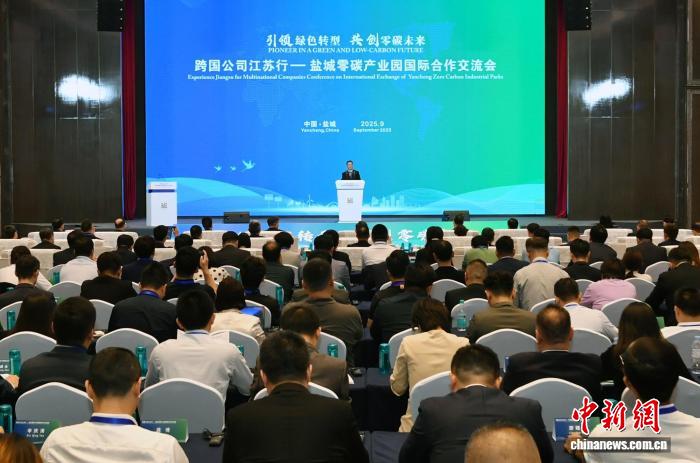
Group 1 - The international cooperation exchange meeting themed "Leading Green Transformation, Creating a Zero-Carbon Future" was held in Yancheng, Jiangsu, with representatives from 20 Fortune 500 companies and 50 multinational companies attending [1][3]. - Jiangsu is recognized as one of China's most powerful and open regions, with Yancheng being a national pilot city for carbon peaking and an important growth area for green and low-carbon development [3]. - Yancheng is actively implementing the "dual carbon" strategy and has taken the lead in constructing zero-carbon parks, focusing on diverse paths such as "green electricity + hydrogen energy" [3][4]. Group 2 - The meeting highlighted Jiangsu's role as a manufacturing and economic hub in China, with Yancheng seizing opportunities in the zero-carbon industry, and the US-China Business Council expressing willingness to enhance cooperation [4]. - The event featured speeches from executives of major companies like BASF and Total Energy, who shared their experiences in green development and expressed a desire for continued collaboration with Yancheng [6]. - The Yancheng zero-carbon industrial park's development and achievements were promoted, with 15 major projects signed on-site after in-depth discussions [6].
树新质生产标杆、创中国智造新高,深蓝汽车南京数智工厂挂牌,全新深蓝S07上市
Zhong Guo Qi Che Bao Wang· 2025-09-20 03:05
Core Viewpoint - The inauguration of the Deep Blue Automotive Nanjing Smart Factory and the launch of the new Deep Blue S07 marks a significant step for Chinese manufacturing, showcasing advanced capabilities in smart manufacturing and commitment to sustainability [1][16]. Group 1: Smart Manufacturing Capabilities - The Nanjing Smart Factory is recognized as a national-level 5G smart factory and the only 5G complete vehicle factory in Jiangsu Province, emphasizing top quality, extreme efficiency, and net-zero carbon emissions [1][16]. - The factory integrates a comprehensive quality control system with 11 quality gates to ensure that every vehicle meets top industry standards, utilizing a fully automated inspection system [5][7]. - The production process leverages 5G and IoT technologies across 68 smart manufacturing scenarios, achieving over 90% manufacturing sequence rate and a 10% increase in manufacturing efficiency [5][7]. Group 2: Product Development and Market Positioning - The new Deep Blue S07 is priced starting at 156,900 yuan, positioned as a luxury SUV with advanced smart technology and high-quality features, aiming to redefine the value benchmark in its segment [8][11]. - The S07 features the Huawei Drive ADS 4 SE system and Qualcomm Snapdragon 8295P chip, providing leading smart computing and driving assistance capabilities [11][13]. - The vehicle has received over 20,000 pre-orders, highlighting strong market demand driven by its competitive features such as a 550 km electric range and luxury interior [13][14]. Group 3: Strategic Support and Future Outlook - Deep Blue Automotive is positioned as the core brand for Changan Automobile's exploration into the new energy sector, with strong backing in technology development and financial investment [14][16]. - The Nanjing Smart Factory has generated over 80 billion yuan in cumulative output value, with nearly 4 billion yuan in output this year, exporting vehicles to over 70 countries and regions [14][16]. - The factory aims to serve as a model for zero-carbon manufacturing and personalized production, contributing to the global competitiveness of Chinese automotive brands [7][16].

我国首款双座电动直升机在沈首飞成功
Liao Ning Ri Bao· 2025-09-20 01:00
近日,在沈阳法库财湖机场,我国首款双座电动直升机RX1H成功完成首飞。此次试飞表明我国在电动直升机领域的整机集成设计及电推进系统已达到 国际先进水平,填补了我国电动直升机领域的空白。 相较于传统燃油直升机,电动直升机具备零排放、低噪声、维护成本低等优势,符合国家"双碳"战略目标,在城市空中交通、应急救援、短途运输等领 域具有广阔应用前景。未来,研发团队将持续优化RX1H的性能,推动其早日投入商业化运营,助力我国航空产业抢占绿色科技制高点。 RX1H由辽宁通用航空研究院首席科学家、中航工业沈阳飞机设计研究所首席专家杨凤田教授团队主持研发。研发团队经过4年攻关,成功突破电动直 升机多学科设计优化、高能量密度电池集成、高效电驱系统、轻量化结构设计等十余项关键技术。在首飞测试中,RX1H电动直升机依次完成了空中悬停、 360度回转、前后左右机动等飞行科目,飞行过程稳定流畅,操控性能卓越。 图为我国首款双座电动直升机RX1H。 ...

调研速递|广东三和管桩接受广大投资者调研 业绩增长等要点受关注
Xin Lang Cai Jing· 2025-09-19 13:28
Core Viewpoint - The company has demonstrated significant growth in the first half of 2025, with a notable increase in revenue and net profit, driven by market demand and strategic cost management [2]. Performance Growth Reasons and Sustainability - In the first half of 2025, the company achieved an 11.31% year-on-year increase in revenue and a substantial growth of over 34 times in net profit attributable to shareholders. This growth is attributed to two main factors: capturing market demand by diversifying product offerings and implementing a "total cost leadership" strategy through lean management and process optimization. The company is well-positioned for sustainable growth due to favorable national policies and deepening market expansion [2]. Business Segment Progress - The company's renewable energy-related business showed steady growth in the first half of 2025. Specifically, the sales volume of photovoltaic project piles reached 3.385 million meters, a year-on-year increase of 50.58%. Wind power project pile sales were 110,600 meters, up 35.21%, and wind power PC component sales surged by 1392.16%. The company plans to continue deepening strategic partnerships and expanding applications in emerging fields [3]. Risk Mitigation Measures - To address fluctuations in raw material prices and stricter environmental policies, the company has established a comprehensive response mechanism. It employs a "centralized procurement + price locking" model to reduce overall raw material costs. In terms of environmental compliance, the company is responding to carbon neutrality strategies by implementing "no pressure steaming and half pressure steaming" processes, recovering waste heat, and recycling condensate water. Some bases have also integrated distributed photovoltaic power generation, increasing the share of clean energy [5]. Capacity Release Situation - In the first half of 2025, the company reported smooth progress in capacity utilization and construction. The production capacity for pile products was 25.2545 million meters, with an actual output of 22.1259 million meters, resulting in a capacity utilization rate of 87.61%. New bases in Taizhou and Huizhou have enhanced capacity layout in the Yangtze River Delta and Guangdong-Hong Kong-Macao Greater Bay Area. The second phase of the Hefei base has begun trial production, which will meet regional market demand and enhance competitiveness [6]. Core Advantages and Cash Flow Management - The company stands out as one of the largest producers of prestressed concrete piles in China, boasting strong brand advantages, advanced technology reserves, a nationwide capacity layout, mature production processes, high-quality customer resources, and a stable professional management team. In terms of cash flow management, the net cash flow from operating activities improved by 67.88% year-on-year, driven by increased sales revenue and enhanced receivables management. The company aims to further improve operating cash flow by strengthening accounts receivable collection and optimizing procurement payment schedules [7].
聚焦2025世界储能大会:能源行业“新国标”要来了
Zhong Guo Qi Che Bao Wang· 2025-09-19 12:41
Group 1 - The 2025 World Energy Storage Conference initiated the compilation of technical specifications for converting gas stations to methanol refueling stations, aiming to establish technical pathways and unified safety standards to facilitate the adoption of methanol fuel [2] - China faces significant energy security challenges due to high dependence on foreign oil (over 72%) and natural gas (over 40%), making the development of new energy sources imperative [2] - Methanol is identified as an ideal liquid hydrogen carrier, with 1 cubic meter of methanol containing 148.3 kg of hydrogen, making it a sustainable and efficient energy form [2] Group 2 - Geely has been deeply involved in the methanol sector for 20 years, focusing on a "1.2.3.3" ecological strategy that promotes methanol-hydrogen electric products, with over 50,000 methanol-hydrogen electric vehicles currently in operation [3] - The launch of the world's first methanol-hydrogen electric dual-use ship, "Yuanchun 001," marks a significant step in energy transformation for inland shipping [3] - The value of the green ecological industry chain in China is estimated to reach trillions [3] Group 3 - Over 60 favorable policies have been introduced by the government and various provinces to promote the methanol-hydrogen route, with the inclusion of "methanol refueling stations" in the green transportation infrastructure construction [5] - As of now, more than 900 methanol refueling stations have been established nationwide, with plans to build over 4,000 by the end of 2027 [5] - The transition of over 120,000 gas stations is necessary as fuel consumption peaks and declines, with methanol stations requiring only 50,000 to 100,000 yuan for conversion, making it a cost-effective solution [5] Group 4 - The implementation of the new specifications is expected to accelerate the promotion and application of methanol-hydrogen electric vehicles and methanol fuel, driving energy transformation in China's transportation sector [6]

