
数字货币

Search documents
比特币跌破115000美元,现报114985美元,24小时跌幅达到2.8%。
news flash· 2025-08-01 13:49
比特币 跌破115000美元,现报114985美元,24小时跌幅达到2.8%。 ...
集体大跌!这一概念股全线回调,影响几何?
券商中国· 2025-08-01 10:55
Core Viewpoint - The implementation of the "Stablecoin Regulation" in Hong Kong has led to a significant decline in stablecoin-related stocks, reflecting market concerns over the regulatory environment and the licensing process [1][2]. Group 1: Market Reaction - Stablecoin concept stocks in Hong Kong experienced a collective drop, with notable declines: Yao Cai Securities fell nearly 20%, Yunfeng Financial dropped over 16%, and Lianlian Digital decreased over 13% [2]. - A-share digital currency concept stocks also showed weakness, with Sifang Jingchuang down over 5%, Xiongdi Technology and Tianyang Technology down over 4%, and Hengbao shares down over 3% [2]. Group 2: Regulatory Developments - The "Stablecoin Regulation" officially came into effect on August 1, covering the issuance of "fiat stablecoins" and "Hong Kong dollar stablecoins" in Hong Kong [2]. - Under the new regulation, any entity issuing fiat stablecoins in Hong Kong must apply for a license from the Financial Management Commissioner, which aims to provide better protection for the public and investors [2][3]. - The Hong Kong Monetary Authority (HKMA) has indicated that the licensing timeline is later than expected, with no licenses issued as of July 29, and institutions are advised to submit applications by September 30, 2025 [2][3]. Group 3: Transitional Arrangements - The HKMA has established a six-month transitional period for institutions that issued stablecoins before August 1, 2025, allowing them to continue operations while applying for licenses [3]. - After the transitional period, institutions that do not obtain a license must cease operations in Hong Kong [3]. Group 4: Licensing and Compliance Requirements - The HKMA has stated that only a limited number of stablecoin licenses will be granted initially, with several institutions expressing interest in applying [3]. - The "Guidelines for Licensed Stablecoin Issuers" require licensees to implement effective customer onboarding policies and procedures, ensuring due diligence before providing issuance or redemption services [3].


稳定币热潮撼动支付双雄?Visa(V.US)、万事达(MA.US)业绩亮眼,护城河却现裂缝
智通财经网· 2025-08-01 09:45
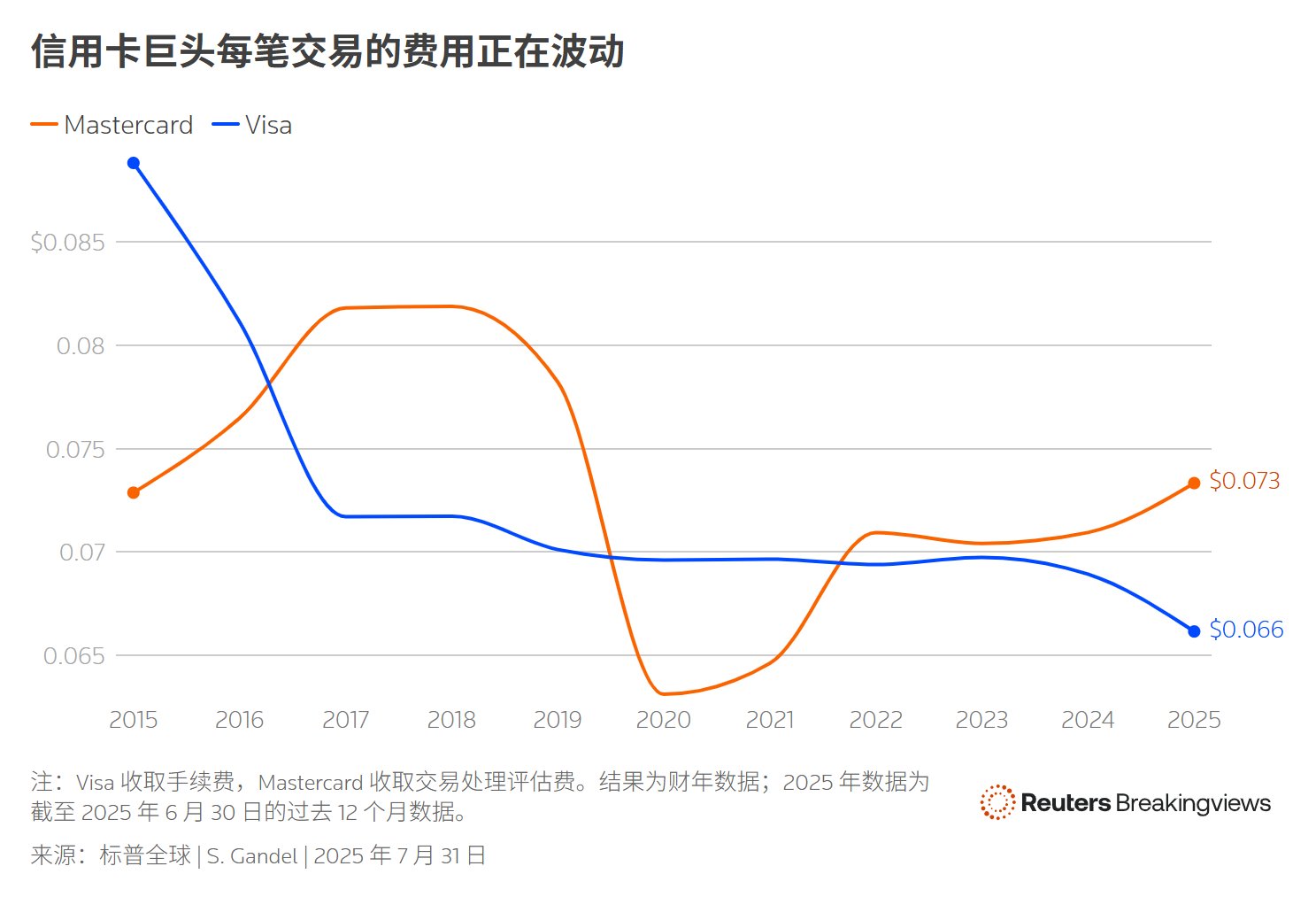
智通财经APP获悉,加密货币热潮正加剧美国信用卡双头垄断格局的不确定性。Visa(V.US)与万事达卡(MA.US)高管在近期财报电话会议中,首次面对可能 加速稳定币普及的新立法环境,普遍淡化美元挂钩数字货币对自身支付网络的潜在威胁。尽管两家公司凭借稳定的利润表现和强劲的估值水平为市场提供了 一定安慰,但稳定币运营商Circle Internet Group(CRCL.US)市值突破400亿美元的飙升态势,仍揭示着资本市场对支付领域变革的期待分歧——两组投资者难 以同时保持正确判断。 历史经验显示信用卡巨头具备较强韧性。二季度Visa净利润增长8%至53亿美元,万事达卡增长14%至37亿美元,双双超出分析师预期。依托在美国约70%购 物交易的处理份额(尼尔森数据),其网络普及率与可靠性构筑了抵御Venmo等新兴支付应用的护城河。 尽管稳定币当前交易规模相较信用卡网络(约15万亿美元年处理量)仍显渺小,且主要应用于法定货币波动剧烈的新兴市场,但单笔费用下降趋势已暴露传统 支付体系的脆弱性。沃尔玛等大型商家开始探索代币支付方案,更预示着变革压力的累积。 目前Visa与万事达卡通过咨询等增值服务部分对冲了收入损失, ...


数字货币新棋局:中国以战略资源重构全球货币版图
Sou Hu Cai Jing· 2025-08-01 08:01
Core Viewpoint - The article discusses how China's innovative approach to integrating rare earth elements with the Renminbi (RMB) is reshaping the global monetary system amidst challenges to the US dollar's dominance [1][3]. Group 1: Rare Earth Elements and Their Importance - China dominates the global rare earth supply chain, controlling over 80% of it, making rare earths critical for various industries including renewable energy, semiconductor manufacturing, and aerospace [1][3]. - Rare earths are described as "industrial gold," highlighting their strategic value that surpasses that of typical resources, making them essential for national security [1]. Group 2: Financial Innovation and Digital Integration - China is transforming the physical attributes of rare earths into financial assets through advanced digital technologies, creating a transparent and traceable credit network [3]. - This innovation allows for precise tracking of rare earths from extraction to circulation, enhancing the credibility of transactions and avoiding the limitations associated with gold reserves [3]. Group 3: Impact on the Renminbi and Global Trade - The deep integration of rare earths with the RMB provides a solid backing for the currency, enhancing its credibility and facilitating its use in international trade [3][5]. - As rare earth transactions increasingly utilize the RMB, it elevates the currency's status on the global stage and allows for broader dissemination of rare earth value through the RMB [3]. Group 4: Benefits for the General Public - The connection between rare earths and the RMB simplifies cross-border transactions, reducing costs and making overseas purchases more accessible for individuals [5]. - Investment opportunities based on rare earths and RMB assets are expected to diversify options for investors, allowing broader participation in global resource allocation [5]. - The binding of RMB credit to the tangible value of rare earths helps mitigate inflation risks associated with excessive dollar issuance, safeguarding public wealth [5].
香港稳定币牌照申报进行时!首批发钞银行有望先行
天天基金网· 2025-08-01 07:36
Core Viewpoint - The issuance of stablecoin licenses in Hong Kong has officially begun, with a limited number of licenses expected to be granted, likely only a few, as the Hong Kong Monetary Authority (HKMA) aims for a cautious approach in the initial phase [2][3][4]. Group 1: License Application and Eligibility - The application window for stablecoin issuer licenses opened on August 1, with institutions required to submit applications by September 30 to be considered for the first batch of licenses [2][3]. - The HKMA has set specific eligibility criteria for applicants, including financial conditions, personnel qualifications, reserve assets, and custody redemption requirements [1][3]. - Major banks such as Bank of China (Hong Kong) and Standard Chartered Bank (Hong Kong) are expected to be among the first to apply for these licenses due to their essential roles in the currency issuance system [3][4]. Group 2: Potential Applicants and Market Dynamics - In addition to the three major note-issuing banks, other potential applicants include Chinese banks, sandbox testing companies, large state-owned enterprises, and internet companies with payment licenses [4][5]. - The initial focus for securities firms will likely be on providing services related to stablecoin trading, custody, financing, and consulting, rather than applying for stablecoin licenses themselves [6][7]. - As of the end of July, 44 financial institutions have upgraded their existing securities trading licenses, indicating a growing interest in virtual asset trading, including stablecoins [6][7]. Group 3: Application Scenarios and Market Trends - The application scenarios for stablecoins are expected to include digital asset trading, cross-border payments in global trade, and traditional asset tokenization [4][5]. - The use of stablecoins in different regions varies, with financial applications being more prominent in Europe and the U.S., while B2B trade is expected to be a priority in regions like Africa and Latin America [5]. - The emergence of tokenized funds, such as the Huaxia RMB Digital Currency Fund, signifies a significant step towards exploring offshore RMB stablecoins [9].
创业板指跌逾1% 下跌个股近2700只
news flash· 2025-08-01 05:42
创业板指跌逾1% 下跌个股近2700只 智通财经8月1日电,指数走弱,创业板指下挫跌逾1.00%,沪指跌0.57%,深成指跌0.75%。算力硬件、 游戏、军工、数字货币等方向跌幅居前,沪深京三市下跌个股近2700只。 ...

A股数字货币概念股走弱,恒宝股份跌超6%
Ge Long Hui· 2025-08-01 05:38
格隆汇8月1日|A股市场数字货币概念股走弱,其中,恒宝股份跌超6%,四方精创、雄帝科技跌超 5%,信息发展、芯原股份、中科金财、华峰超纤、海联金汇、天阳科技跌超4%。 ...





美国很少讨论一个问题:如果中国也推出稳定币会怎样?
Guan Cha Zhe Wang· 2025-08-01 02:25
Core Viewpoint - The article discusses the emergence of stablecoins, particularly in the context of China's regulatory framework and the implications for global financial systems, highlighting the strategic competition between countries in the digital currency space [1][2][4]. Group 1: Development of Stablecoins - The Hong Kong "Stablecoin Regulation" has officially come into effect, marking a significant step in digital asset governance [1]. - The development of digital currencies can follow two paths: top-down (central bank digital currencies) and bottom-up (cryptocurrencies like Bitcoin) [2][4]. - Central bank digital currencies (CBDCs) are easier to integrate with existing financial systems and offer regulatory advantages, but lack the market-driven demand seen in cryptocurrencies [2][4]. Group 2: International Competition and Strategy - The differences in digital currency approaches among countries, particularly between China and the U.S., stem from varying levels of recognition and emphasis on digital currencies [4][5]. - The competition in digital currencies is viewed as a form of currency warfare, with emerging powers seeking to establish their currencies while traditional powers respond with stablecoins [5][7]. - The U.S. is pushing for stablecoins to enhance demand for U.S. Treasury bonds, particularly short-term bonds, while the long-term bond market faces challenges [8][9]. Group 3: Implications for Monetary Sovereignty - The rise of stablecoins poses significant challenges to national monetary sovereignty, as they could lead to a loss of control over domestic currencies [18][19]. - The development of a global stablecoin market could undermine traditional monetary policies and create a scenario where countries lose their ability to manage their currencies effectively [18][19]. - The article suggests that the emergence of stablecoins could lead to a unified global currency market, further complicating the monetary sovereignty of smaller nations [19][20]. Group 4: China's Response and Future Outlook - China is encouraged to adopt a dual strategy of promoting both CBDCs and stablecoins to counter the influence of U.S. stablecoins [33][34]. - The potential for a Chinese stablecoin is seen as a strategic move to provide an alternative to the dollar and enhance the internationalization of the renminbi [41][42]. - The article emphasizes the importance of international cooperation and rule-setting in the digital currency space to ensure that China can effectively navigate the challenges posed by stablecoins [31][32].
从稀土到数字信用:中国如何破解美元霸权“死局”?
Sou Hu Cai Jing· 2025-08-01 00:47
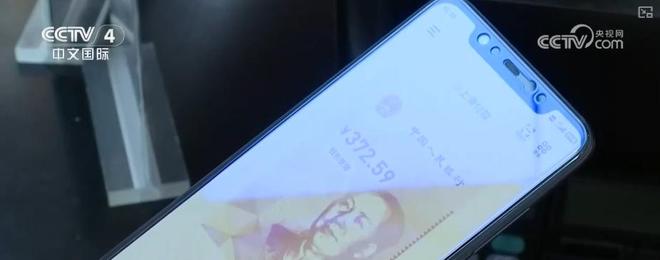
Core Viewpoint - The current "petrodollar" and "gold-dollar" systems are rapidly collapsing due to the weaponization of the dollar by the U.S., the use of the SWIFT system for sanctions, and the acceleration of de-dollarization by 30% of global central banks. China proposes a strategic alternative based on rare earths, linking the rare earth currency closely with the renminbi, potentially establishing a new path for the global monetary system [1]. Group 1: Strategic Resource and Digital Currency - China has redefined the mission of rare earths as a strategic resource by leveraging digital technology to convert physical stock into credit for digital currency. This innovation creates a digital currency system backed by rare earths, with the rare earth currency closely tied to the renminbi, serving as an extension of renminbi credit in the digital currency realm [3]. - The close relationship between the rare earth currency and the renminbi provides a stabilizing factor for the global monetary system, promoting a "depoliticized" approach to currency competition [3]. Group 2: Infrastructure and Efficiency - A domestic digital payment network established by Chinese tech companies has expanded to over 200 countries, offering developing nations an independent settlement channel outside the dollar system. This network supports the international circulation of the rare earth currency and the renminbi [3]. - The use of blockchain technology for distributed ledger systems has drastically reduced cross-border transfer times from days to seconds and lowered costs by over 90%. This efficiency enhances the appeal of the rare earth currency and the renminbi in international trade [5]. Group 3: Regulatory Framework and Global Influence - China is taking the lead in setting digital currency technology standards and regulatory frameworks, attracting global financial institutions to participate in its ecosystem. This initiative aims to establish a new market based on "Chinese rules," enhancing China's influence in the global digital currency landscape [5]. - The strategic approach of combining soft and hard power positions China advantageously in the de-dollarization process, as evidenced by the European Central Bank's exploration of renminbi settlements for rare earth trade and Southeast Asian countries integrating into China's digital currency system [5]. Group 4: Societal Benefits - The dissolution of monetary hegemony is expected to translate into tangible benefits for ordinary households. The deep integration of the rare earth currency and the renminbi will lead to cost savings in cross-border consumption, diversified investment channels, and the emergence of new financial products related to rare earths and green energy [7].

香港稳定币牌照申请窗口开启 发钞行有望抢占先机
Zheng Quan Shi Bao· 2025-07-31 21:32
Core Points - The Hong Kong Stablecoin Regulation officially came into effect on August 1, with the Hong Kong Monetary Authority (HKMA) releasing guidelines for licensed stablecoin issuers [1][2] - Major banks such as Bank of China (Hong Kong) and Standard Chartered Bank (Hong Kong) are expected to be among the first to apply for stablecoin issuer licenses [1][2] - The initial phase will likely see only a few licenses granted, possibly just 2 to 3, as the HKMA aims to be cautious in its approach [2][3] Group 1: Regulatory Framework - The guidelines set clear application thresholds for issuers, including financial conditions, personnel qualifications, reserve assets, and custody redemption requirements [1][2] - Existing stablecoin issuers must apply for licenses within a three-month transition period, or they will enter a winding-up phase by November 1, 2025 [3] Group 2: Market Participants - Various entities, including state-owned banks, sandbox testing companies, and large internet firms, are eager to apply for stablecoin licenses [4] - The three major note-issuing banks in Hong Kong are crucial players in the stablecoin market, as they are responsible for issuing currency backed by U.S. dollar reserves [2][4] Group 3: Application Scenarios - The application scenarios for stablecoins are critical for license approval, with potential uses including digital asset trading, cross-border payments in global trade, and traditional asset tokenization [4] - Different regions may have varying applications for stablecoins, with Western markets focusing more on financial applications [4] Group 4: Securities Firms' Involvement - 44 financial institutions have upgraded to the first type of securities trading license, with an increase of 3 since the end of June [6] - Securities firms are expected to focus on virtual asset trading, financing, and consulting services related to stablecoins [5][6] Group 5: Future Developments - There is anticipation for the emergence of offshore RMB-backed stablecoins, with recent initiatives like the launch of tokenized funds exploring this possibility [8]