
低空经济

Search documents
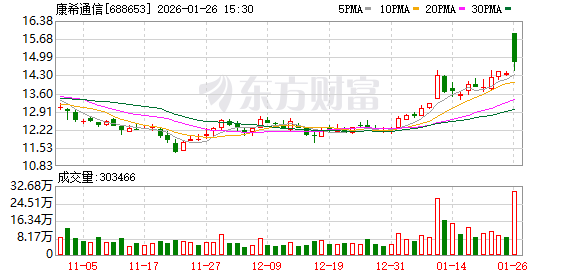
耗资约9000万元!康希通信初步击退美国射频巨头Skyworks专利围剿,5项专利“零侵权”
Mei Ri Jing Ji Xin Wen· 2026-01-26 11:04
Core Viewpoint - Kangxi Communication's subsidiary has successfully defended against allegations of patent infringement in a preliminary ruling by the ITC, allowing its products to continue entering the U.S. market [2][5][6]. Group 1: Legal Proceedings - On January 24, Kangxi Communication learned of the ITC's preliminary ruling, stating that it and its subsidiaries did not violate Section 337 of the Tariff Act of 1930, and did not infringe on Skyworks' patents [2][5]. - The lawsuit initiated by Skyworks in May 2024 accused Kangxi Communication's subsidiary of infringing on five patents related to RF front-end modules [4][5]. - The ITC's preliminary ruling confirmed that Kangxi Communication did not infringe on two specific patents, while three others were withdrawn by Skyworks during the evidence disclosure phase [5][6]. Group 2: Financial Implications - Legal expenses related to the lawsuit are projected to exceed 90 million yuan by the end of 2025, with 38.84 million yuan incurred in 2024 and an additional 50.60 million yuan in the first three quarters of 2025 [4]. - For the first three quarters of 2025, Kangxi Communication reported a revenue of 526 million yuan, a year-on-year increase of 39.32%, although it recorded a net loss of 30.53 million yuan [7]. Group 3: Research and Development - Kangxi Communication's R&D investment for the first three quarters of 2025 totaled 69.27 million yuan, accounting for 13.17% of its revenue [6]. - The company is focusing on the development of Wi-Fi RF front-end chips, with ongoing research into Wi-Fi 8 technology and a commitment to low-altitude economy initiatives [6].

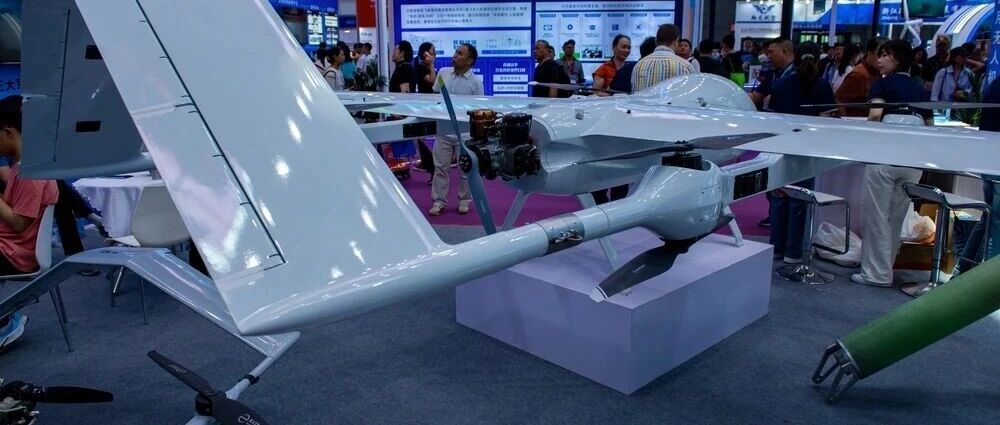
天空的霸权,正在从硅谷转移到珠三角
虎嗅APP· 2026-01-26 10:26
Core Viewpoint - The article discusses the shift of aerial dominance from Silicon Valley to the Pearl River Delta, highlighting China's advancements in drone technology and its implications for global competition [4][8]. Group 1: Understanding China's Low-altitude Economy - China's perspective on drones is fundamentally different from that of the U.S., viewing them as "flying servers" rather than just aircraft, which aligns with its infrastructure development mindset [10][12]. - The Chinese government has established a comprehensive low-altitude digital infrastructure, akin to building roads, to facilitate drone operations [11][13]. - The Civil Aviation Administration of China (CAAC) adopts a pragmatic regulatory approach, allowing for experimentation and learning from failures in designated areas [14][15]. Group 2: U.S. Regulatory Challenges - The U.S. Federal Aviation Administration (FAA) prioritizes manned aircraft, creating significant barriers for commercial drone operations, such as the "Visual Line of Sight" requirement [22][23]. - Despite having the most open airspace, the U.S. faces bureaucratic hurdles that hinder the commercial viability of drones, exemplified by Amazon's struggles with its Prime Air project [24][26]. - Cultural resistance, particularly the NIMBY (Not In My Backyard) mentality, further complicates the deployment of drone technology in the U.S. [25][26]. Group 3: Supply Chain and Manufacturing Disparities - The article emphasizes that the U.S. has lost its ability to produce affordable and effective hardware, while China excels in manufacturing drones at a lower cost and higher efficiency [30][31]. - The U.S. government's attempts to create a domestic drone ecosystem have resulted in higher costs and inferior performance compared to Chinese counterparts [32][33]. - This creates a cycle where limited commercial applications lead to low demand, preventing cost reductions through economies of scale [34][35]. Group 4: Military Implications and Future Strategies - The use of consumer drones in military conflicts, such as in Ukraine, has raised alarms in the U.S. regarding its military capabilities [39][41]. - China’s approach to drone technology has evolved from consumer products to military applications, while the U.S. relies on high-cost, high-precision military technology [42][43]. - The U.S. is now attempting to rapidly develop affordable drones through initiatives like the "Replicator Initiative," but faces challenges in manufacturing without relying on Chinese supply chains [45][46]. Group 5: Future Competition and Innovation - The article concludes that the future of aerial dominance will depend on which country can better embrace innovation, respect engineers, and allow for trial and error in technology development [48][52]. - The contrasting approaches of the U.S. and China highlight the potential for both nations to coexist in the aerial domain, but success will hinge on their respective regulatory and cultural environments [51][52].
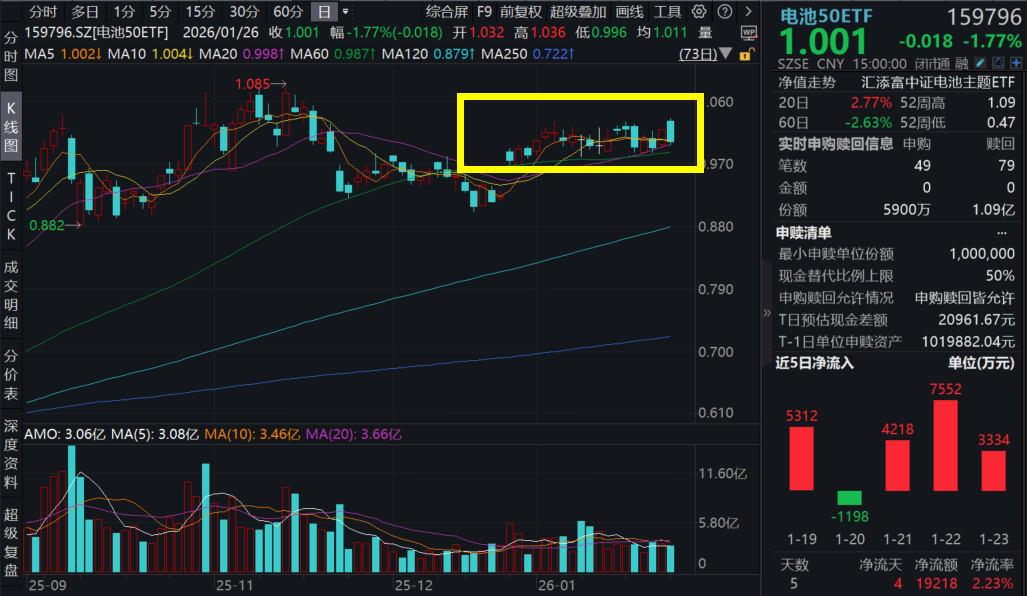
三花智控跌超3%,电池50ETF(159796)跌1.77%延续箱体震荡!2025年业绩前瞻,电池板块表现为何如此亮眼?
Xin Lang Cai Jing· 2026-01-26 09:33
Core Viewpoint - The A-share market experienced fluctuations on January 26, with cyclical sectors leading gains while growth sectors retreated. The Battery 50 ETF (159796) closed down by 1.77%, with funds attracting over 150 million yuan in the previous three days [1]. Group 1: Market Performance - The Battery 50 ETF (159796) saw most of its constituent stocks decline, with significant drops including Sanhua Intelligent (down over 3%) and Guoxuan High-Tech (down over 2%) [3]. - The top ten constituent stocks of the Battery 50 ETF showed a range of declines, with the largest drop being 3.89% for Sanhua Intelligent and the smallest being 1.43% for Ningde Times [4]. Group 2: Earnings Forecasts - Recent earnings forecasts for 2025 from leading battery companies indicate strong performance, with 11 out of 13 companies reporting year-on-year growth. Leading the pack is Sanhua Intelligent, with a projected profit increase of 424% to 529% [5]. - The projected net profit for Sanhua Intelligent is between 1.5 billion yuan and 1.8 billion yuan, while other companies like Daoshih Technology and Tianci Materials also show significant growth forecasts [5]. Group 3: Demand and Industry Outlook - The battery sector's strong performance is attributed to steady growth in demand for power batteries and explosive growth in energy storage batteries. The demand is expected to continue rising, with new technologies like solid-state batteries opening up new market opportunities [6]. - By December 2025, domestic lithium iron phosphate battery installation volume is expected to reach 79.8 GWh, a year-on-year increase of 30.82%, while power battery exports are projected to hit 19.0 GWh, up 47.29% year-on-year [7]. Group 4: Technological Developments - Solid-state batteries are anticipated to see significant breakthroughs, with policy support and emerging industries driving demand. The production of semi-solid batteries is expected to exceed 10 GWh by 2025, with a focus on leading battery cell companies and material firms [7]. - The Battery 50 ETF (159796) has a high content of solid-state batteries (45%) and energy storage (18.7%), positioning it to benefit from the growth in these sectors [8][10]. Group 5: Investment Strategy - The battery sector's fundamentals and technological catalysts are expected to support strong stock performance. Given the complexity of the industry, index investment may be a more effective strategy to capture opportunities in the battery sector [7]. - The Battery 50 ETF (159796) is noted for its leading scale and low management fee of 0.15% per year, making it an attractive option for investors looking to capitalize on the battery sector's growth [12].





苏州科达(603660.SH):公司当前推进的重点主要是无人机监测等与低空基础设施建设相关的设备及低空飞行相关的平台研发工作
Ge Long Hui· 2026-01-26 09:29
格隆汇1月26日丨苏州科达(603660.SH)近日在接受特定对象调研时表示,公司当前推进的重点主要是无 人机监测等与低空基础设施建设相关的设备及低空飞行相关的平台研发工作。公司认为,低空经济作为 十五五规划中重点提及的前沿方向,离不开大量的低空基础设施建设,以及规范的平台整合机制,低空 飞行产业目前蓬勃发展,我们合资公司正与民航进行天网、地网、空网的协同基于进行低空基础设施网 络的核心技术开发与运营模式创新技术开发。可为公司带来新产业的业绩增长点。 ...

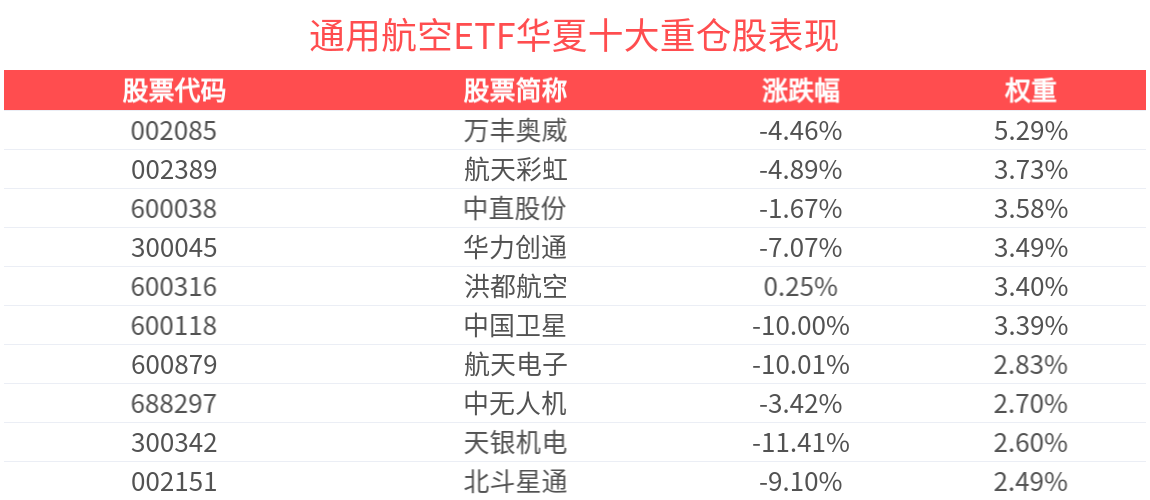
低空经济有望迈入常态运营元年,通用航空ETF华夏(159230)倒车接人跌超6%
Xin Lang Cai Jing· 2026-01-26 06:32
Core Viewpoint - The low-altitude economy in China is projected to reach a market size of 1.5 trillion yuan by 2025, showing significant growth from the previous year, with nearly 20,000 drone operating companies and annual eVTOL orders exceeding 30 billion yuan [1] Group 1: Market Performance - Major indices declined, with the commercial aviation and low-altitude economy sectors experiencing the largest drops, as evidenced by the General Aviation ETF Huaxia (159230) falling by 6.05% [1] - Among the top-weighted stocks in the General Aviation Industry Index, the leading stocks saw varying performance, with notable declines in stocks like Aerospace Hongyun down 12.45% and China Satellite hitting the daily limit down [1][2] Group 2: Industry Outlook - The low-altitude economy has been included in government work reports for two consecutive years and is part of the "14th Five-Year Plan," indicating ongoing policy support and the release of benefits [1] - The industry is expected to transition from pilot flights to regular operations by 2026, marking a significant milestone in the development of new productive forces [1]
工业有色金属“成长革命”启幕,有色ETF富国精准布局核心机遇
Quan Jing Wang· 2026-01-26 06:09
Core Insights - The Ministry of Industry and Information Technology projects a 5.9% year-on-year growth in industrial added value by 2025, with the manufacturing sector expected to maintain its position as the world's largest for 16 consecutive years [1] - The demand for upstream raw materials such as copper, aluminum, and rare earths is supported by robust macroeconomic data, indicating strong resilience in China's real economy and industrial development [1] Group 1: Industrial Metal ETF - The newly launched ETF, "Fuguo" (code: 159168), aims to provide investors with a streamlined way to invest in the industrial non-ferrous metal sector [1] - The ETF tracks the CSI Industrial Non-Ferrous Metal Theme Index (code: H11059.CSI), which includes 30 large-cap stocks in the industrial non-ferrous metal sector, focusing on core varieties [2] - The index has a significant weight in copper (34.4%), aluminum (21.8%), and rare earths (13.6%), totaling nearly 70% [2] Group 2: Historical Performance - The industrial non-ferrous index has demonstrated strong investment value, with a cumulative increase of 161.24% since September 24, 2024, significantly outperforming the CSI 300 index, which rose by 46.37% during the same period [3] - In 2025, the industrial non-ferrous index achieved a growth rate of 96.14%, surpassing the CSI 300 index's 17.66% increase and outperforming other related indices [3] Group 3: Investment Logic - The investment logic for industrial non-ferrous metals has shifted from traditional cyclical fluctuations to being driven by supply-demand gaps, macroeconomic support, and global resource strategies [4] - Demand for industrial non-ferrous metals is transitioning from traditional uses to technology-driven growth assets, with copper expanding into AI and renewable energy sectors, and aluminum moving towards high-end manufacturing applications [4] - Supply constraints due to long-term underinvestment and rigid limitations are exacerbating supply-demand imbalances, pushing prices higher [4] Group 4: Strategic Importance - The geopolitical landscape has elevated the strategic importance of key mineral resources like copper and rare earths, transforming them into assets with strategic value beyond traditional commodities [5] - The "Fuguo" ETF offers a way for investors to gain exposure to critical assets in the industrial sector while minimizing individual stock volatility [5] - The ETF employs a full replication strategy to minimize tracking error and is managed by Fuguo Fund, a well-established player in quantitative investment with over 16 years of experience [5]
46%无人机适飞空域!做“世界eVTOL之都”,上海凭什么?
2 1 Shi Ji Jing Ji Bao Dao· 2026-01-26 05:31
Core Insights - Shanghai is actively promoting its low-altitude economy through a series of comprehensive policies aimed at becoming the "world eVTOL capital" by 2026 [1][3]. Policy Developments - The "Interim Measures for the Safety Management of Civil Unmanned Aerial Vehicles" will take effect on February 1, 2024, alongside a multi-departmental safety regulation system [2]. - As of January 20, 2024, the designated flying zones for micro, light, and small unmanned aerial vehicles (UAVs) have been established, covering 46% of Shanghai's administrative area, allowing operations without prior approval [2]. Industry Growth Targets - The "Measures for Accelerating the Construction of Advanced Manufacturing Clusters in the Low-altitude Economy" aims for the core industry scale to reach approximately 80 billion yuan by 2028, establishing a complete industrial chain [3]. - The plan includes attracting 10 leading companies in eVTOL, industrial-grade drones, and new energy aircraft, with a target of producing over 500 new aircraft [3]. Regional Collaboration - The initiative emphasizes regional collaboration, particularly with the Yangtze River Delta, to create a national-level testing platform for new low-altitude aircraft [5]. - The focus is on enhancing core competitiveness in research, manufacturing, and application scenarios within the low-altitude economy [5]. Beneficiary Companies - Three types of companies are expected to benefit from the new policies: innovative firms exploring low-altitude economic scenarios, traffic management design companies, and safety-focused companies such as drone countermeasure and electronic fence firms [6]. - The low-altitude economy theme index has risen by 10.94% since the beginning of the year, reflecting positive market sentiment [6]. Key Industry Players - Leshi Information, a leader in civil aviation management, is developing a critical digital infrastructure platform for low-altitude economy, covering various management and safety aspects [6][7]. - New Jingang is focusing on monitoring and countermeasure technologies for low-altitude drones, collaborating with government and industry leaders [7]. - Aerospace Rainbow has experience in various applications of drones, including surveying and disaster observation, with a broad operational range in the low-altitude sector [7].
以前我们总是会问“美国人做了吗”,现在我们开始走自己的路
Guan Cha Zhe Wang· 2026-01-26 05:25
Core Viewpoint - The discussion emphasizes the importance of institutional innovation in empowering new productive forces in China, particularly in emerging industries like low-altitude economy, chips, artificial intelligence, and large aircraft. It highlights the need for a better alignment between institutional design and the development of new productive forces [1]. Group 1: Institutional Innovation and Its Value - Institutional innovation can either "unbind" or "navigate" the innovation process, with a focus on how it can accelerate and stabilize innovation [2]. - The low-altitude economy in China is hindered by insufficient policy openness, particularly in airspace management, which has seen recent reforms to clarify flight zones [4][5]. - In the field of basic research, the current institutional design often pressures researchers to focus on existing topics rather than fostering original "0 to 1" innovations [7][8]. Group 2: Pain Points in Institutional Design - Major institutional pain points include the need for more flexible regulations that allow for creative exploration and a more equitable distribution of research resources [9][10]. - The current talent evaluation system in research institutions often prioritizes publication quantity over genuine innovation, which can stifle creativity [10][11]. - The disconnect between research institutions and industry leads to challenges in the commercialization of research outcomes, as many projects do not translate into marketable products [11][12]. Group 3: Balancing Exploration and Risk Control - The discussion highlights the necessity of balancing the encouragement of exploration with risk control, particularly in engineering projects where risks must be managed carefully [17][20]. - The importance of having a structured process for evaluating new ideas and ensuring that they are feasible before significant resources are committed is emphasized [21][22]. Group 4: International Comparisons and Lessons - The need for a clearer understanding of the roles of science, technology, design, and engineering is crucial for effective policy-making and project success [15][16]. - The comparison with international practices reveals that China's industry collaboration is often limited, which hinders collective advancements in sectors like semiconductor technology [28][29]. - The potential for adopting collaborative models similar to those in Japan and the U.S. is discussed, emphasizing the need for shared investment in research and development [28][29].

无人机新规落地,行业担心的“海禁”要来了?
3 6 Ke· 2026-01-26 05:23
作者 | 张子怡 编辑 | 袁斯来 无人机行业经历一段波澜壮阔的增长后,或将进入调整期。甚至有人认为,"大航海时代的海禁"即将落 下。 悲观起源于无人机行业的新规颁布。2026年1月1日起,中国正式施行新修订的《中华人民共和国治安管 理处罚法》,将"黑飞"纳入管理,除了罚款,情节严重者会面临治安处罚甚至刑事责任。 其实,2023年国务院、中央军委就公布《无人驾驶航空器飞行管理暂行条例》,当时已经规定需要实名 制,并提前报备等。新规其实并非大修,而是一些补充。 同时,《民用无人驾驶航空器实名登记和激活要求》(GB 46761—2025)和《民用无人驾驶航空器系 统运行识别规范》(GB 46750—2025)两项标准也将于2026年5月1日起正式实施,所有民用无人机需 完成实名登记,在激活前和取消激活后均不能具备飞行能力。 但低空涵盖1000米以下区域,仍然存在空域管理模糊的难题。所以,伴随"十五五规划",更细化的管理 政策相继出台,要实现在低空范围分类分级管理。无人机新规或许也是这种思路的产物。 飞行前,飞手在核心管制空域飞行需提前报备,起飞后,250克及以上无人机海必须进行安全管理与位 置报送。 值得注意的是 ...
赵鑫:让“百千万工程”搭上“空中快车”
Nan Fang Du Shi Bao· 2026-01-26 03:24
Core Viewpoint - The development of the low-altitude economy in Guangdong is being promoted through a "low-altitude + one county one policy" approach, aiming to create a closed development loop and enhance regional industrial chains [1][2] Group 1: Low-Altitude Economy Overview - Guangdong's low-altitude economy has surpassed 100 billion, ranking first in the country [1] - The province has established the first provincial-level digital government drone system in China, capable of real-time dispatch of nearly 900 drones, covering most of the province [1] - More than 60 low-altitude tourism routes have been opened, with applications continuously expanding [1] Group 2: Strategic Recommendations - The proposal suggests using counties as focal points to drive the development of the low-altitude economy, implementing differentiated strategies based on local resources to avoid homogenized competition [2] - Emphasis on activating consumer potential through "low-altitude + characteristic scenarios" in areas such as agricultural protection, mountainous governance, low-altitude logistics, and tourism [2] - Encouragement for local governments to expand applications in public services like emergency rescue, medical aid, and urban management, while exploring the construction of a low-altitude safety system [2]