
AGI

Search documents
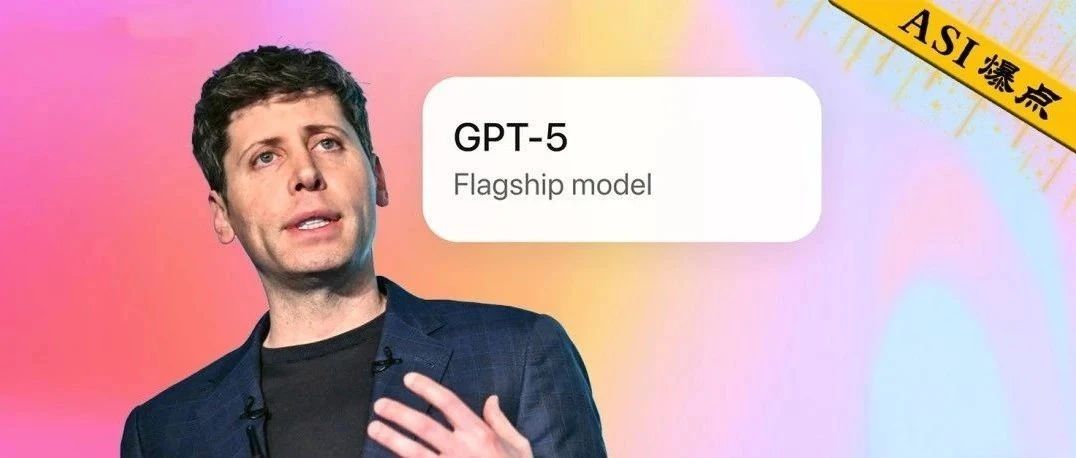
GPT-5 波折超乎想象!奥特曼连夜回应一切:4o 重新上阵,团队紧急补救
程序员的那些事· 2025-08-09 12:32
Core Viewpoint - The article discusses the mixed reactions to the release of GPT-5, highlighting both excitement and criticism from users, indicating high expectations for AGI [4][5][6]. Group 1: GPT-5 Release and User Reactions - The release of GPT-5 has sparked widespread discussion, with some users expressing disappointment while others praise its capabilities [4][5]. - The anticipation for GPT-5 has evolved into expectations for AGI within a short span since the launch of ChatGPT in November 2022 [6]. Group 2: OpenAI's Response and Future Plans - OpenAI acknowledges the challenges faced during the rollout of GPT-5 and commits to improving system stability and user experience [9][10]. - OpenAI plans to double the usage limits for ChatGPT Plus users and will allow them to continue using GPT-4o based on usage patterns [14][15]. - The company is working on enhancing the user interface to allow easier model switching and to clarify which model is responding to queries [14][15]. Group 3: Model Features and Improvements - GPT-5 will automatically enable reasoning capabilities, and future updates will improve the switching process between models [15][32]. - A new voice model has been introduced, enhancing instruction adherence and response speed [23]. - OpenAI is focusing on better handling of biases and aims to make GPT-5 mini feel more personable [29]. Group 4: User Feedback and Customization - OpenAI recognizes the diverse preferences among users for different model versions and is considering options for simultaneous access to multiple models [16][17]. - The company is exploring the possibility of unlimited usage for reasoning features for Plus users [35][36].

代季峰陈天桥联手AGI首秀炸场!最强开源深度研究模型,GAIA测试82.4分超OpenAI
量子位· 2025-08-09 09:53
Core Viewpoint - MiroMind ODR (Open Deep Research) is introduced as a powerful open-source deep research model, achieving a GAIA test score of 82.4, surpassing other models like OpenAI's Deep Research and Manus [2][5]. Group 1: Model Performance and Features - MiroMind ODR has the highest performance score of 82.4 in GAIA validation, outperforming models such as OpenAI Deep Research (67.4) and Manus (73.3) [2][5]. - The model is fully open-source and reproducible, with all core components, data, training processes, and frameworks available for public access [4][5]. - The project team plans to maintain a monthly update schedule for open-source contributions, indicating ongoing development and improvement [5]. Group 2: Sub-Projects Overview - MiroMind ODR consists of four sub-projects: MiroFlow (Agent Framework), MiroThinker (Model), MiroVerse (Data), and MiroTrain (Training Infrastructure) [20]. - MiroFlow supports multiple mainstream tool calls and extends large language models, achieving stable reproducibility with a performance score of 82.4 on GAIA [22]. - MiroThinker is a large language model that natively supports tool-assisted reasoning, demonstrating top performance in GAIA [23]. - MiroVerse provides 147,000 open-source training datasets, focusing on community feedback and continuous updates [26]. - MiroTrain supports stable and efficient training for deep research models, covering the entire training process [27]. Group 3: Development Team and Leadership - Dai Jifeng, a prominent figure in the project, has a strong academic background and extensive experience in computer vision and deep learning, with over 80 published papers and more than 60,000 citations [32][36]. - His previous roles include positions at Microsoft Research Asia and SenseTime, and he has returned to academia as an associate professor at Tsinghua University [40][41]. - The project aims to contribute to AGI (Artificial General Intelligence) research, with a mission to create self-aware digital entities that evolve with the community [45][47].

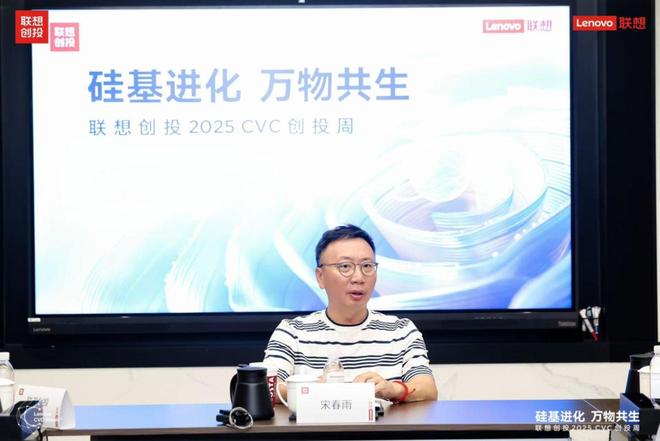
宋春雨:下一代颠覆性巨头,不会出现在大模型里
Tai Mei Ti A P P· 2025-08-09 01:43
Group 1 - The core viewpoint is that the AI industry is at a critical juncture, with the potential for the emergence of "super applications" akin to TikTok, driven by intelligent agents [2][8] - The landscape of large models is consolidating, with a few major players dominating, while new startups are emerging in the AI space [3][4] - The demand for computing power remains high, particularly for inference chips, which are crucial for the operation of intelligent agents and AI applications [4][5] Group 2 - The Chinese chip market is expected to undergo consolidation, leading to significant merger and acquisition opportunities, with some AI chip startups likely to go public [5][6] - The focus on intelligent agents is seen as a major investment opportunity, with the potential for hundreds of unicorns in China and thousands globally [8][10] - The evaluation of AI projects emphasizes the importance of user willingness to pay and the product's ability to deliver tangible results, distinguishing AI products from traditional SaaS tools [13][14]


马斯克回应特斯拉将解散Dojo超算团队;硅谷AI人才战的最终赢家?Anthropic吸引力远高于Meta和谷歌丨AIGC日报
创业邦· 2025-08-09 01:09
Group 1 - Microsoft CEO Satya Nadella announced the launch of GPT-5 across multiple platforms, including Microsoft 365 Copilot, GitHub Copilot, and Azure AI Foundry, highlighting significant breakthroughs in reasoning, coding, and chatting capabilities [2] - Elon Musk warned that OpenAI could potentially "swallow" Microsoft, indicating a competitive landscape in AI development [2] - xAI's co-founder Yuhuai Wu claimed that despite a smaller team, they are leading in many aspects, with Grok4 being the first unified model globally and outperforming GPT-5 in benchmark tests [2][2] - Musk expressed support for xAI's progress and mentioned that Grok5 is expected to launch by the end of the year [2] Group 2 - Reports indicated that Tesla is disbanding its Dojo supercomputer team and will rely on external technology partners like NVIDIA, AMD, and Samsung, with Musk stating that focusing resources on different AI chip designs is not practical [2] - Research from SignalFire revealed that Anthropic's engineering team is expanding at a rate significantly higher than competitors, with a hiring-to-loss ratio of 2.68, compared to OpenAI's 2.18, Meta's 2.07, and Google's 1.17 [2]


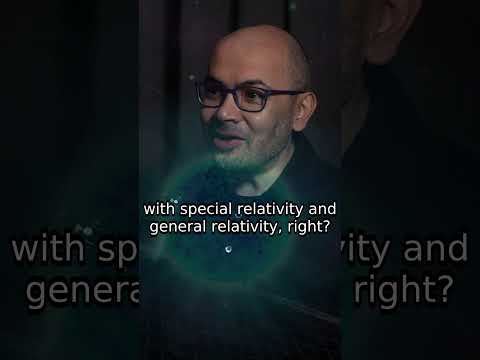
Timeline for AGI: 2030 with 50% chance
Lex Fridman· 2025-08-08 23:23
AGI Development & Validation - The industry anticipates achieving Artificial General Intelligence (AGI) potentially by 2030 [1] - The industry will assess AGI through consistency checks and significant milestones, such as "move 37" [1] - AGI validation involves inventing new physics conjectures or hypotheses, potentially back-testing against historical knowledge cutoffs like 1900 [2] - AGI's capabilities could be demonstrated by inventing games as deep and elegant as Go, not just new strategies [3] - AGI systems should exhibit generality across multiple domains, not just excel in one [3] - Validation includes consistency checks to ensure no system loopholes [4] - The industry would seek validation from world experts in relevant domains, ensuring the system can explain its workings [5]
GPT-5大提升,o3对抗赛夺冠,但OpenAI越来越难让人惊艳了?
Guan Cha Zhe Wang· 2025-08-08 10:24
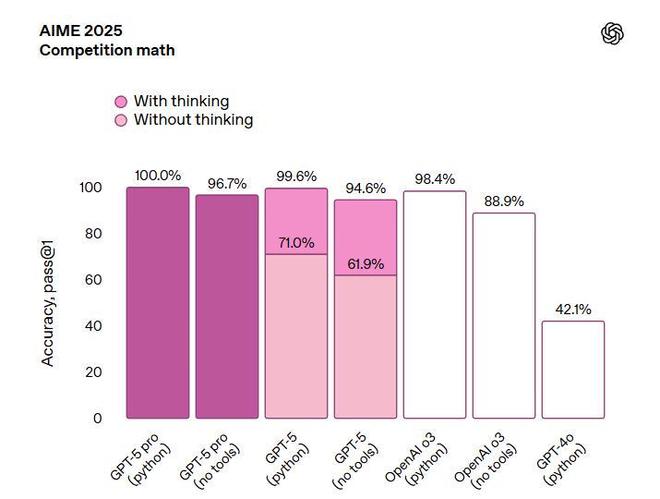
(文/观察者网 张广凯 编辑/吕栋) 北京时间8月8日凌晨,备受期待的OpenAI最新大模型ChatGPT-5终于正式发布,就在同时,谷歌举办的 首届大模型国际象棋对抗赛中,o3也以4-0完胜Grok 4夺冠。这本该是对OpenAI双喜临门的一天,但作 为一款关注度如此之高的产品,网友也很快发现了GPT-5的一些小小的瑕疵。 尽管大模型的能力仍然在快速进步,但其进步幅度越来越难以给人带了惊艳感了。这不是OpenAI自己 的问题,甚至某种意义上,这也不是一件坏事,因为是之前人们的预期已经被拉到过高。但无论如何, 在现有的算法范式下,AI大模型或许也离瓶颈越来越近了。 GPT-5水平如何? 作为OpenAI今年最受期待又屡屡跳票的重磅产品,ChatGPT-5今天的确给出了一些颇具说服力的测评数 据,证明其推理能力有着显著进步。 例如,在数学能力测试AIME 2025上,GPT-5 Pro在开启推理模式并调用工具(Python)的情况下,拿下 满分成绩。即使不调用工具,GPT-5 Pro仍能拿下96.7的高分,GPT-5标准版也能拿到94.65分,显著高于 o3的88.9分。 编程方面,GPT-5在SWE-benc ...
GPT5发布,槽点竟多过亮点:AGI没来,AI公司肉搏时代来了
创业邦· 2025-08-08 10:17
以下文章来源于硅星人Pro ,作者Yoky 硅星人Pro . 硅(Si)是创造未来的基础,欢迎来到这个星球。 >> 星标 ★ 创业邦 不错过最新创投资讯 < ChatGPT之父阿尔特曼自述:我为何 成功? 创业邦 原创 创业邦(1 Q23-02-07 18:50 来源丨 硅星人Pro(ID:Si-Planet) 作者丨 Yoky It was really hard. But the AI just did it like that. It was a weird feeling." 我们至今不知道让奥特曼"瘫倒在椅子上"的是什么力量。 Chris � @chatgpt21 · 7/24/25 Sam Altman on GPT 5: "This morning I was testing our new model and I got a question. I got emailed a question that I didn't quite understand. And I put it in the model, this is GPT-5, and it answered it perfectl ...

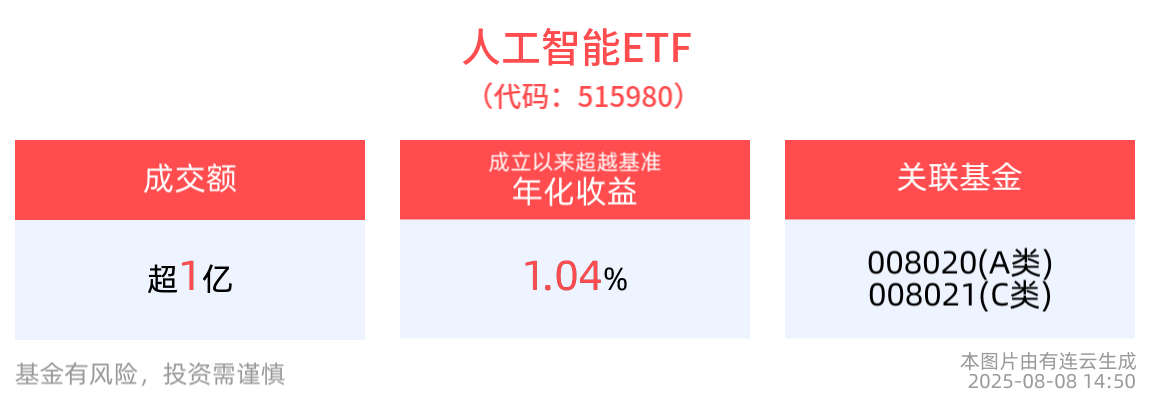
GPT-5正式发布,AI小宽基人工智能ETF(515980)成立以来最高单月回报超30%,跟踪标的超额收益明显
Sou Hu Cai Jing· 2025-08-08 07:13
Group 1 - The core viewpoint of the news highlights the performance of the artificial intelligence industry index and the related ETF, indicating a mixed performance among constituent stocks and a notable increase in the ETF's net value over the past year [1][3][4] - The artificial intelligence ETF (515980) has a recent scale of 32.09 billion yuan, with a daily average transaction volume of 2.46 billion yuan over the past week, reflecting strong investor interest [3][8] - OpenAI has launched its new flagship AI model, GPT-5, which is described as a significant upgrade and a step towards achieving general artificial intelligence (AGI) [4] Group 2 - The artificial intelligence industry index has increased by 21.34% year-to-date as of August 7, 2025, outperforming similar indices by nearly 5% [6] - The ETF has shown a net value increase of 68.96% over the past year, with a maximum monthly return of 30.38% since its inception [3][8] - The index includes sectors with verified growth potential, such as AIGC applications and domestic computing power, with weights ranging from 20% to 25%, and also includes emerging AI applications like autonomous driving and robotics [7]



从新浪财经APP看8月7日财经风云:政策、市场与企业百态
Xin Lang Cai Jing· 2025-08-08 01:59
Group 1: Domestic News - The State Council announced that from the autumn semester of 2025, public kindergarten tuition fees for large classes will be waived, benefiting approximately 12 million children and reducing family burdens by 20 billion yuan [2] - China's total import and export value of goods reached 25.7 trillion yuan in the first seven months of this year, a year-on-year increase of 3.5%, marking a historical high for the same period [2] - The Ministry of Commerce extended the investigation period for import beef safeguard measures until November 26, 2025, urging related enterprises to monitor developments closely [2] Group 2: Financial Markets - Childcare concept stocks surged, with Chuangyuan Co. rising by 15.34% and others like BeiYinMei and WeiSi Medical increasing over 5%, reflecting strong investor interest in the maternal and infant consumption chain [3] - The Hong Kong Stock Exchange reported a significant year-on-year increase in market capitalization, reaching 44.9 trillion HKD, a 44% rise, with operating income and net profit growing by 16.05% and 5.74% respectively [3] - U.S. stock markets closed higher, with the Dow Jones up 0.19%, Nasdaq up 1.21%, and S&P 500 up 0.73%, driven by a 5.09% jump in Apple’s stock [3] Group 3: Corporate Dynamics - OpenAI launched the revolutionary GPT-5 model, claiming a significant step towards AGI, with a record coding accuracy of 74.9% and a low misinformation rate of 1.6% in health-related areas [4] - Tesla's sales in Europe declined significantly in July, losing its top sales position to Volkswagen, although it saw growth in Spain and Norway [4] - The U.S. government canceled a $500 million mRNA vaccine development project, withdrawing 22 related contracts, which faced criticism from infectious disease experts [4]