
夜经济

Search documents
四大类特色场景激活“夜京城”
Bei Jing Qing Nian Bao· 2025-10-21 18:01
Core Viewpoint - The "14th Five-Year Plan" for urban lighting development in Beijing aims to enhance the city's nightscape, creating a vibrant and harmonious urban environment that supports the construction of an international consumption center city [1][2]. Urban Nightscape Structure - The plan outlines a nightscape structure characterized by "one core, two axes, four rings, and multiple points," emphasizing the unique features of Beijing's night scenery [2][6]. - "One core" refers to the capital's functional core area, "two axes" are the central axis and its extension, and "four rings" represent the second to fifth ring roads [2][6]. Lighting Enhancements - A comprehensive inspection of the lighting in the Tiananmen Square area will be conducted, with plans to replace lighting fixtures older than 15 years and enhance the lighting of 15 heritage sites along the traditional central axis [4][5]. - The lighting along Chang'an Avenue will be scientifically categorized by brightness levels, transitioning from cooler to warmer tones towards Tiananmen [3][6]. First Impression Area - The plan includes significant upgrades to the nightscape of the first impression area for visitors entering Beijing, particularly along key routes such as the Daxing International Airport connection [5][6]. Night Economy Development - The initiative aims to create several "night economy" IPs, including "Night Beijing: Water Rhythm," "Night Beijing: Garden Shadow," "Night Beijing: Market," and "Night Beijing: Scenic View," integrating lighting with cultural and commercial activities to stimulate nighttime economic vitality [7][8]. - The "Night Beijing: Water Rhythm" will focus on enhancing the lighting of waterways, while "Night Beijing: Garden Shadow" will activate famous parks and green spaces [7][8]. Implementation Strategy - The development will be driven by a model of "policy guidance + market leadership + technological empowerment," allowing for flexible lighting schedules and encouraging social capital participation [8].
聚焦“夜京城”十四景 北京夜经济场景扩容
Bei Jing Shang Bao· 2025-10-21 15:35
Core Viewpoint - The "14th Five-Year Plan" for urban lighting development in Beijing aims to enhance the night economy by transitioning from "single-point lighting" to "holistic quality improvement," leveraging the "Night Beijing" IP matrix to stimulate consumption and employment [1][5]. Group 1: Urban Nightscape Structure - The plan establishes a nightscape structure characterized by "one core, two axes, four rings, and multiple points," focusing on the capital's functional core and major urban axes [3][6]. - Key areas will see lighting upgrades at 15 heritage sites along the traditional central axis, enhancing cultural heritage utilization through digital light shows [3][4]. Group 2: Operational Management - The management model shifts from fixed patterns to refined control, introducing a "major event guarantee" level to dynamically adjust lighting based on seasonal changes and visitor data [4]. - The plan aims to increase LED application rates from 60% to 90%, enhancing user experience while reducing energy consumption [4]. Group 3: Night Economy Development - The plan transitions from localized lighting to a comprehensive strategy, creating a three-dimensional nightscape network that connects the core area with suburban districts [5][6]. - The "Night Beijing" IP will drive a diverse scene matrix, integrating cultural, ecological, and consumer experiences, thereby enhancing the overall night economy [6][7]. Group 4: Economic Impact - The implementation of the IP matrix is expected to boost consumer enthusiasm for night-time spending, with projections indicating significant increases in foot traffic and sales in key commercial areas [7][8]. - The integration of cultural and commercial sectors through the IP matrix will foster new opportunities for the cultural creative industry and enhance the competitiveness of related businesses [8].

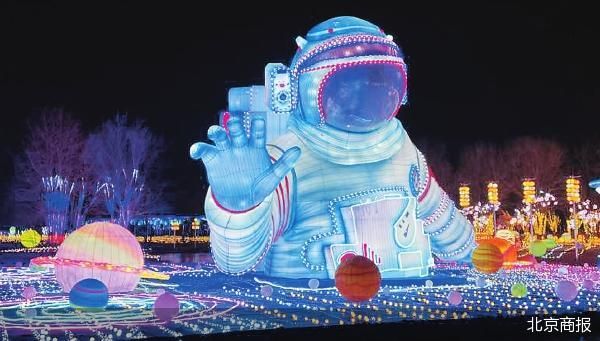
2025万宁热浪消费季暨青岛啤酒嘉年华圆满落幕
Sou Hu Cai Jing· 2025-10-21 14:13
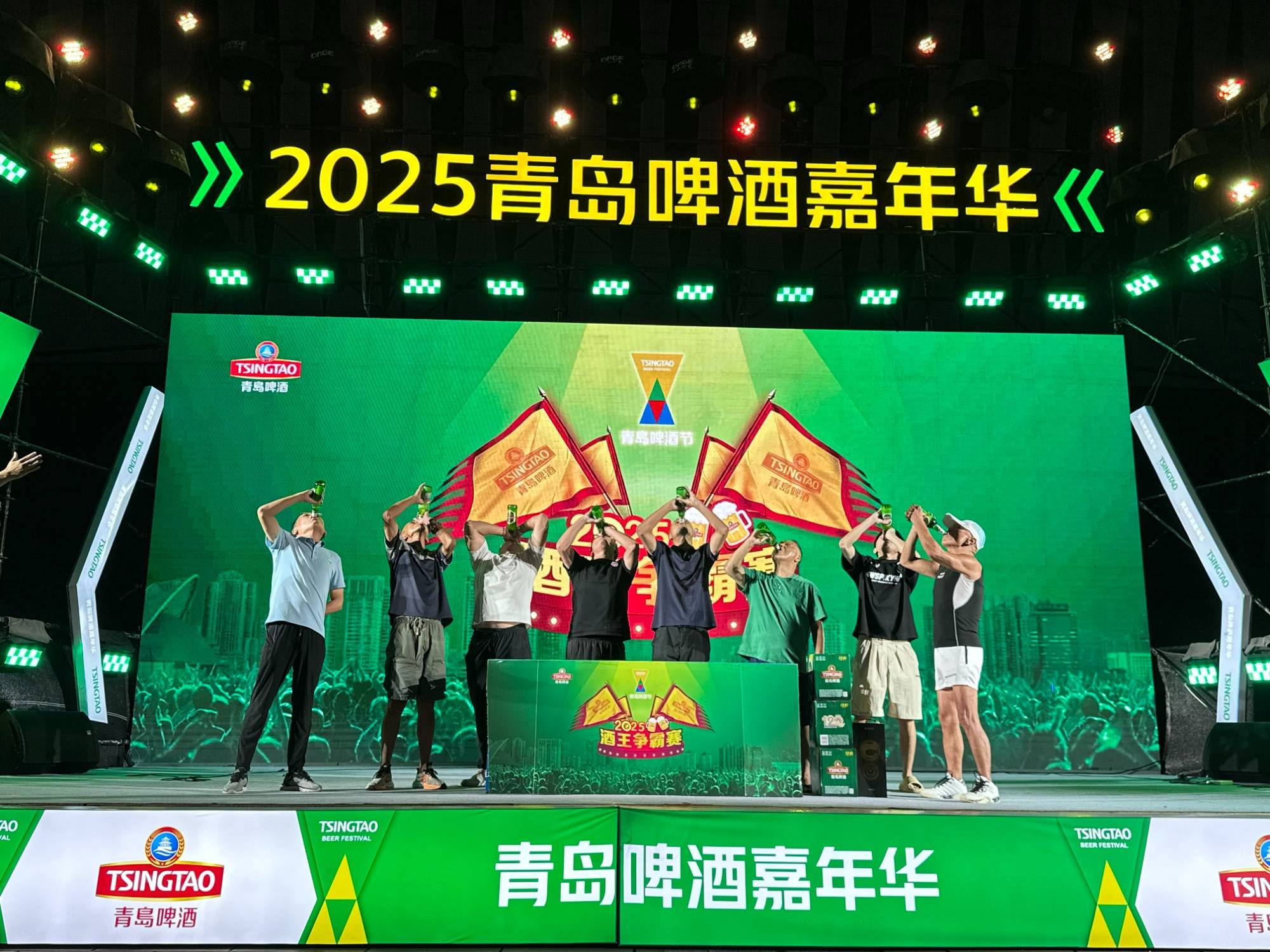
Core Insights - The event "2025 Wanning Heat Wave Consumption Season and Qingdao Beer Carnival" successfully attracted nearly 30,000 visitors over nine days, showcasing a deep integration of commerce, tourism, and culture in the night economy [1][4][6] - The carnival featured a variety of local delicacies and high-end beer products, creating an immersive consumption experience for attendees [1][4] - The event was supported by robust safety measures, with no reported safety incidents during the festivities, enhancing the overall visitor experience [3][4] Event Overview - The carnival ran from October 12 to October 20, culminating in a vibrant closing ceremony with performances and activities [1][6] - The "King of Beer" competition was a highlight, with participants engaging in fun activities, contributing to the lively atmosphere [1][3] - The event was designed to promote a diverse and integrated consumption model, linking various tourism resources and enhancing local economic activity [4][6] Safety and Community Engagement - Over 50 police and auxiliary officers were deployed to ensure safety, with measures including traffic management and public safety announcements [3][4] - The event provided community services, answering over 500 inquiries and assisting visitors, which contributed to a positive experience [3][4] Strategic Importance - The carnival exemplifies Wanning's strategy of hosting monthly events to stimulate seasonal tourism and consumption [4][6] - By leveraging the cultural influence of Qingdao Beer, the event aimed to upgrade local consumption patterns and activate broader economic activities [4][6]

未来北京夜景有多美?
Bei Jing Qing Nian Bao· 2025-10-21 12:53
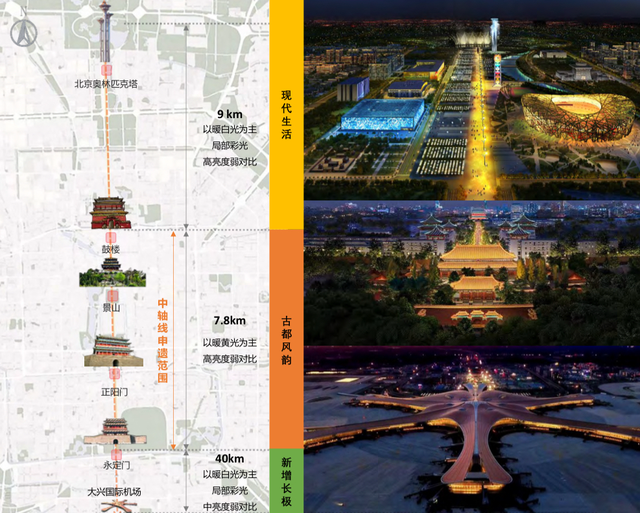
Core Viewpoint - The "14th Five-Year Plan" for urban lighting development in Beijing aims to enhance the city's nightscape, creating a vibrant and harmonious urban environment that showcases both day and night experiences, thereby promoting the "Night Beijing" brand [1][3][19] Urban Nightscape Structure - Beijing will establish a nightscape structure characterized by "one core, two axes, four rings, and multiple points," emphasizing the unique features of the city through enhanced lighting [1][3] - The "one core" refers to the capital's functional core area, while the "two axes" include the central axis and its extensions, and the "four rings" represent the second to fifth ring roads [1][3] Lighting Enhancements - A comprehensive inspection of the lighting in the Tiananmen Square area will be conducted, replacing outdated lighting fixtures and enhancing the overall visual appeal [3][5] - The traditional central axis will see improvements in lighting for 15 heritage sites, integrating cultural elements to enhance the nighttime tourism atmosphere [5][7] Cultural and Historical Integration - The Shichahai area will receive additional lighting to highlight its historical significance, while the Yongding River cultural belt will showcase its historical and ecological attributes through light displays [7][9] - The Great Wall will feature seasonal lighting variations to emphasize its grandeur and historical depth [7][9] Road Network Lighting - The lighting along key roadways, including the second ring road and cultural scenic routes, will be upgraded to create a cohesive and illuminated urban landscape [9][11] - Specific themes will guide the lighting design, such as "Old City Gates, New Stories" for the second ring road, enhancing the historical narrative of the area [11][13] Night Economy Development - The plan includes the creation of "Night Economy" IPs, focusing on integrating lighting with cultural and commercial activities to stimulate nighttime economic activity [18][19] - Four thematic night scenes will be developed, including "Night Beijing: Water Rhythms" and "Night Beijing: Garden Shadows," to enhance the nighttime experience and attract visitors [18][19]
“博物馆热”持续升温的背后——文旅市场产品与服务质量观察系列报道之三
Zhong Guo Zhi Liang Xin Wen Wang· 2025-10-21 06:47
Core Insights - The "museum fever" in China is a growing trend driven by increased living standards and a heightened demand for cultural experiences among the public [1][5] - Museums are evolving from mere exhibition spaces to multifunctional cultural hubs that offer educational, entertainment, and social experiences [4] Group 1: Visitor Experience Enhancements - Many museums have implemented policies to reduce entry barriers, such as eliminating reservation requirements, which has led to a significant increase in daily visitor numbers [1] - Digital services like online exhibitions, audio guides, and VR/AR technologies are enhancing visitor engagement and accessibility [2] - Museums are focusing on personalized services for diverse demographics, including tailored educational programs for students and slow-paced tours for seniors [3] Group 2: Nighttime and Immersive Experiences - The popularity of "museum night tours" has surged, with search interest increasing over 100% in the past month, reflecting changing consumer habits [4] - Innovative formats like "immersive theater tours" are being developed to attract younger audiences and enhance visitor participation [3][4] - The integration of technology and artistic lighting is transforming the nighttime museum experience, making it more dynamic and interactive [4]
江苏扬州:“夜经济”点亮古街
Ren Min Wang· 2025-10-21 01:41
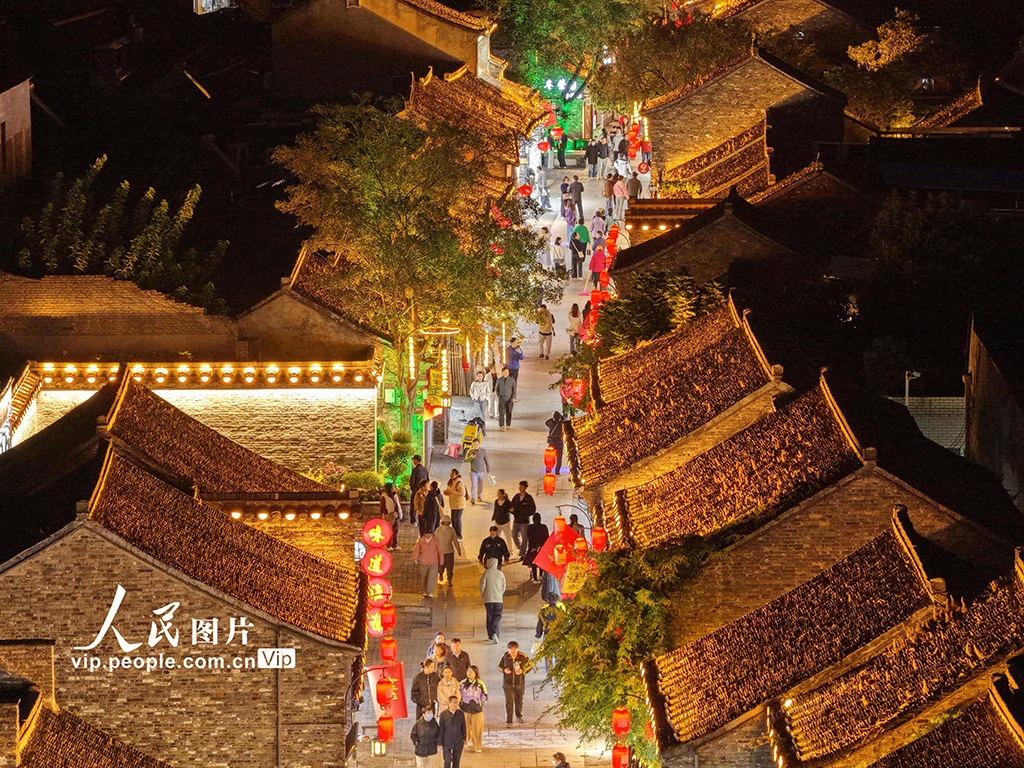
Core Viewpoint - The "night economy" in Yangzhou, Jiangsu, is revitalizing ancient streets and boosting local tourism and commerce [1][2][5] Group 1: Economic Impact - The night economy has led to increased foot traffic in ancient streets, enhancing the overall visitor experience [1][2] - Local businesses have reported a significant rise in sales during nighttime operations, contributing to economic growth [5][6] Group 2: Cultural Significance - The initiative promotes cultural heritage by attracting visitors to historical sites during the evening [1][2] - Events and activities organized at night are designed to showcase local traditions and arts, enriching the cultural landscape [5][6] Group 3: Government Support - Local government initiatives are in place to support the development of the night economy, including infrastructure improvements and event planning [1][2] - Policies aimed at promoting safety and accessibility during nighttime hours are being implemented to encourage more visitors [5][6]
本市将打造“夜京城”十四景
Bei Jing Ri Bao Ke Hu Duan· 2025-10-20 21:14
Core Concept - Beijing's "14th Five-Year" urban lighting development plan aims to enhance the city's nightscape by creating a structured night scene featuring a core area, two axes, four rings, and multiple points, highlighting iconic views and landmarks [1][2][4]. Group 1: Urban Nightscape Structure - The plan establishes a nightscape structure of "one core, two axes, four rings, and multiple points," emphasizing the unique characteristics of Beijing's urban layout [2]. - The "one core" refers to the capital's functional core area, while the "two axes" include the central axis and its extensions, as well as Chang'an Avenue and its extensions [2]. - The "four rings" consist of the second to fifth ring roads, and "multiple points" refer to new urban areas and ecological conservation zones outside the central city [2]. Group 2: Key Lighting Projects - Major projects include a comprehensive lighting inspection of Tiananmen Square, replacing lighting fixtures older than 15 years, and enhancing the lighting of significant buildings like the Great Hall of the People [2][7]. - The lighting along Chang'an Avenue will transition from dim to bright towards Tiananmen, creating a ceremonial "light axis" [2]. - The traditional central axis will see improvements in lighting for 15 heritage sites, integrating thematic lighting for major events [3]. Group 3: Iconic Night Views - The plan identifies "14 Night Views of Beijing," which will showcase the city's nightscape from various perspectives, including iconic viewpoints like Fragrant Hills and the Olympic Tower [4][5]. - Specific scenes include views from Kunming Lake and the Great Wall, designed to enhance the nighttime experience for visitors [5]. Group 4: Night Economy Initiatives - The plan introduces new night economy scenes such as "Night Beijing: Water Rhythm," which will connect various water bodies for nighttime activities [6]. - Parks and green spaces will be activated for nighttime consumption, creating a "green puzzle" for the night economy [6]. - New sightseeing bus routes will connect major landmarks and commercial areas, promoting nighttime tourism [6]. Group 5: Energy Efficiency and Safety - The plan aims to increase the application rate of LED lighting from 60% to 90% by 2030, with significant energy savings projected [7]. - A new lighting mode will be established for major events, allowing for flexible adjustments based on seasonal and situational needs [7]. - The initiative includes creating "dark sky protection zones" to promote stargazing and reduce light pollution [8].
姑苏青年夜游活动为古城夜经济注入青春动能
Su Zhou Ri Bao· 2025-10-20 00:48
Core Points - The event "Youth Encounter Ancient City Night Walk" was organized to promote youth engagement with the historical city of Suzhou, combining fitness and cultural experiences [1][2] - The activity featured a blend of ancient and modern elements, with participants walking through historical streets and modern commercial areas, enhancing the appeal of Suzhou's night economy [1][2] - The event included various promotional offers for youth, encouraging spending in local businesses and contributing to the vibrancy of the night economy [1] Group 1 - The event was attended by nearly a thousand youth representatives from various organizations, highlighting community involvement [1] - The walking routes were designed to showcase the integration of historical and modern aspects of Suzhou, enhancing the overall experience for participants [1] - Local businesses supported the event by offering exclusive discounts and promotions, which stimulated consumer interest and participation [1] Group 2 - The initiative aims to deepen the emotional connection between youth and the ancient city, fostering a sense of belonging and cultural appreciation [2] - The "walking + consumption" model is seen as a new pathway for developing the night economy, integrating cultural, commercial, and tourism elements [2] - A youth initiative for the protection and preservation of the ancient city was announced, emphasizing the role of young people in cultural heritage [3]
一球踢火一座城
Nan Jing Ri Bao· 2025-10-19 23:24
Core Insights - The "Su Super" event has significantly boosted consumer spending in Nanjing, with a single-day sales peak exceeding 10 billion yuan, showcasing the economic impact of sports events on local economies [1][4][8] Group 1: Economic Impact - The event has created a comprehensive consumption ecosystem, integrating sports, nightlife, tourism, and retail, leading to a vibrant economic environment [1][4] - On the day of the semi-finals, retail, dining, and accommodation sectors in key commercial areas achieved a transaction amount of 7.8 billion yuan, reflecting a 5.4% increase compared to the previous week [2][4] - The average occupancy rate of star-rated hotels increased by 5.7 percentage points during the National Day and Mid-Autumn Festival holiday, indicating a rise in tourism driven by the event [5][6] Group 2: Consumer Behavior - Many fans and tourists have engaged in "event + tourism" combinations, leading to increased foot traffic in commercial areas and a surge in local spending [5][6] - The "second venue" concept, featuring large screens and interactive activities, has attracted crowds, enhancing the overall viewing experience and driving additional sales [2][3] Group 3: Marketing and Promotions - Local businesses have capitalized on the event by offering promotions linked to match tickets, such as discounts and special packages, which have contributed to increased customer engagement [7] - The collaboration between various departments has led to the launch of promotional activities that convert match attendance into broader consumer behavior, enhancing the overall economic impact [6][8] Group 4: International Engagement - The event has served as a platform for attracting foreign investment and enhancing the city's international profile, with foreign executives and diplomats participating in the matches [8] - The integration of sports events with international business opportunities has created a dual benefit of boosting local consumption while improving the city's investment environment [8]
永旺时代谢幕 鑫嘉汇购物中心转打“家庭牌”
Bei Jing Shang Bao· 2025-10-16 16:17
Core Insights - The Beijing Xinjiahui Shopping Center officially opened on October 16, marking the exit of Aeon Mall after ten years in Fengtai [1] - The center aims to position itself as a "family gathering place," focusing on parent-child and family consumption to invigorate regional commerce [1][3] - The project has undergone significant renovations, including lighting upgrades and the introduction of new brands, with a brand renewal rate exceeding 95% [1][2] Company Overview - The Xinjiahui Shopping Center is located in the Fengtai Technology Park, a key urban industrial area in Beijing, with a potential customer base of approximately 340,000 people within a 3-kilometer radius [2] - The center's management is under Beijing Xinjiahui Commercial Management Co., a wholly-owned subsidiary of Beijing Nanji Star Investment Management Co., which marks its first large-scale commercial project [2] Market Positioning - The shopping center's strategy includes enhancing service quality and optimizing consumer experiences to become a recognizable commercial landmark in the region [3] - The project will focus on introducing first stores, concept stores, and experiential stores, particularly in the dining sector, to cater to family and business needs [1][2]