
工业生产者出厂价格指数(PPI)

Search documents
7月CPI环比上涨0.4%
Ren Min Ri Bao· 2025-08-09 22:11
Group 1 - The core viewpoint of the articles indicates that the effects of domestic demand expansion policies are becoming evident, with the Consumer Price Index (CPI) showing a month-on-month increase of 0.4% in July, reversing a previous decline of 0.1% in June, while year-on-year CPI remains flat [1] - The core CPI, excluding food and energy prices, has increased by 0.8% year-on-year, marking the highest growth since March 2024, and the growth rate has expanded for three consecutive months [1] - The Producer Price Index (PPI) has decreased by 0.2% month-on-month in July, with a year-on-year decline of 3.6%, indicating a narrowing of the month-on-month decline by 0.2 percentage points compared to the previous month [1] Group 2 - The year-on-year CPI remained unchanged primarily due to lower food prices, which fell by 1.6% compared to the same month last year, with the decline rate widening by 1.3 percentage points from the previous month [2] - Non-food prices have increased by 0.3% year-on-year, with the growth rate expanding by 0.2 percentage points compared to the previous month [2]


7月CPI环比上涨0.4% PPI环比降幅收窄
Ren Min Ri Bao· 2025-08-09 21:44
Group 1 - The core viewpoint of the articles indicates that the effects of domestic demand expansion policies are becoming evident, with the Consumer Price Index (CPI) showing a month-on-month increase of 0.4% in July, reversing a previous decline of 0.1% [1] - The core CPI, excluding food and energy prices, has increased by 0.8% year-on-year, marking the highest growth since March 2024, and the growth rate has expanded for three consecutive months [1] - The Producer Price Index (PPI) has decreased by 0.2% month-on-month in July, with a year-on-year decline of 3.6%, indicating a narrowing of the month-on-month decline by 0.2 percentage points [1] Group 2 - The CPI year-on-year remained flat, primarily due to lower food prices, which decreased by 1.6% year-on-year, influenced by a high price base from the previous year [2] - Non-food prices have increased by 0.3% year-on-year, with the growth rate expanding by 0.2 percentage points compared to the previous month [2]
7月份居民消费价格指数环比上涨0.4%
Yang Shi Wang· 2025-08-09 12:57
Group 1 - In July, the Consumer Price Index (CPI) in China increased by 0.4% month-on-month, reversing a previous decline of 0.1% in June, while year-on-year it remained flat [1] - The core CPI, excluding food and energy prices, rose by 0.8% year-on-year, marking an expansion in growth for three consecutive months [1] - Service prices saw a month-on-month increase of 0.6%, contributing over 60% to the total CPI increase, driven by high demand during the summer travel season, particularly in airfares, tourism, and hotel accommodations [1] Group 2 - The domestic market's competitive order continues to improve, leading to a narrowing of price declines in industries such as coal, steel, photovoltaics, and lithium batteries [2] - In July, the Producer Price Index (PPI) decreased by 0.2% month-on-month, but this decline was 0.2 percentage points smaller than the previous month, marking the first month-on-month decline reduction since March [2]

7月中国PPI环比降幅收窄
Zhong Guo Xin Wen Wang· 2025-08-09 08:34
Group 1 - In July, China's Producer Price Index (PPI) decreased by 0.2% month-on-month, marking the first narrowing of the decline since March [1] - Seasonal factors and uncertainties in the international trade environment contributed to price declines in certain industries, with high temperatures and increased rainfall affecting construction demand and reducing electricity coal demand [1] - The optimization of domestic market competition has led to a reduction in the month-on-month price decline in industries such as coal, steel, photovoltaic, cement, and lithium batteries, collectively reducing the downward impact on PPI by 0.14 percentage points [1] Group 2 - Year-on-year, the PPI in July decreased by 3.6%, consistent with the previous month, indicating improvements in supply-demand relationships in certain industries due to ongoing macroeconomic policies [1] - Traditional industry upgrades and the growth of emerging industries have led to price increases in specific sectors, such as aircraft manufacturing (up 3.0%), wearable smart devices (up 1.6%), and microwave communication equipment (up 0.9%) [2] - The implementation of consumer stimulus actions has positively impacted the consumption market, resulting in year-on-year price increases in sectors like arts and crafts (up 13.1%), sports balls (up 5.3%), and nutritional food manufacturing (up 1.3%) [2]
国家统计局公布7月CPI数据!肉、蛋、菜价格同比明显下降,飞机票、旅游、宾馆住宿价格环比上涨
新浪财经· 2025-08-09 06:29
Core Viewpoint - The Consumer Price Index (CPI) in July 2025 remained flat year-on-year, influenced by a significant decline in food prices, while non-food prices showed a slight increase [2][10][13]. Price Changes Overview - In July, food prices decreased by 1.6% year-on-year, contributing to a 0.29 percentage point drop in CPI. The decline in fresh vegetable prices was particularly notable at 7.6% [4][13]. - Non-food prices increased by 0.3% year-on-year, marking a 0.2 percentage point rise compared to the previous month [13]. Monthly Price Movements - Month-on-month, the CPI rose by 0.4%, with urban areas increasing by 0.4% and rural areas by 0.3%. This was a reversal from a 0.1% decline in the previous month [2][10]. - Service prices rose by 0.6% month-on-month, significantly impacting the CPI increase, particularly due to seasonal factors such as summer travel [11]. Core CPI Insights - The core CPI, excluding food and energy, increased by 0.8% year-on-year, the highest since March 2024, indicating a steady recovery in consumer demand [10][12]. - Prices of gold and platinum jewelry saw substantial increases of 37.1% and 27.3% respectively, contributing to the overall CPI rise [12]. Sector-Specific Price Changes - In the food category, egg prices fell by 11.2%, while meat prices, including pork, decreased by 9.5%, significantly affecting the CPI [4][5]. - Other categories showed mixed results, with transportation and communication prices declining by 3.1%, while other goods and services saw increases [5][8].
重要数据公布,积极信号显现
第一财经· 2025-08-09 05:59
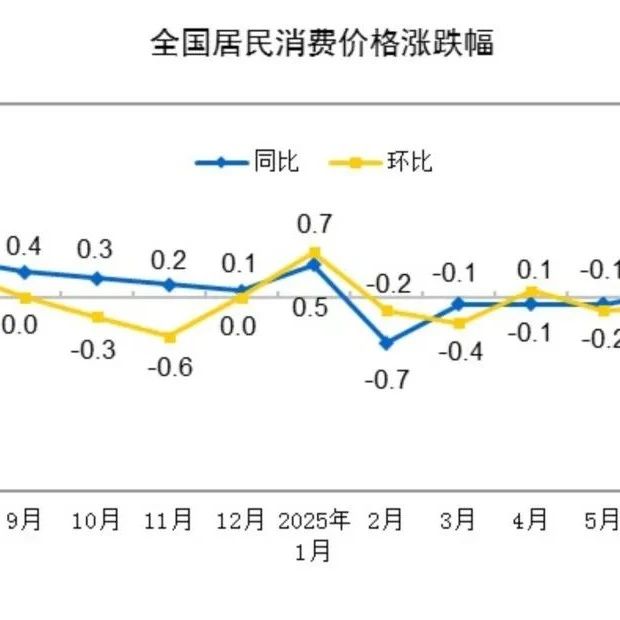
Core Viewpoint - The article discusses the recent trends in China's Consumer Price Index (CPI) and Producer Price Index (PPI), highlighting the impact of seasonal factors and international trade uncertainties on these indices. It notes a shift in CPI from a decline to an increase, while PPI continues to show a decrease but at a reduced rate. CPI Analysis - In July, the CPI increased by 0.4% month-on-month, reversing a previous decline of 0.1%, with year-on-year growth remaining flat [2] - The year-on-year CPI was primarily influenced by lower food prices, which fell by 1.6%, a decline that widened by 1.3 percentage points compared to the previous month, contributing approximately 0.29 percentage points to the CPI's year-on-year decline [2] - Non-food prices rose by 0.3% year-on-year, an increase of 0.2 percentage points from the previous month [2] - Seasonal factors, particularly the summer travel season, led to significant increases in service prices, with airfares, tourism, and accommodation costs rising by 17.9%, 9.1%, and 6.9% respectively [5] PPI Analysis - The PPI decreased by 0.2% month-on-month in July, but the rate of decline narrowed by 0.2 percentage points, marking the first reduction in the rate of decline since March [7] - The decline in PPI was attributed to seasonal factors and uncertainties in the international trade environment, which affected prices in several industries [7] - Specific industries such as non-metallic mineral products, black metal smelting, and coal mining saw price declines of 1.4%, 0.3%, and 1.5% respectively [7] - The competitive market environment has improved, leading to a reduction in the rate of price decline in several sectors, including coal and steel [8] Future Price Trends - The National Bureau of Statistics anticipates a moderate recovery in prices in the second half of the year, supported by stable economic performance, effective domestic demand policies, and reduced low-price competition among enterprises [9]

重要数据发布!环比上涨0.4%
Zhong Guo Zheng Quan Bao· 2025-08-09 04:53
Group 1 - The core viewpoint is that the effects of domestic demand expansion policies are becoming increasingly evident, with the Consumer Price Index (CPI) showing a month-on-month increase of 0.4% in July, reversing a previous decline of 0.1% [1][2] - The core CPI, excluding food and energy prices, rose by 0.8% year-on-year in July, marking the highest increase since March 2024, and the growth rate has expanded for three consecutive months [5][6] - The increase in CPI is primarily driven by rising prices in the service sector and industrial consumer goods, with service prices up 0.6% month-on-month, contributing approximately 0.26 percentage points to the CPI increase [4][5] Group 2 - The Producer Price Index (PPI) decreased by 0.2% month-on-month in July, but the decline has narrowed by 0.2 percentage points compared to the previous month, marking the first contraction in the rate of decline since March [6][8] - Seasonal factors and uncertainties in the international trade environment have led to price declines in certain industries, while domestic market competition continues to improve, resulting in a reduced downward impact on PPI [8][9] - Year-on-year, the PPI fell by 3.6% in July, with the decline remaining consistent with the previous month, indicating some improvement in supply-demand relationships in certain sectors due to ongoing macroeconomic policies [8][9]

积极变化!重要数据,最新公布
券商中国· 2025-08-09 04:53
Core Viewpoint - The article discusses the recent trends in China's Consumer Price Index (CPI) and Producer Price Index (PPI), highlighting a shift in consumer prices and the implications for economic policy and market conditions [1][2][7]. CPI Analysis - In July, the CPI increased by 0.4% month-on-month, reversing a previous decline of 0.1%, and remained flat year-on-year. The core CPI, excluding food and energy, rose by 0.8%, marking the highest increase since March 2024 [1][6]. - The rise in CPI was primarily driven by increases in service prices (up 0.6%) and industrial consumer goods prices (up 0.5%). Seasonal factors and the impact of summer travel contributed to higher prices for air tickets, tourism, and accommodation [4][6]. - Food prices decreased by 1.6% year-on-year, influenced by a high base from the previous year, with fresh vegetables and fruits being significant contributors to this decline [6]. PPI Analysis - The PPI fell by 0.2% month-on-month, but this decline was the smallest since March, indicating a potential stabilization in industrial prices. Year-on-year, the PPI decreased by 3.6%, consistent with the previous month [2][8]. - The decline in PPI is attributed to seasonal factors, market order optimization, and uncertainties in international trade. Specific industries such as non-metallic mineral products and coal mining experienced price drops due to reduced demand [9][10]. - Despite the overall decline, the competitive market environment has led to a narrowing of price decreases in several sectors, including coal and steel, suggesting a potential for price stabilization in the future [10]. Economic Policy Implications - The article emphasizes the importance of coordinated monetary and fiscal policies to support economic stability and reasonable price levels. The People's Bank of China has indicated a need for moderately loose monetary policy to address domestic demand issues and low price levels [7].

重磅发布!0.4%↑
Zheng Quan Shi Bao Wang· 2025-08-09 02:48
Group 1: CPI Analysis - The Consumer Price Index (CPI) increased by 0.4% month-on-month in July, reversing a previous decline of 0.1%, with a year-on-year change remaining flat [1][2] - The core CPI, excluding food and energy, rose by 0.8% year-on-year, marking the highest increase since March 2024, with a continuous expansion in growth for three consecutive months [2][3] - Service prices contributed significantly to the CPI increase, with a month-on-month rise of 0.6%, driven by seasonal factors such as summer travel, impacting the CPI by approximately 0.26 percentage points [2] Group 2: PPI Analysis - The Producer Price Index (PPI) decreased by 0.2% month-on-month, but the decline was less than the previous month, marking the first narrowing of the month-on-month decline since March [4][5] - Year-on-year, the PPI fell by 3.6%, with the decline remaining consistent with the previous month, indicating some improvement in supply-demand relationships in certain industries [5] - Seasonal factors and uncertainties in international trade affected prices in several sectors, with notable decreases in construction materials and energy-related prices [4][5]
7月份物价数据发布!金饰品价格同比上涨37.1%
Zheng Quan Ri Bao Wang· 2025-08-09 02:27
Group 1: CPI Analysis - The Consumer Price Index (CPI) increased by 0.4% month-on-month in July, which is 0.1 percentage points higher than the seasonal level [3] - The rise in CPI was primarily driven by increases in service and industrial consumer goods prices, with service prices up 0.6% and industrial consumer goods prices up 0.5% [3] - Seasonal factors, such as the summer travel peak, contributed to significant price increases in air tickets (17.9%), tourism (9.1%), hotel accommodation (6.9%), and vehicle rentals (4.4%) [3] Group 2: Core CPI Insights - The core CPI, excluding food and energy, rose by 0.8% year-on-year, marking the highest level since March 2024 [4] - Jewelry prices, particularly gold and platinum, saw substantial increases of 37.1% and 27.3% respectively, contributing approximately 0.22 percentage points to the CPI [4] - Food prices experienced a year-on-year decline of 1.6%, primarily due to high base effects from the previous year, which negatively impacted the overall CPI [4] Group 3: PPI Overview - The Producer Price Index (PPI) decreased by 0.2% month-on-month, but the decline was less severe than in previous months, marking the first month of narrowing decline since March [5] - Seasonal factors and uncertainties in international trade contributed to price decreases in certain industries, while domestic market competition improved, leading to reduced price declines in sectors like coal, steel, and solar energy [5][6] - Year-on-year, the PPI fell by 3.6%, with some industries experiencing price recoveries due to macroeconomic policies and demand improvements [6]