成本节约

Search documents
Why Dollar Tree Stock Was Racing Higher on Thursday
The Motley Fool· 2025-06-05 19:05
Core Viewpoint - Dollar Tree's stock experienced an increase due to analyst upgrades and positive sentiment, despite a mixed quarterly earnings report [1][2][4] Financial Performance - Dollar Tree reported a double-digit revenue gain in its fiscal first quarter, but management provided lower-than-expected sales guidance for the year, which concerned investors [2][5] - The company showed notable improvement in same-store sales, contributing to a positive outlook from analysts [2] Analyst Reactions - Analysts, including J.P. Morgan's Matthew Boss, upgraded their recommendations on Dollar Tree, with Boss raising his price target from $72 to $111 per share [4] - Boss expressed confidence in Dollar Tree's potential for double-digit profitability growth, citing various strategies the company can implement to enhance its bottom line [5] Market Context - The economic insecurity faced by many American consumers is seen as beneficial for discount retailers like Dollar Tree, which attract budget-conscious shoppers [6]



Dow (DOW) FY Conference Transcript
2025-06-05 13:30
Summary of Dow Inc. FY Conference Call (June 05, 2025) Company Overview - **Company**: Dow Inc. (DOW) - **Industry**: Chemicals Key Points and Arguments Macroeconomic Environment - The company continues to face a prolonged downturn in the chemicals industry, with slower global growth and increasing macro uncertainty due to tariffs and geopolitical tensions [3][4] - Trade negotiations between the US and China remain volatile, impacting economic conditions in both nations and globally [4] - The global manufacturing PMI fell into contraction in April, indicating a decline in new orders, particularly in durable goods markets [5] Market Performance - Demand for packaging remains solid despite a sluggish start to Q2, with a $0.05 per pound price increase for polyethylene announced for June [5][6] - Infrastructure and housing demand are persistently soft, with US building permits at their lowest since May 2024 [6] - Consumer spending in electronics and pharmaceuticals shows stability, while building and construction markets are experiencing below-normal seasonal demand [7][21] Strategic Actions - Dow has finalized a strategic partnership with Macquarie Asset Management, resulting in $2.4 billion in initial cash proceeds from the sale of a minority equity stake in US Gulf Coast infrastructure assets [8][9] - The company expects to generate over $1 billion from the resolution of damages related to a jointly owned ethylene asset in Canada [10] - Dow aims to achieve $1 billion in targeted annual cost savings by 2026, with $300 million expected by year-end 2025 [10][11] Growth Initiatives - Two growth projects in the US Gulf Coast are set to come online, enhancing production capacity in packaging and specialty plastics [12][13] - The company is transitioning to higher-value ethylene oxide derivatives, which are expected to deliver significantly higher margins [14] - Recent divestitures have generated approximately $200 million, supporting Dow's balanced capital allocation approach [15] European Market Strategy - Dow is reviewing its European asset footprint, identifying upstream assets for potential idling or shutdown due to demand challenges [16][17] - The company is focused on optimizing its operations in higher-cost regions like Europe, where demand remains about 20% below pre-COVID levels [43] Financial Outlook - Dow's EBITDA guidance for Q2 is approximately $950 million, with more headwinds than tailwinds anticipated [34] - The company maintains a healthy dividend policy, with a payout of around $1.9 to $2 billion annually, while considering the impact of ongoing macroeconomic conditions [36][37] Long-term Strategy - Dow is open to M&A opportunities, particularly in packaging, specialty plastics, and industrial solutions, while evaluating strategic partnerships in Europe [40][41] - The company aims to achieve a mid-cycle EBITDA of $9 billion by 2030, contingent on market recovery and strategic asset management [49][50] Sustainability Initiatives - Dow's Transform the Waste initiative aims for a target of 3 million metric tons of recycled materials by 2030, with ongoing demand for low-emission products [66][67] Additional Important Insights - The company is closely monitoring ethane prices and their impact on integrated polyethylene margins, with a focus on maintaining competitive pricing [26][60] - Dow's nuclear ambitions are progressing, with a construction permit filed for a small modular nuclear facility in Texas [62][64] - The demand for recycled materials is strong, although price competition with virgin plastics remains a challenge [67][68]

Star Equity (STRR) M&A Announcement Transcript
2025-05-22 15:00
Summary of Hudson Global and STAR Equity Holdings Merger Announcement Conference Call Industry and Companies Involved - **Companies**: Hudson Global (HSON) and STAR Equity Holdings (STRR) - **Industry**: Mergers and Acquisitions, Staffing and Recruitment Services Core Points and Arguments 1. **Merger Announcement**: Hudson and STAR signed a definitive merger agreement, marking a significant milestone for both companies [4] 2. **Transaction Structure**: STAR will merge into a wholly owned subsidiary of Hudson, with STAR shareholders receiving 0.23 shares of HSON for each STAR share held [5] 3. **Ownership Post-Merger**: Upon completion, Hudson shareholders will own approximately 79% of the new company (NewCo), while STAR shareholders will own about 21% [5] 4. **Financial Projections**: The merger is expected to create a larger holding company with pro forma annualized revenue exceeding $200 million and anticipated annualized cost savings of at least $2 million within 12 months [6] 5. **Growth Goals**: NewCo aims to reach $40 million in adjusted EBITDA by February 2030, based solely on organic growth [7] 6. **Operational Segments**: NewCo will consist of four reporting segments: Building Solutions, Business Services, Energy Services, and Investments [7] 7. **Strategic Advantages**: The merger is expected to enhance stock trading liquidity, market capitalization, and provide better financing terms for acquisitions [6][9] 8. **Management Structure**: The management team from both companies will lead NewCo, maintaining a decentralized operating model and a value-oriented acquisition strategy [10] Additional Important Information 1. **Regulatory Approval**: The merger is pending regulatory and shareholder approvals, anticipated to close in the second half of 2025 [6] 2. **Cost Savings Details**: Identified cost savings will come from eliminating duplicative functions, such as audits and public company costs [14][15] 3. **NOL Utilization**: NewCo will benefit from Hudson's substantial net operating losses (NOL), which will be utilized to offset taxable income [17] 4. **Market Positioning**: The merger aims to break out of "microcap purgatory," enhancing the visibility and liquidity of both companies in the market [55] 5. **Shareholder Vote**: A majority vote from both companies' shareholders is required for the merger to proceed [22][28] 6. **Dividends**: STAR's preferred stock will continue to pay dividends post-merger, with no changes to the terms [60] 7. **Future Growth Strategy**: Both companies plan to pursue organic growth and bolt-on acquisitions to enhance their market positions [37][39] This summary encapsulates the key points discussed during the conference call regarding the merger between Hudson Global and STAR Equity Holdings, highlighting the strategic rationale, expected benefits, and operational plans for the newly formed entity.
水井坊会不会被大股东帝亚吉欧卖掉?
3 6 Ke· 2025-05-21 11:38
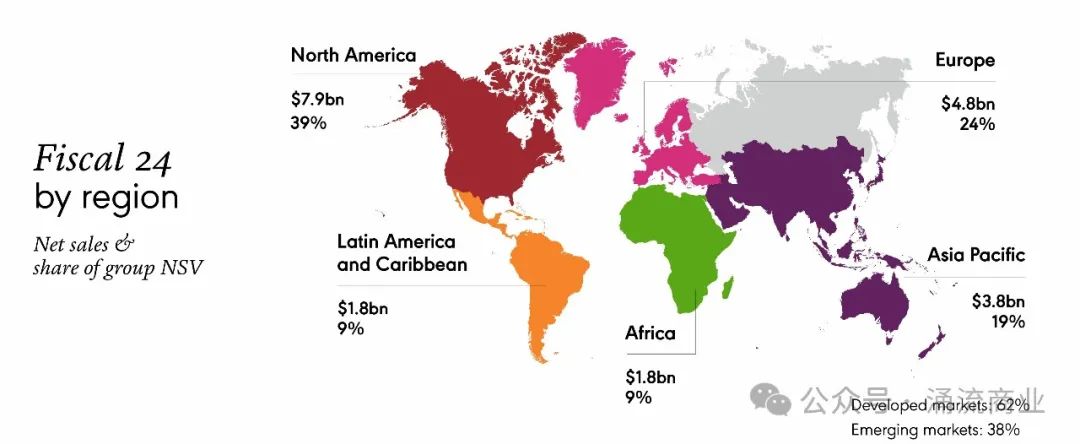
Core Viewpoint - Diageo, the world's largest spirits group, is considering significant asset disposals as part of its "acceleration plan" to streamline operations and reduce debt levels, which may impact its stake in the Chinese liquor company Shui Jing Fang [1][3][9]. Group 1: Diageo's Strategy and Financial Performance - Diageo has announced an "acceleration plan" aimed at cost savings and selective asset disposals, indicating a shift towards a more agile global operating model [1][3][9]. - The company is currently burdened with nearly $21 billion in debt and has seen its stock price drop approximately 50% from its historical peak due to declining sales and profit margins [3][9]. - Diageo's global sales decreased by 1.4% to $20.3 billion in the fiscal year 2024, with a challenging consumer environment expected to persist until the end of fiscal year 2025 [7][8]. Group 2: Asset Disposals and Market Focus - Analysts predict that Diageo's Chinese liquor business, along with other underperforming brands, may be among the assets considered for sale as part of the acceleration plan [3][9]. - The company has previously adopted a "light asset" model in volatile markets, which may now expand to include more significant asset disposals [3][9]. - Diageo's management has committed to achieving approximately $3 billion in free cash flow annually starting from fiscal year 2026, alongside a $500 million cost-saving initiative over three years [8][9]. Group 3: Shui Jing Fang's Performance and Management Changes - Shui Jing Fang, under Diageo's control, has experienced fluctuating performance, with revenue growing from 850 million yuan to 4.63 billion yuan between 2015 and 2021, but facing challenges in recent years [14][15]. - In fiscal year 2024, Shui Jing Fang reported total revenue of 5.22 billion yuan, a year-on-year increase of 5.3%, with net profit rising by 5.7% to 1.34 billion yuan [15]. - The management team at Shui Jing Fang has seen frequent changes, with the current general manager being the first local manager not from Diageo, indicating a potential shift in operational strategy [15]. Group 4: Market Conditions and Future Outlook - The Asia-Pacific market, including China, has not performed well for Diageo, with organic net sales growth of only 1.6% in the region, primarily due to weakness in China and Southeast Asia [16]. - Diageo's CEO has categorized the Chinese liquor market as lacking sufficient scale, suggesting a need to explore new opportunities [16].


Charles River Laboratories International (CRL) 2025 Conference Transcript
2025-05-14 16:40
Summary of Charles River Laboratories International (CRL) Conference Call Company Overview - **Company**: Charles River Laboratories International (CRL) - **Event**: 2025 Conference Call - **Date**: May 14, 2025 Key Points Financial Performance - CRL reported better-than-expected Q1 results, primarily driven by the DSA division [4][5] - Revenue outlook improved by 1% to a range of -4.5% to -2.5% for the year, with EPS guidance raised by $0.20 to a range of $9.3 to $9.8 [5] - Net book-to-bill ratio exceeded one for the first time in two years, indicating a positive trend in bookings [4][8] Booking Trends - Bookings increased by 20% year-over-year, mainly from global biopharma clients [9] - Short-term bookings were prevalent, indicating clients are moving forward with programs quickly [11][12] - Mid-tier biotech clients showed revenue growth, reflecting improved funding conditions [10] FDA Policy Impact - The FDA announced plans to reduce animal testing, which has implications for CRL's business model [5][15] - CRL has invested approximately $200 million in alternative methods and technologies to align with the FDA's new guidelines [18][19] - Current revenues from new approach methods (NAMS) are about $200 million annually, expected to grow as new technologies are validated [20] Manufacturing and CDMO Segment - The CDMO segment experienced a revenue decline due to the loss of a commercial client, impacting revenue by 500 basis points [32] - Despite this, there is a strong pipeline of interest from new clients, particularly in gene therapy [33][34] Research Models and Services (RMS) - RMS division has maintained pricing power despite a decline in animal usage, with a positive mix of more complex models [37] - Academic and government clients, which represent about 20% of RMS, have shown growth in Q1, with no immediate impact from NIH cuts [39][40] Non-Human Primate (NHP) Supply Chain - Concerns regarding NHP trade restrictions from Cambodia have been addressed, with CRL confident in its diversified supply chain [46][48] - Less than 30% of NHP supply comes from Cambodia, with efforts to increase capacity from Mauritius [48] Cost Savings and Efficiency - CRL aims for $175 million in annualized cost savings in 2025, increasing to $225 million in 2026 [51] - Focus areas include site consolidation and automation to improve efficiency [52][54] Market Outlook and Strategic Focus - No immediate changes in client priorities due to drug pricing policies; clients are focused on executing existing plans [56] - Potential for M&A exists, but current capital deployment is focused on share repurchases and debt repayment [60][61] Misunderstandings About CRL - CRL is primarily a drug development company, utilizing both in vivo and in vitro methods, and is committed to guiding regulatory agencies towards new technologies [63][64] Additional Insights - The transition to NAMS technologies will take time, with a focus on patient safety and scientific validation [22][28] - The company is well-positioned to adapt to changes in the regulatory landscape and market demands [22][46]

Baxter International (BAX) 2025 Conference Transcript
2025-05-13 16:40
Summary of Conference Call Company Overview - The conference call involved Baxter, a company undergoing a transformation period, including a portfolio transformation and CEO change [6][10]. Key Industry Insights - Saudi Arabia announced a $5.8 billion investment in Michigan for a high-capacity IV fluid facility, which may face economic challenges and could take several years to build [1][2][3]. - Baxter has recently renewed its Group Purchasing Organization (GPO) contracts, which are multiyear agreements, limiting competition for the next three to five years [4]. Financial Performance - Baxter reported a 5% growth in Q1, with underlying growth adjusted for one-time factors at 3% [14][19]. - The HST business showed strong performance with a 7% growth in CCS and 14% growth in PSS US [16]. - The company anticipates Q2 growth to be lower, guided at 1-2%, due to expected conservation in fluid usage and a pull forward effect from distributor restocking [23][24]. Strategic Focus - The company is focusing on capital allocation to prioritize investments that drive higher growth and returns, especially after divesting the kidney business [8][10]. - Simplification of operations is a key strategy, reducing the number of distribution centers and associated costs [9][10]. - Baxter aims to pay down debt, targeting a net debt to EBITDA leverage of three times by the end of the year [10]. CEO Search - The board is conducting a thoughtful and expedient search for a new CEO, looking for candidates who can drive innovation and operational excellence [12][13]. Market Dynamics - The company is managing the impact of tariffs, particularly from China, which constitutes about half of their exposure. They are optimistic about potential benefits from recent trade negotiations [45][46]. - Baxter has not factored in the impact of pharma tariffs into their current forecasts, indicating a strong position due to domestic manufacturing [49][51]. Margin and Growth Outlook - Baxter raised its operating margin guidance to 16.5% for the year, with expectations for sequential improvement in margins throughout the year [59][63]. - The company is focused on maintaining R&D investments while also implementing cost reduction measures to improve margins [52][71]. - There is confidence in achieving long-term operating margins above 19%, supported by strategic exits from lower-margin businesses and improved product mix [73][70]. Conclusion - Baxter is positioned for steady growth with a focus on innovation, operational efficiency, and strategic capital allocation, despite facing challenges from market dynamics and economic conditions [80].

Hydrofarm(HYFM) - 2025 Q1 - Earnings Call Transcript
2025-05-13 13:32
Financial Data and Key Metrics Changes - Net sales for Q1 2025 were $40.5 million, down 25.2% year-over-year, primarily due to a 22.6% decrease in volume mix and a 1.8% decline in pricing [17] - Gross profit was $6.9 million, or 17% of net sales, compared to $10.9 million, or 20.2% of net sales in the prior year [18] - Adjusted EBITDA was a loss of $2.4 million in Q1, although it improved by $4.8 million compared to Q4 2024 [22] Business Line Data and Key Metrics Changes - Proprietary brands accounted for 55% of net sales, an improvement from 52% in the previous quarter but down from 56%-58% in the first three quarters of the prior year [17][29] - Consumable products represented over 75% of total sales, showing a small increase over 2024 [18] - Adjusted SG&A expenses were $11 million, an 11% reduction compared to $12.3 million last year, marking the eleventh consecutive quarter of significant year-over-year savings [21] Market Data and Key Metrics Changes - The company experienced prolonged industry oversupply challenges and a lack of government progress on regulatory issues, impacting year-over-year results [12] - The U.S. government clarified that Canadian peat would be tariff-free, which is expected to positively impact the peat moss business moving forward [11] Company Strategy and Development Direction - The company is focusing on higher-margin proprietary brands to drive revenue and improve profitability, with a strategic initiative to enhance sales in these areas [5][6] - A thorough review of the product portfolio and distribution network is underway to align with estimated sales demand and improve gross profit margins [15] - The company is actively pursuing strategic alternatives to enhance shareholder value, including potential acquisitions or divestitures [16] Management's Comments on Operating Environment and Future Outlook - Management expressed optimism about potential regulatory changes regarding cannabis, citing public support for rescheduling and ongoing discussions in Washington [39] - The company has withdrawn its full-year 2025 guidance due to tariff uncertainties and prolonged industry challenges but maintains expectations for improved adjusted gross profit margins and lower SG&A expenses [14][42] Other Important Information - The company ended Q1 with a cash balance of $13.7 million and total debt of approximately $127.3 million [23] - Cash used in operating activities was negative $11.8 million, with negative free cash flow of $12 million for the quarter [25] Q&A Session Summary Question: Follow-up on proprietary brand sales and growth outlook - Management noted that proprietary nutrient brands performed better than expected and emphasized continued investment in sales capabilities and marketing efforts to drive growth [29][30] Question: Impact of tariffs on product costs and demand - Management explained that while consumable products are largely insulated from tariffs, durable products sourced from China face challenges, and they are renegotiating with vendors to manage costs [31][34] Question: Regulatory environment and optimism for cannabis market - Management highlighted positive momentum in Washington regarding cannabis rescheduling and safer banking, which could benefit the industry [37][39] Question: Granularity on positive developments in the quarter - Management pointed to strong performance in proprietary consumables and ongoing product launches in the U.S. and international markets as positive signs [40][41] Question: Outlook for 2025 amidst uncertainties - Management reiterated that while Q1 performance was in line with previous expectations, the uncertainty surrounding tariffs and industry conditions led to the decision to pause guidance for the year [42][43]

日本汽车巨头撑不住了:裁员2万人,考虑关闭日本工厂
Ge Long Hui· 2025-05-13 13:30
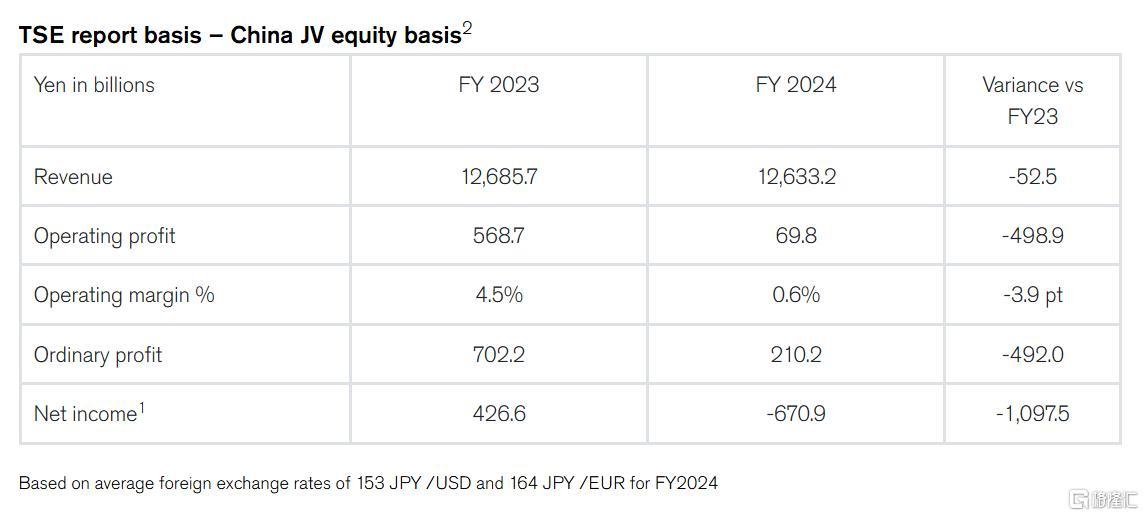
日产汽车今日公布的一则消息震惊了全球! 到2027财年,将在日本国内外共裁员2万名员工,约占员工总数的15%,全球工厂数也将从17家缩减到10家 ,2024财年更是净亏损6708亿日元。 值得关注的是,这个决定由新任首席执行官伊万·埃斯皮诺萨(Ivan Espinosa)主导,也是其上任后的第一个大动作。 同日,日产汽车发布的2024财年财报显示,2024财年公司合并净销售额12.6万亿日元,同比下滑0.4%;营业利润698亿日元,同比下滑87.7%;净亏损6709亿 日元,同比下滑257.3%。 销量方面,受到销售竞争加剧的影响,2024财年日产汽车全球销量保持在334.6万辆。 | Yen in billions | FY 2023 | FY 2024 | Variance vs | | --- | --- | --- | --- | | | | | FY23 | | Revenue | 12,685.7 | 12,633.2 | -52.5 | | Operating profit | 568.7 | 69.8 | -498.9 | | Operating margin % | 4.5% | 0.6% ...

Pangaea Logistics Solutions(PANL) - 2025 Q1 - Earnings Call Transcript
2025-05-13 13:02
Financial Data and Key Metrics Changes - The company reported an adjusted net loss of approximately $2 million for Q1 2025, compared to a net income of $11.7 million in the same period last year [16][17] - Adjusted EBITDA for Q1 2025 was $14.8 million, a decrease of approximately $5.2 million year-over-year [14][17] - Total cash from operations decreased by $13.2 million year-over-year, resulting in net cash used in operations of $4.3 million [17] - The company ended the quarter with $63.9 million in cash and total debt of approximately $390 million [17] Business Line Data and Key Metrics Changes - Total shipping days rose 24.6% year-over-year, primarily driven by the addition of SSI handy fleet vessels [6][14] - On a comparable basis, shipping days increased by 41%, highlighting the contribution of the acquisition to operational scale [7] - TCE rates for Q1 2025 were $11,390 per day, a premium of approximately 33% over average market rates [14] Market Data and Key Metrics Changes - Average market pricing declined 37% compared to the prior year period, impacting overall performance [6][14] - The dry bulk sector continues to experience elevated levels of volatility and uncertainty, with the company closely monitoring potential indirect effects from proposed tariffs [9][10] Company Strategy and Development Direction - The company is focused on a disciplined capital allocation strategy, prioritizing balance sheet strength while delivering long-term value through shareholder returns [11][12] - A new share repurchase program of up to $15 million has been authorized, alongside a declaration of a 5¢ dividend [11] - The company is investing in its port and logistics business, with expansions at the Port of Tampa and new operations in Port Charles and Port of Aransas [12] Management's Comments on Operating Environment and Future Outlook - Management noted that demand trends have remained steady across key routes, although pricing reflects global macro and trade policy uncertainties [10] - The company does not expect material impact from proposed port fees due to its geographic focus and operating model [10] - Management emphasized the importance of flexibility and adaptability in the current environment [61] Other Important Information - Vessel operating expenses decreased in areas like insurance due to a larger footprint, with a goal to implement cost savings of at least $2.5 million annually [9] - The company has made substantial progress integrating the SSI fleet into its operating platform, expecting to unlock further operating efficiencies [8] Q&A Session Summary Question: Dividend strategy and buyback plans - Management explained the modification of the dividend to 5¢ per quarter and the introduction of a buyback program, indicating a preference for reinvestment in the business while evaluating shareholder returns [22][30] Question: Integration savings from the SSI fleet - Management indicated that the cost reduction program includes both integration savings and ongoing operational reviews, with some easy targets identified for cost decreases [26][27] Question: Long-term contract cover and shipping days - Management confirmed that approximately 30% of the fleet is typically covered by long-term contracts, with 4,275 shipping days booked for Q2 at a TCE of $12,524 per day [48][56] Question: Future debt repayments and capital allocation - Management stated that debt repayments will continue at a consistent rate, with a focus on maintaining balance sheet flexibility while also considering dividends and buybacks [50]

Six Flags(SIX) - 2025 Q1 - Earnings Call Transcript
2025-05-08 15:02
Financial Data and Key Metrics Changes - The first quarter operating loss was greater than the combined loss of legacy companies in 2024, but only slightly above expectations in the operating plan, consistent with off-season investments needed for park preparations [7][14] - First quarter attendance represented approximately 5.5% of full year attendance, and revenues were closer to 6%, lower than the historical expectation of 7% [14][46] - The company maintained its full year 2025 adjusted EBITDA guidance of $1,080 million to $1,120 million [21] Business Line Data and Key Metrics Changes - Attendance trends in April showed a slight increase of over 1% year-over-year, despite adverse weather conditions impacting attendance by approximately 175,000 visits [15][56] - Per capita spending improved in April, indicating a positive trend as attendance levels increased [16][58] Market Data and Key Metrics Changes - Season pass sales showed positive momentum, narrowing the sales gap to prior year by approximately 2% in units sold and 3% in total sales [16][58] - Bookings at resort properties increased by over 10% compared to the same week last year, indicating strong consumer engagement [9] Company Strategy and Development Direction - The company is focused on minimizing lower value operating days in the first and fourth quarters while maximizing operating days in the second and third quarters [8][10] - Significant progress has been made in merger integration, with a target of achieving $120 million in merger cost synergies by year-end, six months ahead of schedule [10][24] - The decision to close parks in Maryland aligns with the strategy to simplify operations and focus on high-margin, high-growth parks [25][26] Management's Comments on Operating Environment and Future Outlook - Management remains confident in the business outlook despite macroeconomic challenges, citing strong demand indicators and consumer willingness to spend on entertainment [9][10][56] - The company is actively monitoring the evolving tariff situation, believing its exposure is limited due to the labor-intensive cost structure [12] Other Important Information - The company ended the quarter with $62 million in cash and $179 million available under its revolving credit facility, with gross debt of $5.3 billion [22][23] - Capital expenditures for the first quarter were $140 million, consistent with the full-year expectation of $475 million to $500 million [23] Q&A Session Summary Question: What is the expected attendance and sales growth in the second quarter? - Management indicated that the second and third quarters are expected to be higher margin days with strong demand anticipated [32][34] Question: Can you quantify the impact of the Easter and Boysenberry Festival shifts? - Management noted that weather impacted attendance in April, but they expect to recover lost attendance in May and June [35][36] Question: What are the expectations for the closure of the Six Flags Park in Maryland? - The closure is part of a strategy to maximize value from land sales and focus on more profitable parks [48][50] Question: What gives confidence to maintain guidance despite softer April performance? - Management cited strong long lead indicators, including season pass sales and consumer spending trends, as reasons for confidence [56][58] Question: What are the expectations for proceeds from land sales? - Management indicated that gross proceeds from land sales could exceed a couple of hundred million dollars [64]