
6G

Search documents
IDCC Q2 Earnings Beat Estimates, Revenues Surge Y/Y, Guidance Up
ZACKS· 2025-08-01 15:26
Core Insights - InterDigital, Inc. (IDCC) reported strong second-quarter 2025 results, with revenues and net income exceeding expectations, driven by robust licensing momentum in the smartphone sector and advancements in AI applications for wireless and video technology [1][9]. Financial Performance - GAAP net income rose to $180.6 million or $5.35 per share, up from $109.7 million or $3.93 per share year-over-year, reflecting healthy top-line growth [2]. - Non-GAAP net income increased to $195.3 million or $6.52 per share, compared to $118.9 million or $4.57 per share in the same quarter last year, surpassing the Zacks Consensus Estimate of $3.36 [2]. - Net sales for the quarter reached $300.6 million, a significant increase from $223.5 million in the prior year, driven by new licensing agreements with Samsung and HP, exceeding the consensus estimate of $193 million [3][9]. Revenue Breakdown - Smartphone revenues grew by 18% year-over-year to $235.1 million, bolstered by a licensing agreement with Samsung, with IDCC now licensing 80% of the global smartphone market [4]. - Revenues from the Consumer Electronics (CE) and IoT/Auto group increased to $65.3 million from $23.7 million in the previous year [4]. - Annualized recurring revenue rose to $553.1 million, marking a 44% year-over-year increase, while catch-up revenues increased to $162.3 million from $127.6 million a year ago [5]. Operational Metrics - Adjusted EBITDA climbed to $237 million, up 50% year-over-year, while total operating expenses rose to $95.2 million from $89.6 million in the prior year [6]. - Operating income increased to $205.4 million from $133.9 million in the year-ago quarter [6]. Cash Flow and Liquidity - In Q2, InterDigital utilized $105.1 million in cash for operations, compared to $48.9 million in the same quarter last year [7]. - As of June 30, 2025, the company had $937 million in cash, cash equivalents, and short-term investments, with $75.4 million in long-term debt and other liabilities [7]. Future Outlook - IDCC upgraded its 2025 revenue guidance to a range of $790-850 million, up from the previous estimate of $660-760 million, and adjusted EBITDA is now forecasted at $551-569 million, up from $400-495 million [8]. - Non-GAAP earnings are expected to be between $14.17 and $14.77, an increase from the prior range of $9.69 to $12.92 [8]. - The company is making significant progress in 6G development and emphasizes AI integration, which is expected to support long-term growth [8].



云塔科技完成近3亿元B轮融资
Sou Hu Cai Jing· 2025-07-31 23:19
据麦姆斯咨询报道,7月31日上午,安徽云塔电子科技有限公司(云塔科技、安努奇)融资签约仪式在安徽蚌埠市大富科技产业园隆重举行,云塔科技正 式对外宣布完成近3亿元B轮融资。本轮融资由安徽国控投资有限公司和大富科技(安徽)股份有限公司联合领投,标志着作为射频前端芯片新锐的云塔 科技正式迈入加速发展新阶段。蚌埠高新区管委会、市发改委、市科技局、市经信局、市招商和对外合作中心、安徽国控投资、蚌埠市投资集团、大富科 技、自贸区经发集团和中科合海等单位的领导出席活动。大富科技党委书记、董事长周学保主持签约仪式。 大富科技党委书记、董事长周学保表示,作为本轮融资的领投方之一,大富科技高度认可云塔科技在射频滤波器领域的技术稀缺性与市场领先优势。未 来,双方将充分发挥产业协同效应,通过渠道共享、资源整合,深化在蜂窝无线通信、物联网、智能网联汽车及卫星通信等战略新兴领域的合作,共同推 动产业创新与突破,实现互利共赢的发展格局。大富科技将与云塔科技建立定期沟通交流机制,及时解决运营中的难题。 云塔科技董事长左成杰博士介绍道:云塔科技作为国内射频前端芯片领域的新势力,始终专注于新型射频技术的源头研发与突破。凭借全球首创的混合 (Hy ...


InterDigital(IDCC) - 2025 Q2 - Earnings Call Transcript
2025-07-31 15:00
Financial Data and Key Metrics Changes - The company reported revenue of $300 million for Q2 2025, significantly exceeding the guidance of $170 million, driven by the Samsung arbitration award and HP license agreement [14][19] - Annualized recurring revenue (ARR) reached an all-time high of $553 million, a 44% increase year over year [6][15] - Adjusted EBITDA for the quarter was $237 million, resulting in an adjusted EBITDA margin of 79%, up from 71% in Q2 last year [19] - Non-GAAP EPS reached an all-time high of $6.52, well above the guidance range of $2.67 to $2.90 [19] Business Line Data and Key Metrics Changes - The smartphone program's ARR increased 58% year over year to $465 million, with nearly 80% of the global market under license [16][19] - Revenue from the consumer electronics (CE) and IoT program increased 175% in Q2 to approximately $65 million, aided by the HP agreement [9][19] - The total contract value of licenses signed since 2021 exceeded $4 billion, indicating strong momentum in the IP as a service business model [9] Market Data and Key Metrics Changes - The company has secured licensing agreements with major Chinese OEMs, including Oppo and Vivo, contributing to the increase in smartphone market share under license [8][16] - The new Samsung agreement does not cover digital TV and display monitors, which are part of a separate license announced earlier [7] Company Strategy and Development Direction - The company aims to achieve over $1 billion in ARR across all programs by 2030, with significant growth expected in both smartphone and CE/IoT segments [17] - The development of 6G technology is a key focus, with potential monetization opportunities in new verticals such as industrial IoT, smart cities, healthcare, and automotive [10][11] - The company emphasizes the importance of its talent strategy, focusing on mentorship and leadership development to attract and retain top talent [11] Management's Comments on Operating Environment and Future Outlook - Management expressed optimism about the future growth opportunities in the wireless market, particularly with the advancements in 6G technology [35] - The company is closely monitoring potential legislative changes regarding IP tariffs but does not foresee immediate impacts on its contracts [25][26] - The updated full-year 2025 guidance reflects strong performance and continued business momentum, with revenue expected between $790 million and $850 million [20] Other Important Information - The company returned $42 million to shareholders in Q2 through buybacks and dividends, with a total return of capital nearing $90 million year to date [19] - The company has a robust cash flow, with free cash flow for 2025 expected to exceed $400 million, nearly double the 2024 levels [21] Q&A Session Summary Question: Tax rate outlook with new revenue contributions - Management indicated that the tax rate was slightly lower and is expected to remain in the mid to high teens, evaluating the impacts of new tax legislation [22][23] Question: Potential legislation on IP tariffs - Management is monitoring the situation closely and maintains open dialogue with policymakers, but no specific details are available [25][26] Question: Updated guidance assumptions regarding catch-up payments - The updated guidance considers various potential outcomes, including catch-up payments from existing contracts [27][28] Question: Long-term wireless market opportunities - Management is optimistic about future growth in wireless, particularly with 6G development and adjacent verticals [35] Question: Impact of Disney litigation on other negotiations - Management does not see the Disney litigation affecting dialogues with other potential customers and remains open to business discussions [40][42]
力源信息:代理产品线相关产品的射频PA技术方案可由4/5G应用沿用至6G
Zheng Quan Ri Bao Wang· 2025-07-30 10:44
Group 1 - The company, Liyuan Information (300184), stated that its RF PA technology solutions for its agency product line can be adapted from 4G/5G applications to 6G [1] - Currently, the 6G market is still in the development stage, and the company does not have any actual applications related to 6G at this time [1] - The company advised investors to make cautious decisions and be aware of investment risks [1]

AI-PCB产业链有望量价齐升,5G通信ETF(515050)聚焦算力龙头,鹏鼎控股涨超4%
Mei Ri Jing Ji Xin Wen· 2025-07-29 04:04
Group 1 - The A-share PCB concept stocks remain active, with notable increases in companies such as Pengding Holdings, Dongshan Precision, and Xingsen Technology, reflecting strong market interest [1] - AI-PCB is experiencing a demand resonance, with multiple AI-PCB companies reporting strong orders and full production capacity, leading to significant growth in Q3 performance [1] - Huidian Co. has released an optimistic Q2 earnings forecast, expecting a net profit of 0.89 to 0.99 billion yuan, representing a year-on-year growth of 42% to 58%, driven by structural demand from emerging computing scenarios like AI [1] Group 2 - The 5G Communication ETF (515050) tracks the CSI 5G Communication Theme Index, with a current scale exceeding 7 billion yuan, focusing on key players in the Nvidia, Apple, and Huawei supply chains [2] - AI computing concept stocks account for over 30% of the ETF's weight, while optical module CPO concept stocks represent 26.55%, and PCB circuit board concept stocks make up 13.49% [2]

英大证券晨会纪要-20250729
British Securities· 2025-07-29 01:35
Market Overview - The A-share market is expected to experience fluctuations around the 3600-point level in the short term, with a likely period of consolidation ahead [1][10] - The market sentiment is anticipated to stabilize gradually as self-adjustment occurs and potential positive factors emerge [10][11] - If sustained hot sectors attract capital and trading volume increases, the index may break through the 3600-point barrier, opening new upward space [10][11] Short-term Strategy - Investors are advised to remain rational and avoid blindly following trends, particularly in high-flying sectors [2][11] - It is recommended to selectively reduce positions in sectors that have seen significant gains, such as hydropower and related areas, while looking to invest in technology growth sectors during dips [2][11] Mid-term Outlook - The A-share market is projected to exhibit a "slow bull" pattern driven by favorable tariff negotiations, ongoing policy support, and an overall improvement in liquidity [2][11] - Key areas for mid-term investment include sectors with growth elasticity, such as AI infrastructure, innovative pharmaceuticals, and humanoid robotics, which are driven by both policy and technological advancements [2][11] Sector Performance - The military industry has shown strong performance, with significant gains noted in the aerospace and defense sectors, supported by government policies and geopolitical tensions [6][10] - The pharmaceutical sector is also active, with innovative drugs gaining traction as the environment for commercialization improves [8][10] - Communication sectors, particularly those related to 5G and emerging 6G technologies, are expected to benefit from government initiatives and advancements in technology [9][10]
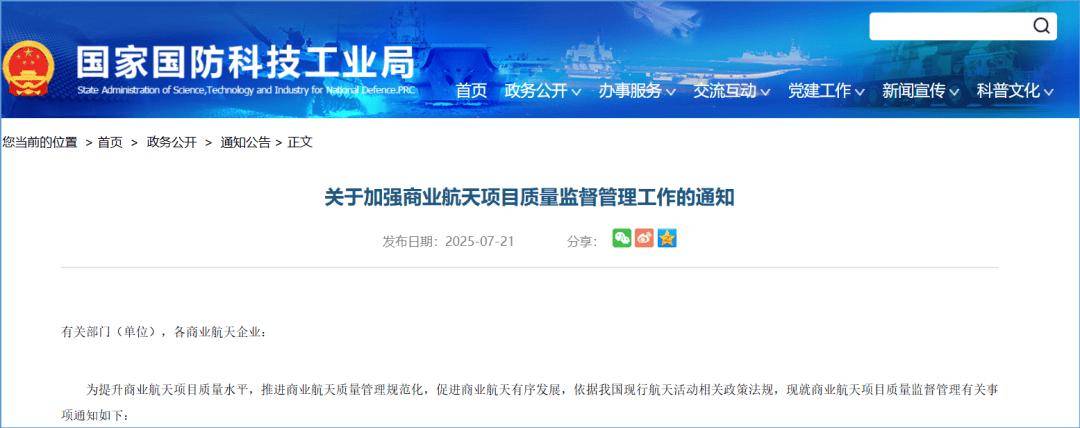
卫网君:国家航天局:质量问题,终身追责;特朗普黄金穹顶能否绕开马斯克太空帝国?黄仁勋:美国在5G惨败,不能在AI和6G重蹈覆辙
Sou Hu Cai Jing· 2025-07-27 13:13
Group 1 - The article highlights concerns that the U.S. may be ceding lunar dominance to China, with predictions that Chinese astronauts could land on the moon first by 2029 if current U.S. plans continue to falter [1][2] - Criticism is directed at the Artemis program, citing high costs, slow progress, and bureaucratic inefficiencies as major obstacles to establishing a sustainable lunar base [1][2] - The author proposes an urgent four-step plan for the U.S. to regain its competitive edge, including leadership changes at NASA, cutting the SLS and Gateway projects, and embracing a commercial approach to lunar exploration [1][2] Group 2 - The competitive landscape of lunar exploration is framed as a significant geopolitical contest, with implications for global leadership and technological supremacy [2][3] - The article emphasizes the need for the U.S. to adopt bold leadership and innovative strategies to prevent the moon from becoming a "Chinese exclusive stage" [2][3] - The publication of a new regulatory framework by China's National Space Administration marks a shift towards high-quality transformation in the commercial space sector, emphasizing lifetime quality accountability and a collaborative oversight mechanism [6][7] Group 3 - The new regulatory framework in China aims to cover the entire lifecycle of commercial space projects, addressing long-standing issues of unclear standards and responsibilities [6][7] - The framework introduces a "four-party collaboration" mechanism, establishing companies as primary responsible entities and introducing lifetime accountability for quality issues [6][7] - The transition from a focus on scale to quality in China's commercial space industry is seen as a critical step, although challenges remain in balancing regulation with innovation [7][10]
射频行业现状
半导体行业观察· 2025-07-26 01:17
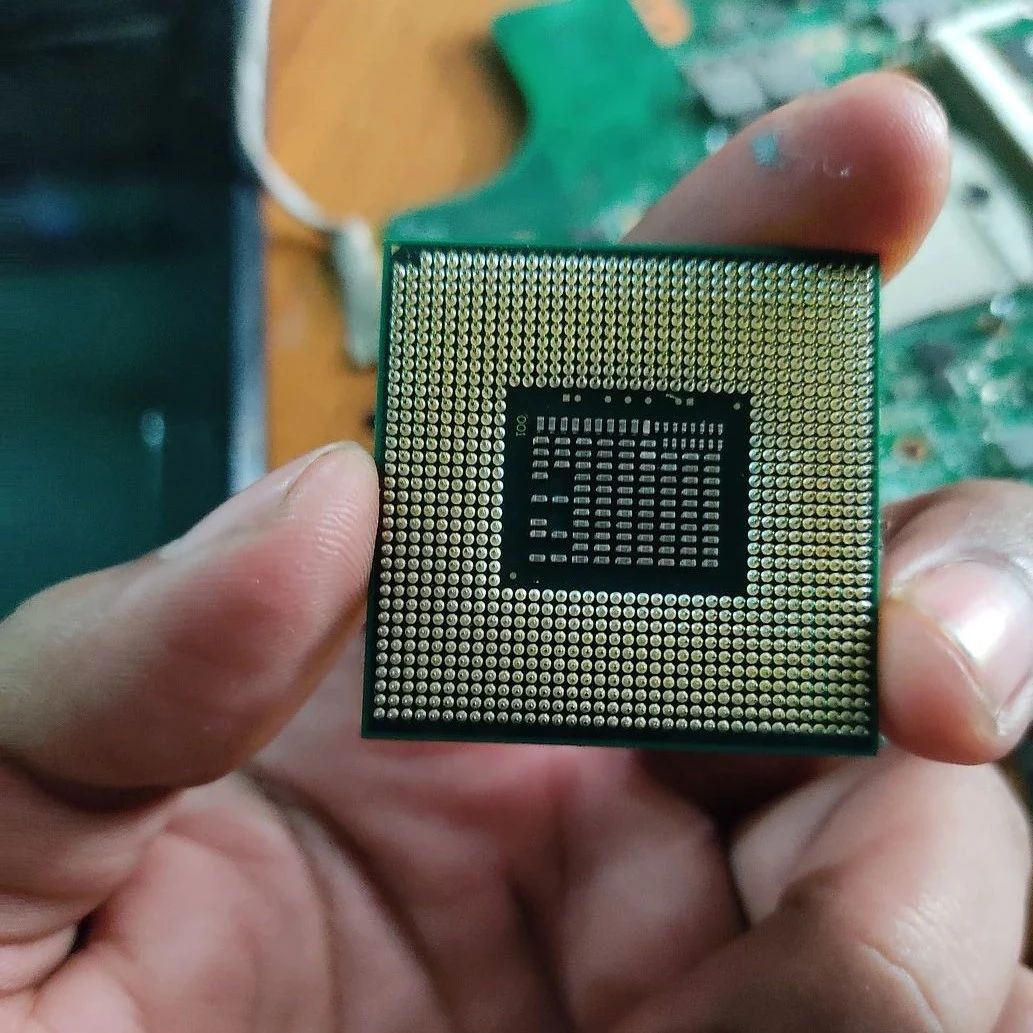
Core Insights - The RF industry is projected to reach a market size of $70 billion by 2030, driven by the demand for integrated RF front-end (RFFE) solutions due to advancements in 5G and future 6G technologies [2][3]. Market Growth - The RF device market is expected to grow from $51 billion in 2024 to $71 billion by 2030, fueled by the increasing demand for high-performance, integrated RF solutions [3]. - RFFE modules are crucial for mobile devices, with their applications expanding significantly, projected to reach billions of units by 2024 [3]. Regional Analysis - The U.S. leads the mobile and consumer RF market, with companies like Qualcomm, Broadcom, Skyworks, and Qorvo dominating the RFFE module and SoC markets [6]. - China is rapidly developing its supply chain with companies like ZTE and HiSilicon to reduce reliance on imports [6]. - In the telecom sector, traditional players from the U.S., Europe, and Japan dominate, but China is advancing with local GaN and LDMOS suppliers [7]. Automotive Sector - Europe is at the forefront of the automotive RF market, with NXP and Infineon providing robust radar and V2X solutions [8]. - RF technology is increasingly important in automotive ADAS, infotainment, and connected vehicle applications [8]. Defense and Industrial Applications - U.S. companies like Qorvo, Macom, and Analog Devices lead in the defense sector, focusing on high-power broadband systems for radar, satellite communication, and electronic warfare [8]. - The industrial and medical RF market is smaller and more fragmented, with a focus on reliability and low power [9]. Semiconductor Technology - RF chips are categorized into silicon-based and compound semiconductors, with silicon-based technologies dominating due to cost and integration [11]. - GaAs is widely used in mobile and Wi-Fi power amplifiers, while GaN is critical for high-power telecom, radar, and satellite systems [11]. Filter Technologies - SAW filters are primarily produced by Japanese manufacturers for lower frequencies, while BAW filters are essential for mid-band 5G and Wi-Fi 6/7, mainly supplied by U.S. and Japanese firms [12].
普利特(002324) - 002324普利特投资者关系管理信息20250723
2025-07-23 09:00
Group 1: Company Overview and Strategy - The company is focusing on expanding its modified materials business, particularly in the automotive sector, which is experiencing stable growth due to new capacity releases [1] - The company plans to alleviate production capacity shortages with the completion of new factories in Anhui and Tianjin by the end of the year [1] Group 2: New Energy Business Development - The new energy business is showing continuous improvement, with increased shipments of 100Ah household energy storage batteries, sodium-ion batteries, and semi-solid batteries positively impacting the company's semi-annual performance [2] - The company has secured bulk orders for sodium-ion batteries in various sectors and is actively engaging in projects related to data center backup power [2] - The establishment of Guangdong Haishida Sodium Star Technology Co., Ltd. aims to enhance the development of sodium-ion batteries through strategic investments [2] Group 3: Robotics Material Applications - The company produces modified PEEK, PPS, and PA materials for the robotics industry, with some materials already in mass supply, although this segment currently represents a small proportion of overall business [3] - The company is actively collaborating with leading clients to promote the use of its materials in the robotics sector [3] Group 4: LCP Business Overview - The company has a comprehensive LCP resin layout, covering I, II, and III types, with production capabilities for injection-grade, film-grade, and fiber-grade resins [4][5] - The company is the only global entity with the ability to synthesize, modify, and produce LCP resins, films, and fibers at scale [5] Group 5: LCP Business Progress - LCP products are increasingly used in high-frequency and high-speed signal transmission industries, with applications expected to grow in 6G, automotive millimeter-wave radar, AI servers, brain-machine interfaces, and low-orbit satellites [6] - The company is making significant progress in validating LCP film products with a leading domestic telecommunications client, with expectations for mass delivery this year [6]

科技金融加速重构“制度—资本—技术”关系
Jin Rong Shi Bao· 2025-07-21 02:45
Core Insights - The article emphasizes the evolution of technology finance in China, highlighting its transition from a mere financial tool to a core strategy for national technological self-reliance and strength [2][3] Group 1: Current Framework and Future Directions - China's technology finance has established a comprehensive framework led by government departments, with technology enterprises and financial institutions at its core, showcasing both advantages and disadvantages compared to other economies [1] - The future role of technology finance is seen as a key "accelerator" in restructuring the relationship between "institution-capital-technology," focusing on strategic synergy, capital empowerment, and technological support [1] Group 2: Policy and Strategic Value - The strategic value of technology finance has become more pronounced, with a shift towards unified top-level design in policies, enhancing coordination among various financial products and services [2] - By 2027, the technology finance system is expected to align more closely with the goals of achieving high-level technological self-reliance [2] Group 3: Financial Transformation and Efficiency - The pace of financial transformation is accelerating, with technology finance evolving towards high efficiency, long cycles, and diversified service support mechanisms [3] - As of the end of 2024, the loan approval rate for technology-based SMEs is nearly 50%, and for high-tech enterprises, it stands at 55.7%, indicating a year-on-year growth trend [3] Group 4: Technological Advancements and Ecosystem Support - The article notes a significant increase in the number of valid invention patents in China, reaching 4.756 million by the end of 2024, with a commercialization rate of 53.3% [4] - Future technology finance services are expected to support a more systematic innovation ecosystem, requiring a comprehensive service ecosystem that integrates technology and finance [4] Group 5: Policy Framework and International Cooperation - A forward-looking and open institutional framework is being constructed at the policy level, utilizing AI and big data to establish a disruptive technology early warning mechanism [5] - International cooperation is encouraged through platforms like the Belt and Road Initiative, promoting cross-border intellectual property recognition and joint R&D tax incentives [5] Group 6: Financial Services and Risk Management - Financial institutions are encouraged to develop composite assessment models that include patent quality and social impact in their credit standards, enhancing risk management capabilities [6] - The establishment of a "patient capital" system is being promoted to address funding shortages in early-stage technology innovation [6] Group 7: Innovation Community and Ecosystem Development - The article advocates for the creation of a new type of innovation community, integrating resources from government, universities, research institutions, and financial entities to support comprehensive innovation [7] - Support for technology enterprises to break traditional financing limitations is emphasized, aiming for seamless collaboration among government, capital markets, and enterprises [7]