元宇宙

Search documents
(活力中国调研行)百年高炉遇见未来 北京科幻产业加速跑
Zhong Guo Xin Wen Wang· 2025-06-20 11:19
Core Insights - Beijing's sci-fi industry has established over 780 companies with a total revenue of approximately 48 billion yuan, indicating a shift towards high-quality development by 2024 [1] Group 1: Industry Development - The Beijing Municipal Science and Technology Commission and Zhongguancun Management Committee are fostering new business models that integrate sci-fi with cultural and technological sectors [2] - The sci-fi industry has seen significant achievements, including the establishment of the first national sci-fi industry alliance and the construction of the Zhongguancun Sci-Fi Industry Innovation Center [2] - The Shougang Park, a former industrial site, is being transformed into a hub for sci-fi and technology, with over 878 companies established, of which more than 70% are tech firms [2] Group 2: Technological Integration - The SoReal Sci-Fi Park at Shougang features immersive experiences such as space simulation and VR combat, utilizing cutting-edge technologies like AI, AR, and 5G [3] - The park covers an area of 22,000 square meters and aims to blend educational, artistic, and commercial elements through technology [3] Group 3: Future Plans - Beijing plans to create benchmark demonstration parks for cultural and technological industries, with Shougang as a key example [4] - The city aims to develop a highland for cultural and technological innovation, focusing on industries related to sci-fi, the metaverse, gaming, and virtual reality [4]
中文传媒: 中文传媒关于全资子公司认购私募股权基金份额的公告
Zheng Quan Zhi Xing· 2025-06-20 10:16
Core Viewpoint - The company plans to invest in a private equity fund, enhancing its investment strategy and potentially increasing returns through professional management and diversified investment opportunities [1][12]. Group 1: Investment Overview - The company’s wholly-owned subsidiary, Blue Ocean Investment, intends to subscribe to the Nanchang Guochen Innovation No. 1 Equity Investment Partnership, with a planned investment of 0.40 billion yuan, representing 2.74% of the fund's total size of 14.61 billion yuan [1][3]. - This investment falls within the board-approved limit of 10.00 billion yuan for equity and securities investments, and the subscription amount constitutes 0.22% of the company's latest audited net assets [2][4]. - After this investment, Blue Ocean Investment will have utilized a total of 5.80 billion yuan of the special investment funds [2][4]. Group 2: Fund Details - The Nanchang Guochen Innovation No. 1 Fund is a limited partnership established by Shanghai Guochen Venture Capital Management Co., Ltd., with a duration of 7 years, including 4 years for investment and 3 years for exit [5][12]. - The fund has been registered with the China Securities Investment Fund Industry Association, with a registration number of SACZ28 [5][12]. - The fund's investment focus includes sectors such as intelligent manufacturing, high-end equipment, digital economy, and military industry, targeting next-generation key technologies [10][12]. Group 3: Management and Financial Structure - The fund management is conducted by Shanghai Guochen Venture Capital Management Co., Ltd., which has a registered capital of 15 million yuan and was established on May 23, 2023 [6][12]. - The management fee for the fund is set at an annual rate of 2%, calculated based on the total subscribed capital after deducting contributions from the general partner and special limited partners [11][12]. - The exit strategies for investments include IPOs, mergers and acquisitions by listed companies, and acquisitions by industrial companies [11][12]. Group 4: Strategic Impact - This investment is expected to improve the efficiency of the company's capital utilization and broaden its investment landscape, leveraging the expertise and resources of the fund management team [12]. - The decision to invest is made while ensuring that the company's core business operations remain unaffected, thus safeguarding the interests of the company and its shareholders [12].

山东济南:多举措打通“供给升级”到“消费提振”路径
Sou Hu Cai Jing· 2025-06-19 09:13
Core Viewpoint - Jinan is focusing on upgrading industrial product supply to boost consumer demand through three main strategies: enhancing digital integration, improving supply-demand matching, and optimizing brand ecosystems [1][2][3] Group 1: Digital Integration - Jinan's Industrial and Information Technology Bureau is implementing actions for digital transformation in manufacturing, including initiatives like "AI Empowering Qiancheng" and plans to establish over 30 new 5G factories and 2 "industrial brains" this year [2] - The city is promoting the development and application of new products and scenarios in areas such as autonomous driving and robotics, aiming to create high-growth consumption sectors [2] Group 2: Supply-Demand Matching - Jinan is conducting "hundred sessions for ten thousand enterprises" supply-demand matching activities, having organized 183 events to facilitate cooperation among industry chain enterprises [5] - An online supply-demand matching service platform has been established, with 2,500 registered companies and nearly 10,000 products listed [5] Group 3: Brand Optimization - The city is implementing a "three products" initiative to enhance variety, quality, and branding of consumer goods, with successful selections of local products for national recognition [3] - Jinan is fostering regional public brands like "Qiancheng Good Products" to strengthen the consumer goods matrix and support high-quality economic growth [3] Group 4: Industrial Foundation - Jinan is actively promoting industrial equipment upgrades and has reported 770 enterprises implementing 1,004 industrial technology transformation projects [5] - The automotive sector, particularly in new energy vehicles, has seen significant growth, with a 39.5% year-on-year increase in the automotive manufacturing industry from January to April [5]


480P的元宇宙入口:Midjourney不是在做视频,是在造"任意门"
歸藏的AI工具箱· 2025-06-19 08:20
Core Viewpoint - Midjourney has launched its first video model, Video V1, which emphasizes aesthetic performance and speed over traditional metrics like resolution and physical accuracy [2][20][25]. Product and Pricing - Midjourney's video generation is unique as it does not support text-to-video; instead, it generates videos based on images by clicking the "Animate" button [3]. - The video generation process allows users to create up to 20 seconds of video by extending the initial 4-second clips [3]. - The video model operates at a resolution of 480P, but the quality is comparable to higher resolutions due to high sampling rates [6]. - Membership pricing allows access to the video model without additional fees, with costs similar to generating high-resolution images [9]. Video Generation Features - Two modes are available for video generation: low dynamic range for stable scenes and high dynamic range for more dynamic environments [5]. - The model excels in aesthetic representation, maintaining color and atmosphere effectively, even in high-stylization scenarios [11]. - Video generation speed is notably fast, with the ability to produce 4 videos in approximately 65 seconds, which is significantly quicker than many competitors [13]. Competitive Landscape - Despite its limitations in prompt understanding and physical accuracy, Midjourney's approach is seen as a strategic choice to focus on speed and consistency rather than competing directly with higher-resolution models [15][19]. - The company aims to redefine the video generation landscape by prioritizing user imagination and interaction over traditional metrics [25]. Vision and Future Outlook - Midjourney's long-term vision includes creating a real-time image generation AI system that allows users to interact with generated environments [20]. - The company operates without external funding pressures, enabling it to pursue its unique vision at its own pace [20]. - The launch of the 480P video model is viewed as a potential stepping stone towards future developments in the metaverse [25].

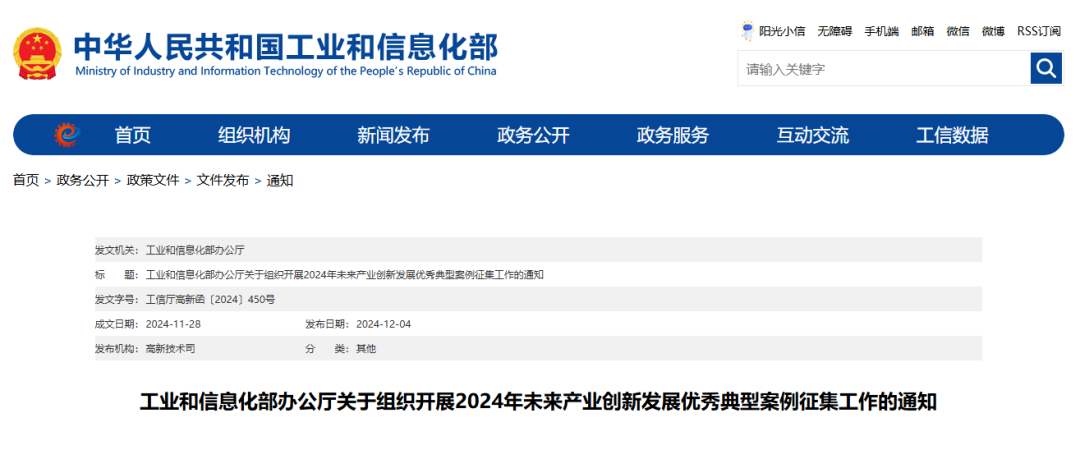
网龙(00777)再获国家级荣誉 入选工信部2024年未来产业创新发展领军企业
智通财经网· 2025-06-19 00:35
Core Viewpoint - The Ministry of Industry and Information Technology of China has recognized NetDragon (00777) as a leading enterprise in the "Future Information" sector for 2024, marking it as the only selected enterprise from Fujian province in this category [1][4]. Group 1: Recognition and Achievements - NetDragon has been included in the "2024 Future Industry Innovation Development Excellent Typical Cases" list, highlighting its role as a leader in the future information sector [1][4]. - The company's "Metaverse Intelligent Education Platform" and "Exhibition Metaverse Platform" have also been recognized as typical application scenarios in Fujian province [1][5]. Group 2: Technological Integration and Impact - NetDragon leverages cutting-edge technologies such as VR/AR, AI, and big data to create a robust business ecosystem that includes content resources, tool solutions, and platform channels [4]. - The "Metaverse Intelligent Education Platform" integrates various components to provide immersive and personalized learning experiences, with VR resources developed for all standard experiments in subjects like physics, biology, and chemistry [7]. - The "Exhibition Metaverse Platform" utilizes advanced technologies to enable virtual interactions across different spaces, enhancing applications in meetings, exhibitions, and social interactions [8]. Group 3: Strategic Vision and Global Reach - The company aims to build a global lifelong learning ecosystem through its educational metaverse, positioning "AI + Education" as a core strategic focus [10]. - NetDragon has gained international recognition for its contributions to global education equity and quality improvement, particularly through its innovative "on-demand learning" concept presented at a high-level meeting at the United Nations [10].

中文天地出版传媒集团股份有限公司关于全资子公司认购私募股权基金份额的公告
Shang Hai Zheng Quan Bao· 2025-06-17 21:13
Core Viewpoint - The company, through its wholly-owned subsidiary, plans to invest in a private equity fund to enhance the efficiency of its capital utilization and broaden its investment portfolio [2][31]. Group 1: Investment Overview - The subsidiary, Jiangxi Zhongwen Media Blue Ocean International Investment Co., Ltd. (Blue Ocean Investment), intends to subscribe to the Nanchang Guocheng Innovation No. 1 Equity Investment Partnership (Limited Partnership) initiated by Shanghai Guocheng Venture Capital Management Co., Ltd. [2][5]. - The target fundraising scale for the fund is set at RMB 1.5 billion, with Blue Ocean Investment planning to contribute RMB 40 million, representing 2.74% of the fund's total size of RMB 1.461 billion after its subscription [2][5]. - This transaction does not constitute a related party transaction or a major asset restructuring as defined by relevant regulations [3][6]. Group 2: Fund and Management Details - The fund is a limited partnership with a lifespan of 7 years, including a 4-year investment period and a 3-year exit period [11][22]. - The general partner and fund manager is Shanghai Guocheng Venture Capital Management Co., Ltd., which has a registered capital of RMB 15 million [10][14]. - The fund has been registered with the China Securities Investment Fund Industry Association, with the registration number SACZ28 [12]. Group 3: Investment Purpose and Impact - The investment aims to improve the efficiency of the company's capital utilization and leverage the expertise and resources of the professional investment team at Guocheng Venture Capital [31]. - The decision to invest is made while ensuring that the company's main business operations remain unaffected, and it is not expected to have a significant adverse impact on the company's financial status or operational results [32].

水晶光电(002273):深度报告:光学积淀,AR领航
Minsheng Securities· 2025-06-17 11:01
Investment Rating - The report initiates coverage with a "Buy" rating for the company [5]. Core Views - The company is positioned as a leader in the optical component sector, with a diversified business model that includes optical components, film optical panels, semiconductor optics, automotive electronics (AR+), and reflective materials [1][12]. - The recovery in the consumer electronics market, particularly driven by AI innovations from major clients like Apple, is expected to boost the company's core products such as micro-prisms and filters [1][2]. - The automotive sector, particularly AR-HUD, is anticipated to grow significantly, with the company already achieving substantial market penetration [2][3]. - The integration of AI in AR glasses is seen as a catalyst for hardware innovation and sales growth, with the company having established strategic partnerships for development [3]. - Revenue projections for 2025-2027 are estimated at 7.53 billion, 9.06 billion, and 10.36 billion CNY, respectively, with corresponding net profits of 1.27 billion, 1.55 billion, and 1.83 billion CNY [4][3]. Summary by Sections 1. Company Overview - The company has been deeply involved in the optical industry for over 20 years, focusing on three growth curves: consumer electronics, automotive optics, and metaverse optics [9][12]. - It has established a comprehensive product matrix and is poised for growth as downstream demand increases [1][12]. 2. Consumer Electronics - The company is focusing on optical components, particularly filters and micro-prism modules, to capitalize on the smartphone market recovery [40][45]. - The market share for the company's filter products has reached 21%, making it a leading player in the global smartphone filter market [2][56]. 3. Automotive Electronics - The HUD market is expected to grow rapidly, with AR-HUD products gaining traction [2][3]. - The company has already achieved significant shipment volumes in the AR-HUD segment and is set to increase production in the coming years [2][3]. 4. AR Development - The company has been investing in AR technologies since 2010 and is well-positioned to benefit from the expected growth in AR glasses [3][4]. - Strategic collaborations with global partners are enhancing the company's capabilities in AR optics [3]. 5. Financial Projections - The company is projected to achieve significant revenue growth, with a forecasted revenue of 6.28 billion CNY in 2024, increasing to 10.36 billion CNY by 2027 [4][3]. - The net profit is expected to grow from 1.03 billion CNY in 2024 to 1.83 billion CNY in 2027, reflecting a strong growth trajectory [4][3].

Meta与Oakley联名智能眼镜将于本周五亮相,扎克伯格亲自转发
Huan Qiu Wang· 2025-06-17 03:40
Group 1 - Meta's CEO Mark Zuckerberg personally shared a teaser for a new collaboration with Oakley, indicating a significant move into the wearable device market [3] - The partnership is seen as a strategic step for Meta to enhance its smart glasses offerings, potentially integrating AR display, real-time sports data tracking, and voice interaction features [3] - Analysts suggest that Meta is accelerating the development of its "metaverse" hardware ecosystem, with smart glasses serving as a lightweight entry point to complement the Quest VR headset series [3] Group 2 - Oakley's parent company, Luxottica, has been increasingly investing in technology, previously collaborating with companies like Google and Intel to explore smart glasses technology [4] - The collaboration with Meta marks a crucial transition for Oakley from traditional sports equipment to smart wearable devices, leveraging its optical laboratory resources to improve display quality and comfort [4] - Since the launch of Ray-Ban Stories smart glasses in 2021, Meta has sold over one million units globally, although specific details about the new product with Oakley have yet to be announced [4]


罗永浩数字人百度电商首播成绩亮眼,虚拟数字人互联网新消费的商业空间望打开
Xuan Gu Bao· 2025-06-16 15:02
Group 1 - The first live broadcast featuring the digital persona of Luo Yonghao on Baidu e-commerce attracted over 13 million viewers, achieving a GMV of over 55 million yuan, setting a new record for digital person live streaming sales [1] - The live stream utilized AI to access its knowledge base 13,000 times and generated 97,000 words of product explanation content, with over 8,300 actions performed by Luo Yonghao and the digital assistant [1] - The virtual human technology is transitioning from a one-way output tool to a two-way interactive medium, redefining the e-commerce landscape and meeting the emotional connection needs of younger consumers [1] Group 2 - Fengshang Culture has developed a virtual performance product line, including a virtual performance cloud platform, digital human operator, and virtual performance supplier [2] - Yueliang Media has established a wholly-owned subsidiary focusing on the commercialization of digital humans and virtual IPs, aiming to explore new marketing models in the metaverse [2] - The company is building strong partnerships with leading media platforms and technology service providers to enhance its strategic positioning in emerging industries [2]

2025全球最具价值城市10强:纽约第1,东京第4,北京上海排第几?
Sou Hu Cai Jing· 2025-06-16 12:56
阅读此文之前,请您点击一下"关注",既方便您讨论和分享,又能给您带来不一样的参与感,感谢您的支持 本文陈述所有内容,皆有可靠来源赘述在文章结尾。 取材网络 全球那么多城市,到底哪10座城能脱颖而出,最具价值? 今年3月份,全球品牌研究所GYBrand发布了2025年的全球最具价值城市榜单,不少人都在带着疑问找答案,为什么还是纽约在第一?东京怎么还是老四? 长久以来,在这类榜单上前10的位置中,美国城市基本都要占着大头,有人盯着GDP看,有人琢磨基础设施,有人翻金融数据找蛛丝马迹,那么我国城市到 底有没有进榜前10?城市之间的角力,又能不能被一张榜单说得清楚? 取材网络 纽约稳坐"超维城市"之首 无法否认,尽管我国近些年发展速度极快,可要与所谓的"世界第一"大国美国相比,仍然是有一定差距的,而在全球城市的牌桌上,纽约不只是坐庄,它现 在几乎是在改规则。 曼哈顿下城的"硅巷"现在成了科技投资人的香饽饽,超过3500家科技公司在那儿挤成一团,24年吸引了280亿美元风险投资,同比增幅将近三成。 一边是华尔街老大哥坐镇全球金融交易中心,每天交易流水上万亿美元,一边是年轻的科技创业者在楼下孵化下一代AI独角兽,尽管美国 ...