
新型电力系统

Search documents
黑色星期一!板块逆市爆发
Ge Long Hui· 2026-02-02 09:27
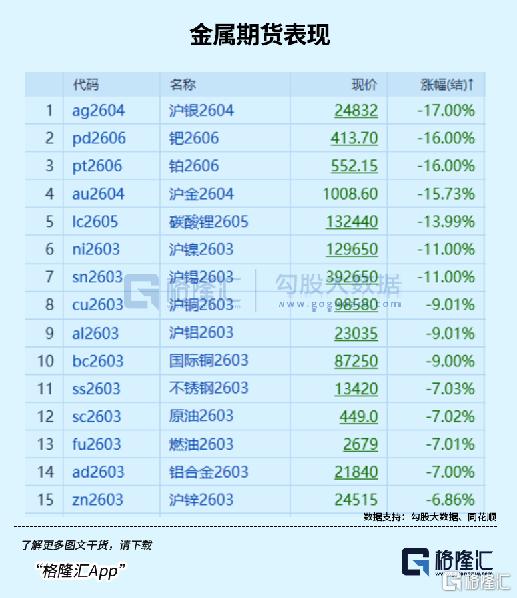
二月交易日刚开启,大A就跌懵了,主要指数均跌超2%。 贵金属板块的大幅回调触发避险情绪,三市成交额也出现明显缩量,超4600只个股下跌。 然而,前期已经经历过调整的白酒、电网设备板块表现坚挺。 365编辑器 板块轮动,开始了吗? 01 订单排到两年后 周末消息非常多。 首先,也是关注度最高的,即国际黄金和白银价格遭遇史诗级暴跌,均创下数十年最大单日跌幅。 | | | 立局前又仅九 | | | | --- | --- | --- | --- | --- | | | 代码 | 名称 | 现价 | 涨幅(结)1 | | -13 | ag2604 | 沪铝2604 | 24832 | -17.00% | | 2 | pd2606 | 第2606 | 413.70 | -16.00% | | 3 | pt2606 | 铂2606 | 552.15 | -16.00% | | 4 | au2604 | 沪金2604 | 1008.60 | -15.73% | | ਦੇ | Ic2605 | 英语2605 | 132440 | -13.99% | | 6 | ni2603 | 沪煌2603 | 129650 | -11.0 ...

崔东树:电动车储能推动分时电价调整 重构新型电力系统机制
智通财经网· 2026-02-02 09:20
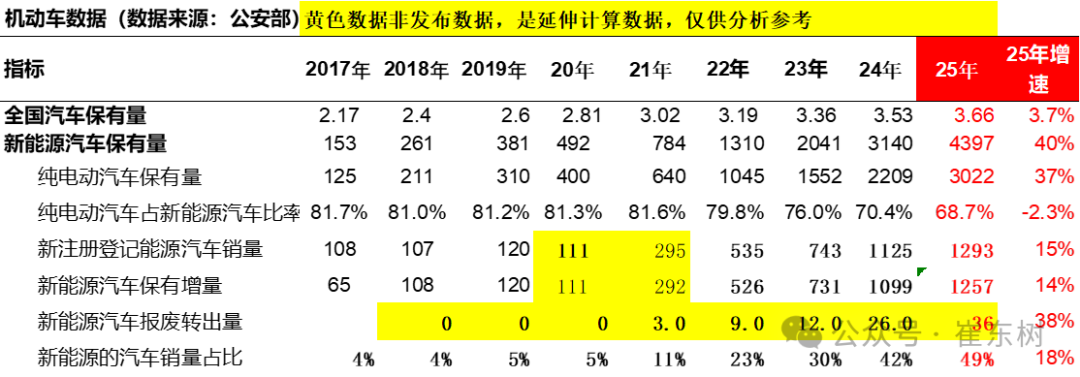
二、电动车保有量高速增长:形成海量分布式移动储能底座 2月2日,崔东树发文称,中国新能源车发展呈现能源生态链的巨大提升效果,目前4397万台电动车保有量,2000GWH的车载电池储能潜力,每天3亿度的 公共充电桩充电量,对中国电力能源起到超强的保驾护航作用。中国电动车保有量爆发式增长催生海量分布式移动储能资源,叠加充电桩规模化布局带来 的负荷调控能力提升,推动电动车储能价值逐步落地并持续释放,崔东树个人认为这是成为分时电价从政府固定核定向市场化动态调整转型的核心驱动力 之一。 今年的分时电价的机制革新,既适配电动车充放电的柔性调节需求,又通过精准价格信号激励电动车参与电网削峰填谷、新能源消纳,二者形成双向赋能 格局;未来随着电动车能源贡献度持续提升,分时电价市场化程度将进一步深化,最终助力新型电力系统构建与"双碳"目标落地,而充电桩的规模化部署 则为这一协同发展路径提供了关键硬件支撑与落地保障。中国为世界能源的绿色环保发展做出巨大的贡献。 一、分时电价政策调整:面向新型电力系统的机制重构 国家发改委、能源局明确,2026年 3月起,工商业充电桩等市场化用户取消固定分时,按电力现货市场供需实时浮动定价;居民家用 ...
十五五电网投资高增,电网ETF(561380)涨超2%
Mei Ri Jing Ji Xin Wen· 2026-02-02 06:04
华福证券指出,十五五期间我国电网建设投资预计超5万亿元,投资总额比"十四五"时期增长40%,聚 焦特高压、配电网、数智化三大核心领域。后续电网投资将系统性投向升级特高压骨干网架、全面改造 城乡配电网以及加速电网数智化转型。具体来看,甘肃巴丹吉林沙漠基地送电四川特高压直流工程环评 受理,线路全长约1460公里,总投资约246亿元,拟于2028年投运。在新型电力系统加速建设的背景 下,到2030年,新型电网平台将支撑新能源发电量占比达到30%左右,接纳分布式新能源能力达9亿千 瓦,支撑充电基础设施超过4000万台,后续配电网及充电基础设施建设将成为重点内容。 电网ETF(561380)跟踪的是恒生A股电网设备指数(HSCAUPG),该指数覆盖中国A股市场中涉及电 力传输、配电系统及相关服务领域的上市公司,旨在反映该行业内企业证券的整体表现。指数成分股具 有鲜明的行业代表性和专业聚焦特征,主要配置在制造业,辅以信息技术与科研服务等行业。 (文章来源:每日经济新闻) ...
中国大唐集团有限公司2026春招启动,六大核心板块诚挚邀约,解锁央企,抓住机遇!。
Sou Hu Cai Jing· 2026-02-02 03:20
Core Viewpoint - The article emphasizes the importance of digitalization and intelligence in reshaping the future of the power system, highlighting China Datang Corporation's commitment to becoming a world-class energy supplier focused on green, low-carbon, and efficient energy solutions [2][53]. Company Overview - China Datang Corporation Limited, established on December 29, 2002, is a centrally managed state-owned enterprise with a registered capital of 37 billion yuan, primarily engaged in electricity, coal, finance, environmental protection, and emerging industries [4][53]. - The company has 46 subsidiaries and two directly affiliated institutions, including five publicly listed companies [4]. Business Operations - China Datang operates the largest thermal power plant in the world and the largest operational wind farm, with a total installed capacity exceeding 200 million kilowatts by the end of 2024 [5]. - The company has a significant presence in 31 provinces and regions in China, as well as in countries like Myanmar, Cambodia, Laos, and Indonesia [5]. Recruitment Information - The 2026 campus recruitment program is aimed at attracting recent graduates to contribute to the new energy system, with a focus on positions in production, technology, and management [54][55]. - The recruitment process includes resume submission, screening, exams, interviews, and health checks [54]. Salary and Benefits - The average annual salary for fresh graduates is around 120,000 yuan, with master's graduates in high-performing units potentially earning between 170,000 to 200,000 yuan [60]. - Benefits include various insurances, housing funds, and allowances, as well as opportunities for professional development and training [61][62][74]. Talent Development - The company promotes a talent philosophy that emphasizes responsibility and opportunity, aiming to create a fair environment for employee growth [74]. - A comprehensive training system is in place, including mentorship programs, personalized development plans, and opportunities for cross-departmental experience [76][80].
湖南橘子洲全年发电量达2.1万千瓦时
Zhong Guo Dian Li Bao· 2026-02-02 02:15
Core Viewpoint - The article highlights the progress of Hunan's new power system construction, particularly focusing on the "Zero Carbon Island" initiative at the Orange Isle, which aims to transform energy structure and usage while showcasing green energy practices to the public [2][3][10]. Group 1: New Power System Construction - The "三区三厅" (Three Zones and Three Halls) initiative includes the Orange Isle demonstration area, the Changsha Airport Economic Demonstration Zone, and the Xiangjiang Science City Demonstration Zone, along with three exhibition halls dedicated to the new power system [3][13]. - The Orange Isle aims to achieve a "Zero Carbon Island" status by accelerating energy structure transformation and integrating new power system achievements into daily life [2][3]. Group 2: Energy Consumption and Emissions - In 2023, the Orange Isle consumed 10.08 million kilowatt-hours of electricity and approximately 219.3 tons of diesel and 40.8 tons of gasoline, indicating a significant carbon footprint prior to the transition [6]. - The area has achieved a reduction of over 5,000 tons of CO2 emissions annually, with PM2.5 concentrations decreasing by nearly 20% [10]. Group 3: Renewable Energy Integration - The Orange Isle has been connected to local renewable energy sources, including a distributed wind farm and a photovoltaic power station, which have supplied nearly 3 million kilowatt-hours of green electricity by mid-2025 [8][9]. - The construction of a diversified distributed energy system includes solar-powered stations and installations on buildings, enhancing the integration of green energy throughout the scenic area [9]. Group 4: Visitor Engagement and Experience - The Zero Carbon Energy Experience Hall has become a popular attraction, with 15,000 visits to its WeChat mini-program and 9,583 on-site visitors in 2025, promoting awareness of green energy [12]. - The experience hall features interactive displays and real-time carbon management data, allowing visitors to understand the processes behind achieving "zero carbon" [11]. Group 5: Future Plans and Developments - Future plans for the Orange Isle include the establishment of a Zero Carbon Power Service Station and the replacement of traditional boats with new energy vessels to further reduce carbon emissions [12]. - The overall construction of the "三区三厅" is progressing, with additional exhibition halls set to open, contributing to Hunan's goal of becoming a regional power exchange hub [13].
全国电力市场交易机制灵活高效
Jing Ji Ri Bao· 2026-02-02 01:48
交易电量规模再创新高—— 全国电力市场交易机制灵活高效 国家能源局近日发布数据显示,2025年,全国电力市场交易电量规模再创新高,累计完成交易电量6.64 万亿千瓦时,同比增长7.4%。国家能源局有关负责人表示,全国统一电力市场建设,有效促进了电力 资源优化配置,平衡了安全保供、绿色转型和价格稳定。 2025年,电力市场建设运行总体呈现三大特征。一是市场化交易电量占比持续提升,占全社会用电量比 重达64.0%,同比提高1.3个百分点。国家能源局市场监管司副司长王云波介绍,这相当于全社会用电量 中,每3千瓦时就有2千瓦时是通过市场化交易完成的,主要是因为省级现货市场连续运行基本全覆盖, 电力中长期市场实现连续运营,市场交易机制愈发灵活高效。 二是跨省跨区交易电量不断增长,达1.59万亿千瓦时,创历史最高水平,同比增长11.6%。南方区域电 力市场启动连续结算运行,长三角电力市场和东北、西北、华中等区域省间电力互济交易机制不断完 善。"三北"地区跨区外送通道度夏高峰时段全部满送,省间现货市场支援川渝等20余个省份电力保供, 畅通电力资源自由流动"大循环"。 2025年,跨电网经营区常态化电力交易机制建立,在国家电 ...
国家发展改革委、国家能源局有关负责同志就完善发电侧容量电价机制答记者问
中国有色金属工业协会硅业分会· 2026-02-02 01:33
Core Viewpoint - The article discusses the recent notification issued by the National Development and Reform Commission and the National Energy Administration to improve the capacity pricing mechanism for power generation, aiming to ensure stable electricity supply and support the green and low-carbon transition of energy systems [1]. Group 1: Reasons for Improving the Capacity Pricing Mechanism - The large-scale development of renewable energy in China has led to its status as the primary installed power source, necessitating the construction of adjustable power sources to ensure stable electricity supply during periods of low renewable output [2]. - The current capacity pricing mechanism faces challenges, including declining operating hours for coal power in some regions and insufficient cost constraints for pumped storage projects, which hinder their effective development [3]. Group 2: Classification and Improvement of Pricing Mechanisms - The notification enhances the existing capacity pricing mechanisms for coal, gas, and pumped storage power, and establishes a new pricing mechanism for grid-side independent new energy storage at the national level [3][4]. - For coal and gas power, the proportion of fixed cost recovery through capacity pricing will be increased to no less than 50%, equating to 165 yuan per kilowatt annually [3][4]. - The pumped storage pricing mechanism will maintain existing prices for projects started before a specific guideline, while new projects will adopt a "one province, one price" approach based on average cost recovery [4][5]. Group 3: Establishment of Reliable Capacity Compensation Mechanism - The reliable capacity refers to the sustained and stable power supply capacity during peak periods, which varies by power generation type. The notification proposes establishing a reliable capacity compensation mechanism to ensure fair compensation based on this metric [6]. Group 4: Optimizations in Market Trading and Pricing Mechanisms - The notification encourages fair participation of pumped storage and new energy storage in the electricity market to enhance price signals and operational efficiency [7]. - It allows local adjustments to the coal power mid-to-long-term market trading price floor, moving away from a uniform 20% reduction from the benchmark price to a more flexible local determination [7][8]. - The notification promotes flexible pricing mechanisms in long-term contracts to better reflect market supply and demand dynamics [8]. Group 5: Impact on End Users - The policy will not affect electricity prices for residential and agricultural users, who will continue to follow existing pricing policies. For commercial users, the adjustments in capacity pricing will balance out, resulting in minimal impact on their electricity costs [10]. Group 6: Positive Effects of the Improved Capacity Pricing Mechanism - The improvements in the capacity pricing mechanism will enhance electricity supply security, promote the role of adjustable power sources, and support the integration of renewable energy, contributing to the green and low-carbon transition [11].

国网抽蓄事业部主任郭炬:新价格机制推动抽水蓄能高质量发展
Zhong Guo Dian Li Bao· 2026-02-02 00:54
Core Viewpoint - The new pricing mechanism for pumped storage hydropower aims to promote high-quality development and transition from a scale-oriented approach to a quality-oriented approach, aligning with the goals of the 20th National Congress of the Communist Party of China [1][6]. Group 1: Market and Pricing Mechanism - The new mechanism enhances the market and pricing framework for pumped storage, integrating it with other resources like coal and gas power, marking a significant leap in the pricing formation mechanism [2][3]. - It emphasizes the strategic role of pumped storage in ensuring grid safety and stability, maintaining policy continuity for existing plants while promoting market-oriented development for new projects [3][5]. Group 2: Industry Development and Management - The new mechanism supports the healthy and orderly development of the pumped storage industry by providing positive price signals and ensuring that existing plants continue to operate under government-approved capacity prices [3][4]. - It encourages improved operational management of pumped storage plants, enhancing their peak output capabilities to address safety challenges posed by large-scale integration of renewable energy [3][4]. Group 3: Market Competition and Efficiency - The mechanism fosters market competition by allowing pumped storage plants to participate in energy and ancillary service markets, with revenues shared based on market performance [4][5]. - It sets a unified provincial capacity pricing mechanism for new plants, incentivizing investment through optimized design and management practices, ultimately benefiting end-users [4][5]. Group 4: Resource Allocation and Planning - The new mechanism guides the scientific layout of pumped storage projects, ensuring that new projects are economically viable and strategically located based on grid needs [5][6]. - It establishes a fair burden-sharing principle for shared capacity resources, facilitating rational investment decisions and promoting competitive development within the industry [5][6].
电煤消费规模是否已经达峰?
ZHONGTAI SECURITIES· 2026-02-02 00:45
Investment Rating - The report maintains a rating of "Buy" for key companies in the coal industry, including China Shenhua, Yanzhou Coal, Shaanxi Coal, and others, while some companies like Huayang Co. and Shanmei International are rated as "Overweight" [4]. Core Insights - The coal consumption scale has reached a peak plateau, with the demand for electricity generated from coal expected to stabilize in the coming years. The report suggests that the traditional growth model of coal-fired power generation may face a turning point due to the increasing share of clean energy [6][7]. - The transition of coal-fired power from a primary energy source to a supporting role in the new energy system is emphasized, with a significant expansion in installed capacity expected in the next few years [6][11]. Summary by Sections 1. Coal-fired Power: Transitioning to Peak Regulation and Support - The role of coal-fired power is shifting towards providing peak regulation and support, with its share in the energy mix declining but still remaining a core component of energy security [6][11]. - Installed capacity of coal-fired power is expected to continue expanding, with projections of new installations reaching 87 GW, 86 GW, and 43 GW from 2026 to 2028, respectively [6][29]. 2. Clean Energy: Becoming the Main Source of New Installations - Hydropower is expected to play a dual role in stable supply and peak regulation, with new installations projected to reach 17 GW, 18 GW, and 33 GW from 2026 to 2028 [7][39]. - Wind power is anticipated to see significant growth, with new installations expected to reach 109 GW, 161 GW, and 193 GW during the same period, reflecting its transition to a primary energy source [7][52]. - Solar energy is entering a stable development phase, with new installations projected at 192 GW, 139 GW, and 153 GW from 2026 to 2028, despite recent challenges in energy consumption and bidding processes [7][59]. 3. Investment Recommendations: Focus on Dividend and Flexibility - The report recommends focusing on companies with strong cash flow stability and dividend potential, such as China Shenhua and Shaanxi Coal, while also highlighting companies like Yanzhou Coal and Huayang Co. as having potential benefits from high coal demand [6][7][8].






两部门发文完善发电侧容量电价机制
Xin Lang Cai Jing· 2026-02-01 23:26
Core Viewpoint - The National Development and Reform Commission and the National Energy Administration have issued a notice to improve the capacity pricing mechanism for power generation, aiming to support the construction of a new energy system and ensure the stable operation of the power system while promoting green economic development [1]. Group 1 - The notice aims to guide the reasonable construction of adjustable power sources and support their role in power regulation during the 14th Five-Year Plan period, establishing capacity pricing mechanisms for coal power and pumped storage, while some provinces are exploring mechanisms for gas power and new energy storage [1][2]. - The current capacity pricing mechanism faces challenges, including a rapid decline in coal power generation hours in some regions and insufficient support from existing pricing levels, which may hinder the scientific layout and cost-effectiveness of pumped storage projects [2]. - The notice specifies that the proportion of fixed cost recovery for coal power units through capacity pricing will be raised to no less than 50%, equating to 165 yuan per kilowatt annually, and a capacity pricing mechanism for gas power will be established based on coal power pricing methods [2][3]. Group 2 - The notice requires the orderly establishment of a reliable capacity compensation mechanism, which measures the peak capacity of power generation units during peak demand periods, allowing for fair compensation based on this metric without differentiating between types of units [3]. - The establishment of a reliable capacity compensation mechanism is expected to promote fair competition among different technology types and drive high-quality development in the industry, aligning with practices in mature electricity markets [3].