
新消费

Search documents
海外周报:美团App升级上线AI搜索功能,飞猪平台春节假期入境游机票预订量增长超4倍-20260126
HUAXI Securities· 2026-01-26 02:40
Group 1: Meituan App Upgrade - Meituan App has launched an AI search feature called "Ask Meituan," enhancing user experience by providing accurate local information for dining, entertainment, and services [1][9][11] - The upgrade aims to address user pain points in local consumption decisions, ensuring timely and accurate information to avoid discrepancies between online listings and actual conditions [10][12][13] - The AI model integrates various data sources to deliver personalized recommendations, significantly improving the decision-making process for users [11][12][15] Group 2: Fliggy's Travel Market Insights - Fliggy reports a significant increase in inbound travel ticket bookings, with a growth of over 4 times compared to the previous year, driven by the upcoming Spring Festival holiday [2][18] - The demand for cross-border travel has surged, with outbound service bookings increasing by nearly 40% in recent weeks, and student travel contributing to a 20% year-on-year rise in domestic flight bookings [2][18] - Popular destinations for travel during the Spring Festival include major cities like Beijing, Shanghai, and Guangzhou, with a notable increase in high-star hotel bookings and experiential travel services [18][19] Group 3: NetEase Cloud Music and Universal Music Group Partnership - NetEase Cloud Music has renewed a multi-year strategic agreement with Universal Music Group, ensuring continued access to a vast library of licensed music for users [3][21] - The partnership will enhance collaboration in music products, services, and artist promotion, reflecting a commitment to providing quality content to a young audience [21][22] Group 4: Investment Recommendations - The report suggests that the "AI+" trend is catalyzing valuation optimization in Hong Kong stocks, with new industry leaders emerging in the changing consumer landscape [4][6] - Beneficiary stocks include Alibaba, Tencent, Kuaishou, and Meituan in the internet and technology sector, as well as new consumer leaders like Pop Mart and Ctrip [4][6]
传统消费正淡出公募十大重仓股 新生代基金经理偏爱新消费
Zheng Quan Shi Bao Wang· 2026-01-25 23:26
Core Insights - The latest 2025 public fund quarterly report reveals a significant shift in the top ten holdings of active equity funds, with technology and new energy stocks occupying nine positions, while only one position is held by Kweichow Moutai (600519) [1] Group 1: Market Trends - The change in top holdings reflects a divergence in the public consumption sector, where some funds continue to invest heavily in traditional consumer stocks, with certain liquor stocks being held for 36 consecutive quarters [1] - New consumption trends driven by collectibles, the millet economy, and medical beauty are gaining popularity among a new generation of fund managers [1]

一周新消费NO.345|六个核桃官宣马丽为品牌代言人;「认养一头牛」官宣品牌代言人赵丽颖
新消费智库· 2026-01-25 13:03
New Product Launches - Water Otter launched its first low GI fiber fruit tea, featuring a blend of seven NFC fruit and vegetable juices for a naturally sweet taste [2] - Mengniu introduced a new light yogurt bowl with reduced sugar content (25%) and approximately 282 kcal per serving, suitable for fitness and meal replacement [2] - White Elephant entered the health tea market with its new "Eighteen Tea," emphasizing clean ingredients and a visually appealing design [2] - Fengxing released a new "Ginger Scallion White Cut Chicken Flavor Milk," suitable for social gatherings and afternoon tea [3] - Yili launched multiple ice cream products, including various flavors that highlight quality milk sources and real fruit ingredients [5] - PepsiCo collaborated with the Chinese animation "Little Monster's Summer" to launch a themed can featuring popular characters [5] - Woji Fresh and Xiaohongshu introduced "Mahjong Cookies," made with New Zealand whole milk powder and zero trans fats [5] - Yuanqi Forest launched an apple hawthorn juice, fermented with probiotics and featuring a blend of apple and hawthorn juices [8] - Hema introduced a new low-sugar taurine-flavored beverage, suitable for outdoor activities and long drives [8] Brand Endorsements - Six Walnuts announced actress Ma Li as its brand ambassador, promoting a positive New Year message [33] - "Adopt a Cow" appointed actress Zhao Liying as its brand ambassador, with projected revenue exceeding 7 billion yuan in 2025 [33] - Zegna announced actor Chen Weiting as its global ambassador, enhancing its brand image in contemporary menswear [33] Industry Developments - JD's Seven Fresh Kitchen established a new company in Xiamen, focusing on food services and internet sales [10] - Chow Tai Fook opened a flagship store in Bangkok's Siam Paragon, showcasing Chinese craftsmanship and aesthetics [13] - Meituan Travel launched a "Safe Travel Plan" for seniors, providing free guidance services for passengers aged 55 and above [10] - Bosideng entered the Parisian market with a new high-end product line, collaborating with British designer Kim Jones [10] Investment and Financing - Boyu Capital acquired a 75% stake in Beijing Badaling Outlet, continuing its investment strategy in retail [20] - L Catterton invested in the high-end perfume brand Ex Nihilo, anticipating significant retail growth by 2025 [22] - OMOWAY completed a multi-million dollar Pre-A round financing, focusing on product delivery and global market expansion [22] - NoBull raised $50 million, achieving a valuation of $1 billion, with plans to expand into the nutrition sector [22] - Fangyuan Capital announced the acquisition of 92% of Jixiangju, a pickled vegetable and seasoning company [22]

2100亿,一个超级IPO要来了
凤凰网财经· 2026-01-25 12:01
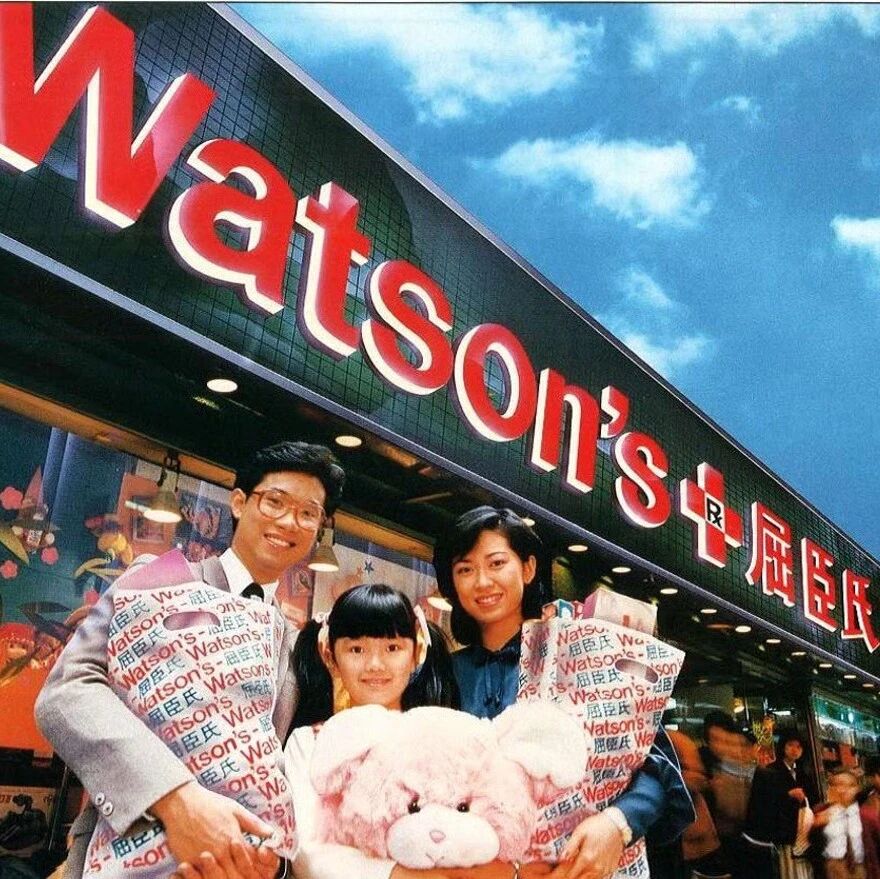
Core Viewpoint - The article discusses the high gross margins of the beauty and personal care sector compared to other fast-moving consumer goods (FMCG), highlighting the potential for investment in companies like Watsons, which is planning an IPO with a target valuation of approximately $30 billion [1][2]. Group 1: Market Overview - The beauty and personal care products generally maintain gross margins above 60%, with leading brands like Estée Lauder achieving a gross margin of 74% in their latest financial report [1]. - In the global FMCG market, food and beverages account for 55% of sales, while beauty and personal care hold about 20% market share, which could rise to 40% when including home care and over-the-counter health products [1]. Group 2: Watsons' IPO Plans - Watsons Group, a subsidiary of CK Hutchison Holdings, is preparing for an IPO, with reports indicating a target valuation of approximately $30 billion (around 208.8 billion RMB) [2]. - The company has engaged Goldman Sachs and UBS as underwriters for the IPO, which may take place in Hong Kong or London, with expectations for the listing to occur as early as the second quarter of this year [2]. Group 3: Historical Context and Strategic Moves - Watsons previously sought an IPO in 2013, claiming to be the largest beauty and personal care retailer in Asia and Europe, with over 10,500 stores and an EBITDA of $1.64 billion in 2012 [3]. - The company shifted its strategic focus from Europe to mainland China, where it saw significant revenue growth, contributing 24% of total revenue despite only having 13% of its stores in that market [4]. Group 4: Recent Performance and Challenges - By 2021, Watsons had expanded to 16,398 stores globally, but growth in mainland China slowed significantly, with a drop in store count and revenue in 2022 and 2023 [11]. - In 2023, Watsons reported a revenue of 16.453 billion HKD in mainland China, a decline of 6% year-on-year, marking the first negative growth in store count in nine years [11]. Group 5: Future Outlook and Investor Sentiment - The upcoming IPO is seen as a favorable exit opportunity for investors, with expectations of raising at least $2 billion and a potential valuation increase of 33% for Temasek's investment [16]. - The retail business of CK Hutchison, which includes Watsons, reported a revenue of 99 billion HKD in the first half of 2025, reflecting a 41% year-on-year growth, driven by strong performance in beauty and personal care sectors [15].
公募去年四季度亏超千亿终结七连盈,科技周期成加仓核心
Di Yi Cai Jing· 2026-01-25 12:00
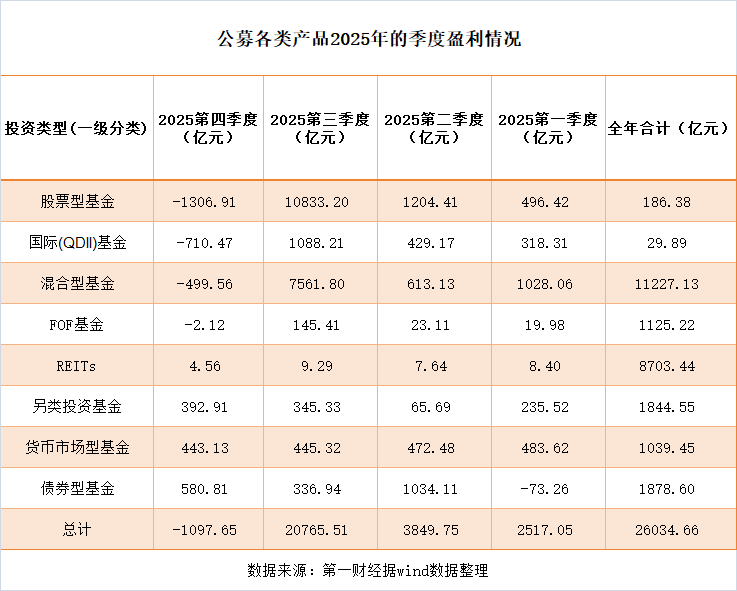
Core Insights - The public fund industry in China achieved a record profit of 2.6 trillion yuan in 2025, recovering from a cumulative loss of 1.87 trillion yuan from 2022 to 2023 [1][2] - Despite a loss of approximately 110 billion yuan in Q4 2025, the overall annual performance marked a significant recovery for the industry [2][3] Fund Performance - In Q4 2025, public funds reported a total loss of 1,097.65 billion yuan, ending a streak of seven consecutive profitable quarters [2][3] - Equity funds were the hardest hit, with a combined loss of 1,306.91 billion yuan in Q4, while mixed funds lost 499.56 billion yuan [3][4] - For the entire year, equity funds still managed to generate a profit of 1.99 trillion yuan, despite the Q4 downturn [4] Product Categories - QDII funds and FOF funds also faced losses in Q4, amounting to 710.47 billion yuan and 2.12 billion yuan respectively, but ended the year with profits of 1,125.22 billion yuan and 186.38 billion yuan [4] - Fixed-income products, including bond and money market funds, contributed significantly to profits, with bond funds earning 580.81 billion yuan and money market funds 443.13 billion yuan [4] Fund Company Performance - Among 167 fund companies, 108 reported positive profits, with over 60% achieving profitability [5] - Notable performers included Guotou Ruijin Fund, which led the industry with a profit of 72.82 billion yuan [5] Stock Holdings Adjustments - Public funds increased their holdings in 83 new stocks by the end of Q4 2025, with a focus on technology and cyclical sectors [7] - Ningde Times remained the top holding stock, despite a reduction of 1,993 million shares, while Zhongji Xuchuang became the most held stock among active funds [10][11] Sector Focus - The communication sector, particularly in optical modules, saw increased institutional investment, with Zhongji Xuchuang and Xinye Technology becoming top holdings [10] - The top three sectors for public fund investments were electronics, power equipment, and communication, with significant capital allocated to these areas [13]


融信海创荣获艾媒咨询颁发“2025年中国新消费卓越品牌奖”
Sou Hu Cai Jing· 2026-01-25 09:46
Group 1 - The core theme of the event was "Rising Against the Trend, Breaking Through Growth," highlighting the recognition of the immigration service sector's excellence and brand influence through the award received by Rongxin Haichuang [1][4] - Rongxin Haichuang was awarded the "2025 China New Consumption Excellence Brand Award," reflecting the industry's acknowledgment of its professional service capabilities and brand value [1][3][4] - The award was based on a comprehensive evaluation system developed by iiMedia Research, which assesses various indicators such as corporate strength, brand awareness, service reputation, and innovation capability [3][4] Group 2 - The CEO of iiMedia Research, Dr. Zhang Yi, emphasized a significant shift in consumer behavior from "functional satisfaction" to "emotional resonance," aligning with the evolving needs in the immigration service industry [3] - The immigration planning has expanded beyond mere identity acquisition to encompass family planning, cultural identity, and global layout, indicating a comprehensive approach to client needs [3][7] - Rongxin Haichuang aims to provide a one-stop service system covering "identity planning + cross-border living," assisting clients in achieving more freedom and ease in a globalized context [7] Group 3 - The company has successfully assisted over 20,000 families with an approval rate of 89%, establishing a strong reputation in the immigration service industry through customized professional services [9] - The company is committed to enhancing service professionalism, standardization, and personalization, driven by its mission to simplify immigration and facilitate talent development [7]

连续36个季度重仓贵州茅台!公募的白酒坚守与困境,如何突围?
券商中国· 2026-01-25 07:54
Core Viewpoint - The latest public fund top ten heavy stocks show a significant shift, with AI technology and new energy stocks occupying nine positions, leaving only one for Kweichow Moutai, indicating a divergence in the consumer sector [1][2]. Group 1: Changes in Fund Holdings - As of 2025, only Kweichow Moutai remains among the top ten heavy stocks in public active equity funds, with the other nine being tech and new energy companies like Zhongji Xuchuang and Ningde Times [2]. - In Q4 2021, three liquor stocks were among the top ten heavy stocks, including Moutai and Wuliangye, which were key players in the previous structural market [2]. - By the end of 2025, 1,048 funds held Kweichow Moutai, with a total market value of 118.203 billion yuan, ranking fourth among the top ten heavy stocks [2]. Group 2: Performance of Traditional Consumer Funds - Some funds have been loyal to traditional liquor stocks, with E Fund Blue Chip Select holding Kweichow Moutai for 29 consecutive quarters and Invesco Great Wall New Growth for 36 quarters [3]. - Many funds focusing on traditional consumption have seen poor performance, with some funds losing over 30% since inception and others reporting negative returns for four consecutive years [3]. - Fund managers focusing on traditional consumption often neglect to analyze their heavy holdings, instead discussing macroeconomic factors, which may indicate a disconnect from their investment strategies [3]. Group 3: Emergence of New Consumption Trends - New consumption trends, such as collectible toys and the "millet economy," have gained traction, with funds increasingly investing in these areas, while traditional consumer funds remain unresponsive [4][5]. - For example, Pop Mart has 123 funds holding it, with significant positions taken by active equity funds that are not traditional consumer funds [5]. - The divide between new and old consumption is perceived as non-existent, with both being products of changing market demands and technological advancements [5][6]. Group 4: Future Consumption Opportunities - Consumption remains a vital driver of economic growth, with expectations for service consumption in entertainment, gaming, and tourism to provide new investment opportunities [6][7]. - Fund managers suggest that the previous optimism surrounding traditional consumption stocks may be misplaced, advocating for a focus on emerging sectors like gaming and sports as new growth areas [7]. - The integration of technology and manufacturing is expected to create synergies, particularly in the robotics sector, which is becoming increasingly relevant across various industries [7].

2100亿,一个超级IPO要来了
投中网· 2026-01-25 07:05
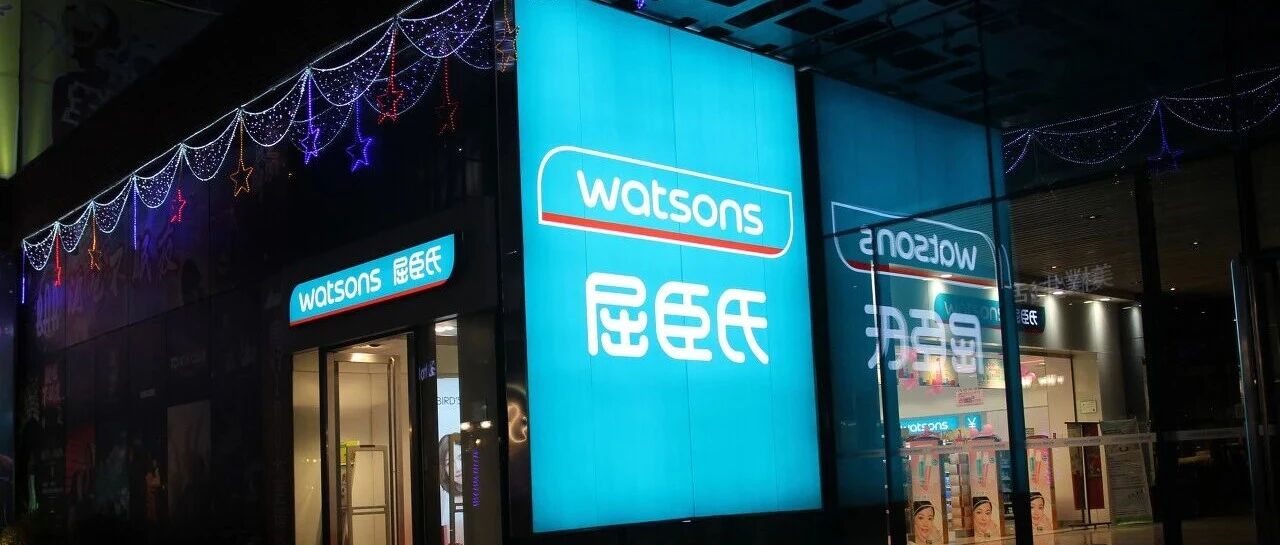
Core Viewpoint - The current moment may represent the best exit opportunity for investors in the past decade, particularly with the upcoming IPO of Watsons Group, which is expected to be valued at $30 billion (approximately 208.8 billion RMB) [4][19]. Group 1: Market Insights - In the fast-moving consumer goods (FMCG) sector, beauty and personal care products have the highest gross margins, typically exceeding 60%, compared to food and beverage products, which generally maintain margins of 30% to 40% [3]. - The beauty and personal care segment holds approximately 20% of the global FMCG market share, with the potential to rise to 40% when including home care and over-the-counter health products [3]. Group 2: Watsons Group IPO Details - Watsons Group is preparing for an IPO, having engaged Goldman Sachs and UBS as underwriters, with potential listings in Hong Kong and London [4]. - The IPO is anticipated to occur as early as the second quarter of this year, with a target valuation of $30 billion [4]. Group 3: Historical Context and Strategic Moves - Watsons previously sought an IPO in 2013, claiming to be the largest beauty and personal care retailer in Asia and Europe, with over 10,500 stores and an EBITDA of $1.64 billion in 2012 [6]. - In 2014, Watsons opted for strategic investment from Temasek, raising 44 billion HKD (approximately 39.2 billion RMB) for a 25% stake, which was seen as a premium investment [7][8]. Group 4: Recent Performance and Challenges - By 2021, Watsons had expanded to 16,398 stores globally, with 4,179 in mainland China, but faced a decline in growth rates, dropping from 17% in 2012 to 3% in 2019 [13]. - In 2023, Watsons reported a revenue of 16.453 billion HKD in China, a 6% decline year-on-year, marking the first negative growth in store numbers in nine years [13]. Group 5: Future Outlook and Strategic Adjustments - Watsons is planning to open approximately 3,800 new style stores globally by 2025, with an investment of $250 million, indicating a significant strategic shift [17]. - The retail business of the parent company, CK Hutchison, is showing signs of recovery, with a 41% year-on-year revenue increase in the first half of 2025, driven by strong growth in beauty and personal care sectors [18].
贝佐斯:人生关键时刻,要相信自己的直觉……
聪明投资者· 2026-01-25 02:03
Group 1 - The core viewpoint of the article emphasizes the importance of identifying "expectation gaps" in investment opportunities, particularly in the context of discussions among private equity leaders [4] - Jamie Dimon, CEO of JPMorgan Chase, shared insights about the recruitment of Todd Combs, a former investment manager for Warren Buffett, highlighting the significance of safety and resilience in investment strategies [2] - The article mentions various discussions and forums featuring key figures in private equity, indicating a vibrant exchange of ideas regarding future investment landscapes [3] Group 2 - Notable discussions include insights from Zhao Jun and Tao Dong on investment opportunities in 2026, suggesting that the Chinese market may present unique advantages [4] - GMO's Jeremy Grantham continues to express skepticism about the U.S. stock market, predicting a low probability of an AI bubble bursting [4] - The article also references a "super cycle" in the power grid sector, indicating potential structural investment opportunities [4]


非遗和“国潮”拉满体验感
Liao Ning Ri Bao· 2026-01-25 00:54
Core Insights - The "Ninety-Nine Consumption Season" in Liaoning will launch a themed consumption activity called "Five-Nine" on January 26, focusing on intangible cultural heritage, "Guochao" consumption, and livelihood discounts to stimulate winter consumption potential [1] Group 1: Thematic Activities - The event will feature various cultural and consumption experiences, including traditional customs, intangible cultural creations, and specialty dining, with discounts and cultural experience projects to promote the integration of "old customs" and "new consumption" [1] Group 2: Participation and Coverage - Local businesses across various sectors, including retail, dining, tourism, and automotive, will participate by offering discounts, rebates, and subsidies to enhance the impact of the "Ninety-Nine Consumption Season" and boost the winter consumption market [2] - Major attractions and commercial complexes will launch promotional activities, including special ticket offers and cultural performances, to enrich consumer experiences [2] - Financial institutions, such as Postal Savings Bank of Liaoning, will introduce various consumer discounts and services to support over 20,000 merchants, enhancing policy coverage and convenience [2]