能源强国

Search documents
贾玮:凝聚青年力量,共筑新型能源体系
中国能源报· 2025-12-05 11:50
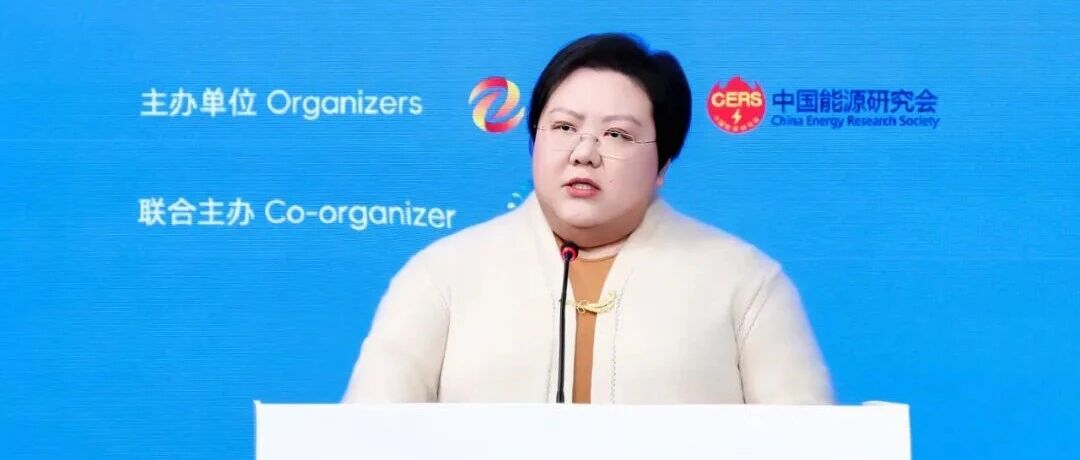
12月4日,2025第八届中国能源产业发展年会在北京举行。年会以"构建新型电力体系 建设能源强国"为主题。本届年会由中国能源 报、中国能源研究会主办,G20青年企业家联盟中国总部联合主办,中央和国家机关有关部门负责同志、外国驻华使节、地方政府主管 部门代表、中外企业负责人和专家学者等参加论坛。 G20青年企业家联盟中国总部主席贾玮出席会议并致辞。 以下为发言内容整理 当前,全球能源体系正经历深刻转型,中国在其中发挥着重要作用。这场电力变革涉及技术、产业和全球格局的多方面演进,中国坚持 统筹能源安全与绿色低碳发展。我们必须立足本国实际,坚决保障国家能源安全;同时,也要把握全球绿色科技发展机遇,积极参与国 际竞争与合作。 在这一历史性进程中,青年企业家发挥着日益重要的作用。他们既是时代发展的见证者,更是推动进步的重要力量。G20青年企业家联 盟作为国际性青年商业领袖组织,其中国总部始终致力于搭建中外交流合作的桥梁。我们认识到,构建新型电力系统必须坚持开放态 度,吸收借鉴国际经验。G20青年企业家联盟中国总部将持续推动这一方向的国际合作与知识共享。 第一,成为"中国方案"的推广者。 今天的中国,在新型电力系统的构建 ...

“十五五”规划建议首提“能源强国”的底气
Xin Jing Bao· 2025-12-05 11:02
能源体系深化转型的未来动能也已蓄势待发。 "加快建设新型能源体系。持续提高新能源供给比重,推进化石能源安全可靠有序替代,着力构建新型 电力系统,建设能源强国"——日前发布的"十五五"规划建议中,16个"强国"建设目标中的一项即建设 能源强国。这也是能源强国首次出现在五年规划里。 "十五五"是实现碳达峰的关键期和窗口期,站在这一节点上,提出建设能源强国的目标有何意义? 建设能源强国的现实基础已经具备 为何在此刻提出建设能源强国,离不开来自国内外两个层面的背景。向外看,全球能源供需格局深度调 整,能源已成为国家安全和战略博弈的优先领域;向内看,"十五五"期间我国能源消费将持续刚性增 长,同时面临绿色转型与产业升级的迫切需求。 因此,提出"能源强国"是回应时代挑战、兼顾能源安全、绿色转型、科技自立与产业竞争力的综合战略 升级。 回顾过去的五年,建设能源强国的现实基础已经具备。 国家能源局局长王宏志表示,"十四五"是绿色低碳转型最快的五年,我们构建起全球最大、发展最快的 可再生能源体系,可再生能源发电装机占比由40%提升至60%左右,风电光伏每年新增装机先后突破1 亿千瓦、2亿千瓦、3亿千瓦关口,实现台阶式跃升发展, ...
史玉波:构建新型电力系统是实现能源强国目标的必由之路
中国能源报· 2025-12-05 04:59
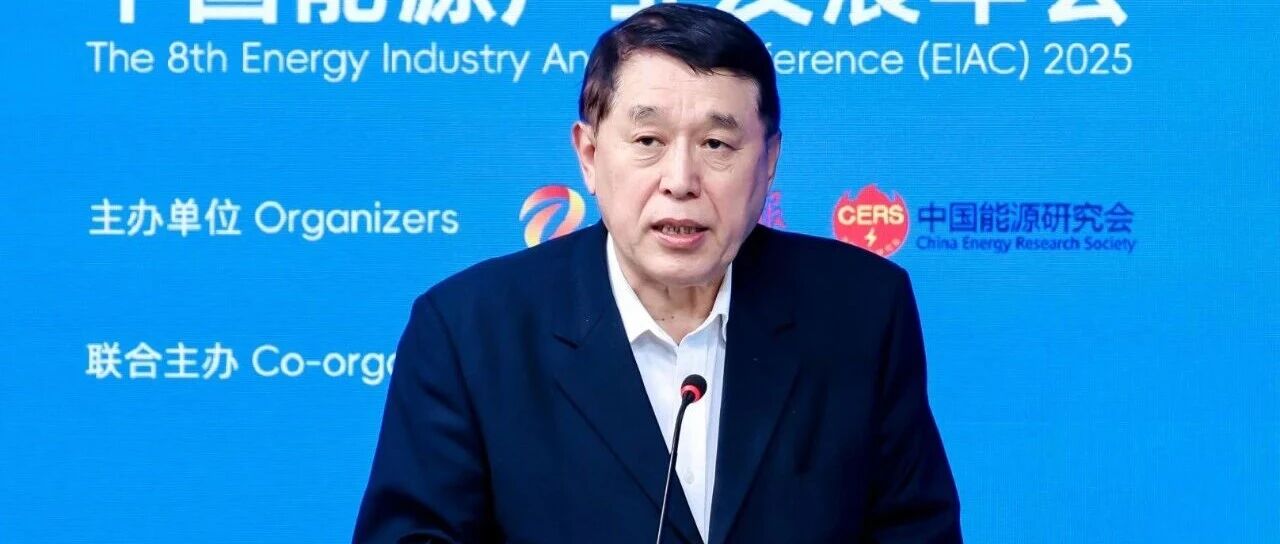
12月4日,2025第八届中国能源产业发展年会在北京举行。年会以"构建新型电力体系 建设能源强国"为主题。本届年会由中国能源 报、中国能源研究会主办,G20青年企业家联盟中国总部联合主办,中央和国家机关有关部门负责同志、外国驻华使节、地方政府主管 部门代表、中外企业负责人和专家学者等参加论坛。 中国能源研究会理事长史玉波出席会议并致辞。 以下为发言内容整理 当前,我国能源发展正处在历史性跨越的关键阶段。党的二十届四中全会通过的《中共中央关于制定国民经济和社会发展第十五个五年 规划的建议》明确提出, 加快建设新型能源体系。持续提高新能源供给比重,推进化石能源安全可靠有序替代,着力构建新型电力系 统,建设能源强国。 这为推动"十五五"时期能源高质量发展绘就了清晰蓝图、提供了根本遵循。 "建设能源强国"这一战略目标,蕴含着对我国经济社会发展全局的深远考量,彰显了对全球能源变革趋势的精准把握。这一目标的提 出,标志着我国能源战略实现了从跟跑到领跑的历史性转折——我们不仅要筑牢坚实可靠、安全韧性的能源供给保障体系,更要在能源 科技自主创新、能源高效利用、产业迭代升级中抢占全球制高点,全力建成清洁低碳安全高效的新型能源体 ...
2025第八届中国能源产业发展年会在京举行
Ren Min Ri Bao· 2025-12-04 22:16
党的二十届四中全会《建议》提出,加快建设新型能源体系。持续提高新能源供给比重,推进化石能源 安全可靠有序替代,着力构建新型电力系统,建设能源强国。与会嘉宾认为,构建新型电力系统与建设 能源强国是战略目标与实施路径的深度绑定,建设能源强国是引领电力系统变革的顶层设计,构建新型 电力系统是实现能源强国的必由之路。新型电力系统作为新型能源体系的支撑和关键枢纽,通过关键技 术突破与产业升级,夯实能源强国的技术根基与产业实力。 《 人民日报 》( 2025年12月05日 06 版) 本报北京12月4日电 (渠沛然)12月4日,2025第八届中国能源产业发展年会在北京举行。年会以"构建 新型电力体系 建设能源强国"为主题。 (责编:牛镛、岳弘彬) 关注公众号:人民网财经 本届年会由中国能源报、中国能源研究会主办,G20青年企业家联盟中国总部联合主办,并设置"中东 能源投资论坛"等活动。中央和国家机关有关部门负责同志、外国驻华使节、地方政府主管部门代表、 中外企业负责人和专家学者等参加论坛。 ...
媒体报道︱“十五五”规划建议首次出现,建设“能源强国”
国家能源局· 2025-12-03 10:40
Core Viewpoint - The construction of an energy powerhouse is essential for coordinating domestic and international needs, development and security, and advancing Chinese-style modernization [2] Group 1: Energy Supply and Demand - The global energy supply and demand landscape is undergoing significant adjustments due to geopolitical factors, climate change, and energy transition, making energy issues a priority for national security [2] - During the "14th Five-Year Plan" period, China's energy consumption is expected to continue its rigid growth, with an anticipated annual increase of approximately 600 billion kilowatt-hours [2] - China must shift from a high-energy consumption and high-emission model to a green and low-carbon development path, given its population of over 1.4 billion [2] Group 2: Energy Industry Development - China has established itself as the world's largest energy producer, maintaining an energy self-sufficiency rate of over 80% [3] - The country has built the largest and most complete new energy industrial chain globally, providing over 80% of the world's photovoltaic components and 70% of wind power equipment [3] - Significant breakthroughs have been made in energy technologies and equipment, particularly in hydropower, advanced nuclear power, heavy-duty gas turbines, and smart grids [3] Group 3: Systematic Engineering Approach - The construction of an energy powerhouse is a systematic project that requires a balanced approach, emphasizing stability and progress [3] - The relationship between energy security and transition must be managed carefully, with a focus on gradual and orderly phasing out of traditional energy while promoting new energy sources [3] - Energy development must also consider energy conservation, advocating for green and low-carbon production and lifestyle practices [3] Group 4: Government and Market Relations - There is a need to deepen market-oriented reforms in competitive energy sectors and improve energy pricing mechanisms to stimulate internal motivation and innovation [4] - The new energy system will accelerate the construction of a clean, low-carbon, safe, and efficient energy framework during the "15th Five-Year Plan" period [4]
五年规划建议为何首提能源强国
Ren Min Ri Bao· 2025-12-03 00:45
Core Viewpoint - The construction of an energy powerhouse is essential for balancing domestic and international needs, development and security, and advancing Chinese-style modernization [1][2]. Group 1: Energy Supply and Demand - The global energy supply and demand landscape is undergoing significant adjustments due to geopolitical factors, climate change, and energy transition, making energy a priority for national security [1]. - During the "14th Five-Year Plan" period, China maintained its position as the world's largest energy producer, with an energy self-sufficiency rate above 80% [2]. - Energy consumption in China is expected to continue its rigid growth, with an estimated annual increase of approximately 600 billion kilowatt-hours [1]. Group 2: Energy Transition Strategy - The construction of an energy powerhouse involves building a robust energy industry chain and innovation system, emphasizing a mix of energy sources including wind, solar, hydro, and nuclear [1][2]. - The transition to green and low-carbon development is crucial, requiring a shift from high-energy consumption and high-emission practices of developed countries [1]. - The relationship between energy security and transition must be managed carefully, with a focus on orderly phasing out traditional energy while promoting the rapid establishment of renewable energy sources [2]. Group 3: Energy Efficiency and Market Reform - The development of an energy powerhouse requires attention to both supply-side green energy development and demand-side energy efficiency improvements [2]. - The government aims to deepen market-oriented reforms in competitive energy sectors and improve energy pricing mechanisms to stimulate innovation and internal motivation [3]. - A new clean, low-carbon, safe, and efficient energy system will be accelerated during the "15th Five-Year Plan" period, focusing on maximizing the utilization of renewable energy sources [3].
五年规划建议为何首提能源强国(观象台)
Ren Min Ri Bao· 2025-12-02 22:33
Core Viewpoint - The construction of an energy powerhouse is essential for balancing domestic and international needs, development and security, and advancing Chinese-style modernization [1][2]. Group 1: Energy Supply and Demand - The global energy supply and demand landscape is undergoing significant adjustments due to geopolitical factors, climate change, and energy transition, making energy a priority for national security [1]. - During the "14th Five-Year Plan" period, China maintained its position as the world's largest energy producer with an energy self-sufficiency rate above 80% [2]. - Energy consumption in China is expected to continue its rigid growth, with an estimated annual increase of approximately 600 billion kilowatt-hours [1]. Group 2: Energy Transition Strategy - The construction of an energy powerhouse involves building a robust energy industry chain and innovation system, emphasizing a mix of energy sources including wind, solar, hydro, and nuclear [1][2]. - The transition to green and low-carbon development is crucial, requiring a gradual and orderly phase-out of traditional energy while promoting the rapid establishment of renewable energy sources [2]. - The relationship between energy development and energy conservation must be balanced, focusing on both supply-side green energy development and demand-side energy efficiency improvements [2]. Group 3: Market and Government Relations - The deepening of market-oriented reforms in competitive energy sectors and the improvement of energy pricing mechanisms are necessary to stimulate internal motivation and innovation [3]. - The construction of a clean, low-carbon, safe, and efficient new energy system will accelerate, with a focus on converting more renewable energy sources into green energy [3].
从院士增选名单看能源创新体系之变
中国能源报· 2025-11-29 11:51
Group 1 - The article highlights the significant increase in the number of academicians from private enterprises, with three experts, including Wu Kai from CATL, being elected as academicians of the Chinese Academy of Engineering, marking a record for private enterprise representation [1] - The energy sector in China has made substantial progress since the 14th Five-Year Plan, with national electricity generation exceeding 10 trillion kilowatt-hours in 2024, accounting for one-third of global production [3] - The share of renewable energy generation capacity has increased from 40% to around 60%, with wind and solar power installations seeing annual increases surpassing 100 million and 200 million kilowatts respectively [3] Group 2 - The shift in the national innovation strategy emphasizes the importance of technological breakthroughs and industrial upgrades, moving beyond traditional academic achievements [6] - Private enterprises are becoming key players in the energy sector, particularly in wind and solar energy, with 60% market share in wind turbine manufacturing and a majority presence in photovoltaic equipment manufacturing [4] - CATL's initiatives in battery technology, particularly in lithium-ion batteries, have led to significant advancements, including achieving an energy density of over 300Wh/kg [7] Group 3 - The upcoming 15th Five-Year Plan aims to enhance the supply of renewable energy and transition from fossil fuels, indicating a shift from scale expansion to value cultivation in the energy industry [9] - The Chinese government is actively supporting private enterprises in energy investments and encouraging participation in energy technology strategic planning [9] - CATL is aligning its strategies with national energy goals, focusing on integrated renewable energy solutions and establishing zero-carbon industrial parks in various regions [9]


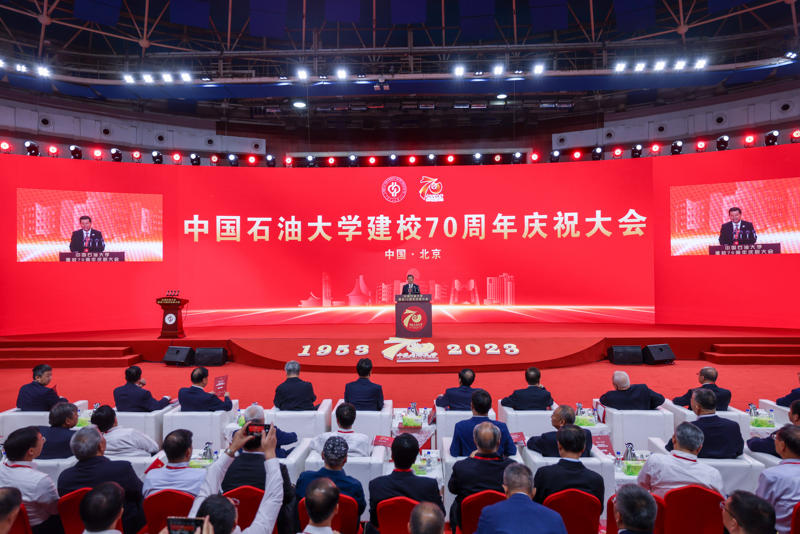
“十四五”首都高校答卷|中国石油大学(北京)助力建设能源强国
Xin Jing Bao· 2025-11-28 10:17
Core Insights - China University of Petroleum (Beijing) has made significant contributions to national strategies and energy security over the past decade, particularly through its development in the Xinjiang region [1][10] - The university has established new academic programs and research initiatives focused on carbon neutrality and energy transition, aligning with national energy policies [3][4] - The institution aims to cultivate top-tier talent in energy sectors, enhancing its educational framework to meet the demands of the industry and national needs [6][8] Group 1: Educational Development - The university has expanded its academic offerings, including the establishment of the Carbon Neutral Future Technology College and the Smart Oil and Gas Modern Industry College, to address future energy transformation needs [3] - New undergraduate programs such as Carbon Storage Science and Engineering have been approved, positioning the university among the first to offer such courses in China [4] - The institution has implemented innovative training models, focusing on project-based education to develop urgently needed talents in the energy sector [6] Group 2: Research and Innovation - The university has developed a comprehensive energy discipline layout, including new fields like clean energy and intelligent technology, to support national strategic tasks [3][4] - It has established key laboratories and research centers focusing on critical technologies in oil and gas, contributing to national projects and enhancing its research capabilities [7] - The university's efforts in carbon neutrality and clean energy have positioned it as a leader in sustainable technology, ranking 17th globally in this field [3] Group 3: Regional and National Impact - The university is actively contributing to the development of the Beijing region's energy industry, aligning its educational programs with local industrial needs [4][8] - It has fostered partnerships with major energy companies to create a collaborative educational ecosystem, enhancing the practical training of students [6] - The university's initiatives in Xinjiang aim to support local development and retain talent in the region, with a significant percentage of graduates choosing to work in the area [8][10]

国家能源局组织召开全国可再生能源电力开发建设11月调度视频会
国家能源局· 2025-11-27 13:31
Core Insights - The meeting highlighted the steady growth and breakthroughs in China's renewable energy sector from January to October 2025, with a total installed capacity reaching 2.22 billion kilowatts, accounting for nearly 60% of the national total [2] - Renewable energy generation reached 3.21 trillion kilowatt-hours, representing about 40% of the national total, surpassing the combined electricity consumption of the tertiary industry and urban-rural residents [2] - Wind and solar power generation amounted to 1.89 trillion kilowatt-hours, making up 23.5% of the national electricity generation, demonstrating significant contributions to supply security and transformation [2] Group 1 - The meeting emphasized the importance of implementing the spirit of the 20th Central Committee's Fourth Plenary Session and promoting high-quality development of renewable energy through systematic and innovative thinking [3] - The "14th Five-Year Plan" is nearing completion while the "15th Five-Year Plan" is beginning, necessitating a focus on three key areas: ensuring the implementation of policies, coordinating local energy responsibilities, and planning for future projects [3] - The meeting called for local energy authorities to monitor the implementation of policies closely and balance renewable energy consumption responsibilities with economic capabilities to ensure orderly progress [3] Group 2 - The meeting was attended by representatives from various governmental and industry organizations, including the National Development and Reform Commission, the National Energy Administration, and several energy-related associations [4]