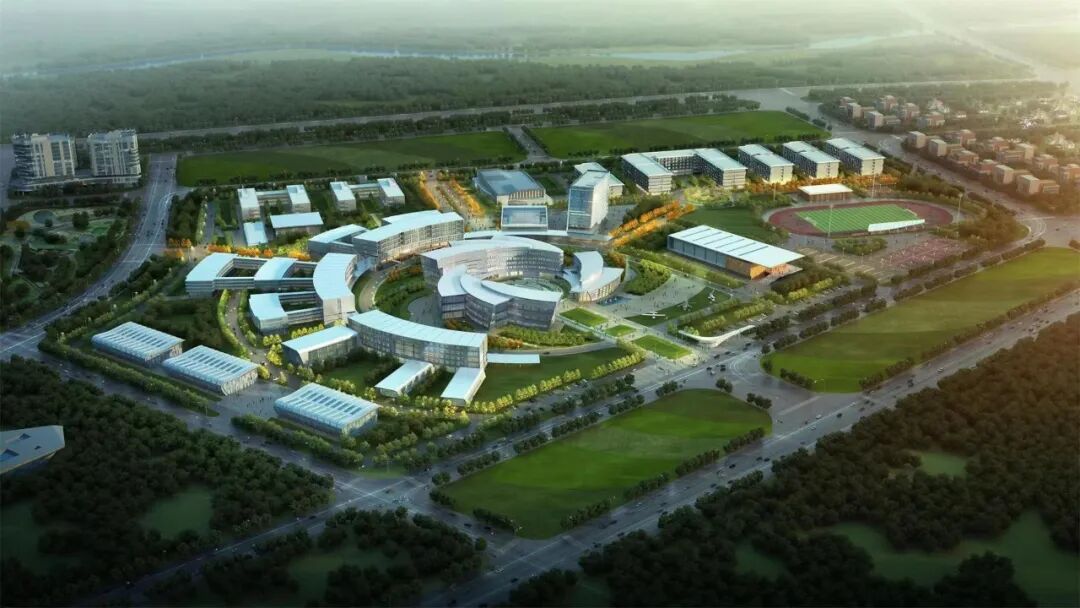
零碳园区

Search documents
“两新”政策如何优化?怎样持续扩大有效投资?国家发展改革委解读近期经济热点
Xin Hua Wang· 2025-12-31 11:17
Group 1: Optimization of "Two New" Policy Implementation - The "Two New" policy for 2026 focuses on optimizing support for equipment updates, promoting green low-carbon smart products, and enhancing fund usage supervision [2] - The support scope has been expanded to include updates in the livelihood, safety, and consumer infrastructure sectors, with a focus on high-impact consumer goods [2] - Subsidty standards have been adjusted, including differentiated subsidies for old elevator replacements and a shift to percentage-based subsidies for cars and energy-efficient appliances [2] - The implementation mechanism will be optimized to ensure uniform subsidy standards across the nation and address issues like subsidy unpredictability and fraud [2] Group 2: Continuous Expansion of Effective Investment - The National Development and Reform Commission (NDRC) has organized the early batch of "Two Heavy" construction projects for 2026, totaling approximately 295 billion yuan [3] - About 220 billion yuan is allocated for "Two Heavy" construction projects, focusing on urban underground pipelines, high-standard farmland, and logistics cost reduction [3] - Over 75 billion yuan is designated for central budget investments in urban renewal, water conservancy, ecological protection, and pollution control [3] - The NDRC is also promoting "soft construction" measures to improve investment models and mechanisms in urban infrastructure [3] Group 3: Advancing the National Unified Market Construction - The construction of a national unified market is described as both a critical and ongoing challenge, with a focus on problem-oriented approaches [4] - The NDRC plans to publish a list of obstacles to the construction of a unified market and develop policies to promote healthy investment [4] - Efforts are underway to eliminate local barriers to market entry, with over 38,000 documents reviewed and more than 2,300 regulations identified for revision or repeal [5] Group 4: Promotion of National Zero-Carbon Park Construction - The establishment of zero-carbon parks is a key step towards systematic innovation in renewable energy and pollution control technologies [6] - The first batch of 52 zero-carbon parks has been announced, characterized by balanced regional distribution and strong renewable energy absorption capabilities [6] - The NDRC emphasizes that the announcement is not merely for recognition but aims to create "green transformation highlands" with actionable plans and guaranteed funding [6]
首批国家级零碳园区建设名单公布,AI储能价值凸显
起点锂电· 2025-12-31 07:30
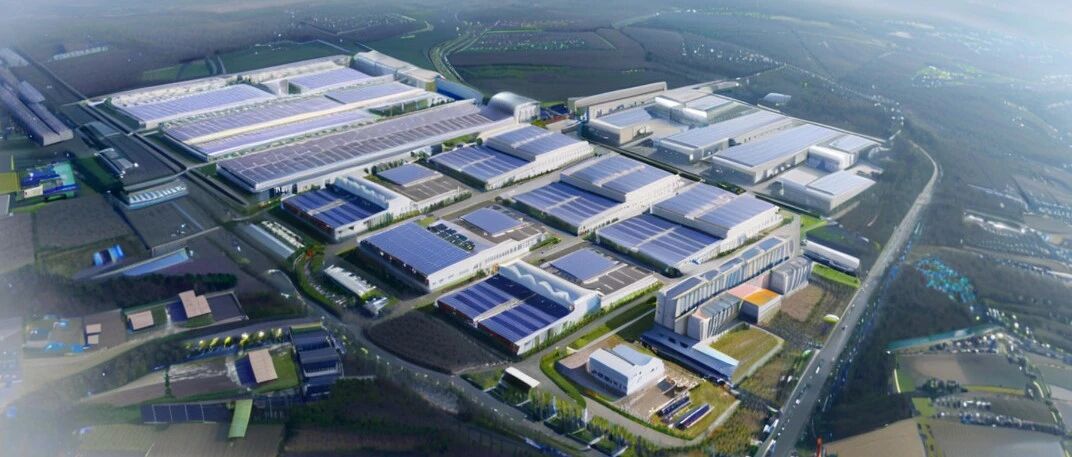
Core Viewpoint - The establishment of the first batch of national-level zero-carbon parks in China, with 52 projects selected, highlights the significant role of renewable energy manufacturing in driving the development of zero-carbon industrial parks, accounting for at least 40% of the total projects [2][4]. Group 1: Zero-Carbon Parks Overview - The layout of zero-carbon industrial parks closely aligns with China's renewable energy industry map, indicating that leading enterprises' production bases are becoming models for deep decarbonization [4]. - The "Inner Mongolia Ordos Mengsu Economic Development Zone" features the world's first fully carbon-neutral battery factory, showcasing a complete industrial chain that includes lithium battery production and 100% zero-carbon energy supply [4][5]. - AI energy storage systems play a crucial role in ensuring stable power supply and reducing energy costs within zero-carbon parks, acting as a bridge between unstable green electricity and continuous industrial production [5]. Group 2: AI Energy Storage and Global Expansion - The AI energy storage system in the Yincheng Zero-Carbon Industrial Park allows for millisecond-level coordination between renewable energy generation and production loads, maximizing green electricity utilization and reducing electricity costs [5]. - The first batch of zero-carbon parks aims to provide replicable models for low-carbon and zero-carbon transformations globally, with the Yincheng model already being implemented in Europe, indicating international market recognition [5][6]. - Over ten zero-carbon parks in the national list are co-built with Yincheng, covering various challenging types within China's industrial system, demonstrating the potential for significant impact on global industrial decarbonization [6]. Group 3: Strategic Locations and Industry Implications - The national list of zero-carbon parks reveals strategic locations for the renewable energy industry, which has been a pioneer in responding to China's dual carbon goals since its inception [6]. - Key battery production bases associated with major companies like CATL, BYD, and others are included in the zero-carbon parks list, indicating a strong correlation between the renewable energy sector and zero-carbon initiatives [6][7]. - The zero-carbon park initiative not only showcases technological integration and operational capabilities but also offers a commercial pathway for global industrial decarbonization [6].





国家发展改革委:2026年提前批“两重”项目共安排约2200亿元
智通财经网· 2025-12-31 07:07
智通财经APP获悉,12月31日,国家发展改革委召开12月份新闻发布会。会上,国家发展改革委政策研 究室副主任李超表示,近日国家发展改革委抓紧组织下达2026年提前批"两重"建设项目清单和中央预算 内投资计划,共计约2950亿元。"两重"建设方面,强化"两重"性质、坚持自上而下、注重软硬结合,共 安排约2200亿元,支持城市地下管网、高标准农田、三北工程、有效降低全社会物流成本等领域的281 个项目,进一步突出"两重"建设的战略性、前瞻性、全局性。中央预算内投资方面,聚焦需要集中力 量、持续投入、补短板调结构惠民生的公共领域,安排超过750亿元,支持城市更新、水利、生态保护 修复、污染治理、节能降碳等方面的673个项目,充分发挥政府投资引导带动作用。 李超表示,与此同时还加快推出一批"软建设"举措,推动各类资金财尽其用,不断提高投资效益。比 如,推动完善城市地下管网建设改造投融资模式和市政公用事业价费机制,健全灌区农业节水激励机 制,加快完善现代物流标准体系,着力构建固体废弃物综合治理体系等,推动形成项目建设实施和运营 维护的长效机制。 中央经济工作会议对明年经济工作作出全面部署,国家发展改革委,深入学习领会 ...
国家发改委划重点!零碳园区需关注绿电直供等5个方面
2 1 Shi Ji Jing Ji Bao Dao· 2025-12-31 05:06
Core Viewpoint - The establishment of national-level zero-carbon parks is a critical step for China to transition from single-point innovation in renewable energy, energy conservation, and pollution control technologies to systematic innovation, serving as a model for building a "zero-carbon society" in the future [1]. Group 1: Characteristics of National-Level Zero-Carbon Parks - The first batch of 52 parks has a balanced geographical distribution, with at least one park selected from each province, encouraging local exploration based on regional conditions [2]. - These parks are expected to have strong capabilities for local consumption of renewable energy, with a projected direct supply ratio of no less than 50% of the parks' electricity consumption [3]. - The parks are primarily focused on the renewable energy and advanced manufacturing industries, creating a virtuous cycle of producing green products through green energy [4]. - Among the 52 parks, 24 are advancing major projects related to zero-carbon parks, while another 24 have initiated preliminary work, and 4 have established clear construction path plans [4]. - Once completed, the parks are expected to achieve a carbon emission of approximately 0.25 tons per ton of standard coal, which is only one-tenth of the current average level across national parks [4]. Group 2: Implementation and Expectations - Inclusion in the construction list does not equate to the completion of a zero-carbon park; parks must meet specific core and guiding indicators and pass evaluations to officially become national-level zero-carbon parks [4]. - The announcement of the construction list aims to create a "green transformation highland" rather than a "policy lowland," emphasizing the need for scientifically developed construction paths and ensuring the feasibility of technical solutions and project implementations [5].
零碳浪潮下的战略落子:中国技术集团航天级储能与资本新叙事
Zhi Tong Cai Jing· 2025-12-31 01:51
政策与市场共振的节点,往往孕育着最具爆发力的产业机遇。 在《国家级零碳园区建设名单(第一批)》发布仅三天后,中国技术集团(01725)迅速锚定战略要地,于12 月29日与梅州高新区(广梅产业园)签署战略合作备忘录,宣布建设零碳航天工业与储能制造中心。 这不仅是企业战略布局的精准卡位,更是资本市场对"双碳"政策红利的一次深度价值挖掘。 此举不仅是一次精准的产业卡位,更是在国家能源革命顶层设计明朗化之际,一家拥有独特技术基因的 上市公司,向资本市场清晰勾勒其从航天科技(000901)向地面新能源系统迁移、从项目运营向标准制 定跃升的宏大蓝图。 此次合作中,中国技术集团承租约2万平方米高标准厂房,享受四年免租期及国家、省、市、园区四级 政策红利:涵盖国家级双15%优惠、省市固定资产投资合计25%奖励、外商投资4%叠加奖励,以及每年 最高500万元运费补贴。 依托"广州研发+梅州生产"的产业共建模式,加之"世界客都"的区位优势,这里成为集团从香港迁址广 州后,深耕内地市场的核心支点。恰逢国家允许"园中园"模式先行先试的政策窗口,双方将围绕卫星结 构制造、清洁能源储能、智慧能源管理等领域深度协同,打造可复制推广的零碳示 ...
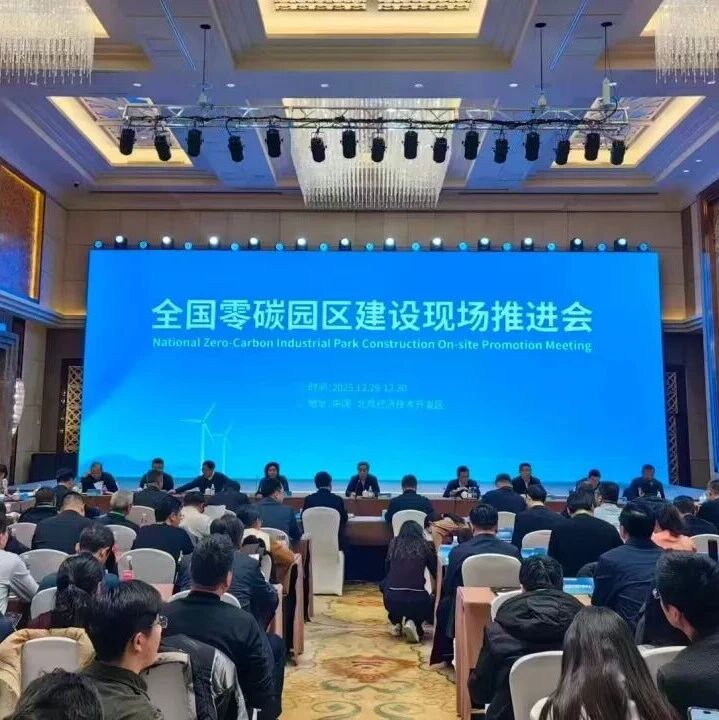
全国零碳园区建设现场推进会在北京召开
中关村储能产业技术联盟· 2025-12-31 01:34
北京经济技术开发区、鄂尔多斯蒙苏经济开发区、盐城大丰港经济开发区、常州溧阳高新技术产业开发区、宁德福鼎工业园区、大同经济技术开发 区 有关负责同志 介绍零碳园区建设经验 ,北京、 内蒙古、山东、广东、云南发展改革委负责同志作交流发言,工业和信息化部节能司、国家能源 局规划司负责同志讲话,环资司司长王善成主持会议并作总结。 会议指出, "十五五"是实现碳达峰目标的决胜期 ,要锚定目标要求, 找准关键环节 ,采取有力措施,推动实施一系列重点行动和重大工程,确保 如期实现碳达峰目标。 会议强调,要深刻认识推进零碳园区建设的重大意义,准确把握工作方向,科学谋划建设路径, 持续深化园区技术创新、政策创新、模式创新 ,推 动重大工程项目加快落地, 尽早建成一批国家级零碳园区 ,为全国各类园区低碳化零碳化改造建设提供有益经验。 各省、自治区、直辖市及新疆生产建设兵团发展改革委有关负责同志,部分园区负责同志,有关单位专家参加会议。 12 月 30 日上午,与会人员 赴北京经济技术开发区小米汽车工厂、金风科技碳中和智慧园区、施耐德电气亦庄工厂 等地进行了实地观摩。 文 | 国家发展改革委 为贯彻落实党中央、国务院决策部署,扎实 ...
52个国家级零碳园区!远景、宁德、中车等已卡位
行家说储能· 2025-12-30 12:40
Core Viewpoint - The release of the first batch of national-level zero-carbon park lists aims to establish institutional models, with 52 park projects tasked with "pilot testing" new systems, clean energy frameworks, and business models, guiding future development in zero-carbon parks [5][6]. Group 1: Characteristics of Zero-Carbon Parks - The policy behind the zero-carbon parks features three main characteristics: nationwide coverage across eastern, central, and western regions; diverse park types including manufacturing, port bonded areas, and digital industry parks; and the coexistence of "park within a park" and "whole park" projects [6][12]. - The first batch of parks is expected to support a production value of up to 3.54 trillion yuan, highlighting the critical role of energy storage in the green industrial revolution [6][12]. Group 2: Energy Storage as a Standard Configuration - Energy storage is now a key component and prerequisite for the construction of zero-carbon parks, transitioning from "encouraged" to "standard configuration" due to clear policy guidance and the inherent logic of energy structure transformation [6][8]. - Various local policies have set rigid requirements for energy storage configurations, such as Shanghai's requirement for a storage system ratio of ≥15% to ≥30%, and Jiangsu's requirement for new energy storage capacity to be ≥10% of daily electricity consumption [8][9]. Group 3: Market Potential and Challenges - The existing provincial and above parks exceed 2,500, making them the main battlefield for industrial carbon reduction. The national-level zero-carbon parks alone could drive a billion-level demand for energy storage, with broader local park low-carbon transformations offering even greater market capacity [12][13]. - The transition of energy storage from a backup power source to a multi-value system hub is crucial for resolving the contradiction between the intermittent nature of wind and solar energy and the continuous stable electricity demand of parks [8][12]. Group 4: Key Players in Zero-Carbon Parks - Major companies like Envision, CRRC Zhuzhou, CATL, and Trina Solar are actively involved in the layout of zero-carbon parks, with numerous projects already in place [13][14]. - Envision has established a significant presence in the first batch of national-level zero-carbon parks, providing comprehensive solutions and leading in various challenging park types [14]. - CRRC Zhuzhou has successfully integrated photovoltaic technology and energy storage in its zero-carbon industrial park, achieving rapid delivery and significant carbon reduction [14][15]. - Huawei's project in Jiangsu has deployed over 8.6 MW of photovoltaic and more than 10 MWh of energy storage, achieving over 85% clean energy consumption [16]. - CATL is promoting dual-mode construction of "zero-carbon factories + lighthouse factories" in Yibin, focusing on energy-saving transformations in high-energy-consuming industries [17].
「气候灯塔企业营」丨第1期:《零碳园区与数据资产》丨系列培训
中国能源报· 2025-12-30 05:46
Core Viewpoint - The article emphasizes the importance of integrating clean energy, carbon reduction, and digitalization in industrial development to achieve a green digital economy, particularly through the "Zero Carbon Park and Data Assets" initiative [4][5]. Group 1: Course Objectives - The course aims to enhance understanding of zero-carbon park policies, standards, and technical pathways, while providing insights into international cutting-edge technologies and financial innovations [4][8]. - It focuses on building a comprehensive knowledge system related to energy-carbon integration, low-carbon technologies, and the digital economy [6][8]. Group 2: Course Highlights - The program features immersive interaction, case studies, and insights from senior industry experts to facilitate deep learning and practical application [6][8]. - Participants will engage in real case analyses and discussions to internalize key concepts related to the green digital economy [6][8]. Group 3: Course Modules - The curriculum includes modules on zero-carbon park policies, technical pathways, and the integration of energy-carbon with the digital economy [8]. - It also covers methods for incorporating energy-carbon industry data assets and includes interactive workshops for designing zero-carbon park data asset solutions [8]. Group 4: Target Audience and Value - The course is designed for high-potential enterprises looking to navigate carbon barriers and seize opportunities in the green transition [4][37]. - Participants will gain access to additional benefits such as priority collaboration in investment, business matching, and expert consulting [37][40].
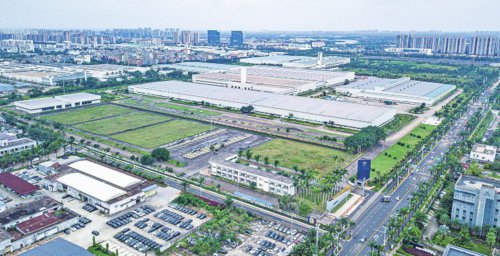
“国家队”出征探索零碳实践可行路径
Xin Lang Cai Jing· 2025-12-29 17:12
Core Viewpoint - The first batch of national-level zero-carbon parks has been announced, with 52 parks selected to lead the construction of a new energy system and promote green low-carbon industries in China [3][4][5]. Group 1: National-Level Zero-Carbon Parks - The selected 52 parks are seen as the "national team" for zero-carbon park construction, tasked with five key functions including serving as experimental fields for new energy systems and guiding regional coordinated development [4]. - The initiative aims to establish around 100 national-level zero-carbon parks by 2025, reflecting a rapid and steady implementation from top-level design to practical execution [3][5]. Group 2: Systematic and Nationwide Layout - The zero-carbon parks cover all 31 provinces and regions, ensuring that experiences in zero-carbon transformation are accumulated across diverse energy endowments and industrial bases [5]. - The construction of these parks will not adopt a one-size-fits-all approach but will leverage local comparative advantages, promoting a new regional development pattern [5][6]. Group 3: Construction and Evaluation - The parks will undergo a phased construction process, with 6 parks expected to complete by 2027 and 15 by 2030, while 24 parks are already advancing major projects [6]. - A comprehensive assessment system will be implemented, focusing on core and guiding indicators related to energy consumption and carbon emissions [6][11]. Group 4: Green Competitiveness and Economic Impact - The construction of zero-carbon parks is expected to enhance China's green competitiveness by reducing transformation costs for enterprises and fostering large-scale green industrial clusters [7][9]. - The anticipated output value of the first batch of parks is projected to reach 3.54 trillion yuan, supporting significant economic growth with low carbon emissions [11][12]. Group 5: Innovative Practices and Future Directions - Key strategies include "green electricity direct connection" and "green production," aiming to restructure the energy system and industrial landscape [8][9]. - The parks will serve as practical models for achieving carbon neutrality, providing valuable insights for broader societal transitions towards low-carbon living [12].
国家级零碳园区正式拉开“施工”大幕
Zhong Guo Neng Yuan Wang· 2025-12-29 10:45
Core Viewpoint - The establishment of national-level zero-carbon parks marks a significant step in China's commitment to achieving its dual carbon goals, transitioning from planning to large-scale implementation of green development initiatives [2][4][10]. Group 1: National-Level Zero-Carbon Parks - On December 26, the National Development and Reform Commission, Ministry of Industry and Information Technology, and National Energy Administration announced the first batch of national-level zero-carbon parks, comprising 52 parks across 31 provinces and regions, including Xinjiang Production and Construction Corps [2][8]. - The selection of these parks is seen as a practical implementation of the goal to establish around 100 national-level zero-carbon parks during the 14th Five-Year Plan period [2][4]. - The parks are expected to generate a total output value of approximately 3.54 trillion yuan, with an annual comprehensive energy consumption exceeding 60 million tons of standard coal and carbon emissions below 15 million tons [8][10]. Group 2: Construction and Development - The construction of these parks is characterized by high standards, robust participation, and a generally stable construction timeline, indicating a solid foundation for zero-carbon park development [4][5]. - Specific projects include a 1,400 MW offshore wind power project and a 390 MW photovoltaic project in Fujian, as well as a 300 MW photovoltaic park in Shanxi, which aims for a carbon emission reduction to 0.2 tons per ton of standard coal by 2027 [5][6]. - Jiangsu's Liyang High-tech Industrial Development Zone is advancing major projects, including a 400 MW photovoltaic power project expected to provide 500 million kWh of green electricity annually by 2026 [6][11]. Group 3: Policy and Market Dynamics - The zero-carbon park initiative is supported by various provincial-level plans and policies, with regions like Sichuan, Inner Mongolia, and Guangdong actively promoting their own zero-carbon park construction [7][10]. - The parks are designed to attract high-quality projects and capital, with "zero carbon" becoming a core competitive advantage in the market [7][8]. - The parks will serve as experimental grounds for new energy systems, promote deep decarbonization of industries, and act as benchmarks for regional coordinated development [12][18]. Group 4: Key Performance Indicators - The core target for these parks is to achieve a unit energy consumption carbon emission level of 1/10 of the current national average, which is approximately 2.1 tons per ton of standard coal [16][17]. - Additional guiding indicators include a clean energy consumption ratio of no less than 90%, a solid waste utilization rate of no less than 80%, and a water reuse rate of no less than 80% [17][18]. - The parks will not be officially recognized as national-level zero-carbon parks until they meet these standards after 3-5 years of construction [18].