
高质量充分就业

Search documents
中央财办有关负责同志详解2025年中央经济工作会议精神,扩大内需是明年排在首位的重点任务|宏观经济
清华金融评论· 2025-12-17 10:41
Core Viewpoint - The 2025 Central Economic Work Conference emphasizes the need for a stable economic environment while addressing challenges and opportunities for growth, focusing on a resilient and high-quality development path for the economy [4][5]. Economic Performance and Outlook - The overall economic operation is stable, with a projected GDP growth of around 5% for 2025, leading to an economic total of approximately 140 trillion yuan [5]. - Employment remains stable, with significant growth in foreign trade and diversified exports [5]. - The economy is expected to face challenges, including external environmental changes and domestic supply-demand imbalances, but the long-term positive trends and advantages of the Chinese economy remain intact [8]. Modern Industrial System and Innovation - Continuous progress in building a modern industrial system is noted, with advancements in new productive forces and significant achievements in technology innovation, particularly in AI, biomedicine, and robotics [6]. Reform and Opening Up - New steps in reform and opening up are highlighted, including the deepening of the national unified market and active capital market [7]. - Positive progress in risk resolution in key areas, such as local government debt management and the completion of housing delivery tasks, is acknowledged [7]. Social Welfare and Employment - Enhanced social welfare measures, including childcare subsidies and free education for one year before primary school, are being implemented [8]. - The employment situation is stable, with over 12 million new urban jobs created by November, achieving the annual target ahead of schedule [29]. Macroeconomic Policy - The continuation of a proactive fiscal policy and a moderately loose monetary policy is planned for the next year, focusing on maintaining fiscal sustainability and enhancing the effectiveness of financial support for the real economy [9][12]. - Emphasis on expanding domestic demand as a priority task, with measures to boost consumption and investment [13][14]. Regional Development and Coordination - The conference outlines strategies for promoting regional coordinated development, focusing on the integration of urban and rural areas and enhancing the development capabilities of major economic provinces [24][26]. Green Transition and Carbon Neutrality - The commitment to achieving carbon neutrality is reinforced, with plans to advance carbon peak strategies and develop a new energy system [27][28]. Real Estate Market Stability - The need for a stable real estate market is emphasized, with strategies to balance supply and demand, support enterprise transformation, and establish a new development model for the sector [31][33].


深入解读2025年中央经济工作会议精神
Xin Hua She· 2025-12-17 00:51
Core Viewpoint - The Central Economic Work Conference emphasizes the resilience and vitality of China's economy, projecting a stable growth rate of around 5% for 2025, with a total economic output expected to reach approximately 140 trillion yuan [2][3]. Economic Performance - The overall economic operation is stable, with major indicators meeting expectations, and employment remains generally stable [2]. - Foreign trade is growing rapidly, with significant diversification in exports [2]. - The construction of a modern industrial system is progressing, with advancements in sectors like artificial intelligence and biomedicine [2]. - Reforms and opening-up measures are making headway, with a focus on building a unified national market [2][3]. Risk Management - Positive progress has been made in addressing risks in key areas, including the orderly replacement of local government hidden debts and the completion of housing security tasks [2][3]. Macroeconomic Policies - The government will continue to implement proactive fiscal and monetary policies, maintaining necessary fiscal deficits and debt levels while enhancing the precision and effectiveness of fiscal spending [4][5][6][7]. - Monetary policy will focus on stabilizing economic growth and ensuring reasonable price recovery, utilizing various tools to maintain liquidity and support key sectors [7]. Domestic Demand - Expanding domestic demand is a top priority, with domestic consumption contributing 71% to economic growth in the first three quarters [8]. - Policies will be implemented to boost consumption and investment, focusing on new consumption patterns and enhancing residents' income [8][9]. Regional Development - The construction of international technology innovation centers in Beijing, Shanghai, and the Guangdong-Hong Kong-Macao Greater Bay Area is a significant strategic deployment to enhance global competitiveness [11][12]. - The government will promote coordinated regional development, focusing on the integration of urban and rural areas and supporting economic provinces in their development roles [18][19]. Green Transition - The government aims to advance a comprehensive green transition, with specific measures to achieve carbon peak and neutrality goals, including the development of a new energy system and green low-carbon industries [21][22]. Employment Stability - Employment remains a priority, with over 12 million new urban jobs created this year, and policies will be strengthened to support key groups such as college graduates and migrant workers [23][24]. Real Estate Market - The real estate market is stabilizing, with a focus on balancing supply and demand, encouraging the transformation of real estate companies, and developing a new model for high-quality real estate development [26][27][28].
聚焦中央经济工作会议 | 中央财办有关负责同志详解2025年中央经济工作会议精神
Xin Hua She· 2025-12-16 13:56
Core Viewpoint - The 2025 Central Economic Work Conference outlines China's economic performance and strategic priorities, emphasizing resilience and innovation in the face of challenges, while setting a roadmap for future growth and stability. Economic Performance and Outlook - The overall economic operation is stable with expected growth around 5% for the year, positioning China among the leading global economies, with a GDP target of approximately 140 trillion yuan [2] - Employment remains stable, with significant growth in foreign trade and diversified exports [2] - The construction of a modern industrial system is progressing, with advancements in technology and innovation, particularly in AI, biomedicine, and robotics [2] - Reforms and opening-up measures are advancing, with a focus on building a unified national market and addressing "involution" in competition [2] - Positive progress in risk mitigation in key areas, including local government debt management and the completion of housing projects [2] - Social welfare policies, such as childcare subsidies and free preschool education, are being implemented to enhance public welfare [2] Challenges and Strategic Responses - The conference acknowledges ongoing economic challenges, including external environmental changes and domestic supply-demand imbalances [3] - Despite these challenges, China's long-term economic fundamentals remain strong, supported by its socialist system, large market, complete industrial system, and rich talent resources [3] - The government plans to implement more proactive macroeconomic policies, including fiscal and monetary measures, to support economic recovery [4][5] Fiscal Policy - The fiscal policy will maintain necessary deficits and debt levels while addressing local fiscal challenges and ensuring sustainable finances [5][6] - Emphasis on optimizing fiscal expenditure structure to support major national strategies and enhance social welfare [6][7] Monetary Policy - The monetary policy will focus on stabilizing economic growth and ensuring reasonable price recovery, maintaining liquidity, and supporting key sectors like technology and small enterprises [8][9] - A flexible approach to monetary tools will be adopted to align financing growth with economic and price expectations [8][9] Domestic Demand and Investment - Expanding domestic demand is a top priority, with a focus on boosting consumption and investment, particularly in services and infrastructure [9][10] - The government aims to enhance consumer purchasing power and support new consumption models while increasing investment in social welfare and urban renewal projects [10] Regional Development and Coordination - The conference emphasizes the importance of regional coordination in development, with specific strategies for enhancing the roles of major economic provinces [19][20] - Plans include tailored support for local economies and promoting urban-rural integration [19][20] Green Transition and Employment - The government is committed to a green transition, with initiatives aimed at carbon peak and neutrality, alongside promoting green industries [21][22] - Employment policies will focus on stabilizing job markets, particularly for key demographics like graduates and migrant workers, while enhancing vocational training [23][24] Real Estate Market Stability - The real estate market is under scrutiny, with measures to stabilize housing prices and promote high-quality development [26][27] - Strategies include addressing supply-demand dynamics and supporting real estate companies in transitioning to new business models [27][28]
中央财办发声,信号很大
21世纪经济报道· 2025-12-16 13:49
Core Viewpoint - The article discusses the outcomes and expectations of China's economic performance as it approaches the end of the 14th Five-Year Plan and the beginning of the 15th, highlighting the resilience and vitality of the economy despite challenges [1][2]. Economic Performance and Outlook - The overall economic operation is stable, with a projected growth rate of around 5% for the year, leading to an economic total of approximately 140 trillion yuan [1]. - The construction of a modern industrial system is progressing, with advancements in technology and innovation, particularly in artificial intelligence, biomedicine, and robotics [1]. - Reforms and opening-up measures are advancing, with a focus on building a unified national market and addressing "involution" competition [2]. - There are positive developments in risk mitigation in key areas, including the orderly replacement of local government hidden debts and the completion of housing delivery tasks [2]. Challenges and Policy Directions - The article identifies ongoing challenges such as external environmental changes, weak domestic demand, and risks in key sectors [2]. - The economic foundation remains strong, with long-term supportive conditions for growth, including the advantages of the socialist system and a large market [3]. - The government plans to implement more proactive macroeconomic policies, maintaining necessary fiscal deficits and debt levels while enhancing the precision and effectiveness of fiscal spending [3][4]. Domestic Demand and Investment - Expanding domestic demand is a top priority, with domestic demand contributing 71% to economic growth in the first three quarters [5]. - The government aims to stimulate consumption by addressing structural changes and enhancing the supply of quality goods and services [5][6]. - Investment is expected to stabilize, with a focus on infrastructure and social welfare projects, while also encouraging private investment in high-tech and service sectors [6]. Technological Innovation and Market Development - The construction of international technology innovation centers in Beijing, Shanghai, and the Guangdong-Hong Kong-Macau Greater Bay Area is emphasized as a strategic move to enhance global competitiveness [7][8]. - The article discusses the need for a unified national market to improve resource allocation and market efficiency, addressing barriers to competition and market entry [9][10]. Trade and Foreign Investment - The government plans to expand high-level opening-up measures, including increasing service sector access and signing more trade agreements [11][12][13]. - Efforts will be made to optimize the business environment for foreign investment, including easing market access and enhancing support for foreign enterprises [13]. Regional Development and Coordination - The article outlines strategies for promoting regional coordinated development, focusing on the collaborative growth of different regions and supporting major economic provinces [14][15][16]. - Emphasis is placed on urban-rural integration and the development of new productive forces tailored to local conditions [15]. Green Transition and Employment - The government is committed to a green transition, with plans to achieve carbon peak and neutrality goals while enhancing the resilience of the energy system [16][17][18]. - Employment policies will focus on stabilizing job growth, particularly for key groups such as graduates and migrant workers, while promoting flexible employment and skills training [19][20]. Real Estate Market Stability - The article discusses the need for a stable real estate market, highlighting the potential for high-quality development despite current challenges [21][22]. - Measures will be taken to support the transformation of real estate companies and to encourage a new development model in the sector [22][23].

中央财办:扩内需是明年排首位的重点任务
证券时报· 2025-12-16 13:13
问:2025年我国交出怎样的经济"成绩单"?明年经济形势如何? 答:中央经济工作会议对今年经济工作进行全面总结,指出2025年是很不平凡的一年,我国经济顶压前行、向 新向优发展,展现强大韧性和活力。 一是运行总体平稳、稳中有进。主要经济指标符合预期,预计全年经济增长5%左右、继续位居世界主要经济 体前列,经济总量有望达到140万亿元左右。就业总体稳定,外贸较快增长、出口多元化成效明显。 二是现代化产业体系建设持续推进。新质生产力稳步发展,科技创新成果丰硕,人工智能、生物医药、机器人 等研发应用走在全球前列。 三是改革开放迈出新步伐。全国统一大市场建设向纵深推进,综合整治"内卷式"竞争成效显现,资本市场较为 活跃,自主开放有序推进。 新华社北京12月16日电 题:中央财办有关负责同志详解2025年中央经济工作会议精神 在"十四五"即将收官、"十五五"新程待启的关键时点,2025年12月10日至11日召开的中央经济工作会议备受瞩 目。 当前经济形势怎么看?"十五五"新开局重点任务如何推进?聚焦舆论关注的热点问题,中央财办有关负责同志 会后第一时间接受中央主要媒体采访,深入解读中央经济工作会议精神。 四是重点领域风 ...

中央财办:扩大内需是明年排在首位的重点任务
Xin Hua Cai Jing· 2025-12-16 13:00
在"十四五"即将收官、"十五五"新程待启的关键时点,2025年12月10日至11日召开的中央经济工作会议 备受瞩目。 当前经济形势怎么看?"十五五"新开局重点任务如何推进?聚焦舆论关注的热点问题,中央财办有关负 责同志会后第一时间接受中央主要媒体采访,深入解读中央经济工作会议精神。 问:2025年我国交出怎样的经济"成绩单"?明年经济形势如何? 答:中央经济工作会议对今年经济工作进行全面总结,指出2025年是很不平凡的一年,我国经济顶压前 行、向新向优发展,展现强大韧性和活力。 一是运行总体平稳、稳中有进。主要经济指标符合预期,预计全年经济增长5%左右、继续位居世界主 要经济体前列,经济总量有望达到140万亿元左右。就业总体稳定,外贸较快增长、出口多元化成效明 显。 二是现代化产业体系建设持续推进。新质生产力稳步发展,科技创新成果丰硕,人工智能、生物医药、 机器人等研发应用走在全球前列。 三是改革开放迈出新步伐。全国统一大市场建设向纵深推进,综合整治"内卷式"竞争成效显现,资本市 场较为活跃,自主开放有序推进。 政策质效上,提高精准性和有效性。优化财政支出结构,强化国家重大战略财力保障,推动更多资金资 源投资 ...
聚焦中央经济工作会议|中央财办有关负责同志详解2025年中央经济工作会议精神
Xin Hua She· 2025-12-16 12:53
聚焦中央经济工作会议|中央财办有关负责同志详解2025年中央经济工作会议精神 新华社北京12月16日电 题:中央财办有关负责同志详解2025年中央经济工作会议精神 新华社记者 在"十四五"即将收官、"十五五"新程待启的关键时点,2025年12月10日至11日召开的中央经济工作会议 备受瞩目。 当前经济形势怎么看?"十五五"新开局重点任务如何推进?聚焦舆论关注的热点问题,中央财办有关负 责同志会后第一时间接受中央主要媒体采访,深入解读中央经济工作会议精神。 问:2025年我国交出怎样的经济"成绩单"?明年经济形势如何? 答:中央经济工作会议对今年经济工作进行全面总结,指出2025年是很不平凡的一年,我国经济顶压前 行、向新向优发展,展现强大韧性和活力。 一是运行总体平稳、稳中有进。主要经济指标符合预期,预计全年经济增长5%左右、继续位居世界主 要经济体前列,经济总量有望达到140万亿元左右。就业总体稳定,外贸较快增长、出口多元化成效明 显。 二是现代化产业体系建设持续推进。新质生产力稳步发展,科技创新成果丰硕,人工智能、生物医药、 机器人等研发应用走在全球前列。 三是改革开放迈出新步伐。全国统一大市场建设向纵深 ...
聚焦中央经济工作会议丨中央财办有关负责同志详解2025年中央经济工作会议精神
Xin Hua Wang· 2025-12-16 12:52
Core Viewpoint - The 2025 Central Economic Work Conference outlines China's economic performance and strategic priorities, emphasizing resilience and innovation in the face of challenges, while setting a roadmap for future growth and stability. Economic Performance and Outlook - The overall economic operation is stable with expected growth around 5% for the year, positioning China among the leading global economies, with a projected GDP of approximately 140 trillion yuan [2] - Employment remains stable, with significant growth in foreign trade and diversified exports [2] - The construction of a modern industrial system is progressing, with advancements in technology and innovation in sectors like AI and biomedicine [2] - Reforms and opening-up measures are advancing, with a focus on creating a unified national market and addressing competitive issues [2] - Risk mitigation in key areas has shown positive results, including the orderly replacement of local government hidden debts and the completion of housing delivery tasks [2] - Social welfare policies, such as childcare subsidies and free education for preschoolers, are being implemented to enhance public welfare [2] Challenges and Strategic Responses - The conference acknowledges ongoing economic challenges, including external environmental changes and domestic supply-demand imbalances [3] - Despite these challenges, China's long-term economic fundamentals remain strong, supported by a large market, complete industrial system, and abundant talent resources [3] - The government plans to continue implementing proactive macroeconomic policies, focusing on quality and efficiency [4][5] Fiscal and Monetary Policy - The fiscal policy will maintain necessary deficits and debt levels while addressing local fiscal difficulties and ensuring sustainable finances [5][6] - Monetary policy will remain moderately accommodative, with a focus on stabilizing economic growth and ensuring liquidity [8][9] Domestic Demand and Investment - Expanding domestic demand is a top priority, with a contribution rate of 71% to economic growth in the first three quarters [9] - The government aims to stimulate consumption by addressing structural changes and enhancing residents' income [9][10] - Investment strategies will focus on infrastructure and social welfare, with an emphasis on high-quality projects and private sector engagement [10] Regional Development and Innovation Centers - The construction of international technology innovation centers in Beijing, Shanghai, and the Guangdong-Hong Kong-Macau Greater Bay Area is a key strategic initiative to enhance global competitiveness [11][12] - The expansion of these centers aims to integrate innovation resources and promote high-quality development [12] Market Regulation and Competition - The government is addressing market distortions and enhancing fair competition through regulatory reforms and the establishment of a unified national market [13][14] - Measures will be taken to regulate local government behaviors and ensure compliance with fair competition standards [14] Trade and Foreign Investment - The government plans to enhance foreign trade and investment through a series of measures, including expanding service sector openness and optimizing the business environment for foreign investors [15][17] - Efforts will be made to sign more trade agreements and promote high-quality imports [16][17] Employment and Real Estate Market - Employment policies will focus on stabilizing job growth, particularly for key demographics such as graduates and migrant workers [22][23] - The real estate market will be stabilized through measures that address both supply and demand, encouraging the transformation of real estate companies and promoting high-quality housing development [25][27]
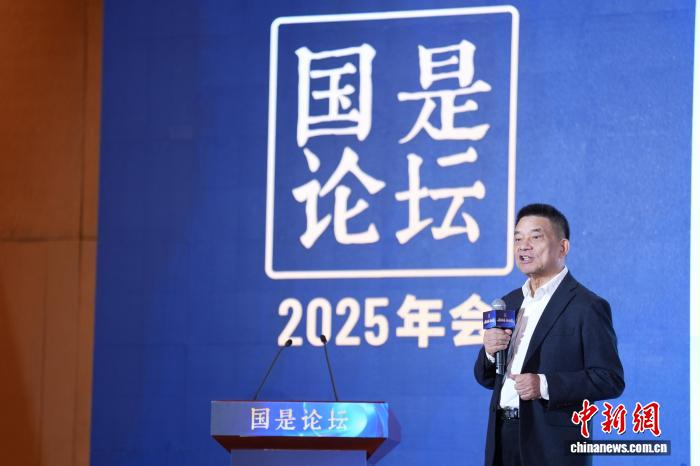
新希望集团董事长刘永好:稳定就业要“稳、扩、活”
Zhong Guo Xin Wen Wang· 2025-12-16 09:20
在中国新闻社16日举办的"国是论坛:2025年会"上,十四届全国政协委员、新希望集团董事长刘永好发 表主旨演讲。 中新社记者 蒋启明 摄 刘永好表示,传统就业要稳,传统制造业仍然是解决就业最重要的领域。新质就业要扩,科技型企业成 长很快,要延长科技产业链,在上下游增加就业机会。灵活就业要活,建议出台适度宽松政策支持灵活 就业,同时建立相应社会保障体系。 新希望集团董事长刘永好:稳定就业要"稳、扩、活" 中新网北京12月16日电 (段修健)在中国新闻社16日举办的"国是论坛:2025年会"上,十四届全国政协委 员、新希望集团董事长刘永好在发表主旨演讲时指出,稳定就业可以有三种形态:传统就业要稳,新质 就业要扩,灵活就业要活。 《中共中央关于制定国民经济和社会发展第十五个五年规划的建议》提出,促进高质量充分就业。深入 实施就业优先战略,健全就业促进机制,构建就业友好型发展方式。 广告等商务合作,请点击这里 本文为转载内容,授权事宜请联系原著作权人 他对比集团发展40多年来生产条件的变化,讲述以实业带动就业的做法,认为民营企业做大做强,不仅 是规模和产值做大,担当的社会责任也在变大。 中新经纬版权所有,未经书面授权 ...

促进高质量充分就业
Ren Min Ri Bao· 2025-12-15 01:28
促进高质量充分就业 王晓萍 党的二十届四中全会通过的《中共中央关于制定国民经济和社会发展第十五个五年规划 的建议》(以下简称《建议》),把促进高质量充分就业作为保障和改善民生的重要内容, 提出新要求、作出新部署。这是以习近平同志为核心的党中央坚持以人民为中心的发展思 想,从战略和全局高度作出的重大部署。我们要深入学习领会,坚决抓好贯彻落实。 一、深刻认识促进高质量充分就业的重要意义 就业是最基本的民生。2024年5月27日,习近平总书记主持二十届中央政治局第十四 次集体学习并发表重要讲话,深刻指出"促进高质量充分就业,是新时代新征程就业工作的 新定位、新使命",科学回答了促进高质量充分就业的一系列重大理论和实践问题,标志着 就业工作目标向更加注重提升就业质量转变,标志着就业主要任务向更加注重破解结构性矛 盾转变,标志着就业主题主线向更加注重人力资源开发利用转变,在我国就业发展史上具有 里程碑意义,为做好新时代新征程就业工作提供了思想指引和行动指南。"十四五"时期, 我国就业形势保持总体稳定,城镇新增就业年均1200万人以上,在14亿多人口的发展中大 国实现了比较充分的就业。"十五五"时期是基本实现社会主义现代 ...