
双碳战略

Search documents
储能营收超百亿!亿纬锂能半年报出炉
行家说储能· 2025-08-22 01:22
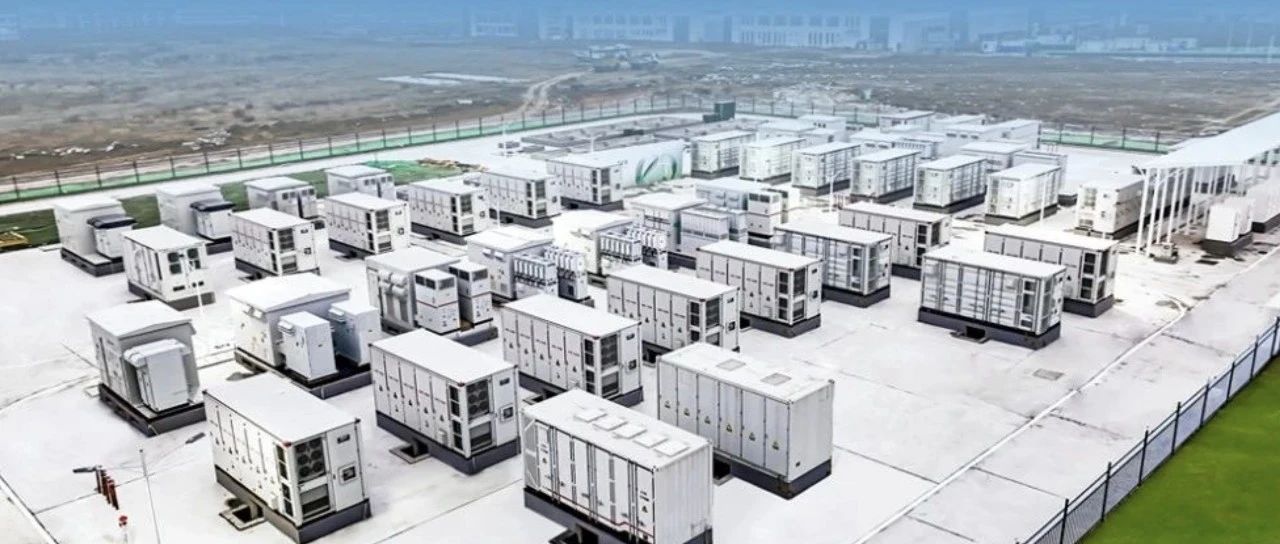
Core Viewpoint - EVE Energy reported a total revenue of 28.17 billion yuan for the first half of 2025, marking a year-on-year increase of 30.06%, with net profit attributable to shareholders reaching 2.218 billion yuan, up 3.78% year-on-year [2]. Group 1: Financial Performance - The revenue from energy storage batteries reached 10.298 billion yuan, an increase of 32.47% year-on-year, with a gross margin of 12.03% [2]. - The energy storage battery shipment volume was 28.71 GWh, reflecting a year-on-year growth of 37.02% [5]. Group 2: Market Drivers - The growth in energy storage performance is driven by China's "dual carbon" strategy and the EU's "Green Deal," which have spurred the deployment of energy storage systems across various sectors [8]. - The domestic market is primarily driven by the full market entry of renewable energy, the 531 grid connection node, and capacity compensation policies [8]. Group 3: Orders and Capacity - EVE Energy disclosed an order scale of 63 GWh for 2025 [9]. - The production capacity utilization rate reached 87.51% during the reporting period, with a planned storage capacity of 50 GWh for 2024 [11]. Group 4: Expansion Plans - EVE Energy plans to invest up to 8.654 billion yuan in a new energy storage battery project in Malaysia, with a phase two storage capacity of approximately 10 GWh and a phase three design capacity of about 38 GWh [12]. - The company has received approval to establish a battery manufacturing plant in Hungary, with an investment of up to 9.971 billion yuan and an expected annual production capacity of 30 GWh by 2027 [12]. - A joint venture in the U.S. with Cummins and Daimler Trucks aims to build a lithium iron phosphate battery factory with an annual capacity of 21 GWh, expected to be operational by 2026 [12].


【机构调研记录】鹏扬基金调研冰轮环境、若羽臣等3只个股(附名单)
Zheng Quan Zhi Xing· 2025-08-22 00:17
Group 1: Company Insights - Pengyang Fund recently conducted research on three listed companies, including Ice Wheel Environment, Ruoyu Chen, and Desai Xiyi [1][2][3] - Ice Wheel Environment reported a revenue of 3.12 billion yuan in the first half of 2025, a year-on-year decline of 7%, with a net profit of 266 million yuan, down 20% [1] - The company's overseas business grew significantly by 30%, reaching 1.02 billion yuan, while domestic demand faced short-term pressure [1] - Desai Xiyi achieved a revenue of 14.644 billion yuan in the first half of 2025, a year-on-year increase of 25.25%, with a net profit of 1.223 billion yuan, up 45.82% [3] - The smart driving business of Desai Xiyi generated 4.147 billion yuan in revenue, reflecting a growth of 55.49% [3] Group 2: Strategic Developments - Ice Wheel Environment is implementing a "Towards the Sea" strategy to enhance its overseas sales network and manufacturing capacity [1] - Ruoyu Chen plans to expand its product offerings in the fragrance laundry liquid segment and enhance its online and offline channels [2] - The company aims to optimize its revenue structure by reducing reliance on its agency operations and focusing on self-owned brands [2] - Desai Xiyi is expanding its international presence with factories in Indonesia and Mexico, and a smart factory in Spain set to start production in 2026 [3] Group 3: Market Position and Performance - Ice Wheel Environment's low-temperature refrigeration segment generated 1.73 billion yuan in revenue, accounting for 55% of total revenue [1] - Desai Xiyi's intelligent cockpit business reported sales of 9.459 billion yuan, an increase of 18.76% year-on-year [3] - Pengyang Fund has an asset management scale of 143.7 billion yuan, ranking 48th among 210 funds, with a notable performance of its Pengyang North Certificate 50 Index A fund, which grew by 109.98% in the past year [3]

【私募调研记录】高毅资产调研冰轮环境、太辰光等6只个股(附名单)
Zheng Quan Zhi Xing· 2025-08-22 00:10
Group 1: Ice Wheel Environment - The company achieved revenue of 3.12 billion yuan in the first half of 2025, a year-on-year decline of 7%, with a net profit of 266 million yuan, down 20% year-on-year [1] - Domestic business faced a slowdown in downstream demand, while overseas business grew significantly by 30%, reaching 1.02 billion yuan [1] - The company provides compressors and heat exchange devices, with low-temperature refrigeration segment revenue at 1.73 billion yuan, accounting for 55% of total revenue [1] Group 2: Taicheng Light - The company specializes in passive optical devices, with over 90% of revenue coming from this segment and maintaining a gross margin of around 30% [2] - Significant expansion of MT plug capacity has been achieved, along with advanced cutting and testing processes [2] - The company has established a close supply relationship with its largest customer, leading to market gains through new product development [2] Group 3: Muyuan Foods - The company plans to respond actively to national pig production capacity control policies by reducing the number of breeding sows and lowering slaughter weights [3] - Funds raised from the Hong Kong stock market will be used for global expansion and R&D, not for new domestic capacity [3] - The company aims for an average cost target of 12 yuan/kg for the year, reducing it to 11 yuan/kg by year-end through various measures [3] Group 4: Luvi Optoelectronics - The company reported revenue of 544 million yuan in the first half of 2025, a year-on-year increase of 37.48%, with a net profit of 106 million yuan, up 29.13% [4] - It is the only domestic company capable of fully supporting different generations of panel production lines in the flat panel display mask market [4] - The global semiconductor mask market is expected to reach 8.94 billion USD in 2025, with the domestic market around 18.7 billion yuan [4] Group 5: Desay SV - The company achieved revenue of 14.644 billion yuan in the first half of 2025, a year-on-year increase of 25.25%, with a net profit of 1.223 billion yuan, up 45.82% [5] - New project orders have an annualized sales amount exceeding 18 billion yuan [5] - The smart driving business generated revenue of 4.147 billion yuan, growing by 55.49% year-on-year [5] Group 6: Lizhu Group - The company anticipates single-digit revenue growth for the year, with profit growth expected to outpace revenue [6] - The P-CAB tablet has submitted a listing application, with the injection version expected to be approved by mid-2029 [6] - The market potential for microsphere products is significant, with ongoing development in long-acting microsphere formulations [6]
【私募调研记录】幻方量化调研正海磁材、冰轮环境等3只个股(附名单)
Zheng Quan Zhi Xing· 2025-08-22 00:10
Group 1: Zhenghai Magnetic Materials - In the first half of 2025, Zhenghai Magnetic Materials achieved a total revenue of 3.057 billion yuan, a year-on-year increase of 20.42%, but net profit decreased by 24.39% [1] - The company experienced improved operational efficiency in Q1, but faced profit pressure in Q2 due to changes in the international economic environment and intensified domestic market competition [1] - Product shipments increased by over 20% year-on-year, with shipments in the energy-saving and new energy vehicle markets growing by over 30% [1] - The company has a high coverage of core technologies such as grain optimization and diffusion technology, with a year-on-year increase of 55% in the production of non-rare earth magnets [1] - Zhenghai Magnetic Materials has been recognized as the most valuable materials company in the humanoid robot sector and has begun small batch supply to downstream customers [1] Group 2: Ice Wheel Environment - In the first half of 2025, Ice Wheel Environment reported a revenue of 3.12 billion yuan, a year-on-year decline of 7%, with net profit attributable to shareholders at 266 million yuan, down 20% [2] - The company’s domestic business faced a slowdown in downstream demand, resulting in a revenue of 2.1 billion yuan, while overseas business grew significantly by 30% to 1.02 billion yuan [2] - The company provides compressors and heat exchange devices covering a temperature range of -271℃ to 200℃, with the low-temperature refrigeration segment generating 1.73 billion yuan, accounting for 55% of total revenue [2] - Ice Wheel Environment is implementing a "going to sea" strategy, enhancing its overseas technical capabilities and localizing its sales network [2] Group 3: Yuntianhua - Yuntianhua released its 2025 semi-annual report detailing its phosphate fertilizer exports, phosphate rock prices, and product operations [3] - The company strictly adheres to domestic supply and price stabilization policies for phosphate fertilizer exports, with high sulfur prices impacting costs [3] - Phosphate ammonium production and sales decreased due to product structure adjustments and maintenance, while phosphate rock supply and demand remain tight with prices at high levels [3] - The company is increasing efforts in developing high-end products such as polyoxymethylene, while the market demand for iron phosphate is growing but prices remain low [3] - Yuntianhua plans to distribute dividends of 0.2 yuan per share, with future dividends to be considered based on operational funding needs [3]


【私募调研记录】同犇投资调研冰轮环境、若羽臣等3只个股(附名单)
Zheng Quan Zhi Xing· 2025-08-22 00:10
Group 1: Ice Wheel Environment - The company reported a revenue of 3.12 billion yuan in the first half of 2025, a year-on-year decline of 7%, with a net profit of 266 million yuan, down 20% [1] - Domestic business faces short-term market pressure with a revenue of 2.1 billion yuan, while overseas business grew significantly by 30%, reaching 1.02 billion yuan [1] - The company is implementing a "Towards the Sea" strategy, focusing on expanding its overseas sales network and enhancing local manufacturing capacity [1] Group 2: Ruoyuchen - The company is expanding its product and channel planning, particularly in the health product sector, and has launched new brands such as NuiBay and VitaOcean [2] - The decision to list on the Hong Kong Stock Exchange is driven by favorable policy environments and increased liquidity, aligning with the company's future business development needs [2] - The H-share listing will primarily fund global resource integration and optimize revenue structure in the health, personal care, and home cleaning industries [2] Group 3: East China Pharmaceutical - The company has made significant progress in innovative drug research and development, particularly in ADC, autoimmune, and endocrine fields [3] - Several products in the ADC field are in clinical stages, with ongoing development in autoimmune and endocrine areas targeting GLP-1 [3] - Innovative drug business revenue continues to grow, accounting for nearly 15% of total revenue in the first half of the year [3]

【私募调研记录】彤源投资调研冰轮环境、若羽臣
Zheng Quan Zhi Xing· 2025-08-22 00:10
Group 1: Ice Wheel Environment - The company reported a revenue of 3.12 billion yuan in the first half of 2025, a year-on-year decline of 7%, with a net profit attributable to shareholders of 266 million yuan, down 20% [1] - Domestic business faces short-term market pressure with a revenue of 2.1 billion yuan, while overseas business grew significantly by 30%, reaching 1.02 billion yuan [1] - The company provides compressors and heat exchange devices, with the low-temperature refrigeration segment generating 1.73 billion yuan, accounting for 55% of total revenue, and the HVAC segment contributing 1.2 billion yuan, making up 39% [1] Group 2: Ruoyuchen - The company is focusing on expanding its product and channel planning, particularly in the fragrance laundry liquid segment, and aims to enhance online and offline channels [2] - The decision to list on the Hong Kong Stock Exchange is driven by favorable policy environment, increased liquidity, and alignment with future business development needs [2] - The H-share listing proceeds will be primarily used for global resource integration and to explore high-quality industry resources in health, personal care, and household cleaning sectors [2]
【私募调研记录】宽远资产调研冰轮环境、云天化
Zheng Quan Zhi Xing· 2025-08-22 00:10
Group 1: Ice Wheel Environment - The company reported a revenue of 3.12 billion yuan for the first half of 2025, a year-on-year decline of 7%, with a net profit attributable to shareholders of 266 million yuan, down 20% year-on-year [1] - Domestic business demand is slowing down, leading to short-term market pressure, with revenue of 2.1 billion yuan in the second quarter [1] - The "Going Global" strategy is progressing well, with overseas business growing significantly by 30% to reach 1.02 billion yuan [1] - The company provides compressors and heat exchange devices, covering a temperature range of -271℃ to 200℃, with low-temperature refrigeration accounting for 1.73 billion yuan (55%) and HVAC accounting for 1.2 billion yuan (39%) of revenue [1] - The company is involved in cooling equipment for data centers and has plans to launch an upgraded IDC-specific product in July 2024 [1] - The company is also developing technologies for nuclear island cooling and nuclear heating, serving multiple nuclear power plants [1] - The company is implementing a dual-carbon strategy and has launched an "Industrial Comprehensive Heat Control Solution" to enhance energy efficiency [1] Group 2: Yuntianhua - Yuntianhua released its semi-annual report for 2025, detailing its phosphate fertilizer exports, phosphate rock prices, and production and sales of phosphate ammonium [2] - The company is strictly adhering to domestic supply and price stabilization policies for phosphate fertilizer exports, with a concentration of export fertilizer business in the third quarter [2] - The production of phosphate ammonium has decreased due to product structure adjustments, equipment maintenance, and port shipping settlement cycles [2] - Phosphate rock supply and demand are in a tight balance, with prices expected to remain high without significant fluctuations in the short term [2] - The company is increasing efforts in developing high-end products for polyoxymethylene and sees growing demand for iron phosphate, although prices remain low [2] - The company announced a dividend of 0.2 yuan per share, with future dividends to be considered based on operational funding needs [2] - The development of fluorine resources is being enhanced, with progress in downstream product development [2]
【私募调研记录】大朴资产调研冰轮环境、华菱钢铁等4只个股(附名单)
Zheng Quan Zhi Xing· 2025-08-22 00:10
根据市场公开信息及8月21日披露的机构调研信息,知名私募大朴资产近期对4家上市公司进行了调研, 相关名单如下: 1)冰轮环境 (大朴资产参与公司业绩说明会) 调研纪要:2025年上半年公司实现营业收入31.2亿元,同比下滑7%,归母净利润2.66亿元,同比下降 20%,第二季度营收同比转增。总体上国内业务下游需求放缓,短期市场承压,实现营收21亿元;"向 海"战略顺利展开,海外业务显著增长30%,达到10.2亿元。公司提供压缩机和换热装置,覆 盖-271℃-200℃温度区间,产品广泛应用于多个领域,低温制冷板块营收17.3亿元,占比55%,暖通空 调板块营收12亿元,占比39%。顿汉布什公司和冰轮换热技术公司为数据中心提供冷却装备,服务国内 外多个数据中心项目,2024年7月推出升级版IDC专用新产品。公司研发核岛冷却、核能供热等技术, 服务多个核电站,拥有丰富的国内外案例,旗下顿汉布什公司是全球核岛制冷机服务商。公司贯彻双碳 战略,推出"工业全域热控综合解决方案",实现余能高效收集与集约利用,拓展热泵应用场景。公司抽 调国内精干工程师增强海外技术力量,推进海外销售网络属地化建设,提升海外制造基地产能。 2) ...


冰轮环境(000811) - 000811冰轮环境投资者关系管理信息20250821
2025-08-22 00:08
Group 1: Financial Performance - In the first half of 2025, the company achieved revenue of 3.12 billion CNY, a year-on-year decline of 7% [3] - The net profit attributable to shareholders was 266 million CNY, down 20% year-on-year [3] - Domestic business revenue was 2.1 billion CNY, while overseas business grew significantly by 30%, reaching 1.02 billion CNY [3] Group 2: Business Strategy and Product Offerings - The company focuses on providing safe, environmentally friendly, and energy-efficient smart green energy system solutions [3] - Key products include compressors and heat exchangers, covering a temperature range from -271°C to 200°C [3] - The low-temperature refrigeration segment generated 1.73 billion CNY, accounting for 55% of total revenue, while the HVAC segment contributed 1.2 billion CNY, making up 39% [3] Group 3: Market Applications and Innovations - The company’s products are widely used in various sectors, including food processing, cold chain logistics, and industrial cooling systems [3] - The company has developed a full range of magnetic levitation compressor products, showcasing significant technological advantages [3] - Recent innovations include a helium compressor for superconducting magnets, which operates at near absolute zero temperatures [7] Group 4: Industry Engagement and Standards - The company participated in drafting national standards for centrifugal refrigerant compressors and oil-free centrifugal chillers [3] - It has successfully served numerous data centers and nuclear power plants, enhancing its reputation in the industry [4][5] - The company’s low-carbon energy-saving technologies have been recognized as national demonstration technologies [4]
兰州兰石重型装备股份有限公司第六届董事会第四次会议决议公告
Shang Hai Zheng Quan Bao· 2025-08-21 20:40
Group 1 - The company held its fourth meeting of the sixth board of directors on August 21, 2025, with all nine directors present, and the meeting was conducted in accordance with relevant laws and regulations [2][4] - The board approved the investment in the Qingdao Nuclear Power Equipment Capacity Enhancement Project, with an estimated fixed asset investment of 206.8 million yuan [3][10] - The board also approved the investment in the Xinjiang Lanshi Industrial Park Supporting Facilities Project, with a planned total investment of 16 million yuan [5][21] Group 2 - The Qingdao Nuclear Power Equipment Capacity Enhancement Project aims to address existing site and equipment bottlenecks and enhance the company's manufacturing capabilities for high-end nuclear power equipment [11][15] - The project will involve the construction of new heavy-duty plants and the acquisition of core equipment, with a total investment of 206.8 million yuan and an expected internal rate of return of 14.0% [15] - The project is expected to be completed by the end of 2026, providing a stable supply for the company's nuclear energy business and enhancing its competitive position in the industry [16] Group 3 - The Xinjiang Lanshi Industrial Park Supporting Facilities Project will involve the construction of a comprehensive research and development building with a total investment of 16 million yuan [20][27] - The project aims to strengthen the company's innovation capabilities and support its transition from manufacturing to intelligent and creative production [29] - The project is expected to be completed by the end of 2025, and the funding will be sourced from the company's own funds, ensuring no significant impact on the company's normal operations [28][30]
