绿色转型

Search documents
“四环发力”赋能绿色转型
Zhong Guo Hua Gong Bao· 2025-11-07 11:27
Core Viewpoint - The energy and chemical industry plays a crucial role in promoting green and low-carbon development, with the refining engineering sector acting as a "builder" and "deliverer" that must integrate energy-saving and carbon-reduction concepts throughout all project phases [1][2]. Group 1: Technological Innovations - Implementing technological upgrades to achieve energy savings and carbon reduction is essential. Companies like Huagong are accelerating the development of high-efficiency energy-saving technologies for ethylene cracking furnaces, significantly reducing energy consumption per unit product [1]. - Innovative engineering design is vital for lowering construction emissions. Huagong employs a prefabricated construction model, transferring many on-site construction activities to specialized factories, which enhances project quality and significantly reduces energy consumption and emissions during construction [1]. Group 2: Digital Transformation - Advancing digital transformation can enhance carbon reduction efficiency. By utilizing big data, artificial intelligence, and digital twin technologies, companies can simulate and optimize production processes, ensuring stable and efficient operations while continuously lowering product energy consumption. Huagong's application of digital twin platforms at LNG receiving stations has resulted in an annual carbon reduction of approximately 13,600 tons, demonstrating significant economic benefits [2]. Group 3: Focus on Emerging Technologies - Companies should prioritize the development of emerging technologies such as green hydrogen production, green hydrogen synthesis of ammonia and methanol, and green aviation fuel to provide low-carbon raw materials and fuels for chemical processes. Additionally, there is a need to enhance efforts in carbon capture, utilization, and storage (CCUS) technologies to explore large-scale capture and resource utilization of carbon dioxide emissions from chemical plants [2].
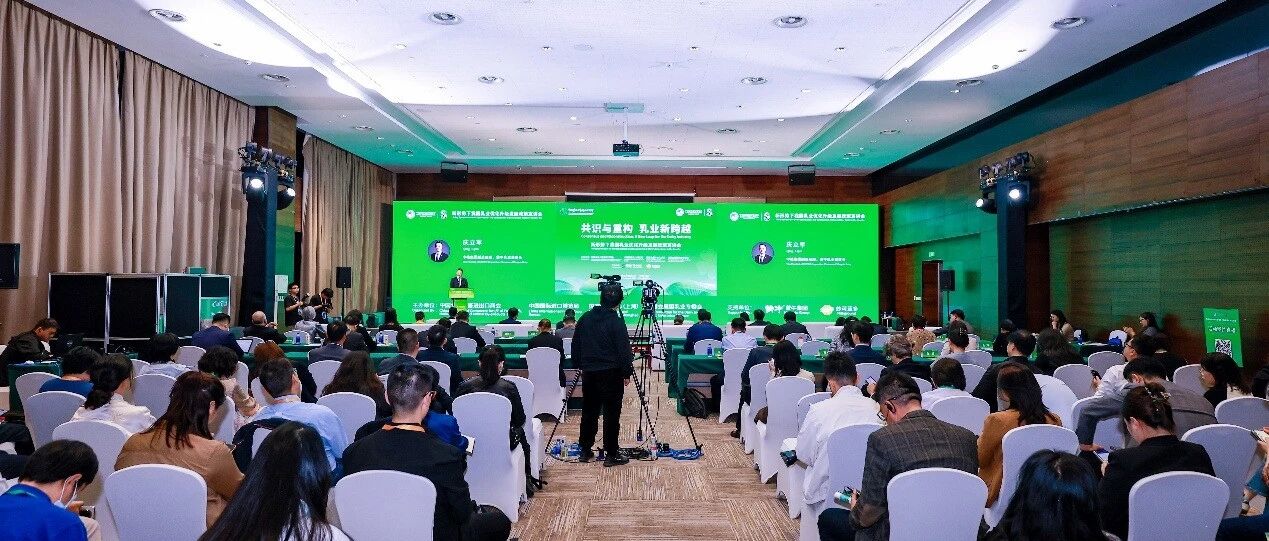
汇聚全球智慧 共促产业升级——蒙牛进博会提出“四大举措”引领中国乳业新跨越
21世纪经济报道· 2025-11-07 10:30
Core Viewpoint - The article emphasizes the importance of optimizing and upgrading China's dairy industry through innovation, international collaboration, and high-quality development, as discussed during the China International Import Expo and the accompanying dairy industry conference [1][2][5]. Group 1: Industry Development and Collaboration - The conference highlighted the need for China's dairy industry to adhere to a development path characterized by professionalism, internationalization, and high quality, while enhancing innovation and global collaboration [2][5]. - Leaders from various countries expressed their commitment to strengthening cooperation with China in the dairy sector, aiming for high-quality global dairy trade development [5][7]. - Local government officials emphasized the importance of creating a supportive ecosystem for high-quality dairy development and expanding consumer markets [9]. Group 2: Innovation and Upgrading - Mengniu Dairy aims to lead the industry through a "four-in-one" strategy focusing on technological innovation, digital upgrades, brand leadership, and green transformation [13][20]. - The company has made significant advancements in technology, including the development of proprietary strains of probiotics and high-quality forage, which enhance milk yield and quality [13]. - Mengniu's digital transformation includes establishing a "lighthouse factory" for liquid milk, showcasing its commitment to smart manufacturing [13]. Group 3: Cheese Market Opportunities - The cheese market in China is at a critical stage of upgrading, with expectations for rapid growth driven by increasing penetration rates and diverse consumption scenarios [16][18]. - Miaokelando has implemented a dual strategy targeting both B2B and B2C markets, offering customized cheese solutions across various sectors [18]. - The launch of China's first original mozzarella cheese by Miaokelando signifies the capability of domestic products to compete with international brands, promoting high-quality industry development [18].



汇聚全球智慧 共促产业升级——蒙牛进博会提出“四大举措”推动中国乳业新跨越
3 6 Ke· 2025-11-07 09:29
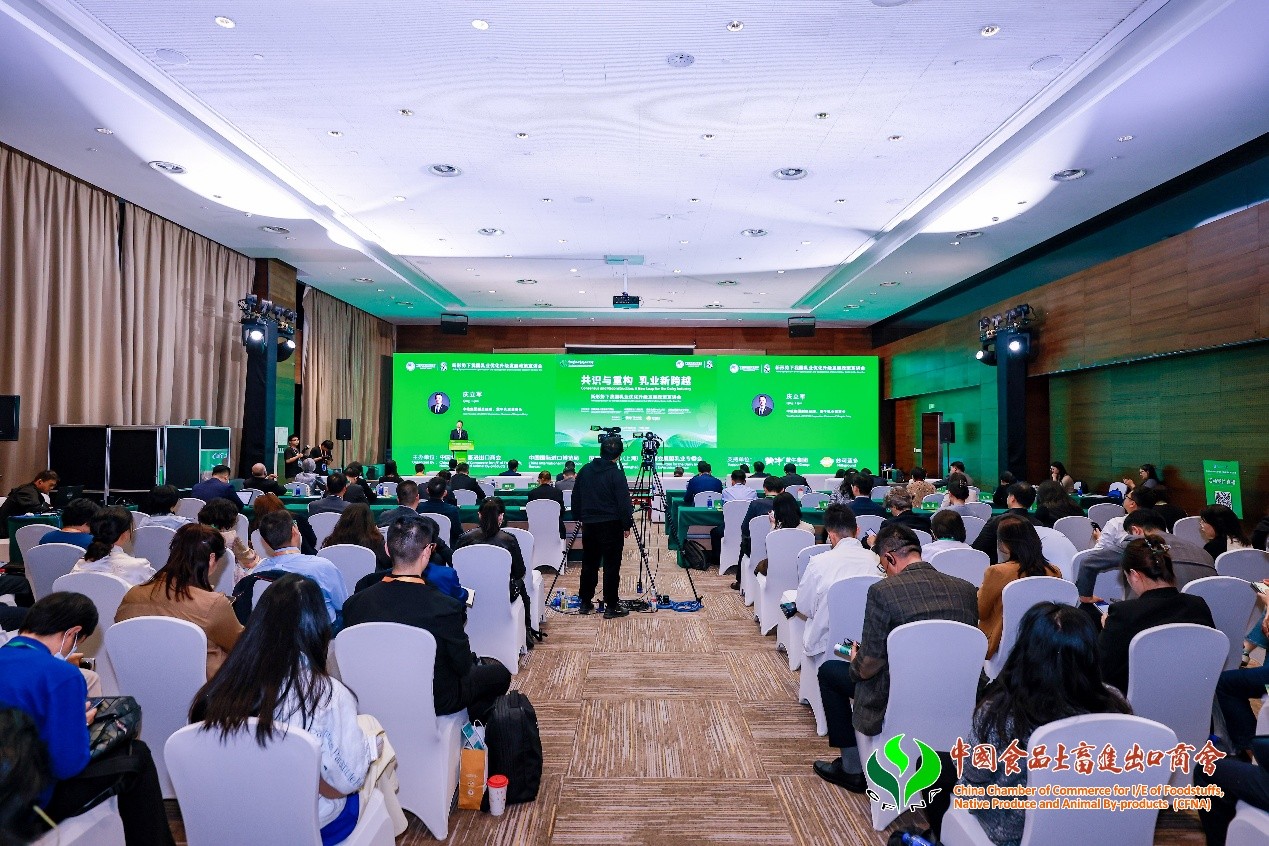
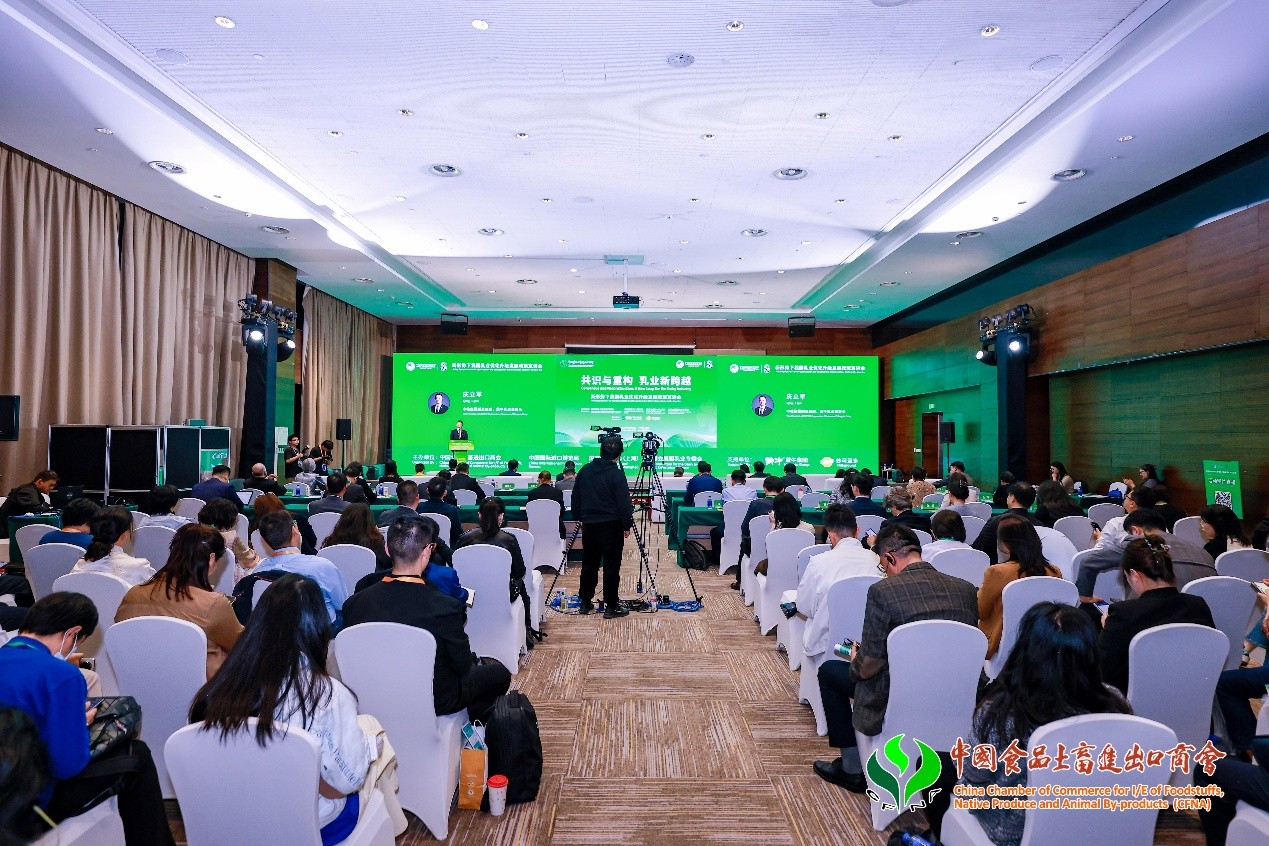
Core Insights - The 8th China International Import Expo was held in Shanghai from November 5 to 10, featuring a significant event focused on the optimization and upgrading of China's dairy industry [1] - The theme of the conference was "Consensus and Reconstruction, New Leap for the Dairy Industry," emphasizing the need for innovation and global collaboration to enhance China's position in the global value chain [3][11] Industry Development - The dairy industry is urged to maintain a development path characterized by "professionalism, internationalization, and high quality," with a focus on technological innovation and green development [3][5] - The conference highlighted the importance of meeting consumer demand for high-quality dairy products and enhancing core competitiveness through technological advancements [3][11] International Cooperation - Representatives from Uruguay and New Zealand expressed their commitment to strengthening trade relations with China, aiming to introduce high-quality dairy products to the Chinese market [5][7] - The emphasis was placed on collaborative efforts to promote high-quality global dairy trade [5] Company Initiatives - Mengniu Dairy aims to lead the industry through a "four-in-one" strategy focusing on technological innovation, digital upgrades, brand leadership, and green transformation [13][21] - The company has made significant advancements in technology, including the development of proprietary strains and high-quality feed, enhancing milk yield and quality [13][16] Market Opportunities - The cheese market in China is identified as a key growth area, with expectations for rapid expansion driven by increasing consumer demand and product diversification [17][19] - Miaokelando, a cheese brand, is implementing a dual strategy targeting both B2B and B2C markets, showcasing strong product innovation and market recognition [19] Sustainability Efforts - Mengniu is committed to sustainable practices across its supply chain, including the establishment of green factories and initiatives for zero-carbon products [16][21] - The company has also engaged in partnerships to promote environmentally responsible sourcing, such as a zero-deforestation soybean procurement agreement [16]
以绿能点亮智慧城市新图景 广州获2025世界智慧城市大奖·能源与环境大奖
Guang Zhou Ri Bao· 2025-11-07 08:16
Core Insights - Guangzhou was awarded the 2025 World Smart City Award for Energy and Environment at the Global Smart City Conference in Barcelona, recognizing its innovative approach to digital transformation and excellence in urban development [1] - The city has been focusing on green transformation since the 14th Five-Year Plan, accelerating the construction of a new energy system and promoting energy digitalization [1] Group 1: Data-Driven Low-Carbon City - Guangzhou is deepening its data factor market in the energy sector, collaborating with the Guangzhou Power Supply Bureau to explore cross-domain energy data utilization [2] - The establishment of the Southern Energy Industry Trusted Data Space in Guangzhou marks a national first, facilitating data sharing across electricity, water, and gas sectors [2] - The "Sui Carbon" platform has been developed to provide comprehensive online services for carbon emissions calculation, carbon account establishment, carbon credit evaluation, carbon finance matchmaking, and carbon governance [2] - The city has achieved 100% green electricity supply for major events like the Canton Fair and the 15th Sports Games, with green electricity trading volume exceeding 13 billion kilowatt-hours [2] Group 2: Smart Energy Security - Guangzhou has upgraded its smart power supply operation and maintenance system using AI and new technologies, efficiently managing millions of smart terminals [3] - The city has implemented a high-performance digital grid management system, achieving self-healing capabilities for faults under high load conditions, with daily electricity supply surpassing 400 million kilowatt-hours [3] - In the Nansha District, a comprehensive demonstration area for the "Dian Hong" initiative and a multi-dimensional micro-energy network have been established [3] - The city plans to introduce a "Smart Business Expansion" service model by 2025, enhancing transparency and visibility in electricity service processes [3] - In the first three quarters of this year, electricity consumption in specialized equipment manufacturing, new energy vehicle manufacturing, and photovoltaic equipment manufacturing grew by 36.84%, 117.05%, and 62.02% respectively [3] - By 2025, Guangzhou aims to achieve 16 consecutive years of top satisfaction in power supply services in provincial and municipal public service surveys, with an equalization index of 2.2 for urban and rural power supply services [3]
视频丨聚焦三大核心领域 进博会技术装备展区成尖端科技“超级秀场”
Yang Shi Xin Wen Ke Hu Duan· 2025-11-07 06:38
Core Insights - The theme of the eighth China International Import Expo (CIIE) technology equipment exhibition is "Equip the Future," covering an area of approximately 63,000 square meters, which accounts for one-seventh of the total exhibition area [1] - The exhibition focuses on three core areas: technology, industry, and environmental protection, divided into five major sections: digital industrial automation, low-carbon energy and environmental technology, integrated circuits, artificial intelligence, and new materials [1] - The artificial intelligence section has been upgraded to "version 4.0," exploring practical applications of humanoid robots across seven scenarios: sports, office, industry, education, art, catering, and entertainment [1] - The technology equipment exhibition features the highest number of Fortune Global 500 and industry-leading companies among all exhibition areas, showcasing the confidence of foreign enterprises in the Chinese market [1] Industry Highlights - The technology equipment exhibition serves as a "super showcase" for cutting-edge technology and an "innovation engine" for green transformation [1] - Major global industrial electrical brands, top water treatment companies, and leading elevator equipment firms are prominently featured, indicating strong international participation [1]
立邦再次参展进博会 以开放创新赋能涂料行业高质量发展
Ren Min Wang· 2025-11-07 06:02
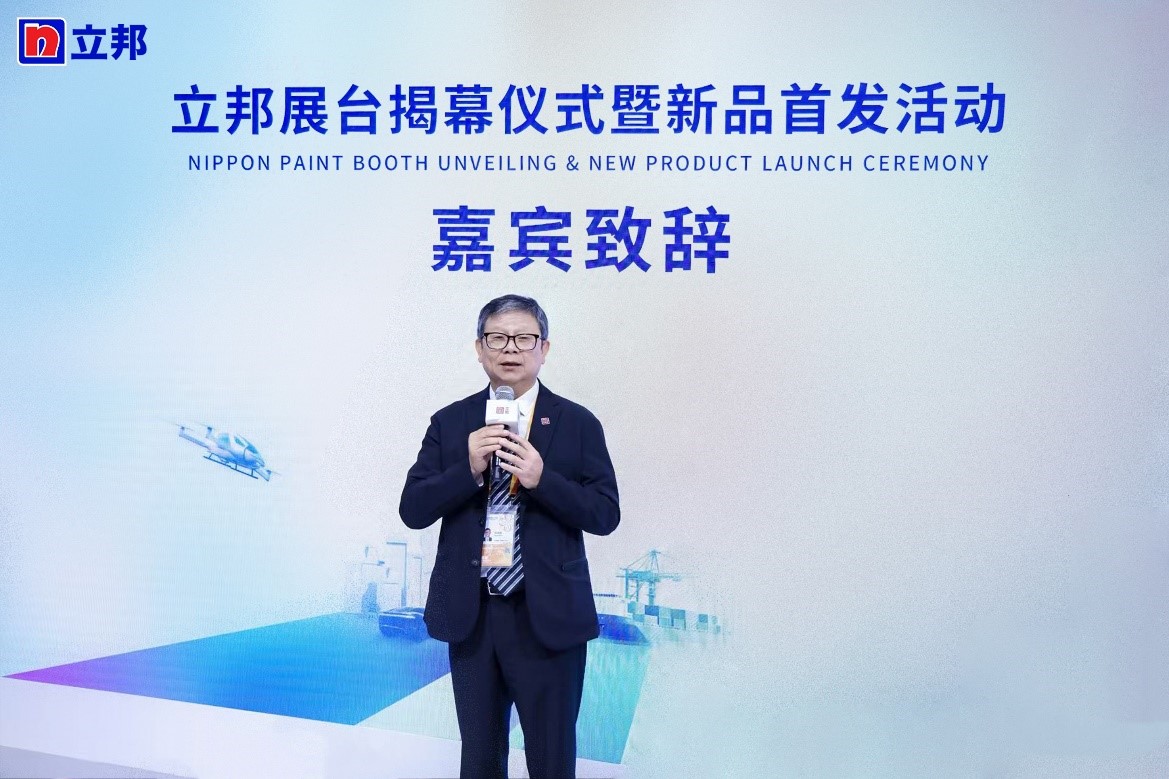
Core Viewpoint - The company NIPSEA (立邦) emphasizes its long-term commitment to the Chinese market by showcasing innovative products and solutions at the China International Import Expo, highlighting its role in the high-quality development of the coatings industry under an open market environment [1][5]. Group 1: Company Commitment and Strategy - NIPSEA has participated in the China International Import Expo for three consecutive years, demonstrating its dedication to the Chinese market and its belief that "investing in China is investing in the future" [5]. - The company has shifted from traditional product displays to focusing on systematic, scenario-based solutions in key national development areas such as low-altitude economy and new energy [5]. - NIPSEA's innovative solutions include a comprehensive coating solution for low-altitude flying vehicles and a coating solution for new energy battery packs, addressing safety needs and supporting infrastructure standardization [5]. Group 2: Sustainability and Industry Transformation - Under the "dual carbon" goals, NIPSEA prioritizes sustainability, with over 71% of new product sales in 2024 coming from sustainable products, driving low-carbon transformation in the industry [5]. - The company aims to convey the message that "green innovation is a development driver," encouraging more enterprises to invest in green technology research and development [5]. Group 3: Operational Growth and Market Environment - NIPSEA has established 74 factories and 10 research centers in China, with new production bases set to launch in Tianjin and Guangzhou by 2025 [6]. - The company has contributed to the training of over 420,000 industry talents and has supported local automotive companies in expanding into global markets [6]. - NIPSEA's growth is attributed to China's continuously improving business environment and the policy benefits from expanding openness [6].
汇聚全球智慧 共促产业升级——蒙牛进博会提出“四大举措”引领中国乳业新跨越
Zhong Jin Zai Xian· 2025-11-07 02:56
Core Insights - The 8th China International Import Expo was held in Shanghai from November 5 to 10, featuring a significant event focused on the optimization and upgrading of China's dairy industry [1] - The theme of the conference was "Consensus and Reconstruction, New Leap for the Dairy Industry," emphasizing the need for innovation and global collaboration to enhance China's position in the global value chain [4][12] Group 1: Industry Development - The dairy industry is recognized as a vital sector for national livelihood, requiring a focus on high-quality dairy products to meet consumer demands [4] - There is a call for technological innovation and a shift towards intelligent, green, and high-end development to enhance core competitiveness [4][12] - The conference highlighted the importance of international cooperation, with representatives from Uruguay and New Zealand expressing their commitment to strengthening trade ties with China [6][8] Group 2: Company Initiatives - Mengniu Group aims to lead the dairy industry through a "four-in-one" strategy focusing on technological innovation, digital upgrades, brand leadership, and green transformation [14] - The company has established itself as a leader in the dairy sector, with significant achievements in product development and market expansion, including a high sales volume for its premium brand [16][17] - Mengniu's commitment to sustainability is evident through its GREEN strategy, which includes building green factories and promoting zero-carbon products [14][18] Group 3: Cheese Market Opportunities - The cheese market in China is at a critical stage of upgrading, with expectations for rapid growth in market size driven by increasing consumer penetration and diverse consumption scenarios [19][21] - Miaokelando, a cheese brand, is implementing a dual strategy targeting both B2B and B2C markets, showcasing strong product innovation and market influence [21] - The launch of China's first original mozzarella cheese by Miaokelando signifies the capability of domestic products to compete with international brands, indicating a shift in the industry landscape [21]
“进博好物”何以直达
Jing Ji Ri Bao· 2025-11-06 22:10
Core Insights - The China International Import Expo (CIIE) has transformed from a six-day event to a year-round online platform, enhancing consumer experience and reflecting China's commitment to new development concepts and global market integration [1][2][3] Group 1: Digital Transformation and Innovation - As of August this year, China has surpassed 4 million 5G base stations and over 500 million households are covered by gigabit optical networks, enabling immersive experiences like "8K live streaming + AI real-time translation + AR fitting" at the expo [1] - The expo has introduced a dual payment channel of "digital RMB + cross-border payment," allowing exhibitors to open e-CNY wallets on-site, ensuring instant payment with zero fees [1] - Upgrades to national logistics hubs and cross-border data lines have made "72-hour global delivery" a standard, facilitating the rapid transformation of exhibits into products [1] Group 2: Global Impact and Green Transformation - The number of New Zealand exhibitors at this year's expo reached a record high, promoting grass-fed products to gain recognition among Chinese consumers, supported by national standards for grass-fed dairy management [2] - China's vast market is accelerating the green transformation of global supply chains, showcasing the spillover effects of developing new productive forces [2] - The "CIIE good products" initiative, combined with rural commercial system development and express delivery to villages, allows consumers in rural areas to access top global innovations, expanding the consumer base and benefiting farmers from less developed countries [2] Group 3: Institutional Opening and Global Standards - The expo has established multiple digital platforms, transitioning from a six-day event to a year-round operation, aligning with international high-standard trade rules [2] - Continuous reduction of the foreign investment negative list and the complete removal of restrictions in the manufacturing sector have created a favorable environment for global innovation [2] - The closed-loop of "global debut - scenario validation - large-scale replication" has been streamlined, forming a new paradigm of "world innovation - Chinese scenarios - global standards" [2]
绿水青山就是金山银山理念提出二十周年 以金融服务推动绿色转型——兴业银行服务地方经济剪影
Zheng Quan Ri Bao· 2025-11-06 15:50
Core Insights - The article highlights the integration of green finance into urban development and industrial transformation, emphasizing the role of financial institutions in supporting sustainable projects and the transition from traditional industries to eco-friendly alternatives [1][2][3] Group 1: Green Finance Initiatives - The Longjiang North Bank project in Fuzhou, which aims to improve the ecological environment, has received a total investment of 1.1 billion yuan, with 80% financed through bank loans [2] - The project includes multiple sub-projects focused on flood control, water quality improvement, and ecological restoration, requiring long-term financial support from banks [2] - The bank has customized financial service solutions for the project, approving loans of 3.2 billion yuan with a repayment period extended to 17 years and offering preferential interest rates for green loans [2][3] Group 2: Transformation of Local Economies - The Yucun Group in Zhejiang has transitioned from a resource-dependent model to a green tourism model, supported by a 1 billion yuan syndicated loan, with 500 million yuan from the bank, to enhance local tourism [3] - The village's per capita income has reached 80,000 yuan, with total economic income exceeding 10 million yuan, demonstrating the economic benefits of ecological transformation [3] Group 3: Innovative Loan Mechanisms - Banks are innovating loan pricing mechanisms linked to sustainability performance, allowing for interest rate adjustments based on the achievement of environmental goals [5][6] - The bank has implemented a mechanism where loan rates are adjusted based on carbon emission reduction targets, incentivizing companies to pursue green transformations [6][7] - As of now, projects linked to climate ecological evaluation indicators have a total credit limit of 688 million yuan, with an average interest rate discount of 23 basis points [7] Group 4: Future Directions for Financial Institutions - Financial institutions are encouraged to integrate green finance into their development strategies and link it to business growth metrics and performance evaluations [8] - Recommendations include enhancing the green finance product system, developing risk management frameworks for green projects, and fostering collaboration with third-party organizations for data sharing [8]

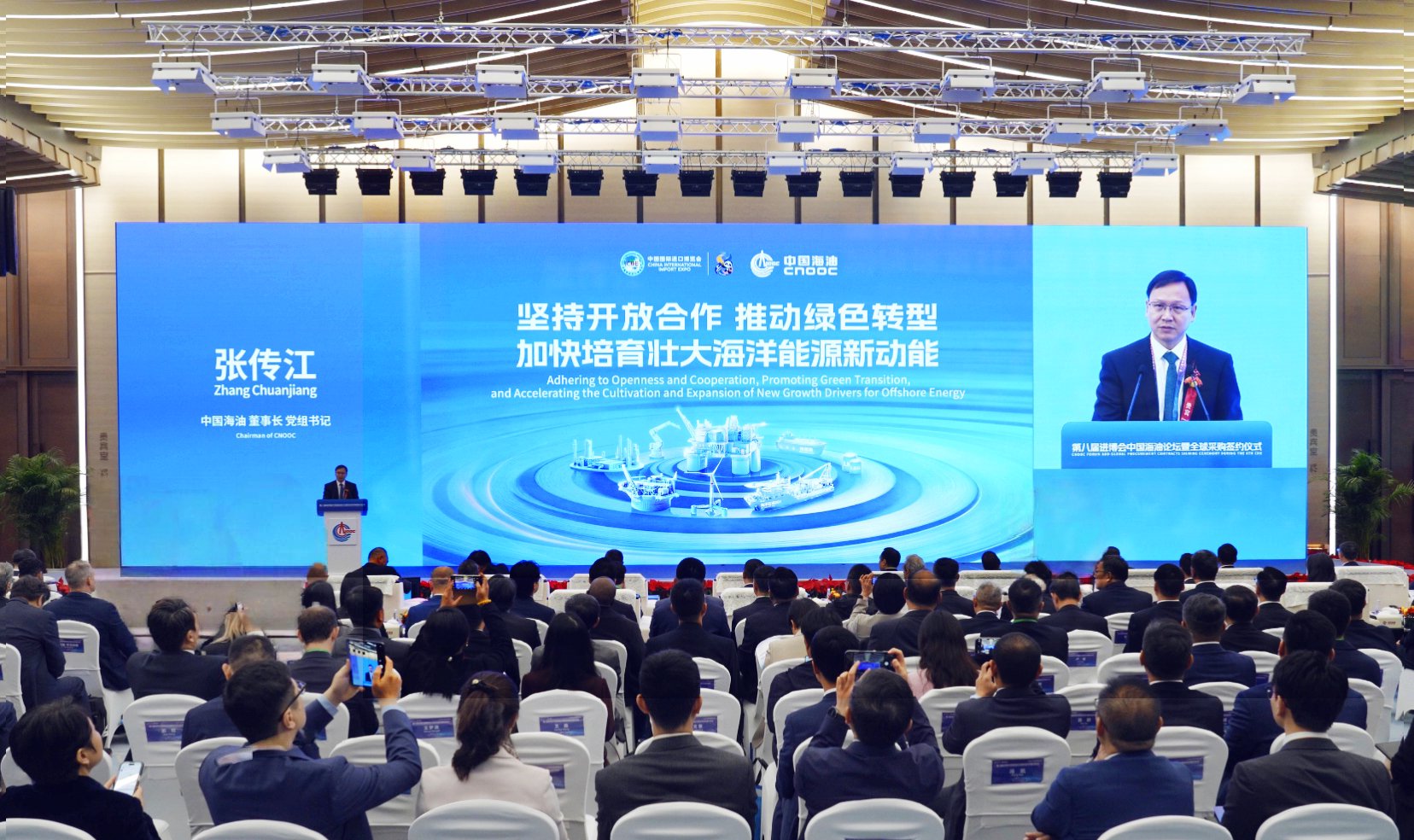
聚焦进博会|“三桶油”进博会累计签约超五千亿元,中国海油签约额创历史新高
Di Yi Cai Jing· 2025-11-06 14:45
Core Viewpoint - The recent China International Import Expo (CIIE) highlighted significant procurement agreements by China's major oil companies, emphasizing the importance of multilateral cooperation, energy security, green transition, and technological innovation in the energy sector [1][4][5] Group 1: Procurement Agreements - China National Offshore Oil Corporation (CNOOC) signed contracts exceeding $130 billion (approximately 926 billion RMB), marking a historical high for a single CIIE [1] - China Petroleum and Chemical Corporation (Sinopec) and China National Petroleum Corporation (CNPC) also secured substantial agreements, with Sinopec's procurement amounting to over $40.9 billion and CNPC's agreements totaling $17.485 billion [2] - Cumulatively, the "Three Barrel Oil" companies signed contracts worth nearly $71.4 billion (approximately 508.2 billion RMB) at this year's CIIE, contributing to a total of approximately $558.8 billion (around 3.98 trillion RMB) since the first CIIE [2] Group 2: Industry Challenges and Responses - Geopolitical tensions, such as the Russia-Ukraine conflict and the Israel-Palestine conflict, have impacted the stability of the international energy market and increased energy supply security risks [4] - The transition from conventional to unconventional oil and gas exploration and the need for technological upgrades in energy equipment are critical challenges facing the industry [4] - The global push for a green low-carbon transition is a pressing issue that energy companies must address [4] Group 3: Strategic Initiatives - CNOOC's chairman emphasized the necessity of open cooperation for energy security and the importance of green transition for sustainable development [6] - The general manager of CNPC advocated for leveraging the Belt and Road Initiative to enhance bilateral and multilateral cooperation in the energy sector [6] - There is a focus on advancing low-carbon technologies such as carbon capture, utilization, and storage (CCUS), hydrogen, and solar energy, alongside fostering international collaboration in innovation and artificial intelligence applications [6]