低空经济

Search documents
140万亿元!中国经济再上新台阶
Xin Hua Wang· 2026-01-19 10:42
Economic Growth - China's GDP is projected to exceed 140 trillion yuan by 2025, marking a significant milestone in the "14th Five-Year Plan" period with a series of economic achievements [1] - The contribution rate of China to global economic growth is expected to reach around 30%, positioning it as a stable and reliable driver of the world economy [1] Economic Resilience - China's agricultural output has stabilized at 1.4 trillion jin for two consecutive years, and the manufacturing value-added has maintained the world's top position for 16 years [2] - The service sector's contribution to GDP has increased to 57.7%, showcasing a robust economic foundation [2] - China is projected to maintain its status as the world's largest goods trading nation, with total import and export value expected to surpass 45 trillion yuan by 2025 [2] Innovation and Technology - China has entered the top ten in global innovation index rankings, with R&D expenditure intensity reaching 2.8%, surpassing the OECD average for the first time [3] - Significant advancements in technology are evident, with notable achievements in various sectors, including the successful launch of the "Tianwen-1" mission and the introduction of the first electromagnetic aircraft carrier [3] - The domestic sales of new energy vehicles have exceeded 50%, and production of civilian drones and industrial robots has increased by 37.3% and 28%, respectively [3] Consumer Market Dynamics - The total retail sales of consumer goods have surpassed 50 trillion yuan, reflecting a 3.7% increase from the previous year, with new retail models experiencing double-digit growth [4] - The per capita disposable income of residents has increased by 5.0%, and the urbanization rate has reached 67.89%, indicating positive progress in public services and living standards [4] - The economic foundation remains strong, with long-term positive trends expected to continue, demonstrating resilience against economic challenges [4]
A股投资策略周报告:市场预期保持稳中向好-20260119
CHINA DRAGON SECURITIES· 2026-01-19 10:35
Group 1 - The report indicates that the A-share market is expected to maintain a stable and positive trend, with structural differentiation observed in industry performance, particularly favoring growth and cyclical sectors [4][22][24] - Growth and cyclical sectors showed better performance last week, with average returns of 0.37% and 0.19% respectively, while other styles like consumption and stability experienced declines [5][13] - The report highlights that the 2025 foreign trade achieved rapid growth, with total imports and exports reaching 45.47 trillion yuan, an increase of 3.8%, and exports growing by 6.1% [18] Group 2 - The macro liquidity outlook remains positive, with financial totals growing rapidly and a continued implementation of moderately loose monetary policy expected in 2026 [19][21] - The report emphasizes the importance of structural adjustments in monetary policy, including a 0.25 percentage point reduction in various structural monetary policy tool rates to enhance credit support for key sectors [21] - The report identifies key investment themes, including technology and advanced manufacturing, domestic demand expansion, and opportunities arising from supply-demand changes, with specific sectors like electronics, automotive, and medical devices highlighted for potential investment [24]
解读|让无人机“看得见”“管得住”
Zhong Guo Min Hang Wang· 2026-01-19 10:04
Core Viewpoint - The newly released national standard "Regulations on the Operation Identification of Civil Unmanned Aerial Vehicle Systems" aims to enhance the safety management of civil drones, set to be implemented on May 1, 2026, addressing the growing demand for operational management in the low-altitude economy [2][3]. Group 1: Background and Purpose - The development of the regulations is driven by the increasing number of drones and operators, as well as the expanding applications in agriculture, inspection, logistics, and other low-altitude business scenarios [3]. - The core principle of the regulations emphasizes "safety first," ensuring that drones can be effectively monitored and managed to promote safe and orderly development of the low-altitude economy [3][4]. Group 2: Key Provisions of the Regulations - The regulations require drones to actively report their identity, location, speed, and status throughout their operation, establishing technical standards for the design, production, and operation of drone identification systems [4]. - The regulations specify that the identification information does not include personal data, focusing solely on operational safety and public security [4]. Group 3: Scope and Management - The regulations apply to civil unmanned aerial vehicle systems and their identification systems, excluding large drones operating solely in controlled airspace and indoor drones [5]. - Two modes of operation identification are defined: broadcast and network, catering to different monitoring needs and enabling real-time tracking of drone activities [6]. Group 4: Implementation Timeline and Transition - The regulations will be implemented in phases, with a requirement for drones lacking identification capabilities to cease operations from May 1, 2026, and a transition period for existing drones to comply with the new standards [7]. - Manufacturers are required to provide upgrade solutions for drones to meet the identification requirements, ensuring compliance within a specified timeframe [7]. Group 5: Technical and Industry Impact - The regulations unify the technical requirements for identification systems, facilitating the integration of drones into the low-altitude airspace and air traffic management systems [8]. - The implementation of these regulations is expected to support the safe and orderly development of the low-altitude economy by providing a robust framework for operational visibility and safety oversight [8].
双双破100架!国产轻型运动飞机规模化量产取得新突破
Jing Ji Wang· 2026-01-19 09:52
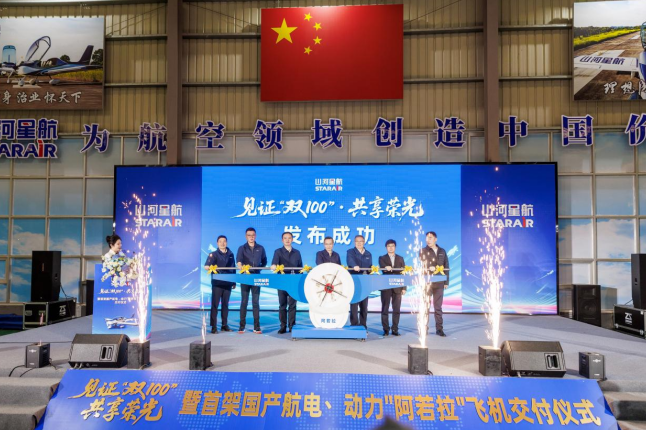
Core Viewpoint - Shanhe Xinghang has achieved a significant milestone in the domestic light sport aircraft manufacturing industry, with its "Aruola" aircraft expected to exceed 100 units in both sales and deliveries in 2025, marking a breakthrough in large-scale production [1][3]. Group 1: Sales and Market Position - In 2025, Shanhe Xinghang's "Aruola" aircraft will have annual sales and delivery volumes both surpassing 100 units, with cumulative deliveries exceeding 400 units and a domestic market share of over 75% [3]. - The time taken to achieve the milestone of selling 100 aircraft has drastically reduced from over ten years to just one year, indicating a significant increase in market acceptance and industry maturity for domestic light sport aircraft [3]. Group 2: Technological Advancements - The recent delivery of the "Aruola" aircraft signifies that the domestic light sport aircraft has achieved autonomy in its core components, specifically the power (engine) and avionics (flight control system), overcoming long-standing bottlenecks in the industry [6]. - Shanhe Xinghang has successfully developed a new generation of intelligent avionics systems through collaboration with Zongshen Aviation and has received type certification (TC) and production certification (PC), filling a technological gap in the domestic market [6]. Group 3: Industry Impact - The successful delivery of domestically produced avionics and power systems, along with the achievement of the "double hundred" goal, represents a landmark advancement in China's general aviation manufacturing and low-altitude economy [6]. - This progress indicates that, driven by both policy and market forces, companies like Shanhe Xinghang are accelerating the creation of an industrial ecosystem that encompasses independent innovation, commercial operations, and diverse applications [6].

无人机培训行业大洗牌,机构锐减!选对靠谱平台才是关键!
Jin Tou Wang· 2026-01-19 09:43
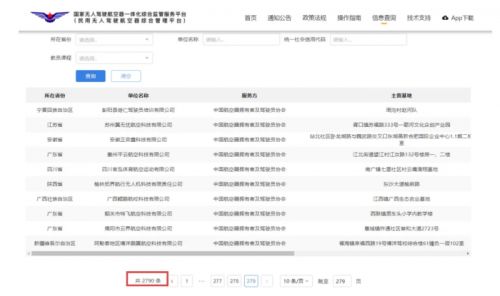
Industry Overview - As of January 2026, the number of drone training institutions in China has decreased from over 4,000 at its peak to 2,790, and this number continues to decline [1] - The professional talent gap in the drone sector is projected to exceed one million by 2025, with certified drone pilots earning a stable monthly salary ranging from 8,000 to 15,000 yuan [2] Company Profile - Nengfei Aviation Technology Development Co., Ltd. is a comprehensive enterprise involved in drone R&D, production, sales, industry application services, and low-altitude talent training [3] - Nengfei Aviation is one of the first officially certified drone training institutions in China, having trained over 90,000 low-altitude talents nationwide [3] - The training facility spans over 30,000 square meters of indoor office and teaching space, with more than 500 acres of practical training grounds and a B-class general airport runway measuring 800 meters by 40 meters [3] Training and Employment - Nengfei Aviation has a teaching team of 150 experienced professionals, ensuring high pass rates in national examinations and cultivating versatile elite talents for various industries [3] - The company maintains dozens of training drones, over 2,000 spare parts, and more than 80 fast-charging battery groups to ensure quality training and practical experience for students [3] - Nengfei Aviation has established an employment guidance center staffed by over 10 career education experts, collaborating with more than 5,000 recruiting companies [5] Industry Impact - Nengfei Aviation has been a key player in hosting various provincial and national competitions organized by the Ministry of Human Resources and Social Security and the Ministry of Education, contributing to the selection of skilled drone professionals and promoting knowledge sharing and technical exchange within the industry [5] - The company aims to lead the industry by continuously developing a professional teaching system to cultivate more skilled drone professionals in response to the expanding talent gap in the low-altitude economy [5]
专访丨中国以创新开放成为全球经济的“新动能”和“稳定锚”——访德勤中国首席执行官刘明华
Xin Hua Wang· 2026-01-19 09:05
Core Viewpoint - China has made significant progress in technological innovation and open cooperation, positioning itself as a "new driving force" and "stabilizing anchor" for the global economy [1] Group 1: Global Economic Challenges - The global economy faces multiple risks and challenges, including weakening long-term growth momentum, frequent geopolitical conflicts, rising trade frictions, and uncertainties surrounding long-term returns on artificial intelligence investments [1] - Policy uncertainty is identified as a core indicator of the deteriorating global trade environment, with U.S. tariffs being a key factor contributing to this uncertainty [1] - A slowdown in global trade growth, increased regionalization, and heightened fragmentation are anticipated by 2026 [1] Group 2: China's Economic Performance - Achieving a 5% growth rate for China's economy in 2025 is considered a significant challenge given the global economic slowdown [2] - China's economic fundamentals are strong, supported by a large market, a complete industrial system, and abundant human resources [2] Group 3: Innovation and High-Quality Development - The year 2026 marks the beginning of China's "14th Five-Year Plan," focusing on upgrading the modern industrial system through innovation-driven growth [2] - Consumption is emphasized as a key driver for sustainable economic growth, with its importance expected to increase [2] - China has entered the top ten in the global innovation index for the first time, with 24 top global innovation clusters, making it the economy with the most leading innovation clusters [2] Group 4: Open Cooperation and Global Engagement - China possesses sustainable internal growth momentum and a willingness to engage in win-win global cooperation [3] - In the context of rising geopolitical uncertainties, China is steadily expanding its institutional openness, providing a "stabilizing anchor" for global economic activities [3] - China aims to leverage platforms like the Digital Silk Road and the Green Silk Road to contribute more to global innovation and sustainable development [3]
中信证券:预计2026年起全球稀土供需缺口或持续扩大
Zhong Guo Qi Che Bao Wang· 2026-01-19 08:40
Core Insights - The strategic importance of global rare earth resources continues to rise, marking the entry of the rare earth industry into a new era of high-quality development [1] Supply Side - Supply constraints are expected to strengthen due to quota regulations and control policies, leading to a rigid supply logic [1] Demand Side - Emerging sectors such as electric vehicles, humanoid robots, and the low-altitude economy are anticipated to become core drivers of long-term high-speed growth in demand [1] Future Outlook - It is projected that starting from 2026, the global supply-demand gap for rare earths may continue to widen, with prices expected to remain stable or increase [1] - The profitability of the industry chain is likely to continue improving, reinforcing the strategic allocation value of the rare earth industry chain [1]

优优绿能:将依托补能技术优势,积极挖掘低空经济领域潜在业务机遇
Sou Hu Cai Jing· 2026-01-19 08:17
Core Viewpoint - The revised Civil Aviation Law is expected to create a more regulated environment for the low-altitude economy, which may benefit companies like Youyou Green Energy that are involved in charging module products for eVTOL and low-altitude drones [1] Group 1: Company Response - Youyou Green Energy acknowledges the current low-altitude economy is still in the pilot cultivation stage and emphasizes its focus on industry developments [1] - The company plans to leverage its energy replenishment technology advantages to explore and seize potential business opportunities as the industry moves towards a new phase of scaling [1]
宁波海洋场景无人机物流航线开通
Zhong Guo Zi Ran Zi Yuan Bao· 2026-01-19 07:31
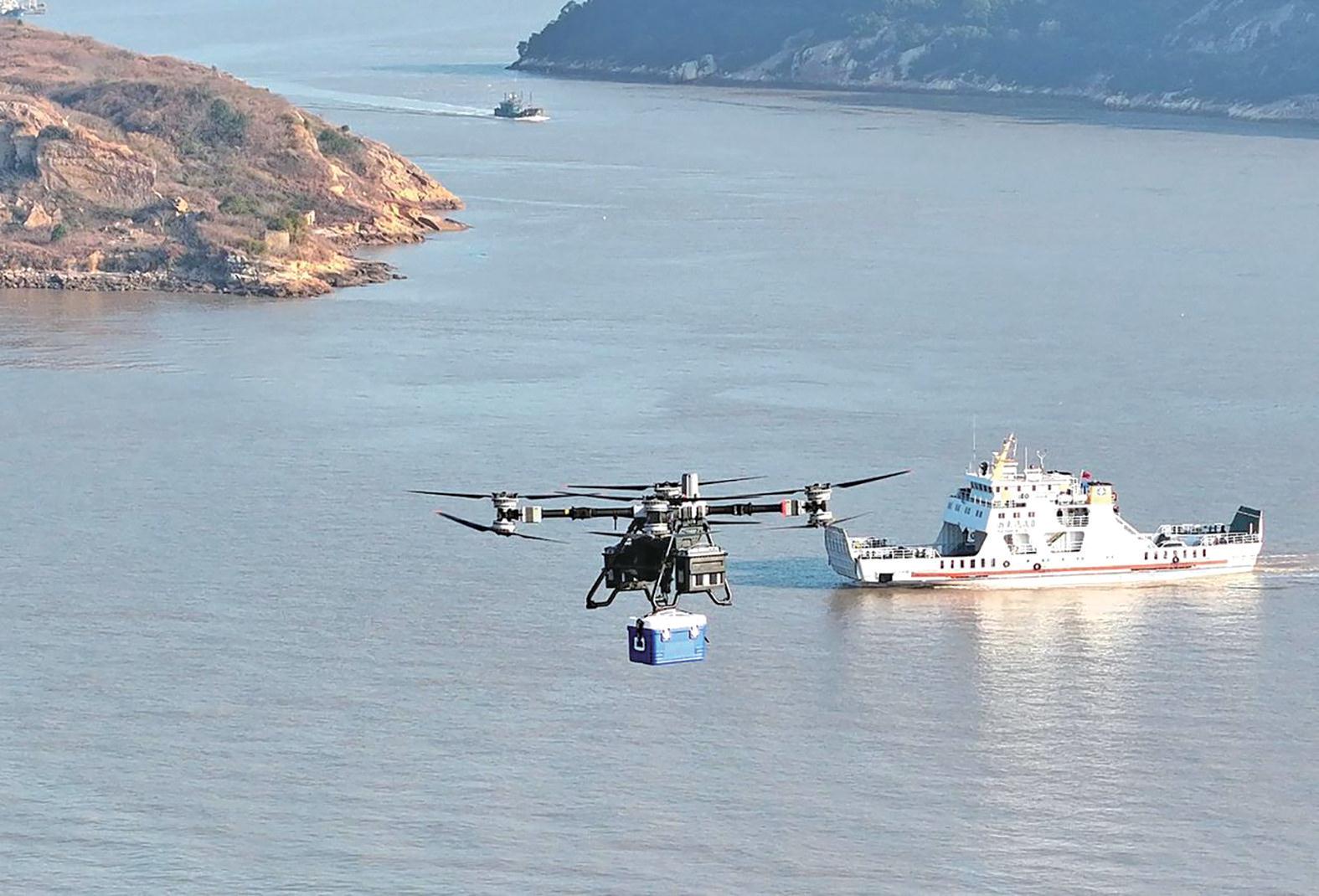
Core Insights - The first drone logistics route in Ningbo, Zhejiang Province, has been launched, aimed at addressing logistics bottlenecks for island economies [3] - The inaugural flight demonstrated the efficiency of drone delivery for seafood and packages, significantly reducing delivery times [3] Group 1: Drone Logistics Implementation - Two drones successfully completed their first flights, delivering fresh seafood and packages, with one round trip of approximately 6 kilometers taking only 6 minutes [3] - Another drone delivered a package to Huai'an Island, covering a distance of 18 kilometers in under 20 minutes, showcasing the potential for rapid logistics solutions [3] - The drones have a maximum payload of 80 kilograms and an empty range of 26 kilometers, equipped with multiple sensing systems and emergency parachutes to adapt to complex marine environments [3] Group 2: Economic Development and Infrastructure - Xiangshan County, rich in marine and island resources, faces high logistics costs and inefficiencies, which hinder economic development [4] - The county has introduced a low-altitude economy plan called "Hundred Islands, Thousand Routes" for 2025-2030, focusing on creating a collaborative low-altitude ecosystem to solve logistics and emergency challenges [4] - Infrastructure developments include the establishment of G-class airspace, a county-level aviation service center, a low-altitude service platform, and five drone takeoff and landing points, aiming for a comprehensive breakthrough from infrastructure to industrial application [4]
赋能区域经济发展 许昌建安智慧低空绘新篇
Huan Qiu Wang Zi Xun· 2026-01-19 07:03
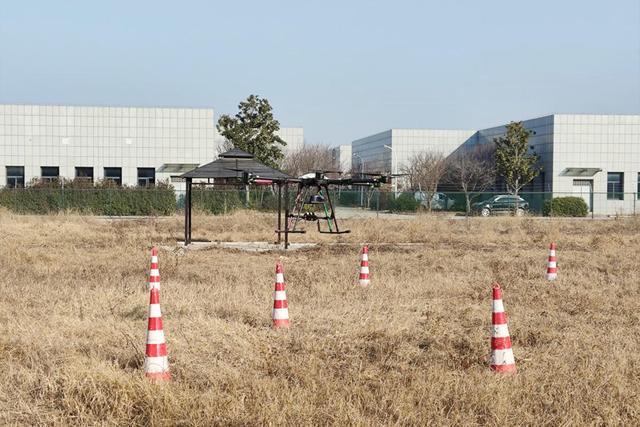
Group 1 - The core focus of the article is on the development of the drone training and manufacturing industry in Jian'an District, Henan Province, with 鼎昂智能科技有限公司 (Dingang Intelligent Technology Co., Ltd.) leading the initiative [1][3][4] - The company aims to produce over 3,000 drones by 2025, with 35% of these being educational drones, highlighting the emphasis on training and skill development in drone operation [3] - The establishment of the drone base is seen as a catalyst for the low-altitude economy in Jian'an District, promoting talent aggregation and job creation, thus contributing to the region's high-quality development [3][4] Group 2 - The drone base is positioned as a benchmark for integrating low-altitude economic activities into daily life, aiming to enhance the local economy and create a "sky business card" for Jian'an District [3] - The article emphasizes the multi-faceted benefits of the drone base, including talent cultivation, industrial development, and improvements in people's livelihoods, indicating a holistic approach to economic growth [4] - The ongoing development of the low-altitude economy is expected to yield significant benefits for the community, allowing more residents to share in the prosperity generated by the industry [4]