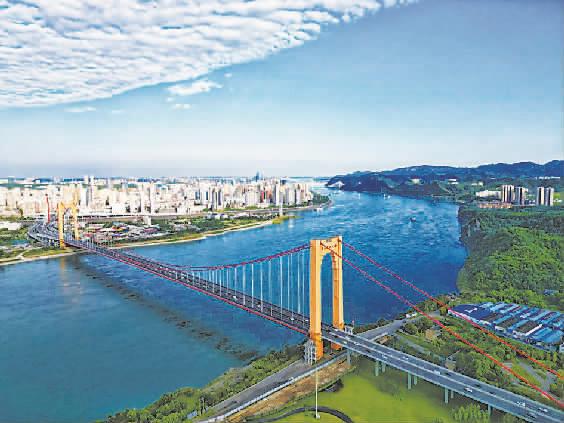
生态产品价值实现

Search documents
金融如何支持林业高质量发展?三部门推出15条举措
Di Yi Cai Jing· 2025-08-25 08:26
Core Viewpoint - The People's Bank of China, along with financial regulatory authorities and the National Forestry and Grassland Administration, has issued a notification to enhance financial support for high-quality development in forestry, proposing 15 specific measures across five key areas to implement the collective forest rights system reform and promote ecological sustainability [1][4]. Group 1: Financial Services for Collective Forest Rights Reform - The notification emphasizes the need to innovate and expand forest rights mortgage loan products and services, including extending loan terms and broadening the range of mortgaged forest rights [1][4]. - It encourages the establishment of forest rights storage institutions in suitable regions and the optimization of forest rights value assessment mechanisms [1][5]. - The management and disposal of mortgaged forest rights will be strengthened to protect the legal rights of mortgagees [1][6]. Group 2: Financial Support for Strategic Ecological Projects - The notification focuses on enhancing financial support for national reserve forest construction and key ecological projects like the "Three North" project, promoting diversified investment mechanisms [2][8]. - It aims to provide tailored financial products and services to meet the needs of forestry operations, including financing for under-forest specialty industries and logistics [2][10]. - The development of a comprehensive insurance product system for forests, including index insurance and income insurance, is encouraged [2][9]. Group 3: Financial Investment in High-Quality Forestry Development - The notification calls for increased financial support for moderate-scale forestry operations, emphasizing the importance of supply chain finance [10][11]. - It highlights the need for innovative financial support models for under-forest economies, focusing on various under-forest products [10][11]. - The integration of forestry's primary, secondary, and tertiary industries is promoted through enhanced credit support for specialty forestry products [10][11]. Group 4: Mechanisms for Realizing Ecological Product Value - The notification supports the transformation of ecological product values, particularly in carbon sink resource management, and encourages the development of innovative financing products [12][13]. - Financial institutions are urged to leverage digital technologies to optimize credit processes and enhance the accessibility of ecological product financing [12][13]. Group 5: Policy Support and Risk Management - The notification emphasizes the need for robust financial support mechanisms, including the use of monetary policy tools to guide financial institutions in increasing credit support for forestry [13][14]. - It encourages the innovation of insurance products tailored to forestry needs and the establishment of risk management mechanisms for forest rights mortgage loans [13][14]. - A collaborative platform for financial support in forestry reform is to be established to ensure effective policy implementation [15].
习近平生态文明思想省域实践的江苏探索
Zhong Guo Huan Jing Bao· 2025-08-25 00:27
Core Viewpoint - The article emphasizes the importance of ecological civilization construction in Jiangsu Province, highlighting the commitment to prioritize ecological protection while achieving high-quality economic development [1][2]. Group 1: Ecological Civilization Construction - Jiangsu has integrated ecological civilization construction as a major political task and a livelihood project, exploring paths for high-quality development and ecological protection [1][2]. - The province has established a legal framework for ecological civilization, including local regulations such as the "Jiangsu Provincial Ecological Environment Monitoring Regulations" and "Jiangsu Provincial Biodiversity Protection Regulations" [2]. Group 2: Spatial Layout and Function Optimization - Jiangsu is focusing on creating ecological protection spaces by delineating ecological red lines and promoting urban-rural integration [3]. - The province aims to develop distinctive ecological spaces, such as the "Green Ecological Corridor" along the Yangtze River and various ecological barriers across different regions [3]. Group 3: Government and Market Coordination - Over the past decade, Jiangsu has invested more than 380 billion yuan in ecological protection, while also innovating green financial products to enhance market participation [4]. - The province is leveraging traditional ecological wisdom in modern governance, creating educational landmarks for ecological culture [4]. Group 4: Key Strategic Focus Areas - Jiangsu is exploring pathways for realizing the value of ecological products through mechanisms like the ecosystem production value (GEP) accounting system [5]. - The province has established cross-regional ecological compensation mechanisms to improve water quality in the Yangtze River Delta [6]. Group 5: Industry Transformation and Innovation - Jiangsu has shut down over 5,000 chemical enterprises and reduced the number of chemical parks, significantly improving environmental governance in the industry [6]. - The province is fostering new industries, with high-tech industry output exceeding 50% of the industrial total for the first time in 2024, and maintaining the highest manufacturing quality development index in the country for five consecutive years [6]. Group 6: Public Participation Mechanisms - Jiangsu has introduced innovative governance models to enhance public participation in ecological protection, leading to a continuous decline in environmental complaints over seven years [7]. - Initiatives like the "Carbon Benefit" platform and "Ecological Savings Book" encourage the public to adopt green lifestyles [7].
蜀山秀水间的生态价值转化之道
Si Chuan Ri Bao· 2025-08-24 22:15
Core Viewpoint - The article emphasizes the successful implementation of the "Two Mountains" concept in Sichuan, showcasing a model that balances ecological protection with economic development, contributing to the construction of a beautiful China through local and global significance [1][8]. Group 1: Ecological Protection and Development - Sichuan has made significant strides in ecological reconstruction and protection, establishing itself as a key ecological barrier for the Yangtze and Yellow Rivers, with 14.80 million square kilometers designated as ecological protection red lines [2]. - The province has maintained water quality at Class II or above for eight consecutive years, demonstrating its commitment to ecological safety [2]. Group 2: Clean Energy Development - Sichuan is recognized as a national clean energy demonstration province, with a clean energy installed capacity of 130 million kilowatts, accounting for 88% of its total capacity, leading the nation in power generation [3]. - The establishment of the Yalong River basin as a comprehensive renewable energy demonstration base is set to create the world's largest green clean energy hub [3]. Group 3: Urban Development and Green Spaces - Chengdu, as the first park city demonstration area, has integrated the "Two Mountains" concept into urban planning, creating over 1,500 parks and achieving a forest coverage rate of 40.5% [4]. - The city has implemented innovative urban development strategies, enhancing ecological, cultural, and economic values through a park system [4]. Group 4: Green Prosperity in Ethnic Regions - Sichuan's ethnic regions are exploring sustainable development paths that integrate ecological protection with economic benefits, exemplified by projects like the "Photovoltaic + Assistance" model [5][6]. - The region has successfully created brands that enhance the value of local agricultural products, contributing to community wealth [5]. Group 5: Market Mechanisms for Ecological Value - The province has established a market mechanism for ecological product value realization, transitioning ecological resources from "priceless" to "valuable" through market-oriented reforms [6]. - Initiatives include the establishment of a 30 billion yuan green low-carbon industry fund and the first carbon-neutral green medium-term notes at the county level [6]. Group 6: Technological Innovation in Ecological Governance - Sichuan has developed a comprehensive technology-driven system for ecological governance, utilizing digital tools for resource management and monitoring [7]. - The implementation of advanced monitoring systems in the Giant Panda National Park exemplifies the integration of technology in ecological protection [7]. Group 7: Promotion of New Productive Forces - The province is fostering a modern industrial system focused on green low-carbon development, with initiatives in traditional industry transformation and the promotion of emerging sectors [8]. - Sichuan's efforts in green finance and talent development are aimed at enhancing the province's capacity for sustainable growth [8].
国务院常务会议解读丨聚焦“三北”工程,国务院作出新部署
Xin Hua She· 2025-08-22 15:32
Core Viewpoint - The State Council's meeting approved the overall plan for the "Three-North" project, emphasizing its significance for ecological security, national strength, and sustainable development of the Chinese nation [1][2]. Group 1: Project Overview - The "Three-North" project is a major national strategy aimed at enhancing ecological security in northern China [1]. - The project has evolved from a focus on vegetation construction to comprehensive ecological restoration, shifting from mere survival to development, beauty, and happiness [1][2]. - The meeting highlighted the need for integrated protection and systematic governance of natural resources, including mountains, rivers, forests, fields, lakes, grasslands, and deserts [1]. Group 2: Implementation and Development - The project aims to promote the ecologicalization of industries and the industrialization of ecology, encouraging localities to develop characteristic industries that yield ecological, economic, and social benefits [1][2]. - There is a call for exploring diversified pathways for realizing the value of ecological products, as the region is still in the early stages of this endeavor [2]. - The meeting stressed the importance of establishing long-term mechanisms and responsibilities for post-construction management, encouraging various stakeholders to contribute to the project's ongoing success [2].
六词读懂绿水青山就是金山银山理念的实践伟力
Ren Min Ri Bao· 2025-08-19 13:28
Group 1 - The concept of "Green Mountains and Clear Water are as Valuable as Mountains of Gold and Silver" emphasizes the interdependence of ecological protection and economic development, guiding a new path for harmonious coexistence between development and protection [1][6][12] - The "dual carbon" goals of carbon peak and carbon neutrality are crucial for promoting green development strategies and achieving harmony between humans and nature [2][4][20] - Significant progress has been made in green low-carbon energy development, with national installed power generation capacity reaching 3.65 billion kilowatts, a year-on-year increase of 18.7%, including solar power capacity growing by 54.2% [3][22] Group 2 - The "Beautiful Economy" concept integrates ecological protection with economic benefits, aiming to achieve a balance of ecological, economic, and social benefits [6][8][24] - Various regions are exploring innovative models for the "Beautiful Economy," such as integrating cultural and ecological resources to enhance local economies [7][11] - The establishment of a mechanism for realizing the value of ecological products is essential for implementing the "Green Mountains and Clear Water" philosophy, with ongoing efforts to enhance ecological product supply capabilities [9][10][24] Group 3 - The green low-carbon circular development economic system is a fundamental strategy for addressing ecological and environmental issues, aligning with global trends in sustainable development [20][21] - The system emphasizes the integration of production, circulation, distribution, and consumption processes that respect the harmony between humans and nature [21][22] - Achievements in this area include a significant reduction in energy consumption per unit of GDP and a leading position in renewable energy capacity, with wind and solar power installations ranking first globally [22][24]
中央企业多措并举激活乡村振兴绿色动能
Xin Hua She· 2025-08-19 11:26
Group 1 - The importance of a good ecological environment as a valuable asset for rural areas is emphasized, with central enterprises playing a significant role in promoting economic, social, and ecological benefits through innovative practices [1] - Qinghai Province's efforts in ecological governance, particularly in Mado County, showcase the successful implementation of "coal-to-electricity" clean heating projects, improving local heating conditions while protecting the ecological environment [2] - China Energy Conservation and Environmental Protection Group focuses on comprehensive ecological management, investing in rural sewage treatment and promoting green initiatives to support rural revitalization [2] Group 2 - Shanxi Province's Pinglu County is developing its fruit industry by addressing challenges such as outdated cultivation techniques and limited sales channels, with China National Machinery Industry Corporation providing support through technology integration and innovative sales models [3] - The establishment of a juice factory by China National Machinery Industry Corporation is projected to increase farmers' income by over 10 million yuan annually and create more than 300 local jobs [3] - Mechanisms for realizing the value of ecological products are being explored, with the establishment of a framework for ecological product value accounting to facilitate the transformation of ecological advantages into tangible assets [4] Group 3 - The collaboration between state-owned enterprises and local governments aims to address challenges in ecological product valuation, with a focus on creating theoretical and practical outcomes for ecological product value realization [4] - The concept of rural revitalization is recognized as a systematic project, with the realization of ecological product value being a continuous effort requiring collective action from various stakeholders [4]

筑牢生态屏障,做强特色产业——看陇南如何让“绿色颜值”变“金色产值”
Zhong Guo Huan Jing Bao· 2025-08-19 02:07
Core Viewpoint - Gansu Province's Longnan City is committed to ecological environment protection and green development, aiming to become a model city for green development and ecological preservation [1] Group 1: Ecological Supervision - Longnan City has conducted the "Green Shield" special action for natural protected areas, identifying 233 ecological issues since 2017, with 228 issues rectified to date [1] - The city collaborates with various departments to supervise natural protected areas and ecological red lines, ensuring compliance and addressing issues in national parks and nature reserves [1] Group 2: Emergency Response Capability - The construction of seven automatic water quality monitoring stations in the Jialing River basin has been completed, with an additional seven planned for this year to enhance surface water quality monitoring [2] - Longnan City has signed a framework agreement for joint ecological environment protection enforcement and emergency response with neighboring regions, focusing on risk inspections in key areas such as hydropower plants and sewage treatment facilities [2] Group 3: Development of Ecological Agriculture - Longnan City is leveraging its unique climate and ecological resources to develop mountain ecological agriculture, expanding the scale of specialty products like pepper, olive, and medicinal herbs [3] - The city has successfully created nationally recognized geographical indication products, with ecological agricultural products significantly contributing to farmers' income [3] Group 4: Ecotourism Development - Longnan City is planning to develop its entire area as a large scenic spot, promoting ecological tourism and creating multiple national and provincial tourism demonstration zones [3] - By 2024, the city aims to attract over 45 million tourists and achieve a tourism revenue of 26 billion yuan, effectively converting ecological value into economic benefits [3] Group 5: Ecological Product Transformation - Longnan City is exploring mechanisms for realizing the value of ecological products, including the development of forestry carbon sink projects and establishing a forest coverage trading mechanism [4] - The city has initiated the first "tea garden carbon ticket" pre-sale in the province, promoting new business models that integrate ecology with culture, education, and sports [4]
引入生态产业核算制度 助力生态产品价值实现
Zhong Guo Huan Jing Bao· 2025-08-18 23:15
Core Concept - The article emphasizes the importance of implementing the "Two Mountains" concept, which advocates for high-level ecological protection and the transformation of ecological value into economic benefits, as a fundamental requirement of Xi Jinping's ecological civilization thought [1]. Summary by Sections Ecological Product Value Realization - Significant progress has been made in realizing the value of ecological products, including the establishment of a clearer conceptual system, the improvement of ecological product catalogs, and the formation of policy mechanisms [1]. - Over 40% of cities at the prefecture level and above have conducted GEP (Gross Ecosystem Product) accounting, with 12 national pilot regions identified to explore various value realization pathways [1]. Definition and Classification of Ecological Products - The definition of ecological products should evolve, with the 2022 GEP accounting framework categorizing them into three types: material supply, regulation services, and cultural services [2]. - Current GEP accounting does not fully capture the market value of processed ecological products, leading to a lack of comparability in value realization efforts [2]. Ecosystem Product Types - Ecological products can be classified into two categories: ecological regulation products and ecological economic products, with the latter focusing on the value-added process of primary ecological products [3]. - The introduction of the GEP-E (Gross Ecosystem Product-Economy) concept aims to account for the market value of processed ecological products, emphasizing the importance of capital, labor, and technology in driving ecological industrialization [4]. Government Role and Measurement - GEP-R (Gross Ecosystem Product-Regulating) is proposed to measure the monetary value of non-market ecological regulation products, reflecting government performance in ecological protection [5]. - A structured ecological industry accounting system is necessary, including the development of an ecological economic product list and an ecological industry list [6][7]. Implementation of Ecological Industry Accounting - The establishment of technical standards for ecological industry accounting is essential, along with the integration of these standards into the national economic accounting system [8]. - Key indicators such as ecological industry value added, growth rate, and their share of GDP will serve as core metrics for assessing the effectiveness of ecological product value realization [8]. Application of Ecological Industry Accounting - The results of ecological industry accounting can quantify the effectiveness of ecological product value realization and support the formulation of planning goals [9]. - GEP-E and GEP-R can be utilized in government performance evaluations and as a basis for developing industry policies [9][10]. Encouragement of Stakeholder Engagement - Stakeholders, including government departments and financial institutions, are encouraged to leverage ecological product value accounting results to promote sustainable practices and financial support for ecological industrialization [10].
六词读懂 绿水青山就是金山银山理念的实践伟力
Ren Min Ri Bao· 2025-08-18 22:31
Group 1 - The concept of "Green Mountains and Clear Water are as Valuable as Mountains of Gold and Silver" emphasizes the interdependence of ecological protection and economic development, guiding a new path for sustainable development [1][6][12] - The "dual carbon" goals of carbon peak and carbon neutrality are crucial for promoting harmonious coexistence between humans and nature, marking a significant shift towards a green economy [2][4][20] - The establishment of a comprehensive "1+N" policy system supports the implementation of the "dual carbon" goals, with various policies covering carbon markets, green finance, and ecological standards [3][10][24] Group 2 - The development of a "beautiful economy" integrates ecological protection with economic growth, transforming ecological advantages into economic benefits [6][7][8] - The "beautiful economy" is characterized by its focus on ecological prioritization, industry integration, and social inclusivity, responding to the public's demand for a better living environment [7][8][9] - Various regions are exploring innovative models to enhance the "beautiful economy," contributing to rural revitalization and regional coordinated development [7][9][10] Group 3 - The realization of ecological product value is essential for implementing the "Green Mountains and Clear Water" concept, with ongoing efforts to enhance ecological product supply capabilities [9][10][11] - The establishment of ecological product value realization mechanisms is being prioritized, with significant progress in ecological protection compensation systems and market transaction frameworks [10][11][24] - The integration of ecological product value into economic development is seen as a pathway to achieve sustainable growth and improve public welfare [10][11][24] Group 4 - The green low-carbon circular development economic system is a fundamental strategy for addressing ecological issues, aligning economic growth with environmental quality [20][21][22] - Significant advancements have been made in establishing a green low-carbon circular economy, with a focus on reducing carbon intensity and promoting renewable energy [22][23][24] - The development of recycling systems and resource utilization is being enhanced, contributing to a more sustainable economic framework [23][24]
从“生态佳”到“生态+”——湖北探索多元化“两山”转化路径
Zhong Guo Huan Jing Bao· 2025-08-18 01:43
Group 1 - Hubei Province is committed to the concept of "Lucid waters and lush mountains are invaluable assets," focusing on ecological priority and green development, aiming to transition from an ecological province to an ecological strong province [1] - The province has created 32 ecological civilization demonstration zones and 9 "Lucid waters and lush mountains" practice innovation bases, exploring a unique transformation path for ecological advantages into economic development [1] - The ecological compensation model in Hubei encourages regions with good ecological conditions to provide high-quality ecological products, promoting the idea that those who protect the environment can benefit economically [2][3] Group 2 - The city of Shishou, Danjiangkou, and Yunyang District in Hubei have been recognized for their ecological compensation capabilities, enhancing green industry upgrades and supporting the South-to-North Water Diversion Project [2] - Ezhou City has implemented a natural resource asset balance sheet and various practices to explore the realization of ecological product value, achieving significant results [2][3] - The city of Yichang has developed a "beautiful economy" through green transformation of its mining industry, becoming a model for ecological protection and economic development [5] Group 3 - Enshi Prefecture has been recognized as a "natural oxygen bar" and is focusing on developing a green low-carbon economy through ecological tourism and agriculture [6] - The "ecological finance" model in Shiyan City includes market operations for energy rights, carbon emissions rights, and pollution discharge rights, establishing a trading platform for ecological products [7][8] - Financial institutions in Shiyan are encouraged to innovate green financial products, such as "carbon forest loans" and "photovoltaic loans," to support the development of green agricultural products [8]