5G技术

Search documents
大唐移动在德国起诉小米侵犯LTE/4G专利 为啥不在国内起诉?
Xi Niu Cai Jing· 2025-06-18 09:04
Group 1 - The core issue involves China’s Datang Mobile filing three patent lawsuits against Xiaomi in a German court, focusing on LTE/4G technology patents that are crucial for both 4G and 5G technologies [2] - The patents in question include EP2237607 (method and device for handover), EP3713313 (uplink power control method and mobile communication terminal), and EP2315369 (adaptive modulation and coding method and device) [2] - Datang Mobile, a wholly-owned subsidiary of China’s Zhongxing Telecommunication Equipment Corporation, previously won a similar lawsuit against Samsung in Germany regarding the same patent [2] Group 2 - Datang Mobile has opted for litigation in foreign jurisdictions to resolve standard essential patent licensing disputes, following a trend seen with other Chinese companies like Lenovo and ZTE [3] - The choice of Germany for such lawsuits is strategic, as German courts are known for their leniency in granting injunctions for patent infringements, which could lead to product bans [3] - The timing of the lawsuit coincides with Xiaomi's recent release of its self-developed 4G watch chip, although the lawsuit is not directly related to this chip as the products based on it have not yet been sold in Germany [3]


中光防雷(300414) - 2025年6月17日投资者关系活动记录表(2)
2025-06-17 09:36
Group 1: Company Products and Applications - The main products of the company include various types of Surge Protective Devices (SPDs), grounding products, lightning rods, lightning monitoring products, magnetic components, circulators, RF devices, and other lightning protection equipment, which are widely used in industries such as telecommunications, aerospace, national defense, rail and transportation, electricity, petrochemicals, new energy, industrial automation, construction, healthcare, and automotive [1]. Group 2: Business Performance and Market Outlook - In 2024, the company's revenue from the telecommunications sector was 98.93 million yuan, a year-on-year decrease of 39.21%, primarily due to a slowdown in telecommunications industry construction compared to the previous year [1]. - The company holds a significant market share in the telecommunications sector and is a supplier of lightning protection products for major global telecommunications equipment manufacturers such as Ericsson, ZTE, Nokia, and Samsung [1]. - The company anticipates a rapid growth period for the demand in 5G and 6G network construction, driven by national goals to accelerate the development of the information and communication industry [1]. Group 3: Strategic Development and Future Plans - Under the "Re-start Strategy," the company aims to create high-end brand products and adapt to the current economic "new normal," leveraging industry trends to enhance strategic execution and promote high-quality business development [2]. - The company plans to expand its lightning protection market in new energy and rail transportation sectors while exploring overseas markets to reduce reliance on the telecommunications industry and mitigate operational risks [1]. Group 4: Industry Challenges and Competitive Landscape - In 2024, revenue from the rail and transportation sector was 40.06 million yuan, down 53.84% year-on-year, attributed to a slowdown in rail industry lightning protection investments and increased competition [2]. - The company is focusing on providing lightning protection products and intelligent monitoring services in the rail transportation sector, with plans to support its subsidiary in expanding into non-lightning protection markets [2]. Group 5: Profitability and Core Competitiveness - The company expects to improve its gross margin by launching new products that meet diverse customer needs, while also reducing dependence on the telecommunications sector by increasing investment in higher-margin products in new energy and rail transportation [2]. - Core competitive advantages include strong R&D capabilities, quality control, a comprehensive market and sales system, and a focus on technological innovation and automation to enhance product reliability and production efficiency [2].

中国电信数字化赋能浙江产业转型升级
Ren Min Wang· 2025-06-17 06:54
Group 1: Digital Transformation in Zhejiang - The digital transformation in Zhejiang is being driven by China Telecom, which is enhancing the construction of "Smart Zhejiang" through its technological expertise and innovation [1][5] - The integration of smart platforms in various sectors, such as fire safety and industrial management, has significantly improved operational efficiency and reduced response times [1][4] - The establishment of a digital system platform in Shaoxing is a key innovation, providing a comprehensive digital management system that enhances urban renewal and collaboration [1][4] Group 2: Smart City Initiatives - The Ningbo 120 emergency response platform, developed in collaboration with China Telecom, has improved emergency service efficiency by enabling real-time data sharing and communication among various emergency centers [1][2] - The platform utilizes 5G technology and cloud services to enhance the speed and accuracy of emergency responses, benefiting public health services [1][2] Group 3: Intelligent Mining Projects - China Telecom's implementation of a smart low-carbon mining project in Huzhou demonstrates the application of 5G technology in traditional industries, enhancing operational safety and efficiency [2][3] - The project includes the deployment of autonomous electric mining trucks, which have improved productivity and reduced energy consumption [2][3] Group 4: Industrial Digitalization - A home furnishing company has significantly improved its operational efficiency through a unified data system, reducing order processing time from days to seconds [4][5] - The company is investing over 280 million yuan in its third-phase smart factory, with China Telecom playing a crucial role in the digital infrastructure development [4][5]

低空物流率先带动低空经济发展
Zheng Quan Ri Bao· 2025-06-16 16:34
Core Viewpoint - The launch of HanShang Group's low-altitude port marks a significant step in the development of low-altitude logistics, which is expected to reshape traditional logistics and drive demand across various sectors, including drone manufacturing and logistics services [1][2][3]. Industry Overview - Low-altitude logistics utilizes various piloted and unmanned aircraft for cargo transportation in low-altitude airspace, driven by consumer upgrades and specific transportation needs [2]. - The increasing demand for urgent medical supplies and fresh food delivery, along with the need for quick access to essentials in remote areas, is propelling the commercialization of low-altitude logistics [2][3]. - The market for low-altitude logistics is projected to reach between 1200 billion to 1500 billion yuan by 2025, and could rise to between 4500 billion to 6050 billion yuan by 2035 [3]. Company Developments - HanShang Group's low-altitude port aims to enhance logistics for high-time-sensitive goods and integrate low-altitude economy with modern commercial ecosystems [2][4]. - Companies like SF Express and Sichuan Jiuzhou Electric have made significant advancements in low-altitude logistics, with SF Express achieving daily operations of 800 to 2000 flights in the Greater Bay Area [5]. - The industry is witnessing a trend where companies are focusing on technological innovation and operational efficiency to capture market opportunities in low-altitude logistics [4][5].


5G赋能煤矿生产“轻联智采”
Ke Ji Ri Bao· 2025-06-12 23:28
"未来,我们将持续推动5G技术与煤矿生产场景深度融合,加大智能网联关键技术攻关力度,为煤炭行 业转型升级提供强有力的技术支撑。"李志勇表示。 记者12日从中国煤炭科工集团获悉,集团所属北京华宇公司推出的煤矿"轻联智采"解决方案,近日成功 应用于陕投集团赵石畔煤矿,每年可为该矿节省人工成本1140万元,同步降低碳排放量约30%。 (文章来源:科技日报) 北京华宇公司总经理李志勇介绍,目前,矿井5G网络大多部署应用于井下高清视频传输等大带宽业 务,与矿井核心生产业务,尤其是煤机装备和工业采集控制系统的融合深度不够。同时,传统有线传输 方案存在巷道布线工程量大、设备扩展性受限、故障定位效率低等痛点。 "针对这些问题,我们成功研发出行业内首款5G RedCap新型工业矿用本安网关,提出了井下离散采集 控制系统轻量化、无线化、融合化接入方案。"李志勇说,这一煤矿"轻联智采"解决方案实现了井下离 散设备与5G网络的数据交互,满足了矿井低功耗、低成本部署5G的需求。该方案可使设备部署效率提 升30%,设备功耗下降60%,矿井运维成本降低40%,让煤矿生产真正实现"轻装上阵"。 他介绍,通过优化现有井下离散采集控制系统组网形 ...
267.3亿美元!半导体晶圆市场势头正盛
半导体芯闻· 2025-06-12 10:04
Core Viewpoint - The semiconductor wafer market is experiencing strong growth, with a market value of $17.57 billion in 2023, projected to reach $26.73 billion by 2032, driven by rapid technological innovation, expanding consumer electronics applications, and increased investment in advanced manufacturing processes [1]. Group 1: Technological Advancements - Continuous advancements in microelectronics and nanotechnology are benefiting the semiconductor wafer market, as the demand for faster, more efficient, and compact electronic devices increases [2]. - Innovations in wafer manufacturing technologies, such as extreme ultraviolet (EUV) lithography and 3D stacking, are enhancing production efficiency and chip performance, promoting long-term market growth [2]. - The transition from traditional 200mm wafers to 300mm wafers, along with exploratory developments in 450mm wafers, reflects the industry's pursuit of scalability and higher yields, directly enhancing profitability and market expansion [2]. Group 2: Expanding Consumer Electronics Applications - The growing demand for smart devices, including smartphones, tablets, wearables, and smart home appliances, is a major driver of the semiconductor wafer market [3]. - The proliferation of 5G technology, artificial intelligence (AI), and the Internet of Things (IoT) is increasing the integration of advanced chips in various devices, leading to a rising demand for high-quality wafers [3]. - Silicon wafers remain the cornerstone of chip manufacturing due to their cost-effectiveness and versatility, while compound semiconductor wafers like gallium arsenide (GaAs) and silicon carbide (SiC) are gaining popularity in high-frequency and high-power applications [3]. Group 3: Automotive Industry as a Key Driver - The increasing adoption of electric vehicles (EVs) and autonomous driving technologies is creating significant new opportunities for the semiconductor wafer market [4]. - Modern vehicles require a variety of semiconductor components, from sensors and microcontrollers to power management systems and infotainment units [4]. - The automotive industry's focus on electrification and advanced driver-assistance systems (ADAS) is driving demand for energy-efficient and heat-resistant wafers, with wide bandgap materials like SiC and GaN becoming more prevalent in EV powertrains, inverters, and charging systems [4]. Group 4: Regional Leadership in Production and Demand - The Asia-Pacific region continues to dominate the semiconductor wafer market, holding the largest share of global production and consumption [5]. - Countries and regions such as mainland China, Taiwan, South Korea, and Japan host some of the world's leading semiconductor manufacturers and foundries [5]. - Government-supported initiatives, a robust manufacturing ecosystem, and strategic investments in R&D are solidifying the region's position as a global semiconductor wafer production hub [5]. Group 5: Strategic Investments and Collaborations - Strategic partnerships, mergers and acquisitions, and capacity expansions are crucial in shaping the future of the semiconductor wafer market [6]. - Leading manufacturers are investing in next-generation manufacturing facilities (also known as "fabs") to meet growing demand and mitigate supply chain risks [6]. - Collaborations between wafer manufacturers and end-user industries are fostering innovation in wafer materials, design, and processing technologies, driving market growth [6]. Group 6: Outlook for Continued Innovation - The semiconductor wafer market has a bright outlook characterized by technological convergence, diverse demand, and geopolitical strategies aimed at enhancing supply chain resilience [7]. - The ongoing digital transformation across various industries ensures that the reliance on high-performance semiconductor wafers remains an integral part of innovation [7]. - The broad applications of semiconductor wafers, from consumer electronics and automotive to industrial automation and telecommunications, guarantee sustained market growth through 2032 [7].
研判2025!中国磁传感器行业细分类别、市场规模、竞争格局及前景展望:磁传感器市场高速增长,规模近百亿元,行业应用范围不断拓宽[图]
Chan Ye Xin Xi Wang· 2025-06-12 01:24
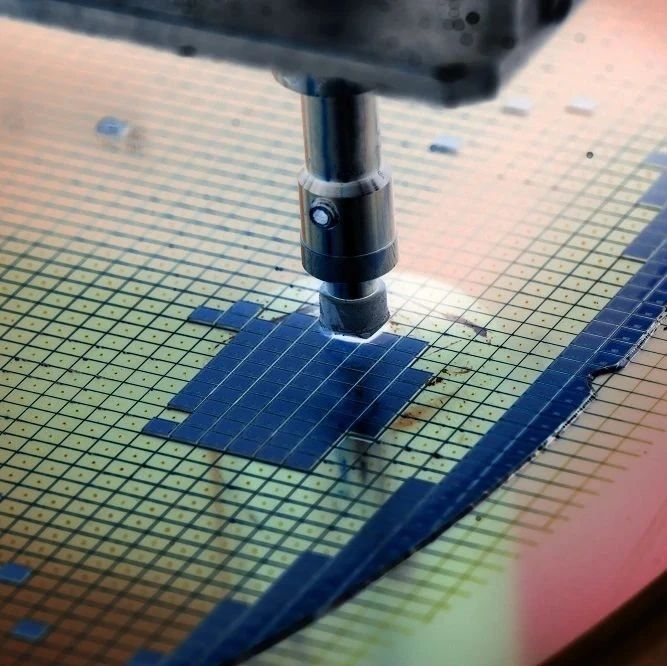
Core Insights - The magnetic sensor market in China is experiencing robust growth, with the market size projected to increase from 3.71 billion yuan in 2018 to 9.95 billion yuan by 2024, representing a compound annual growth rate (CAGR) of 17.87% [1][18] - Key drivers of this growth include sustained demand from consumer electronics, automotive electronics, and industrial automation, as well as the application of emerging technologies [1][18] - The integration of magnetic sensors in various applications such as smartphones, electric vehicles, and smart home devices is further propelling market demand [1][18] Industry Overview - Magnetic sensors are essential components in modern electronic systems, capable of accurately measuring physical quantities by capturing changes in magnetic fields [1][3] - The industry is categorized into Hall sensors and magnetic resistance sensors, with the latter further divided into anisotropic magnetoresistance (AMR), giant magnetoresistance (GMR), and tunnel magnetoresistance (TMR) sensors [3][5] Market Segmentation - Hall sensors dominate the market, holding approximately 69% market share in China, with a market size projected to grow from 3.01 billion yuan in 2017 to 6.55 billion yuan by 2024, at a CAGR of 13.84% [7][19] - The magnetic resistance sensor market is also expanding rapidly, with the market size expected to grow from 660 million yuan in 2018 to 3.33 billion yuan by 2024, achieving a CAGR of 30.96% [21] - AMR sensors are projected to grow from 370 million yuan in 2018 to 1.41 billion yuan by 2024, with a CAGR of 24.98% [22] - GMR sensors are expected to increase from 150 million yuan in 2018 to 560 million yuan by 2024, with a CAGR of 24.55% [22] - TMR sensors are anticipated to grow from 140 million yuan in 2017 to 1.36 billion yuan by 2024, achieving a remarkable CAGR of 46.07% [22] Industry Chain - The magnetic sensor industry chain consists of upstream suppliers of raw materials and core components, midstream manufacturers responsible for design and production, and downstream applications in various sectors such as consumer electronics, automotive electronics, and industrial automation [12][14] Key Companies - Notable companies in the magnetic sensor market include domestic players such as Shanghai Canrui Technology, Suzhou Naxin Microelectronics, and others, alongside global leaders like Allegro, Infineon, and TDK [25][27][29] Development Trends - The industry is focusing on enhancing product sensitivity, temperature stability, miniaturization, and low power consumption to meet the evolving demands of applications in precision measurement, automotive electronics, and IoT devices [31][32][34][35]



2025年-2035年电子材料及化学品市场分析
势银芯链· 2025-06-05 07:39
"宁波膜智信息科技有限公司"为势银(TrendBank)唯一工商注册实体及收款账户 添加文末微信,加 光刻胶 群 乙烯共聚物市场规模和份额预测 (2025年-2035年) 到2025年,全球电子材料和化学品市场估计为599亿美元。到2035年,预计将达到约986亿美元。从 2025年到2035年,这种扩张将以5.1%的复合年增长率发生。 这一增长主要是由对先进半导体、平 板显示器和光伏设备的需求不断增长的推动。 来源:网络 AI 数据中心和5G基础设施的广泛部署推动了需求。 在2025年第一季度财报电话会议上,空气产品 公司董事长兼首席执行官葛思民(Seifi Ghasemi)表示,"为了满足全球芯片制造商前所未有的需 求,人们对高纯度工艺化学品进行了创纪录的投资",据报道,美国、台湾和韩国的需求强劲。英 特尔(俄亥俄州,2025 年)和台积电(日本,2025 年)的新制造厂导致 CMP 浆料、光刻胶和超 高纯度湿化学品的采购增加。 太阳能投资进一步加速了消费。 在Shin-Etsu Chemical Co. 于 2025 年 2 月发布的投资者更新中,该 公司确认将扩大为印度和中国的太阳能电池制造商生产高纯 ...
全面分析2025年分布式天线系统(DAS)市场
Sou Hu Cai Jing· 2025-05-28 03:26
北京弈赫国际信息咨询有限公司是一家业务覆盖全球的利基市场信息咨询公司,研究涉及了21个主要行业和1200个利基市场,覆盖了70多个国 家,一直致力于产出专业严谨的行业趋势分析,数据洞察,市场研究和解决方案。百度搜索yiheconsult或者弈赫咨询,访问官网获得免费报告样 本。 北京弈赫市场咨询最近发布了关于分布式天线系统(DAS)2025市场深度分析报告,包括全球与中国版本,行业跟踪多年可根据客户要求进行定制,可提交 申请获得免费样本。 来源:弈赫市场咨询 分布式天线系统(DAS)市场报告的目标读者涵盖了多个行业的从业人员和决策者,包括但不限于运营商、设备制造商、系统集成商、投资者、市场分析师 以及政府监管机构等。对于这些受众群体而言,了解DAS市场的最新动态与趋势是至关重要的。通过本报告,读者不仅可以获得全球范围内的市场规模、增 长率和主要参与者的详细信息,还能深入分析区域市场的独特挑战与机遇。这份报告为各类从业者提供了宝贵的市场洞察,帮助他们在快速变化的通信行业 中做出明智的决策。 在分布式天线系统市场中,一些主要参与者占据了重要的市场份额。公司,如华为、爱立信、诺基亚、思科等,凭借其在无线通信领域的深 ...
曾风靡全国的5G技术,为何突然“哑火”了?
Sou Hu Cai Jing· 2025-05-27 07:45
Core Viewpoint - The article critiques the current state of 5G technology, highlighting the gap between its promised revolutionary applications and the reality of its usage, which has largely devolved into basic speed tests and limited industrial applications [1][3][16]. Group 1: Investment and Infrastructure - In 2019, major telecom operators invested over 1 trillion yuan to build 5G infrastructure, resulting in 2.844 million 5G base stations across China, achieving 100% coverage in county-level cities [3]. - Despite the extensive infrastructure, the average revenue per user (ARPU) for telecom operators increased only by 5 yuan, indicating a lack of profitability from the 5G investments [6][12]. - The operational costs for maintaining 5G networks are significantly higher, with individual base stations consuming three times the electricity of 4G, leading to substantial annual electricity costs [12]. Group 2: Application and Market Reality - The most common application of 5G has been for speed testing, with users primarily sharing speed test screenshots on social media, rather than utilizing advanced features like remote surgeries [3][16]. - Many enterprises are still relying on traditional applications, with 90% of businesses using 5G for basic surveillance rather than innovative solutions [3]. - The automotive industry, which was expected to leverage 5G for autonomous driving, continues to rely on 4G and WiFi due to insufficient 5G infrastructure [9]. Group 3: Competitive Landscape - The competition among domestic companies like Huawei, ZTE, and Datang has led to a drastic reduction in base station prices, resulting in thin profit margins [14]. - Internationally, companies face challenges from patent wars, with Qualcomm charging fees to both smartphone and automotive manufacturers, complicating the market dynamics [14]. - Apple has emerged as a significant beneficiary, achieving a 38% gross margin on 5G smartphones, while Chinese companies struggle with low profitability in network infrastructure [14]. Group 4: Future Outlook - The article suggests that the hype surrounding 5G has transitioned into a more cautious perspective, emphasizing that technological breakthroughs must be matched by viable commercial applications to succeed [16]. - The experience with 5G serves as a lesson for future technologies like 6G, indicating that without practical applications, even the fastest networks may not deliver value [16].