
脑机接口

Search documents
脑机接口龙头,冲击IPO
财联社· 2026-01-12 14:43
以下文章来源于创投日报 ,作者张洋洋 创投日报 . 投资方阵容也亦颇为多元。既包括IDG、由英特尔CEO陈立武创立的华登国际等知名投资机构,也包括"果链"核心企业蓝思科技、领益智 造,以及韦尔股份、润泽科技、华住集团、好未来集团等产业与战略投资方,此外还有来自中国香港、美国的多家顶级家族办公室参与。 对此这次融资,强脑科技方面回应《科创板日报》记者表示, 募集资金将用于全力加速脑机接口核心技术研发、极限工程突破、产品规模 化、量产落地。公司目标在未来五到十年内,帮助100万肢体残疾人,通过佩戴神经控制假肢,恢复日常生活,重返社会。让1000万经受自 闭症、ADHD、阿兹海默症、失眠等脑疾病痛苦的患者得到改善。 公开资料显示,强脑科技创立于2015年,由创始人韩璧丞率领团队在哈佛大学创新实验室孵化而来。韩璧丞是哈佛大学脑科学中心博士生, 本科毕业于韩国科学技术院精密仪器与医疗仪器专业。 作为国内少有的脑机接口独角兽企业,强脑科技选择了一条以非侵入式脑机接口为核心的技术路线,通过在大脑与外部设备之间建立稳定的 信号传输通路,实现脑信号的采集、解码与反馈,主要面向残疾人康复、孤独症等脑疾病干预场景,目前已有多款产品 ...


A股晚间热点 | AI应用、商业航天大涨!概念股批量提示风险
智通财经网· 2026-01-12 14:42
1、AI应用、商业航天大涨!概念股批量提示风险 重要程度:★★★★★ 近一段时间以来,AI应用、商业航天概念表现抢眼,估值水涨船高。1月12日,两大板块再度爆发!被热 炒的AI应用、商业航天概念,是否存在隐忧?多家上市公司对此轮炒作表现出警惕。1月12日晚间,多只 概念股公告提示风险: AI应用方面: 20%涨停值得买:与MiniMax合作事项对当前主营业务未构成实质性影响 6天5板引力传媒:GEO业务尚未形成成熟的商业模式 对此,毛宁表示,具体的情况建议你向中方的主管部门了解。我想说的是,中方依法依规采取有关措施, 完全是正当合理合法。 2连板博瑞传播:相关GEO业务营业收入为0 2连板恒为科技:不涉及AI应用相关业务 商业航天方面: 3连板中衡设计:中标部分商业航天高端制造基地设计项目 但单个项目设计合同额均较小 20%涨停中科星图:当前公司股价涨幅与商业航天业务实际业绩支撑不匹配 存在显著脱离基本面的风险 20%涨停理工导航:商业航天应用领域的相关规划目前仅处于业务布局的起步阶段 中国卫星:股价短期涨幅过大存在市场情绪过热、非理性炒作风险 2、中国对日本稀土出口许可审查被暂停?外交部:完全是正当合理合法 ...

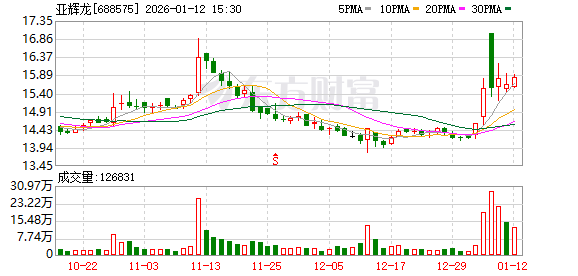
亚辉龙跨界“脑机接口”背后:合作方仅成立4个月、产品未取证
Zhong Guo Jing Ying Bao· 2026-01-12 14:36
Core Viewpoint - The company YHLO (688575.SH) received a regulatory warning for misleading information disclosure related to its strategic cooperation with Shenzhen Brain Machine Star Chain Technology Co., Ltd. regarding brain-computer interface technology [2][5]. Group 1: Regulatory Issues - YHLO's announcement about the cooperation with Brain Machine Star Chain contained inconsistent statements regarding the technical approach, failing to adequately disclose risks related to collaboration feasibility and uncertainty [2]. - The Shanghai Stock Exchange issued an inquiry letter shortly after YHLO's announcement, leading to a regulatory warning for the company's then Secretary of the Board, Wang Mingyang [2]. Group 2: Company Background and Product Development - Brain Machine Star Chain was established in September 2025 with a registered capital of 5 million yuan, and its products have not yet obtained medical device registration certificates, leading to uncertainty about their approval timeline [2]. - YHLO stated that the cooperation would not have a significant impact on its business, and the development cycle for related projects is long and uncertain [2][5]. Group 3: Stock Price Movement - On January 6, YHLO's stock price rose by 6.52%, with trading volume increasing by 299% before the announcement of the strategic cooperation [4]. - Following the regulatory inquiry and a supplementary announcement, YHLO's stock price stabilized at 15.53 yuan per share by January 7, remaining unchanged from the previous closing price [6]. Group 4: Financial Performance - YHLO reported a revenue of approximately 1.287 billion yuan for the first nine months of 2025, a year-on-year decline of 7.69%, with net profit dropping by 72.36% due to reduced domestic market demand and losses from financial assets [7]. - The company plans to invest no more than 15 million yuan in Brain Machine Star Chain, which is a small proportion of its cash reserves of 466 million yuan as of September 2025 [8].

三七互娱:目前已投资的脑机接口公司包括华南脑控及强脑科技
Zheng Quan Shi Bao Wang· 2026-01-12 14:35
Group 1 - The core viewpoint of the article is that the company Sanqi Interactive Entertainment has invested in brain-computer interface companies, specifically Huannan Brain Control and Qiang Brain Technology, with investments of 20 million RMB and 20 million USD respectively [1] Group 2 - The investment in Huannan Brain Control amounts to 20 million RMB [1] - The investment in Qiang Brain Technology amounts to 20 million USD [1]

上海发布脑机接口重磅文件,5年内全面实现临床应用
第一财经· 2026-01-12 14:25
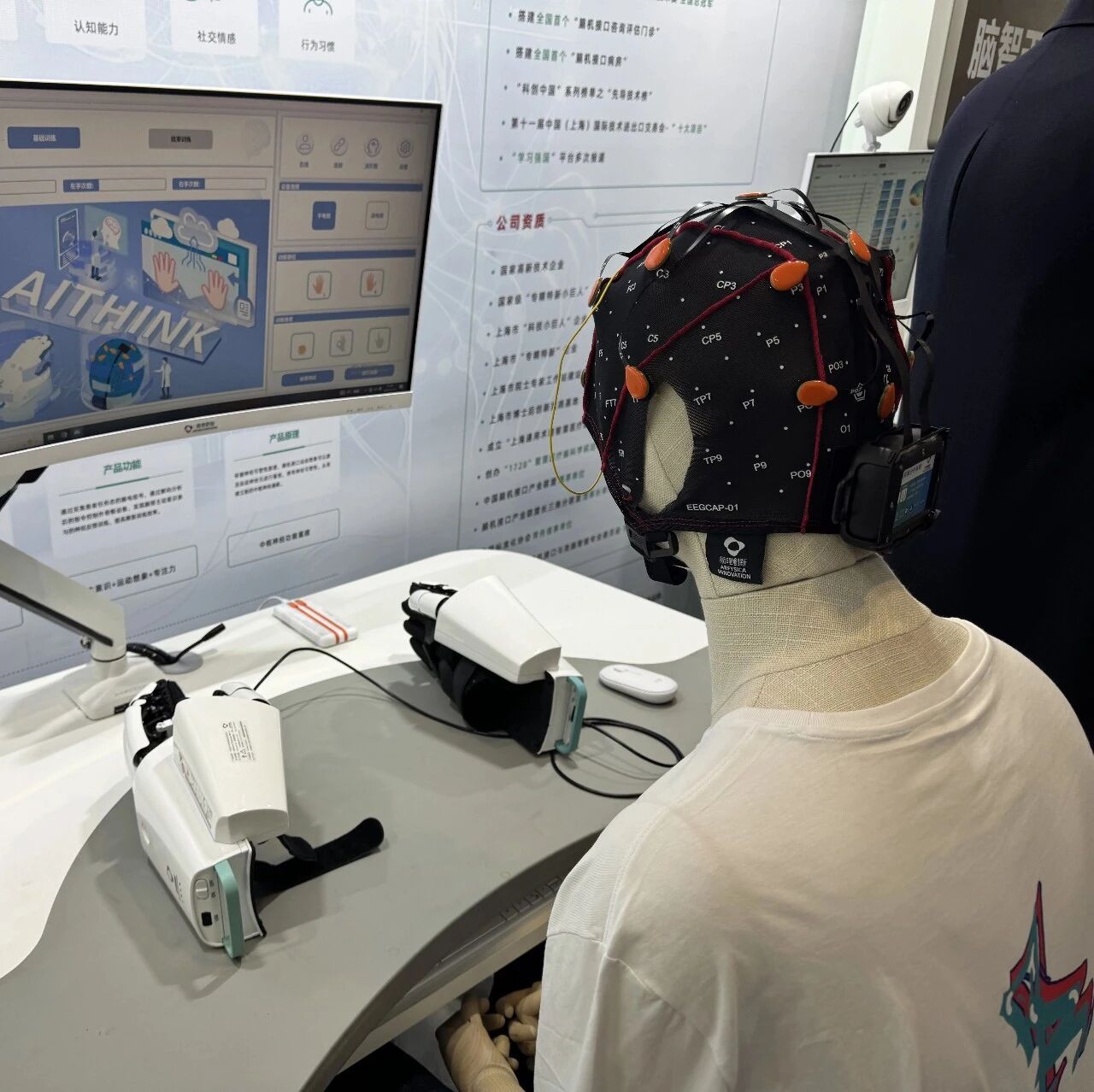
Core Viewpoint - Shanghai is positioning itself as a leading hub for brain-computer interface (BCI) technology, with a comprehensive R&D system covering invasive, semi-invasive, and non-invasive technologies, aiming for significant advancements and clinical applications by 2027 [3][4]. Group 1: Development Plans and Goals - The "Shanghai Brain-Computer Interface Future Industry Cultivation Action Plan (2025-2030)" outlines goals to achieve high-quality brain control and clinical applications for semi-invasive BCIs by 2027, alongside breakthroughs in invasive BCI research [3][4]. - By 2030, the plan aims for comprehensive clinical application of BCI products and the establishment of a globally competitive innovation hub for BCI technology [4][5]. Group 2: Clinical Trials and Innovations - The second invasive BCI clinical trial in China successfully demonstrated thought-controlled wheelchair operation, marking a significant milestone in BCI technology [4]. - The plan includes the goal of having over five invasive and semi-invasive BCI products pass medical device inspections by 2027, and fostering at least five innovative companies with core BCI technology [4][5]. Group 3: Data and Standards - The initiative emphasizes the creation of standards for brain signal data collection across various tasks, aiming to build a high-quality dataset of at least 1,000 cases to support algorithm development and neuroscience research [5][6]. - The "iBRAIN EEG dataset" is being developed to promote shared public data resources, addressing the current scarcity of brain signal data [5][6]. Group 4: Industry Ecosystem and Support - Shanghai is establishing specialized incubators and industry clusters to accelerate the commercialization of BCI technologies, with financial support for leading companies and projects [6][7]. - The "Brain Intelligence Future Industry Cluster" has attracted nearly 20 teams and companies since its launch, with significant investment and support from the local government [7][8]. Group 5: Future Prospects and Collaboration - The Shanghai government is committed to fostering innovation in BCI technology across various sectors, including healthcare and education, while enhancing international collaboration [8].
有基金一天规模增加了100多亿
Xin Lang Cai Jing· 2026-01-12 14:12
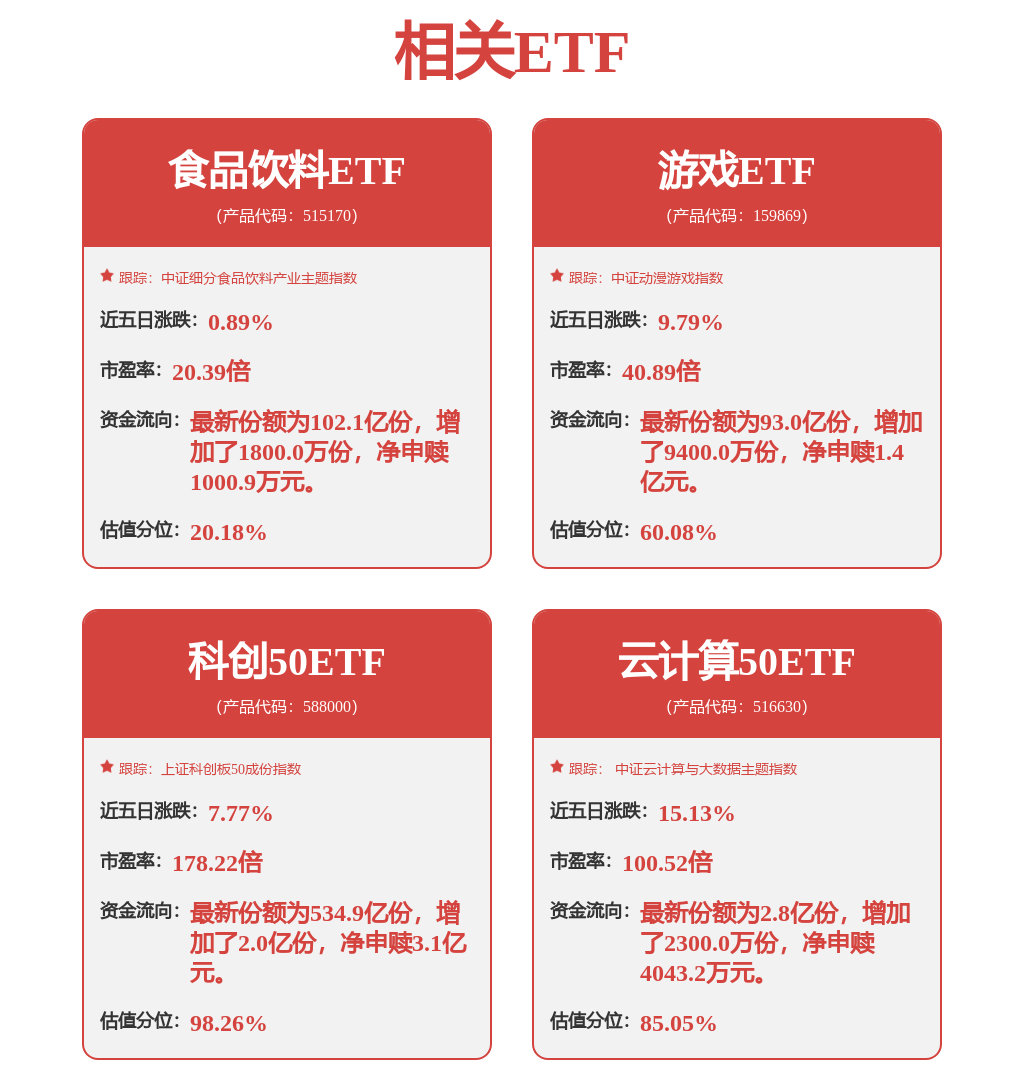
Market Overview - The A-share market has experienced a significant surge, recording a "17 consecutive days" increase in indices, with total trading volume reaching 3.64 trillion yuan, setting a new historical record [1][12] - Over 4,100 stocks have risen, indicating a strong bullish sentiment among both retail and institutional investors [1][12] Fund Activity - Stock funds have seen substantial increases in positions, with a notable shift in the structure of these investments compared to the past [2][13] - Retail investors have shown heightened enthusiasm since the beginning of the year, correlating with rising margin trading and trading volumes [3][14] Sector Trends - Retail investors are primarily investing in thematic funds, particularly in emerging sectors such as brain-computer interfaces and satellites, with some funds experiencing rapid growth in assets under management [3][14] - For instance, a fund focused on commercial aerospace has surpassed 20 billion yuan in assets, up from just over 1 billion yuan last year [3][14] Fund Performance - A fund heavily invested in AI applications saw an estimated net value increase of 15% in one day, although the actual increase was reported at 8% [4][5][15][16] - The top-performing fund for the day was the Western Li De Technology Innovation fund, which achieved a single-day increase of over 14% [6][17] Institutional Behavior - Institutions, particularly small and medium-sized insurance companies, are also increasing their positions, having previously reduced their stock holdings due to solvency pressures [19] - The general consensus among institutions is that AI applications are entering a core window period, similar to the "Internet Plus" phase of 2014-2015, with expectations for significant growth in the first half of the year [19][20] Market Sentiment - There is a prevailing expectation of a "spring rally," with many investors eager to enter the market ahead of upcoming quarterly earnings reports, which may reveal disappointing short-term performance [9][21] - Investors are looking to capitalize on the current market momentum before potential downturns associated with earnings announcements [21]
2026市场热点周报1月5日-1月11日
Sou Hu Cai Jing· 2026-01-12 14:10
Global Capital Markets - The global market is characterized by a simultaneous rise in risk appetite and demand for safe-haven assets, with A-shares experiencing a strong start to the year, as the Shanghai Composite Index returns to the 4000-point mark, driven by technology themes [2][3] - The US stock market sees the Dow Jones and S&P 500 indices reaching historical highs, supported by expectations of interest rate cuts and a rally in technology stocks [5][6] A-Share Market - The A-share market shows a strong performance with the ChiNext 50 Index surging nearly 10%, indicating a significant increase in risk appetite among investors [2][3] - The brain-computer interface concept emerges as a major highlight, with related stocks experiencing substantial gains, driven by technological breakthroughs and domestic industry acceleration [3][4] US Stock Market - The US stock market indices collectively rise, with the Dow Jones and S&P 500 achieving record closing highs, driven by expectations of a stable labor market and potential interest rate cuts [5][6] - Technology stocks, particularly semiconductor companies, are at the forefront of this rally, with significant gains observed in major players like Intel and Micron Technology [7] Commodity Markets - The international precious metals market sees significant price increases, with gold and silver prices rising sharply, driven by geopolitical tensions and expectations of liquidity easing [8][9] - Global official gold reserves surpass the value of overseas US Treasury bonds for the first time in 30 years, indicating a shift in the global reserve asset landscape [9][10] Semiconductor Industry - The semiconductor sector experiences a boom, particularly in storage chips, driven by surging demand from AI servers, with significant price increases reported [16][17] - Advanced process technology sees progress, with Qualcomm and Samsung discussing 2nm chip foundry cooperation, marking a new phase in the semiconductor industry's competitive landscape [18] AI Technology and Applications - The CES 2026 showcases significant advancements in AI technology, with major companies like NVIDIA and AMD unveiling new products that enhance AI capabilities [19][20] - Chinese manufacturers actively participate in the AI wearable sector, demonstrating technological strength and innovation, contributing to the global proliferation of AI devices [21][22] Commercial Space Industry - The commercial space sector witnesses intensified competition for frequency resources, with SpaceX receiving approval for additional Starlink satellites and China submitting large-scale satellite applications [23][24] - The rapid development of the space economy is anticipated, with projections indicating that the market could exceed $1 trillion in the coming years [25] Consumer Electronics - Rising storage chip prices are beginning to impact consumer electronics, leading to increased costs for smartphones, PCs, and electric vehicles, prompting companies to adjust their product strategies [26][27] - The smartphone market exhibits signs of "covert price increases," with manufacturers reducing configurations or shrinking discounts to offset rising costs [27][28] Global Market Interconnectivity - The global market shows enhanced interconnectivity, with the performance of the technology sector influencing asset allocation strategies across different markets [29] - The expectation of US Federal Reserve interest rate cuts is becoming a core variable in global asset pricing, affecting capital flows and investment strategies [29][30]


创新医疗:博灵脑机产品赛博灵科AC5已于2025年10月正式上市销售
Zhi Tong Cai Jing· 2026-01-12 14:05
Core Viewpoint - The stock of Innovation Medical (002173.SZ) experienced a significant price fluctuation, with a cumulative increase of over 20% in closing prices over three consecutive trading days in January 2026, indicating abnormal trading activity [1] Group 1: Company Overview - Innovation Medical's subsidiary, Bole Brain Machine (Hangzhou) Technology Co., Ltd., was established in early 2021 and was included in the consolidated financial statements in August 2025 [1] - The primary products of Bole Brain Machine are designed for rehabilitation training of patients with cerebrovascular diseases, particularly focusing on stroke and paralysis [1] Group 2: Product and Financial Performance - The product "Cyberlink AC5" was officially launched in October 2025, generating revenue of 114,000 yuan in that year [1] - The "Cyberlink AM5" has completed multi-center clinical trials but has not generated revenue in 2025 [1] - The operating losses for Bole Brain Machine were 6.60 million yuan in 2023 and 8.66 million yuan in 2024 [1]

三七互娱:已投资脑机接口公司华南脑控及强脑科技
Xin Lang Cai Jing· 2026-01-12 14:04
Group 1 - The company has invested in brain-computer interface companies, including Huannan Brain Control and Qiang Brain Technology [1] - The investment amounts to 20 million RMB and 20 million USD respectively [1]
创新医疗(002173.SZ):博灵脑机产品赛博灵科AC5已于2025年10月正式上市销售
智通财经网· 2026-01-12 14:00
Core Viewpoint - Innovation Medical (002173.SZ) has experienced significant stock price fluctuations, with a cumulative increase of over 20% in three consecutive trading days, indicating market interest in its brain-computer interface business [1] Group 1: Company Overview - Innovation Medical's subsidiary, Boling Brain Technology (Hangzhou) Co., Ltd., was established in early 2021 and included in the consolidated financial statements in August 2025 [1] - The primary products of Boling Brain Technology are designed for rehabilitation training of patients with cerebrovascular diseases, mainly focusing on stroke and hemiplegia [1] Group 2: Product and Financial Performance - The product "Cyberlink AC5" was officially launched in October 2025, generating revenue of 114,000 yuan in that year [1] - The "Cyberlink AM5" has completed multi-center clinical trials but has not generated revenue in 2025 [1] - Boling Brain Technology reported operating losses of 6.60 million yuan in 2023 and 8.66 million yuan in 2024 [1]